
Many people are surprised to learn that a skin condition can reach into the mouth. Can shingles affect your teeth and gums? Yes. This happens when the virus reactivates in the branch of the trigeminal nerve that supplies the jaw. It isn't a mysterious connection. It's a direct nerve-and-blood-vessel pathway. The varicella-zoster virus (VZV), the same virus responsible for chickenpox, can lie dormant for decades. It can later reawaken along a facial nerve. When it does, oral symptoms can appear that closely resemble ordinary dental problems. Understanding this connection matters for anyone facing unexplained tooth or gum pain.
Can Shingles Affect Your Teeth and Gums?
Shingles in the mouth occurs when the maxillary or mandibular branch of the trigeminal nerve is involved. These branches run directly to the teeth, gums, and jawbone. In most cases the effect is temporary, nerve-related pain. In rare, documented cases it has led to real structural damage, including bone and tooth involvement.
How Shingles Can Affect the Mouth and Oral Tissues
The trigeminal nerve carries sensation to the entire face, including the upper and lower jaws. When shingles activates along its maxillary or mandibular branches, the areas it supplies can react. The gums, palate, tongue, and inner cheek can become inflamed, sensitive, or develop lesions. This is the physiological basis behind shingles and oral health concerns. It explains why pain can radiate through several teeth at once rather than staying in one spot.
Can Shingles Affect Your Gums?
Shingles on the gums is a recognized presentation when the affected nerve branch supplies that area. Patients may notice painful sores, redness, swelling, or unusual sensitivity along one side of the gum line. Because the trigeminal nerve is one-sided, gum involvement is almost always unilateral. This helps distinguish it from other oral conditions that tend to appear more evenly on both sides.
What Do Shingles on the Gums Look and Feel Like?
Gum-related lesions may appear as small, clustered blisters or shallow ulcers. A burning, tender, or raw feeling often develops before any visible sore appears. Not every red or irritated gum area is shingles, so professional diagnosis matters. A dentist or physician needs to confirm the pattern, timing, and accompanying facial symptoms before concluding the cause is viral rather than dental.
Can Shingles Cause Tooth Pain?
Yes, even when the tooth itself is completely healthy. Because the trigeminal nerve carries sensation to the teeth, its irritation can produce pain that feels exactly like a toothache or infection. This prodromal pain often appears before any rash. That is precisely why patients, and sometimes even dental providers, initially suspect a cavity, cracked tooth, or dental abscess.
What Are Shingles Tooth Pain Symptoms?
Recognizing the specific symptoms helps with early detection. Shingles tooth pain can include burning or shooting pain along the jaw and extreme sensitivity to temperature. Tingling or numbness in the gums or lips is common too. Pain often spreads across several teeth in one region rather than a single tooth. It may also come with a facial rash or oral sores. Spotting this pattern early can help avoid unnecessary dental procedures performed before the true cause is identified.
What Are the Symptoms of Shingles in the Mouth?
Oral shingles symptoms typically include clustered vesicles or ulcers on the palate, tongue, inner cheek, or gums. They're usually confined to one side of the mouth. Burning pain, sensitivity to hot or cold, and general facial discomfort often accompany these lesions. Herpes zoster mouth symptoms can appear alongside, or even before, the classic skin rash. This sometimes delays an accurate diagnosis.
Can Oral Shingles Occur Without a Skin Rash?
In some cases, yes. Oral involvement can appear with a very limited rash, or no visible skin rash at all. This presentation is sometimes called zoster sine herpete. It makes diagnosis considerably harder, since clinicians must rely more heavily on nerve-pattern pain, patient history, and oral examination rather than an obvious external rash.
Can Shingles Cause Tooth Loss?
Can shingles affect your teeth and gums badly enough to cause tooth loss? Typically not. Shingles itself does not usually make a healthy tooth fall out. In rare, well-documented cases, severe nerve-vascular involvement, delayed treatment, or pre-existing dental problems combined with the infection have contributed to spontaneous tooth loss. These outcomes are uncommon and mostly reported in individual case studies rather than large populations.
Does Shingles Permanently Damage the Teeth?
Most shingles-related tooth pain is nerve pain without any lasting structural damage. Permanent damage, such as bone death, root resorption, or actual tooth loss, is rare. It is generally tied to more severe, prolonged, or complicated cases. If tooth pain persists well after other symptoms resolve, a dental evaluation is important to rule out separate or coexisting issues.
How Shingles Affects Oral Health and Dental Nerves
Can shingles affect your teeth and gums through a purely nerve-based mechanism? Shingles and oral health are connected through the trigeminal nerve's direct supply to the jaw. Largely, this mechanism is nerve-based. Most oral symptoms stem from nerve inflammation and pain signaling rather than an infection of the tooth structure itself. The involved blood vessels can occasionally be affected too.
The Connection Between Shingles and the Trigeminal Nerve
The trigeminal nerve is the primary nerve responsible for facial sensation. It splits into three branches: ophthalmic, maxillary, and mandibular. Roughly 15% to 20% of all shingles cases involve this nerve. The maxillary and mandibular branches are most closely tied to dental symptoms. When reactivated virus travels along these branches, it can generate significant pain across the jaw, teeth, gums, and surrounding facial tissue.
Why Shingles Tooth Pain Can Feel Like a Dental Problem
Nerve-related shingles pain and ordinary dental pain can feel remarkably alike. Both are carried through the same trigeminal pathways. Without imaging and a careful oral exam, distinguishing the two by symptoms alone is difficult. This overlap is a major reason patients suspect, and sometimes already treat, a dental problem that wasn't actually there.
Shingles Pain vs. Tooth Infection
Comparing the two helps explain how shingles differs from an infection. Nerve pain from shingles tends to be burning, shooting, or tingling. It often spreads across multiple teeth. Dental infection pain is usually throbbing and localized to one tooth. Swelling is more typical of a genuine dental infection and less common with pure nerve involvement. Oral lesions and facial skin symptoms point toward shingles. Isolated swelling without a rash points toward a dental cause.
Shingles and Gum Pain: What Patients Should Know
Gum pain from shingles can make basic oral hygiene feel daunting, but skipping care isn't the answer. Gentle brushing, avoiding harsh mouthwashes, and staying hydrated help protect the gums while lesions heal. Patients should watch for worsening pain, spreading sores, or new swelling. These can signal either a shingles complication or a separate dental issue needing prompt attention.
Clinical Note
Oral shingles can convincingly mimic toothache or gum disease. This makes a proper clinical examination essential before assuming decay, an abscess, or another dental condition is responsible. Anyone experiencing sudden, one-sided facial or oral pain, especially alongside tingling, burning, or a developing rash, should seek prompt medical and dental evaluation rather than waiting for symptoms to resolve on their own.
How Is Shingles in the Mouth Diagnosed?
Diagnosing shingles in the mouth requires connecting oral findings with the broader clinical picture. This includes facial nerve symptoms and pain patterns. This condition can mislead even experienced clinicians. That is exactly why a structured examination, rather than assumptions based on appearance alone, matters so much for reaching the right diagnosis.
What Does a Dentist Look for During an Examination?
A dentist evaluating possible oral shingles will note several things. These include the location and appearance of any lesions, whether pain follows a one-sided nerve pattern, and the condition of the gums and teeth. Accompanying facial symptoms and nerve sensitivity to touch or temperature also matter. So does the patient's medical history, including the timing of symptom onset relative to any rash or prior chickenpox history.
When Should You See a Dentist for Oral Shingles Symptoms?
Patients should seek dental evaluation for persistent tooth pain without a clear dental cause. Unexplained gum pain, unusual oral blisters or ulcers, and burning or tingling facial sensations are other warning signs. So is sudden sensitivity that doesn't match any obvious dental problem. Early evaluation helps separate genuine shingles-related symptoms from coincidental or unrelated dental disease requiring its own treatment.
Can Shingles Be Mistaken for a Tooth Infection?
Yes, and this overlap is well documented. Because the same nerve carries both types of pain, shingles can be mistaken for a tooth infection. This sometimes leads to unnecessary root canals or extractions performed before the rash appears. Avoiding this outcome depends on recognizing when pain doesn't quite fit a typical dental pattern, and pursuing further evaluation before invasive treatment.
Tips for the Patients
Patients managing oral shingles symptoms should maintain gentle oral hygiene. Avoid extremely hot, spicy, or acidic foods that irritate lesions. Keep brushing carefully rather than stopping altogether. Seek professional assessment for any unexplained tooth or gum pain, and follow prescribed medical treatment promptly to reduce the risk of prolonged nerve pain or complications.
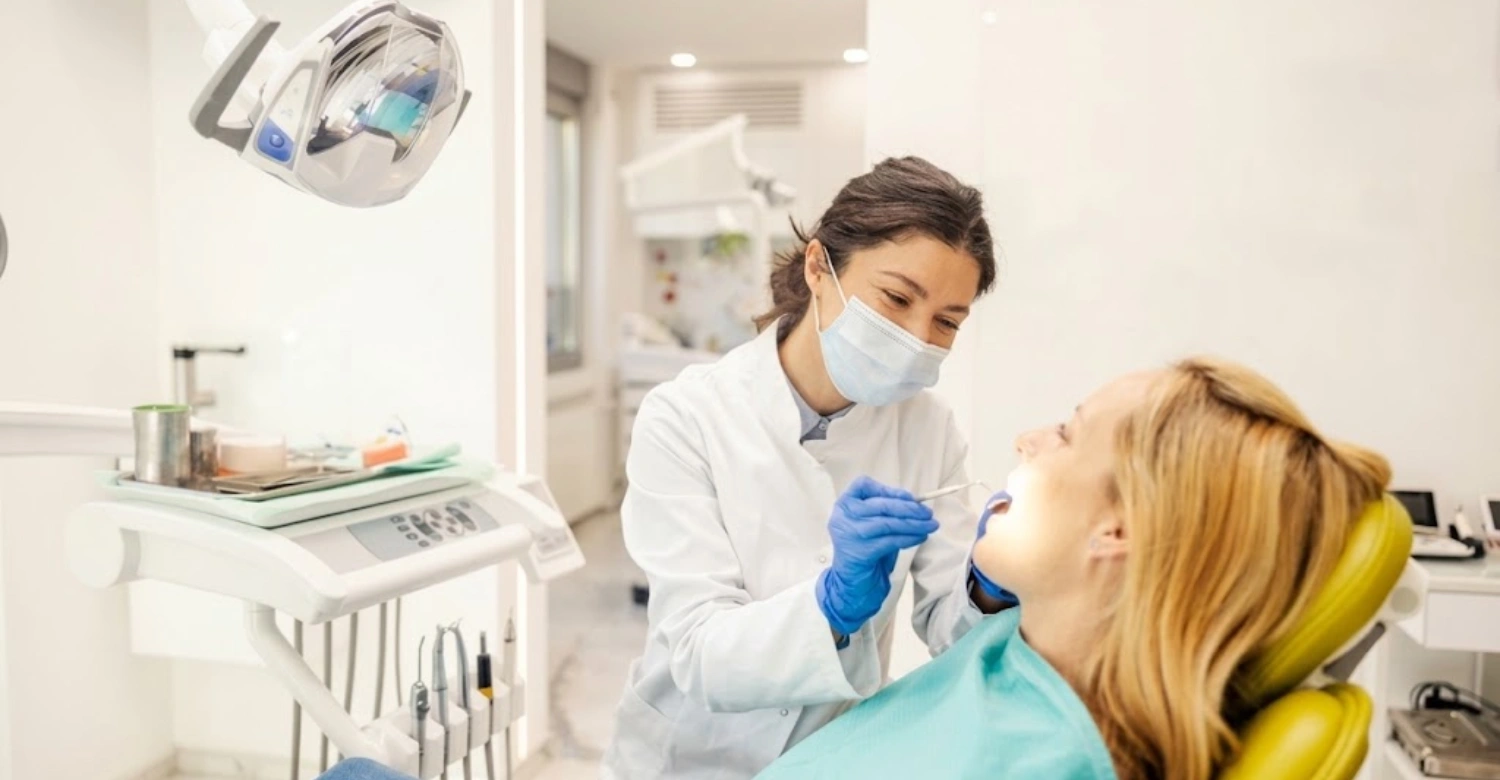
Treatment and Management of Shingles Affecting the Mouth
Managing shingles and oral health together usually means treating the underlying viral infection medically. Supporting the mouth through gentle, targeted care matters too. Dental intervention is occasionally needed for severe cases. Most oral symptoms improve as the shingles episode itself resolves, without any tooth-specific treatment being necessary at all.
How Is Oral Shingles Treated?
Because oral symptoms come from the same viral process, treatment targets the infection itself. Oral shingles is generally treated as part of managing the overall shingles episode, typically under medical supervision. Early evaluation improves outcomes and can shorten the duration of pain. Pain management, whether through medication or supportive care, often forms a central part of treatment. This matters most while oral lesions and nerve sensitivity are at their peak.
How Can You Manage Shingles Tooth Pain?
Managing shingles tooth pain starts with following the treatment plan set by a healthcare professional. Nerve-related pain generally improves as the underlying infection resolves. Avoid known triggers such as very hot or cold foods. Keep the mouth clean with gentle brushing. Seek a separate dental assessment if symptoms suggest an independent dental problem. Together, these steps support a smoother recovery.
Can Dental Treatment Help Shingles-Related Tooth Pain?
Since oral symptoms often occur without any real dental damage, treatment choices need care. Dental treatment helps only when an actual dental problem exists alongside the shingles episode. Nerve-related pain does not automatically mean a tooth needs extraction, a root canal, or another invasive procedure. Careful evaluation is needed to confirm whether pain originates from the tooth itself or from the nerve, before any irreversible dental treatment is considered.
Oral Hygiene During Shingles
Maintaining oral hygiene during shingles involves gentle brushing with a soft-bristled brush. Careful flossing when comfortable and staying well hydrated also help. Avoid foods that irritate sensitive tissue, and monitor the gums and oral lining for any changes. Consistent, gentle care protects against secondary infection while the nerve and any oral lesions gradually heal.
Shingles and Oral Health: Possible Complications
Some complications extend beyond the initial shingles episode itself. In certain documented cases, symptoms can persist well after the visible rash has cleared. Nerve pain, and occasionally structural dental issues, can emerge or continue long after other acute symptoms have resolved.
Can Shingles Cause Long-Term Nerve Pain?
Postherpetic neuralgia is a recognized complication of shingles. Nerve pain continues long after the rash has healed. When this occurs along the maxillary or mandibular branch, patients may keep experiencing tooth-like or jaw pain for months. This happens even though no active infection or dental problem remains present in the area.
Can Shingles Affect Your Ability to Eat?
Painful oral lesions can make chewing and swallowing genuinely uncomfortable during an active episode. Choosing soft, non-irritating foods and prioritizing hydration helps maintain nutrition while symptoms are at their worst. As lesions heal and nerve pain eases, most patients gradually return to their normal diet without any lasting difficulty eating.
Can Oral Shingles Affect Your Dental Treatment?
Active oral shingles symptoms can complicate routine dental treatment planning. Dentists must distinguish viral nerve pain from genuine dental disease before proceeding. Individualized treatment planning, sometimes involving a delay of elective procedures until the episode resolves, helps avoid unnecessary intervention on teeth that were never actually the source of the problem.
Shingles in the Mouth vs. Other Oral Conditions
Can shingles affect your teeth and gums in ways that resemble other conditions? Distinguishing shingles in the mouth from other oral conditions is essential, since several conditions can look similar at first glance. Canker sores, gum infections, abscesses, and cold sores can all resemble it. This overlap makes careful comparison and professional evaluation genuinely necessary.
Oral Shingles vs. Canker Sores
Canker sores are typically small, round, and can appear anywhere in the mouth on either side. They come without any accompanying facial rash. Oral shingles lesions, by contrast, follow a one-sided nerve pattern. They often come with burning pain, tingling, and sometimes a visible facial rash, features canker sores do not share.
Oral Shingles vs. Gum Infection
A typical gum infection usually involves localized swelling, redness, and sometimes pus around one or more teeth. It doesn't spread in a nerve-based pattern. Oral shingles instead follows the distribution of the affected trigeminal branch. It tends to be unilateral and is frequently accompanied by burning or tingling sensations not usually seen with ordinary gum infections.
Oral Shingles vs. Tooth Abscess
Weighing shingles against a genuine abscess starts with the pain pattern. A tooth abscess generally causes throbbing pain localized to one tooth. It often comes with visible swelling and sometimes fever. Shingles-related pain, in comparison, tends to spread across several teeth in one region. It follows the nerve's territory rather than a single tooth's root, making the pattern of pain a key differentiating clue.
Oral Shingles vs. Cold Sores
Cold sores are caused by herpes simplex virus. They typically appear at the outer edge of the lips, often recurring in the same spot. Oral shingles is caused by the varicella-zoster virus. It tends to appear inside the mouth along one nerve branch, and is usually a single episode rather than a recurring one.
Why Professional Diagnosis Matters
Comparing these conditions underscores why appearance alone isn't enough. Canker sores, gum infections, abscesses, cold sores, and oral shingles can all produce pain, ulcers, redness, or sensitivity. Self-diagnosis based on appearance alone is unreliable. A professional examination that considers pain pattern, location, and accompanying symptoms is the only reliable way to distinguish between these conditions and choose the right treatment path.
When Should You Seek Immediate Medical or Dental Attention?
Some symptoms warrant urgent evaluation rather than a wait-and-see approach. In certain situations, oral shingles can require emergency care. This is particularly true when pain, swelling, or nerve involvement escalates quickly or spreads beyond the mouth into surrounding facial structures.
Warning Signs That Should Not Be Ignored
Recognizing severe cases early can prompt faster action. Seek prompt attention for severe or rapidly worsening facial pain, and for significant facial swelling. Difficulty eating or drinking and extensive oral lesions are other red flags. So are any eye-related symptoms, persistent unexplained tooth pain, or other neurological symptoms such as facial weakness or numbness. These signs can indicate a more serious course of the infection requiring immediate professional care.
Clinical Note
Shingles affecting facial nerves can occasionally become more serious depending on which branch is involved. This is particularly true when the eye or extensive facial tissue is affected. Prompt professional evaluation, rather than waiting for symptoms to resolve on their own, gives the best chance of limiting complications and managing pain effectively from the earliest stage.
How Vitrin Clinic Supports Patients With Shingles-Related Dental Concerns
Vitrin Clinic approaches unexplained tooth and gum pain with careful evaluation rather than assumption. This condition can mimic routine dental problems patients bring to the clinic. Vitrin Clinic's approach is built around recognizing that possibility before recommending any treatment.
A Careful Approach to Tooth and Gum Pain
Vitrin Clinic evaluates unexplained dental pain through thorough examination and appropriate diagnostic steps rather than jumping straight to treatment. Not every toothache is caused by decay or infection. The clinic's approach reflects that reality by considering nerve-related and other non-dental causes whenever a patient's symptoms don't clearly fit a typical dental pattern.
Personalized Dental Evaluation at Vitrin Clinic
Because oral symptoms can overlap so closely with routine dental issues, a full evaluation matters. At Vitrin Clinic, evaluation includes a close look at the teeth, gums, bite, and surrounding oral tissues to build a complete picture before recommending treatment. Findings vary from patient to patient, so treatment recommendations are based specifically on what the examination reveals, rather than applying a one-size-fits-all response to oral pain.
Vitrin Clinic's Clinical Perspective
Vitrin Clinic's clinical team places strong emphasis on differentiating pain that originates in the tooth from pain that originates in the facial nerves. This distinction matters. Unnecessary dental intervention should be avoided whenever symptoms point toward a nerve-related or other underlying cause rather than an actual problem within the tooth or gum tissue itself.
Clinical Note
Patients who visit Vitrin Clinic with sudden or unusual oral pain are encouraged to share their full symptom history. This includes any facial tingling, burning, or rash. These details help the clinical team determine whether shingles, rather than a dental condition, may be the underlying cause of their discomfort.
Resource:
In conclusion, shingles can affect your teeth and gums when the virus involves the trigeminal nerve. This can cause oral lesions, gum pain, and toothache that may resemble a dental infection. The case reported in the referenced PMC article highlights how oral shingles can mimic tooth-related pain, making early diagnosis and careful examination essential for preventing unnecessary dental treatment and complications.
https://pmc.ncbi.nlm.nih.gov/articles/PMC11205439/
https://pubmed.ncbi.nlm.nih.gov/26096121/
https://www.ncbi.nlm.nih.gov/books/NBK441824/
FAQs

Dr. Rifat Alsaman has more than 5 years of clinical experience in dentistry and currently serves as the Head of the Medical Team at Vitrin Clinic. He is dedicated to providing exceptional patient care, overseeing treatment planning, and ensuring the highest clinical standards across the team. His expertise, attention to detail, and commitment to continuous professional development have helped countless patients achieve healthier, more confident smiles.

.webp&w=3840&q=75)


