
Can zinc make your teeth hurt? It's a fair question. Many people ask it after starting a zinc supplement and then noticing tooth discomfort soon after. In reality, zinc is best known in dentistry for the opposite effect. It's a common ingredient in toothpaste and mouth rinses used to calm tooth sensitivity. These products work by sealing the tiny tubules that carry pain signals to the nerve. So the idea that zinc causes tooth pain doesn't match its established role in oral care. Most documented zinc-related mouth problems come from too little zinc, not too much. There's also a short, well-known list of general side effects to be aware of. This guide walks through what the evidence actually shows about zinc and tooth pain, and when Vitrin Clinic recommends a dental check-up instead of blaming a supplement.
Can Zinc Make Your Teeth Hurt? What the Evidence Shows
Current evidence says this is unlikely. Zinc is actively used in desensitizing toothpaste to reduce nerve-related pain, not trigger it. That makes it a weak candidate as a direct cause of tooth pain. When tooth pain shows up during zinc use, it's usually coincidental rather than caused by the mineral itself. It's still worth checking with a dentist.
How Zinc May Be Linked to Tooth Pain
Zinc is generally protective for teeth, not harmful. But a link to discomfort can still appear indirectly. Supplementation sometimes coincides with a cold, an immune dip, or an existing dental issue flaring up at the same time. In these cases, the timing is usually coincidence, not causation.
Can Zinc Supplements Cause Tooth Sensitivity?
Zinc supplements rarely increase tooth sensitivity. In fact, zinc compounds are formulated into sensitivity-relief products because they occlude exposed dentinal tubules. If sensitivity appears after starting a supplement, it's more likely pre-existing enamel wear or gum recession being noticed for the first time. It's usually not a new effect the zinc itself is producing.
Zinc Side Effects That May Affect the Mouth
Most mouth-related concerns trace back to general side effects rather than anything specific to the tooth structure. Documented reactions to oral zinc include nausea, indigestion, and a metallic taste. These can make the mouth feel "off." None of these standard side effects are described in the literature as producing actual tooth pain.
Clinical Note
At Vitrin Clinic, the clinical team notes that tooth pain reported alongside supplement use should never be assumed to be caused by the supplement without an exam. A dental cause is rare in these cases without a clear reason behind it. Ruling out decay, gum disease, or sensitivity first gives a much more reliable answer than guessing.
Is Zinc Good for Your Teeth?
Broadly, yes. Zinc plays a supportive role in oral tissue health. It helps gums heal and resists some bacterial activity. This is part of why the question tends to have a reassuring answer. Zinc's documented roles in the mouth are protective, not damaging.
How Zinc Supports Oral Health
Zinc and oral health are connected through gum tissue repair, enzyme function, and antibacterial activity in the mouth. Adequate zinc levels are linked with better gum healing and lower inflammation. This protective pattern is another reason the answer leans firmly toward no under normal, recommended use.
Zinc for Teeth and Gums
Zinc matters most at the gumline. Zinc-containing formulations help control plaque bacteria and support tissue repair after irritation. Healthy gums matter for the teeth they surround. Gum disease is one of the more common reasons people mistake gum-related discomfort for tooth pain itself.
Zinc and Dental Health
Zinc intersects with dental health mainly through prevention rather than treatment of pain. Toothpaste and rinse formulations use zinc to reduce sensitivity and help manage plaque. This reinforces zinc's dental reputation as a mineral that protects the mouth rather than harms it.
How Zinc May Affect Plaque and Oral Bacteria
Zinc compounds have mild antibacterial properties. They can help limit plaque buildup and reduce odor-causing bacteria. Less plaque generally means less gum irritation and a lower chance of decay-related pain over time. This again points toward zinc being a supportive mineral for the mouth.
What Could Be Causing the Discomfort?
Zinc use and tooth pain often coincide without one causing the other. If teeth hurt during a zinc regimen, the more common explanations are dental in nature. The sections below cover the everyday dental causes worth ruling out first.
Tooth Sensitivity
Existing sensitivity from worn enamel or exposed roots can flare up right when someone starts a new supplement. This creates a false impression that zinc is responsible. Cold or acidic foods, brushing pressure, and whitening products are far more common triggers of sensitivity than any supplement, zinc included.
Tooth Decay
Untreated cavities cause pain that can appear or worsen at any time, regardless of supplement use. A cavity progressing toward the nerve produces sharp or lingering pain. This has nothing to do with zinc. It's one of the most likely dental explanations when tooth pain shows up during a period of supplement use.
Gum Irritation or Gum Disease
Inflamed or receding gums can make nearby teeth feel sore or sensitive. Gum disease often develops gradually before becoming noticeable. Because this discomfort centers around the same general area, it's easy to blame a recently started supplement rather than the gum tissue where the real irritation is happening.
Enamel Erosion
Acidic drinks, teeth grinding, and aggressive brushing gradually expose the sensitive layer beneath the enamel. This leads to pain that has nothing to do with zinc or any supplement routine. Erosion tends to worsen slowly. Its symptoms can appear to line up with unrelated lifestyle changes.
Existing Dental Problems
Cracked teeth, old fillings breaking down, or an abscess forming beneath the gumline can all cause pain. Sometimes this coincidentally starts around the same time as a new supplement. These issues need dental treatment, not a change in zinc intake, since the cause is structural or infectious rather than nutritional.
Tips for the Patients
Avoid assuming that zinc is the only cause of tooth pain.
Pay attention to when the pain begins and whether it occurs after taking zinc.
Seek a dental evaluation if pain persists or becomes severe.
Keep notes on food, temperature, or pressure triggers to help a dentist narrow down the cause quickly.
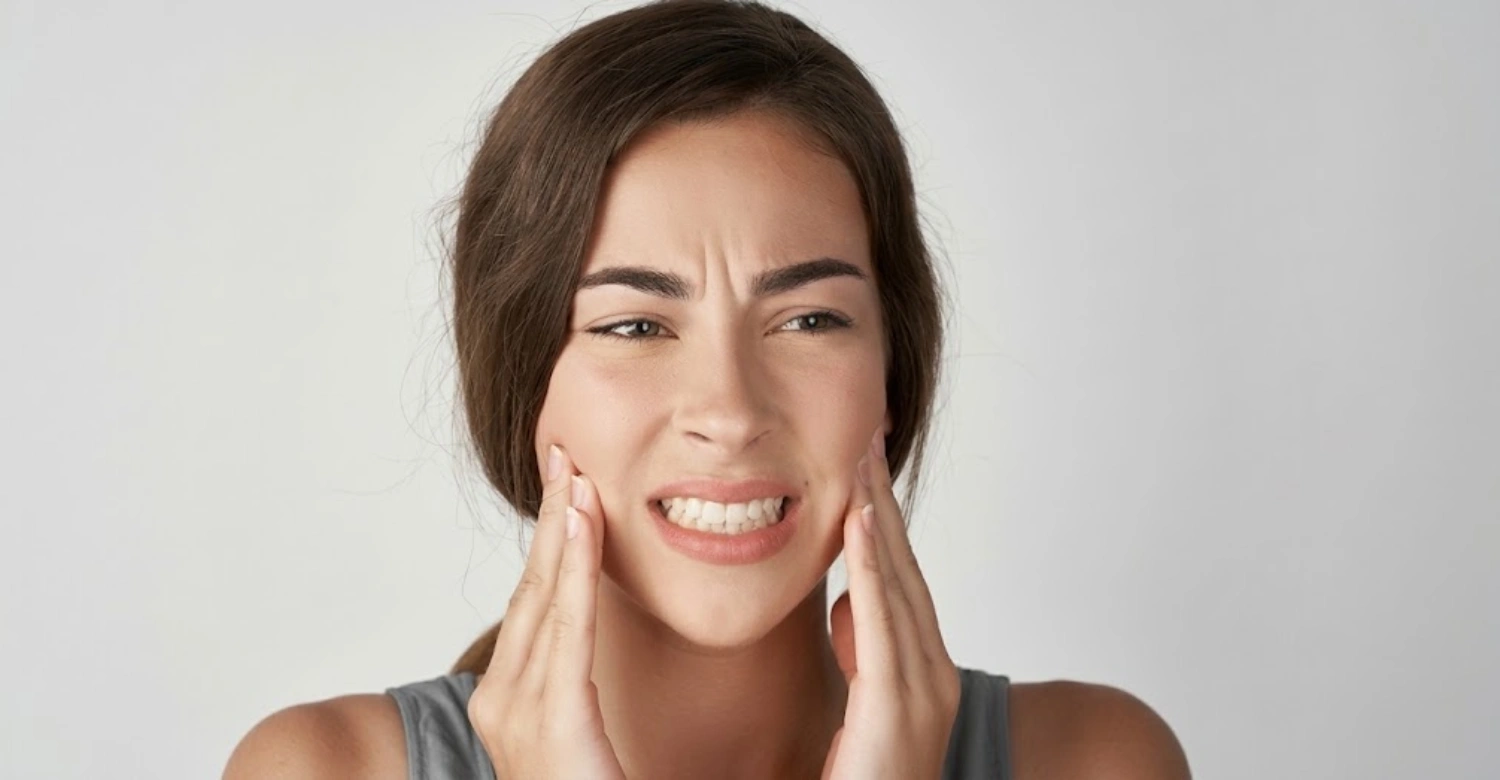
Note : All images used are for editorial and illustrative purposes only and may not originate from the original news provider or associated company.
Can Zinc Supplements Cause Other Problems?
Zinc supplements and teeth generally coexist without conflict at recommended doses. Very high, prolonged doses can cause broader health issues. Tooth pain specifically is not part of the typical picture described in medical literature, even at excess intake.
Zinc Supplement Side Effects in the Mouth
Most oral side effects involve taste changes, dry mouth sensation, or mild irritation from lozenges dissolving directly against tissue. These effects are localized to soft tissue and taste perception rather than the tooth structure. That's why they're easy to notice but rarely linked to genuine dental pain.
Can Zinc Tablets Irritate the Mouth?
Zinc lozenges or tablets held in the mouth for extended periods can occasionally irritate the cheeks, tongue, or gum tissue. This happens through direct contact, especially with high-concentration products. It's a soft-tissue reaction, not a tooth-nerve reaction, so it shouldn't be mistaken for the tooth itself being affected.
Does the Form of Zinc Affect Oral Symptoms?
Zinc formulations vary. Capsules pass through quickly with little oral contact. Lozenges and chewables sit directly against oral tissue for longer. This difference in contact time can influence taste disturbance or minor tissue irritation. No zinc formulation has documented effects that specifically translate into direct tooth pain.
What Happens if You Take Too Much Zinc?
Excess zinc intake is associated with nausea, vomiting, diarrhea, and headache, along with copper deficiency over long-term overuse. Separately, documented case reports describe zinc toxicity from excessive, prolonged use of zinc-containing denture adhesive creams. These caused neurological symptoms such as numbness and tingling, not tooth pain, and only after heavy, sustained overuse.
Can Low Zinc Affect Oral Health?
Zinc deficiency and teeth are connected in the opposite direction from what many people assume. Rather than excess zinc causing problems, insufficient zinc is what shows up most often in oral health research. Low zinc can indirectly contribute to gum problems that feel like tooth discomfort.
Zinc Deficiency and Teeth
Research points mainly to impaired healing and increased vulnerability to inflammation rather than pain in the tooth structure itself. Children with low zinc levels have shown worse gingival scores than zinc-sufficient peers. This suggests deficiency affects the supporting tissue around teeth more than the teeth themselves.
Zinc Deficiency and Gum Health
Low zinc levels are linked to slower gum healing, greater susceptibility to inflammation, and a higher likelihood of bleeding gums. Since gum tissue surrounds and supports every tooth, ongoing gum problems from deficiency can eventually produce discomfort that feels like it's coming from the teeth. Often the gums are the real source.
Possible Oral Effects of Nutritional Deficiencies
Beyond zinc, several nutritional deficiencies are known to affect oral tissue, taste perception, and healing capacity. A deficiency-driven mouth problem can mimic symptoms people associate with tooth pain. This is part of why nutritional status is worth mentioning to a dentist rather than assumed to be irrelevant.
Can Correcting a Deficiency Improve Oral Health?
Restoring adequate zinc levels through diet or supplementation has been associated with better gum healing and reduced inflammation in deficient individuals. This supports zinc's overall reputation as protective for oral tissue. It further weakens the case that normal supplementation would cause new tooth pain in someone who wasn't deficient before.
Clinical Note
Vitrin Clinic emphasizes that nutritional status can matter for gum and tissue health. Correcting a zinc deficiency, however, is not a treatment for every type of tooth pain. A cavity, cracked tooth, or infection still needs direct dental treatment regardless of someone's zinc levels. Nutrition and dental care are addressed separately, not interchangeably.
Zinc Side Effects and Oral Health
Zinc and oral health interact mainly through taste, gum tissue, and mild digestive effects. Standard sources don't list tooth pain as part of this side-effect profile.
Common Zinc Supplement Side Effects
The most consistently reported side effects of oral zinc supplements are nausea, indigestion, vomiting, diarrhea, and headache. These are systemic, digestive-type reactions rather than localized dental symptoms. Tooth pain does not appear in the standard side-effect profile described across general medical sources on zinc supplementation.
Can Zinc Cause General Mouth Discomfort?
Mouth discomfort from zinc is more often related to taste disturbance or mild tissue irritation from lozenges than to pain in a specific tooth. General mouth discomfort and true dental pain feel different. They originate from different tissues, which matters when trying to figure out what's actually happening.
Can Zinc Cause a Metallic Taste?
Zinc deficiency can disrupt the enzyme gustin, which plays a role in taste perception. This often produces a metallic or dulled taste sensation. Because this occurs in the same general area as the teeth, it's sometimes described as "tooth pain," even though it's physiologically a taste disturbance rather than nerve-related dental pain.
When Should You Stop Taking Zinc and Seek Medical Advice?
Persistent nausea, vomiting, unusual fatigue, or signs of copper deficiency after prolonged high-dose zinc use are reasons to stop and consult a healthcare provider. Tooth pain alone isn't typically listed as a stop-taking signal for zinc. It is, however, always a reasonable reason to book a separate dental visit.
How to Tell If Zinc Is Really Behind Your Tooth Pain
Figuring out whether zinc is really responsible starts with timing and symptom pattern. Anyone trying to answer "can zinc make your teeth hurt" for their own situation should start by comparing when the pain began against when the supplement started.
Timing of Tooth Pain After Taking Zinc
If tooth pain appears within minutes of taking a lozenge, mild tissue contact irritation is possible. If it appears hours or days later, or fluctuates with food and temperature, a dental cause is far more likely. Zinc's documented effects don't include delayed-onset, tooth-specific pain.
Symptoms That May Suggest a Dental Cause
Sharp pain when biting, lingering sensitivity to hot or cold, visible dark spots, or swelling near a specific tooth all point toward decay, a cracked tooth, or infection. These localized, tooth-specific signs are the strongest indicators that a dental exam is the right next step, not a supplement change.
Symptoms That May Suggest Mouth Irritation
Generalized soreness across the gums or inner cheeks, a metallic or altered taste, or mild burning after taking a lozenge point toward tissue-level irritation. These broader, non-localized symptoms are more consistent with zinc's known side-effect profile than with dental pathology.
Why a Dental Examination May Be Necessary
Only a dental exam, often with an X-ray, can confirm whether decay, a crack, or gum disease is behind the pain. Mouth-related side effects rarely match tooth-specific pain patterns. Ruling out dental causes directly is more productive than adjusting or stopping a supplement based on guesswork.
What We Notice Clinically
The clinical team at Vitrin Clinic regularly sees patients who assume a supplement is responsible for tooth pain that turns out to have a straightforward dental explanation. Identifying the exact source of pain first leads to faster, more accurate treatment. It also avoids unnecessary worry about diet or supplement routines.
What Should You Do If Your Teeth Hurt After Taking Zinc?
If tooth pain shows up after starting zinc, a calm, methodical approach works best. Can zinc make your teeth hurt enough to require stopping it right away? Usually not. A short pause combined with a dental check gives clarity faster than trial and error with supplement changes alone.
Review How and When You Take Zinc
Check the dose against recommended daily amounts. Note whether it's a tablet, lozenge, or chewable, and consider whether it's taken with food. Zinc is less likely to interact negatively with dental health when doses stay within recommended ranges. Reviewing intake habits is a reasonable first step before assuming a bigger problem.
Maintain Good Oral Hygiene
Consistent brushing, flossing, and use of a sensitivity-focused toothpaste can help rule out plaque-related irritation as a contributing factor. Zinc is often included in hygiene products for its protective effect. Maintaining a solid routine supports oral health regardless of what turns out to be causing the discomfort.
Avoid Self-Diagnosing Persistent Tooth Pain
It's tempting to blame the most recent change, like a new supplement. Persistent tooth pain deserves a proper evaluation rather than a guess. Most cases have a clear dental cause once examined by a professional.
When to Schedule a Dental Examination
Pain lasting more than a few days, worsening pain, swelling, or sensitivity that disrupts eating or sleeping are all reasons to schedule a dental exam promptly. Waiting it out while blaming a supplement can delay treatment for issues like decay or infection. These tend to get more serious, not better, over time.
Tips for the Patients
Keep track of symptoms.
Follow the recommended zinc dosage.
Do not use zinc as a substitute for dental treatment.
Get professional advice if tooth pain continues.
How Vitrin Clinic Can Help With Tooth Pain and Oral Health
Vitrin Clinic offers a structured way to figure out what's actually behind tooth pain instead of guessing. A proper exam settles the question quickly and points toward the right next step.
Evaluating the Source of Tooth Pain
At Vitrin Clinic, evaluating tooth pain starts with a full clinical exam. Imaging is added when needed to check for decay, cracks, or infection beneath the surface. This process separates dental causes from unrelated factors like diet or supplements. It gives a clear answer instead of leaving the cause open to guesswork.
Assessing Overall Oral Health
Beyond the specific area of pain, Vitrin Clinic looks at gum condition, plaque levels, and other oral health indicators that might be contributing to discomfort. This broader assessment helps catch early gum disease or wear patterns that a narrow focus on a single tooth might otherwise miss.
Creating a Personalized Dental Care Plan
Once the cause is identified, Vitrin Clinic builds a care plan suited to the specific issue. This might mean treating decay, addressing sensitivity, or managing gum inflammation. A personalized approach works better than generic advice, since tooth pain during supplement use can have several different underlying explanations.
Understanding the Cause of Dental Discomfort
Understanding why discomfort is happening, rather than just treating the symptom, is central to how Vitrin Clinic approaches tooth pain. This means ruling out supplements like zinc as the cause when the evidence doesn't support it. The focus stays on the dental or gum-related factor that's actually responsible.
What We Notice Clinically
Dr. Rifat Alsaman, Head of the Medical team at Vitrin Clinic and a cosmetic dentist, notes that identifying whether discomfort relates to an existing dental condition, oral tissue irritation, or another factor is essential. A supplement like zinc shouldn't be assumed responsible without checking first. Evaluating persistent dental symptoms carefully before deciding on treatment remains the most reliable way to resolve tooth pain.
About Vitrin Clinic
Vitrin Clinic treats the dental causes most often mistaken for a zinc-related problem, rather than just addressing the symptom on its own. The clinic offers sensitivity treatment for worn enamel or exposed roots, restorative care for cavities and cracked teeth, and periodontal treatment for gum irritation or gum disease. Professional cleanings are also available to reduce plaque buildup at the source. For patients still wondering "can zinc make your teeth hurt" in their own case, Vitrin Clinic provides a full diagnostic exam, including imaging when needed, to confirm the exact cause before recommending any treatment plan, so care is based on findings, not assumptions.
Resource:
https://pmc.ncbi.nlm.nih.gov/articles/PMC12103893/
FAQs

Dr. Rifat Alsaman has more than 5 years of clinical experience in dentistry and currently serves as the Head of the Medical Team at Vitrin Clinic. He is dedicated to providing exceptional patient care, overseeing treatment planning, and ensuring the highest clinical standards across the team. His expertise, attention to detail, and commitment to continuous professional development have helped countless patients achieve healthier, more confident smiles.


.webp&w=3840&q=75)

