
Chemical Taste in My Mouth can happen when taste, smell, saliva, or oral health changes. The sensation may seem metallic, bitter, sour, medicinal, or artificial. Several temporary conditions can create unusual taste sensations without serious disease. Common possibilities include medications, dry mouth, infections, dental problems, and changes in smell. Acid reflux can also bring stomach contents toward the mouth and affect taste. Taste and smell work closely together during normal flavor perception. Therefore, nasal congestion can make familiar foods taste unusual. Persistent symptoms deserve evaluation because the underlying cause determines appropriate treatment. A dental examination can identify gum disease, tooth decay, infection, or oral hygiene problems. Vitrin Clinic can assess your oral health and help determine whether dental factors contribute.
What Does a Chemical Taste in Mouth Mean?
An unusual chemical-like sensation may represent a taste disorder called dysgeusia. Dysgeusia involves distorted taste perception that can produce unpleasant or abnormal sensations. This sensation does not necessarily mean that a chemical substance remains inside your mouth. The sensation may develop because taste signals become altered. Smell changes can also create unusual flavor perceptions during eating or drinking. NIDCD explains that many people who think they have taste problems actually have smell disorders. Medications, respiratory infections, dental problems, and chemical exposure can affect taste. Dry mouth can further influence taste because saliva supports normal oral function. The cause becomes clearer when symptoms, timing, medications, and oral findings are evaluated together.
What Does a Chemical Taste in the Mouth Feel Like?
People describe unusual taste sensations differently depending on the underlying cause. This taste change may feel metallic, bitter, salty, sour, medicinal, or artificial. Some people compare the sensation with cleaning products or unfamiliar chemicals. Others notice an unpleasant taste without identifying a specific description. Dysgeusia can produce persistent foul, salty, rancid, or metallic sensations. The sensation may remain even when nothing unusual has been eaten. It can also appear alongside burning, dryness, bad breath, nausea, or altered smell. NIDCR notes that altered taste can occur with burning mouth symptoms. Recording when the sensation appears can reveal useful patterns. Note meals, medications, hydration, congestion, reflux symptoms, and oral discomfort. This information can help your dentist or physician investigate potential causes.
Is a Chemical Taste in Mouth Normal?
An occasional unusual taste does not automatically indicate a serious medical problem. Chemical Taste in My Mouth can temporarily occur after illness, medication use, dehydration, or nasal congestion. Taste changes may also follow dental problems or poor oral hygiene. NIDCD reports that almost 19% of Americans over age 40 report some taste alteration. Reported dysgeusia affects about 5% of Americans and is often persistent. These figures show that altered taste is not exceptionally rare. However, persistent symptoms should not simply be ignored. Professional evaluation becomes more important when symptoms continue without an obvious trigger. Tooth pain, swelling, bleeding gums, or difficulty swallowing also warrant attention. Your healthcare professional can determine whether dental, medical, or sensory evaluation is appropriate.
How Long Does a Chemical Taste Last?
The duration depends largely on the underlying cause. The sensation may disappear after temporary dehydration, congestion, infection, or medication effects resolve. Other taste disorders can continue for considerably longer periods. NIDCD describes dysgeusia as a condition involving persistent distorted taste sensations. Some smell-related changes may also be temporary or long-lasting. Recovery therefore cannot be predicted from the sensation alone. Track when symptoms start and whether they improve during the day. Note whether eating, drinking, brushing, or taking medication changes the sensation. Also record any changes in your sense of smell. Persistent symptoms deserve professional assessment, especially when no clear trigger exists. A dentist, physician, or ENT specialist may help identify the responsible condition.
What Causes a Chemical Taste in Mouth?
Many different conditions can produce an unusual taste sensation. This symptom may develop from medications, dry mouth, oral disease, reflux, infections, or sensory disorders. NIDCD lists respiratory infections, chemical exposure, certain medications, poor oral hygiene, and dental problems. Smell disorders can also distort flavor perception and create unusual sensations. Saliva is another important factor because it helps maintain a healthy oral environment. Reduced saliva can affect taste, increase tooth decay risk, and contribute to oral infections. Reflux provides another possible explanation when stomach contents reach the throat or mouth. The most appropriate evaluation depends on accompanying symptoms. A detailed history can help separate oral, medication-related, gastrointestinal, respiratory, and sensory causes.
Medications and Supplements
Certain medications can alter taste directly or indirectly. This taste disturbance may begin after starting a medication that changes taste perception. NIDCD identifies some antibiotics and antihistamines among medicines associated with taste disorders. Some medications also reduce saliva production and create dry mouth. NIDCR states that hundreds of medicines can cause dry mouth. Supplements can sometimes leave noticeable flavors after swallowing. Timing provides an important clue when investigating medication-related changes. Record when the sensation started and compare it with recent medication changes. Include prescriptions, over-the-counter products, vitamins, and supplements. Never stop prescription medication without discussing the decision with your doctor. A healthcare professional can determine whether another medication or dosage may be appropriate.
Dry Mouth and Dehydration
Dry mouth can significantly affect taste and oral comfort. Chemical Taste in My Mouth may become more noticeable when saliva production decreases. NIDCR explains that saliva moistens the mouth and helps wash food particles away. Saliva also supports chewing, swallowing, tooth protection, and normal oral health. Dry mouth can cause difficulty tasting, bad breath, burning sensations, and increased tooth decay risk. Dehydration can temporarily reduce available moisture and intensify unpleasant sensations. Drinking water regularly may help when inadequate fluid intake contributes. Sugar-free gum can stimulate saliva for some individuals. Persistent dryness needs professional evaluation because medications and medical conditions can reduce salivary production. Your dentist or doctor can investigate the underlying reason.
Acid Reflux and GERD
Acid reflux can contribute to unpleasant sensations involving the throat and mouth. This kind of taste change may occur when stomach contents travel upward during reflux episodes. NIDDK explains that regurgitation can bring food or stomach acid into the throat or mouth. This can create sour, acidic, bitter, or otherwise unusual sensations. Heartburn may occur alongside regurgitation, but some people experience reflux without typical heartburn. Other symptoms can include nausea, swallowing problems, chronic cough, or hoarseness. Symptoms may become noticeable after meals or while lying down. Persistent reflux symptoms should be discussed with a physician. Treating the underlying reflux can help address related taste changes.
Oral Health Problems
Oral health problems can influence taste perception and mouth sensations. The taste change may occur alongside plaque buildup, gum inflammation, tooth decay, or dental infection. NIDCD identifies poor oral hygiene and dental problems among causes of taste disorders. Bacterial accumulation can also contribute to unpleasant breath and oral discomfort. Gum disease may produce bleeding, swelling, tenderness, or persistent bad breath. Dental infections can produce pain, swelling, and unpleasant drainage. However, an unusual taste alone cannot diagnose a specific dental condition. A comprehensive examination can identify visible oral causes and determine whether imaging is necessary. Professional cleaning may also help when plaque or calculus contributes. Vitrin Clinic can evaluate your teeth, gums, tongue, and oral hygiene during a comprehensive examination.
Gum Disease
Gum inflammation can change the oral environment around teeth and soft tissues. This unusual taste may appear alongside bleeding gums or persistent bad breath. Bacterial plaque contributes to gum inflammation and periodontal disease development. NIDCD recognizes gum and dental problems as possible contributors to taste disorders. Advanced periodontal disease can involve deeper pockets around teeth. It may also cause gum recession, tooth mobility, and persistent oral odor. However, an unusual taste does not prove that periodontal disease is present. A dental examination can evaluate gum tissues and periodontal pocket measurements. Professional periodontal treatment may be recommended when inflammation is confirmed. Daily brushing and interdental cleaning remain important for maintaining gum health. Persistent symptoms should receive professional assessment rather than self-treatment alone.
Tooth Decay and Dental Infection
Tooth decay can sometimes contribute to unpleasant taste sensations. Chemical Taste in My Mouth may occur when decay progresses into deeper tooth structures. Dental infection can produce pain, swelling, sensitivity, or unpleasant drainage. Bacteria can accumulate within damaged tooth structures and surrounding tissues. An infected tooth may require restorative or root canal treatment depending on severity. A dentist may perform clinical examination and dental imaging to identify hidden problems. Taste alone cannot confirm that a tooth is infected. Facial swelling or severe tooth pain requires prompt dental assessment. Delaying treatment can allow an infection to become more extensive. Mouthwash cannot eliminate an established dental infection. Vitrin Clinic can evaluate suspicious teeth and recommend treatment based on clinical findings.
Poor Oral Hygiene
Poor oral hygiene can allow plaque, bacteria, and food debris to accumulate. This taste symptom may become more noticeable when oral bacteria increase. NIDCD lists poor oral hygiene among recognized causes of taste disorders. The tongue can also collect bacteria and debris that influence mouth sensations. Brushing twice daily helps remove plaque from accessible tooth surfaces. Cleaning between teeth removes debris that brushing cannot reach effectively. Tongue cleaning may also reduce accumulated material. Professional dental cleaning can remove hardened calculus that cannot be brushed away. However, improved hygiene may not resolve symptoms caused by medications or systemic conditions. Persistent symptoms require evaluation even when oral hygiene appears adequate. A dentist can determine whether additional treatment is needed.
Sinus Problems and Postnasal Drip
Sinus problems can affect flavor because smell contributes significantly to normal taste experiences. The unpleasant taste may occur when nasal congestion changes how aromas reach smell receptors. NIDCD explains that blocked nasal passages can reduce flavor perception during respiratory illnesses. Postnasal drip may also leave mucus around the throat and mouth. Congestion can occur with colds, allergies, sinus inflammation, or other respiratory conditions. Some people notice reduced smell alongside unusual taste sensations. Persistent nasal symptoms may require evaluation by a physician or ENT specialist. Treatment depends on whether allergies, infection, inflammation, or structural obstruction is responsible. Taste may improve when normal nasal airflow and smell function return. Persistent smell changes should not automatically be considered a tongue problem.
Respiratory Infections
Respiratory infections can temporarily change taste and smell perception. This taste issue may develop during or after a cold, influenza, or another respiratory illness. NIDCR lists upper respiratory infections among potential causes of taste disorders. Nasal congestion can reduce access of food aromas to smell receptors. This can make familiar foods taste strange or less recognizable. Some people recover normal sensory function as the illness resolves. Others may experience longer-lasting smell changes. NIDCD notes that smell disorders can be short-term or persistent. Persistent symptoms deserve evaluation when they continue after recovery. An ENT specialist can assess smell function when sensory changes remain unexplained.
Hormonal Changes
Hormonal changes can influence sensory experiences in certain individuals. Chemical Taste in My Mouth may appear during periods involving significant hormonal changes. Hormonal disturbances are recognized among possible contributors to smell disorders. Hormonal changes can also affect oral symptoms indirectly through dryness or other changes. Burning mouth syndrome may involve altered taste and hormonal factors. However, hormonal changes should not automatically explain persistent symptoms. Dental problems, medications, reflux, and nasal conditions may occur at the same time. Your healthcare history can help identify whether timing supports a hormonal connection. Professional evaluation remains appropriate when symptoms persist or become disruptive.
Nutritional Deficiencies
Certain nutritional deficiencies can contribute to oral symptoms and altered taste. The altered taste may occur alongside burning, soreness, or other unusual oral sensations. NIDCR lists nutritional deficiencies involving vitamin B and iron among possible contributors to burning mouth symptoms. However, taste changes alone cannot establish a specific deficiency. Blood testing may be appropriate when other symptoms or medical history suggest nutritional problems. Avoid taking high-dose supplements without professional guidance. Excessive supplementation can create additional health risks. A physician can determine whether testing is appropriate. A dentist can simultaneously evaluate oral causes. Addressing a confirmed deficiency may improve associated symptoms over time.
Taste and Smell Disorders
Taste and smell function together to create the experience of flavor. This taste problem may actually reflect an altered sense of smell rather than the tongue itself. NIDCD explains that many people with perceived taste loss actually have smell disorders. Parosmia can distort familiar smells and make foods seem unpleasant. Phantosmia involves sensing an odor without an external source. Respiratory infections, sinus conditions, medications, dental problems, and head injuries can affect smell. Persistent sensory changes may require ENT evaluation. Taste and smell testing can help determine which sensory system is affected. Identifying the affected system makes targeted treatment more practical.
Why Do I Have a Chemical Taste in My Mouth?
The timing and accompanying symptoms can provide clues about the underlying cause. The symptom may result from oral, respiratory, gastrointestinal, medication-related, or sensory factors. A taste appearing after medication differs from one occurring with swollen gums. Morning symptoms may relate to dryness, mouth breathing, reflux, or overnight bacterial accumulation. Symptoms following congestion may involve smell rather than taste. NIDCD recommends considering medical history, oral examination, and taste or smell assessment when appropriate. Recording symptom patterns can make the clinical evaluation more efficient. Note meals, medications, hydration, oral symptoms, congestion, and reflux. This information helps your healthcare professional identify likely triggers.
Chemical Taste in My Mouth After Eating
Food-related timing can provide useful information when evaluating unusual taste sensations. Chemical Taste in My Mouth may develop after certain foods, beverages, or large meals. Strong flavors can temporarily remain on the tongue or surrounding oral tissues. Acidic foods may also irritate sensitive oral tissues. Reflux can occur after meals and bring stomach contents toward the mouth. Dry mouth can make lingering flavors more noticeable because saliva is reduced. Food ingredients may also interact with medications or existing oral conditions. Keep a record of foods that consistently precede symptoms. Include meal size, timing, beverages, and symptoms afterward. Persistent reactions should be evaluated instead of assuming that food alone causes them.
Chemical Taste in My Mouth After Taking Medication
Medication-related taste changes can develop after beginning or changing certain treatments. This change in taste may appear when a medication alters taste perception directly. NIDCD identifies some antibiotics and antihistamines among medicines associated with taste disorders. Some medications also reduce saliva and create dry mouth. The timing between medication use and symptoms can provide an important clue. Tell your physician about prescription drugs, supplements, and over-the-counter products. Never discontinue prescribed medication without medical advice. Your doctor can determine whether medication changes are appropriate. Symptoms may improve when the underlying medication issue is addressed.
Chemical Taste in My Mouth in the Morning
Morning symptoms can have several possible explanations. This oral symptom may become noticeable after hours of reduced saliva and swallowing. Mouth breathing can increase dryness when nasal congestion or obstruction exists. Dry mouth can cause difficulty tasting and bad breath. Reflux may also cause unpleasant morning sensations when stomach contents reach the throat. Overnight bacterial accumulation can contribute when oral hygiene is inadequate. Notice whether drinking water or brushing improves the sensation. Persistent morning symptoms deserve evaluation when no obvious trigger exists. A dentist can assess oral causes while a physician can investigate reflux or nasal problems.
Chemical Taste in My Mouth With Dry Mouth
Dryness can change how the mouth feels and how flavors are perceived. This sensation may become stronger when saliva production decreases. NIDCR states that dry mouth can cause difficulty tasting, burning sensations, and bad breath. Hundreds of medications can reduce salivary production. Certain diseases and medical treatments can also affect salivary glands. Drinking water may help when dehydration contributes. Sugar-free gum can stimulate saliva for suitable patients. Persistent dryness requires evaluation rather than simply increasing water intake. Your dentist or doctor can review medications and investigate potential medical causes.
Chemical Taste in My Mouth With Bad Breath
Bad breath and altered taste frequently occur together when oral conditions affect the mouth. Chemical Taste in My Mouth may accompany plaque buildup, gum inflammation, dental infections, or dry mouth. NIDCR identifies bad breath as a symptom that can occur with dry mouth. Poor oral hygiene can also contribute to taste disorders. Sinus problems can create similar symptoms when mucus and nasal inflammation are present. Reflux can provide another possible explanation when regurgitation occurs. A dental examination can identify gum disease, decay, infection, and plaque. If the mouth appears healthy, medical evaluation may be appropriate. Persistent bad breath should not be treated only with breath-freshening products.
Strange Chemical Taste in Mouth: What Could Cause It?
A strange taste can arise from several unrelated conditions. This taste change may reflect medication effects, oral disease, dry mouth, reflux, sinus problems, or altered smell. NIDCD lists multiple causes involving medications, infections, chemicals, dental problems, and oral hygiene. The sensation itself cannot identify the exact cause. Timing and accompanying symptoms provide stronger diagnostic clues. A taste after medication suggests a different pathway than one with swollen gums. A taste with nasal congestion may involve smell rather than taste receptors. A taste with regurgitation may relate to reflux. Persistent symptoms deserve professional evaluation. Your dentist can assess oral causes before referral to another specialist.
Common Causes of a Strange Chemical Taste
Several common conditions can produce unusual taste sensations. The sensation may develop with dry mouth, medications, infections, or oral health problems. NIDCD identifies poor oral hygiene, dental problems, respiratory infections, medications, and chemical exposure. Dry mouth can further change taste because saliva supports normal oral function. Reflux may create unpleasant sensations when stomach contents reach the mouth. Smell disorders can also distort how foods and beverages seem to taste. Identifying the timing and associated symptoms is therefore important. A professional assessment can narrow the list of possible causes.
Oral Causes of a Strange Taste
The mouth can contribute to unusual taste sensations through several conditions. This symptom may occur with gum disease, tooth decay, dental infection, plaque, or poor oral hygiene. NIDCD recognizes dental problems and poor oral hygiene as causes of taste disorders. Dry mouth can increase oral complications because saliva helps protect teeth and tissues. A dental examination can identify inflammation, infection, decay, plaque, and other visible abnormalities. Treating an underlying oral condition may improve associated taste symptoms. However, persistent symptoms after dental treatment may require broader evaluation. Vitrin Clinic can provide a comprehensive assessment of the oral structures involved.
Sinus and Medical Causes
Taste sensations can change when conditions outside the mouth affect smell or digestion. Chemical Taste in My Mouth may accompany sinus congestion, respiratory infections, reflux, medication use, or systemic conditions. Smell and taste are closely connected during normal flavor perception. Nasal blockage can therefore make familiar foods seem abnormal. Reflux can bring stomach contents into the mouth and alter taste. Medications can also directly affect taste or indirectly cause dry mouth. Persistent or unexplained symptoms may require dental, medical, or ENT assessment. The appropriate specialist depends on your associated symptoms and examination findings.
Weird Chemical Taste in Mouth: Is It a Sign of a Health Problem?
An unusual taste does not automatically indicate serious disease. This taste disturbance can result from temporary conditions such as congestion, dehydration, medication effects, or illness. However, persistent taste changes can indicate an underlying condition requiring evaluation. NIDCD reports that about 5% of Americans experience dysgeusia. Taste problems can also affect nutrition because people may change their food choices. The significance depends on duration, severity, and associated symptoms. Tooth pain or swollen gums may suggest an oral cause. Congestion or smell loss may suggest a sensory cause. Regurgitation may suggest reflux. Professional evaluation becomes appropriate when symptoms persist or interfere with eating.
Temporary vs. Persistent Taste Changes
Temporary changes often follow identifiable triggers. This kind of taste change may improve after an infection resolves or medication effects change. Respiratory infections can temporarily interfere with taste and smell. Persistent dysgeusia involves longer-lasting distorted taste sensations. NIDCD describes dysgeusia as a persistent unpleasant taste disorder in some patients. Persistent symptoms deserve more careful investigation. Your clinician may review medications, oral health, respiratory symptoms, and medical history. Smell testing may also be useful when flavor perception has changed. Keeping a symptom diary can help identify whether specific triggers exist. The longer symptoms continue, the more useful a structured evaluation becomes.
Weird Chemical Taste With Other Symptoms
Associated symptoms can help narrow the possible cause. The taste change may occur with dry mouth, bad breath, burning, nausea, reflux, congestion, or tooth pain. Dry mouth can produce difficulty tasting and bad breath. Burning mouth syndrome may include altered taste and oral dryness. Reflux can cause regurgitation, nausea, swallowing problems, cough, or hoarseness. Sinus problems may involve congestion and reduced smell. Dental infections may cause pain or swelling. These combinations provide more information than taste alone. Record associated symptoms and their timing. Share the complete pattern during professional evaluation.
When a Weird Taste Needs Medical Evaluation
Professional evaluation is appropriate when unusual taste changes persist or lack an obvious explanation. Chemical Taste in My Mouth deserves attention when accompanied by significant oral or systemic symptoms. Tooth pain, facial swelling, bleeding gums, or persistent bad breath can indicate dental problems. Difficulty swallowing or breathing requires prompt medical attention. Reflux symptoms that persist despite self-care should also be evaluated. Persistent smell changes may require ENT assessment. NIDCD recommends professional evaluation for taste disorders to identify underlying causes. Early assessment can prevent an underlying dental or medical problem from being overlooked.
Sudden Chemical Taste in Mouth: What Causes It?
A sudden taste change can develop after medication, illness, nasal congestion, dehydration, or another trigger. This unusual taste may appear abruptly even when no unusual substance was consumed. Respiratory infections can affect smell and therefore change flavor perception. Certain medications can also cause sudden sensory changes. Dental problems may become noticeable suddenly when infection or inflammation develops. The timing of onset is especially useful in these situations. Consider what changed during the previous several days. Review new medications, illness, diet, hydration, dental symptoms, and nasal congestion. Persistent sudden changes should receive professional assessment.
Common Causes of a Sudden Chemical Taste
Sudden onset can have several possible explanations. This taste symptom may follow a new medication, respiratory infection, dehydration, reflux episode, or oral problem. NIDCD lists medications, infections, chemical exposure, dental problems, and poor oral hygiene among possible causes. Sudden symptoms can also occur when smell perception changes. Nasal congestion may prevent normal aromas from reaching smell receptors. A new dental infection can also produce an unpleasant sensation. Look for additional symptoms before assuming the cause. Sudden symptoms with swelling, breathing difficulty, or severe pain require urgent assessment.
Sudden Taste Changes After Illness
Illness can temporarily change taste and smell perception. The unpleasant taste may appear during or after respiratory infections. NIDCR identifies upper respiratory infections as possible causes of taste disorders. Nasal congestion can reduce access to smell receptors and alter flavor perception. Some people recover normal sensory function as the illness resolves. Others can experience longer-lasting changes. Persistent symptoms should not automatically be dismissed as post-infection effects. An ENT specialist can assess smell and taste when symptoms remain unexplained. Dental evaluation may also be appropriate when oral symptoms are present.
Sudden Chemical Taste After Starting Medication
A medication can sometimes trigger a sudden change in taste perception. Chemical Taste in My Mouth may appear shortly after beginning a new medicine. NIDCD identifies some antibiotics and antihistamines among medications associated with taste disorders. Other medicines may cause dry mouth, indirectly affecting taste. Compare the timing of medication initiation with symptom onset. Tell your prescribing doctor about the change. Do not stop or alter prescription medication independently. Your doctor can determine whether the medication could be responsible. Alternative treatments may sometimes be considered when appropriate.
Sudden Chemical Taste With Loss of Smell
A sudden taste change accompanied by smell loss may indicate a smell disorder. This taste issue may feel like a taste problem when the primary change involves olfactory function. NIDCD explains that smell contributes strongly to flavor perception. Parosmia can distort familiar odors and make foods seem unpleasant. Phantosmia can create odor perceptions without an external source. Respiratory infections and sinus conditions are common contributors. Persistent smell changes deserve medical evaluation. An ENT specialist can assess nasal function and perform smell testing when appropriate.
Clinical Note
Taste changes should be evaluated according to the complete symptom pattern. The altered taste alone cannot establish a specific diagnosis. The evaluation should consider oral health, medications, smell function, respiratory symptoms, reflux, and medical history. NIDCD recommends assessing both taste and smell because the systems work closely together. Oral examination is also important when dental problems or poor hygiene could contribute. Persistent symptoms should receive professional attention rather than repeated self-treatment. The goal is to identify and address the underlying cause. This approach is more effective than simply masking the unpleasant sensation.
Dr. Rifat Alsaman's Clinical Perspective
From a dental perspective, this taste problem should be evaluated alongside visible oral findings. Gum inflammation, plaque, tooth decay, infection, and dry mouth can influence oral sensations. A dental examination can help determine whether the mouth provides a plausible explanation. NIDCD recommends dental examination and oral hygiene assessment during evaluation of taste disorders. Dr. Rifat Alsaman emphasizes the importance of identifying the underlying cause before selecting treatment. Patients should also report medication changes and respiratory symptoms. A normal dental examination does not exclude reflux or smell disorders. Additional medical or ENT evaluation may therefore become appropriate. This coordinated approach helps avoid treating the symptom while missing its source.
Persistent Chemical Taste in Mouth: When Should You Be Concerned?
Persistent symptoms deserve more attention than brief changes. Chemical Taste in My Mouth can sometimes represent dysgeusia or another sensory disorder. NIDCD describes dysgeusia as persistent distorted taste perception. Persistent symptoms may also result from dental disease, medications, dry mouth, reflux, or smell disorders. The presence of additional symptoms can increase concern. Tooth pain, gum swelling, facial swelling, or persistent bad breath may indicate oral disease. Smell loss may suggest an ENT-related cause. Difficulty swallowing or breathing requires prompt medical attention. A professional evaluation can determine whether the problem is dental, medical, gastrointestinal, or sensory. Do not assume persistent symptoms will disappear without identifying the cause.
How Long Is Too Long for a Chemical Taste?
There is no universal duration that defines when every taste change becomes abnormal. The symptom should receive evaluation when it persists without a clear temporary trigger. NIDCD describes dysgeusia as a persistent taste disorder. Symptoms lasting beyond an illness or medication adjustment deserve closer attention. Persistent dry mouth also warrants evaluation because it can affect oral health. Keep track of the duration and daily pattern. Note whether symptoms improve after eating, drinking, brushing, or sleeping. Share these details with your dentist or physician. The appropriate timeframe depends on the suspected underlying cause and associated symptoms.
Persistent Chemical Taste and Oral Health
Oral health should be considered when an unusual taste continues. This change in taste may occur alongside plaque, gum disease, tooth decay, infection, or dry mouth. NIDCD recognizes dental problems and poor oral hygiene as possible causes of taste disorders. Dry mouth can increase the risk of tooth decay and oral infections. A dental examination can identify inflammation, infection, calculus, and other abnormalities. Treating an identified oral problem may improve the taste sensation. If the mouth appears healthy, another cause should be investigated. Vitrin Clinic can provide an oral assessment before determining whether further medical evaluation is needed.
Persistent Taste Changes That Need Professional Evaluation
Persistent changes deserve professional evaluation when they remain unexplained. This oral symptom becomes more important when accompanied by pain, swelling, bleeding, dryness, or smell loss. NIDCD recommends professional assessment to identify underlying taste disorders. Dental evaluation can identify oral causes that may otherwise remain unnoticed. ENT assessment can help when smell dysfunction appears prominent. Medical evaluation may be appropriate when reflux, nutritional problems, or medication effects are suspected. The evaluation should match the symptom pattern. Avoid repeatedly using strong mouthwashes to mask the sensation. Addressing the cause is generally more useful than covering the symptom.
What We Notice Clinically
Clinically, Chemical Taste in My Mouth becomes more informative when its timing and accompanying symptoms are documented. Dentists look for plaque, calculus, gum inflammation, tooth decay, infection, and oral dryness. They also review oral hygiene habits and relevant medication history. NIDCD includes dental examination and oral hygiene assessment in taste disorder evaluation. Salivary problems can also influence taste and oral health. If dental findings do not explain symptoms, further medical or ENT assessment may be appropriate. The clinical goal is to identify the underlying source. This prevents unnecessary treatment and supports more targeted care.
Dr. Rifat Alsaman's Opinion
Dr. Rifat Alsaman recommends evaluating the mouth before assuming every unusual taste has a systemic cause. This sensation can occur alongside dental problems that require direct treatment. A detailed examination can identify gum inflammation, tooth decay, infection, plaque, and dryness. NIDCD supports dental examination as part of taste disorder assessment. However, a healthy mouth does not exclude reflux, medication effects, or smell disorders. Patients should therefore provide a complete medical and medication history. Persistent symptoms may require collaboration between dental and medical professionals. The objective remains identifying the cause rather than simply suppressing the sensation.
What Symptoms Can Occur With a Chemical Taste in Mouth?
Unusual taste sensations can occur with several additional symptoms. This taste change may accompany bad breath, dryness, burning, nausea, reflux, congestion, or altered smell. Dry mouth can cause difficulty tasting and bad breath. Burning mouth syndrome can include altered taste and oral dryness. Reflux can produce regurgitation, nausea, swallowing problems, cough, or hoarseness. Sinus problems can affect smell and flavor perception. Dental infections can cause pain or swelling. The combination of symptoms provides important clues. Record when each symptom began and whether symptoms occur together. This information can improve the accuracy of professional evaluation.
Chemical Taste and Bad Breath
Bad breath may occur alongside unusual taste sensations. The sensation can accompany bacterial buildup, gum disease, dental infection, or dry mouth. NIDCR identifies bad breath as a symptom associated with dry mouth. Poor oral hygiene can also contribute to taste disorders. Sinus problems and reflux may provide non-dental explanations. A dental examination can evaluate plaque, gum inflammation, tooth decay, and infection. Improving oral hygiene can help when bacterial accumulation contributes. Persistent symptoms require evaluation when routine hygiene does not resolve them. Breath mints may mask odors without treating the underlying cause.
Chemical Taste and Dry Mouth
Dry mouth can change both oral comfort and taste perception. Chemical Taste in My Mouth may become stronger when saliva production decreases. NIDCR lists difficulty tasting, burning, and bad breath among dry mouth symptoms. Hundreds of medications can reduce saliva production. Certain diseases can also affect salivary glands. Adequate hydration may help when dehydration contributes. Sugar-free gum may stimulate saliva in appropriate individuals. Persistent dryness should receive professional evaluation. Your dentist or physician can investigate medications and medical conditions affecting salivary function.
Chemical Taste and Burning Mouth
Burning mouth syndrome can involve altered taste sensations. This symptom can occur alongside burning, tingling, numbness, or oral dryness. NIDCR states that burning mouth syndrome can include altered taste. Potential contributors include dry mouth, infections, allergies, reflux, hormonal changes, certain medications, and nutritional deficiencies. Burning mouth can persist for months or years in some patients. A dental examination can help exclude infection, tooth problems, and irritation. Medical evaluation may be necessary when nutritional or systemic causes are suspected. Persistent burning should not be self-diagnosed.
Chemical Taste and Nausea
Nausea can accompany taste changes for several reasons. This taste disturbance can occur during reflux episodes, medication effects, infections, or other conditions causing nausea. NIDDK lists nausea among possible symptoms associated with GERD. Certain medications can also influence taste and gastrointestinal symptoms. Respiratory infections may produce altered sensory perception during illness. The combination of nausea and unusual taste does not identify one diagnosis. Pay attention to meal timing, medication timing, reflux symptoms, and illness. Persistent nausea requires medical evaluation. Severe vomiting, dehydration, or inability to keep fluids down requires prompt medical attention.
Chemical Taste and Acid Reflux
Reflux can create unpleasant sensations when stomach contents move upward. This kind of taste change can occur with regurgitation, heartburn, nausea, or throat irritation. NIDDK explains that regurgitation can bring stomach contents or stomach acid into the throat or mouth. Some adults with GERD do not experience typical heartburn. Reflux may therefore remain unnoticed when taste changes dominate the symptoms. Persistent reflux should be evaluated by a physician. Lifestyle changes or medication may be recommended depending on the diagnosis. Dental assessment can also identify unrelated oral causes.
Chemical Taste and Sinus Symptoms
Nasal problems can alter flavor because smell contributes heavily to normal taste perception. Chemical Taste in My Mouth can occur alongside congestion, reduced smell, postnasal drip, or facial pressure. NIDCD explains that blocked nasal passages can prevent aromas from reaching smell receptors. This can make foods taste bland, strange, or unpleasant. Sinus inflammation may also produce mucus that affects mouth comfort. Persistent congestion should receive appropriate medical evaluation. ENT assessment may be useful when smell changes continue. Treating the underlying nasal condition may allow normal flavor perception to return.
How Is a Chemical Taste in Mouth Diagnosed?
Diagnosis begins with a detailed history and examination. The taste change requires evaluation of possible oral, medication-related, respiratory, gastrointestinal, and sensory causes. NIDCD states that taste disorder evaluation can include medical history, dental examination, oral hygiene assessment, and taste testing. Smell evaluation may also be necessary because taste and smell are closely connected. Your clinician may ask when symptoms started and what triggers them. Medication history is particularly important. Dental imaging may be considered when tooth disease is suspected. Additional medical tests depend on symptoms and examination findings.
Dental and Oral Examination
A dental examination can identify several potential oral contributors. This unusual taste may be associated with plaque, calculus, gum inflammation, decay, infection, or dry mouth. NIDCD includes dental examination within the evaluation of taste disorders. Your dentist may examine the teeth, gums, tongue, and oral tissues. Periodontal measurements may be performed when gum disease is suspected. Dental X-rays can help identify hidden decay or infection. Salivary function may also be considered when dryness is prominent. Findings guide whether dental treatment is appropriate. If the mouth appears healthy, medical or ENT evaluation may become the next step.
Reviewing Medications and Supplements
Medication review is an important part of evaluating taste changes. Chemical Taste in My Mouth may result from direct medication effects or medication-related dry mouth. NIDCD identifies certain antibiotics and antihistamines as potential contributors to taste disorders. NIDCR also states that hundreds of medications can cause dry mouth. Tell your clinician about every medication and supplement you use. Include recent changes and approximate starting dates. Never discontinue prescription treatment without medical guidance. Your doctor can determine whether a medication adjustment is appropriate. This approach avoids unnecessary discontinuation of beneficial treatment.
Checking for Sinus or Respiratory Problems
Respiratory and nasal conditions can change flavor perception. This taste symptom can occur when congestion interferes with normal smell function. NIDCD explains that smell contributes strongly to flavor perception. Your clinician may ask about recent colds, allergies, sinus symptoms, and smell loss. Nasal examination may be appropriate when congestion persists. ENT assessment can help identify structural or inflammatory problems. Smell testing may also be performed. Treating the underlying respiratory condition may improve sensory function. Persistent smell loss should receive professional evaluation.
Evaluating Taste and Smell Changes
Taste and smell should often be evaluated together. The unpleasant taste may actually reflect an altered smell rather than a primary taste disorder. NIDCD explains that many perceived taste problems involve smell disorders. An ENT specialist can assess taste and smell using standardized testing methods. Taste testing may involve identifying different taste substances. Smell testing can assess detection and recognition abilities. The results can help distinguish dysgeusia from smell disorders. This distinction matters because treatment depends on the underlying problem. Persistent unexplained changes deserve structured evaluation.
When Additional Medical Tests May Be Needed
Additional testing depends on symptoms and examination findings. This taste issue may require broader investigation when dental and medication causes are excluded. Blood tests may be considered when nutritional or systemic problems are suspected. Imaging may be appropriate for selected dental or medical conditions. ENT testing can assess persistent smell dysfunction. Reflux symptoms may require gastrointestinal evaluation. There is no single test that explains every taste disturbance. NIDCD emphasizes identifying the underlying cause through appropriate clinical assessment. Your clinician determines which tests provide useful information.
How to Get Rid of a Chemical Taste in Mouth
Treatment should focus on the underlying cause rather than the sensation alone. Chemical Taste in My Mouth may improve when dental disease, dry mouth, medication effects, reflux, or nasal problems are addressed. Good oral hygiene supports healthy taste function. Adequate hydration may help when dryness contributes. NIDCR recommends water, sugar-free gum, and good oral care for dry mouth management. Medication changes should only occur under professional guidance. Reflux requires appropriate management when confirmed. Persistent symptoms may require ENT or medical evaluation. Avoid relying on strong mouthwashes to permanently eliminate the sensation. Finding the cause remains the most important step.
Improve Your Oral Hygiene
Good oral hygiene supports a healthy oral environment. The altered taste may improve when plaque, bacterial buildup, and gum inflammation are addressed. Brush your teeth twice daily using fluoride toothpaste. Clean between your teeth every day with floss or appropriate interdental tools. Gently cleaning the tongue may remove accumulated debris. Professional dental cleanings can remove hardened calculus. NIDCD identifies poor oral hygiene and dental problems among possible causes of taste disorders. Do not aggressively brush the tongue because irritation can worsen discomfort. If symptoms persist despite good hygiene, seek professional evaluation. Another cause may be responsible.
Stay Hydrated
Adequate hydration can support normal saliva function. This taste problem may become more noticeable when dehydration causes oral dryness. NIDCR recommends drinking water as part of dry mouth self-care. Sip water throughout the day rather than waiting until severe thirst develops. Water can also help clear residual food particles from the mouth. Sugar-free gum may stimulate saliva production. Limit excessive caffeine when it worsens dryness. Avoid tobacco and alcohol because they can aggravate dry mouth. Persistent dryness still requires professional evaluation.
Manage Dry Mouth
Managing dry mouth can improve oral comfort and support normal taste. The symptom may be intensified when saliva production is insufficient. NIDCR recommends water, sugarless gum, and good oral care for dry mouth. Some patients may benefit from saliva substitutes or specialized products. The appropriate approach depends on the underlying cause. Medication-related dryness may require a physician review. Do not change medication independently. Persistent dry mouth increases the risk of tooth decay and oral infections. Regular dental care is therefore particularly important.
Treat Underlying Dental Problems
Treating the dental cause can address associated taste changes. Chemical Taste in My Mouth may accompany decay, gum disease, infection, or other oral conditions. NIDCD recognizes dental problems as potential causes of taste disorders. Treatment depends on the specific diagnosis. Gum disease may require professional periodontal care. Tooth decay may require restoration. Dental infection may require urgent treatment. Dry mouth may require preventive strategies to protect teeth. Mouthwash alone cannot treat every underlying dental condition. A dentist should determine the appropriate treatment after examination.
Manage Acid Reflux
Reflux management can help when stomach contents contribute to unpleasant taste sensations. This change in taste may occur with regurgitation or other GERD symptoms. NIDDK identifies regurgitation as a symptom that can bring food or stomach acid into the mouth. Management depends on symptom severity and medical assessment. Avoiding personal triggers may help some individuals. Eating patterns and meal timing can also influence reflux symptoms. Persistent symptoms should be discussed with a physician. Treatment may include lifestyle measures or medication when appropriate. Do not assume every unusual taste comes from reflux.
Address Sinus Problems
Treating nasal problems may improve taste when smell contributes to the sensation. This oral symptom can occur when congestion disrupts normal smell function. NIDCD explains that nasal blockage can reduce flavor perception. Management depends on whether allergies, infection, inflammation, or structural problems are responsible. Persistent congestion should be medically evaluated. Avoid unnecessary medications without professional guidance. An ENT specialist can assess persistent smell changes. Improving nasal airflow may allow normal flavor perception to return. However, dental causes should still be considered when oral symptoms exist.
Review Medications With Your Doctor
Medication review is important when symptoms begin after treatment changes. This sensation may result from medication effects or medication-related dry mouth. NIDCD identifies certain antibiotics and antihistamines among possible causes. NIDCR notes that many medications can reduce saliva. Give your doctor a complete list of medications and supplements. Mention recent additions, discontinuations, and dosage changes. Never stop prescription medication independently. Your doctor can decide whether an alternative or adjustment is appropriate. This protects you from unnecessary treatment changes.
Tips for Patients
Simple habits can support oral comfort while the underlying cause is investigated. Chemical Taste in My Mouth may improve when hydration, oral hygiene, and possible triggers are addressed. Brush twice daily and clean between teeth every day. Drink water regularly throughout the day. Clean the tongue gently when appropriate. Avoid tobacco and limit alcohol when dryness is present. NIDCR recommends hydration, sugar-free gum, and good oral care for dry mouth. Keep a record of foods, medications, illness, and symptom timing. Do not stop prescription medications without medical advice. Seek professional care when symptoms persist or worsen.
Keep Your Mouth Clean
Maintaining oral cleanliness supports normal oral function. This taste change may become more noticeable when plaque and bacterial buildup increase. Brush twice daily with fluoride toothpaste. Clean between teeth daily using floss or interdental cleaners. Gently clean your tongue to remove accumulated debris. Professional dental cleanings can remove hardened calculus. NIDCD identifies poor oral hygiene as a possible contributor to taste disorders. Avoid excessive brushing because irritation can worsen oral discomfort. If symptoms remain after improving hygiene, investigate other causes. Your dentist can identify problems that home care cannot resolve.
Drink Plenty of Water
Hydration supports saliva production and oral comfort. The sensation may become more noticeable when dehydration causes dryness. NIDCR recommends drinking water as part of dry mouth management. Sip water throughout the day to maintain moisture. Drinking water during meals may also make chewing and swallowing easier. Sugar-free gum can stimulate saliva when appropriate. Excessive caffeine may worsen dryness in some people. Persistent dry mouth requires professional evaluation. Hydration alone cannot correct medication-related or disease-related salivary problems.
Avoid Potential Irritants
Some substances can irritate the mouth or worsen dryness. This symptom may become more noticeable when oral tissues are irritated. Tobacco and alcohol can aggravate dry mouth. Strongly flavored products may also feel uncomfortable when oral tissues are sensitive. Avoid using harsh products simply to mask an unpleasant sensation. Choose gentle oral care products when irritation is present. If a particular food consistently triggers symptoms, record the reaction. Persistent symptoms require investigation rather than prolonged avoidance of many foods. Your clinician can help identify genuine triggers.
Do Not Stop Prescription Medication Without Medical Advice
Prescription medicines should not be discontinued solely because taste changes occur. Chemical Taste in My Mouth may be medication-related, but stopping treatment can create other risks. NIDCD specifically advises patients not to stop medications unless directed by their doctor. Tell your prescribing clinician about the taste change. Provide the medication name, dosage, starting date, and symptom timing. Your doctor can determine whether an adjustment is appropriate. Another medication may sometimes be considered. Never change a prescribed treatment independently.
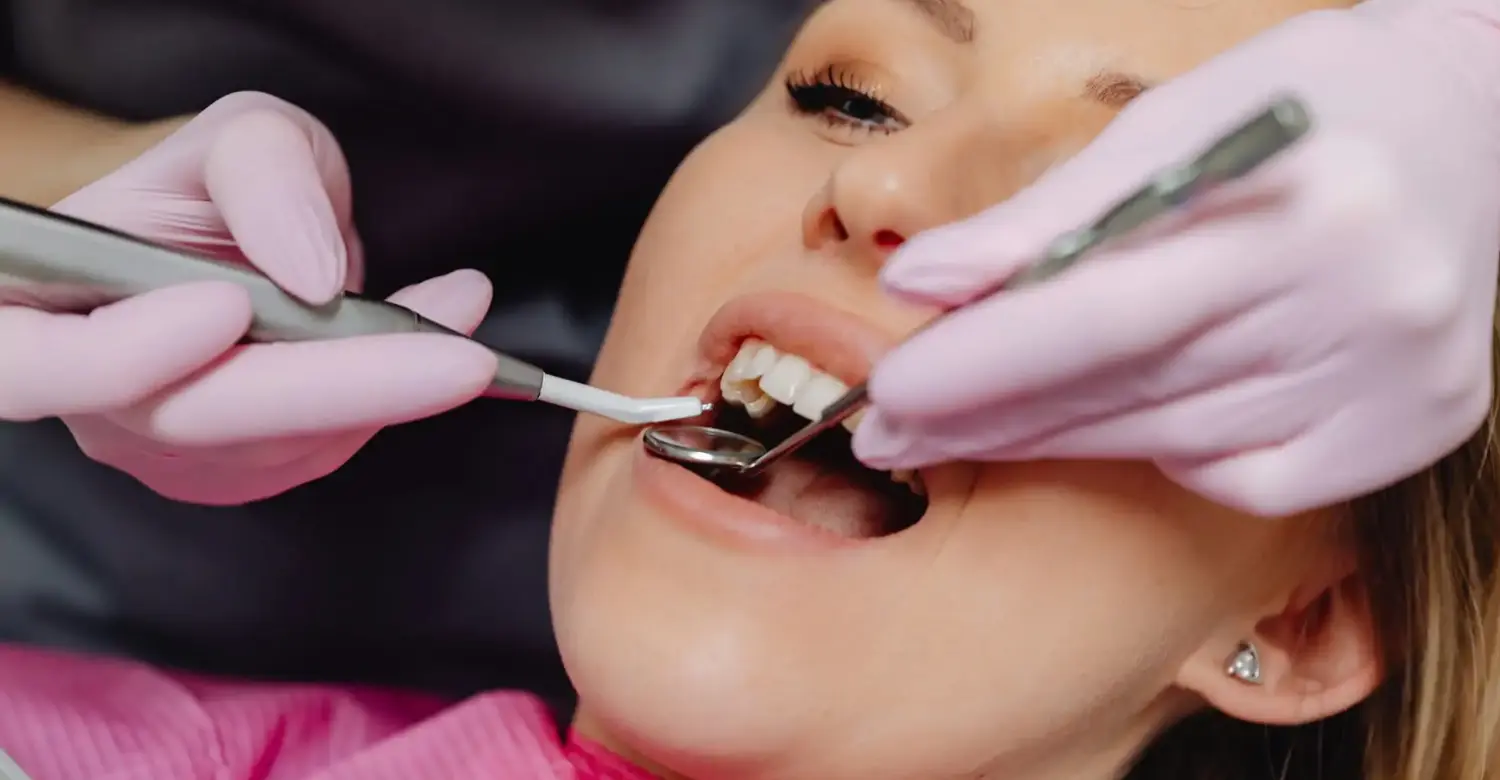
Can Oral Health Problems Cause a Chemical Taste in the Mouth?
Oral conditions can influence taste perception and mouth sensations. This taste disturbance may occur alongside gum disease, dental infection, plaque accumulation, or dry mouth. NIDCD identifies dental problems and poor oral hygiene among causes of taste disorders. Saliva also protects teeth and oral tissues from harmful effects. When oral health changes, taste may become unpleasant or distorted. However, not every unusual taste originates inside the mouth. Medication, reflux, infections, and smell disorders can create similar sensations. A dental examination is therefore a useful starting point when oral symptoms are present. Vitrin Clinic can assess potential dental and gum-related causes.
Can Gum Disease Cause a Chemical Taste?
Gum disease can contribute to unpleasant oral sensations. This kind of taste change may appear alongside gum bleeding, swelling, tenderness, or persistent bad breath. Bacterial plaque plays an important role in periodontal inflammation. NIDCD recognizes gum disease and dental problems as potential contributors to taste disorders. Advanced periodontal disease may produce deeper gum pockets and tooth mobility. However, taste changes alone cannot diagnose periodontal disease. A dental examination is needed to assess gum health. Professional periodontal treatment may improve symptoms when gum inflammation contributes. Daily plaque control remains important after professional treatment.
Can a Dental Infection Cause a Chemical Taste?
A dental infection can produce unpleasant oral sensations. The taste change may occur when infected material drains into the mouth. Other possible symptoms include tooth pain, swelling, sensitivity, or bad breath. A dentist can evaluate the tooth and surrounding tissues. Dental imaging may reveal infection that cannot be seen externally. Treatment depends on the affected tooth and severity. Possible treatments include restoration, root canal therapy, or extraction. Facial swelling can indicate a more serious infection. Seek prompt dental care when swelling or severe pain occurs. Do not rely on mouthwash alone to treat an infection.
Can Plaque and Bacteria Change Taste?
Plaque and bacteria can influence the oral environment. Chemical Taste in My Mouth may become noticeable when bacterial accumulation contributes to unpleasant mouth sensations. Poor oral hygiene is recognized as a possible contributor to taste disorders. Plaque can also contribute to gum inflammation and bad breath. Regular brushing and interdental cleaning reduce bacterial accumulation. Professional cleaning can remove hardened calculus that remains after home care. However, bacterial buildup is not the only possible cause. Persistent symptoms should be evaluated after oral hygiene improves. A dental examination can determine whether plaque, gum disease, or another condition is involved.
Can Dry Mouth Cause an Unpleasant Taste?
Dry mouth can affect taste and create several uncomfortable oral symptoms. This unusual taste may become stronger when saliva production decreases. NIDCR states that dry mouth can cause difficulty tasting and bad breath. Saliva helps wash food particles away and maintain oral health. Many medications can reduce saliva production. Certain medical conditions can also affect salivary glands. Drinking water and using sugar-free gum may provide temporary support. Persistent dryness requires professional assessment. Identifying the underlying cause can help prevent cavities and oral infections.
Can Medications Cause a Chemical Taste in My Mouth?
Medications are an important potential cause of altered taste. This taste symptom may appear after starting certain drugs or changing treatment. NIDCD identifies some antibiotics and antihistamines among medications associated with taste disorders. Medicines can also cause dry mouth and indirectly change taste. Symptoms may begin shortly after treatment starts. Timing alone does not prove causation. Your physician should review the complete medication history. Include supplements and over-the-counter products. Never stop prescribed medication without medical guidance. Treatment adjustments may be possible when the medication is confirmed as a contributor.
Which Medications Can Affect Taste?
Several medication groups can influence taste perception. The unpleasant taste may develop with some antibiotics, antihistamines, and other medicines. NIDCD specifically identifies certain antibiotics and antihistamines among medications linked with taste disorders. The complete list is much broader because individual responses vary. Some medicines affect taste directly. Others reduce saliva and indirectly alter oral sensations. Cancer treatments can also affect taste and smell. A medication review is therefore more useful than focusing on one drug category. Your doctor can assess whether a treatment change is appropriate.
How Do Medications Change Taste Perception?
Medications can affect taste through several mechanisms. Chemical Taste in My Mouth may develop when a drug changes sensory signaling or alters saliva. Some medicines can directly influence taste perception. Others create dry mouths, which can interfere with normal oral function. NIDCR notes that many medications reduce salivary production. Certain antibiotics and antihistamines are recognized contributors to taste disorders. The exact mechanism depends on the specific medication. Symptoms can vary considerably between patients. A healthcare professional can determine whether the medication plausibly explains the change.
What Should You Do If Medication Causes a Chemical Taste?
Start by discussing the symptom with your prescribing clinician. This taste issue may improve if the medication is adjusted safely. NIDCD advises patients not to stop medication without direction from their doctor. Provide the medication name, dosage, and timing of symptoms. Mention any associated dry mouth or other changes. Your doctor can determine whether the medication is likely responsible. An alternative treatment may sometimes be considered. Do not make prescription changes independently. If the medication cannot be changed, supportive treatment may help manage symptoms.
Can Acid Reflux Cause a Chemical Taste in Mouth?
Acid reflux can create unpleasant taste sensations when stomach contents reach the mouth. The altered taste may occur with regurgitation, heartburn, nausea, or throat irritation. NIDDK explains that regurgitation can bring food or stomach acid into the throat or mouth. Not everyone with GERD experiences typical heartburn. Some people may therefore notice taste changes without obvious chest burning. Reflux symptoms can also include swallowing problems, cough, or hoarseness. Persistent symptoms should be discussed with a physician. Dental evaluation can simultaneously exclude oral causes.
How Acid Reflux Affects Taste
Reflux can alter mouth and throat sensations when stomach contents travel upward. This taste problem may become noticeable after regurgitation episodes. NIDDK states that stomach acid or food can return into the throat and mouth. This can create sour or unpleasant sensations. Reflux may also irritate the throat and contribute to chronic cough or hoarseness. Symptoms may become more noticeable after meals or while lying down. Not every unusual taste is caused by reflux. Dental, medication, and sensory causes should also be considered. Professional evaluation can determine whether reflux is likely involved.
Chemical Taste With Heartburn or Regurgitation
Heartburn and regurgitation strengthen the possibility of reflux. Chemical Taste in My Mouth may accompany stomach contents returning toward the throat or mouth. NIDDK identifies regurgitation as a common GERD symptom. Heartburn involves burning discomfort behind the breastbone. Some people experience regurgitation without typical heartburn. Other symptoms may include nausea, swallowing problems, cough, or hoarseness. Persistent symptoms should receive medical evaluation. Treatment depends on the severity and confirmed diagnosis.
How to Manage Reflux-Related Taste Changes
Managing reflux requires addressing the underlying digestive condition. The symptom may improve when reflux and regurgitation are controlled. NIDDK recommends discussing persistent GERD symptoms with a healthcare professional. Treatment can involve lifestyle changes and medication when medically appropriate. Identifying foods or habits that trigger symptoms may also help. Avoid assuming that every taste disturbance represents reflux. Dental and sensory causes should remain part of the evaluation. Persistent symptoms require professional guidance. Appropriate treatment should target the confirmed cause rather than the taste alone.
When Should You See a Dentist or Doctor?
Professional evaluation is appropriate when symptoms persist, worsen, or occur with concerning signs. This change in taste should not be ignored when accompanied by significant oral or systemic symptoms. Dental assessment is useful when tooth pain, swollen gums, bleeding, decay, or bad breath occurs. Medical evaluation may be appropriate for persistent reflux, nausea, smell loss, or systemic symptoms. NIDCD recommends professional assessment for taste disorders. Difficulty breathing or swallowing requires prompt medical attention. Chemical exposure may also require immediate medical guidance. The appropriate specialist depends on the symptoms and examination findings.
Chemical Taste That Persists
Persistent symptoms deserve professional assessment. This oral symptom may represent dysgeusia, medication effects, oral disease, reflux, or smell dysfunction. NIDCD describes dysgeusia as persistent distorted taste perception. A dental examination can identify oral causes. Medication review can identify potential drug-related effects. ENT assessment may help when smell changes dominate. Medical evaluation can investigate reflux or systemic causes. Keeping a symptom diary can make the assessment more informative. Do not repeatedly mask persistent symptoms with strong mouthwash.
Chemical Taste With Tooth Pain or Swollen Gums
Tooth pain or gum swelling increases concern about a dental cause. Chemical Taste in My Mouth may occur alongside dental infection or periodontal inflammation. Dental infections can require prompt treatment. Swelling can indicate inflammation involving deeper tissues. A dentist can examine the affected area and perform imaging when necessary. Severe facial swelling may require urgent care. Do not delay evaluation because the taste itself seems mild. Treating the dental source may resolve the associated unpleasant sensation.
Chemical Taste With Severe Dry Mouth
Severe dryness can affect taste and increase oral health risks. This sensation may become more noticeable when saliva production is significantly reduced. NIDCR states that persistent dry mouth increases risks for tooth decay and oral infections. Medication side effects are a common contributor. Certain medical conditions can also reduce saliva. Professional evaluation can identify the underlying cause. Hydration and sugar-free gum may provide supportive relief. Persistent dryness should not simply be considered normal.
Chemical Taste After Possible Chemical Exposure
Possible chemical exposure requires a different approach. This taste change after genuine chemical exposure should not automatically be treated as a routine taste disorder. NIDCD identifies exposure to certain chemicals among possible causes of taste disorders. The response depends on the substance, amount, route, and symptoms. Move away from ongoing exposure when it is safe to do so. Do not deliberately taste or smell the substance to identify it. Contact appropriate emergency or poison-control services when exposure may be harmful. Breathing problems, confusion, severe irritation, or vomiting require urgent medical attention.
Chemical Taste With Difficulty Breathing or Swallowing
Difficulty breathing or swallowing requires prompt medical assessment. The sensation becomes secondary when these symptoms occur. Breathing difficulty can indicate an urgent airway or respiratory problem. Swallowing difficulty can have several medical causes requiring evaluation. NIDDK lists swallowing problems among possible GERD symptoms. However, severe or sudden difficulty should not be assumed to result from reflux. Seek urgent medical care when breathing becomes difficult. Do not wait for the taste to disappear before seeking help.
How Can Vitrin Clinic Help With a Chemical Taste in Mouth?
Vitrin Clinic can help investigate potential oral causes of unusual taste sensations. Chemical Taste in My Mouth may be related to gum health, tooth decay, infection, plaque, or dry mouth. A comprehensive dental examination can assess these potential contributors. NIDCD includes dental examination and oral hygiene assessment in taste disorder evaluation. The dental team can identify visible abnormalities requiring treatment. If oral findings do not explain symptoms, additional medical evaluation may be appropriate. This prevents assumptions based only on the taste description. The goal is to identify the underlying cause and recommend appropriate care. Vitrin Clinic can provide personalized dental guidance based on examination findings.
Comprehensive Oral Examination
A comprehensive examination evaluates the structures that could contribute to altered taste. This symptom may occur alongside dental or gum conditions requiring treatment. The examination can include teeth, gums, tongue, oral tissues, and hygiene status. NIDCD recommends dental examination when evaluating taste disorders. Dental imaging may be considered when hidden decay or infection is suspected. Salivary symptoms may also be discussed. Medication and medical history can provide additional context. Vitrin Clinic can use the findings to determine whether an oral cause is likely. When necessary, patients can be guided toward appropriate medical or ENT evaluation.
Identifying Dental and Gum-Related Causes
Dental and gum conditions can sometimes contribute to unusual oral sensations. This taste disturbance may accompany gum inflammation, tooth decay, infection, or plaque accumulation. NIDCD identifies dental problems and poor oral hygiene among possible causes of taste disorders. A clinical examination can identify signs that require treatment. Gum measurements can help evaluate periodontal health. Dental imaging can identify hidden problems. Treating the confirmed condition may improve the associated taste sensation. Vitrin Clinic can assess these factors as part of a personalized oral evaluation.
Personalized Treatment for the Underlying Cause
Treatment should address the confirmed cause rather than simply mask symptoms. This kind of taste change may require different management depending on whether the cause involves teeth, gums, saliva, or another condition. Dental treatment may be appropriate for decay or infection. Periodontal care may be needed for gum disease. Dry mouth may require preventive strategies and medical review. Medication-related symptoms should be discussed with the prescribing doctor. Reflux or smell disorders may require medical or ENT management. Vitrin Clinic can help identify dental contributors and guide patients toward appropriate care when additional evaluation is needed.
Why Choose Vitrin Clinic for Oral Health?
Vitrin Clinic focuses on individualized dental assessment and treatment planning. Chemical Taste in My Mouth can have multiple possible causes, making careful evaluation important. The dental team can assess teeth, gums, oral tissues, and hygiene factors. Dental findings can then be considered alongside the patient's symptoms and medical history. This approach helps avoid assuming that every taste change originates from the teeth. Vitrin Clinic can also explain when medical or specialist evaluation may be appropriate. The objective is to address underlying oral problems while maintaining long-term oral health. Patients receive recommendations based on clinical findings rather than the taste description alone.
Experienced Dental Team
An experienced dental team can recognize oral conditions that may influence taste. The taste change requires more than simply identifying an unpleasant sensation. Dental professionals can examine teeth, gums, restorations, oral tissues, and hygiene. They can also identify signs suggesting infection or periodontal disease. NIDCD recommends dental examination as part of taste disorder assessment. When oral findings do not explain symptoms, referral may be appropriate. Vitrin Clinic emphasizes assessment before selecting treatment. This helps ensure that care targets a genuine underlying condition.
Modern Diagnostic Approach
A structured diagnostic approach can make unusual taste complaints easier to evaluate. This unusual taste may involve oral, sensory, respiratory, gastrointestinal, or medication-related factors. Dental examination can identify visible oral contributors. Medical history can reveal medication or illness-related clues. Smell assessment may be important because taste and smell work closely together. Vitrin Clinic can evaluate dental factors and recommend appropriate next steps. When symptoms suggest a non-dental cause, additional professional evaluation may be necessary. The goal is accurate identification rather than unnecessary treatment.
Personalized Patient Care
Every patient can experience taste changes differently. This taste symptom may have different triggers and associated symptoms from one person to another. Personalized evaluation considers symptom timing, oral health, medications, hydration, illness, and other relevant factors. This information helps narrow potential causes. Vitrin Clinic can develop recommendations based on individual clinical findings. Patients should also provide complete information about medications and recent health changes. A personalized approach reduces unnecessary assumptions. It also helps determine when another healthcare professional should become involved.
Focus on Long-Term Oral Health
Long-term oral health remains important even when taste changes have another cause. Chemical Taste in My Mouth can coexist with dental problems that require preventive attention. Dry mouth can increase the risk of cavities and oral infections. Gum disease and poor oral hygiene can also affect taste perception. Regular examinations help identify problems before they become more advanced. Vitrin Clinic can support preventive care alongside treatment for identified dental conditions. Maintaining healthy teeth and gums supports overall oral comfort and function.
Key Takeaways
Taste changes can have many possible explanations. The unpleasant taste may relate to oral health, medications, dry mouth, reflux, infections, or smell disorders. NIDCD emphasizes the close relationship between taste and smell. Persistent symptoms should receive appropriate professional evaluation. Dental assessment is particularly useful when oral symptoms are present. Medical or ENT evaluation may be necessary when symptoms suggest another cause. Treatment should focus on the underlying condition. Good oral hygiene and adequate hydration can support oral health. Avoid stopping prescription medications without medical advice. Seek urgent care for serious breathing or swallowing problems.
Common Causes of Chemical Taste in Mouth
Several causes can contribute to altered taste sensations. This taste issue may develop with medications, respiratory infections, dental problems, poor oral hygiene, or chemical exposure. Dry mouth can also affect taste and increase oral health risks. Reflux can bring stomach contents into the mouth and create unpleasant sensations. Smell disorders can also distort flavor perception. The exact cause requires consideration of symptoms and medical history. No single cause applies to everyone.
When to Seek Professional Care
Persistent or unexplained taste changes deserve professional attention. The altered taste should be evaluated when symptoms continue or interfere with daily life. Tooth pain, swollen gums, facial swelling, or persistent bad breath may indicate dental disease. Smell loss may require ENT assessment. Reflux symptoms may require medical evaluation. NIDCD recommends professional assessment for taste disorders. Difficulty breathing or swallowing requires urgent medical attention. Possible chemical exposure also requires appropriate safety guidance. Early assessment can help identify the underlying problem.
What You Can Do to Improve the Taste
Several basic measures can support oral health while the cause is investigated. Chemical Taste in My Mouth may improve when hydration, oral hygiene, and underlying conditions are addressed. Brush twice daily and clean between your teeth. Drink water regularly throughout the day. Sugar-free gum may help stimulate saliva when appropriate. Avoid tobacco and limit alcohol when dryness is present. Do not stop prescribed medication without medical advice. Keep a record of symptoms and possible triggers. Seek professional care when symptoms persist.
Reference
FAQs

Dr. Rifat Alsaman has more than 5 years of clinical experience in dentistry and currently serves as the Head of the Medical Team at Vitrin Clinic. He is dedicated to providing exceptional patient care, overseeing treatment planning, and ensuring the highest clinical standards across the team. His expertise, attention to detail, and commitment to continuous professional development have helped countless patients achieve healthier, more confident smiles.

.webp&w=3840&q=75)


