General Dentistry
August 18, 2026
Cortisol and Oral Health: Does It Affect Teeth and Gums?
 Dr. Rifat Alsaman
Cortisol and Oral Health is a topic that comes up often. Patients ask why stress seems to affect their mouth. Cortisol is a hormone released during the body's stress response. It helps regulate energy, immunity, and inflammation. When stress becomes prolonged, cortisol regulation can shift. This may influence oral hygiene habits, saliva flow, immune response, gum inflammation, and dental disease risk.
Cortisol does not simply "damage teeth" on its own. Its effects tend to work indirectly, through changes in immune response, salivary function, oral habits, diet, and plaque control. This article takes a dentist-led approach to the subject. Persistent oral symptoms should always be assessed by a dental professional rather than blamed on stress alone. Several conditions can look similar but need different treatment.
Cortisol and Oral Health: How Does Cortisol Affect the Mouth?
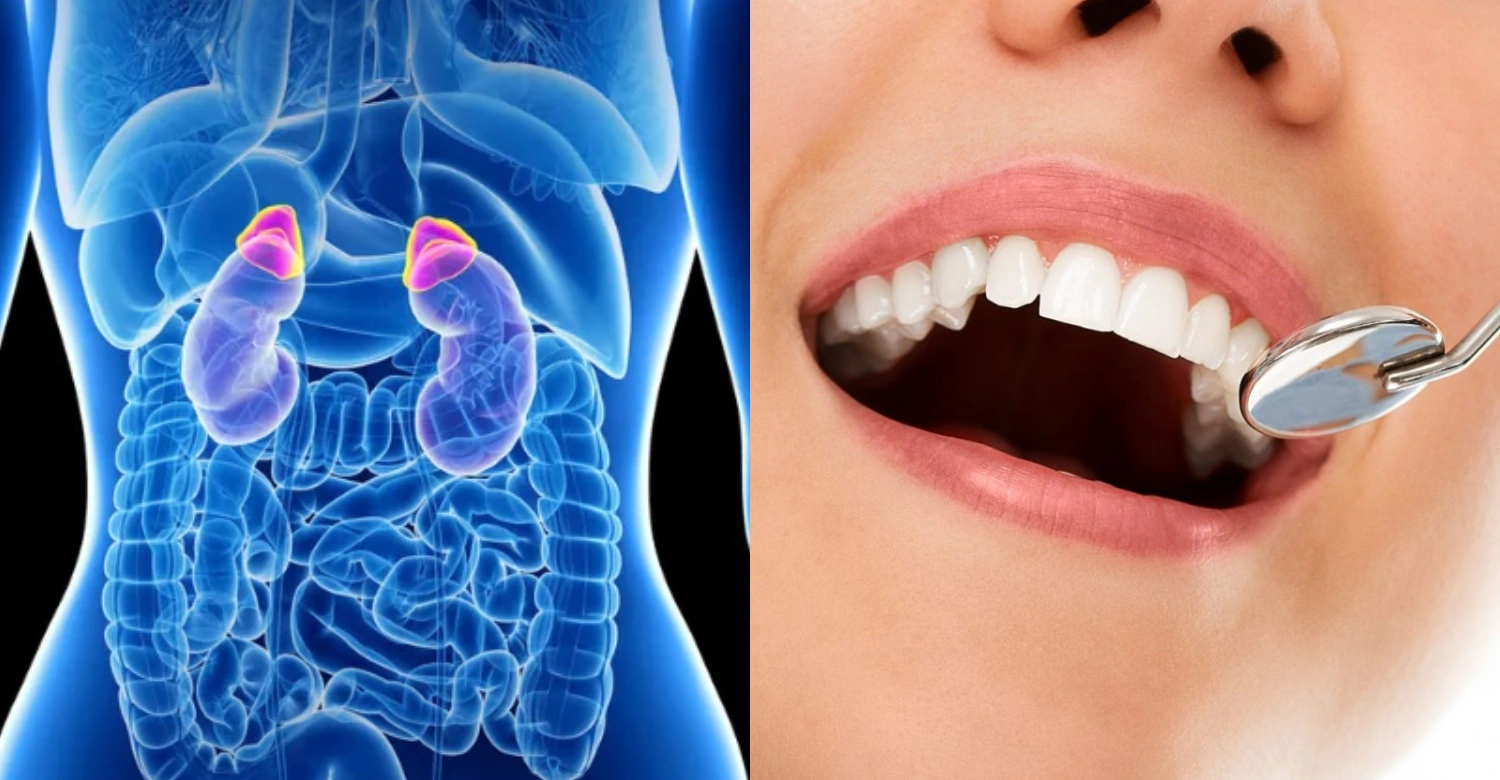
Cortisol is the body's main stress hormone. It is released by the adrenal glands to help manage short-term physical or emotional demands. In small, temporary bursts, it supports normal function. Problems arise when cortisol stays elevated for long periods. Prolonged elevation can influence oral tissues and oral behaviours. This ranges from how saliva is produced to how a person cares for their teeth. Cortisol and dental health is an increasingly relevant topic when assessing patients dealing with chronic stress. But an association between stress and oral disease does not automatically mean cortisol directly causes it.
What Happens to Oral Health During Prolonged Stress?
During prolonged stress, patients often change their oral hygiene routines, brushing less consistently or skipping flossing. Many also increase their intake of sugary foods or acidic drinks for comfort. Teeth grinding and clenching become more common, often without the patient noticing. Saliva production can shift, leading to dry-mouth symptoms. Underlying inflammatory and immune responses may also change. This affects how the gums react to plaque and irritation over time.
Can Cortisol Directly Damage Teeth?
Cortisol is not an acid, so it does not erode enamel the way sugar-fed bacteria do. Its role is indirect. Stress and cortisol may contribute to dental problems through altered habits, reduced saliva, or heightened inflammation. The damage is not direct or chemical. It is important to distinguish enamel erosion, dental caries, periodontal inflammation, and bruxism. Each has its own causes and requires its own specific dental evaluation and treatment plan. Oral habit issues: My Back Teeth Keep Biting My Cheek
Cortisol and Dental Health: Which Oral Problems Can Be Linked to Stress?
Several oral conditions may become more likely, or harder to control, during periods of prolonged stress. Cortisol and dental health problems can overlap in ways that make diagnosis more complex for both patients and clinicians. The sections below outline the main conditions worth understanding, including gum disease, periodontal disease, tooth decay, dry mouth, and bruxism. Each is explained separately so patients understand what is actually happening in their mouth.
Cortisol and Gum Disease
Chronic stress can influence inflammatory regulation in the body. This may affect how gum tissue responds to plaque accumulation. This is one of the clearer examples of Cortisol and dental Health overlapping in daily practice. Cortisol and gum disease should be considered as one part of a broader risk assessment, not a single standalone cause. Patients under prolonged stress sometimes neglect daily hygiene, allowing plaque to build up faster. Stress and gum disease often appear together because both hygiene habits and immune response can shift during difficult periods.
Cortisol and Periodontal Disease
Gingivitis is early, reversible gum inflammation, while periodontitis is more advanced and involves supporting bone loss. Cortisol and periodontal disease may be linked through bleeding gums, swelling, pocket formation, gum recession, and bone loss over time. These signs should never be self-diagnosed. When thinking about Cortisol and Oral Health, periodontal changes are often the most visible signal patients notice first. A professional periodontal assessment is the only reliable way to determine how far the disease has progressed. This includes measured pocket depths and imaging when needed.
Cortisol and Tooth Decay
Stress-related changes in oral hygiene, diet, dry mouth, and frequent snacking can all increase the risk of cavities. Cortisol and tooth decay share an indirect relationship, driven mainly by behaviour rather than the hormone itself. Reduced fluoride exposure, inconsistent plaque control, and more frequent eating throughout the day all raise decay risk. Addressing these everyday factors often matters more than focusing on cortisol levels alone. Cortisol and Oral Health is ultimately about behaviour, not the hormone itself.
Dry Mouth and Reduced Salivary Protection
Saliva buffers acids, lubricates oral tissues, and supports enamel remineralization throughout the day. When stress reduces healthy saliva flow, this natural protection weakens. Persistent dry mouth deserves proper assessment rather than being dismissed as a minor inconvenience. Left unaddressed, reduced salivary protection can accelerate decay, irritate soft tissues, and make plaque control noticeably harder. This is especially true for patients already managing other Cortisol and dental Health symptoms together.
Bruxism, Tooth Wear, and Jaw Symptoms
Stress-related clenching and grinding, known as bruxism, often happens during sleep without the patient realizing it. Over time, this can cause enamel wear, sensitivity, cracked teeth, sore jaw muscles, and temporomandibular symptoms. Bruxism has multiple potential causes, including bite alignment and sleep quality. It should never be automatically attributed to cortisol alone within the Cortisol and Oral Health conversation. A dental evaluation helps identify the true underlying cause. Pediatric advice: When To Stop Pacifier
High Cortisol and Oral Health: What Does the Evidence Suggest?
Clinicians typically describe elevated cortisol as cortisol that remains high beyond a normal, temporary stress response. A short spike differs meaningfully from prolonged or dysregulated elevation. High cortisol and Dental health may be connected through indirect pathways already discussed. But cortisol levels alone cannot diagnose any dental condition. Clinical examination, periodontal measurements, caries assessment, and a full patient history remain essential for an accurate diagnosis.
Stress Hormones and Oral Health
Cortisol works alongside other stress hormones as part of the body's broader response system. Stress hormones and oral health are connected mainly through behavioural and physiological changes, not one single mechanism. Reduced saliva, altered hygiene habits, and inflammatory shifts can all play a role together. It would be inaccurate to suggest cortisol alone drives oral disease, since multiple overlapping factors are almost always involved. Dental symptoms: Teeth Feel Tight
Chronic Stress and Oral Health: Common Warning Signs
Chronic stress and oral health concerns often show up gradually, so patients may not immediately connect them. Recognizing early warning signs is central to understanding Cortisol and Dental Health. This allows for faster treatment and better outcomes. The following sections outline symptoms patients should never ignore. They also cover when a dental visit becomes necessary, especially if symptoms persist despite improved home care.
Oral Symptoms Patients Should Not Ignore
Persistent bleeding gums
Gum swelling or tenderness
Persistent bad breath
Increased tooth sensitivity
Unexplained tooth wear
Dry mouth
Jaw soreness or morning headaches
Recurrent dental decay
Loose teeth or changes in bite
Any of these signs, especially if they persist, warrant a proper dental evaluation rather than being attributed to stress alone.
When Should a Patient See a Dentist?
Persistent gum bleeding
Pain or swelling
Tooth mobility
Recurrent infections
Significant tooth wear
Persistent dry mouth
Symptoms that continue despite improved oral hygiene
If any of these appear, a dental visit should not be delayed. Early assessment usually means simpler, more comfortable treatment.
Clinical Note
Cortisol should be viewed as one potential factor within a wider oral-health picture. A patient with elevated stress may still have a dental problem caused primarily by another factor. Plaque, diet, inadequate fluoride exposure, smoking, medication-related dry mouth, and bruxism are common examples. Dental professionals should avoid diagnosing a systemic hormonal problem based solely on oral symptoms. Patients with persistent stress-related concerns should receive appropriate dental evaluation and, when necessary, medical assessment. Procedure outcomes of Root Canal Before And After
How Are Cortisol-Related Oral Health Problems Treated?
Treatment always depends on the actual oral condition diagnosed during examination. There is no single dental treatment that "lowers cortisol" or treats the hormone itself. Instead, dentists address the specific issue present, whether that's gum inflammation, decay, bruxism, or dry mouth. Cortisol and oral health problems are managed through targeted, evidence-based dental care. No treatment is aimed at the hormone directly.
Treatment for Gingivitis and Periodontal Problems
Professional dental cleaning
Improved plaque control
Interdental cleaning
Periodontal treatment when clinically indicated
Periodontal maintenance and monitoring
These steps reduce inflammation and help stabilize gum health, addressing the periodontal side of Cortisol and Oral Health directly. Consistent home care between visits supports longer-lasting results and lowers the chance of recurrence.
Treatment for Tooth Decay
Fluoride prevention
Dental fillings for established cavities
Dietary modification
Management of dry mouth
Regular monitoring of high-risk patients
Addressing the underlying cause, not just the cavity itself, helps prevent decay from returning in patients affected by ongoing stress.
Management of Bruxism and Tooth Wear
Assessment of grinding and clenching
Occlusal evaluation where appropriate
Custom night guard when clinically indicated
Restorative treatment for significant structural damage
Stress-management support as part of a broader approach
A tailored plan protects enamel and reduces jaw strain. This addresses the bruxism side of Cortisol and Dental Health while supporting habits are managed alongside the dental treatment itself.
Managing Dry Mouth
Managing dry mouth starts with identifying possible contributing factors, whether behavioural, medication-related, or stress-driven. Encouraging adequate hydration where appropriate is a simple first step. Saliva-supportive measures recommended by a dental professional can also help protect the teeth. If medication-related dry mouth is suspected, prescriptions should be reviewed with the relevant healthcare professional. This is part of a complete, coordinated treatment approach. Option comparison: All On 4 Vs All On 6 Dental Implants Which Is Better
What Benefits Can Patients Expect After Treatment?
Patients typically notice reduced gingival inflammation, better plaque control, and a lower risk of periodontal disease progressing further. Improved comfort follows when dry mouth or inflammation is addressed properly. Cortisol effects on teeth and gums can be managed effectively once the correct diagnosis is made. Protection against further tooth damage and reduced sensitivity are realistic outcomes. Better control of bruxism-related complications follows with consistent, compliant care.
Before and After Expectations
Before treatment, bleeding gums, plaque accumulation, sensitivity, tooth wear, dry mouth, or untreated decay may all be present together. After treatment, inflammation and plaque levels typically improve with appropriate periodontal care and consistent home hygiene. However, periodontal bone loss and advanced tooth damage cannot simply be reversed through stress reduction alone. Cosmetic improvements should only be considered once active disease is fully controlled.
Tips for Patients
Brush twice daily with fluoride toothpaste
Clean between teeth daily
Replace toothbrushes when appropriate
Avoid aggressive brushing that can contribute to recession or abrasion
Limit frequent sugary snacks and drinks
Avoid constant sipping of acidic beverages
Choose tooth-friendly snacks when possible
Watch for morning jaw soreness
Look for tooth sensitivity or unusual tooth wear
Tell your dentist about grinding or clenching
Can Preventive Dentistry Help Patients Affected by Chronic Stress?
Regular dental examinations catch problems early, before they become more complex to treat. Professional cleaning and periodontal monitoring help control inflammation before it progresses. Caries and tooth wear can be identified early through routine check-ups. High-risk patients can be monitored more closely when clinically justified. Personalized preventive plans should be based on actual oral findings rather than cortisol levels alone, keeping treatment grounded in evidence. Gallery overview of All On 6 Dental Implants Before And After Gallery
What We Notice Clinically
Dr. Rifat Alsaman, Head of the Medical Team at Vitrin Clinic and a cosmetic dentist, explains that patients experiencing prolonged stress may present with several oral findings at once. These include gum inflammation, bruxism-related tooth wear, dry mouth, or changes in oral hygiene. Dr. Rifat Alsaman highlights the importance of combining patient history, clinical examination, periodontal evaluation, and appropriate diagnostic imaging when indicated. Cortisol alone should not be assumed to explain a patient's symptoms.
What a Dentist Looks For During an Examination
Plaque and calculus accumulation
Gingival bleeding and inflammation
Periodontal pocket depths
Recession and attachment loss
Caries and enamel defects
Tooth wear patterns
Cracks or fractures
Salivary flow and signs of dry mouth
Evidence of clenching or grinding
A thorough examination like this ensures nothing relevant to Cortisol and Oral Health gets overlooked during diagnosis.
How Does Vitrin Clinic Approach Oral Health Assessment?
Vitrin Clinic places a comprehensive dental assessment before any treatment is recommended. Clinical examination, diagnostic imaging when indicated, digital dental technology, and personalized treatment planning all form part of a thorough process. Cosmetic dentistry is never used to replace treatment of active gum disease, decay, infection, or other underlying dental problems. The approach stays patient-centred, focused on diagnosis, prevention, treatment, and long-term oral health.
Patients experiencing persistent gum, tooth, jaw, or dry-mouth symptoms are encouraged to book a consultation with Vitrin Clinic. A full professional assessment is the next step. Understanding Cortisol and Dental Health is only useful when paired with an accurate, individual diagnosis. That starts with an experienced clinical team examining the mouth directly rather than relying on assumptions about stress alone. Real transformations in Veneers Before And After Real Patient Transformations
References:
FAQs
Dr. Rifat Alsaman has more than 5 years of clinical experience in dentistry and currently serves as the Head of the Medical Team at Vitrin Clinic. He is dedicated to providing exceptional patient care, overseeing treatment planning, and ensuring the highest clinical standards across the team. His expertise, attention to detail, and commitment to continuous professional development have helped countless patients achieve healthier, more confident smiles.


.webp&w=3840&q=75)

