Periodontics
August 23, 2026
Crohns Disease and Periodontal Disease: How Can They Affect Oral Health?
 Dr. Rifat Alsaman
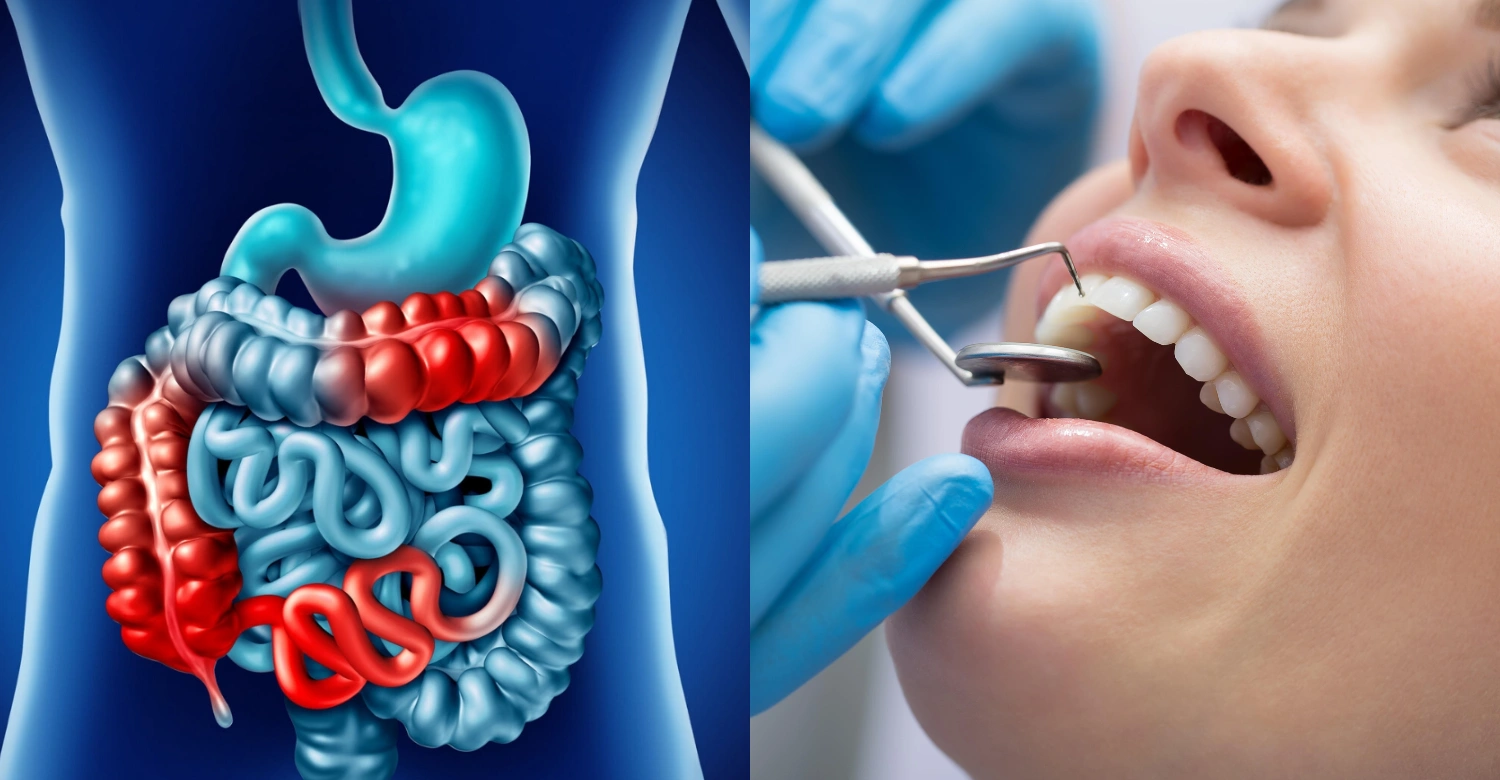
Crohns Disease and Periodontal Disease are two conditions researchers increasingly discuss together. Chronic inflammation doesn't always stay contained to one system. Crohn's disease is an inflammatory bowel disease. Its effects can extend beyond the gut, touching immune response, medication side effects, and even oral hygiene habits. This doesn't mean every patient with Crohn's disease will develop gum problems, it simply means the connection deserves attention. Patients managing Crohn's disease and gum disease together often benefit from regular dental and periodontal monitoring. This article covers symptoms, possible connections, treatment options, prevention strategies, and when professional dental care becomes necessary.
Crohns Disease and Periodontal Disease: Is There a Connection?
Crohn's Disease and Periodontal Disease are often studied side by side. Both involve inflammation, even though they affect different parts of the body. Periodontal disease damages the gums and the tissues that support teeth, often starting quietly with mild irritation. Researchers remain interested in how inflammatory bowel disease might relate to periodontal inflammation, since both conditions share overlapping immune pathways. An association isn't the same as a proven cause-and-effect relationship, and that distinction matters clinically. Managing gastrointestinal and oral health together, rather than separately, gives patients a clearer picture of their overall wellbeing.
How Crohn's Disease May Affect Oral Health
Crohn's disease oral health concerns often stem from inflammatory and immune-related factors rather than a single direct cause. Nutritional deficiencies linked to poor absorption can play a role. So can dry mouth from certain medications and difficulty maintaining oral hygiene during flare-ups. Not every patient experiences the same symptoms, and severity varies widely from person to person. Some people notice mild irritation, while others deal with more persistent oral inflammation. This variability is exactly why individualized dental evaluation matters more than assumptions based on diagnosis alone.
Gum Disease and Inflammatory Bowel Disease
Gum disease and inflammatory bowel disease share a broader relationship worth understanding. Inflammation in the gut may be clinically relevant when a dentist evaluates unexplained gum inflammation. Systemic inflammatory activity doesn't always stay isolated. This doesn't confirm a direct trigger, but it does support individualized assessment rather than generic assumptions. Each patient's disease activity, medication history, and oral hygiene routine shape their actual risk. Dentists who understand a patient's IBD history are better equipped to interpret oral symptoms accurately. This helps them recommend appropriate follow-up care.
What Are the Oral Manifestations of Crohn's Disease?
Oral manifestations of Crohn's disease vary from patient to patient, but understanding them helps with earlier detection. Some patients notice mouth ulcers, gum sensitivity, or dryness, while others experience no oral symptoms at all. Recognizing these patterns early allows dental professionals to distinguish ordinary irritation from something that warrants closer monitoring. Crohns Disease and Periodontal Disease don't always appear together. When oral symptoms do show up, they're worth documenting. Discuss them with a dental provider rather than dismissing them as unrelated.
Common Crohn's Disease Mouth Problems
Crohn's disease mouth problems can include mouth ulcers, swollen or irritated oral tissues, gum inflammation, dry mouth, and increased sensitivity. Some patients also notice changes linked to nutritional deficiencies, such as a sore or unusually smooth-looking tongue. These findings don't appear in every patient, and their severity depends on disease activity and individual health factors. Documenting any new or recurring oral symptom gives a dentist useful context. Recognizing these patterns early supports more accurate assessment and helps rule out unrelated causes.
Crohn's Disease and Gum Inflammation
Crohn's disease and gum inflammation can appear as gums that look red, swollen, tender, or prone to bleeding during brushing. Gum inflammation has multiple possible causes, including plaque buildup, hormonal factors, certain medications, and systemic inflammatory conditions. Because the causes overlap, persistent symptoms shouldn't be self-diagnosed. A dentist can examine the gum tissue directly and review medical history. This helps determine whether the inflammation is isolated or part of a broader pattern. Waiting too long to address ongoing irritation can allow mild inflammation to progress further.
Crohn's Disease and Gingivitis
Crohn's disease and gingivitis often come up together. Gingivitis is an early, reversible stage of gum inflammation marked by redness, swelling, and occasional bleeding. Gingivitis differs from periodontitis, which involves deeper tissue and bone damage. Early gingivitis usually responds well to improved oral hygiene and professional cleaning once underlying contributing factors are addressed. Left untreated, however, it can progress toward more serious periodontal disease in Crohn's disease patients. Catching gingivitis early keeps treatment simple and prevents unnecessary complications down the line.
Tips for Patients
Brush twice daily with fluoride toothpaste
Clean between teeth daily using floss or interdental brushes
Replace toothbrushes every three months, or sooner if bristles fray
Use gentle brushing techniques if gums feel sensitive or tender
Keep Regular Dental Appointments
Tell Your Dentist About Your Crohn's Disease
Do Not Ignore Gum Bleeding
What Are the Signs of Periodontal Disease in Crohn's Disease Patients?
Periodontal disease in Crohn's disease patients can develop gradually, which is why recognizing early warning signs matters. Symptoms range from mild gum irritation to more advanced structural changes affecting the teeth and jawbone. Because Crohns Disease and Periodontal Disease can share overlapping inflammatory features, some symptoms may initially seem confusing or unrelated. Pay attention to changes in the gums rather than waiting for pain. This gives patients the best chance of catching problems while they're still easy to manage through routine dental care.
Early Warning Signs
Bleeding during brushing or flossing
Red or swollen gums
Persistent bad breath
Gum tenderness
Noticeable plaque accumulation along the gumline
Signs of More Advanced Periodontal Disease
Gum recession exposing more of the tooth root
Periodontal pockets forming between gum and tooth
Tooth mobility or shifting
Changes in how the teeth bite together
Bone loss detected through dental imaging
When Should You See a Dentist?
See a dentist if you notice persistent gum bleeding, swelling, or pain. The same goes for recurrent oral ulcers, loose teeth, or new gum recession. Symptoms that don't improve despite better oral hygiene are also worth a professional look. Crohns Disease and Periodontal Disease can sometimes overlap in ways that aren't obvious without an exam. Early evaluation typically leads to simpler, more conservative treatment. Waiting allows minor irritation to progress into something more complex and harder to reverse.
What Causes Periodontal Disease in Patients With Crohn's Disease?
Periodontal disease is multifactorial, meaning Crohn's disease alone doesn't cause it. Crohn's Disease and Periodontal Disease may share inflammatory pathways. Plaque buildup, genetics, smoking, and oral hygiene habits all contribute significantly too. Systemic conditions can influence how the body responds to bacterial buildup around the gums. This can make inflammation more noticeable or persistent in some patients. Understanding these contributing factors helps set realistic expectations. Having Crohn's disease increases the importance of monitoring, but it doesn't guarantee periodontal problems will occur.
Plaque and Oral Bacteria
Bacterial plaque is the primary driver of gingival inflammation, forming continuously along the gumline and between teeth. When plaque isn't removed consistently, it hardens into calculus, which further irritates gum tissue. Untreated gingivitis can progress into periodontal disease in Crohn's disease patients, especially when oral hygiene routines are inconsistent during flare-ups. This progression isn't unique to Crohn's disease. Consistent plaque control remains one of the most effective ways to reduce risk, regardless of underlying medical conditions.
Systemic Inflammation and Immune Response
Chronic inflammation and immune-system activity may play a role in how gum tissue responds to bacterial irritation. This doesn't establish a definitive causal mechanism between Crohn's disease and oral inflammation. It does suggest the body's inflammatory state matters. Immune dysregulation in one system doesn't automatically appear in another, yet clinicians remain attentive to the possibility. This is why dentists treating patients with inflammatory bowel disease often ask detailed questions. They cover disease activity, flare frequency, and current treatment before forming any conclusions.
Medications, Dry Mouth, and Other Factors
Some Crohn's disease medications can reduce saliva flow. Reduced saliva makes it harder for the mouth to naturally clear bacteria. Dry mouth increases plaque retention and gum irritation over time. Smoking, diet, inconsistent oral hygiene, stress, and irregular dental attendance all add to the risk profile as well. None of these factors act alone. They typically combine to influence periodontal disease in Crohn's disease patients. That's why a full lifestyle and medication review matters during evaluation.
How Is Periodontal Disease Diagnosed in Crohn's Disease Patients?
Diagnosing periodontal disease in Crohn's disease patients starts with a thorough clinical evaluation. It isn't based on assumptions from medical history alone. Crohns Disease and Periodontal Disease require separate but coordinated assessment, since gum health is judged on its own clinical findings. A dentist examines gum tissue, measures periodontal pockets, checks for bleeding, and reviews imaging when needed. This structured approach ensures treatment decisions reflect what's actually happening in the mouth. They're not based simply on an unrelated systemic diagnosis.
Dental and Periodontal Examination
Gum assessment for color, texture, and swelling
Bleeding assessment during probing
Periodontal pocket depth measurements
Tooth mobility evaluation
Plaque and calculus assessment along the gumline
Dental X-Rays and Other Imaging
Radiographs may be necessary when a dentist needs to evaluate the supporting bone beneath the gumline. This is especially true if pocket depths suggest advancing disease. Imaging helps confirm whether bone loss has occurred and how extensive it is. Not every patient requires X-rays at every visit; imaging is selected based on clinical findings rather than performed automatically. This selective approach keeps diagnostic imaging relevant and avoids unnecessary exposure. It still gives the dentist the information needed for accurate treatment planning.
Medical and Dental History
A complete history includes Crohn's disease history, current medications, and recent flare-ups. It also covers previous periodontal treatment, smoking status, and any oral symptoms noticed at home. This information helps a dentist interpret findings in context rather than in isolation. Patients dealing with Crohn's disease and gum disease benefit from sharing this history proactively. It shapes how closely the dentist monitors healing. It also guides which follow-up intervals make sense for ongoing periodontal care.
What Treatments Are Available for Crohn's Disease and Gum Disease?
Treatment for Crohn's disease and gum disease depends entirely on the severity of periodontal findings, not the medical diagnosis alone. Mild cases often respond well to professional cleaning and improved home care. More advanced cases require deeper, targeted periodontal therapy. Crohn's Disease and Periodontal Disease should each be managed with input from the appropriate specialist. Communication should stay open between medical and dental providers. This coordinated approach supports better long-term outcomes than treating either condition in isolation.
Professional Dental Cleaning
Routine scaling removes plaque and calculus from the tooth surface, addressing the earliest stages of gum irritation. For many patients, routine cleaning combined with consistent home care is sufficient to keep gum tissue healthy. This is typically the first line of defense before considering more involved periodontal procedures. Regular cleanings also give the dental team an opportunity to monitor subtle changes over time. This catches potential issues before they need more intensive treatment.
Non-Surgical Periodontal Treatment
Scaling and root planing targets plaque and calculus below the gumline when clinically indicated. It smooths root surfaces to help gum tissue reattach. This procedure is typically recommended once pocket depths or bleeding suggest inflammation has moved beyond the gumline. Healing usually involves reduced swelling and bleeding within a few weeks, though follow-up visits confirm progress. For periodontal disease in Crohn's disease patients, non-surgical treatment often serves as an effective starting point. More advanced options come later, if needed.
Periodontal Maintenance
Ongoing periodontal reviews help control recurrent inflammation and catch early signs of relapse. Recall intervals are individualized. They're often more frequent for patients managing Crohns Disease and Periodontal Disease together, since consistent monitoring supports more stable outcomes. Maintenance visits typically include cleaning, pocket measurements, and a review of any new symptoms. Skipping these appointments increases the risk that mild inflammation returns and progresses further, undoing the benefits gained from earlier treatment.
Advanced Periodontal Treatment
Severe periodontal disease may require referral to a specialist for more advanced care, including possible surgical procedures in select cases. This isn't necessary for every Crohn's disease patient; it depends entirely on the extent of tissue and bone involvement. Advanced treatment aims to stabilize periodontal structures and prevent further progression. Deciding on this path requires a detailed evaluation. Surgical intervention is reserved for cases where non-surgical treatment alone can't control the disease.
What Benefits Can Periodontal Treatment Provide?
Treating periodontal disease in Crohn's disease patients can meaningfully improve gum health, comfort, and confidence in daily oral hygiene. Reduced bleeding, less swelling, and better breath are common early improvements. Crohns Disease and Periodontal Disease both respond better to consistent management than to reactive treatment after symptoms worsen. Improved gum health also supports easier daily brushing and flossing. This creates a positive cycle that helps maintain results long after treatment ends.
Expected Improvements After Treatment
Less gum bleeding during brushing and flossing
Reduced swelling and tenderness
Improved overall gum health and tissue tone
Better breath
Improved comfort during daily oral hygiene
Stabilization of periodontal tissues when disease is properly controlled
Before-and-After Expectations
Results depend heavily on how advanced periodontal disease was before treatment began. Healthy gum tissue can improve significantly, often within a few weeks of consistent care. However, existing bone loss doesn't simply regenerate on its own, which is why early intervention matters so much. Maintenance afterward is essential; without it, inflammation can return and undo the progress made. Setting realistic expectations upfront helps patients stay engaged with their long-term periodontal care plan.
Clinical Note
A Dental Diagnosis Should Not Be Based on Crohn's Disease Alone
Crohn's disease may be one factor considered during assessment, but it's never the sole basis for a periodontal diagnosis. Plaque levels, smoking, oral hygiene habits, genetics, diabetes, and medications all influence periodontal health independently. A dentist evaluates the patient's actual periodontal condition rather than assuming outcomes based on a systemic diagnosis. This distinction matters for Crohn's Disease and Periodontal Disease alike, ensuring treatment decisions reflect what's truly happening in the mouth.
When Medical and Dental Care Should Work Together
Communication between a patient's gastroenterology team and dental provider becomes useful when medication changes could influence oral health. The same is true for significant disease activity. Sharing medication history and recent flare-up patterns helps both teams make more informed decisions. For patients managing Crohns Disease and Periodontal Disease simultaneously, coordinated care reduces the chance of overlooked symptoms. This kind of collaboration is especially valuable for those with complex or evolving medical histories.
How Can Crohn's Disease and Periodontal Disease Be Prevented From Worsening?
Maintain excellent plaque control through consistent brushing and flossing
Attend professional dental cleanings as recommended
Treat gingivitis promptly before it progresses further
Avoid smoking, which worsens gum inflammation
Maintain adequate nutrition according to medical advice
Manage dry-mouth symptoms where applicable
Follow prescribed Crohn's disease treatment consistently
Attend regular medical and dental reviews
Consistent prevention habits reduce the likelihood that Crohns Disease and Periodontal Disease progress together. Both conditions stay easier to manage long-term this way.
Why Professional Dental Assessment Matters for Crohn's Disease Patients
Online information can't replace an in-person periodontal examination, especially when symptoms involve overlapping conditions like Crohns Disease and Periodontal Disease. Individualized diagnosis accounts for a patient's full history, current medications, and actual gum tissue findings. These are details no article can assess remotely. Early detection through professional evaluation typically allows for more conservative treatment. Combining patient education with regular professional monitoring gives patients the clearest, most reliable path toward maintaining healthy gums over time.
What We Notice Clinically
Patients with Crohn's Disease and Periodontal Disease don't all present the same way. That's the clinical view of Dr. Rifat Alsaman, Head of the Medical Team at Vitrin Clinic and a cosmetic dentist. Treatment should be based on individual findings rather than the diagnosis alone. Dr. Rifat Alsaman emphasizes asking detailed questions about medications, disease history, and oral symptoms. Previous dental treatment also factors in before forming any clinical impression.
Persistent gum bleeding should never simply be attributed to Crohn's disease, Dr. Rifat Alsaman explains. Multiple factors can contribute to the same symptom. Periodontal screening becomes especially valuable when gum inflammation or other oral symptoms appear alongside a Crohn's disease diagnosis. Dr. Rifat Alsaman also stresses the value of early intervention. Catching inflammation before it progresses tends to produce simpler outcomes. This applies especially to patients managing Crohns Disease and Periodontal Disease together. Clinical observation guides these recommendations, but it remains distinct from established scientific evidence. Dr. Rifat Alsaman considers this distinction essential when discussing the connection with patients.
Vitrin Clinic: Professional Dental Care for Patients With Complex Oral Health Needs
Vitrin Clinic takes an individualized approach to dental assessment. Patients with conditions like Crohns Disease and Periodontal Disease need thorough evaluation before any treatment plan is proposed. Detailed examination comes first. It's supported by modern diagnostic and treatment-planning technology that helps clarify the true extent of any periodontal involvement.
Patient-focused communication remains central to the process at Vitrin Clinic. Treatment planning is shaped around each patient's specific findings rather than general assumptions. Patients with medical conditions such as Crohn's disease are asked for their complete medical and medication history before treatment begins. This ensures recommendations are based on individual periodontal findings rather than diagnosis alone.
If you're managing Crohn's Disease and Periodontal Disease and want a clear, personalized treatment plan, contact Vitrin Clinic. Schedule a professional dental consultation today.
References:
FAQs
Dr. Rifat Alsaman has more than 5 years of clinical experience in dentistry and currently serves as the Head of the Medical Team at Vitrin Clinic. He is dedicated to providing exceptional patient care, overseeing treatment planning, and ensuring the highest clinical standards across the team. His expertise, attention to detail, and commitment to continuous professional development have helped countless patients achieve healthier, more confident smiles.


