
Experiencing a swollen gum and loose tooth can be alarming, but understanding the underlying causes is the first step toward effective treatment. These symptoms rarely appear without reason; they often signal an active infection, advancing gum disease, or structural damage that requires professional attention. Whether you've noticed gradual changes or sudden discomfort, addressing a swollen gum and loose tooth promptly can make the difference between saving and losing a tooth. This guide walks you through everything you need to know.
Swollen Gum and Loose Tooth: What Do These Symptoms Mean?
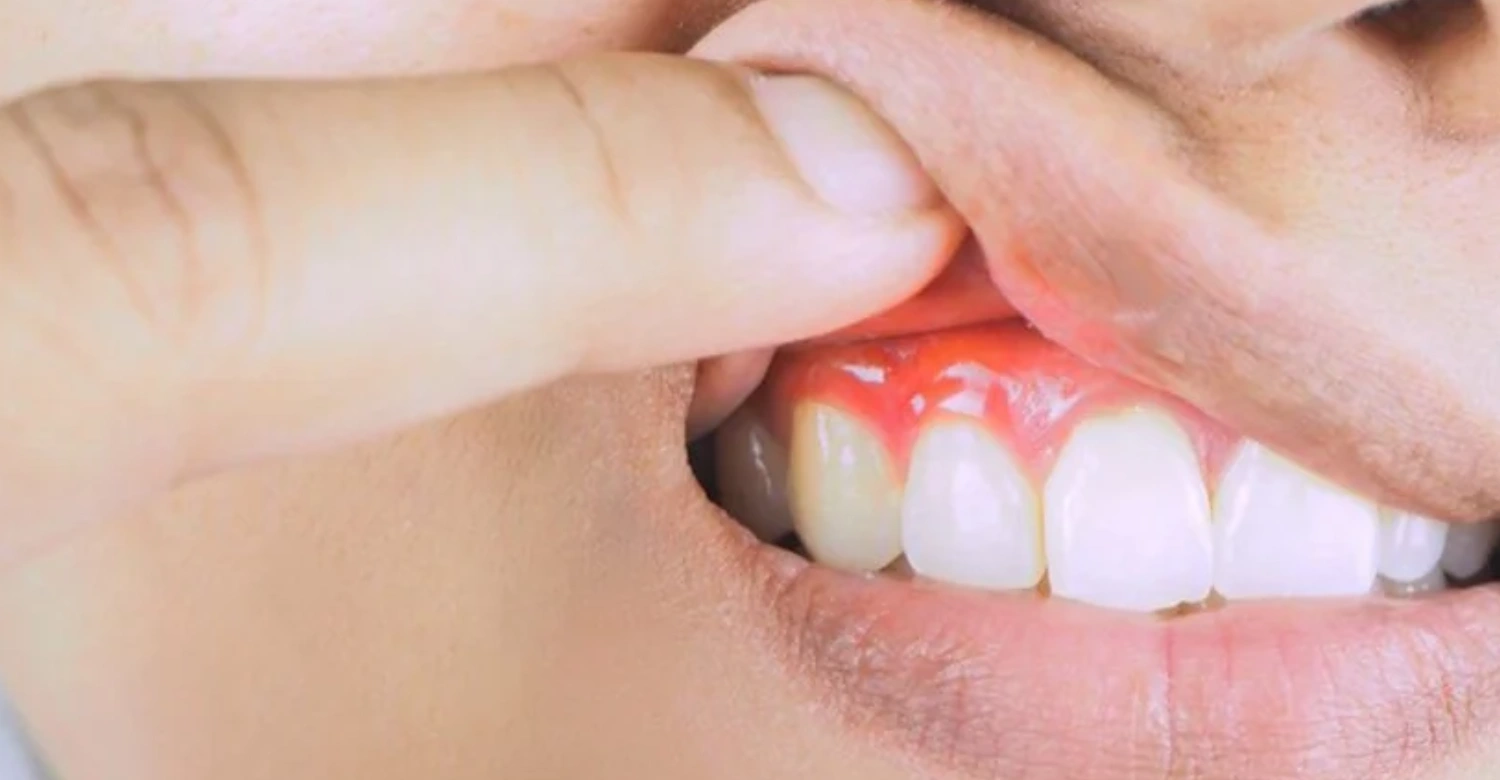
A swollen gum and loose tooth often indicate an underlying dental problem that requires prompt attention. Common causes include advanced gum disease (periodontitis), a dental abscess, trauma, or severe tooth decay affecting the supporting tissues. You may also notice redness, bleeding, pain, or pus around the affected tooth. Ignoring these symptoms can lead to bone loss and even tooth loss. Early diagnosis and treatment, such as professional cleaning, periodontal therapy, or root canal treatment, can help save the tooth and restore your oral health.
Recognizing the Signs: When Your Gum Health Is at Risk
Recognizing early warning signs is essential when dealing with a swollen gum and loose tooth. Many patients ignore mild symptoms until the condition worsens significantly. Swelling, redness, bleeding, and tooth mobility are not considered normal, even when they appear mild at first. Identifying these signs early allows dental professionals to intervene before extensive damage occurs. The sooner you seek professional evaluation for a swollen gum and loose tooth, the greater your chances of preserving your natural teeth and successfully restoring your overall oral health.
Common Symptoms of Gum Issues
Common symptoms of gum problems include persistent redness and swelling around the gumline, bleeding during brushing or flossing, chronic bad breath, and sensitivity to hot or cold temperatures. You may also notice receding gum tissue, pus around the teeth, or an unusual taste in your mouth. In more advanced cases, tooth mobility becomes noticeable and the tooth shifts slightly when pressed. These symptoms collectively point toward an underlying infection in mouth gums or progressive periodontal disease that demands timely, professional intervention before permanent damage occurs. If you experience irritation near a restoration, finding a gum swollen around crown home remedy can provide temporary relief.
Specific Concerns for One Tooth
Sometimes gum problems are localized, and patients notice symptoms affecting only a single tooth, a pattern commonly described as gum disease on one tooth. This can occur when bacteria accumulate in a specific pocket due to poor cleaning access, a cracked tooth, or a failed dental restoration. Gum disease on one tooth can progress just as aggressively as generalized gum disease if left untreated, leading to isolated bone loss and mobility around that specific area. Early targeted professional treatment is crucial to stopping this localized destruction.
The Emergency Checklist: How to Tell If a Loose Tooth Is Infected
Knowing how to tell if a loose tooth is infected helps you decide whether a visit can wait. Look for a cluster of signs, not just one symptom. A tooth that feels warm or throbs on its own often means active infection. Pain when biting down is another common sign. A bad taste, a small gum bump, or swelling toward the cheek are red flags too. Fever, tender lymph nodes, or trouble swallowing mean you need same-day care.
Emergency Home Care for a Loose Tooth
While you arrange an appointment, simple steps can help. Try emergency home care for a loose tooth: rinse with warm salt water, avoid chewing on that side, and take an over-the-counter pain reliever if needed. None of this replaces professional treatment. It only buys time until you are seen.
Understanding the Root Causes
Understanding what causes a swollen gum and loose tooth helps you take the right corrective action. In most cases, the cause is bacterial plaque and tartar buildup triggers an inflammatory response that damages gum tissue and the supporting bone structure beneath. However, other contributing factors such as trauma, systemic health conditions, and failing dental restorations can also lead to a swollen gum and loose tooth. Identifying the exact cause enables your dentist to design a targeted, effective treatment plan tailored precisely to your specific condition.
Gum Rot and Its Progression
Gum rot refers to the progressive deterioration of gum tissue caused by chronic bacterial infection and prolonged neglect. It begins with gingivitis mild inflammation causing redness and bleeding and advances into periodontitis, where infection destroys the connective tissue and bone supporting your teeth. As gum rot progresses, pockets deepen around the teeth, bacteria penetrate further, and teeth begin to loosen. Early-stage gum rot is reversible with professional care, but advanced cases may require surgical intervention to halt the destruction and preserve remaining bone tissue. While waiting for your appointment, a home remedy for swollen face from toothache can help reduce external inflammation.
Infection in Mouth Gums: How Bacteria Spread
An infection in mouth gums typically begins when plaque hardens into tartar along the gumline, creating a shelter for harmful bacteria. These bacteria release toxins that trigger an immune response, causing swelling, redness, and progressive tissue breakdown. Without treatment, an infection in mouth gums spreads beneath the gumline into the surrounding bone, leading to abscess formation and eventual tooth loosening. In severe cases, the infection can affect neighboring teeth or spread systemically. Consistent professional cleaning is the most effective strategy to prevent this bacterial spread from escalating further.
Gum Infection Due to Tooth Decay
A gum infection due to tooth decay occurs when bacteria from an untreated cavity penetrate through the tooth root and spread into the surrounding gum and bone tissue. As decay advances, it reaches the pulp chamber, allowing bacterial toxins to travel through the root tip into the periodontium. This type of gum infection due to tooth decay often presents with localized swelling, a pimple-like bump on the gum known as a dental abscess, and intense throbbing pain. Root canal treatment is typically required alongside periodontal care to fully eliminate this infection.
Other Contributing Factors
Beyond bacterial infection, several factors contribute to a swollen gum and loose tooth. Hormonal changes particularly during pregnancy or menopause increase gum sensitivity and susceptibility to inflammation. Certain medications reduce saliva's natural protective properties, raising infection risk. Systemic conditions such as diabetes impair the body's ability to fight oral infections effectively. Smoking restricts blood flow to gum tissue, significantly delaying healing and worsening disease progression. Trauma or chronic teeth grinding (bruxism) can also loosen teeth by placing excessive, repeated mechanical force on their supporting bone structures.
Traumatic Occlusion: How Teeth Grinding (Bruxism) Induces Isolated Mobility
Traumatic occlusion happens when the bite is uneven or a patient clenches and grinds at night. This puts excess force on a single tooth. Unlike infection-driven cases, bruxism loose tooth and swollen gums presentations often start with a healthy tooth. It loosens purely from repeated overload. Each clench pushes the tooth slightly beyond its normal range. Over time, this stretches the ligament fibers holding it in the socket.
Over months, this micro-trauma can create isolated mobility in one tooth. This happens even when the rest of the mouth is healthy. Grinding also inflames the surrounding gum tissue. It can look and feel like an infection. A night guard and bite adjustment are typically recommended. Muscle relaxants may help too. Early treatment stops the cycle before the supporting bone is permanently affected.
What We Notice Clinically
Dr. Rifat Alsaman is Head of the Medical Team at Vitrin Clinic and a cosmetic dentist. He notes that patients often underestimate how fast isolated mobility can turn into bone loss. In his clinical observation, Dr. Rifat Alsaman finds that many adults wait too long. They search for how to tell if a loose tooth is infected only once the discomfort worsens.
Dr. Rifat Alsaman also observes that grinding-related cases are often mistaken for gum disease. A bite analysis usually reveals the real cause. According to Dr. Rifat Alsaman, early treatment matters most. Patients who start splinting or scaling within the first few weeks have a better chance of the tooth tightening back up.
Clinical Note
This guide is for general educational purposes. It does not replace an in-person dental exam. A swollen gum and loose tooth can stem from several different causes. Self-diagnosis from an article alone is not recommended. Dr. Rifat Alsaman advises seeing a dentist within 24 to 48 hours for any mobility with pain, swelling, or fever.
Treatment Options for Swollen Gums and Loose Teeth
A wide range of effective treatment options exists for managing a swollen gum and loose tooth. The appropriate treatment depends on the severity and underlying cause, ranging from non-surgical professional cleanings to advanced periodontal procedures and tooth stabilization techniques. When addressed early, many patients experience full recovery and restored tooth stability. At Vitrin Clinic, a comprehensive assessment ensures every patient receives a personalized plan that precisely targets the root cause of their swollen gum and loose tooth for optimal, lasting results.
Professional Dental Cleanings and Scaling
Professional dental cleanings are the foundation of treating gum disease. Scaling and root planing a deep cleaning procedure removes plaque and tartar deposits from below the gumline, where regular brushing cannot reach. This process eliminates the bacterial buildup causing inflammation and allows gum tissue to gradually reattach to the tooth surface. Patients with early to moderate gum disease often respond well to scaling alone, experiencing significant reduction in swelling, bleeding, and pocket depth. Regular maintenance cleanings following this procedure are essential to prevent recurrence of the infection.
Antibiotic Therapy for Gum Infection
Antibiotic therapy is often prescribed alongside mechanical cleaning to combat persistent bacterial infection. Local antibiotics delivered directly into gum pockets target bacteria at the source with minimal systemic side effects. Systemic antibiotics may be used for widespread or aggressive infection in mouth gums cases. The goal of antibiotic therapy is to reduce bacterial load, control inflammation, and support the healing of damaged gum tissue. Antibiotics are most effective when combined with thorough professional cleaning rather than used as a standalone treatment for any type of gum infection. Recession or infection can sometimes make it feel as though the gum coming through tooth structures is changing shape.
Periodontal Treatments
Advanced gum disease may require specialized periodontal treatments beyond standard cleaning. Flap surgery involves lifting the gum tissue to provide direct access to infected root surfaces and underlying bone for thorough decontamination. Bone grafting may be necessary when significant bone loss has occurred, helping regenerate the support structure around loosened teeth. Guided tissue regeneration uses barrier membranes to encourage regrowth of lost gum and bone tissue. These procedures address the structural damage caused by gum rot and work to restore a stable, long-term foundation for affected teeth.
Tooth Stabilization and Restoration
When a swollen gum and loose tooth involves significant mobility, stabilization procedures become necessary to protect the tooth during the healing process. Restoring the tooth's structural integrity is equally important, particularly when decay or trauma is the underlying cause. Stabilization prevents further movement and relieves discomfort, improving chewing function. Restoration addresses the dental damage that may have initiated the gum problem. Together, these approaches create a stable oral environment that supports long-term tooth retention and allows the surrounding gum tissue to recover fully and properly.
Splinting Loose Teeth
Dental splinting involves bonding a loose tooth to its neighboring stable teeth using a thin fiber or composite material. This technique redistributes bite forces, reducing stress on the affected tooth and allowing gum and bone tissue time to heal. Splinting is particularly useful when bone loss is mild to moderate and the tooth retains sufficient remaining support. It is a minimally invasive procedure that provides immediate stability. The splint may be temporary or permanent, depending on the degree of tooth mobility and the individual patient's specific treatment goals.
Crowns or Fillings for Decayed Teeth
When a gum infection due to tooth decay has compromised a tooth's structure, restoring it with a crown or filling becomes essential. A filling repairs minor to moderate decay and seals the tooth against further bacterial invasion. A dental crown covers the entire visible portion of a severely damaged tooth, restoring its shape, strength, and function. Following root canal treatment for an abscessed tooth, a crown is typically placed to protect the treated structure. Properly restoring the tooth prevents reinfection and directly supports the healing of the surrounding gum tissue.
Periodontal Regeneration: Can a Loose Tooth Tighten Back Up After Gum Treatment?
Many patients ask whether a loose tooth can tighten back up after gum treatment. The honest answer depends on how much bone has already been lost. When only the gum tissue was inflamed, and the bone is largely intact, there's good news. Professional cleaning combined with short-term splinting often allows the tooth to re-tighten within a few months.
When bone loss is more advanced, regeneration procedures can help. Bone grafting or guided tissue regeneration can rebuild some support. Still, the tooth may never regain quite the same firmness. Periodontal splinting loose teeth cost varies by case. It depends on the number of teeth, the material used, and whether it's temporary or permanent. An in-person evaluation is the only reliable way to get an accurate figure. Consistent hygiene and follow-up visits protect any stability regained.
Benefits of Timely Treatment
Seeking timely treatment for a swollen gum and loose tooth delivers significant long-term benefits. Early intervention limits tissue and bone damage, often allowing for less invasive treatment approaches. Patients who act promptly experience faster recovery, fewer complications, and better preservation of their natural teeth. Delaying care allows the condition to advance to a point where extraction may become unavoidable. Treating a swollen gum and loose tooth early is always more effective, more affordable, and considerably more comfortable than attempting to manage severely advanced periodontal disease later. A throbbing sensation in your mouth often results in feeling your gums pulsing, which usually indicates inflammation.
Restoring Oral Health and Function
Successful treatment of a swollen gum and loose tooth restores not only aesthetic appearance but full oral function. Once inflammation subsides and the tooth stabilizes, patients can eat, speak, and smile comfortably again. Healed gum tissue forms a tight seal around the tooth, reducing the risk of future bacterial entry. Restored oral health also benefits systemic health, as chronic gum infection has been linked to cardiovascular disease and diabetes complications. Comprehensive periodontal treatment genuinely improves quality of life, offering patients renewed confidence and comfort in their everyday activities.
Preventing Further Gum Damage or Tooth Loss
One of the most critical benefits of treating a swollen gum and loose tooth promptly is preventing further damage from spreading. Untreated gum disease progressively affects neighboring teeth, creating a cascading deterioration across the dental arch. Bone loss, once it occurs, is difficult to reverse and may ultimately make tooth replacement the only viable option remaining. By eliminating infection, stabilizing the affected tooth, and establishing a preventive care routine, patients protect their remaining teeth from developing the same destructive conditions. Prevention at every stage is always far preferable to extensive restorative treatment.
Before and After Expectations
Patients undergoing treatment for a swollen gum and loose tooth can expect a clear, measurable progression from discomfort to recovery. Before treatment, symptoms typically include swelling, bleeding, persistent bad breath, and noticeable tooth mobility. After treatment, these symptoms diminish progressively as gum tissue heals and the tooth stabilizes. The specific timeline varies depending on the condition's severity and the procedures performed. Most patients notice meaningful improvement within a few weeks, with continued progress over several months. Realistic expectations and consistent follow-up care together ensure the best possible clinical and functional outcome.
Visual Improvements in Gum Appearance
One of the most encouraging aspects of treating gum disease is the visible improvement in gum appearance. Inflamed, swollen tissue gradually returns to its healthy, firm, pink state following effective treatment. Redness and puffiness diminish, and the gumline regains a well-defined, symmetrical contour around the teeth. Patients often report significantly greater confidence in their smile once the visible signs of disease have resolved. These improvements are not merely cosmetic; they reflect genuine biological healing and the successful restoration of healthy periodontal tissue architecture around each treated tooth.
Increased Tooth Stability and Comfort
As treatment progresses, patients managing a swollen gum and loose tooth notice a significant improvement in tooth stability and daily comfort. A tooth that once shifted when touched gradually becomes firm as surrounding bone and gum tissue regenerate. Pain and sensitivity during eating diminish considerably, allowing patients to resume a normal diet without restriction. Increased stability also reduces the anxiety many patients feel about losing the tooth, one of the most psychologically reassuring aspects of successful treatment. Both function and confidence are meaningfully restored through comprehensive, well-executed periodontal care.
Preventive Measures to Protect Your Gums
Prevention is the most powerful tool against developing a swollen gum and loose tooth. Once treatment is complete, maintaining results requires consistent daily habits and ongoing professional oversight. The vast majority of gum disease cases are preventable with the right oral hygiene routine, informed dietary choices, and regular dental visits. Patients who have already experienced gum problems face a higher risk of recurrence and must be especially diligent about preventive care. These habits protect the treated area and safeguard the health of the entire remaining dentition over the long term.
Daily Oral Hygiene Best Practices
A thorough daily oral hygiene routine is the single most effective preventive measure against gum disease. Brush twice daily using a soft-bristled toothbrush and fluoride toothpaste, paying particular attention to the gumline at every surface. Floss at least once daily to remove plaque and food particles from between teeth and beneath the gumline areas that brushing simply cannot reach. Using an antimicrobial mouthwash further reduces bacterial counts throughout the mouth. Consistency is critical; even a day or two of missed cleaning allows plaque to begin hardening into tartar, which requires professional instruments to remove.
Diet and Lifestyle Tips for Healthy Gums
Diet plays a significant role in maintaining healthy gum tissue. A diet rich in vitamin C supports collagen production and gum tissue integrity, while calcium and vitamin D strengthen the underlying alveolar bone. Limiting sugar and refined carbohydrates reduces the fuel available to the bacteria responsible for gum rot and tooth decay. Staying well hydrated supports saliva production, which naturally cleanses the mouth and neutralizes damaging acids. Quitting smoking is perhaps the most impactful lifestyle change any gum disease patient can make, as smoking severely impairs blood flow and immune response throughout the gum tissue.
Regular Dental Checkups: Early Detection Matters
Regular dental checkups ideally every six months are essential for detecting gum problems before they escalate into serious disease. During a checkup, your dentist measures periodontal pocket depths, assesses bone levels through X-rays, and performs professional cleaning to remove accumulated tartar. Early-stage gum disease is far simpler and less expensive to treat than advanced periodontitis. Routine visits also allow for detection of a loose gum at back of mouth or localized infection before it spreads. Patients with a history of gum disease may benefit from more frequent monitoring appointments throughout the year.
Tips for Patients
Rinse with warm salt water two to three times a day if you notice swelling.
Avoid chewing directly on the affected side until a dentist has examined you.
Keep a temporary soft-food diet to reduce pressure on a loose tooth.
Note when the mobility started and whether it followed an injury, illness, or a new grinding habit.
Bring a list of current medications to your appointment, since some affect gum healing.
Never attempt to splint or wire a loose tooth yourself at home.
Advanced Care at Vitrin Clinic
At Vitrin Clinic, patients experiencing a swollen gum and loose tooth receive world-class periodontal care in a welcoming, fully equipped environment. The clinic combines clinical excellence with a patient-centered philosophy, ensuring every individual receives a thorough evaluation and a fully personalized treatment plan. Vitrin Clinic serves both local and international patients, offering comprehensive gum disease management from initial diagnosis through long-term maintenance. With an unwavering commitment to outstanding clinical outcomes, Vitrin Clinic has become a trusted destination for patients seeking effective, lasting solutions for complex gum and tooth concerns.
Expertise in Treating Complex Gum Problems
Vitrin Clinic's team brings extensive experience diagnosing and treating the full spectrum of periodontal conditions, from early gingivitis to advanced periodontitis involving significant bone loss and tooth mobility. The clinic manages cases involving gum rot, gum disease on one tooth, persistent infection in mouth gums, and complex situations such as a loose gum at back of mouth where standard approaches may prove insufficient. Each case is evaluated with clinical precision, treatment protocols are evidence-based, and care is tailored to achieve the most predictable, durable results for every individual patient.
Modern Technology for Accurate Diagnosis and Treatment
Vitrin Clinic utilizes advanced diagnostic and treatment technologies to deliver the highest standard of periodontal care. Digital X-rays and 3D CBCT imaging provide precise assessment of bone levels and the full extent of periodontal destruction around each individual tooth. Laser-assisted periodontal treatments minimize discomfort and accelerate tissue healing compared to traditional surgical techniques. Digital Smile Design technology allows patients to visualize their expected outcomes before treatment begins. These tools enable the clinical team to detect problems earlier, plan treatments with greater accuracy, and deliver results that are both clinically superior and aesthetically satisfying.
Comprehensive Patient Experience: From Consultation to Follow-Up
At Vitrin Clinic, the patient journey is designed to be seamless and fully supportive from the very first appointment. International patients benefit from dedicated services including airport transfers, accommodation assistance, and professional interpreter support throughout their stay. Every patient receives a detailed treatment plan with clear timelines, full cost transparency, and realistic outcome expectations before any procedure begins. Follow-up appointments are carefully scheduled to monitor healing, make any necessary treatment adjustments, and provide personalized preventive guidance. This comprehensive approach ensures patients feel informed, comfortable, and confident throughout every stage of their care.
About Vitrin Clinic
Vitrin Clinic is an international dental center based in Istanbul, Turkey. It offers periodontal, restorative, and cosmetic dentistry to local and international patients. The clinic pairs modern diagnostic technology including digital X-rays and CBCT imaging with a patient-first approach. Care covers everything from the first consultation to long-term aftercare. International patients also benefit from interpreter support and accommodation guidance. This makes Vitrin Clinic a trusted choice for lasting gum and tooth solutions.
Schedule Your FREE Consultation and Protect Your Smile Today
Don't allow a swollen gum and loose tooth to continue compromising your health and confidence. Vitrin Clinic offers a FREE consultation where experienced dental professionals will thoroughly evaluate your gum health, identify the underlying causes of your symptoms, and recommend a fully personalized treatment plan. Whether you are dealing with gum rot, persistent infection in mouth gums, or a loose gum at the back of mouth that has been troubling you for some time, early professional intervention is always the most effective course of action. Contact Vitrin Clinic today to schedule your appointment and take the first step toward a healthier, more stable smile.
References:
FAQs

Dr. Rifat Alsaman has more than 5 years of clinical experience in dentistry and currently serves as the Head of the Medical Team at Vitrin Clinic. He is dedicated to providing exceptional patient care, overseeing treatment planning, and ensuring the highest clinical standards across the team. His expertise, attention to detail, and commitment to continuous professional development have helped countless patients achieve healthier, more confident smiles.


