General Dentistry
September 3, 2026
Crunchy foods teeth: When Can You Eat Crunchy Foods After Wisdom Teeth Removal?
 Dr. Rifat Alsaman
Crunchy foods teeth become an important concern after wisdom teeth removal because hard foods can irritate healing extraction sites. Most patients should begin with soft foods during the first few days after surgery. Crunchy foods may require more chewing and can leave sharp fragments near the surgical area. These particles may disturb the developing blood clot or irritate sensitive gum tissue. Recovery time differs depending on the extraction difficulty, number of teeth removed, and individual healing. Many patients gradually return to firmer foods after the first week. However, complete healing underneath the gum can take considerably longer. Your dentist should confirm when harder foods are appropriate for your specific recovery. At Vitrin Clinic, personalized aftercare guidance can help patients understand dietary changes throughout recovery.
What Are Crunchy Foods, and Why Can They Affect Your Teeth?
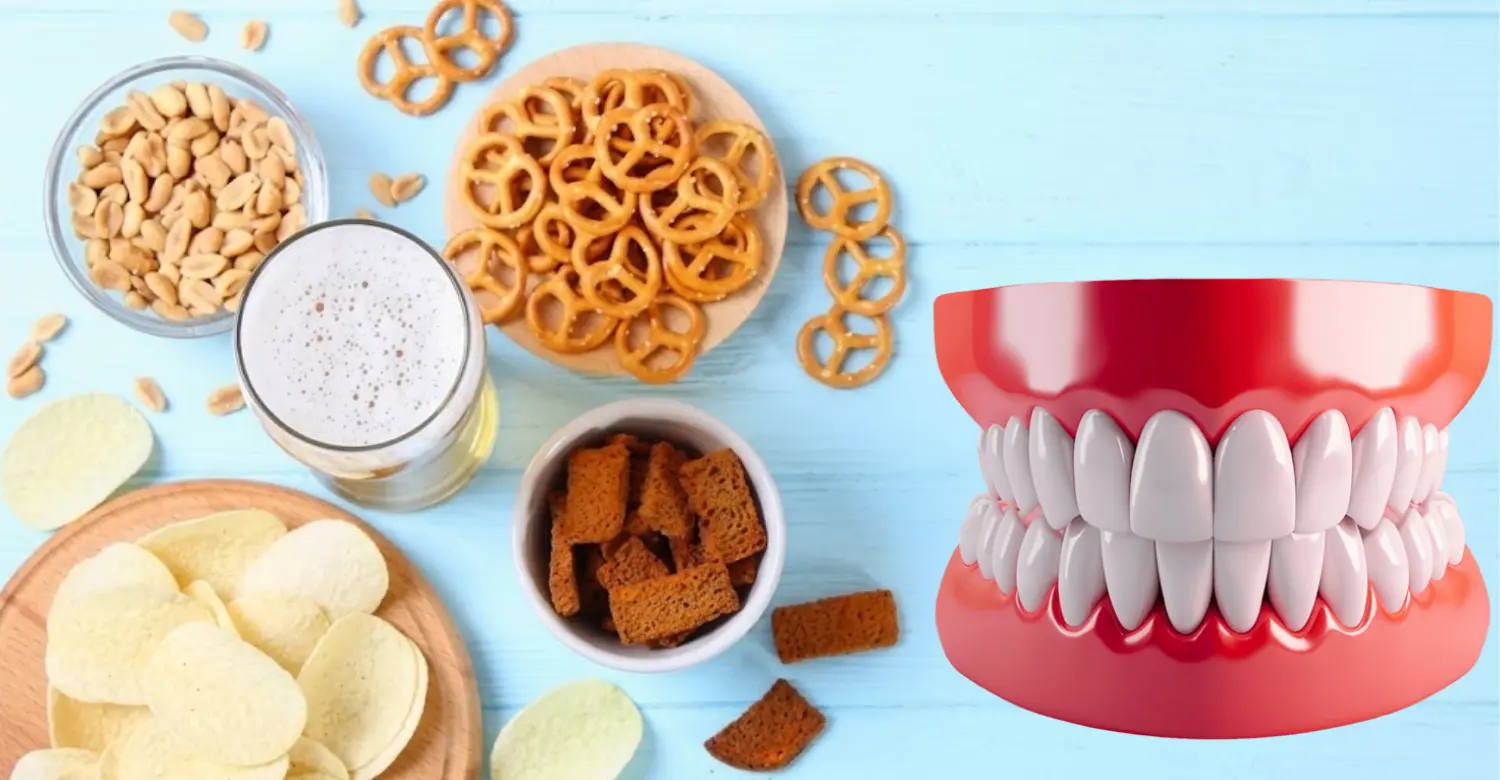
Crunchy foods teeth can involve foods requiring substantial biting pressure or repeated chewing. Common examples include chips, crackers, nuts, popcorn, hard vegetables, and certain toasted foods. These foods can place mechanical pressure on teeth and healing gum tissues. After extraction, the surrounding tissues remain sensitive and vulnerable to irritation. Small food particles can also become trapped around the extraction site. This problem may make cleaning more difficult during early recovery. Crunchy foods are therefore usually introduced gradually rather than immediately after surgery. The timing depends on how comfortably you can chew and whether the extraction site has stabilized. Following your dentist's dietary instructions can reduce unnecessary irritation and support uncomplicated healing.
What Foods Are Considered Crunchy or Hard?
Crunchy foods teeth concerns commonly involve foods with a firm texture that requires strong biting or prolonged chewing. Chips, tortilla chips, crackers, pretzels, popcorn, nuts, seeds, and hard biscuits are typical examples. Raw carrots, raw celery, and firm apples can also require considerable chewing pressure. Toasted bread and heavily baked foods may become difficult during early recovery. Hard candies create additional concerns because they require prolonged contact with the teeth. Some foods may appear soft but become crunchy when toasted or fried. Food texture matters because sharp pieces can contact sensitive extraction tissues. Patients should therefore consider both hardness and particle size before eating. Choosing softer alternatives can provide nutrition while reducing mechanical irritation during the healing period.
How Do Crunchy Foods Affect Your Teeth?
Crunchy food teeth can create mechanical forces that affect teeth, gums, and surrounding tissues. Healthy teeth usually tolerate these forces without significant problems. Recently treated or extracted areas are different because healing tissues remain sensitive. Biting hard foods can increase pressure around nearby teeth and surgical tissues. Sharp fragments may also scrape irritated gums during chewing. Excessive chewing can become uncomfortable when swelling or tenderness remains. Crunchy foods can also contribute to food debris collecting around difficult-to-clean areas. This does not mean crunchy foods permanently damage healthy teeth. The concern is mainly related to timing, texture, chewing pressure, and the condition of the mouth. Patients recovering from extraction should prioritize foods that are comfortable and easy to manage.
Why Are Crunchy Foods Risky After Tooth Extraction?
Crunchy food teeth become especially relevant after extraction because the surgical site needs time to stabilize. A blood clot normally forms inside the extraction socket after the tooth is removed. This clot helps protect underlying tissues during the early healing process. Hard foods can mechanically disturb the area if they contact the socket directly. Small particles may also become lodged around the extraction site. Dry socket is a painful complication associated with loss or disruption of the protective clot. Smoking and other factors can increase dry-socket risk. Patients should therefore follow their dentist's post-operative instructions carefully. Avoiding hard, crunchy, and irritating foods during early recovery can reduce unnecessary mechanical stress.
When Can You Eat Crunchy Food After Wisdom Teeth Removal?
Crunchy foods teeth are generally better avoided during the earliest recovery period after wisdom teeth removal. During the first few days, soft foods usually provide a more comfortable option. Around the first week, some patients can gradually introduce firmer foods if healing is progressing normally. However, difficult surgical extractions may require additional time before crunchy foods become comfortable. Pain, swelling, bleeding, and tenderness can provide useful clues about recovery. A patient should not force harder foods simply because a particular number of days has passed. Your dentist can evaluate the extraction site and provide individualized dietary advice. Vitrin Clinic recommends following professional aftercare instructions rather than relying solely on general recovery timelines.
When Can You Eat Soft Foods After Wisdom Teeth Removal?
Crunchy foods should generally be avoided while soft foods remain the most comfortable option. Soft foods are commonly recommended during the earliest stage after wisdom teeth surgery. Examples include yogurt, mashed potatoes, scrambled eggs, soft pasta, oatmeal, and blended soups. These foods require less chewing and place less mechanical pressure on healing tissues. Patients should choose foods that are comfortably warm or cool rather than extremely hot. Smooth textures can also reduce the chance of sharp particles contacting the extraction site. Nutrition remains important because adequate protein and calories support recovery. As tenderness decreases, patients can gradually expand their food choices. Your dentist can recommend when progressing toward firmer textures is appropriate.
When Can You Eat Solid Foods After Wisdom Teeth Removal?
Crunchy foods teeth should not determine the timing for returning to all solid foods. Solid foods can include many textures, and some are much easier to chew than others. Patients may gradually introduce soft solid foods as tenderness and swelling decrease. Soft eggs, tender pasta, cooked vegetables, and flaky fish can be useful transitional choices. Hard meats, crusty bread, chips, and nuts require greater chewing force. Introducing softer solids first allows patients to assess comfort without excessive pressure. If chewing causes pain, patients should return temporarily to softer choices. Recovery differs between individuals, especially after impacted wisdom teeth removal. Professional instructions should always take priority over a generalized dietary timeline.
When Can You Eat Regular Food After Wisdom Teeth Removal?
Crunchy foods may return later than softer regular foods because texture affects chewing demands. Many patients gradually return to a regular diet as discomfort decreases. However, regular food does not necessarily mean immediately eating chips, nuts, popcorn, or hard crusts. A gradual transition allows healing tissues to tolerate increasing chewing forces. Patients should begin with foods that are easy to chew and comfortable near the extraction area. They can then introduce firmer textures as recovery progresses. Surgical complexity can significantly influence this timeline. Multiple extractions may also make chewing uncomfortable for longer. If pain or bleeding returns after eating, stop and contact your dental provider for guidance.
When Can You Eat Crunchy Food After Wisdom Teeth Removal?
Crunchy foods teeth can usually be reconsidered after the early healing stage, but timing varies between patients. The first several days generally require the greatest dietary caution. During days three through seven, patients often continue choosing soft foods while monitoring symptoms. After the first week, some patients may gradually test firmer textures. Complete internal healing takes longer than the initial reduction in pain. Therefore, comfortable chewing does not necessarily mean the socket has completely healed. Start with less abrasive foods before attempting very hard or sharp options. Avoid placing food directly over the extraction area whenever possible. Your dentist can determine whether the surgical site has healed enough for your normal diet.
Days 1–2
Crunchy foods teeth should be avoided during the first two days following wisdom teeth removal. The extraction sites are particularly vulnerable during this early period. Soft, cool, or lukewarm foods are generally easier to manage. Yogurt, mashed potatoes, smoothies without straws, and soft eggs can provide practical options. Patients should avoid vigorous rinsing because the extraction clot needs protection. Hard particles can also irritate the surgical area during chewing. Pain and swelling commonly remain noticeable during this stage. Following the dentist's instructions is especially important during these first days. Patients should also avoid smoking because it can interfere with healing and increase complication risks. Any persistent bleeding or severe worsening symptoms require professional dental assessment.
Days 3–7
Crunchy foods teeth should still be approached cautiously between the third and seventh recovery days. The extraction area may feel better, but healing remains incomplete. Patients can often continue soft foods while gradually introducing tender, easy-to-chew options. Foods should not require forceful biting or prolonged chewing. Chips, nuts, popcorn, and hard crackers remain poor choices during this stage. Small particles can become trapped around the extraction site. Patients should also monitor whether chewing causes renewed pain or bleeding. Improved comfort is encouraging but does not confirm complete tissue healing. If recovery progresses normally, the diet can gradually become more varied. Individual instructions from the treating dentist should determine when harder foods become appropriate.
After the First Week
Crunchy food teeth may become easier to manage after the first week when recovery is uncomplicated. Some patients can gradually test firmer foods when pain and swelling have substantially decreased. Start with foods that are mildly firm rather than extremely hard or sharp. Chew slowly and avoid placing food directly over the extraction site. Stop if discomfort, bleeding, or irritation develops during eating. Surgical extractions involving impacted teeth may require a longer recovery period. The number of extracted teeth can also affect chewing comfort. Patients should continue following oral hygiene instructions during this stage. A dental professional can provide reassurance when there is uncertainty about progressing toward a normal diet.
After Complete Healing
Crunchy foods teeth are generally less concerning once the extraction site has completely healed. At this stage, patients can usually return to their usual food textures unless another dental condition limits their diet. Complete healing occurs progressively beneath the gum surface after the initial wound closes. Patients should still maintain good oral hygiene after returning to crunchy foods. Hard foods can contribute to chipped teeth or dental restorations in susceptible individuals. Eating slowly and avoiding extremely hard objects can reduce unnecessary dental stress. If sensitivity or pain develops unexpectedly after healing, schedule a dental evaluation. Vitrin Clinic can assess persistent discomfort and determine whether another dental issue is contributing.
When Can I Eat Chips After Wisdom Teeth Removal?
Crunchy foods teeth include chips among the foods patients commonly want to reintroduce after extraction. Chips can be problematic because they are rigid, sharp, and capable of breaking into small pieces. Fragments can potentially contact or lodge near healing extraction sites. Their texture also requires chewing pressure that may irritate tender tissues. Many dentists recommend avoiding chips during the early recovery period. The exact return depends on healing progress rather than one universal date. Patients should wait until chewing is comfortable and the surgical area is sufficiently healed. When reintroduced, choose a small portion and chew carefully away from the extraction area. Follow your dentist's specific recommendations if they differ from general guidance.
Can I Eat Chips 5 Days After Wisdom Teeth Removal?
Crunchy foods teeth can make chips an unsuitable choice only five days after many wisdom tooth extractions. Day five can still fall within an active healing period. The extraction socket may remain sensitive even when swelling has started decreasing. Chips can break into sharp pieces that irritate the surrounding tissues. Small fragments can also become trapped around the surgical site. Instead, choose soft foods requiring minimal chewing during this stage. If your dentist has cleared you for firmer foods, follow their specific instructions. Avoid assuming that reduced pain means the socket has completely healed. If chips cause pain or bleeding, stop eating them and contact your dental provider.
Why Are Chips Difficult During Recovery?
Crunchy foods teeth often involve chips because their texture creates several challenges during extraction recovery. Chips are hard enough to require repeated biting and chewing. They can also fracture into sharp fragments during eating. These pieces may contact tender gum tissue around the extraction site. Smaller fragments can potentially become trapped in areas that are difficult to clean. Salty or strongly seasoned chips may also feel irritating against sensitive tissues. Patients recovering from surgery should prioritize softer textures that require less chewing pressure. Waiting until the extraction site has sufficiently healed reduces unnecessary irritation. If you remain unsure about chips, ask your dentist before returning them to your diet.
What Should You Do If You Accidentally Eat Chips?
Crunchy foods teeth can cause concern if chips are accidentally eaten during recovery. First, stop eating if you notice pain, bleeding, or irritation around the extraction site. Do not aggressively probe the socket with your fingers or sharp objects. Follow your dentist's recommended rinsing instructions rather than vigorously swishing. Continue eating softer foods while monitoring your symptoms. A single accidental bite does not automatically mean a complication has developed. However, persistent bleeding, worsening pain, or increasing swelling deserves professional attention. Contact your dentist if symptoms become concerning or do not improve. Early professional advice can help distinguish normal irritation from a developing post-extraction complication.
When Can You Eat Normally After Wisdom Teeth Removal?
Crunchy food teeth may return toward the end of the dietary progression rather than immediately after surgery. Most patients gradually move from liquids and soft foods toward more familiar textures. The transition should be based on comfort, healing, and the extraction procedure. Some patients resume many normal foods relatively quickly after uncomplicated extractions. Others require additional time after surgical removal of impacted wisdom teeth. Chewing should become easier as swelling and tenderness decrease. Patients should avoid forcing foods that cause discomfort. A gradual return also allows you to identify textures that still irritate the surgical area. Your dentist can provide the safest timeline based on the actual condition of your extraction sites.
How Long After Wisdom Teeth Removal Can I Eat Normally?
Crunchy foods teeth may be reintroduced gradually as your extraction sites become comfortable and stable. There is no single recovery day that applies to every patient. Simple extractions may allow a faster dietary transition than complicated surgical procedures. Multiple extractions can also make chewing more difficult. Pain and swelling should generally be improving rather than worsening. Patients should follow the post-operative instructions provided by their dental team. If certain foods cause discomfort, return to softer options temporarily. A dentist can evaluate delayed healing when recovery does not follow the expected pattern. At Vitrin Clinic, individualized aftercare can help patients progress safely toward their usual diet.
When Can You Chew Food After Wisdom Teeth Removal?
Crunchy foods teeth become relevant once chewing begins placing greater pressure on the recovering mouth. Patients can usually start with gentle chewing using soft foods as tolerated. Avoid chewing directly over the extraction sites during early recovery. Tender foods can help patients test chewing ability without excessive mechanical pressure. As discomfort decreases, patients can gradually introduce firmer textures. Hard foods should remain limited until the surgical area has adequately stabilized. Pain during chewing can indicate that the tissues still need additional recovery time. Follow your dentist's instructions if they recommend a longer soft-food period. Never force chewing simply to return quickly to a normal diet.
What Factors Affect When You Can Return to a Normal Diet?
Crunchy foods teeth recovery depends on several factors beyond the number of days since surgery. Extraction complexity is one of the most important considerations. Removing an impacted tooth may involve more tissue manipulation than a simple extraction. The number of teeth removed can also affect chewing comfort and food choices. Healing progress provides another important indicator of readiness. Persistent pain, swelling, or bleeding may signal that harder foods should be postponed. Individual medical and dental circumstances can also influence recovery. Your dentist can assess the surgical area when dietary progression is uncertain. Following personalized instructions is safer than using a fixed timeline from online sources.
Type of Extraction
Crunchy food teeth may be delayed after surgical extraction because tissue manipulation can increase recovery demands. Simple extractions often involve less surgical intervention than impacted wisdom tooth removal. Surgical procedures may require gum incisions, bone removal, or tooth sectioning. These factors can leave the surrounding tissues more sensitive. Patients may therefore need soft foods for longer periods. The dentist's post-operative instructions should reflect the actual procedure performed. Do not compare your recovery timeline directly with another patient's experience. Two wisdom tooth procedures can have significantly different healing requirements. A professional examination can determine whether the extraction site is ready for increased chewing pressure.
Number of Teeth Removed
Crunchy foods teeth can become more difficult when multiple wisdom teeth are removed during the same appointment. Removing several teeth may create multiple sensitive areas throughout the mouth. Patients may have fewer comfortable areas available for chewing. This can make harder foods uncomfortable even when healing appears normal. Soft foods can provide nutrition without requiring extensive chewing. As individual sites heal, patients can gradually expand their diet. Chewing should remain gentle during the early recovery period. Your dentist can advise whether your specific extraction pattern requires additional dietary restrictions. Never assume that one healing timeline applies equally to single and multiple extractions.
Healing Progress
Crunchy foods teeth should be introduced according to healing progress rather than a calendar alone. Decreasing pain and swelling are generally encouraging signs during recovery. However, external comfort does not always indicate complete internal healing. The extraction socket continues changing as new tissue develops. Patients should therefore remain cautious with hard and sharp foods. Any renewed bleeding or significant pain deserves attention. Following oral hygiene and dietary instructions can support uncomplicated recovery. A dentist can examine the site when healing appears unusually slow. Professional evaluation is especially important when symptoms worsen instead of improving.
Pain and Swelling
Crunchy foods teeth should remain limited when significant pain or swelling continues after extraction. Swollen tissues can make chewing difficult and uncomfortable. Hard foods may place additional pressure on already sensitive areas. Pain can also indicate that the mouth is not ready for aggressive chewing. Patients should choose softer foods while symptoms remain significant. Increasing pain deserves greater attention than mild expected tenderness. Severe or worsening symptoms can indicate a complication requiring dental evaluation. Patients should contact their dental provider when symptoms do not follow an improving pattern. Vitrin Clinic can provide professional assessment when post-extraction symptoms remain concerning.
What Foods Should You Avoid After Wisdom Teeth Removal?
Crunchy foods teeth are among several food categories commonly restricted during early wisdom tooth recovery. Hard foods can place mechanical pressure on healing tissues. Chewy foods may require prolonged jaw movement and create additional discomfort. Spicy or acidic foods can irritate sensitive tissues in some patients. Very hot foods and drinks may also be uncomfortable immediately after surgery. Tiny food particles can become trapped around extraction sites. Nuts, seeds, popcorn, chips, and crackers are common examples. Patients should prioritize smooth or soft foods during the initial recovery period. Dietary restrictions can gradually decrease as healing progresses. Always follow your dentist's specific instructions because surgical procedures and recovery patterns differ.
Crunchy and Hard Foods
Crunchy foods teeth concerns are greatest with foods that require strong biting or produce sharp fragments. Chips, crackers, nuts, popcorn, hard candy, and some raw vegetables can create mechanical irritation. These foods may also leave particles around the extraction site. Patients should generally choose softer alternatives during early recovery. Soft foods reduce chewing demands while providing easier access to nutrition. The timing for reintroducing hard foods depends on healing progress. Do not force a crunchy texture if chewing remains painful. Gradual progression is usually more comfortable and practical. Your dentist can determine when the extraction area is ready for greater chewing forces.
Chewy Foods
Crunchy foods teeth are not the only foods that can challenge patients after extraction. Chewy foods can require repeated jaw movement and significant chewing pressure. Tough meat, sticky candy, chewing gum, and dense bread can be difficult during recovery. These foods may strain tender jaw muscles and surrounding tissues. Sticky foods can also be difficult to remove around sensitive areas. Softer proteins and tender foods provide easier alternatives during the early healing period. Patients should gradually increase chewing demands as comfort improves. If chewing causes pain, choose softer foods temporarily. Professional aftercare instructions should guide the transition toward tougher textures.
Spicy and Acidic Foods
Crunchy foods teeth can be avoided alongside spicy and acidic foods when extraction tissues remain sensitive. Chili, hot sauces, citrus juices, and strongly acidic foods may cause irritation. Not every patient experiences this reaction, but sensitive tissues can respond differently after surgery. Mild foods may therefore feel more comfortable during early recovery. Patients should avoid foods that cause burning or significant irritation. Rinsing should follow the dentist's recommended technique rather than aggressive swishing. As tissues recover, patients can gradually return to their preferred flavors. Persistent burning or unusual sensitivity should be discussed with a dental professional.
Very Hot Foods and Drinks
Crunchy foods teeth should remain restricted while patients are also cautious with very hot foods and drinks. High temperatures can feel uncomfortable against freshly treated oral tissues. Immediately after extraction, numbness from anesthesia can also reduce temperature awareness. This creates a risk of accidentally burning oral tissues. Lukewarm or cooler foods are often more comfortable during the initial period. Patients should allow soups, drinks, and other foods to cool before consumption. Temperature tolerance usually improves as the tissues recover. Follow the specific instructions provided by your dental team after surgery.
Foods That Leave Small Particles
Crunchy food teeth often produce particles that can become problematic around healing extraction sites. Popcorn kernels, seeds, nuts, crackers, and chips can fragment during chewing. Small particles may become lodged in areas that remain difficult to clean. Patients should therefore avoid foods that easily crumble during early recovery. Smooth textures are easier to manage and usually require less chewing. Good oral hygiene remains important without disturbing the healing socket. Follow your dentist's instructions for rinsing and cleaning after extraction. If food repeatedly becomes trapped or causes irritation, contact your dental provider for advice.
Chips and Crackers
Crunchy foods teeth commonly includes chips and crackers because both can break into hard, sharp pieces. Their texture requires chewing that may stress tender extraction areas. Crumbs can also accumulate around healing tissues. These foods are therefore usually postponed during the early recovery period. Softer snacks can provide similar convenience without excessive mechanical irritation. Patients should wait until chewing is comfortable before considering chips or crackers. Even then, gradual reintroduction is preferable. Stop eating if the area becomes painful or begins bleeding.
Nuts and Seeds
Crunchy foods teeth concerns include nuts and seeds because their small pieces can become trapped around extraction sites. Nuts also require substantial biting pressure and repeated chewing. Seeds may be particularly difficult to remove from narrow healing areas. These foods are therefore better avoided during the early recovery period. Patients can obtain protein and healthy fats from softer alternatives. Smooth nut butter may sometimes be easier to tolerate when medically appropriate. However, patients should follow individual instructions from their dentist. Any food that causes irritation should be discontinued temporarily.
Popcorn
Crunchy foods teeth can be particularly challenging with popcorn because kernels and hulls can remain after chewing. Unpopped kernels are hard and can create substantial pressure. Hull fragments can also become lodged around healing gum tissue. This makes popcorn an inconvenient choice during early extraction recovery. Patients should wait until the extraction areas are sufficiently healed. Softer snacks can provide an easier alternative during this period. If a popcorn fragment becomes trapped, avoid digging into the socket. Follow your dentist's cleaning instructions or contact the dental office for guidance.
Hard Candy
Crunchy foods teeth include hard candy because these products can require prolonged biting or sucking. Biting hard candy can create considerable pressure on teeth. Sticky varieties may also adhere to dental surfaces and surrounding tissues. During extraction recovery, hard candy can therefore be an unnecessary source of mechanical irritation. Patients should choose softer alternatives while healing continues. Even after recovery, extremely hard foods can pose risks to vulnerable teeth or restorations. Gradual dietary progression is generally more comfortable after surgery. Ask your dentist when hard candy can safely return to your normal diet.
What Can You Eat Instead of Crunchy Foods?
Crunchy foods teeth can be replaced temporarily with soft foods that provide adequate nutrition without demanding aggressive chewing. Yogurt, eggs, mashed potatoes, soft pasta, oatmeal, and tender fish are practical choices. Smoothies can also provide calories and nutrients when prepared appropriately. Patients should avoid using straws if their dentist advises against them. Protein is particularly valuable because healing requires adequate nutritional support. Foods should be comfortable to swallow and easy to chew. As recovery progresses, patients can gradually introduce more textures. Choosing nutritious soft foods can make the recovery period easier. Vitrin Clinic can provide individualized dietary guidance alongside professional post-extraction care.
Best Soft Foods After Tooth Extractions
Crunchy foods teeth can be temporarily replaced with soft foods during the initial healing period. Yogurt provides protein and requires minimal chewing. Mashed potatoes offer carbohydrates and can be prepared with a smooth consistency. Scrambled eggs provide protein while remaining relatively easy to chew. Oatmeal can provide energy when served at a comfortable temperature. Soft pasta can become a useful transition food as chewing improves. Blended soups can provide fluids and nutrients without hard particles. Patients should avoid extremely hot foods during early recovery. A varied soft-food diet can help maintain nutritional intake while the mouth heals.
Protein-Rich Foods for Recovery
Crunchy foods teeth can be replaced with protein-rich soft foods that support adequate nutrition during recovery. Eggs are easy to prepare and can provide high-quality protein. Greek yogurt can also offer protein while requiring little chewing. Soft fish may become appropriate when patients tolerate more solid textures. Smooth nut butter can provide protein and calories when suitable for the individual. Protein-rich smoothies can also be useful when prepared without irritating ingredients. Patients should consider nutritional needs rather than relying only on liquids. Adequate hydration is also important during recovery. A dentist or nutrition professional can provide additional advice when dietary restrictions are extensive.
Easy-to-Chew Foods
Crunchy foods teeth can be avoided while patients focus on foods requiring minimal chewing effort. Mashed vegetables provide nutrients without demanding significant biting force. Soft pasta can be prepared with a smooth sauce for easier chewing. Scrambled eggs are another convenient option for early recovery. Tender fish may work well as patients progress toward more solid foods. Yogurt and cottage cheese can provide protein without substantial chewing. Foods should remain comfortable and should not irritate the extraction sites. Patients can gradually increase texture as healing progresses. If a particular food causes discomfort, temporarily return to softer choices.
Mashed Potatoes
Crunchy foods teeth can be replaced with mashed potatoes because their smooth texture requires little chewing. Potatoes also provide carbohydrates that can support daily energy needs. Patients can prepare them with milk, yogurt, or another suitable ingredient for additional calories. Avoid serving them extremely hot during the earliest recovery period. Large pieces or crispy toppings should also be avoided initially. Mashed potatoes can become especially useful during the first several recovery days. Their texture can be adjusted according to individual comfort. As healing progresses, patients can gradually introduce more textured foods.
Yogurt
Crunchy foods teeth can be replaced with yogurt because it requires minimal chewing and provides a convenient soft texture. Greek yogurt can also contribute useful protein during recovery. Patients should select smooth varieties without nuts, seeds, granola, or crunchy toppings. Very acidic flavors may irritate sensitive tissues in some patients. A cool or moderately chilled temperature can feel soothing for some people. Yogurt can therefore work well as an early recovery snack. Patients should choose varieties that fit their dietary needs and professional instructions. If discomfort occurs, switch to another gentle food.
Eggs
Crunchy foods teeth can be replaced with soft eggs because eggs provide protein without requiring substantial chewing. Scrambled eggs are particularly easy to adjust for texture and tenderness. They can be prepared without crispy edges that might irritate sensitive tissues. Eggs can also help add variety to an otherwise soft-food diet. Serve them warm rather than extremely hot during early recovery. Patients can gradually increase texture as chewing becomes easier. Avoid adding crunchy ingredients until the extraction sites have healed sufficiently. Eggs can remain useful throughout the transition toward a normal diet.
Soft Pasta
Crunchy food teeth can be replaced with soft pasta because well-cooked pasta requires relatively little chewing. Choose small shapes and cook them until tender. Smooth sauces can make pasta easier to swallow and manage. Avoid crispy toppings, hard cheese pieces, or heavily toasted ingredients initially. Pasta can provide carbohydrates and help increase dietary variety during recovery. Patients should chew gently and avoid the extraction areas whenever possible. As tenderness decreases, slightly firmer pasta can gradually be introduced. Any food causing pain should be removed from the diet temporarily.
Smoothies
Crunchy foods teeth can be replaced with smoothies when patients need a convenient soft option. Smoothies can combine fruit, yogurt, milk, and other nutritious ingredients. Avoid adding seeds, nuts, hard frozen pieces, or other rough particles. Your dentist may also recommend avoiding straws during the early healing period. Drinking directly from a cup can reduce unnecessary suction. Smoothies should not be excessively acidic if sensitive tissues become irritated. They can provide calories and nutrients when chewing remains uncomfortable. Patients should continue progressing toward normal foods as healing allows.
What We Notice Clinically
Crunchy foods teeth often become a practical concern when patients feel better but remain within the healing period. Clinically, patients may underestimate how much pressure hard foods place on recovering tissues. Reduced swelling can create a false impression that the extraction site is completely healed. The socket continues undergoing biological healing after external symptoms improve. Patients frequently benefit from gradual dietary progression rather than an immediate return to hard foods. The most useful indicators include comfort, bleeding status, swelling, and the dentist's examination. Vitrin Clinic emphasizes individualized post-extraction instructions based on the procedure performed. Patients should contact their dental team when recovery changes unexpectedly.
Clinical Note
Crunchy foods teeth should be considered according to tissue healing rather than pain alone. A comfortable mouth can still contain a healing extraction socket. Clinicians therefore consider the procedure, surgical difficulty, symptoms, and healing progress together. Patients should not use another person's recovery timeline as their own medical benchmark. Dietary recommendations can differ significantly after simple and surgical extractions. Professional assessment becomes especially useful when symptoms persist beyond the expected recovery pattern. Good aftercare includes appropriate hygiene, nutrition, hydration, and symptom monitoring. Patients should follow the instructions provided by their treating dentist.
Why Pain Relief Does Not Always Mean Complete Healing
Crunchy foods teeth can become tempting when medication reduces discomfort after extraction. Pain relief can improve comfort without meaning that the underlying tissues have completely healed. The extraction socket continues remodeling after initial symptoms decrease. Patients may therefore feel capable of chewing before the site is ready for hard foods. This distinction is particularly important after surgical wisdom tooth removal. A gradual diet remains appropriate even when pain has significantly improved. Patients should follow the recommended recovery timeline rather than relying solely on medication response. Professional examination can provide greater confidence when returning to harder textures.
When Patients Should Contact Their Dentist
Crunchy foods teeth should not be blamed for every symptom after wisdom teeth removal. However, persistent or worsening symptoms deserve professional evaluation. Increasing pain can sometimes indicate a complication rather than normal recovery. Significant swelling, persistent bleeding, fever, or foul taste may also require assessment. Patients should contact their dental provider when symptoms become severe or progressively worse. Early communication allows the dentist to determine whether additional treatment is necessary. Do not attempt to remove material from the extraction socket with sharp objects. Follow professional cleaning instructions and seek advice when uncertain.
Tips for Patients Returning to Crunchy Foods
Crunchy food teeth should be reintroduced gradually rather than immediately after the extraction site begins feeling better. Start with mildly firm foods before choosing extremely hard textures. Take small portions and chew slowly to assess comfort. Keep food away from the extraction area whenever practical. Avoid foods that produce many tiny particles during the earliest transition. Continue following your dentist's cleaning instructions after meals. Stop eating harder foods if pain, bleeding, or significant irritation occurs. Recovery should progress comfortably rather than according to pressure from a fixed deadline. Professional guidance is particularly important after complicated or multiple extractions.
Start With Small Portions
Crunchy foods teeth can be reintroduced more cautiously by starting with small portions. A small amount makes it easier to assess chewing comfort. Choose a mildly firm food before attempting very hard or sharp options. Chew slowly and use areas away from the extraction site. If discomfort develops, stop and return to softer foods. Large portions can encourage excessive chewing and increase mechanical stress. Patients should also avoid rushing because the mouth feels significantly better. Gradual progression provides a more comfortable transition toward normal eating. Ask your dentist when you remain uncertain about the appropriate timing.
Chew Away From the Extraction Site
Crunchy foods teeth can place pressure near healing tissues when patients chew directly over the surgical area. During early recovery, use the opposite side when comfortable and practical. This strategy can reduce direct contact between food and the extraction site. However, patients with multiple extractions may have limited areas available for chewing. In those cases, softer foods may remain preferable for longer. Chew slowly and stop when discomfort develops. Avoid forcing food into areas that remain tender. Your dentist can provide specific advice based on the location and number of extractions.
Introduce Harder Foods Gradually
Crunchy foods teeth should return through a gradual progression from soft textures toward firmer foods. Begin with foods that require moderate chewing rather than extreme biting force. Observe how the extraction area responds after eating. Mild tenderness may indicate that the tissues still need additional time. Significant pain or bleeding requires stopping the harder foods. Patients should avoid testing multiple difficult foods at once. Gradual changes make it easier to identify which texture causes irritation. Follow your dental team's instructions throughout the transition.
Keep the Extraction Area Clean
Crunchy food teeth can leave particles around healing tissues, making appropriate oral care important. Patients should follow their dentist's instructions for cleaning after extraction. Avoid aggressively brushing directly over a fresh surgical site. Vigorous rinsing can also disturb healing tissues during the early period. Your dentist may recommend a specific gentle rinsing routine after an appropriate interval. Keeping the mouth clean can support comfortable recovery. If food repeatedly becomes trapped, ask your dental provider for guidance. Never use sharp objects to remove particles from an extraction socket.
Stop Eating If Pain or Bleeding Occurs
Crunchy foods teeth should be discontinued if harder foods trigger pain or bleeding. These symptoms indicate that the tissues may not tolerate the increased mechanical pressure. Return to softer foods and monitor how the area responds. Persistent bleeding requires professional advice rather than repeated attempts to test the area. Severe or worsening pain also deserves prompt dental evaluation. Patients should not ignore symptoms simply because the extraction occurred several days earlier. Healing progresses differently for every patient. Your dentist can determine whether the symptoms represent normal irritation or a complication.
When Should You Call a Dentist After Wisdom Teeth Removal?
Crunchy foods teeth should not distract from warning signs that may require professional evaluation. Some discomfort is expected after wisdom tooth surgery. However, severe or worsening symptoms can indicate a problem. Persistent pain, increasing swelling, continued bleeding, foul taste, fever, or unusual discharge deserve attention. Patients should contact their dental provider when symptoms do not follow an improving pattern. Delaying evaluation can make certain complications more difficult to manage. Do not attempt self-treatment by manipulating the extraction socket. Vitrin Clinic recommends professional assessment when post-operative symptoms become concerning or unexpected.
Persistent or Increasing Pain
Crunchy foods teeth may worsen discomfort when introduced before the extraction site is ready. However, increasing pain can also indicate a post-operative complication. Normal recovery should generally show gradual improvement rather than continual deterioration. Severe pain several days after extraction deserves professional attention. Dry socket is one possible cause of significant post-extraction pain. Patients should contact their dentist when pain becomes intense, persistent, or increasingly difficult to control. Avoid repeatedly testing hard foods while symptoms continue. Professional examination is the safest way to determine the underlying cause.
Severe or Worsening Swelling
Crunchy food teeth can become difficult to tolerate when swelling remains significant. Some swelling is common following wisdom tooth removal. However, swelling that becomes substantially worse may require dental assessment. Difficulty swallowing, breathing, or opening the mouth can require urgent attention. Patients should follow their dentist's instructions for managing expected swelling. Avoid hard foods while jaw movement remains uncomfortable. A dental professional can determine whether swelling remains within the expected recovery pattern. Seek urgent care when symptoms affect breathing or swallowing.
Persistent Bleeding
Crunchy foods teeth should be avoided when the extraction area continues bleeding. Mild oozing can occur after extraction, particularly during the early period. Persistent or heavy bleeding requires professional guidance. Hard foods can create additional mechanical irritation and may worsen bleeding. Follow your dentist's instructions for managing post-extraction bleeding. Do not repeatedly disturb the extraction socket while checking the area. Contact your dental provider if bleeding does not settle as expected. Severe bleeding may require urgent professional evaluation.
Foul Taste or Bad Breath
Crunchy foods teeth are not the only possible cause of an unpleasant taste or odor after extraction. Persistent foul taste or bad breath can sometimes accompany infection or other complications. Patients should monitor whether these symptoms occur alongside increasing pain or swelling. Temporary changes in breath can occur during normal healing. Persistent or worsening symptoms should be discussed with a dental professional. Avoid trying to scrape or clean deeply inside the extraction socket. Professional evaluation can identify whether treatment is necessary.
Fever or Signs of Infection
Crunchy food teeth should not be introduced aggressively when patients develop symptoms suggesting infection. Fever, increasing swelling, worsening pain, or discharge can require prompt dental evaluation. These symptoms should not be dismissed as normal dietary discomfort. Patients should contact their dentist when infection is suspected. Urgent medical attention may be necessary if swelling affects breathing or swallowing. Professional assessment can determine the appropriate treatment. Avoid delaying care while attempting to manage significant symptoms through dietary changes alone.
Why Choose Vitrin Clinic for Dental Care?
Crunchy foods teeth recovery questions are easier to address when patients receive personalized professional guidance. Vitrin Clinic provides dental care focused on individual treatment needs and patient comfort. Post-extraction advice should reflect the procedure performed and the patient's healing progress. Generic timelines cannot account for every surgical situation. Professional follow-up can help identify concerns before they become more serious. Patients can also receive guidance about oral hygiene, diet, and recovery expectations. Choosing professional dental care provides reassurance when recovery does not follow a predictable pattern. Vitrin Clinic combines clinical evaluation with patient-centered aftercare.
Personalized Post-Extraction Guidance
Crunchy foods teeth can be reintroduced according to individualized recovery rather than a fixed schedule. Vitrin Clinic can provide guidance based on the extraction procedure and healing progress. Patients receive recommendations that consider discomfort, swelling, surgical complexity, and dietary tolerance. Personalized advice can help prevent unnecessary irritation during recovery. Patients also learn which symptoms should prompt professional contact. This approach makes the transition toward normal eating more structured. Professional instructions should always take priority over generalized online recommendations.
Professional Evaluation and Aftercare
Crunchy foods teeth can become easier to manage when patients receive appropriate follow-up evaluation. Vitrin Clinic focuses on assessing healing and addressing post-operative concerns. Professional follow-up can help determine whether recovery is progressing normally. Patients can receive practical advice about diet and oral hygiene during different recovery stages. If symptoms become unusual, timely assessment can identify potential complications. Aftercare remains an important part of successful dental treatment. Patients should maintain communication with their dental team when questions arise.
Patient-Centered Dental Care
Crunchy foods teeth recovery can involve different challenges depending on each patient's procedure and circumstances. Vitrin Clinic emphasizes individualized communication throughout dental care. Patients can discuss pain, swelling, dietary concerns, and recovery expectations with the dental team. Clear explanations can make post-operative instructions easier to follow. Patient-centered care also recognizes that comfort levels differ between individuals. The goal is a safe and practical transition back to normal eating. Professional guidance remains valuable whenever recovery does not progress as expected.
Expert Dental Care at Vitrin Clinic
Crunchy food teeth is one dietary concern within the broader process of post-extraction dental care. Vitrin Clinic offers dental services designed around individual patient needs. Professional assessment can help patients understand their oral health and treatment requirements. Experienced dental professionals can also provide appropriate post-treatment guidance. Personalized planning helps align treatment with the patient's clinical condition and goals. Follow-up care provides an opportunity to address questions and unexpected symptoms. Patients should always discuss recovery concerns directly with their dental provider. Vitrin Clinic aims to combine professional dental treatment with attentive patient support.
Comprehensive Dental Services
Crunchy foods teeth questions may arise alongside broader concerns about oral health and dental treatment. Vitrin Clinic provides comprehensive dental services addressing different patient needs. Professional evaluation helps determine which treatment approach is appropriate. Patients can discuss symptoms, treatment expectations, and aftercare requirements with the dental team. Comprehensive care can reduce the need to manage dental concerns without professional guidance. Treatment recommendations are based on individual clinical circumstances. Patients should receive clear instructions before and after procedures.
Experienced Dental Team
Crunchy foods teeth recovery is easier to understand when patients can discuss concerns with an experienced dental team. Vitrin Clinic provides professional dental care with attention to individual treatment needs. Dental professionals can evaluate healing and explain appropriate dietary progression. They can also identify symptoms that require further assessment. Experience supports better communication throughout the treatment and recovery process. Patients should always provide accurate information about changes in pain, swelling, or bleeding. Clear communication helps dental professionals make appropriate recommendations.
Personalized Treatment Plans
Crunchy foods teeth recovery timelines can differ because treatment procedures and healing patterns are not identical. Vitrin Clinic develops care around individual patient circumstances. Personalized planning considers the dental procedure, oral condition, and recovery requirements. Patients receive guidance designed around their specific treatment rather than a universal schedule. This approach can make dietary progression easier to understand. Patients should follow their personalized instructions even when general online advice differs. Professional treatment planning supports safer and more predictable dental care.
Professional Follow-Up Care
Crunchy foods teeth can raise questions even after the initial extraction appointment. Follow-up care allows dental professionals to evaluate healing and address concerns. Vitrin Clinic can provide professional guidance when recovery does not progress as expected. Patients can discuss dietary progression, discomfort, swelling, and oral hygiene. Follow-up also provides an opportunity to identify complications early. Patients should not hesitate to contact their dental provider when symptoms change unexpectedly. Consistent aftercare supports a smoother transition toward normal oral function.
Conclusion: Crunchy foods teeth
Crunchy foods teeth become an important consideration after wisdom teeth removal because healing requires careful food choices. Soft foods are usually easier to tolerate during the first several recovery days. Patients should gradually return to solid and crunchy foods as comfort improves. Chips, nuts, popcorn, and crackers may require additional time because they can irritate healing tissues. Pain, swelling, bleeding, and extraction complexity can influence the recovery timeline. Patients should never rely only on a fixed number of recovery days. Following personalized instructions from your dentist provides safer guidance for returning to a normal diet. If pain or bleeding occurs after introducing harder foods, stop eating them and contact your dental provider. With proper aftercare, most patients can gradually return to their preferred foods. Vitrin Clinic provides personalized dental guidance to support comfortable recovery and long-term oral health.
Reference
FAQs
Dr. Rifat Alsaman has more than 5 years of clinical experience in dentistry and currently serves as the Head of the Medical Team at Vitrin Clinic. He is dedicated to providing exceptional patient care, overseeing treatment planning, and ensuring the highest clinical standards across the team. His expertise, attention to detail, and commitment to continuous professional development have helped countless patients achieve healthier, more confident smiles.

.webp&w=3840&q=75)


