General Dentistry
October 14, 2026
Dental Cement Allergy: How to Recognize Symptoms and Find the Right Treatment?
 Dr. Rifat Alsaman
Dental cement allergy may be suspected when unusual symptoms appear after a crown, veneer, bridge, or other restoration is cemented. You may notice burning, soreness, swelling, or a persistent odd taste, and worry that something is wrong with your new tooth. These concerns are understandable. However, such symptoms do not automatically mean an allergy. Mechanical irritation, leftover cement, gum inflammation, and other oral conditions can look very similar. This guide explains how dentists investigate the problem and what practical steps you can take next.
What Is a Dental Cement Allergy?
A dental cement allergy is an immune reaction to an ingredient in the material that fixes a restoration to a tooth. Cement seals the margins and holds crowns, veneers, and bridges in place. Dentists use resin, glass ionomer, or zinc-based formulations depending on strength, appearance, and bonding needs. An allergy develops when the immune system becomes sensitized to a specific ingredient. Irritation, by contrast, comes from direct tissue contact without immune involvement. Dental material sensitivity is a broader term that can describe both types of reaction.
Which Dental Materials Can Trigger an Allergic Reaction?
Most reported reactions involve resin-based cements, which contain methacrylate monomers such as HEMA, TEGDMA, or Bis-GMA. Dental adhesives and bonding agents used to secure restorations often contain the same monomers, so a dental adhesive allergy or bonding agent allergy may overlap with cement reactions. Other ingredients, including certain initiators, stabilizers, or additives, may affect susceptible individuals. Temporary cements vary widely. For example, zinc oxide eugenol products contain eugenol, a recognized contact allergen. The exact composition always matters.
Is Dental Cement Allergy Common?
A clinically confirmed dental cement allergy is relatively uncommon. Ordinary postoperative discomfort, gum irritation, and bite-related soreness are far more frequent after cementation. Methacrylate allergy is actually reported more often among dental professionals, who handle uncured materials repeatedly, than among patients. Once cement sets, free monomer levels usually drop, although small amounts may remain. Your individual likelihood depends on the material used, the degree of exposure, previous sensitization, and personal susceptibility, including any history of contact allergy.
What Are the Symptoms of Dental Cement Allergy?
Common dental cement allergy symptoms include burning, redness, soreness, swelling, itching, and changes in the lining of the mouth. Patients often say the gum around a new crown "looks angry" or feels raw. Symptoms may affect the gums, cheeks, lips, tongue, or any area touching the material. Their timing and location help your dentist decide what to examine first. However, neither timing nor distribution can confirm a diagnosis alone, because several non-allergic problems produce identical signs.
Burning, Redness, or Soreness Around a Crown
Persistent burning, redness, tenderness, or inflammation near a restoration is one of the most common complaints. With an allergic response, these changes typically appear where tissue touches the triggering material. However, the same picture often comes from mechanical irritation or a poorly fitting restoration. An overhanging margin can trap plaque and inflame the gum, while a rough edge can rub soft tissue. Because these causes look alike, a dentist should examine the restoration margin before suspecting dental cement allergy.
Swelling, Itching, or Oral Tissue Changes
Localized swelling, itching, peeling, or ulcer-like areas may develop in tissue near a restoration. Itching is somewhat more suggestive of an immune reaction, and visible inflammation at the contact point may raise suspicion. Some people develop white, lace-like patches, called oral lichenoid lesions, next to certain dental materials. Still, these changes also occur with infection, trauma, mouth ulcers, or skin conditions affecting the mouth. Any tissue change lasting more than two weeks deserves professional examination.
Symptoms That Develop After Crown Cementation
A reaction after crown cementation may appear within hours or develop days later. Immediate symptoms often reflect contact irritation, such as chemical effects from uncured material, gum handling during treatment, or excess cement pressing on tissue. Delayed allergic contact reactions usually emerge one to three days after exposure in a sensitized person. However, timing patterns overlap considerably. Later symptoms can also come from bite problems or gum inflammation, so timing alone never establishes a dental cement allergy.
Can Dental Cement Allergy Cause Symptoms Beyond the Mouth?
Occasionally, a dental cement allergy may cause redness, dryness, or cracking of the lips or the skin around the mouth. Rarely, materials used during dental treatment trigger more widespread allergic symptoms, such as hives. Breathing difficulty, throat tightness, rapidly progressing swelling of the lips, tongue, or face, or feeling faint require emergency medical care immediately. Do not wait for a dental appointment in these situations. Such severe reactions are uncommon, but they need urgent treatment.
What Causes a Dental Cement Allergy or Irritation?
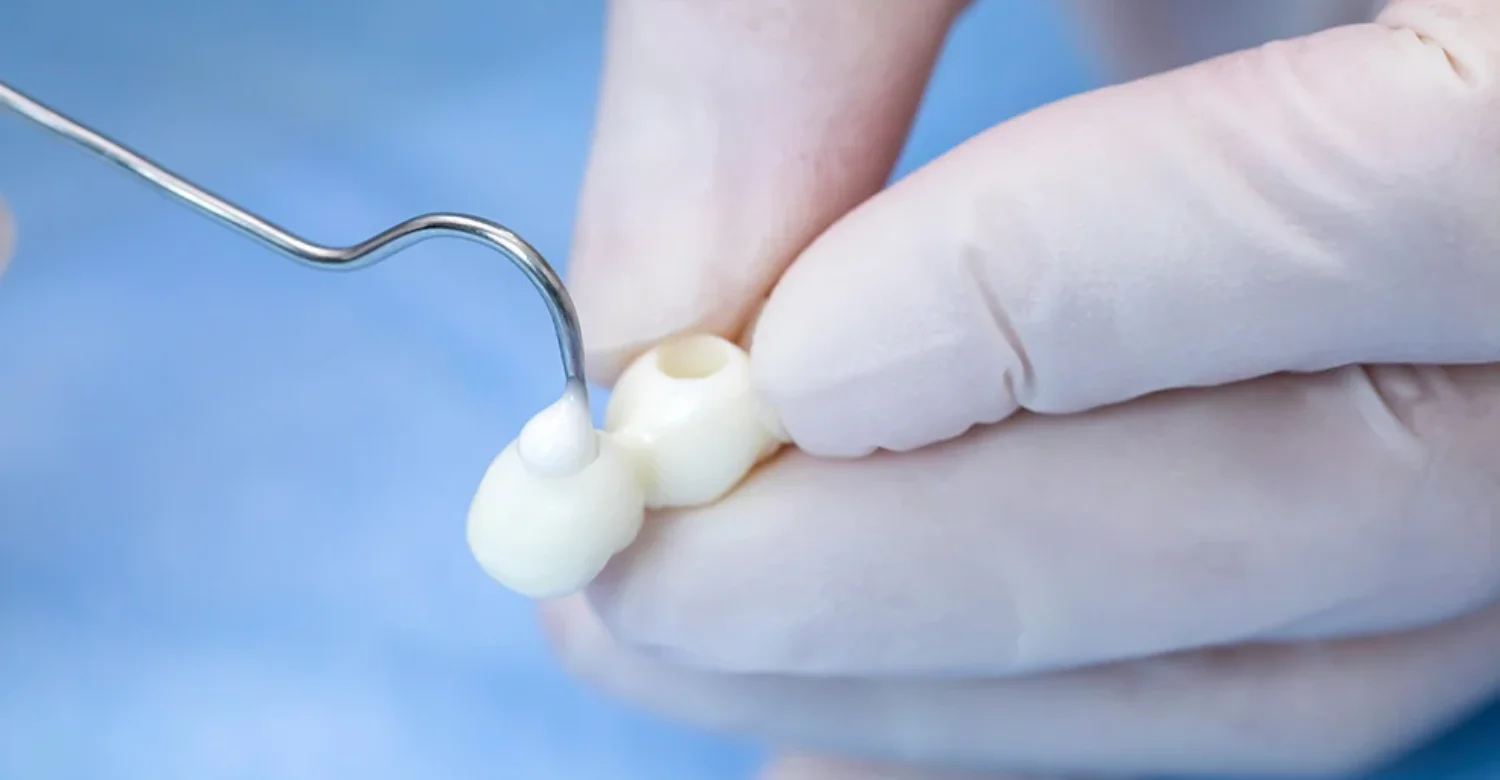
Symptoms after cementation usually have a local, mechanical explanation rather than an immune one. Common causes include leftover cement, bite imbalance, and gum inflammation around the new margin. Less common, but important, are true allergic reactions to cement, adhesive, or bonding ingredients. Understanding each possibility helps you ask informed questions. The sections below define every cause, describe how it produces symptoms, and explain its clinical significance, moving from frequent explanations to rarer cases of dental cement allergy.
Dental Cement Irritation From Residual Material
Dental cement irritation from residual material occurs when excess cement remains around or below the gumline after placement. Hardened fragments act like a foreign body, trapping bacteria and irritating soft tissue. The result may be redness, bleeding, swelling, or tenderness that resembles an allergic response. Around dental implants, retained cement is a recognized contributor to inflammation. When this is the cause, careful detection and professional removal often resolve symptoms without replacing the restoration or changing materials.
Dental Adhesive Allergy and Bonding Agent Allergy
A dental adhesive allergy or bonding agent allergy occurs when ingredients in these products trigger contact allergy in susceptible individuals. Many adhesives contain methacrylates, especially HEMA, which is among the most frequently reported dental allergens. Because adhesives and resin cements share similar chemistry, a person sensitized to one may react to another. Identifying the precise ingredient matters. Two products with different brand names may contain the same allergen, while a similar-looking product may avoid it entirely.
Resin Cement Allergy
Resin cement allergy describes a reaction to particular components of resin-based luting cements, such as methacrylate monomers, initiators, or related substances. Uncured or incompletely cured material may carry a greater risk than fully set cement. When this is suspected, a dentist may review the manufacturer's safety data sheet and ingredient list. If findings remain unclear, referral for specialist allergy testing can help determine which component, if any, is responsible for the suspected dental cement allergy.
Other Causes of Dental Material Sensitivity
Many problems resemble dental material sensitivity without involving an immune response. Mechanical pressure from a tight contact, an uneven bite, or a bulky contour can cause soreness. Plaque-related gum inflammation may worsen around new margins. Pre-existing conditions, such as oral lichen planus, burning mouth syndrome, or recurrent ulcers, may flare by coincidence. Reactions to other restorative materials, including certain metal alloys, can also occur. Recognizing these alternatives prevents a misdiagnosis of dental cement allergy.
What Other Symptoms Might Occur Together?
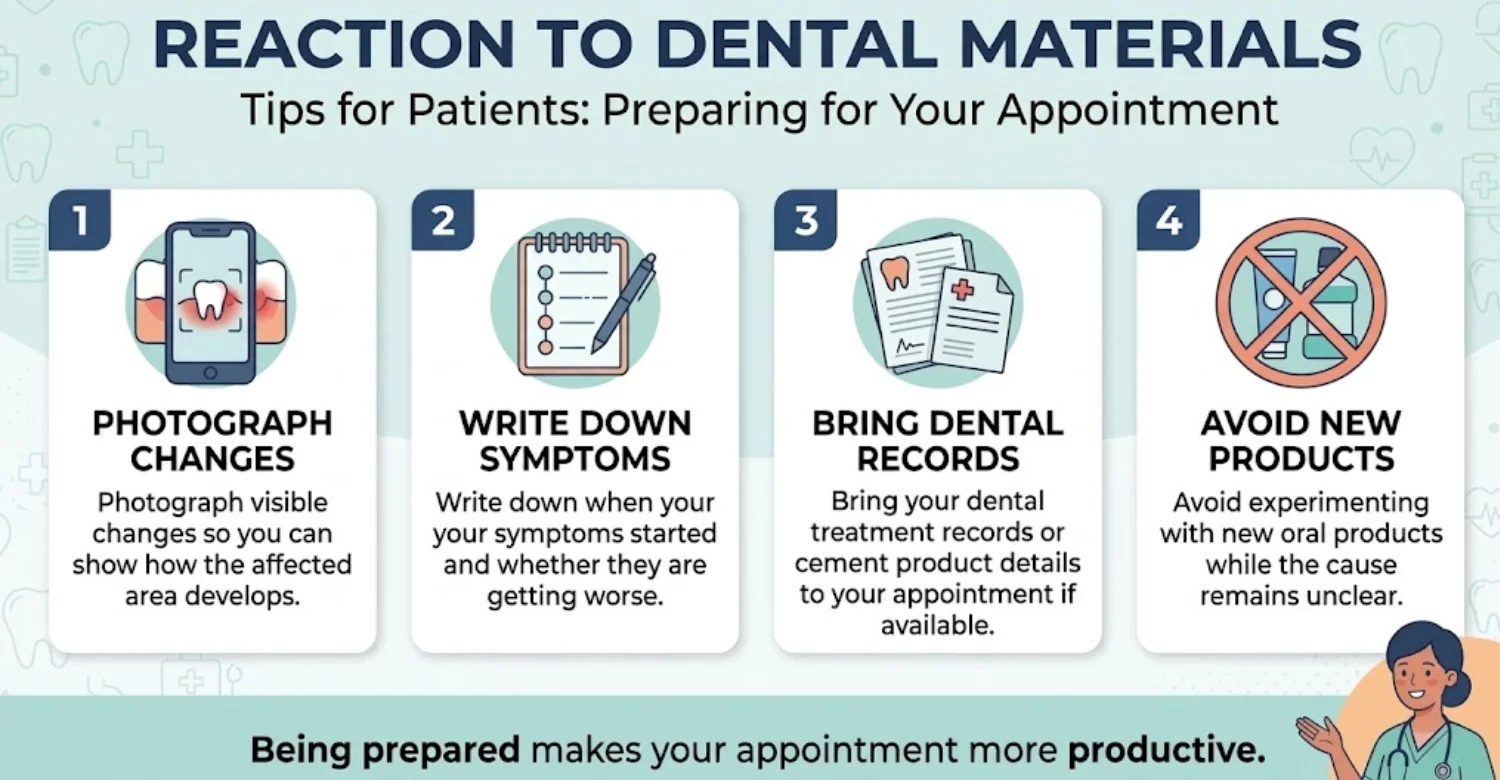
Symptoms rarely appear in isolation. Noticing which ones occur together helps you describe your situation clearly to your dentist. For example, pain when chewing points the examination toward bite and fit, while lip changes may prompt questions about broader exposure. These patterns are useful clues, not conclusions. Self-diagnosis is unreliable, because a dental cement allergy and ordinary irritation share many features. The combinations below explain what they may suggest and why professional assessment remains essential.
Gum Inflammation and Discomfort When Chewing
Gum inflammation with discomfort when chewing often points to a local, mechanical problem. Residual cement, a high bite, or a restoration contour that traps food can make the gum tender during eating or brushing. Bleeding while cleaning is common in these situations. An allergic reaction may also inflame the gum, but pain specifically triggered by biting usually suggests the restoration needs adjustment. Your dentist can check the bite with articulating paper and inspect the margin.
Mouth Sores, Dryness, or an Unusual Taste
Irritated tissue may develop sores, roughness, or a dry, uncomfortable feeling. These symptoms can also arise from dehydration, medications, mouth breathing, or oral conditions unrelated to treatment. An unusual taste is common after new dental work and often fades as the area settles or hygiene improves. A persistent metallic or bitter taste alone is not a reliable sign of dental cement-allergy, so it should be discussed alongside your other findings.
Localized Symptoms or a More Widespread Reaction?
Symptoms confined to the tissue touching a restoration suggest a local problem, which could be irritation, residual cement, or a contact allergy. Changes spreading beyond the contact area, such as to the lips, skin, or opposite side of the mouth, may warrant further medical assessment. They could indicate a broader sensitivity or an unrelated condition. Neither pattern proves anything on its own. Patterns are clues that guide the examination, while diagnosis requires professional evaluation.
What Can You Do at Home if You Suspect a Dental Cement Allergy?
If you suspect a dental cement allergy, a few low-risk measures can protect irritated tissue while you arrange an assessment. Gentle hygiene, avoiding aggravating foods, and leaving the restoration untouched reduce further irritation. These steps support comfort but have clear limits. Home care cannot remove the underlying cause of a true material allergy, and it cannot clear residual cement below the gum. Book a dental appointment promptly and use these measures only as temporary support.
Keep Your Oral Hygiene Gentle
Continue cleaning the area, because plaque buildup worsens gum inflammation. Use a soft-bristled toothbrush with small, gentle circular strokes along the gumline. Clean between the teeth carefully with floss or an interdental brush, sliding the floss out rather than snapping it near the restoration. Avoid scrubbing inflamed gum tissue, which can increase soreness and bleeding. A mild, non-whitening toothpaste may feel more comfortable. If cleaning causes sharp pain, mention this during your dental assessment.
Avoid Foods and Products That Worsen Irritation
Very hot, spicy, salty, or acidic foods may sting irritated tissue. Temporarily avoiding them can reduce discomfort while you wait for an examination. Alcohol-containing mouthwashes may also aggravate sore areas. Avoid introducing new mouthwashes, toothpastes, or oral gels, especially if a product seems to make the irritation worse. Flavoring agents in some oral products can cause reactions themselves. Keeping your routine simple also makes it easier to judge whether the restoration is responsible.
Do Not Remove or Alter the Restoration Yourself
Never scrape away cement, loosen a crown, or apply household substances such as baking soda paste, vinegar, or aspirin to the affected area. Placing aspirin against gum tissue can cause chemical burns. Scraping may damage the gum, tooth, or restoration margin, creating new problems. A loosened crown can let bacteria in or even be swallowed. Professional evaluation should come before any change to the restoration, because the cause may not be dental cement allergy at all.
Clinical Note
Oral symptoms after dental cementation have several possible explanations, including residual cement, mechanical irritation, gum inflammation, and genuine allergy. A suspected dental cement allergy should be assessed through clinical history, examination, and specialist testing when indicated. Dental materials should not be changed or replaced solely because of symptom timing without evaluating other causes. Remember that suspected contact allergy and urgent systemic allergic reactions need different levels of care: routine dental assessment versus immediate emergency treatment.
What Tools Can Help Identify a Dental Cement Reaction?
Identifying a dental cement reaction involves gathering information before recommending any treatment. A dentist typically combines your symptom history, a clinical examination, the restoration's material records, and, when indicated, specialist allergy testing. Each source answers a different question. The examination checks for mechanical and local causes, records reveal which ingredients you were exposed to, and testing explores immune sensitization. Together, they help separate a genuine dental cement allergy from conditions that merely look similar.
Dental Examination and Restoration Assessment
The dentist inspects the gumline around the restoration and checks for visible or hidden excess cement, using a dental probe and, where the cement shows on radiographs, X-rays. Restoration fit is assessed at the margins, along with contacts with neighboring teeth. The bite is evaluated with articulating paper to detect high spots during closing and chewing. Gum health, tissue texture, and any lesions are recorded. These findings often reveal a mechanical cause that needs adjustment, not material replacement.
Material Records and Ingredient Lists
Treatment records usually list the cement, adhesive, and restorative materials used. Knowing the exact product name allows the dentist to obtain the manufacturer's ingredient list and safety data sheet. These documents identify potentially relevant ingredients, such as specific methacrylates or eugenol. If your treatment took place elsewhere, request copies of your records. This information becomes especially valuable when allergy testing is planned, because specialists can choose test substances that match your actual exposure.
Allergy Testing When Clinically Indicated
When a delayed contact allergy is suspected, a dermatologist or allergy specialist may consider patch testing. Small amounts of standardized allergens, often including a dental or methacrylate series, are applied to the skin and checked over several days. Testing should be selected and interpreted by a qualified professional, because a positive result must be clinically relevant. A negative result does not exclude every possible reaction. Results are always weighed alongside your symptoms when evaluating possible dental cement allergy.
.jpg)
When Should You Seek Professional or Emergency Care?
Most symptoms after cementation are mild and need a routine dental assessment rather than emergency care. The threshold changes when symptoms spread rapidly or affect breathing. Understanding this difference helps you respond appropriately. Ongoing burning, soreness, or local swelling deserves a prompt dental appointment. Signs of a serious systemic reaction, however, require emergency medical treatment immediately. Whether or not dental cement allergy turns out to be the cause, matching your response to symptom severity protects your health.
Persistent or Worsening Oral Symptoms
Arrange a dental assessment if burning, swelling, sores, bleeding, or discomfort continue rather than gradually improving. Mild tenderness for a few days after cementation is common, but symptoms lasting beyond one to two weeks deserve review. Earlier review is appropriate if symptoms worsen, spread, or new changes appear after the procedure. Prompt examination can detect residual cement or bite problems before inflammation becomes established, and it helps clarify whether dental cement allergy needs further investigation.
Signs That Require Urgent Medical Attention
Rapidly increasing swelling of the lips, tongue, face, or throat may indicate a serious allergic reaction. Difficulty breathing or swallowing, throat tightness, wheezing, widespread hives, dizziness, or faintness are also warning signs. In these situations, seek emergency medical care immediately or call your local emergency number. Do not wait for a dental appointment. If you carry a prescribed adrenaline auto-injector, use it as instructed. Severe reactions are uncommon, but they need urgent professional treatment.
How Is Dental Cement Allergy Treated?
Treatment depends on what the examination reveals. Options range from conservative measures, such as removing excess cement and calming local inflammation, to replacing the restoration with a different material. A confirmed or strongly suspected dental cement allergy may require removing the trigger, whereas irritation often settles once its mechanical cause is corrected. Your dentist will match the approach to the clinical findings, choosing the least invasive option that reliably addresses the actual cause of your symptoms.
Removing Residual Cement and Treating Local Irritation
When excess cement is found, the dentist removes it carefully with specialized instruments, sometimes under local anesthesia. Cleaning the area and improving daily hygiene usually allow inflamed gum tissue to heal within days to a few weeks. Bite adjustment or margin smoothing may also relieve irritation. These steps resolve symptoms caused by local factors. However, they will not necessarily resolve a confirmed dental cement allergy, because the allergen may remain beneath the restoration.
Medication for Symptom Relief
A clinician may recommend medication based on the underlying problem. Inflammation may be managed with an antiseptic rinse or appropriate pain relief, while a suspected allergic reaction might be treated with a topical corticosteroid or, for certain symptoms, an antihistamine. Any medication should be clinically recommended rather than self-selected. Medication relieves symptoms but does not remove the trigger. If the cement causes a true allergy, symptoms may return once treatment stops unless exposure is addressed.
Replacing the Suspected Dental Cement
A dentist may consider removing or replacing a restoration when an allergy is established or strongly suspected and symptoms persist despite conservative care. Removal is not a minor step. Crowns fixed with strong resin cements can be difficult to remove intact, and the process may affect the underlying tooth. The decision weighs the evidence for allergy alongside the strength, fit, function, and safety of the new restoration, plus the risks of further procedures.
Choosing an Alternative Material Safely
Choosing an alternative begins with reviewing the ingredients of the suspected product and any patch test results with your dental team. Depending on the restoration, options might include glass ionomer, resin-modified glass ionomer, or zinc phosphate cements, each with different properties. No material is universally allergy-free. Resin-modified glass ionomers, for example, still contain HEMA. The replacement should avoid the confirmed or strongly suspected trigger whenever possible while still meeting the restoration's clinical requirements.
What We Notice Clinically
According to Dr. Rifat Alsaman, Head of the Medical Team and cosmetic dentist at Vitrin Clinic, symptoms appearing after cementation always deserve attention, yet timing alone does not prove an allergic reaction. Several clinical perspectives guide the evaluation of a possible dental cement allergy:
Symptom distribution: Inflammation that follows the gumline often points to plaque or residual cement, while changes limited to the contact area or affecting wider oral tissues raise different questions.
Restoration assessment: Residual cement, pressure, bite issues, and restoration fit are checked first, because they are common and correctable.
Material history: Knowing the exact cement and adhesive products allows a targeted ingredient review instead of guesswork.
Referral and testing: Persistent or unexplained symptoms may warrant consultation with a dermatologist or allergy specialist.
Dr. Rifat Alsaman emphasizes that a careful diagnosis helps avoid unnecessary restoration replacement while ensuring that a suspected material allergy is not overlooked.
How Can You Prevent Another Reaction to Dental Cement?
Prevention starts after the cause of a reaction has been investigated. If testing or clinical findings point to a specific ingredient, avoiding it in future treatment reduces the chance of recurrence. If the problem was mechanical, careful cementation and thorough cement cleanup matter more than switching materials. Clear communication with every dental team you visit is essential. These steps help reduce the risk of another dental cement allergy episode, although no strategy can guarantee zero risk.
Tell Your Dentist About Previous Material Reactions
Before any new treatment, tell your dentist about previous reactions to dental products, adhesives, acrylic nails, or other materials. Methacrylate allergy sometimes develops through artificial nail products, so this history is relevant. Provide written patch test results or specialist letters if you have them. Describe the timing and nature of past symptoms, too. This information allows the team to choose materials thoughtfully rather than discovering a sensitivity during treatment.
Keep a Record of the Materials Used
Ask for the product names of the cement, adhesive, and restorative materials used in your treatment, and keep them with your health records. If dental cement allergy is suspected later, these details speed up the investigation. They also help future dentists avoid a suspected trigger or choose a suitable alternative. Records are especially useful if you receive care in different clinics or countries, where product availability and documentation practices may differ.
Plan Future Restorations Around Confirmed Sensitivities
Once a sensitivity is confirmed, your dentist can select compatible materials for future crowns, veneers, bridges, or fillings. Documenting the allergen and the agreed material plan in your record helps ensure consistency across appointments. Alternative materials must still meet the restoration's clinical requirements, including retention, strength, seal, and appearance. Sometimes the restoration design itself may change to suit a different cement. The goal is a durable restoration that avoids known triggers.
Takeaway: What Should You Do if You Suspect a Dental Cement Allergy?
Burning, swelling, soreness, and other oral symptoms after cementation do not automatically mean an allergy. Residual cement, mechanical irritation, bite problems, and other oral conditions can cause very similar problems. A dental assessment can identify the likely cause, review the materials used, and determine whether specialist allergy testing or a change in restorative material is appropriate. If you are concerned about a possible dental cement allergy, you can contact Vitrin Clinic to discuss your symptoms and arrange an assessment.
About Vitrin Clinic
Vitrin Clinic is a cosmetic dental clinic in Istanbul, Türkiye, providing individualized treatment planning for international patients. Its dental team assesses oral health and restorative needs before recommending any treatment. When a suspected dental material reaction needs further investigation, the approach includes clinical examination, review of the materials used, and coordination with appropriate specialists where testing is required. Dr. Rifat Alsaman, Head of the Medical Team and cosmetic dentist at Vitrin Clinic, oversees this patient-focused approach to treatment planning, without guaranteeing specific outcomes.
Ready to transform your smile?
Talk to our team and get a FREE treatment plan.
References:
FAQs
Dr. Rifat Alsaman has more than 5 years of clinical experience in dentistry and currently serves as the Head of the Medical Team at Vitrin Clinic. He is dedicated to providing exceptional patient care, overseeing treatment planning, and ensuring the highest clinical standards across the team. His expertise, attention to detail, and commitment to continuous professional development have helped countless patients achieve healthier, more confident smiles.


.webp&w=3840&q=75)


