General Dentistry
August 3, 2026
Dental Jet Lag Effect: How Travel Disrupts Your Oral Microbiome
 Dr. Rifat Alsaman
Frequent flyers often notice unexpected tooth pain, sensitivity, or jaw tension after long trips. Dentists now describe this pattern as the Dental Jet Lag Effect. It refers to how air travel disrupts the body. Cabin pressure, dehydration, and broken sleep rhythms combine to reveal or worsen hidden dental problems.
Research shows the salivary microbiome follows a roughly 24-hour circadian rhythm. Aerobic bacteria are most active from noon to night. Anaerobic bacteria are active from dawn to noon (Waseda University / DNA Research). When travel disrupts this rhythm, oral health can suffer in ways many travelers never expect.
What Is the Dental Jet Lag Effect?
This travel-related pattern describes tooth pain, sensitivity, and jaw discomfort triggered by air travel. Cabin pressure changes, dehydration, and disrupted circadian rhythms work together to expose dental weaknesses. These weaknesses were already present but previously unnoticed on the ground.
Understanding the condition
This pattern describes the combination of cabin pressure changes, dehydration, disrupted sleep, and circadian misalignment. Together they affect oral tissues during and after flights. It does not create new dental disease. Instead, it often exposes weaknesses that were already present. These include small cracks, leaking fillings, or early decay that travelers were previously unaware of.
How air travel affects oral health
Air travel and dental pain are closely linked. Cabin humidity is extremely low, so saliva production slows and the mouth becomes more vulnerable to bacterial imbalance. Reduced saliva flow limits its natural protective function. This allows sensitivity, mild gum irritation, and discomfort to surface more easily during and shortly after a flight. This is especially true on long-haul routes.
Why some travelers experience tooth pain after flying
Tooth pain after flying often happens because trapped air pockets inside a tooth or filling expand as cabin pressure drops. Passengers with untreated cavities, loose fillings, or recent dental work are more likely to feel this discomfort. Healthy teeth typically tolerate pressure changes well. Compromised teeth, however, react almost immediately once altitude increases.
Why Do My Teeth Hurt After Flying?
Why do my teeth hurt after flying? This is one of the most common questions dentists hear from travelers. The short answer is trapped air and pressure shifts inside a compromised tooth, filling, or crown. These pockets expand as the cabin climbs and press against sensitive nerve tissue underneath.
How cabin pressure affects teeth
How cabin pressure affects teeth comes down to trapped gas. It expands inside tooth structures as altitude rises. This pressure pushes against nerves and surrounding tissue. This is especially true where a tooth already has a hidden crack, cavity, or leaking filling. The result is sharp or throbbing pain during takeoff and landing. This happens even though the tooth may have felt fine on the ground.
Clinical Note: Cabin-pressure changes often expose hidden dental issues, such as small cracks, leaking fillings, or untreated cavities. They rarely create new problems. As altitude rises, trapped gas expands inside the tooth. This pressure difference pushes against nerves and surrounding tissue. It produces sharp or throbbing pain in teeth that already have a weak point.
Pressure changes and tooth pain
Pressure changes and tooth pain are a hallmark of this condition. They typically occur during takeoff and landing, when cabin altitude shifts fastest. A phenomenon nicknamed "Jet Set Jaw," including stress-related bruxism and travel-induced dry mouth, was documented by a London dental clinic. It was reported in Forbes in August 2025, highlighting how common these travel-related dental symptoms have become among frequent flyers.
Tooth pain after flying and trapped air inside teeth
Tooth pain after flying is frequently caused by microscopic air trapped beneath a filling, crown, or within a cavity. As the plane climbs, this air expands and presses outward on the tooth structure. The pain fades once the aircraft reaches cruising altitude and pressure stabilizes inside the cabin.
Can flying cause tooth pain even if your teeth seem healthy?
Occasionally, yes. Sinus pressure, mild gum inflammation, or an early-stage cavity can still react to altitude changes. This can happen even without visible symptoms on the ground. This is one reason this pattern can surprise travelers who believed their oral health was completely fine.
Jet Lag and Toothache: Is There a Connection?
Jet lag and toothache are connected through the body's disrupted internal clock. Shifted sleep-wake cycles can heighten inflammatory responses and pain sensitivity in oral tissue. Travelers crossing time zones may notice dental discomfort that has more to do with fatigue than decay.
Can jet lag increase pain sensitivity?
Jet lag and toothache are connected through disrupted sleep and circadian rhythm shifts. A 2021 study in Scientific Reports found that oral microbiome fluctuations over 24 hours correlated with inflammatory cytokine levels. These included IL-1β, IL-6, and IL-8. This suggests disrupted sleep patterns may heighten inflammatory responses and pain perception in the mouth.
How stress, dehydration, and fatigue contribute to toothaches
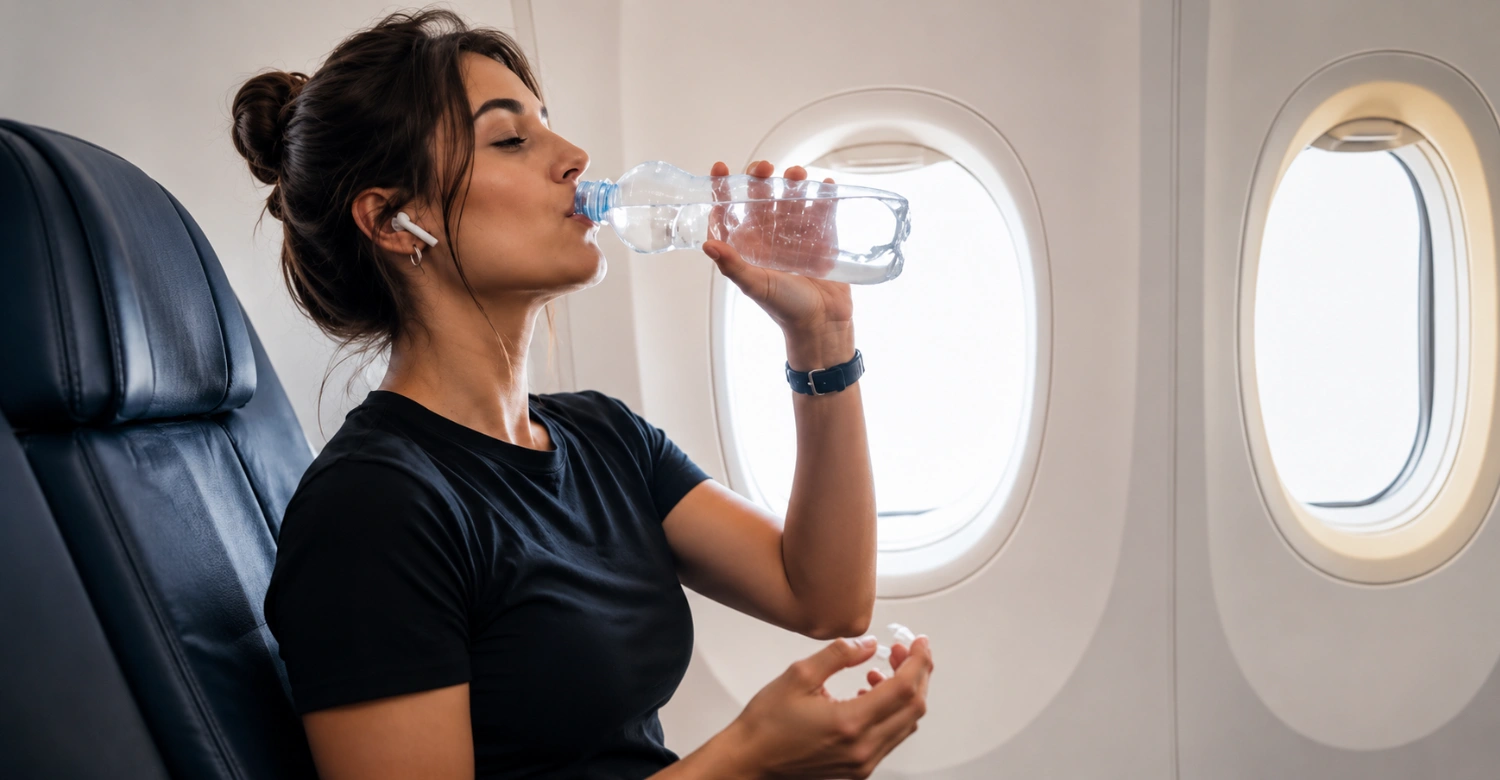
Long flights bring together stress, dehydration, and fatigue in a way that puts extra strain on the mouth. Stress often triggers jaw clenching or grinding. Dehydration reduces saliva's natural protective and buffering effect. Together, these factors can temporarily heighten tooth sensitivity and intensify discomfort in teeth that already have underlying issues.
Clinical Note: Fatigue and dehydration during long flights can temporarily increase tooth sensitivity. They can also worsen pre-existing dental discomfort. Stress from travel schedules often triggers jaw clenching or grinding. Dehydration reduces saliva's protective buffering effect. Together, these intensify discomfort in teeth that already have underlying issues.
The relationship between jet lag and toothache symptoms
Jet lag and toothache symptoms often overlap because both involve the body's internal clock. This overlap is a clear illustration of the wider effect. As sleep-wake cycles shift across time zones, the mouth's natural bacterial balance and inflammatory response shift too. Dormant dental issues become more noticeable during and after travel.
Common Causes of Air Travel and Dental Pain
Air travel and dental pain usually trace back to a small number of recurring culprits. These include untreated cavities, loose fillings or crowns, gum infections, sinus pressure, or tissue still healing from recent dental work. Each reacts differently to cabin altitude, but all can trigger this same travel-related discomfort.
Untreated cavities
Untreated cavities create hollow spaces inside the tooth where air can become trapped. As cabin pressure drops during takeoff, this trapped air expands and pushes against the nerve, triggering sudden, sharp pain. This is why patients with untreated decay are far more likely to experience discomfort during flights. Those with healthy teeth rarely feel it.
Clinical Note: Patients with untreated decay are more likely to experience pressure changes and tooth pain during takeoff and landing. Cavities create hollow spaces where air becomes trapped. This trapped air responds directly to altitude shifts, making untreated decay one of the leading causes behind this condition.
Loose fillings and crowns
Air travel and dental pain frequently trace back to fillings or crowns that have loosened over time. A small gap beneath the restoration allows air or fluid to shift during pressure changes. This irritates the nerve underneath, producing sudden discomfort that many travelers only notice mid-flight.
Gum infections and inflammation
Existing gum infections can flare up during travel due to dehydration and reduced immune resilience from disrupted sleep. Swollen or inflamed gum tissue becomes more sensitive to pressure changes. This contributes to the broader pattern seen among frequent international travelers.
Sinus pressure and referred tooth pain
Sinus pressure often mimics tooth pain because upper back teeth sit close to the sinus cavities. During flights, sinus pressure changes can radiate into the jaw and teeth. This produces discomfort that feels dental in origin, even when the teeth themselves are structurally healthy and unaffected.
Recent dental treatments
Patients who recently underwent fillings, root canals, or extractions are more prone to dental problems caused by flying. Healing tissue is more sensitive to pressure fluctuations. Dentists generally advise waiting until the area has stabilized before boarding a flight, especially long-haul international journeys.
Tooth Sensitivity After Flight: What Does It Mean?
Tooth sensitivity after flight can mean two different things. It may be a brief, harmless reaction to dry cabin air and pressure shifts. Or it may be a sign of an underlying dental problem. Knowing which one it is usually comes down to how long the sensitivity lasts after landing.
Temporary tooth sensitivity after flight
Tooth sensitivity after flight is one of the mildest expressions of this effect. It often resolves within a day or two as hydration and normal sleep patterns return. This short-term sensitivity is generally linked to dry mouth and pressure changes. It is rarely a structural problem within the tooth itself.
When sensitivity may indicate a dental problem
Sensitivity that lingers well beyond landing, rather than fading within a day or two, often points to something more. It may be more than dry mouth or pressure changes. It may signal underlying pulp inflammation, gum disease, or a damaged restoration beneath the surface. Persistent or worsening sensitivity like this needs a professional dental evaluation rather than being ignored.
Clinical Note: Persistent tooth sensitivity after flight may indicate underlying pulp inflammation, gum disease, or damaged restorations that require professional evaluation. If discomfort continues well beyond landing, it usually signals a genuine dental issue. This is more than simple travel fatigue.
Dental problems caused by flying
Dental problems caused by flying range from minor sensitivity to more serious concerns like cracked teeth or failing restorations. Interestingly, a related concept called "Gut Jet Lag" describes similar circadian disruption affecting the gut microbiome. It works through the same mechanism proposed for the mouth, according to a 2025 scientific review.
Flying With Tooth Pain: What Should You Do Before Boarding?
Flying with tooth pain is manageable with the right preparation. A pre-flight dental check, avoiding travel right after major procedures, and having a pain-relief plan all help. Staying hydrated throughout the journey also reduces the odds of discomfort during takeoff and landing.
Schedule a dental examination
Flying with tooth pain is avoidable in most cases. Prevention starts with a pre-travel dental checkup. A quick examination can identify cavities, loose restorations, or gum issues before they turn into painful complications. These complications are often triggered by cabin pressure changes at altitude.
Avoid flying immediately after major dental procedures
Dentists generally recommend waiting before flying after major dental work. Fillings, extractions, and root canals typically need 24 to 48 hours to begin healing. This allows tissues time to recover and reduces the risk of discomfort during ascent or descent.
Use pain-management strategies during the flight
If discomfort develops mid-flight, over-the-counter pain relief can help. Chewing gently on the opposite side and avoiding very hot or cold beverages also help manage symptoms. These strategies won't fix an underlying issue, but they can make the remainder of the journey more comfortable.
Stay hydrated and reduce pressure-related discomfort
Drinking water regularly throughout the flight supports saliva production and reduces dry mouth. This is one of the key contributors to travel-related sensitivity. Staying hydrated is a simple but effective way to lessen the impact of pressure changes. It also reduces tooth pain during long flights.
Can Flying Cause Tooth Pain in Dental Restorations?
Can flying cause tooth pain in restorations like crowns, implants, or root canal-treated teeth? Generally these are stable. But a weakened seal, hidden decay beneath the surface, or gum sensitivity nearby can still react to cabin pressure changes. This can produce noticeable discomfort mid-flight.
Crowns and bridges
Well-fitted crowns and bridges typically don't cause pain during flights, since they're firmly bonded to the underlying tooth. When discomfort does occur, it usually traces back to a hidden problem beneath the restoration. This could be decay, a loosened fit, or a small infection. Pain specifically around a crown or bridge while flying is a sign to get it examined rather than dismiss it.
Clinical Note: Well-fitted crowns and bridges rarely cause pain during flights. Discomfort usually suggests an existing issue beneath the restoration. This is another sign of this effect at work. Flying-related pain around a crown or bridge happens only if there is a problem hidden underneath the visible surface. This includes decay, a loose fit, or infection.
Dental implants
Dental implants are generally stable during flights since they are fused directly to the jawbone. However, surrounding gum tissue can still react to dehydration or pressure changes. Mild discomfort near a recently placed implant is worth mentioning at a follow-up appointment.
Root canal-treated teeth
Root canal-treated teeth can be more prone to dental problems caused by flying if the seal has weakened over time. Trapped air or residual infection beneath the filling material may respond to pressure shifts. This produces discomfort that warrants a dental review after landing.
Orthodontic appliances and aligners
Braces and aligners rarely cause pain from pressure changes directly. But the added stress of travel, combined with dehydration, can make gums around orthodontic appliances feel more tender. Keeping appliances clean and staying hydrated helps minimize irritation during flights.
How to Prevent the Dental Jet Lag Effect
Prevention comes down to a few consistent habits. These include regular dental checkups, treating cavities before departure, managing sinus issues ahead of flights, and maintaining strong daily oral hygiene. Together these steps significantly lower the risk of travel-related dental discomfort.
Maintain regular dental checkups
Routine checkups remain the most reliable way to prevent this condition. Catching small issues early, before they become pressure-sensitive, means fewer surprises during future flights. Travel becomes more predictable and comfortable for frequent flyers of all ages.
Treat cavities before traveling
Treating cavities before departure removes one of the most common triggers behind tooth pain after flying. Even small, symptom-free cavities can react unexpectedly to cabin pressure. Addressing decay ahead of a trip is a simple preventive step worth prioritizing.
Manage sinus problems before flights
Because sinus pressure can radiate into the teeth, managing congestion or sinus infections before flying helps reduce referred dental pain. Interestingly, research on "school jet lag," or sleep-schedule misalignment, found a direct association with higher rates of traumatic dental injury. The study followed 739 children aged 8 to 10 and was published in Dental Traumatology in 2024. It underscores how broadly circadian disruption can affect oral health.
Follow proper oral hygiene habits
Consistent brushing, flossing, and hydration support the mouth's natural defenses against the stress of travel. Strong oral hygiene habits reduce the likelihood that pressure changes will expose weaknesses. This keeps the Dental Jet Lag Effect from becoming a recurring problem on every trip.
Why Patients Choose Vitrin Clinic for Travel-Related Dental Problems
Patients choose Vitrin Clinic for travel-related dental care because of its thorough pre-travel examinations, advanced imaging, and personalized treatment planning. Frequent flyers especially value the tailored guidance Vitrin Clinic provides. This guidance helps them avoid travel-related discomfort on future trips.
Comprehensive dental examinations before travel
Vitrin Clinic offers thorough pre-travel dental examinations designed to catch hidden issues before they become painful mid-flight. This proactive approach helps travelers avoid discomfort on upcoming trips. It works for both short domestic flights and long international journeys.
Advanced imaging to identify hidden issues
Using advanced imaging technology, Vitrin Clinic can detect small cracks, early decay, or restoration gaps. These issues often aren't visible during a standard visual exam. This level of detail is especially valuable for frequent flyers who want confidence in their oral health before boarding.
Personalized treatment planning at Vitrin Clinic
Every patient's travel schedule and dental history are different. Vitrin Clinic builds personalized treatment plans that account for upcoming trips, healing timelines, and individual risk factors. This helps patients avoid dental problems caused by flying whenever possible.
Guidance for patients who frequently travel by air
Frequent flyers receive tailored guidance from Vitrin Clinic on hydration, timing of dental procedures, and pain-management strategies for flights. This ongoing support helps reduce the recurring impact of travel-related dental discomfort. It benefits patients who travel regularly for work or leisure.
Clinical Insights from Vitrin Clinic
The clinical team at Vitrin Clinic regularly observes how cabin pressure exposes hidden dental issues in frequent flyers. Their insights point to a consistent pattern. Patients with untreated cavities, loose restorations, or gum disease are the most likely to experience this discomfort firsthand.
Vitrin Clinic's clinical observations
The clinical team at Vitrin Clinic explains that pressure fluctuations during flights can reveal hidden dental problems. Patients are often previously unaware of these issues. Patients with untreated cavities, leaking fillings, gum disease, or recent dental procedures are more likely to experience discomfort while flying. Repeated tooth pain after flying should never be ignored.
Clinical Note: The clinical team at Vitrin Clinic notes that recurring tooth pain after flying is often linked to hidden dental conditions. These conditions become noticeable under cabin-pressure changes.
Clinical patterns seen in frequent travelers
Patients who fly often tend to show recurring patterns. These include sensitivity around old fillings, mild gum irritation, and jaw tension linked to travel stress. Recognizing these patterns early allows the condition to be managed proactively rather than reactively after symptoms appear.
Which patients are at higher risk?
Patients with untreated decay, loose restorations, active gum disease, or recent dental work face the highest risk of travel-related discomfort. Long-haul international travelers and those flying shortly after dental procedures are especially likely to experience this condition. Its symptoms often become noticeable during a flight.
Tips for the Patients
Simple habits can go a long way in preventing travel-related dental discomfort. These range from staying hydrated to avoiding hard foods when a tooth is already sensitive. Visiting Vitrin Clinic before a long trip helps catch hidden issues early, especially for patients with existing concerns. If pain shows up or lingers after landing, scheduling a follow-up appointment is the safest next step.
Practical advice before and after flying
These simple habits can help travelers minimize dental discomfort on their next trip:
Visit Vitrin Clinic before long-distance travel if you have existing dental concerns.
Drink enough water during flights to avoid dry mouth.
Avoid chewing hard foods if you already have tooth pain.
Carry pain medication recommended by your dentist.
Schedule a dental appointment if discomfort persists after landing.
Clinical Note: If pain continues for more than a few days after landing, patients should schedule a dental examination at Vitrin Clinic. This helps rule out any underlying problems related to the Dental Jet Lag Effect.
Resource:
https://www.drmotiwala.com/dental-jet-lag-effect-how-travel-disrupts-your-oral-microbiome/
https://pubmed.ncbi.nlm.nih.gov/39813485/
https://pmc.ncbi.nlm.nih.gov/articles/PMC11729441/
FAQs
Dr. Rifat Alsaman has more than 5 years of clinical experience in dentistry and currently serves as the Head of the Medical Team at Vitrin Clinic. He is dedicated to providing exceptional patient care, overseeing treatment planning, and ensuring the highest clinical standards across the team. His expertise, attention to detail, and commitment to continuous professional development have helped countless patients achieve healthier, more confident smiles.


.webp&w=3840&q=75)

