General Dentistry
September 2, 2026
Diphtheria and Oral Health: How Does Diphtheria Affect Oral Health?
 Dr. Rifat Alsaman
Diphtheria and Oral Health are closely connected topics. Respiratory diphtheria commonly affects the nose, throat, tonsils, and nearby tissue. The infection is caused by toxin-producing Corynebacterium diphtheriae. It can bring sore throat, fever, swallowing trouble, and swollen glands. A thick gray membrane may form across the throat. This article explains that connection in full detail, section by section. Vitrin Clinic supports patients with oral assessment once medical treatment is complete. Readers will find causes, symptoms, treatment, prevention, and recovery covered here.
What Is Diphtheria?
Diphtheria is a serious bacterial infection of the upper respiratory tract. It is caused by toxin-producing Corynebacterium diphtheriae. The toxin damages healthy tissue and drives most complications. Symptoms usually appear two to five days after exposure. Common signs include sore throat, fever, and swollen neck glands. A gray membrane can form inside the nose or throat. The disease remains vaccine-preventable but still causes outbreaks. Global coverage of the childhood DTP3 vaccine reached about 85% in 2025. That still left nearly 20 million infants unvaccinated or under-vaccinated worldwide. Understanding Diphtheria and Oral Health starts with this basic biology. This is the foundation for every later discussion of Diphtheria and Oral Health.
What Causes Diphtheria?
Toxin-producing Corynebacterium diphtheriae causes the infection after colonizing respiratory tissue. The toxin damages cells and builds the pseudomembrane clinicians look for. People without full vaccination face the highest risk of illness. Immunity fades over time, so booster doses matter. A standard schedule includes a three-dose primary series plus boosters. The bacteria cause infection, but the toxin drives severe complications. Toxin damage can reach the heart, nerves, or kidneys. For oral health, local inflammation and swallowing difficulty matter most. This distinction matters whenever Diphtheria and Oral Health concerns overlap in one visit.
How Diphtheria Spreads
Respiratory droplets from coughing or sneezing are the main route. Close contact with infected secretions can also spread the bacteria. Some cases spread through contact with an infected skin sore. Crowded settings and household contact raise transmission risk considerably. Unvaccinated people face far greater risk once exposed to the bacteria. Suspected cases trigger isolation precautions and contact tracing right away. Close contacts often receive preventive antibiotics and a vaccination check. Good oral hygiene alone cannot stop this kind of spread. Vaccination remains the most effective way to reduce transmission overall. None of these transmission routes involve the teeth in any direct way.
Why Diphtheria Can Affect the Mouth and Throat
The tonsils, pharynx, and nose sit directly along the swallowing pathway. An infection there is felt throughout the entire mouth. Toxin damage kills tissue locally and forms the gray membrane. That membrane can cover the tonsils and make swallowing difficult. The mouth may feel uncomfortable even though teeth are untouched. Patients often report throat pain, low appetite, and bad breath. These symptoms can interfere with normal brushing and eating habits. Medical treatment should always take priority during active infection. This shared anatomy is the core reason Diphtheria and Oral Health belong together.
Can Diphtheria Affect Your Mouth?
Yes, diphtheria can affect tissues connected to the mouth and throat. The infection most often involves the tonsils and pharynx directly. The pseudomembrane can spread across mucosal tissue and cause discomfort. Neck swelling from enlarged lymph nodes adds to that discomfort. The condition does not typically cause direct tooth infection. Oral effects usually trace back to inflammation and reduced intake instead. Severe symptoms require urgent evaluation because airway obstruction can be fatal. After treatment, Vitrin Clinic can assess any lingering oral discomfort or hygiene issues. This overlap is central to any serious discussion of Diphtheria and Oral Health.
How Diphtheria Affects Oral Health
The infection affects oral health indirectly, through inflammation and swallowing difficulty. Reduced food and fluid intake makes brushing and flossing uncomfortable. A pseudomembrane over the tonsils represents damaged tissue, not plaque. Patients may skip brushing because the motion triggers real pain. Reduced fluid intake also contributes to dry mouth and stickiness. None of this means enamel has been directly damaged. Diphtheria and Oral Health effects here are secondary, not structural. Patients should resume hygiene gradually once medically cleared to do so. Recognizing this pattern helps patients separate genuine dental damage from temporary discomfort.
Diphtheria and Throat Health
Throat involvement defines respiratory diphtheria more than any other feature. Patients may develop sore throat, swallowing trouble, and swollen glands together. The membrane can grow thick enough to block airflow entirely. Airway obstruction is identified as a potentially deadly complication. Throat swelling also makes eating and drinking genuinely difficult. Reduced intake raises the risk of dehydration during serious illness. Throat symptoms should never be treated as a routine dental problem. Suspected cases need medical assessment and public-health coordination immediately. Throat findings, not tooth pain, should always guide the urgency of care.
How the Infection Can Affect the Mouth
Inflammation of nearby mucosal tissue is how the mouth gets involved. The tonsils and pharynx connect directly to oral structures. Patients may notice discomfort, swallowing trouble, or visible abnormal tissue. A gray membrane combined with systemic symptoms raises real concern. Oral discomfort can reduce both brushing frequency and food intake. These effects remain secondary to the underlying respiratory infection itself. Diphtheria should never be confused with routine mouth ulcers. Professional evaluation matters whenever unusual membranes or swelling appear. Providers weighing Diphtheria and Oral Health together look for this exact symptom cluster.
Clinical Note
An unusual gray membrane paired with sore throat deserves real caution. It should never be casually scraped away like ordinary plaque. The membrane consists of damaged tissue and inflammatory material underneath. Removing it can cause bleeding without treating the infection itself. Suspected diphtheria requires urgent medical evaluation without delay. Treatment should not wait for full laboratory confirmation when suspicion is high. Dental professionals should recognize this and refer patients immediately. Vitrin Clinic prioritizes prompt referral whenever findings suggest active infection. This caution applies equally in a hospital setting and a dental chair.
What Does Diphtheria Look Like in the Mouth?
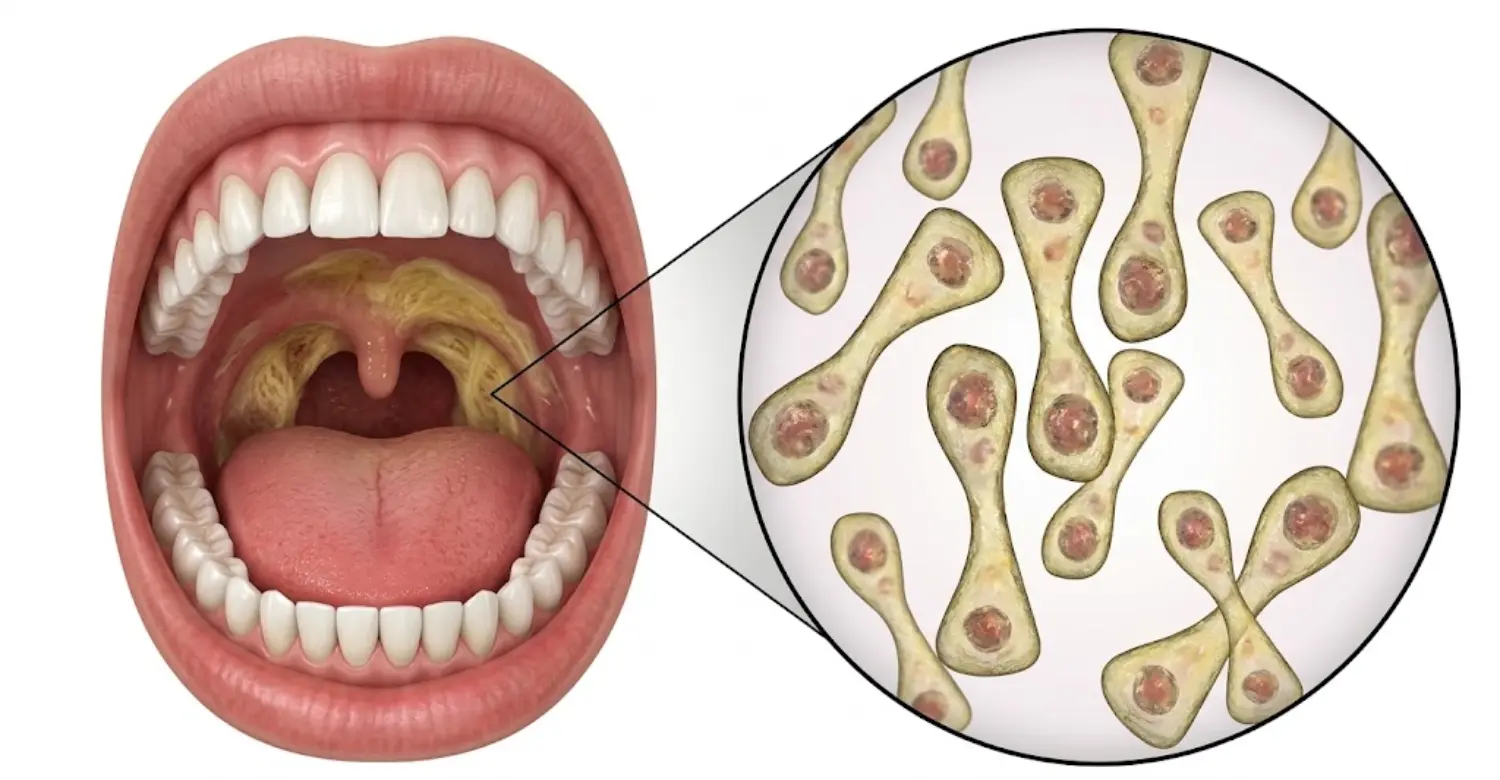
Diphtheria can produce visible changes across the throat and tonsils. The most characteristic finding is a thick gray pseudomembrane. It forms from damaged tissue and inflammatory debris, not plaque. The membrane can extend across surfaces and interfere with breathing. Redness, swelling, and enlarged neck glands often appear alongside it. These features overlap with several other, more common conditions. Appearance alone cannot confirm a diagnosis of diphtheria. Laboratory testing is usually needed to confirm the specific cause. Presumptive treatment often begins before those results return. Early recognition of this appearance is genuinely actionable for patients and families. This visual clue remains central to spotting Diphtheria and Oral Health concerns early.
Oral Signs of Diphtheria Infection
Sore throat, swallowing difficulty, and a visible membrane are the main signs. Mucosal inflammation and surrounding swelling often appear together. Weakness, reduced appetite, and mild fever can accompany these findings. Swollen neck glands frequently accompany respiratory illness as well. These signs alone cannot diagnose diphtheria with full certainty. Several throat conditions can produce similar redness or abnormal coating. The full combination, plus exposure history, raises genuine clinical suspicion. Suspected cases always need medical evaluation, not routine dental treatment. The full pattern, not any single symptom, is what guides clinical decisions.
The Grayish-White Membrane
The grayish-white membrane is the classic feature of respiratory diphtheria. It forms when toxin damage causes tissue material to accumulate. The membrane can cover the tonsils, pharynx, larynx, or nose. It may grow extensive enough to threaten both swallowing and breathing. This appearance differs clearly from ordinary food debris or plaque. It should never be aggressively scraped or removed without guidance. A suspected membrane requires urgent assessment and laboratory sampling. Prompt treatment matters because the toxin can cause severe complications. This coating is the clearest visual link between Diphtheria and Oral Health.
Swelling and Redness
Inflammation causes redness and swelling around affected throat tissue. Patients may feel soreness, tightness, and swallowing difficulty together. Swollen neck glands are common and can create a "bull neck" look. Redness alone does not indicate diphtheria on its own. Many common infections produce similar inflammation without any connection. Clinicians weigh the full symptom pattern, not one sign alone. Vaccination history and exposure risk both influence that judgment. Severe swelling with breathing trouble always requires emergency attention. Tracking how quickly swelling changes matters more than its size alone.
Diphtheria vs. Common Mouth Infections
Diphtheria can resemble other throat infections in its early stages. Sore throat, redness, and fever are not unique to this disease. A thick gray pseudomembrane offers an important diagnostic clue. Laboratory testing remains recommended whenever diphtheria seems genuinely possible. Oral thrush produces creamy white patches that wipe away easily. Diphtheria's membrane sits on damaged tissue and resists easy removal. Tonsillitis causes swollen, painful tonsils without that same membrane. Patients should avoid self-diagnosis and seek proper evaluation instead. Sorting these look-alikes out properly is routine work in urgent-care settings.
What Are the Oral Symptoms of Diphtheria?
Oral symptoms develop because the infection sits near the throat and tonsils. Symptoms may include soreness, swallowing difficulty, and abnormal membrane formation. Reduced appetite and fluid intake often accompany these local findings. Dry mouth and unpleasant sensations can follow reduced hydration. The gray pseudomembrane remains the single most important visible sign. Not every patient develops identical or equally severe symptoms. Some infected people show only mild or unclear symptoms. Unusual oral or throat symptoms deserve prompt medical attention regardless. These symptoms are usually the first thread connecting Diphtheria and Oral Health for patients. Tracking symptom changes day to day helps guide the right next step.
Diphtheria Symptoms in the Mouth
Throat pain, swallowing difficulty, and mucosal discomfort are common complaints. A visible grayish membrane is the most distinctive finding overall. Swelling around the throat can make eating and drinking hard. The tonsils and pharynx are affected more than the teeth. Weakness, mild fever, and reduced appetite often accompany these signs. Presentation varies significantly from one patient to the next. An absent membrane does not automatically rule out infection. Providers weigh symptoms alongside exposure and vaccination history together. Presentation genuinely varies enough that no two cases look identical.
Sore Throat and Difficulty Swallowing
Sore throat ranks among the most common diphtheria symptoms overall. Difficulty swallowing develops as inflammation and the membrane increase. The membrane can physically block normal swallowing movement. More importantly, extensive disease can compromise the airway itself. Patients should take significant swallowing difficulty genuinely seriously. Reduced fluid intake can quickly contribute to dehydration risk. Breathing difficulty always requires immediate emergency evaluation without delay. These symptoms should never be treated as ordinary dental pain. These two symptoms together are what usually prompts the first medical visit.
Swollen Neck and Throat
Neck swelling reflects enlarged lymph nodes and surrounding inflammation together. Severe cases can create the classic "bull neck" appearance. Swelling often accompanies sore throat, fever, and swallowing difficulty. A swollen neck alone does not confirm diphtheria specifically. Viral and bacterial infections can cause similar lymph-node swelling. Rapidly increasing swelling always requires urgent medical assessment though. Breathing difficulty turns any swollen neck into an emergency. Providers evaluate the airway while arranging further testing. Providers track how the swelling changes hour to hour, not just size.
Bad Breath and Oral Discomfort
Bad breath can occur during a significant throat infection episode. It is not specific to diphtheria in any meaningful way. Reduced food and fluid intake can also change breath odor. These factors contribute to temporary discomfort inside the mouth. The pseudomembrane remains far more clinically important than breath odor. Patients should avoid treating suspected diphtheria with mouthwash alone. Medical treatment is necessary whenever respiratory diphtheria seems likely. Dental care becomes relevant only later, during genuine recovery. This ordering, medical care first, applies across every part of Diphtheria and Oral Health. These milder symptoms should never delay a proper medical evaluation.
How Does Diphtheria Affect the Throat and Mouth?
Respiratory diphtheria primarily affects upper respiratory tissue near the mouth. This includes the tonsils, pharynx, nose, and sometimes the larynx. Toxin-producing bacteria cause tissue destruction and membrane formation together. That membrane can interfere with both swallowing and breathing. Because the throat connects directly to the mouth, symptoms overlap heavily. Patients may struggle with routine brushing and normal eating patterns. Teeth themselves are generally not the primary target here. Airway obstruction and toxin complications make urgent treatment essential. This systemic reach is why Diphtheria and Oral Health discussions extend beyond the mouth.
How Diphtheria Toxins Affect Tissue
Diphtheria toxin damages cells within affected respiratory tissue directly. This injury contributes to the formation of the pseudomembrane. The toxin can also enter the bloodstream and travel further. Systemic spread may cause serious heart and nervous system complications. This is why diphtheria is more than a local infection. Antitoxin neutralizes circulating toxins but cannot undo existing damage. Early treatment therefore matters enormously for long-term outcomes. Medical teams monitor cardiac and neurological function during recovery. This is the biological link tying Diphtheria and Oral Health together most directly.
Effects on the Throat and Nearby Oral Tissues
Inflammation affects the tonsils, pharynx, and surrounding mucosal tissue. Patients experience pain, redness, swelling, and swallowing difficulty together. The pseudomembrane can extend across several connected respiratory surfaces. These changes make oral hygiene genuinely uncomfortable during illness. Patients may brush less often because the motion causes pain. Hydration becomes harder to maintain when swallowing hurts significantly. Dental professionals should distinguish these findings from routine oral infections. Suspected diphtheria always requires medical management and infection-control precautions. Dentists play a real role in catching these signs early.
Why the Pseudomembrane Matters
The pseudomembrane represents real tissue damage from toxin-producing infection. It can grow thick enough to obstruct the airway completely. The membrane may bleed if disturbed or scraped away carelessly. Patients should never attempt to remove it themselves at home. Its presence strongly raises clinical suspicion of diphtheria specifically. Providers may collect specimens for laboratory confirmation once identified. Treatment often should not wait for those lab results though. This membrane helps distinguish diphtheria from many common throat conditions. This single finding often changes the entire course of treatment.
What We Notice Clinically
An unusual adherent gray membrane deserves far more attention than plaque. The combination with sore throat and neck swelling is concerning. Diphtheria can progress quickly once toxin-mediated damage begins spreading. Prompt treatment is strongly recommended whenever disease is suspected clinically. Dental professionals should avoid manipulating any suspicious membrane themselves. Medical referral should always take priority over dental treatment here. Vitrin Clinic can assess oral findings once dental evaluation becomes appropriate. Active suspected diphtheria always requires medical management first. Referral speed here directly affects how well a patient ultimately recovers.
Can Diphtheria Cause Mouth Sores?
Diphtheria can produce ulcerative lesions in certain forms of disease. Respiratory diphtheria more typically causes a pseudomembrane instead of sores. A mouth sore should not automatically be attributed to diphtheria. Common causes include trauma, aphthous ulcers, and viral infections instead. Medical evaluation becomes more important when systemic symptoms accompany a sore. Cutaneous diphtheria can produce open sores with well-defined edges. These lesions differ clearly from typical mouth ulcers most people know. Any persistent or unusual oral lesion deserves professional evaluation regardless. Getting this distinction right avoids unnecessary worry about tooth damage. Context always matters more than the sore's appearance alone here.
Diphtheria and Mouth Sores
Mouth sores are not the defining oral feature of respiratory diphtheria. The classic finding remains a thick pseudomembrane over mucosal tissue. Toxin-related tissue damage can still create abnormal mucosal appearances though. Cutaneous disease may produce ulcers, typically located on the skin. Patients should avoid diagnosing diphtheria based solely on an ulcer. A persistent, enlarging, or bleeding sore needs professional evaluation promptly. Healthcare providers consider infectious causes when systemic symptoms are present. Known exposure or incomplete vaccination should prompt earlier assessment. Context around a sore matters more than its appearance alone.
How Diphtheria-Related Irritation May Appear
Diphtheria-related irritation can involve redness, soreness, and abnormal membrane formation. These findings often affect both swallowing and speaking ability. The membrane itself may appear gray and adhere to tissue firmly. It can become extensive across affected mucosal surfaces over time. Patients may describe the area as painful, tight, or uncomfortable. Eating and drinking can become increasingly difficult as symptoms progress. The appearance can resemble other infectious conditions closely though. Medical evaluation remains necessary whenever the clinical picture raises suspicion. These findings are part of the broader Diphtheria and Oral Health picture clinicians track.
Diphtheria vs. Common Causes of Mouth Sores
Trauma, aphthous ulcers, and viral infections cause most common mouth sores. Fungal conditions can also produce irritated or ulcerated tissue occasionally. Diphtheria differs because it typically produces a pseudomembrane and systemic symptoms. Ordinary ulcers usually do not cause significant neck swelling. Airway obstruction essentially never accompanies a routine mouth ulcer. Symptoms can overlap during early infection, making assessment genuinely important. Patients should avoid irritating substances on any unexplained lesion. A dentist can identify concerning findings and recommend medical referral. A dentist's first move should always be ruling out systemic illness.
When Mouth Sores Need Medical Attention
Medical attention is important when a lesion appears with fever. Severe throat pain, swallowing difficulty, or neck swelling also warrant care. Urgent care becomes essential once breathing becomes difficult in any way. Airway obstruction remains a potentially fatal complication of respiratory diphtheria. A persistent lesion deserves professional assessment, especially if it changes shape. Patients with known exposure should contact a healthcare professional promptly. Close contacts may require preventive antibiotics and vaccination review. Oral symptoms should always be considered within the full clinical picture. Timing this decision correctly can genuinely change patient outcomes.
What Are the Oral Complications of Diphtheria?
Oral complications are generally secondary to throat involvement, not direct infection. Inflammation causes discomfort and makes eating genuinely difficult at times. A pseudomembrane can interfere with swallowing throughout the illness. Severe respiratory disease can compromise the airway in serious cases. Reduced food and fluid intake may contribute to dehydration. Oral hygiene can become difficult to maintain during acute illness. The most serious complications remain systemic rather than dental in nature. Diphtheria toxin can cause myocarditis and neurological complications separately. This is the clearest dividing line in Diphtheria and Oral Health discussions overall. Most complications ease steadily once appropriate treatment genuinely begins.
Oral and Throat Inflammation
Inflammation is a major feature of respiratory diphtheria throughout illness. The throat and tonsillar tissue can become painful and swollen. This inflammation makes brushing, eating, and swallowing genuinely uncomfortable. Patients may reduce normal oral-care activities temporarily during the illness. The characteristic pseudomembrane develops over damaged mucosal tissue directly. It can become extensive and interfere with normal swallowing. Inflammation should gradually improve as treatment takes proper effect. Persistent or worsening symptoms require prompt medical reassessment instead. Most of this inflammation resolves fully once treatment takes effect.
Difficulty Eating and Drinking
Swallowing difficulty makes normal food and fluid intake genuinely challenging. This symptom becomes significant when the pseudomembrane grows extensively. Reduced intake may lead to weakness and eventual dehydration. Patients often experience dry mouth and unpleasant oral sensations too. Medical teams monitor hydration closely during severe illness episodes. Airway safety remains a higher priority than nutrition initially. Patients can gradually resume normal eating once symptoms genuinely improve. Persistent swallowing problems should be reassessed rather than ignored. Small, frequent meals are usually easier than large ones here.
Dehydration and Reduced Oral Intake
Dehydration can occur when throat pain makes swallowing genuinely uncomfortable. Fever combined with reduced intake increases the body's fluid needs. Dry mouth may develop as overall hydration steadily decreases. This dryness can make the mouth feel sticky and uncomfortable. Maintaining adequate hydration matters throughout the recovery period considerably. Patients with severe swallowing difficulty may need direct medical support. Oral dryness usually improves once normal fluid intake returns. Vitrin Clinic can later assess any persistent dryness after recovery. This is a common and often underestimated part of Diphtheria and Oral Health recovery.
Potential Airway Complications
Airway obstruction is one of the most dangerous diphtheria complications. The pseudomembrane can narrow the airway and impair breathing directly. Severe throat swelling can also contribute to respiratory compromise. Patients with breathing difficulty require immediate emergency evaluation always. Healthcare teams may provide respiratory support and airway management. This risk explains why dental care alone is never sufficient. Prompt medical treatment reduces the risk of severe progression. Antitoxin and antibiotics remain central to treating respiratory disease. Nothing about Diphtheria and Oral Health changes this single, overriding priority.
Diphtheria and Dental Health
Diphtheria does not typically infect teeth directly at any point. Its effects on dental health are usually indirect and temporary. Throat pain can make brushing genuinely uncomfortable during active illness. Reduced food and fluid intake can alter the oral environment too. Patients may temporarily struggle to maintain normal oral hygiene routines. Dry mouth can increase discomfort throughout the acute illness period. These changes do not mean diphtheria caused tooth decay directly. Normal hygiene should gradually return once the illness resolves fully. This is probably the most reassuring point in the entire discussion.
Does Diphtheria Affect Your Teeth?
Diphtheria primarily affects respiratory tissue rather than tooth structures directly. The bacteria commonly infect the upper respiratory tract and skin. Direct enamel or dentin damage is not a typical feature. Severe illness can indirectly affect dental care through reduced brushing though. Patients may brush less often because of throat discomfort. Reduced hydration can also create temporary dry-mouth symptoms too. Once illness resolves, normal dental hygiene should gradually return. Persistent dental symptoms deserve separate evaluation rather than automatic attribution. Worried patients can take real comfort in this basic fact.
Diphtheria Effects on Teeth and Gums
There is no established pattern of diphtheria destroying healthy enamel. It does not cause ordinary tooth decay through direct bacterial action. Illness can indirectly affect the mouth by reducing oral hygiene though. Patients may also experience dehydration and reduced dietary intake. Gum tissue can become irritated if plaque accumulates during poor brushing. This reflects altered hygiene, not direct bacterial invasion by diphtheria itself. Gentle oral care, when medically tolerated, helps reduce plaque buildup. Professional cleaning may help after significant hygiene disruption during illness. Gentle, consistent care during illness limits most of this risk.
How Illness Can Affect Oral Hygiene
Severe throat pain can make brushing genuinely difficult for many patients. Patients may avoid brushing because gagging becomes uncomfortable during illness. Dehydration can also cause temporary oral dryness and sensitivity. Dry tissue may feel more sensitive during normal brushing motions. Patients should follow their medical team's guidance during acute illness. They should never manipulate suspicious membranes or lesions themselves. Normal brushing can resume once swallowing and health genuinely improve. Professional assessment afterward can identify plaque buildup or gum inflammation. Patience during this stretch matters more than forcing a full routine.
Tips for Patients
Follow medical treatment exactly when diphtheria is suspected or confirmed. Never attempt to scrape away a throat membrane yourself at home. Maintain hydration whenever swallowing remains safe and medically permitted. Choose comfortable, soft foods while recovering from significant throat irritation. Resume gentle oral hygiene once your healthcare team approves it. Avoid sharing toothbrushes, utensils, or items that contact oral secretions. Keep dental appointments flexible during active infectious disease treatment. Vitrin Clinic can provide personalized recommendations once recovery is well underway. Following these steps closely supports both faster and safer recovery.
Diphtheria Mouth Infection vs. Other Oral Conditions
Diphtheria can resemble several common throat and oral conditions initially. Sore throat, redness, swelling, and white coating occur with multiple infections. The characteristic pseudomembrane provides an important diagnostic clue for clinicians. Clinical examination and laboratory testing may still be necessary though. Oral thrush typically causes removable creamy plaques unlike diphtheria's membrane. Tonsillitis and strep throat can cause severe pain with different patterns. Because delayed treatment can be dangerous, urgent evaluation matters greatly. Self-treatment should never replace a proper medical assessment here. Getting this comparison right is central to understanding Diphtheria and Oral Health. A careful exam usually settles the question within minutes.
Diphtheria vs. Oral Thrush
Oral thrush commonly produces creamy white plaques across oral tissue. These plaques result from an overgrowth of Candida species locally. Diphtheria produces a thick pseudomembrane resulting from actual tissue destruction. This membrane can occur across the tonsils, pharynx, or larynx. The two conditions require completely different treatment approaches entirely. Thrush usually remains a primarily fungal, localized oral condition. Respiratory diphtheria can become a serious systemic illness quickly. A clinician should evaluate any unexplained white oral material carefully. Texture and how easily a coating wipes away is the key clue.
Diphtheria vs. Tonsillitis
Tonsillitis can cause swollen tonsils, throat pain, and swallowing difficulty. These symptoms can genuinely overlap with early respiratory diphtheria. Diphtheria becomes more concerning once a thick gray membrane develops. Neck swelling and significant weakness also support that suspicion further. Tonsillitis does not usually produce diphtheria's characteristic pseudomembrane though. Because symptoms overlap, clinical examination remains genuinely important here. Patients with severe throat symptoms should seek professional evaluation promptly. Assuming ordinary tonsillitis without evaluation carries real risk. When in doubt, professional evaluation is always the safer choice.
Diphtheria vs. Strep Throat
Strep throat commonly causes sore throat, fever, and painful swallowing. These symptoms can closely resemble early-stage diphtheria in some patients. Diphtheria is distinguished by the pseudomembrane and potential neck swelling. Strep throat is caused by group A Streptococcus bacteria specifically. Diphtheria is associated instead with toxin-producing Corynebacterium species. Laboratory testing helps distinguish between these two infectious causes reliably. Suspected diphtheria requires urgent management because complications can be severe. Waiting to see if symptoms improve is not recommended. A simple swab test can usually settle the question quickly.
Diphtheria vs. Common Mouth Ulcers
Common mouth ulcers usually appear as localized, painful lesions only. They often result from trauma, irritation, or aphthous disease processes. Respiratory diphtheria more typically produces throat involvement and a membrane. A simple mouth ulcer generally does not cause significant neck swelling. It also does not typically lead to airway obstruction. Unusual lesions should still be professionally evaluated if systemic symptoms occur. Patients should seek medical attention for fever or swallowing difficulty. Breathing problems alongside any oral lesion demand immediate evaluation. Systemic symptoms, not the sore itself, should guide the response.
How Is Diphtheria Diagnosed?
Diagnosis begins with clinical recognition of the classic symptom pattern. Providers consider symptoms, physical findings, vaccination status, and exposure history together. The gray pseudomembrane is a major and highly specific clinical clue. Sore throat, swallowing difficulty, and swollen glands strengthen that suspicion further. Laboratory testing confirms the bacteria and checks for toxin production. Treatment should not necessarily wait for full laboratory confirmation though. Prompt presumptive treatment is generally recommended when suspicion is significant. Early diagnosis genuinely improves the odds of full recovery. Fast, accurate diagnosis remains central to every Diphtheria and Oral Health outcome. Speed and accuracy together define good Diphtheria and Oral Health outcomes.
Recognizing Clinical Signs
Healthcare providers look for sore throat, fever, and swollen neck glands. The pseudomembrane is particularly important and often appears within days. Providers also evaluate breathing and general airway stability carefully. Vaccination history strongly influences overall risk assessment during evaluation. People without adequate vaccination face significantly greater susceptibility to illness. Clinical recognition matters because laboratory confirmation can genuinely take time. Providers weigh symptoms and history together before deciding on treatment. Experienced clinicians often notice this pattern within the first few minutes.
Laboratory Testing
Healthcare professionals may collect samples from the throat or nose. Skin lesions may also be sampled when cutaneous disease is suspected. Laboratories can culture the bacteria and identify the specific species. Additional testing determines whether the organism actually produces toxins. Testing helps confirm the diagnosis and supports public-health investigation efforts. Treatment should still begin promptly when clinical suspicion remains significant. Waiting for full laboratory confirmation can delay life-saving therapy unnecessarily. Results typically take a few days to fully return.
Why Early Diagnosis Matters
Early diagnosis matters because diphtheria toxin causes progressive tissue damage. Respiratory obstruction can also develop relatively quickly once untreated. Prompt treatment is strongly emphasized whenever diphtheria is genuinely suspected. Appropriate therapy can meaningfully reduce the risk of severe complications. Early recognition also supports timely infection-control measures for close contacts. Close contacts can then receive preventive treatment and vaccination assessment. Delayed diagnosis remains one of the strongest predictors of severe outcomes. Unusual throat membranes should therefore never be casually ignored. Every day of delay measurably raises the risk of complications.
When a Dentist May Recommend Medical Referral
A dentist may recommend immediate referral for unexplained throat swelling. Severe swallowing difficulty or a suspicious membrane also warrants referral. Dental professionals should recognize symptoms that extend beyond routine oral disease. A gray membrane with systemic symptoms can indicate serious infection. Suspected diphtheria requires medical management and public-health coordination promptly. Dental treatment should generally wait until infectious concerns are managed. Vitrin Clinic trains its team to recognize and refer to these cases quickly. Referral speed here is one of the most important Diphtheria and Oral Health decisions.
How Is Diphtheria Treated?
Respiratory diphtheria is treated urgently with antitoxin and antibiotics together. Antitoxin neutralizes circulating toxins while antibiotics eliminate the bacteria itself. Airway support may be required if obstruction develops during treatment. Patients may also need monitoring for cardiac and neurological complications. Treatment should begin promptly whenever respiratory diphtheria is genuinely suspected. Vaccination status should be reviewed after recovery, since infection alone is unreliable. Full recovery depends heavily on how early treatment actually began. Treatment speed, more than any single drug, drives most outcomes. Hospitals coordinate several specialists together during more severe presentations.
Diphtheria Antitoxin
Diphtheria antitoxin neutralizes circulating diphtheria toxin in the bloodstream. It does not reverse toxin already attached to tissue though. This explains why early administration remains genuinely important for outcomes. Healthcare providers determine treatment based on presentation and overall severity. Antitoxin is mainly used for respiratory diphtheria specifically. It is not routinely required for uncomplicated cutaneous disease cases. Supply and access to antitoxin can vary meaningfully by region. Some hospitals coordinate directly with regional health authorities to secure doses quickly. Hospitals coordinate closely to secure antitoxin supply when needed urgently.
Antibiotic Treatment
Antibiotics eliminate Corynebacterium bacteria and reduce ongoing toxin production directly. They also help reduce transmission risk to other people nearby. Treatment choices should follow current clinical guidance and resistance patterns. Patients should complete prescribed therapy exactly as their physician directs. Follow-up testing may confirm that the bacteria have fully cleared. Stopping antibiotics early can allow the infection to persist longer. Completing the full course protects both the patient and close contacts. Physicians often reassess symptoms partway through the course to confirm progress. A full course typically runs for about ten to fourteen days.
Isolation and Infection Control
Patients with suspected respiratory diphtheria require appropriate infection-control precautions immediately. The bacteria spread through respiratory droplets and direct secretion contact. Close contacts may require preventive antibiotics and a vaccination assessment. Public-health authorities often coordinate contact tracing and additional preventive measures. These precautions protect household members, healthcare workers, and other close contacts. Isolation typically continues until a physician confirms the patient is noncontagious. Following this guidance protects the wider community, not just the patient. Families are usually given clear written instructions covering this exact timeline. Public health teams handle this step separate from any dental care.
Monitoring for Complications
Healthcare teams monitor patients for airway problems and toxin complications continuously. Important complications include myocarditis and neurological damage specifically. Respiratory support may become necessary if airway obstruction develops unexpectedly. Cardiac and neurological monitoring helps identify serious complications genuinely early. Recovery should continue under appropriate medical supervision throughout this window. Complications can sometimes appear after throat symptoms already start improving. This lag is exactly why continued monitoring remains so important. Some patients require brief cardiac testing even after being discharged home. This extended window is why full recovery often takes several weeks.
How Can Diphtheria Affect Oral Health During Recovery?
Recovery can temporarily affect oral hygiene and general comfort levels. Patients may experience dryness, reduced appetite, or lingering sensitivity afterward. Normal brushing may initially feel uncomfortable during the early recovery period. Oral hygiene should gradually return as swallowing and health improve. Hydration remains important because dry mouth can worsen discomfort. Patients should follow medical advice regarding infection-control and dental timing. Persistent oral symptoms should receive proper professional assessment rather than dismissal. This stage is usually the final chapter in the Diphtheria and Oral Health story. Patience during this window pays off in the long run.
Returning to Normal Oral Hygiene
Patients can gradually resume normal brushing and interdental cleaning routines. Gentle brushing may feel more comfortable during the initial recovery period. Patients should avoid disturbing any residual abnormal membranes or lesions. Regular oral hygiene helps control plaque and support healthy gums. After recovery, a dental examination can identify any developed problems. Vitrin Clinic offers this kind of follow-up assessment for recovering patients. Rebuilding a consistent routine matters more than rushing the process. A soft-bristled brush is usually the most comfortable choice at first. Consistency matters more than intensity during these early weeks.
Managing Oral Discomfort
Oral discomfort may improve gradually as throat inflammation genuinely resolves. Patients should follow their healthcare provider's recommendations for symptom management. Adequate hydration can meaningfully support overall oral comfort during recovery. Avoiding irritating foods may also make eating noticeably easier. Persistent pain requires professional assessment rather than prolonged self-treatment attempts. A follow-up visit can rule out unrelated causes of discomfort. Diphtheria and Oral Health concerns during this stage are usually temporary. Most patients notice steady, day-by-day improvement rather than a sudden change. Most discomfort fades steadily without needing any special treatment.
Maintaining Hydration
Hydration is particularly important once swallowing becomes genuinely difficult. Dry mouth can worsen oral discomfort and complicate eating further. Patients should follow medical guidance about safe fluid intake levels. Severe swallowing difficulty may require additional medical support to manage. Normal hydration usually improves steadily as the throat continues healing. Small, frequent sips are often easier than large amounts at once. Warm broths can offer both hydration and gentle nutrition together. Tracking daily fluid intake can help caregivers spot early warning signs. Room-temperature drinks are often gentler than very hot or cold ones.
When to Resume Dental Visits
Dental visits should be coordinated around recovery and infection-control guidance. Active suspected infection should take clear priority over routine dental treatment. Once medical professionals consider recovery appropriate, dental assessment can safely resume. Vitrin Clinic can evaluate hygiene, gums, teeth, and lingering discomfort afterward. Scheduling too early risks discomfort without meaningful diagnostic benefit. Waiting for medical clearance protects both the patient and the practice. Most patients find a short check-up visit is the easiest first step. A quick call to the clinic can confirm the right timing.
How Can Diphtheria Be Prevented?
Vaccination is the most effective way to prevent diphtheria overall. A three-dose primary series followed by boosters is generally recommended. Prevention also involves reducing exposure to infected respiratory secretions directly. High vaccination coverage helps prevent outbreaks and protects vulnerable populations. Global DTP3 coverage reached about 85% in 2025 according to WHO. Still, roughly 19.6 million infants remained unvaccinated or under-vaccinated that year. Closing that gap remains central to preventing future outbreaks. Prevention remains the most effective chapter in the whole Diphtheria and Oral Health story. Community-level coverage protects even those who cannot be vaccinated themselves.
Diphtheria Vaccination
Diphtheria vaccination uses an inactivated toxin called a toxoid formulation. It is commonly combined with vaccines protecting against other diseases together. A standard schedule includes three primary doses during infancy specifically. Booster doses then follow through childhood and into adulthood. Vaccination remains the strongest population-level protection against this disease. About 110 million infants received the full three-dose series in 2025. That figure reflects roughly 85% global coverage for the year. Combination vaccines make staying current considerably easier for most families. Families are encouraged to confirm records before school enrollment each year. Pediatricians typically review this schedule at every routine well-child visit.
Booster Doses
Protection can decrease meaningfully over time without periodic booster doses. Booster doses following the primary series help maintain lasting protection. Exact schedules depend heavily on national immunization program guidelines. People with incomplete vaccination should discuss catch-up options with a provider. Adults are sometimes surprised to learn boosters remain genuinely necessary. Waning immunity explains many adult cases seen in outbreak settings. Staying current with boosters protects both individuals and communities broadly. Many adults are genuinely surprised to learn boosters remain necessary. A simple records check can resolve most uncertainty quickly.
Preventing Transmission
Avoiding close contact with respiratory secretions can reduce transmission meaningfully. People with suspected infection should follow medical isolation instructions carefully. Close contacts may receive preventive antibiotics and a vaccination assessment too. Good hygiene supports infection control but does not replace vaccination. Maintaining vaccination coverage also reduces community transmission and outbreak risk. Public health authorities monitor coverage trends to catch emerging gaps early. Simple habits like handwashing add a helpful secondary layer of protection. Schools and workplaces often reinforce these habits during outbreak season specifically. Simple household habits add a useful secondary layer of protection.
When Should You Seek Medical Care for Oral Symptoms?
Certain oral and throat symptoms require urgent medical attention immediately. Breathing difficulty is always considered a genuine medical emergency. Severe swallowing difficulty can also indicate significant throat involvement present. A gray pseudomembrane should receive prompt professional assessment without delay. Neck swelling combined with sore throat increases concern considerably further. Suspected exposure should also prompt medical consultation regardless of symptoms. Waiting to see if symptoms resolve on their own is risky. Acting quickly here is one of the simplest ways to protect Diphtheria and Oral Health. Trusting your instincts here is genuinely the safer choice.
Difficulty Breathing or Swallowing
Difficulty breathing requires immediate emergency medical attention without any delay. Severe swallowing difficulty may indicate significant airway or throat involvement. Respiratory obstruction is a recognized life-threatening complication of this disease. Do not attempt to remove a suspicious membrane yourself at home. Call emergency services immediately if breathing becomes noisy or labored. Every minute matters once the airway is genuinely at risk. Every minute matters once the airway is genuinely at risk.
Severe Throat or Neck Swelling
Severe neck swelling can occur during active respiratory diphtheria infection. The classic "bull neck" appearance results from significant cervical swelling. Rapidly increasing swelling always requires urgent professional assessment promptly. Breathing difficulties turn the situation into a genuine emergency instantly. Any accompanying fever or fatigue should be reported to providers. Swelling that worsens hour to hour should never be monitored alone. Photographing the swelling can help a provider judge urgency remotely.
Unusual Membranes in the Mouth or Throat
A thick gray membrane is a hallmark feature of respiratory diphtheria. It may cover the tonsils, pharynx, larynx, or nasal tissue. Do not scrape or attempt to remove it yourself at home. Prompt medical evaluation is essential whenever such a membrane appears. Photographs can help a provider assess urgency during a phone call. Any accompanying breathing changes should be reported without hesitation. Describing the membrane's size and color helps providers triage faster.
Clinical Note
Oral professionals should recognize suspicious membranes as potential medical emergencies. Diphtheria requires medical treatment rather than routine dental intervention here. Early referral helps patients receive antitoxin and antibiotics promptly enough. Vitrin Clinic treats any such finding as an immediate referral priority. Staff are trained to recognize these signs during routine visits. This protocol protects both the patient and the wider community. This caution applies equally in a hospital setting and a dental chair.
How Vitrin Clinic Supports Your Oral Health
Vitrin Clinic supports patients with dental assessment after medical concerns resolve. Dental professionals evaluate oral hygiene, gum health, and tooth condition. Suspected active diphtheria always requires medical management before dental treatment. Vitrin Clinic coordinates closely with physicians whenever early signs appear during visits. This partnership ensures patients receive the right care in order. recovery both benefit from this coordinated approach. This coordination is central to how Vitrin Clinic approaches Diphtheria and Oral Health cases. Every step is documented clearly for both patient and referring physician.
Comprehensive Oral Assessment
A comprehensive assessment evaluates teeth, gums, oral tissue, and hygiene together. This assessment proves especially useful after recovery from serious illness. Vitrin Clinic structures each visit around the patient's specific recovery status. Findings are documented clearly so future visits can track progress. Patients receive a straightforward summary of any concerns identified. This clarity helps patients understand exactly what comes next. Visits are typically scheduled to match each patient's own recovery timeline. Patients leave each visit with a clear, written summary of findings.
Identifying Concerning Oral Signs
Dental professionals can identify unusual membranes, lesions, and swelling quickly. When findings suggest a medical condition, appropriate referral is essential. Vitrin Clinic maintains clear protocols for these referral situations specifically. Staff document findings thoroughly to support the receiving physician's evaluation. This system reduces delays between a dental visit and medical care. Speed matters most when airway or systemic risk is possible. Staff receive regular training refreshers on recognizing these warning signs. Fast documentation here directly speeds up any needed medical referral.
Personalized Dental Care
Every recovery experience differs from one patient to the next. Vitrin Clinic develops personalized oral-care recommendations based on individual recovery status. Recommendations account for lingering dryness, sensitivity, or hygiene disruption specifically. Patients receive guidance tailored to their own pace of healing. This individualized approach avoids one-size-fits-all treatment plans entirely. Flexibility matters most during the unpredictable early recovery weeks. Recovery pace, not a fixed calendar, guides every recommendation given. This flexibility reflects how differently Diphtheria and Oral Health recovery unfolds for each person.
Why Choose Vitrin Clinic?
Vitrin Clinic focuses on individualized dental care and thorough oral assessment Diphtheria and Oral Health. Patients receive recommendations based on their own specific dental needs. Vitrin Clinic combines clinical experience with attentive, patient-centered communication throughout treatment. This approach builds real trust between patients and their care team. Choosing a clinic that understands post-illness recovery genuinely matters here. Patients consistently value this blend of expertise and genuine attentiveness. New patients often mention this personal attention in their first visit.
Experienced Dental Team
An experienced dental team can evaluate conditions with real clinical confidence. Vitrin Clinic's team distinguishes routine dental problems from more concerning findings. This experience directly supports faster, safer decisions during patient visits. Years of practice help the team recognize subtle warning signs. Continued training keeps the team current on emerging clinical guidance. This team regularly reviews updated clinical guidance on infectious disease. This depth of experience shapes every Diphtheria and Oral Health referral decision made.
Modern Dental Care
Modern dental assessment tools support accurate evaluation of teeth and gums. Vitrin Clinic invests in updated equipment to support precise diagnosis. This technology helps identify issues earlier than manual examination alone. Accurate imaging also helps track healing progress over multiple visits. Patients benefit from clearer explanations backed by visual evidence. Clearer imaging also makes patient conversations noticeably more productive. Patients can review their own imaging alongside the treating dentist.
Personalized Treatment Planning
Treatment planning can be adjusted according to individual oral-health needs. Vitrin Clinic builds each plan around a patient's medical history and goals. Plans remain flexible enough to adjust as recovery genuinely progresses. Patients are consulted at each stage before treatment moves forward. This collaborative approach improves both comfort and long-term outcomes. Patients appreciate being consulted before, not just informed after. Nothing about a plan here is copied from a generic template.
Long-Term Oral Health Support
Long-term dental care helps restore healthy habits after significant illness. Vitrin Clinic supports patients well beyond the initial recovery period itself. Ongoing check-ins help catch any late-developing issues early. This continuity of care distinguishes genuine long-term support from one-off visits. Diphtheria and Oral Health remain connected long after acute symptoms fade. Ongoing check-ins catch small issues before they become larger problems. This is the final, quiet chapter of every Diphtheria and Oral Health case.
Diphtheria and Oral Health: Global Statistics and Insights
Global data helps explain why Diphtheria and Oral Health remain relevant today. WHO and UNICEF estimate 2025 global DTP3 coverage at 85%. That translated to about 110 million infants receiving all three doses. Still, nearly 19.6 million children remained unvaccinated or under-vaccinated worldwide. Of those, roughly 13.5 million never received a single vaccine dose. South Asia reached the highest regional coverage, at 92%. West and Central Africa recorded the lowest, at just 71%. Conflict and humanitarian crises consistently erode local vaccination progress fastest. These gaps explain why outbreaks still occur despite an effective vaccine. For clinicians, this data reinforces why clinical vigilance still matters. These figures underscore why continued vigilance still genuinely matters worldwide.
Key Takeaways About Diphtheria and Oral Health
Diphtheria primarily affects the upper respiratory tract rather than teeth. A gray pseudomembrane is an important and highly recognizable clinical feature. Difficulty swallowing and neck swelling often accompany respiratory disease together. Airway obstruction can become genuinely life-threatening without prompt treatment. Treatment requires urgent medical management, centered on antitoxin and antibiotics. Vaccination remains the most effective prevention strategy currently available worldwide. Vitrin Clinic supports oral recovery once acute medical treatment has concluded. Diphtheria and Oral Health, taken together, reward early recognition and prompt care.
Reference
FAQs
Dr. Rifat Alsaman has more than 5 years of clinical experience in dentistry and currently serves as the Head of the Medical Team at Vitrin Clinic. He is dedicated to providing exceptional patient care, overseeing treatment planning, and ensuring the highest clinical standards across the team. His expertise, attention to detail, and commitment to continuous professional development have helped countless patients achieve healthier, more confident smiles.

.webp&w=3840&q=75)


