General Dentistry
September 3, 2026
Food Stuck in Teeth: Causes, Solutions, and When to See a Dentist?
 Dr. Rifat Alsaman
Food stuck in teeth is one of the most common complaints dental patients raise, and it usually feels harmless at first. Occasional trapping after a meal is normal. But repeated Food stuck between teeth in the same spot can point to an underlying dental issue rather than bad luck.
Common causes include gaps between teeth, gum recession, cavities, broken fillings, erupting wisdom teeth, and shifts in tooth alignment. Patients often ask why food keeps getting trapped. Common questions include whether it can cause pain or bad breath, whether food stuck under gums is dangerous, and when professional care becomes necessary. This guide answers those questions from a dental perspective, explaining both the everyday causes and the situations where the problem deserves closer clinical attention.
Food Stuck in Teeth: Why Does It Keep Happening?
Food stuck between teeth keeps happening because the mouth constantly changes. Contact points between teeth loosen slightly with age, gums recede over time, and small dental problems build gradually. What feels like a minor annoyance is often the mouth signalling something. The tooth surface or gumline usually needs attention, not repeated removal.
Food Getting Stuck in Teeth Because of Natural Gaps
Natural spaces between teeth allow small particles to slip through during chewing. Tooth shape and the tightness of contact points determine how much food getting stuck in teeth actually occurs. Some patients only notice this with fibrous vegetables, stringy meat, or sticky foods like bread, while smoother foods rarely cause the same problem.
Food Stuck Between Teeth and Tight Contact Points
There is a difference between food resting briefly in normal interdental spaces and food stuck between teeth that becomes wedged. Wedging usually signals a tighter or uneven contact point. Daily dental floss and interdental cleaning tools are the most reliable way to clear these areas before food residue irritates the gums.
Why Does Food Keep Getting Stuck in My Teeth After Dental Treatment?
Patients sometimes notice food stuck in teeth for the first time after a filling or crown. Causes include poorly shaped restorations, changes in tooth position, open contacts between restored teeth, or an ill-fitting restoration. Persistent trapping after treatment is not something to ignore; it usually means the restoration needs to be reassessed and adjusted.
Why Does Food Stick to My Teeth?
Food sticks to teeth when the surface or surrounding structures are no longer smooth and well-fitted. Decay, worn fillings, receding gums, and partially erupted wisdom teeth all create ledges or gaps where particles collect. Understanding why does food stick to my teeth starts with identifying which of these structural changes applies.
Cavities and Damaged Tooth Structure
Cavities create rough, uneven surfaces where food easily lodges. This is a frequent, unexplained cause of trapped food that patients notice repeatedly. Accompanying symptoms may include sensitivity to sweet or cold foods, mild aching, or visible discolouration. Any of these signs alongside repeated trapping should prompt an examination rather than continued home management.
Broken or Worn Dental Fillings
A damaged filling changes the natural contact between neighbouring teeth, creating a ledge where debris collects. Reshaping or replacing the restoration usually restores a smooth surface and resolves the trapping. Patients who notice a sudden change in a previously comfortable filling should have it checked. This helps avoid the problem worsening or the tooth becoming more vulnerable.
Gum Recession and Food Stuck Under Gums
Gum recession exposes more of the tooth root, creating new spaces near the gumline where particles settle. Food stuck under gums is more concerning than surface trapping because it sits closer to supporting tissue. Recession is often linked to periodontal pockets, and repeated accumulation in this area increases the risk of gum irritation and further recession.
Wisdom Teeth and Difficult-to-Clean Areas
Partially erupted wisdom teeth create tight, awkward spaces that toothbrushes and floss struggle to reach. These areas trap food easily and are harder to keep clean day to day. Difficulty accessing the back of the mouth is one of the most common reasons patients report ongoing trapping near their molars.
Food Trapped Between Teeth: Can It Cause Problems?
Food trapped between teeth is not automatically harmful, but leaving it unaddressed over time raises the risk of several problems. Bacteria feed on retained particles. The longer it remains in place, the more opportunity there is for plaque, gum irritation, and odour to develop.
Plaque and Bacterial Build-Up
Trapped food itself does not directly cause decay, but it creates conditions that favour bacterial activity. Plaque forms more readily where debris sits undisturbed for hours. Regular removal through brushing and interdental cleaning limits this build-up. Persistent food stuck between teeth in the same spot allows plaque to accumulate faster than usual.
Gum Inflammation and Bleeding
Repeated food impaction can irritate the gum tissue between teeth. Common signs include redness, mild swelling, tenderness, and bleeding when flossing or brushing. These symptoms often improve once the trapped debris is cleared. If they persist despite good hygiene, the gum tissue itself may need a professional assessment.
Bad Breath
Retained food particles break down over time and contribute to unpleasant odour that brushing alone may not fully resolve. Persistent bad breath despite regular brushing can also signal early gum disease or hidden decay. Patients noticing ongoing odour despite regular cleaning should have the area checked rather than relying only on mouthwash.
Food Stuck in Teeth Pain
Food stuck between teeth pain is usually mild and temporary. It is typically caused by pressure on the gum as debris wedges into place. This differs from pain linked to cavities, infection, or periodontal disease, which tends to be sharper, longer-lasting, or triggered by temperature. Pain that continues after the food is removed should prompt a dental visit.
How to Get Food Unstuck From Teeth Safely
Knowing how to get food unstuck from teeth safely protects both the gums and any existing dental work. Gentle mechanical cleaning is always preferable to force. The goal is complete removal without injuring soft tissue or damaging fillings, crowns, or other restorations already in place.
Use Dental Floss Correctly
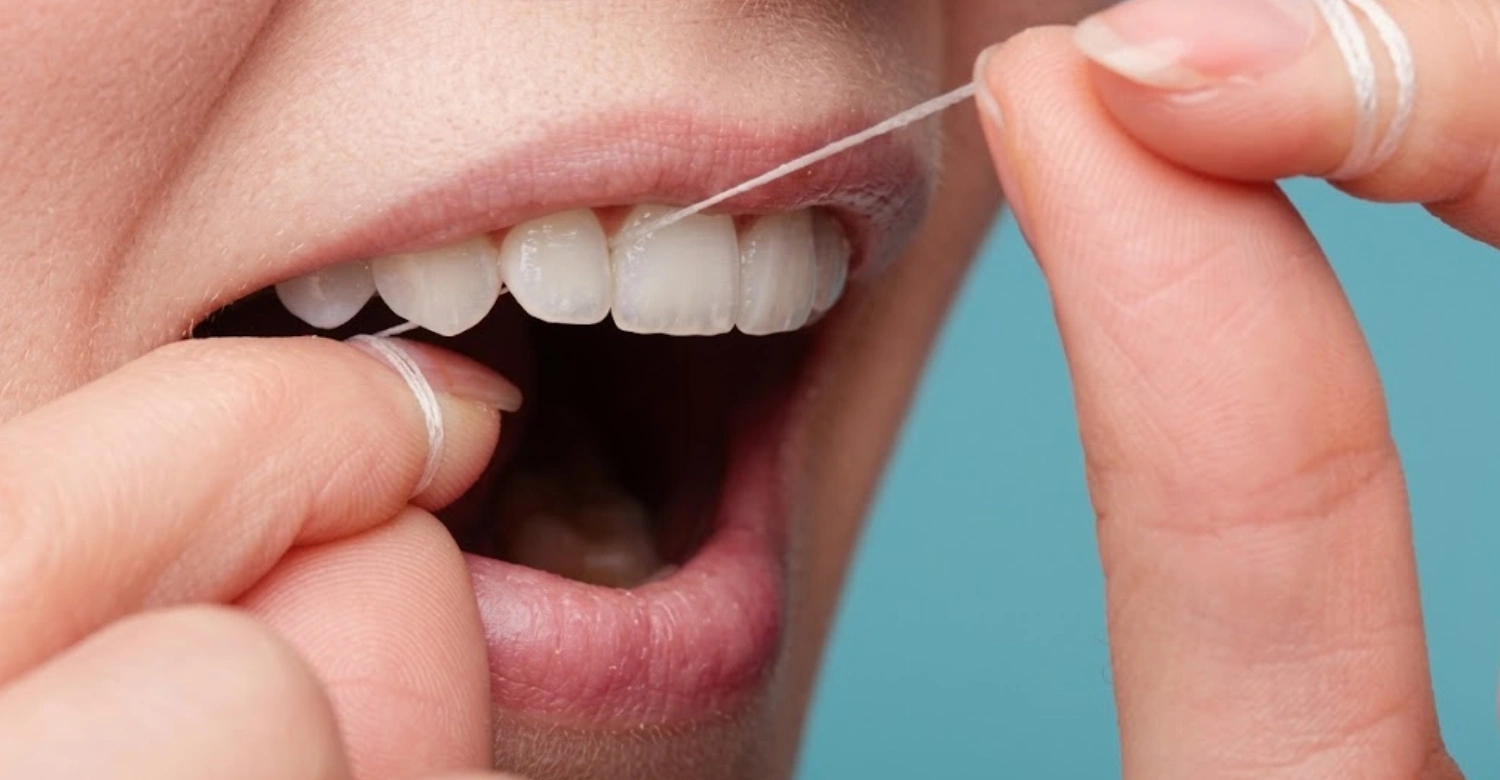
Guide the floss gently between teeth using a light sawing motion. Then curve it into a "C" shape around each tooth before sliding it beneath the gumline. Avoid snapping the floss forcefully into the gums, as this can cause bleeding or bruising. Correct technique clears trapped debris without unnecessary irritation.
Use Interdental Brushes
Interdental brushes work well for wider gaps, larger contact areas, or spaces around restorations where floss cannot fit comfortably. Choosing the correct bristle size matters. A brush that is too large can injure the gum, while one that is too small will not clean effectively. A dental professional can recommend the right fit.
Rinse With Water
Swishing water around the mouth can dislodge loose particles quickly when brushing is not immediately possible. This is a useful temporary measure, especially after meals away from home. Rinsing does not replace mechanical cleaning, however, and floss or an interdental brush should still be used as soon as it is convenient.
Avoid Sharp Objects
Pins, needles, knives, and other sharp objects should never be used to dislodge trapped food. These items can injure the gums, scratch enamel, or damage fillings and crowns. Using the wrong tool to fix the problem often creates a second one alongside the original, so proper dental tools are always safer.
Tips for Patients
Brush twice daily with fluoride toothpaste.
Clean between teeth every day.
Consider interdental brushes when appropriate.
Rinse after meals when brushing is not immediately possible.
Avoid using sharp objects to remove trapped food.
Keep regular dental appointments.
How to Stop Food Getting Stuck in Teeth
Learning how to stop food getting stuck in teeth combines daily habits with regular professional care. Prevention is more effective than repeated removal. Consistent cleaning and timely check-ups address small changes in the mouth before they turn into a recurring source of trapped food.
Maintain Daily Interdental Cleaning
Brushing alone cannot reach the tight spaces between teeth where particles collect. Daily flossing or interdental brushing clears these areas and disrupts plaque before it hardens. Consistency matters more than intensity, and a few minutes each day meaningfully reduces how often food stuck in teeth becomes a recurring annoyance.
Brush Twice a Day
Brush for approximately two minutes, twice daily, using fluoride toothpaste and gentle circular motions. Pay particular attention to the gumline, where plaque and debris tend to accumulate. Thorough brushing supports healthy gum tissue, which in turn reduces the small ledges and pockets where food becomes trapped between teeth.
Attend Regular Dental Check-Ups
Routine examinations identify cavities, damaged fillings, and gum disease early. They also catch open contacts and problematic wisdom teeth before symptoms appear. Many causes are easier to correct when caught early, before symptoms worsen. Regular check-ups also give patients a chance to raise concerns about specific areas of persistent trapping.
Pay Attention to Changes
A sudden increase in trapping is worth reporting. So is food beginning to catch in a spot that was never a problem before. Changes like this often indicate a new dental issue rather than normal variation. Paying attention early keeps minor problems from developing into more involved treatment later on.
What Treatments Can Help When Food Keeps Getting Stuck in Teeth?
When home care is not enough, several treatments can help when food keeps getting stuck in teeth. The right option depends on the underlying cause. Identifying that cause through examination is always the first step before any treatment plan is recommended.
Dental Filling or Restoration Repair
Treating decay or repairing a damaged restoration restores the tooth's natural shape and contact with neighbouring teeth. This typically improves food retention noticeably, since the ledges and rough surfaces that trapped debris are corrected. Most patients notice the difference within their first few meals after treatment.
Dental Crown Replacement or Adjustment
An improperly contoured crown can create an open or uneven contact point that traps food repeatedly. The dentist evaluates both the contact between teeth and the bite before deciding whether to adjust or replace the crown. Correcting this contour usually resolves food stuck in teeth around the restored tooth.
Professional Gum Treatment
When gum disease or periodontal pockets are behind persistent trapping, professional cleaning and periodontal treatment may be recommended. Addressing the gum condition reduces the spaces where food stuck under gums accumulates. Treatment is tailored to the severity of the gum involvement identified during examination.
Wisdom Tooth Treatment
Depending on position and symptoms, a wisdom tooth may simply need monitoring, professional cleaning, or removal. Extraction is not automatically required in every case. The decision is based on how accessible the tooth is for cleaning and whether it continues to contribute to food trapped between teeth.
Orthodontic Treatment
Misaligned teeth create tight, irregular spaces that are genuinely difficult to clean, regardless of home care effort. Orthodontic treatment can correct alignment and open up more manageable contact points between teeth. For some patients, this is the long-term solution when malposition is the true underlying cause of the problem.
When Should You See a Dentist About Food stuck between teeth?
Deciding when to see a dentist about food stuck in teeth depends largely on frequency and accompanying symptoms. Occasional trapping is usually manageable at home. Repeated or painful episodes point toward an issue that needs professional evaluation rather than continued self-care.
Occasional Food Trapping
Occasional food trapping after a meal, particularly with fibrous or sticky foods, is normal. It can usually be managed with good oral hygiene. Flossing or rinsing after eating is typically enough to resolve it. This pattern does not usually indicate an underlying dental problem on its own.
Repeated Food Trapping
Food that becomes trapped repeatedly in the same location is different from occasional trapping and warrants an examination. This pattern often points to a specific structural cause. A worn filling, gum recession, or a shifted tooth are common examples that home care alone cannot fully resolve.
Food Stuck in Teeth With Pain or Swelling
Food stuck in teeth with pain, swelling, or signs of infection should never be ignored. These symptoms can indicate an abscess, advanced decay, or periodontal involvement that requires prompt attention. Delaying assessment in these cases risks the problem becoming more extensive and more difficult to treat.
Food stuck between teeth Before and After Treatment: What to Expect
Understanding what to expect around food stuck in teeth before and after treatment helps set realistic goals. Improvement depends on correctly identifying and addressing the underlying cause, rather than expecting a single visit to eliminate every instance of trapping permanently.
Before Treatment
Before treatment, food repeatedly becomes trapped in the same area. Gums may feel irritated or tender, and cleaning that spot can be genuinely difficult. Some patients also notice mild discomfort during or after meals, particularly when eating fibrous foods that tend to catch on the affected surface.
After the Underlying Problem Is Treated
After the underlying problem is treated, contact between teeth typically improves where appropriate. Interdental cleaning becomes easier, and food retention is noticeably reduced. Surrounding gum tissue tends to heal and become less irritated over time, with most patients reporting greater comfort during meals soon afterward.
Realistic Expectations
Results depend entirely on the underlying cause identified during examination. Treatment is designed to correct the dental problem responsible for food stuck in teeth, not simply to eliminate the symptom temporarily. Some improvement is immediate, while gum healing and full comfort may take a little longer to settle.
What We Notice Clinically
Dr. Rifat Alsaman, Head of the Medical Team at Vitrin Clinic and a cosmetic dentist, evaluates where, when, and how frequently food becomes trapped. The location often provides clues about the underlying problem. The assessment considers tooth contacts, gum condition, existing restorations, decay, alignment, and wisdom teeth together rather than in isolation.
Dr. Rifat Alsaman on Persistent Food Trapping
Dr. Rifat Alsaman notes that recurring food impaction should not simply be managed by repeatedly removing debris; the underlying cause needs to be identified. This perspective favours prevention over repeatedly treating the same symptom, since correcting the structural issue behind food stuck in teeth reduces the problem at its source.
Clinical Note
Food trapping is sometimes a sign pointing toward a separate dental issue rather than the primary problem itself. A broader clinical picture matters more than the trapped food alone.
When Food Trapping Is a Sign Rather Than the Problem
Rather than focusing only on the trapped food, a dentist looks for what allowed it to accumulate in the first place. Clinical examination may be supported by dental X-rays when decay, bone loss, or wisdom teeth are suspected. This approach treats trapped food as a clue rather than the whole story.
Signs That Need Prompt Dental Assessment
Persistent or worsening pain, swollen gums, bleeding, pus, or an unpleasant taste all warrant prompt dental assessment. The same applies to facial swelling, severe sensitivity, difficulty opening the mouth, and recurrent food impaction. Any combination of these signs alongside food stuck in teeth should not be left unaddressed.
Vitrin Clinic: Professional Assessment for Persistent Food Trapping
A personalized dental examination is important whenever food repeatedly becomes trapped despite consistent home care. At Vitrin Clinic, modern diagnostic technology helps identify problems that are not visible to the patient. This includes changes to tooth structure, restorations, tooth positioning, and gum or bone condition.
Digital imaging combined with clinical assessment allows the dental team to evaluate the full picture behind food stuck in teeth rather than treating a single symptom. Dr. Rifat Alsaman, Head of the Medical Team at Vitrin Clinic and a cosmetic dentist, provides clinical insight here. He explains how tooth structure, restorations, aesthetics, and oral function relate to one another. Treatment planning is built around each patient's individual dental condition rather than a one-size-fits-all approach. Readers experiencing persistent food trapping, pain, bleeding, or swelling are encouraged to arrange a professional dental consultation at Vitrin Clinic.
References:
FAQs
Dr. Rifat Alsaman has more than 5 years of clinical experience in dentistry and currently serves as the Head of the Medical Team at Vitrin Clinic. He is dedicated to providing exceptional patient care, overseeing treatment planning, and ensuring the highest clinical standards across the team. His expertise, attention to detail, and commitment to continuous professional development have helped countless patients achieve healthier, more confident smiles.

.webp&w=3840&q=75)


