General Dentistry
September 17, 2026
What Is a Geographic Tongue? Causes, Symptoms, Treatment, and When to Seek Care?
 Dr. Rifat Alsaman
This condition creates smooth, red areas on the tongue with irregular, map-like borders. Patches can change position, shape, or size over time. Some people feel nothing; others notice burning with spicy, acidic, or hot foods. It is generally benign and rarely causes lasting damage. Its cause is not fully understood, and diagnosis usually relies on appearance during an oral exam. Persistent, painful, or unusual changes deserve professional review. At Vitrin Clinic, an oral exam can assess tongue changes alongside broader dental health.
What Is a Geographic Tongue?
Geographic Tongue describes a pattern where tiny surface structures called filiform papillae temporarily disappear. This leaves smooth, red patches with lighter borders. The areas can shift location, which is why the pattern is called migratory. Some people notice it by accident; others feel burning with certain foods. It is not contagious, and the look alone does not mean infection or cancer. A dentist can usually recognize it during a routine visit.
Geographic Tongue Definition and Meaning
This is a benign inflammatory condition affecting the tongue's surface. It produces reddish patches where papillae temporarily vanish, often with pale, map-like edges. Boundaries can shift over days or weeks, a trait called migration. Some people feel nothing; others notice burning or sensitivity. No single cause explains every case. It is generally not dangerous and rarely needs treatment beyond managing personal triggers and using gentle hygiene.
Why Is It Also Called Geographical Tongue or Benign Migratory Glossitis?
This condition has several names because its look and behavior give clues. "Geographical tongue" refers to the map-like shapes. "Benign migratory glossitis" highlights three traits: harmless, shifting, and inflamed. Patches can fade in one spot and appear elsewhere later. Despite the unusual look, it is not infectious and does not spread through kissing or shared utensils. A professional exam helps when the pattern looks atypical.
What Does a Geographic Tongue Look Like?
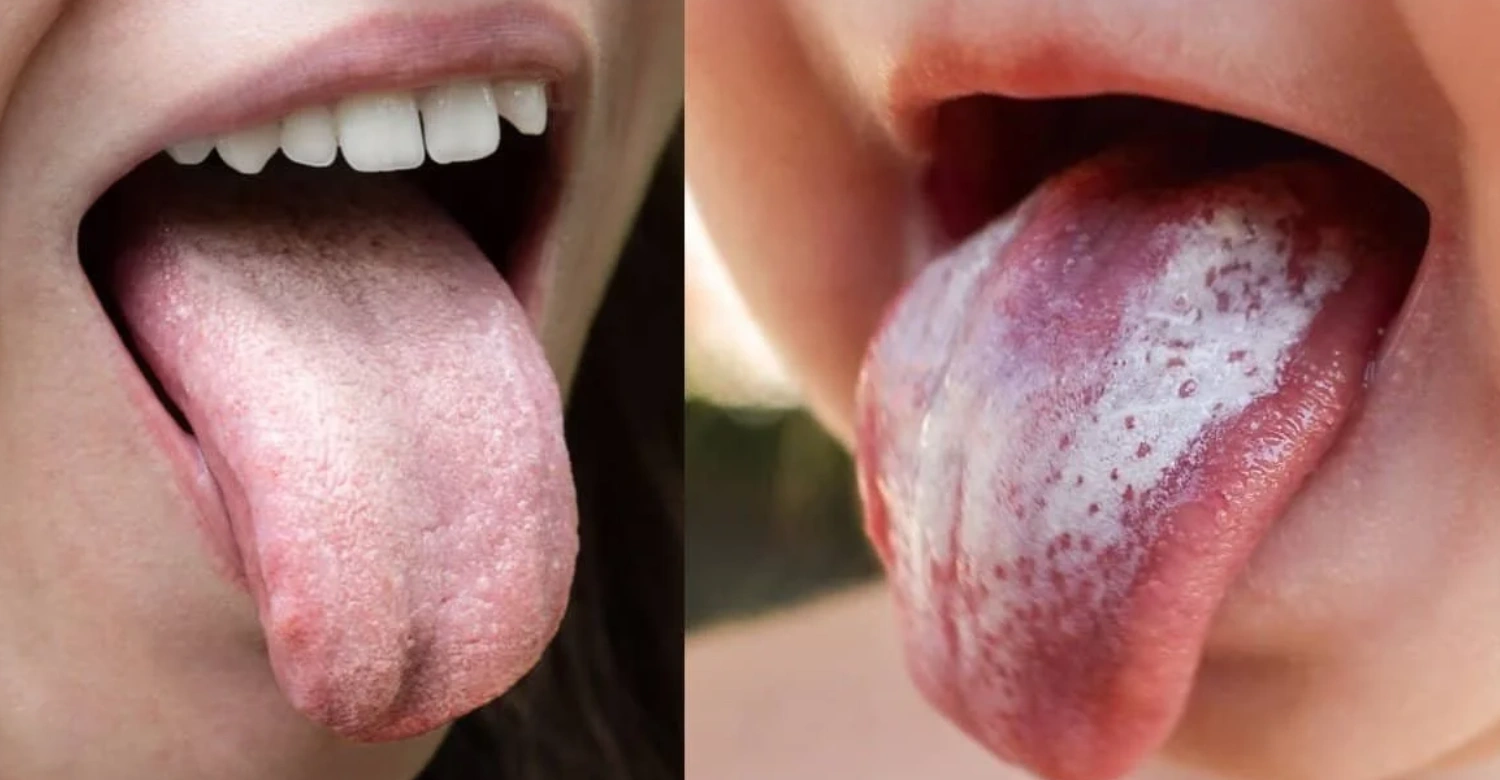
Typically it appears as smooth, red patches with irregular shapes, since papillae temporarily vanish from those spots. Pale or whitish borders often surround the red areas. Patches may grow, shrink, merge, or move elsewhere over time. Some cases involve one small area; others cover more surface. Photos help track changes but cannot replace an exam. Persistent, ulcerated, or bleeding changes need dental assessment.
Red, Smooth, Map-Like Patches on the Tongue
These patches look different because papillae temporarily vanish, leaving smoother, brighter tissue. Several patches can appear at once, resembling islands or irregular continents. Outlines shift as the pattern migrates. Some patches shrink while new ones form elsewhere. Redness often grows more noticeable after spicy, acidic, or hot foods. Not everyone feels discomfort, though. A migrating pattern helps a dentist separate this from other tongue issues.
White or Pale Borders Around the Patches
Pale or slightly raised borders can form around the smooth red areas. This does not automatically mean infection. The border reflects lost surface structures rather than removable debris, so scraping will not fix it. Visibility varies between people, and borders can shift as the patch beneath changes shape. Persistent white areas that look unusual should still be checked by a dentist.
Geographic Tongue on the Side or Under the Tongue
Most often the upper tongue surface is affected. Similar smooth red areas near other regions deserve careful review, since other conditions can affect those spots too. Location alone will not confirm a diagnosis. A dentist weighs color, texture, borders, duration, and whether the area migrates. At Vitrin Clinic, findings are considered alongside teeth, gums, and other tissue, with referral available when needed.
What Is the Difference Between a Geographic Tongue and a Normal Tongue?
A typical tongue keeps fairly consistent papillae across its surface. This pattern instead creates localized smooth spots that often look redder, sometimes with pale borders. Unlike many persistent lesions, it can migrate over time, vanishing from one spot and appearing elsewhere. Some people notice no symptoms; others feel burning with certain foods. A dentist weighs these traits together, since persistent or unusual changes may point to another condition.
How Common Is Geographic Tongue?
This is considered a fairly common finding. Reported rates vary widely, but many estimates place it around one to three percent of people. Differences likely reflect age, genetics, location, and exam methods. Many people never seek care because symptoms are mild or absent. Others learn about it during a routine dental visit. Because the pattern shifts, prevalence figures may miss some episodes entirely.
Who Can Develop a Geographic Tongue?
It can appear across ages and backgrounds, with no single group affected exclusively. Researchers have studied genetic links, since it sometimes runs in families, along with ties to certain inflammatory conditions. Having one of those conditions does not guarantee tongue changes, though. Many people have no obvious trigger at all. A professional exam helps separate this pattern from infections, trauma, or other lesions.
Is Geographic Tongue More Common in Adults or Children?
Studies report varying rates between age groups, with some suggesting it is fairly frequent in childhood. Others find substantial rates among adults too. Kids may not describe mild burning clearly, so parents often spot the pattern first. Most cases stay benign and do not affect development. Children with persistent pain, swelling, or eating trouble should be checked professionally rather than judged by photos alone.
Geographic Tongue in Children and Toddlers
It can appear early in childhood. Parents may notice smooth red patches with pale borders while brushing, which can understandably cause concern. Most cases are not serious. Some children feel nothing; others report burning with certain foods. Gentle brushing should continue, and scraping should be avoided. A pediatric dental check can rule out look-alike conditions when the pattern seems unusual or persistent.
Is Geographic Tongue Rare?
It is not generally considered rare. Studies commonly report rates within a few percent of examined groups, though figures vary by definition and population. Mild, symptom-free cases may go unnoticed, making it seem less common in everyday care. Genetic and inflammatory links have been studied but do not explain every case. A clinical exam remains more reliable than judging appearance from a photo alone.
What Causes Geographic Tongue?
The exact cause has not been established. Researchers suspect a mix of genetic, inflammatory, and environmental factors. Links to psoriasis have been reported, along with food triggers, stress, and hormonal shifts, though none proves direct causation. It is not infectious and does not spread through ordinary contact. A dental or medical review can decide whether more testing makes sense for unusual or persistent changes.
Why Do I Have a Geographic Tongue?
There may not be one single reason. Family history can raise susceptibility for some people, and certain inflammatory disorders have also been linked. But an association does not prove direct causation. Some people develop symptoms with no known trigger at all. Blaming one food or habit without evidence is not helpful. A dentist can check whether the pattern fits the usual clinical picture.
What Is the Cause of Geographic Tongue?
The cause remains uncertain despite years of study. Scientists have examined inherited susceptibility, inflammatory pathways, hormones, stress, and nutrition. None explains every case alone, suggesting several mechanisms play a role together. Food does not usually create the pattern directly, though it can worsen burning. Poor hygiene is not the cause either, though good hygiene still matters for overall oral health.
What Are the Known or Suspected Risk Factors?
Several factors have been studied, though their exact roles stay unclear. Family history is one of the most discussed links, along with psoriasis, atopic disease, and stress. Some people report more symptoms after spicy or acidic foods. Having a risk factor does not guarantee anything, and someone without obvious risks may still develop it. Professional review remains the best way to interpret changes.
Family History and Genetic Factors
Family history can be relevant, since familial patterns have been reported. Researchers suggest inherited susceptibility may shape how the tongue responds to inflammation. Having an affected relative does not guarantee another family member develops it, though. Genetics is likely just one part of a larger picture. Routine dental checks remain the right way to monitor oral health regardless of family history.
Psoriasis and Other Inflammatory Conditions
Researchers have reported a link between this pattern and psoriasis. Both involve inflammation, though the exact relationship stays unclear. Having psoriasis does not mean tongue changes will follow, and tongue patches do not confirm a psoriasis diagnosis alone. A person with persistent changes may mention relevant conditions during a consult, which helps build a fuller clinical picture for the dentist.
Allergies and Atopic Conditions
Allergic and atopic conditions, including eczema, rhinitis, and asthma, have been studied as possible links. Evidence stays inconsistent, and association is not proof of cause. Allergies may shape symptom perception, since irritated tissue can feel more sensitive. A true food allergy usually involves symptoms beyond the mouth and needs medical review separate from routine oral care for this tongue pattern.
Stress and Other Reported Associations
Stress often comes up when people describe flares, though the link is hard to prove scientifically. Stress may shape symptom awareness, eating habits, and oral behaviors, which could make sensitivity feel more noticeable. Hormonal shifts, irritation, and nutrition have also been studied. A simple symptom diary can reveal personal patterns without assuming causation, and this information helps at a dental appointment.
Can Food Cause Geographic Tongue?
Food is not considered a proven direct cause. Certain foods can still make symptoms more noticeable when sensitive areas exist, especially spicy, acidic, salty, or very hot options. Triggers differ between people, so reactions should be judged by personal experience, not a universal list. Eliminating whole food groups is usually unnecessary. If symptoms suggest a true allergy, separate medical review makes more sense.
Can Spicy or Acidic Foods Trigger Geographic Tongue Symptoms?
Spicy and acidic foods may trigger burning for some people, since they can irritate spots where protective structures have changed. Citrus, tomatoes, vinegar, and chili are common examples. Sensitivity varies quite a bit, and some people feel no discomfort at all. Cutting back during a flare may help. If symptoms stay severe despite avoiding obvious triggers, a professional check is worthwhile.
Is Geographic Tongue Caused by an Infection?
This is generally not considered infectious. The patches come from surface changes, not a typical bacterial, viral, or fungal infection, though the look can sometimes be mistaken for oral thrush. Ordinary contact does not usually spread. Antibiotics and antifungal medicine are not routinely needed unless a separate infection is confirmed through proper dental examination and clinical judgment.
Is Geographic Tongue Related to Nutritional or Systemic Conditions?
Links to nutrition and systemic health have been studied but are not firmly established. Iron, B12, or folate gaps can cause other kinds of tongue soreness, though they may look different from this pattern. A clinician may consider these when symptoms come with fatigue or other systemic signs. Testing should follow the clinical history rather than happen automatically for every typical case.
What Are the Symptoms of Geographic Tongue?
Visible change can occur with no discomfort at all. The typical finding is a smooth, red patch with a lighter border that can shift shape and location. Some feel burning or sensitivity while eating, especially with spicy or hot foods. The taste usually stays normal. A typical migrating pattern helps recognition, while persistent pain, bleeding, or a fixed lesion needs professional review instead.
Does Geographic Tongue Hurt?
Pain is not guaranteed. Many people have visible changes with no discomfort at all. When symptoms occur, they range from mild sensitivity to noticeable irritation, often after spicy, acidic, or hot foods. No pain does not mean the look is abnormal, and mild discomfort does not signal a serious problem. Persistent or severe pain still deserves a proper dental exam to judge the cause.
Can Geographic Tongue Be Painful or Sore?
Soreness can happen, though many people feel nothing at all. Exposed areas may feel sensitive since normal structures are temporarily missing. Soreness intensity does not always match the visible size of a patch. Persistent severe soreness should not be blamed on this pattern automatically, since trauma, infections, and other disorders can cause similar symptoms that a professional exam can help identify.
Geographic Tongue Burning, Irritation, and Sensitivity
Burning can occur, especially when sensitive spots contact acidic, spicy, or very hot foods. These reactions usually reflect irritation rather than infection. Not everyone with visible change feels sensitivity. Tracking foods around discomfort may reveal personal triggers. Gentle hygiene reduces unnecessary irritation, and persistent burning that disrupts eating deserves review to rule out other causes of chronic oral discomfort.
Can Geographic Tongue Affect Taste?
Permanent taste loss is not typical. Temporary surface changes rarely wipe out taste function, though inflammation can make foods feel different for a while. Some describe altered taste during flares, but this rarely means lasting loss. Other causes like medication, infections, or dryness can also shift taste, so a persistent change deserves its own evaluation rather than being blamed on this pattern.
Does Geographic Tongue Come and Go?
Yes, patches can vanish from one area and reappear elsewhere later, a behavior called migration. Some people have frequent episodes; others go long stretches with no change. Symptoms can shift within a single episode too. Recurrence alone does not mean things are worsening. Photos taken over time can help document movement and support conversations during a dental visit about persistent changes.
What Does a Geographic Tongue Flare-Up Look and Feel Like?
A flare may involve new patches or changes to existing ones, sometimes with more noticeable borders. Some feel burning; others notice only visual change. A flare does not necessarily mean things are getting worse, since the look shifts naturally as spots heal and form. Persistent ulceration, bleeding, or severe pain differs from a typical mild flare and calls for professional review.
Can Geographic Tongue Appear Under the Tongue or in Other Areas of the Mouth?
Mostly it affects the upper surface. Similar-looking areas elsewhere should not be assumed identical automatically, since other tissue can develop different lesion types. Location becomes an important clinical clue here. A dentist weighs color, texture, and whether the spot migrates. At Vitrin Clinic, tongue and oral tissue are examined together to judge whether further evaluation is needed for unusual locations.
What Does a Geographic Tongue Look Like in Pictures?
Pictures typically show smooth red patches with irregular, lighter-bordered outlines. Multiple patches can appear at once, and appearance can shift substantially between photos taken on different days. Lighting and hydration also shape how it looks. Online images should only be used for general learning, since a dentist weighs texture and history alongside appearance to judge whether a change fits the typical pattern.
Typical Geographic Tongue Appearance
The typical look includes smooth, red areas with irregular but recognizable borders on the upper tongue. The pattern can shift as patches migrate across different areas. Surrounding tissue usually keeps its normal texture. Some people show extensive change with no discomfort at all. A dentist weighs the overall pattern rather than one single photo, since migration and borders give important diagnostic clues.
Mild Geographic Tongue Pictures: What to Look For
Mild cases may show one small, smooth red patch contrasting with nearby tissue, sometimes with a subtle border. A photo cannot show tenderness or subtle texture differences, though. Comparing photos over time may reveal migration, which helps at a dental consult. Persistent lesions that do not follow a changing pattern should still be checked, since appearance alone rarely gives enough information.
Geographic Tongue Pictures in Adults
Adult photos show a wide range of appearances, from one small patch to several irregular areas with pale borders. Symptoms may be absent or include burning and food sensitivity. Comparing photos from different dates can show migration, though this should never replace a proper exam. Dentists assess texture and surrounding tissue directly, which gives more reliable information than any single image.
Geographic Tongue Compared With Other Tongue Changes
This pattern can resemble other oral conditions, since many disorders cause red or white tongue changes. Migration offers an important clue, since a typical benign pattern shifts location while many other lesions stay fixed. Texture, symptoms, and duration also guide diagnosis. A dentist can examine the tongue directly and decide whether testing is needed to avoid treating the wrong condition.
Geographic Tongue vs Oral Thrush
Oral thrush commonly involves white or creamy plaques that can sometimes be wiped away. This pattern instead shows smooth red areas with characteristic borders that migrate over time. Thrush may occur with recent antibiotic use or immune suppression, though that does not mean every white coating is thrush. Clinical exam matters, since treatment differs a lot between the two conditions.
Geographic Tongue vs Fissured Tongue
Fissured tongue involves grooves across the surface, while this pattern involves smooth red areas where papillae are temporarily missing. Some people have both conditions together. Fissures can trap food debris and need gentle cleaning, but are generally benign. A dentist checks whether grooves, migrating patches, or another issue is present, since symptoms alone will not confirm which condition is happening.
Geographic Tongue vs Oral Lichen Planus
Oral lichen planus often produces white, lace-like patterns and can cause painful erosive areas. This tongue pattern instead shows smooth red patches with lighter borders that tend to migrate. Overlapping features can occasionally make diagnosis tricky. Persistent erosion or unusual white areas deserve a professional exam, since accurate identification helps decide whether monitoring or further testing fits best for the patient.
Geographic Tongue vs Other White or Red Oral Lesions
Trauma, infections, inflammatory disorders, and medication reactions can also shift tongue appearance in similar ways. Pattern, duration, location, and symptoms all help clinicians tell these apart. A migrating lesion differs from one that stays fixed in place. Since several conditions overlap visually, a dentist examines the area under proper lighting rather than relying on photos or appearance alone.
How Is Geographic Tongue Diagnosed?
Diagnosis usually happens clinically, through a tongue exam and review of symptoms. Dentists look for smooth red patches, pale borders, and changes over time, since migration sets this apart from many persistent lesions. Most typical cases need no lab testing. Extra testing may be considered when the look is unusual. At Vitrin Clinic, referral is available when medical review is warranted.
Can a Dentist Diagnose Geographic Tongue by Looking at It?
Often yes, through a visual and physical exam. The mix of smooth patches, pale borders, and shifting location gives strong clinical clues. A single photo may not show enough detail alone, while direct exam lets the clinician check texture and surrounding tissue closely. Unusual or persistent lesions may still need more investigation to confirm the diagnosis and rule out other causes.
What Happens During a Geographic Tongue Examination?
The dentist first reviews symptoms and history, then examines the tongue under good lighting, checking texture, color, borders, and surrounding tissue. Teeth and gums are checked too, for possible sources of irritation. Most typical cases need no invasive testing. Bringing earlier photos and a record of symptoms can help make the consultation more useful for reaching an accurate diagnosis.
When Are Additional Tests or a Biopsy Considered?
They are not routinely required for a typical presentation. They may become appropriate when a lesion has unusual features, stays fixed, ulcerates, bleeds, or keeps growing. A clinician may consider other diagnoses when the picture does not match expectations. Not every unusual tongue appearance needs a biopsy, and a qualified clinician weighs whether the benefit justifies the procedure first.
What Conditions Can Look Similar to a Geographic Tongue?
Oral candidiasis, lichen planus, fissured tongue, trauma, and nutrition gaps can all produce similar-looking changes. The clinical pattern helps sort these possibilities out, and migration is especially useful here. Duration and related symptoms matter too. A dentist may suggest extra testing when the diagnosis stays unclear, helping avoid treating the wrong condition based on appearance alone.
Why Accurate Diagnosis Matters for Persistent or Atypical Tongue Changes
Different tongue conditions can look surprisingly similar. A benign pattern may just need reassurance, while other lesions may need medication or monitoring. Treating the wrong condition can delay proper care. A fixed lesion should not be assumed identical to one that migrates. The professional exam offers information photos cannot capture, bringing reassurance when findings are benign and follow-up when they are not.
Clinical Note
Tongue appearance can shift for many reasons, and visual difference does not always mean disease. Clinicians weigh pattern, duration, texture, and symptoms together. Patients should avoid scraping unusual areas before an appointment and can photograph changes under steady lighting instead. Professional assessment matters most when changes stay fixed or develop bleeding, ulceration, or persistent pain that needs closer clinical attention.
Dr. Rifat Alsaman, Head of the Medical Team at Vitrin Clinic and cosmetic dentist, on Recognizing Changes in the Tongue
Dr. Rifat Alsaman stresses careful assessment of unusual oral change. A shifting pattern can have a benign explanation, but appearance alone should not decide the diagnosis. Clinicians weigh whether an area moves, resolves, or stays fixed. Patients can help by describing when changes began and keeping earlier photos, which supports a clearer distinction between monitoring and further investigation when needed.
Is Geographic Tongue a Disease or a Serious Condition?
This is generally considered a benign inflammatory condition. It can produce noticeable red patches that look concerning but are usually not dangerous, and it typically does not cause lasting tissue damage. Migration is an important clue separating it from persistent lesions. Even so, unusual changes should not be self-diagnosed, and persistent lesions, bleeding, or real pain need professional review instead.
Is Geographic Tongue Bad for Your Health?
This is not generally considered harmful to overall health. It mainly affects appearance and sensitivity, and most people face no significant complications. Some feel burning with spicy, acidic, or hot foods, which can affect eating comfort temporarily without lasting damage. Good hygiene still matters even with mild symptoms, while aggressive scraping should be avoided since it can worsen discomfort further.
Is Geographic Tongue Contagious?
No, it is not generally contagious. It does not spread through kissing, shared utensils, or ordinary household contact, since the pattern reflects changes in the tongue's own surface rather than a transmissible infection. Family members do not need to isolate someone with this pattern. Another person with similar changes, though, might have a different underlying issue needing separate professional review.
Can Geographic Tongue Turn Into Oral Cancer?
Current understanding does not treat this pattern as something that turns into cancer. Its migrating behavior differs from many persistent, potentially malignant lesions. That does not mean every red or white lesion is automatically harmless, though. A fixed patch that grows, hardens, bleeds, or ulcerates needs professional review, since concern comes from a lesion's own traits rather than a benign pattern generally.
Are There Long-Term Complications of Geographic Tongue?
Long-term complications are generally uncommon. Many people experience it with no real discomfort or functional trouble, though some have recurring burning or irritation that shapes food choices temporarily. It typically does not affect speaking, swallowing, or normal tongue movement. Persistent functional trouble should be investigated rather than blamed on this pattern automatically, since another issue may be contributing instead.
How Long Does a Geographic Tongue Last?
Its course varies a lot between individuals. Some episodes resolve within days; others stay visible for weeks or longer, and affected areas may vanish and later return elsewhere. Symptoms can fluctuate independently from the visible patches. There is no single duration that fits every case, though a fixed or progressively changing lesion deserves professional review rather than simple ongoing observation.
Does Geographic Tongue Go Away on Its Own?
Often yes, it improves without specific treatment, as patches shrink, fade, or move to another spot. Because recurrence is common, disappearance does not mean it will never return. Treatment usually targets comfort rather than eliminating the underlying tendency. Trying to scrape the patches away should be avoided, and a lesion that does not follow the expected pattern should be checked.
How Long Can a Geographic Tongue Last?
Duration varies substantially between people, with individual patches staying visible for days or weeks before shifting. Some have recurring episodes over months or years, while others notice only occasional change. Symptoms can fade before the visible look fully returns to normal. Dated photos can help show how quickly the appearance shifts, aiding diagnosis of a recurring benign pattern.
Why Does the Geographic Tongue Keep Coming Back?
Recurrence may happen because the underlying tendency toward migrating patches can persist, though the exact mechanism stays uncertain. Genetic susceptibility and inflammation have both been studied as contributors. Stress and irritating foods may shape discomfort without causing the pattern itself. Recurrence does not automatically mean worse disease, though new concerning features should still prompt a clinician to confirm the diagnosis.
Can Geographic Tongue Have Periods of Remission and Flare-Ups?
Yes, the tongue can look completely normal at times, with symptoms gone entirely, followed later by new patches or renewed sensitivity. Certain foods may worsen discomfort during an active flare. A changing course often fits with the benign nature of the pattern. A new fixed lesion, though, should be assessed separately rather than assumed identical to a past benign episode.
How Do You Treat a Geographic Tongue?
Treatment is often unnecessary when there is no discomfort. Management generally focuses on avoiding trigger foods, using gentle hygiene, and staying hydrated when symptoms show up. A dentist or doctor may suggest topical treatment for significant symptoms. There is no universally established treatment that permanently stops recurrence, and antibiotics or antifungal medicine should be avoided without a clear clinical reason.
Does Geographic Tongue Need Treatment?
Often no treatment is needed when there is no pain or irritation. Treatment becomes more relevant when burning or sensitivity affects daily life. Symptom care may involve avoiding specific triggers and using gentle hygiene, while hydration also supports comfort. Scraping away affected areas will not remove the underlying pattern, and persistent symptoms should be reassessed to confirm the diagnosis still fits.
How to Help Geographic Tongue Symptoms at Home
Simple measures often help when discomfort is mild. Identifying trigger foods is a practical step, along with gentle brushing that avoids disturbing sensitive spots. Drinking water regularly supports oral moisture and comfort. Individual tolerance varies, so management should stay personal. Persistent pain should not be managed indefinitely without a professional check, especially if eating or speaking grows difficult.
Avoiding Foods That Trigger Burning or Irritation
Spicy, acidic, salty, and very hot foods can irritate exposed or sensitive spots during a flare. These foods are not necessarily the cause of the underlying pattern itself. Temporarily reducing clear triggers can help, and a simple food-and-symptom diary may reveal personal patterns. Broad dietary restriction is usually unnecessary if only a few foods cause discomfort for a given person.
Maintaining Gentle Oral Hygiene
Regular brushing should continue even when the tongue feels sensitive, using gentle technique and a soft brush if needed. The tongue can be cleaned without scraping painful areas. Harsh products that consistently cause burning should be avoided. Persistent discomfort despite gentle hygiene should be raised with a dentist, who can suggest a more comfortable routine tailored to the patient's needs.
Staying Hydrated and Supporting Oral Comfort
Drinking water regularly helps maintain moisture through the mouth, and cool water may offer temporary relief when the tongue feels irritated. Highly acidic or sugary drinks are not ideal for hydration here. Hydration alone will not treat the underlying pattern, though it remains a supportive comfort measure. Persistent symptoms despite avoiding irritants deserve a professional check for other contributing causes.
What Mouth Rinses May Help Geographic Tongue Symptoms?
Some find gentle rinses helpful during flares, though no single rinse is proven to permanently fix the condition. Products with strong alcohol may worsen burning for sensitive people. Saltwater rinses are sometimes used as a simple comfort measure. A dentist can recommend a suitable product based on symptoms, since persistent issues need assessment rather than repeated trial and error at home.
When Might a Dentist or Doctor Recommend Medication?
Medication may be considered when discomfort interferes with eating or daily life. The choice depends on severity, exam findings, and history. Treatment generally aims to reduce inflammation or irritation rather than stop recurrence forever. Antibiotics are not routinely appropriate for this benign pattern, and self-treatment can delay diagnosis when a lesion actually has a different explanation entirely.
Topical Treatments for Significant Discomfort
Topical treatment may be considered for substantial burning or soreness, mainly for comfort rather than removing the underlying tendency to recur. The right option depends on severity and how symptoms present. Medicine choice should account for age, history, and allergies. Prescription products should never be applied without professional guidance, and follow-up helps confirm treatment still fits as symptoms shift over time.
Why Treatment Should Be Based on Symptoms and Clinical Assessment
Treatment should reflect actual symptoms and exam findings, not appearance alone. It can look dramatic while causing no discomfort, in which case reassurance may fit better than medicine. Clinical assessment also rules out infections and other conditions needing different care. Patients should avoid treating photos as diagnoses, since a dentist judges whether symptoms fit a familiar benign pattern first.
Is There a Permanent Cure for Geographic Tongue?
No established cure reliably stops it from recurring in everyone. It may naturally disappear for a while before returning later, so management focuses mainly on controlling symptoms and spotting personal triggers. People without discomfort often need no active treatment at all. Recurrence does not automatically mean treatment failed, though a very different-looking episode should be reassessed by a dentist.
What Is Known About the Evidence for Geographic Tongue Treatments?
Evidence for treatments is limited compared with many common dental conditions, partly because the condition is generally benign and often needs no action. Research has looked at symptom-focused approaches like topical therapy and trigger avoidance. There is no universally accepted treatment that permanently stops recurrence. Clinical guidance often emphasizes reassurance and managing individual symptoms rather than aggressive intervention.
Note : All images used are for editorial and illustrative purposes only and may not originate from the original news provider or associated company.
What We Notice Clinically
Clinical observation offers useful context. The condition often looks more dramatic than its actual significance, and its shifting pattern helps separate it from persistent lesions. Symptoms vary a lot between patients, from nothing at all to noticeable burning. Clinicians weigh texture, borders, duration, and location together, since these traits give more information than color alone during an assessment.
Geographic Tongue Often Looks More Concerning Than It Is
The map-like patterns can look strikingly alarming, raising worries about infection or lasting damage. In many typical cases, though, it is benign and causes no real harm. A patch that looks larger one day may shrink the next, while another area forms elsewhere. Many patients feel no pain despite noticeable change. A lesion that stays fixed or shows unusual features still needs an exam.
The Migrating Pattern Can Help Distinguish Geographic Tongue From Other Lesions
Migration is one of the most useful clinical traits here. Affected areas can shift shape, shrink, vanish, or reappear elsewhere, unlike many lesions that stay fixed. Comparing photos taken weeks apart can reveal this movement. Migration alone will not confirm a diagnosis, but it adds valuable support alongside other traits like color, texture, and duration during a proper clinical exam.
Symptoms Can Vary From No Discomfort to Burning or Sensitivity
Symptoms range from complete comfort to noticeable burning. Some discover the pattern during routine brushing; others notice it because certain foods cause irritation. Patch size does not necessarily predict symptom severity, and personal triggers differ quite a bit too. Recording these patterns can reveal practical ways to reduce discomfort, while persistent or severe symptoms should still get professional review promptly.
Common Patient Misconceptions About Geographic Tongue
Several misconceptions cause needless worry. Some assume a white border always means infection, or that a flare means things are getting steadily worse. Scraping the tongue to remove patches only adds irritation without fixing anything. It is generally not contagious and does not typically need antibiotics. A dentist can explain whether the pattern is typical and whether simple watching fits best.
A White Border Does Not Automatically Mean an Infection
A white or pale border can form around smooth red areas here, and this does not automatically point to infection. The border is part of the characteristic surface change tied to this pattern. Oral thrush usually has different features and produces removable plaques instead. Scraping the border should be avoided, since it may increase irritation without confirming or ruling out anything meaningful.
A Flare-Up Does Not Necessarily Mean the Condition Is Getting Worse
A flare does not automatically mean progression or worsening disease. Appearance naturally shifts as affected areas resolve and new ones form elsewhere. A flare that follows a familiar pattern may not need urgent treatment at all. New bleeding, persistent ulceration, or steady growth, though, differ from ordinary fluctuation and call for professional review to separate expected change from a genuine concern.
Removing or Scraping the Area Is Not a Cure
Scraping does not remove the underlying tongue change, since smooth red areas come from surface shifts, not removable debris. Aggressive scraping can cause irritation and raise sensitivity instead. Gentle tongue cleaning can still be part of normal hygiene, though painful areas should not be repeatedly traumatized. A professional exam can confirm whether a suspected coating is removable or a true tissue change.
Clinical Note
A changing tongue appearance should be judged by its overall clinical pattern, including location, texture, borders, and symptoms together. Patients often focus on color, though color alone will not identify a lesion reliably. Previous photos can be especially useful when changes happen between visits. At Vitrin Clinic, assessment can include tongue evaluation alongside other dental findings, with referral available when needed.
Dr. Rifat Alsaman on When a Changing Tongue Pattern Warrants Professional Assessment
Dr. Rifat Alsaman notes that changing oral findings should be read through a clinical exam. A moving pattern can support a benign explanation when other features also look typical. Patients should seek review, though, when a lesion becomes fixed, grows progressively, or turns painful. The point of an exam is separating a familiar benign pattern from something that genuinely needs investigation.
Geographic Tongue in Children
This pattern can occur in children and may turn up during brushing or dental visits. Parents often worry after spotting smooth red patches with pale borders, since the shifting look can be confusing. Many children feel nothing; others report burning with certain foods. Gentle hygiene should continue without aggressive scraping, and persistent pain, swelling, or trouble eating should be checked promptly.
What Does a Geographic Tongue Look Like in a Child?
It typically appears as smooth red areas with irregular shapes and pale borders on a child's tongue. Patches can change size, shape, and location over time. Many children have no symptoms despite visible change. Parents should avoid assuming a cause from appearance alone, since several childhood conditions look similar. A dentist can assess the tongue and judge whether the pattern is characteristic.
Is Geographic Tongue Common in Children?
It is recognized in children and has appeared in pediatric research, with reported rates varying by study group and method. Many children have mild or symptom-free cases that never need medical attention. Parents may discover it accidentally at home instead of during a visit. Most children need no treatment when there is no discomfort, though a dentist should check unusual or persistent changes.
Can Geographic Tongue Hurt a Child?
It may be painless, though some children feel burning or sensitivity, especially with spicy or acidic foods. Younger children may say something "hurts" even when discomfort is fairly mild. Parents can watch whether the child avoids certain foods during meals. Persistent or severe pain should not be blamed on this pattern automatically, since other oral conditions can cause similar discomfort too.
How Is Geographic Tongue Managed in Children?
Management usually focuses on comfort when symptoms appear. Children with no symptoms generally need no specific treatment at all. Parents can reduce clear trigger foods during flares and maintain gentle brushing, avoiding aggressive scraping. Medicine is generally considered only for significant symptoms after professional assessment. A dentist can decide whether the look is typical and whether any treatment is needed.
When Should Parents Have a Child's Tongue Examined?
Parents should arrange an exam when changes are persistent, painful, or hard to explain, especially if a lesion stays fixed rather than shifting location. Bleeding, real swelling, or a firm area also calls for a check. Trouble eating, speaking, or swallowing should not be ignored. Early assessment prevents needless worry while catching conditions that genuinely need treatment beyond simple reassurance.
When Should You See a Dentist or Doctor?
Usually there is no urgent need when the look is typical and symptoms are mild. Persistent or unusual changes, though, should be checked by a dentist or doctor, especially when a lesion stays fixed, bleeds, ulcerates, or keeps growing. Trouble eating, speaking, or swallowing deserves prompt attention. At Vitrin Clinic, referral is available when medical or specialist review is needed.
Warning Signs That Need Professional Evaluation
Persistent pain, unexplained bleeding, an ulcer that will not heal, or a firm lump all deserve a professional exam. Progressive growth is another reason to seek care. None of these signs automatically means something serious, since many conditions can cause similar symptoms. A dentist can examine the lesion directly and decide whether more testing is needed to reach a reliable explanation.
A Tongue Lesion That Does Not Resolve or Changes Progressively
A lesion that stays without real improvement should be checked, since this pattern typically shifts location rather than staying completely fixed. Progressive growth matters especially, as the clinical picture differs from a typical migrating patch. Patients should note when the change first appeared and how it evolved. A dentist can decide whether watching fits or further investigation is warranted instead.
Persistent Pain, Bleeding, Ulceration, or Significant Swelling
These symptoms should not be automatically blamed on this pattern, since trauma, infection, and other lesions can cause similar complaints. An ulcer that will not heal or unexplained bleeding both deserve professional review. Real swelling can affect normal tongue movement and swallowing. Review does not necessarily mean something serious; it simply helps identify the cause reliably through proper examination.
Difficulty Eating, Speaking, Swallowing, or Moving the Tongue
These functional issues need professional evaluation without delay, since a typical benign pattern usually does not cause major functional trouble. Real problems may signal substantial inflammation, swelling, or trauma instead. Sudden or severe trouble swallowing matters especially. A dentist or doctor can judge whether tongue findings explain the functional symptoms or whether another cause needs consideration entirely.
A Lump, Firm Area, or Unexplained Persistent Red or White Patch
A persistent lump or firm area needs professional evaluation, since this pattern generally produces smooth areas that shift rather than a fixed firm mass. A dentist may examine the area using proper lighting and gentle touch. Patients should never try to remove or puncture a lump themselves. Evaluation reassures when a lesion is benign and ensures unrelated conditions get caught early.
Why Persistent or Atypical Symptoms Should Not Be Self-Diagnosed
Self-diagnosis is unreliable, since many oral conditions share similar colors and features that photos cannot fully capture. This pattern has a recognizable look, but not every red patch follows it exactly. Unnecessary treatment can cause irritation or delay the right diagnosis. Professional review matters most with persistent or progressively changing symptoms, since it gives a safer basis for any care decision.
Tips for Patients
Managing symptoms often involves watching patterns and cutting personal irritants. Patients can photograph visible changes under similar lighting to track movement, along with a simple log of burning, sensitivity, and food triggers. Avoiding trigger foods can improve daily comfort during flares. Bringing photos and symptom notes to an appointment makes the history more useful for reaching an accurate diagnosis.
What You Can Do During a Geographic Tongue Flare-Up
Focus on reducing irritation and tracking symptoms during a flare. Avoiding foods that reliably cause burning can make eating easier, and cool water may bring temporary relief. Gentle brushing should continue, avoiding aggressive scraping or repeated touching of painful areas. Most mild episodes can simply be watched when the look stays familiar, though unusual change still deserves professional review.
Foods and Habits You May Want to Avoid if They Trigger Symptoms
Individual triggers vary a lot during flares, with spicy, acidic, salty, and very hot foods being common culprits. Excessive tongue scraping creates mechanical irritation and should be avoided. A simple diary can record foods, symptoms, and timing together, revealing patterns that are hard to remember at an appointment. Good nutrition should still stay a priority while adjusting food choices.
How to Maintain Oral Hygiene Without Irritating the Tongue
Hygiene still matters even when the tongue feels sensitive. Teeth should keep being brushed regularly with gentle technique, and a soft toothbrush may feel more comfortable during irritated periods. The tongue can be cleaned gently, avoiding aggressive scraping over painful spots. If hygiene itself causes persistent burning, a dentist can suggest a more comfortable routine tailored to individual needs.
What to Track Before Your Dental Appointment
Tracking symptoms beforehand makes the clinical history more useful. Record when changes first appeared, whether the areas move, and any pain or food triggers noticed along the way. Photos taken under similar lighting can document changes over time. Detailed information matters most when the condition fluctuates often, giving the dentist a clearer picture of the actual pattern involved.
Changes in Appearance
Track color, shape, size, and location as they shift, using photos under similar lighting for reliable comparison. Note whether a patch grows, shrinks, or moves elsewhere, since migration gives valuable information during assessment. A lesion that stays completely fixed should be noted separately from the rest. Remember that photos support the exam but are not a diagnostic tool on their own.
Pain, Burning, or Sensitivity
Record whether discomfort is constant or only shows up during meals, along with the intensity and duration of any burning felt. Identify whether particular foods consistently trigger symptoms. Persistent pain should not be assumed part of a familiar benign pattern automatically, since other oral problems can cause similar feelings that deserve their own evaluation by a qualified dental professional.
Possible Food or Lifestyle Triggers
Record foods and habits that seem to line up with irritation, including stress, new oral products, or local irritation sources. A diary should record observations rather than assume one factor caused everything. Tracking several episodes can reveal whether the same pattern repeats. Discuss these observations with a dentist afterward so trigger avoidance can adjust to real, personal symptoms.
How Long the Changes Have Been Present
Record the date a new area was first noticed, along with whether it has changed location, size, or appearance since then. A lesion that moves gives different information than one that stays fixed. Recording previous episodes helps identify whether the current change fits an established pattern. Even a simple timeline gives useful information during a dental exam and follow-up discussion.
At Vitrin Clinic
Vitrin Clinic considers tongue concerns as part of a broader oral health assessment. Our dental team reviews the tongue, teeth, gums, and surrounding tissue together, which helps separate tongue changes from other dental concerns. When findings look unusual, further professional evaluation may be suggested. Diagnostic tools are used only when they add clinically useful information for the specific patient involved.
Oral Examination for Geographic Tongue and Other Tongue Changes
A full oral exam helps identify whether tongue changes fit a typical pattern, checking color, surface, borders, and surrounding tissue together. Location and distribution of visible patches offer useful clues too. This pattern usually has recognizable traits, but not every patch shares the same cause. Vitrin Clinic provides this evaluation within a wider oral health exam for each patient.
Personalized Assessment When Tongue Symptoms Are Persistent or Unclear
Persistent or unclear symptoms deserve an individualized clinical look, since different oral conditions can share similar colors or textures. A dentist weighs both the appearance and the patient's history together. A personalized approach avoids assuming every tongue change has one single explanation. Individual assessment gives a more reliable foundation for safe care than any generic checklist could provide.
Digital Diagnostic Tools When They Are Clinically Relevant
Vitrin Clinic uses digital tools like intraoral scanning and imaging when appropriate, mainly for assessing teeth, restorations, and surrounding structures. They are not automatically required for every tongue change, though. A dentist first checks whether a tool can answer a specific clinical question. This particular tongue pattern is commonly assessed through exams rather than routine imaging in most cases.
Connecting Geographic Tongue Assessment With Broader Oral Health Care
Tongue assessment can offer a chance to review overall oral health too, since patients may have sensitivity alongside decay, gum disease, or other concerns. Vitrin Clinic offers restorative, cosmetic, periodontal, orthodontic, and implant-related care as needed. A tongue concern does not automatically require dental treatment, and clear assessment helps separate unrelated conditions and overlapping symptoms accurately.
Internal-Link Opportunities to Relevant Vitrin Clinic Treatment Pages and Oral Health Articles
An article like this can naturally connect readers to relevant treatment and educational resources that match their actual concern. Links should stay contextually relevant rather than inserted only for search rankings. Treatment pages should explain procedures clearly without implying every symptom needs intervention. This builds a useful path from education toward personalized clinical assessment when patients need it.
How Vitrin Clinic Supports Your Treatment Journey
Vitrin Clinic supports patients through an individualized dental care process. The journey starts with understanding concerns and reviewing relevant findings, and tongue symptoms can be discussed alongside other dental concerns during the consultation. Treatment planning follows clinical needs rather than appearance alone. This structured approach helps patients understand their findings and supports clearer communication throughout care.
Initial Consultation and Clinical Assessment
The initial consultation lets patients discuss concerns in detail while the team reviews the tongue and surrounding tissue. Patients should describe when symptoms started and whether they appeared before. When findings are typical, reassurance and monitoring may be enough. Vitrin Clinic focuses on understanding each patient's situation before recommending treatment, helping avoid unnecessary procedures along the way.
Identifying Whether Further Dental or Medical Evaluation Is Appropriate
Not every tongue concern needs extra testing, since a dentist first checks whether the look fits a benign clinical pattern. Medical or specialist assessment can apply when symptoms sit outside routine care. Referral does not necessarily mean a serious condition exists; it simply ensures the patient gets the right type of evaluation for their specific situation and findings.
Personalized Treatment Planning Based on Individual Findings
Treatment planning should reflect diagnosis, symptoms, and broader oral health needs together. Many typical cases need reassurance rather than specific treatment, while other identified conditions get planned separately. Vitrin Clinic builds individualized dental plans based on consult findings. The goal is matching treatment intensity to the real clinical need rather than treating every case the same way.
Coordinating Relevant Dental Care When Other Oral Conditions Are Identified
Tongue symptoms may occur alongside unrelated dental issues like decay, gum problems, or damaged restorations. Each condition needs its own clinical assessment and approach. Vitrin Clinic offers services covering implants, crowns, veneers, periodontal care, and orthodontics as needed. Unnecessary treatment should never be suggested just because a tongue change happens to be present at the same visit.
Follow-Up and Patient Guidance
Follow-up depends on symptoms and clinical findings overall. Patients with typical, mild changes may need only monitoring and reassurance, while those with persistent findings may need extra assessment. Patients should report new symptoms or changes unlike their usual pattern. Clear instructions make it easier to know when reassessment fits, supporting continuity of care over time.
Key Takeaways
This is generally considered a benign oral condition with characteristic migrating areas, and its look can sometimes seem more alarming than its real significance. Symptoms vary a lot between people. Many need only reassurance and routine care. Persistent, fixed, or unusual lesions need professional review, and Vitrin Clinic offers broader oral assessment for patients with additional dental concerns worth exploring.
Geographic Tongue Is Usually a Benign, Recurring Oral Condition
This condition is generally benign and can follow a recurring course, with areas improving, fading, and later reappearing elsewhere. Recurrence alone does not mean worsening disease. Regular oral care remains appropriate even during symptom-free stretches. Patients should still seek evaluation when a new feature differs from their usual pattern, confirming the look stays consistent with past findings.
Its Exact Cause Is Not Fully Understood
The precise cause remains uncertain despite ongoing research. Studies point to genetic, inflammatory, and environmental associations rather than one confirmed cause. Food can trigger burning without being the underlying cause itself. Patients should stay cautious of claims promising one definitive cause or cure, since clinical assessment remains more useful than blaming a single suspected trigger for every case.
Symptoms Can Include Burning, Soreness, or Food Sensitivity
Many people experience no symptoms at all, while others notice burning, soreness, or heightened sensitivity, often after spicy or acidic foods. Symptoms may fluctuate as visible patches shift shape. Patients can track symptoms to spot foods that seem to worsen discomfort. Persistent or severe symptoms should not be automatically blamed on this pattern without a proper dental evaluation.
Many Cases Need Reassurance Rather Than Specific Treatment
Typical cases often need no treatment aimed at eliminating the pattern. Management generally focuses on comfort, avoiding food triggers, and using gentle hygiene when symptoms show up. No universally established cure prevents every recurrence permanently, so reassurance becomes an important part of appropriate care. Patients should seek reassessment when the look turns persistent, fixed, or unusual.
Persistent, Atypical, or Concerning Tongue Changes Should Be Professionally Evaluated
A persistent or atypical change should never be diagnosed only from online photos, since a dentist can assess texture, firmness, and tissue changes that pictures cannot show reliably. Persistent ulcers, unexplained bleeding, or real swelling deserve close attention. Early evaluation reassures when findings are benign and helps catch unrelated conditions needing treatment. Vitrin Clinic can offer this assessment.
Reference
FAQs
Dr. Rifat Alsaman has more than 5 years of clinical experience in dentistry and currently serves as the Head of the Medical Team at Vitrin Clinic. He is dedicated to providing exceptional patient care, overseeing treatment planning, and ensuring the highest clinical standards across the team. His expertise, attention to detail, and commitment to continuous professional development have helped countless patients achieve healthier, more confident smiles.


.webp&w=3840&q=75)

