General Dentistry
October 14, 2026
Green Synthesized Nanoparticles in Dentistry: What is it , and How Could They Improve Oral Health?
 Dr. Rifat Alsaman
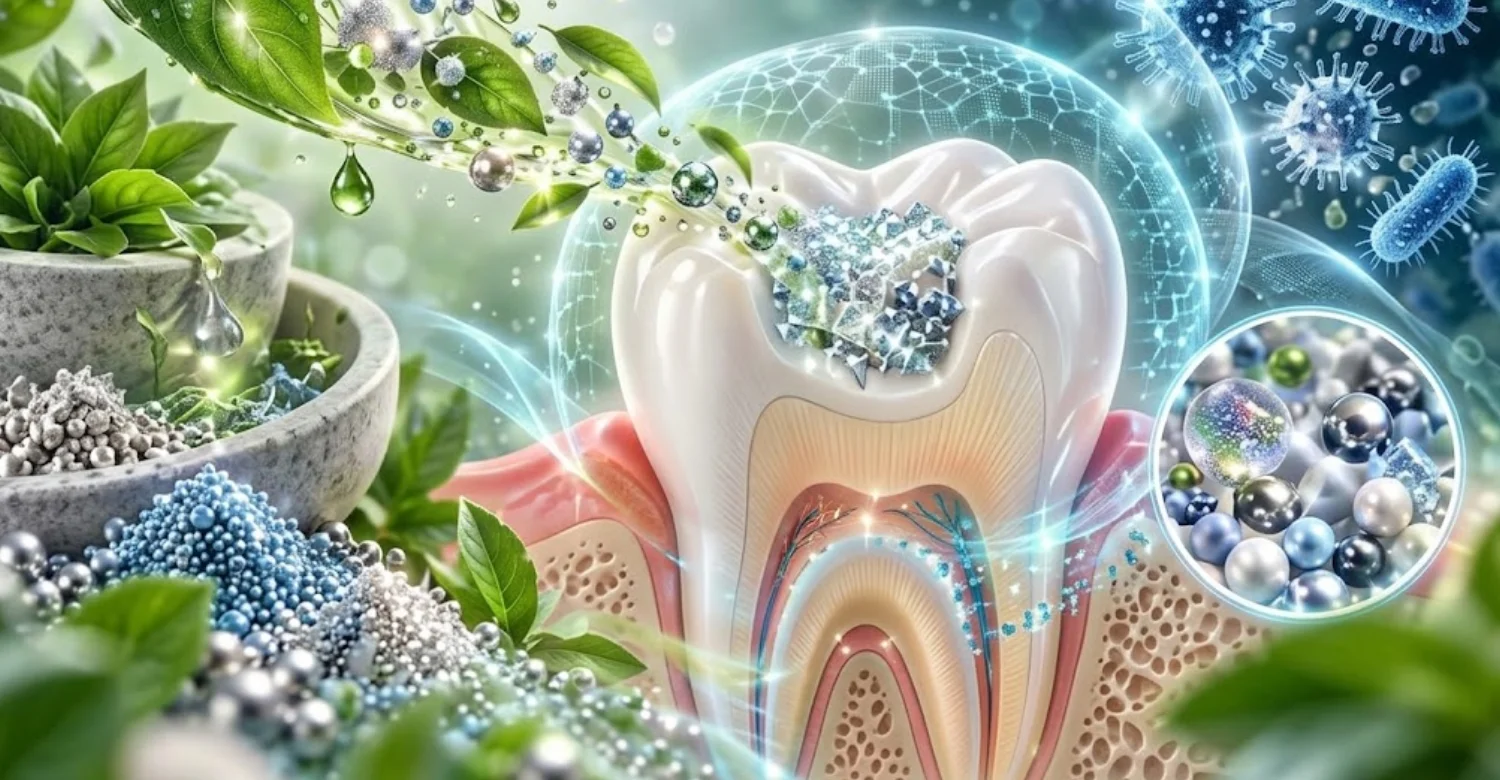
Green Synthesized nanoparticles in dentistry are an emerging research area exploring more environmentally conscious ways to produce nanoscale materials for dental use. Nanoparticles are extremely small particles, measured in billionths of a metre. At this scale, their properties may differ from those of the same material in bulk form. Green synthesis uses biological sources, such as plant extracts or microorganisms, to help form these particles. Researchers are studying them for antimicrobial activity, dental materials, caries prevention, and periodontal care. However, many applications remain experimental. Laboratory findings do not automatically prove clinical safety or effectiveness. This guide explains what science currently shows and what it does not.
How Does Green Synthesis of Nanoparticles Work in Dentistry?
Green Synthesized nanoparticles in dentistry are produced through chemical reactions in which biological compounds help convert metal salts into nanoscale particles. In the green synthesis of nanoparticles for dental applications, a plant extract or microbial culture is mixed with a precursor solution, such as silver nitrate. Natural compounds in the extract can reduce the metal ions and coat the forming particles. This coating may help limit clumping. Researchers then characterize the particles' size, shape, and structure before testing them in laboratory models.
What Are Nanoparticles, and Why Do Their Properties Matter in Oral Health?
Nanoparticles are commonly defined as particles with at least one dimension between about 1 and 100 nanometres. A nanometre is one millionth of a millimetre. At this size, particles have a very large surface area relative to their volume. This can change how they interact with bacteria, saliva, and tooth surfaces. Size, shape, surface charge, and chemical composition all influence their behaviour. For this reason, researchers study green nanoparticles in oral health for dental materials and microbial control.
How Does Green Synthesis Differ From Conventional Nanoparticle Production?
Conventional methods often use chemical reducing agents, such as sodium borohydride, along with synthetic stabilizers. Some methods also require high energy input. Green synthesis replaces some of these agents with biological materials. Plant extracts, bacteria, fungi, and algae can act as reducing or stabilizing agents. However, green synthesis is not automatically safer. The process may still involve metal salts and solvents. Finished Green-Synthesized nanoparticles in dentistry must undergo the same safety testing as conventionally produced materials.
What Is Plant-Mediated Synthesis of Nanoparticles in Dentistry?
Plant-mediated synthesis of nanoparticles in dentistry uses compounds extracted from leaves, roots, seeds, fruit peels, or bark to support particle formation. Phytochemicals such as polyphenols, flavonoids, and terpenoids can donate electrons that reduce metal ions. They may also coat the particle surface and help stabilize it. Researchers have tested extracts from plants such as green tea and neem. This approach interests dental researchers because many plant sources are widely available. However, extract composition can vary between batches, which affects reproducibility.
.jpg)
.jpg)
.jpg)
.jpg)
.jpg)
.jpg)
Ready to transform your smile?
Talk to our team and get a FREE treatment plan.
What Are the Potential Applications of Green Nanoparticles in Oral Health?
Green Synthesized nanoparticles in dentistry are being investigated for several purposes. These include controlling harmful oral bacteria, modifying restorative materials, coating implant surfaces, and delivering medicines locally. Much interest centres on antimicrobial nanoparticles for dental applications, particularly silver, zinc oxide, copper oxide, and titanium dioxide particles. Each application has a different level of evidence. Most studies are laboratory-based. Few have progressed to well-designed human trials. The sections below explain what researchers are exploring and where the evidence currently stands.
Can Green Synthesized Nanoparticles Help Prevent Dental Caries?
Research on nanoparticles for dental caries prevention focuses on Streptococcus mutans and other acid-producing bacteria. In laboratory studies, some Green-Synthesized nanoparticles in dentistry research have reduced bacterial growth or disrupted biofilm formation. Others are being tested alongside calcium phosphate materials to support remineralization-related strategies. However, these findings come mainly from controlled laboratory conditions. Preventing caries in real mouths still depends on proven measures. These include fluoride toothpaste, reducing how often you consume sugar, and thorough daily plaque removal.
How Might Green Synthesized Silver Nanoparticles Affect Oral Bacteria?
Green Synthesized silver nanoparticles in dentistry have shown antibacterial activity against several oral bacteria in laboratory studies. Proposed mechanisms include the release of silver ions, damage to bacterial cell membranes, and generation of reactive oxygen species. Silver ions may also bind to bacterial proteins and interfere with essential cell processes. However, silver can also harm human cells at certain concentrations. Researchers must identify doses that affect bacteria without damaging gum tissue, pulp cells, or beneficial oral microorganisms. This balance is not yet established for most formulations.
Could Green Synthesized Nanoparticles Support Periodontal Treatment?
Studies on Green Synthesized nanoparticles for periodontal treatment examine their effects on bacteria associated with gum disease, such as Porphyromonas gingivalis. Researchers are testing nanoparticles in gels, membranes, and local delivery systems placed into periodontal pockets. The aim is to support bacterial control directly at the disease site. These approaches remain largely experimental. Periodontitis is a chronic inflammatory condition driven by plaque biofilm and the body's response to it. Established treatment includes professional debridement, consistent home plaque control, and risk-factor management.
How Could Green Nanotechnology Improve Dental Materials?
Green nanotechnology in dentistry may offer new ways to enhance restorative and preventive materials. Research into applications of green nanomaterials in dental materials includes:
Antimicrobial modifications to restorative materials, such as composites and adhesives.
Potential improvements in material strength or surface properties.
Coatings designed to reduce bacterial attachment on teeth, appliances, or implants.
Nanomaterial-based systems for localized therapeutic delivery.
Performance depends on formulation, concentration, durability, and biological compatibility. Adding nanoparticles can sometimes weaken a material or alter its colour. Each modified material needs independent testing.
Are Green Synthesized Nanoparticles Being Studied for Other Dental Applications?
Yes. Researchers are exploring Green Synthesized nanoparticles in dentistry for endodontic disinfection, where they may complement irrigants used inside root canals. Other studies examine wound-healing materials for oral surgery sites, implant surface modifications to reduce bacterial colonization, and drug delivery systems. Evidence varies considerably across these areas. Many approaches remain at the laboratory or animal-study stage. Promising results in one application do not transfer automatically to another, because each clinical setting involves different tissues and exposure conditions.
What Are the Potential Benefits and Limitations of Green Nanotechnology in Dentistry?
Green Synthesized nanoparticles in dentistry offer researchers interesting possibilities, but they also raise unresolved questions. Potential benefits include alternative production methods and antimicrobial activity in laboratory settings. Limitations include variable particle quality, uncertain long-term safety, and limited human evidence. A balanced view recognizes both sides. This field is still developing. Its eventual clinical role will depend on rigorous testing, standardized manufacturing, and regulatory review, rather than on natural origins or promising early results alone.
What Benefits Are Researchers Investigating?
Researchers are investigating several potential benefits, though none should be considered proven clinical outcomes:
Alternative synthesis methods using renewable biological resources.
Potential antimicrobial activity against selected oral microorganisms.
Opportunities to modify the properties of dental materials.
Potential for more targeted delivery of therapeutic compounds.
Opportunities to investigate resource efficiency and waste reduction during production.
These possibilities explain the growing interest in Green-Synthesized nanoparticles in dentistry. However, each claimed benefit requires confirmation for specific formulations and intended uses.
What Safety Concerns Should You Know About?
Nanoparticles may be toxic to oral cells, including gum fibroblasts and pulp cells, at certain doses. Particles can also be released from materials over time and then swallowed or absorbed. Long-term exposure effects remain poorly understood. The environmental effects of discarded nanomaterials also require study. Batch-to-batch variability is a particular concern with plant extracts. A biological synthesis method does not guarantee biocompatibility. Safety assessments for Green Synthesized nanoparticles in dentistry must evaluate the finished material, its dose, exposure route, and intended use.
Why Are Laboratory Results Not Enough to Prove Clinical Effectiveness?
In-vitro studies test materials on cells or bacteria in laboratory dishes. They cannot reproduce saliva flow, diet, immune responses, or complex oral biofilms. Animal studies add biological complexity but do not always predict human outcomes. Human clinical trials remain essential for confirming safety and benefit. Before widespread adoption, Green Synthesized nanoparticles in dentistry need standardized production, reproducible results, and appropriate control groups. Long-term safety monitoring is also necessary, because dental materials may remain in the mouth for many years.
Clinical Note
Green Synthesized nanoparticles in dentistry may have future applications in antimicrobial dental materials and oral health research. However, their safety, effectiveness, optimal concentrations, and long-term behaviour depend on the specific formulation and intended use. Current evidence comes mainly from laboratory and animal studies. Patients do not need nanoparticle-based treatment to maintain good oral health. These experimental materials are not standard care across dentistry. Established prevention and treatment remain the recommended approach for managing tooth decay and gum disease.
What Are the Current Clinical Alternatives for Preventing Dental Caries and Treating Gum Disease?
Established, evidence-based treatments already exist for preventing tooth decay and managing gum disease. These approaches have been studied extensively in people over decades. They include fluoride, dietary changes, professional cleaning, periodontal therapy, and well-tested restorative materials. Green Synthesized nanoparticles in dentistry remain a research field, while these methods form current standard care. Understanding them helps you make sensible decisions. It also shows why emerging technologies must demonstrate clear advantages before replacing approaches that already work reliably.
Which Established Treatments Help Prevent Dental Caries?
Brushing twice daily with fluoride toothpaste is one of the most effective ways to prevent decay. Professional fluoride varnish may be recommended for people at higher risk. Reducing how often you consume sugary foods and drinks limits acid attacks on enamel. Fissure sealants can protect the grooves of back teeth in suitable patients. Regular dental examinations help detect early lesions. Existing decay is treated according to its depth. Early lesions may be managed non-invasively, while deeper cavities usually require restorative care.
How Is Periodontal Disease Managed Today?
Periodontal care begins with a diagnosis based on gum examination, pocket measurements, and often radiographs. Treatment usually includes professional removal of plaque and calculus above and below the gumline. Your dentist will provide individualized oral hygiene instruction. Managing risk factors, such as smoking and poorly controlled diabetes, is also important. Some patients need further treatment, including surgery or adjunctive medicines when indicated. Green Synthesized nanoparticles for periodontal treatment are not a substitute for this established, evidence-based periodontal care.
How Are Dental Materials Selected for Restorative Treatment?
Your dentist considers the location and size of the restoration and the chewing forces it must withstand. The amount of remaining tooth structure also matters. Material properties, such as strength, wear resistance, appearance, and bonding ability, guide the choice. Your oral health, decay risk, and grinding habits are assessed as well. Options may include composite resin, glass ionomer, ceramic, or metal-based materials. Experimental nanomaterials should not be assumed to outperform established restorative materials without strong clinical evidence.
.jpg)
Ready to transform your smile?
Talk to our team and get a FREE treatment plan.
When Should You Seek Professional Dental Advice?
You should seek dental advice whenever you notice changes in your teeth, gums, or mouth that persist or worsen. Early assessment often allows simpler treatment. Delaying care can allow decay or gum disease to progress silently. Interest in Green Synthesized nanoparticles in dentistry should never delay care for current symptoms. Research developments do not change the need for timely diagnosis. A dentist can examine the area, take radiographs if needed, and recommend appropriate, evidence-based treatment for your situation.
Which Oral Symptoms Should You Avoid Ignoring?
Arrange a dental examination if:
You notice new tooth sensitivity or pain when eating.
Your gums bleed repeatedly during brushing or flossing.
Your gums appear swollen or have started to recede.
You notice persistent bad breath or changes around a tooth.
You experience swelling, pus, or a persistent unpleasant taste.
These symptoms can have several causes. On their own, they cannot identify a specific bacterial process or nanoparticle-related problem. Facial swelling with difficulty breathing or swallowing requires emergency medical attention immediately.
What We Notice Clinically
Dr. Rifat Alsaman, Head of the Medical Team and cosmetic dentist at Vitrin Clinic, is the clinical authority behind this perspective. Dental treatment decisions begin with a careful assessment of the teeth, gums, existing restorations, and individual risk factors. Research into Green Synthesized nanoparticles in dentistry may offer promising directions. However, a material's antimicrobial activity in the laboratory does not establish its suitability for your mouth. Treatment decisions should consider validated evidence, biological safety, and the intended clinical application.
What Evidence Should Support the Use of a New Dental Material?
From the clinical perspective of Dr. Rifat Alsaman, Head of the Medical Team and cosmetic dentist at Vitrin Clinic, several factors should be assessed before considering any emerging technology. These include material composition, biocompatibility, durability, and clinical evidence from human studies. Regulatory status for the intended use is also essential. A new material should show clear benefits over existing options without introducing unacceptable risks. This evidence-based approach applies to Green Synthesized nanoparticles in dentistry as much as to any other innovation.
Ready to transform your smile?
Talk to our team and get a FREE treatment plan.
How Can You Support Your Oral Health While Nanoparticle Research Develops?
You can protect your teeth and gums today using well-established methods. While research on Green Synthesized nanoparticles in dentistry continues, proven daily habits and professional care remain highly effective. These measures reduce plaque, strengthen enamel, and allow early problems to be treated simply. You do not need to wait for new technologies to achieve good oral health. Consistent routines, sensible dietary choices, and regular dental visits protect most people against decay and gum disease.
What Everyday Habits Help Protect Your Teeth and Gums?
Established preventive measures remain the foundation of oral health, regardless of emerging nanotechnology:
Brush twice daily with fluoride toothpaste for about two minutes.
Clean between your teeth every day using floss or interdental brushes.
Limit the frequency of sugary food and drink consumption.
Avoid tobacco products, which increase gum disease risk.
Attend dental examinations according to your individual needs.
After brushing, spit out excess toothpaste rather than rinsing with water. This helps more fluoride remain on your teeth.
How Can You Make Informed Decisions About New Dental Technologies?
Ask your dentist about the evidence supporting any proposed material. Find out its regulatory status, potential adverse effects, and the alternatives available. Labels such as natural, green, or nanotechnology-based may sound reassuring. However, they do not independently establish safety or superior clinical outcomes. Green Synthesized nanoparticles in dentistry should be judged by the same standards as any other material. Reliable information usually comes from your dental professional, peer-reviewed research, and recognized health authorities rather than marketing claims.
Tips for Patients
Use these practical tips if you are offered a new or emerging dental material:
Ask whether the proposed material has been evaluated in human clinical studies.
Check whether the intended use is approved or authorized in the relevant jurisdiction.
Ask about known side effects and possible effects on surrounding oral tissues.
Request an explanation of established alternatives before choosing an experimental approach.
Bring details of previous dental treatments and material sensitivities to your consultation.
Patient Reviews
What Should You Remember About Green Synthesized Nanoparticles in Dentistry?
Green Synthesized nanoparticles in dentistry represent a promising research approach for antimicrobial materials, restorative technologies, and broader oral health applications. Plant-mediated and microbial methods offer alternative ways to produce nanoscale particles. However, the evidence is application-specific. Promising laboratory findings must be supported by safety testing and well-designed clinical research. Good oral hygiene, fluoride use, preventive dental visits, and timely treatment remain the practical foundation of dental care. Discuss the evidence, risks, and alternatives of any new material with a qualified dental professional.
How Does Vitrin Clinic Approach Evidence-Based Dental Care?
Vitrin Clinic in Istanbul, Türkiye, focuses on individualized dental assessment and treatment planning. Dr. Rifat Alsaman, Head of the Medical Team and cosmetic dentist at Vitrin Clinic, coordinates patient-focused treatment planning. An appropriate dental plan considers oral and periodontal health, existing restorations, clinical findings, and imaging when indicated. Recommendations are based on your diagnosis and established evidence. If you have concerns about your teeth or gums, you can request a dental assessment or a free treatment plan to discuss appropriate treatment options.






Ready to transform your smile?
Talk to our team and get a FREE treatment plan.
References:
FAQs
Dr. Rifat Alsaman has more than 5 years of clinical experience in dentistry and currently serves as the Head of the Medical Team at Vitrin Clinic. He is dedicated to providing exceptional patient care, overseeing treatment planning, and ensuring the highest clinical standards across the team. His expertise, attention to detail, and commitment to continuous professional development have helped countless patients achieve healthier, more confident smiles.


.webp&w=3840&q=75)


