Blog
August 17, 2026
Gum Disease and Colon Cancer: Is There a Connection?

Gum Disease and Colon Cancer are two conditions that researchers and dental professionals are increasingly studying together. Periodontal disease is a chronic inflammatory condition, not simply a cosmetic dental problem. Research has identified associations between periodontal disease and several systemic diseases, but an association does not prove that gum disease causes colon cancer. Chronic inflammation and oral bacteria are being examined for their possible roles in colon cancer research. This article is intended for patient education only, not as a cancer diagnosis or prediction tool. Patients with persistent gum symptoms should seek a professional dental assessment.
Gum Disease and Colon Cancer: What Does Current Research Suggest?
Gum Disease and Colon Cancer research explores a potential relationship between periodontal health and colorectal outcomes. It's important to separate three things: a statistical association, a biological mechanism, and a proven cause-and-effect relationship. Studies exploring gum disease and colorectal cancer risk, periodontal disease and colon cancer, and gum disease linked to colon cancer are still developing. Researchers are investigating oral bacteria, chronic inflammation, and shifts in the gut microbiome to understand whether these pathways meaningfully connect oral and colorectal health, or whether shared risk factors better explain the pattern seen in current data.
Is Gum Disease a Direct Cause of Colon Cancer?
Current evidence should not be read as proof that periodontitis directly causes colon cancer. Gum Disease and Colon Cancer research is still far from establishing that kind of direct link. Cancer develops from multiple, overlapping risk factors genetic, environmental, and lifestyle-related. Periodontal health may be one small piece of a much larger health picture, rather than a standalone trigger. Researchers are still working to understand how, or even whether, gum disease and colorectal cancer are mechanistically connected. Until stronger evidence exists, periodontal disease should be treated as an oral health concern in its own right.
What Is the Difference Between Colon Cancer and Colorectal Cancer?
Colon cancer specifically affects the colon, the longest part of the large intestine. Colorectal cancer is a broader term covering cancers of both the colon and the rectum. Research papers sometimes use these terms differently depending on which part of the intestine was studied. This distinction matters when reading studies on gum disease and colorectal cancer, since findings tied to "colorectal" outcomes may include rectal cases not captured under "colon" alone. Understanding this terminology helps patients interpret headlines and research summaries more accurately.
How Could Periodontal Disease Affect Overall Health?
Periodontal disease doesn't stay confined to the mouth. As inflammation persists in the gums, it can influence broader physiological processes throughout the body, which is why dental professionals view gum health as part of general wellbeing rather than an isolated concern. This connection is central to ongoing Gum Disease and Colorectal Cancer research, alongside studies on cardiovascular health, diabetes, and other systemic conditions. The sections below look at three specific pathways researchers are examining: chronic inflammation, oral bacteria, and shifts in the body's microbial balance. Want the full clinical picture of this condition first? See our complete guide to periodontal disease.
Chronic Gum Inflammation and Systemic Inflammation
Periodontitis can produce persistent inflammation around the gums that doesn't resolve on its own. Inflammatory mediators released in this process may circulate beyond the mouth, potentially influencing tissues elsewhere in the body. This is part of why chronic gum inflammation and colon cancer have appeared together in research discussions. However, the proposed biological pathways connecting local gum inflammation to distant organ effects are still being investigated. No conclusion yet confirms that gum inflammation reliably drives disease processes outside the mouth. Not sure how advanced this inflammation can get? See the stages of periodontal disease.
Oral Bacteria and Colon Cancer Research
Bacteria living in the oral cavity don't always stay there. Through the bloodstream, saliva, or digestive tract, some can travel to other areas of the body, including the gastrointestinal system. This is the basis for growing interest in oral bacteria and colon cancer research. Specific oral microorganisms are being studied for their potential presence in colorectal tissue. These findings are preliminary and don't establish that any single bacterium causes cancer; they simply point researchers toward pathways worth further investigation.
The Oral Microbiome and the Gut Microbiome
The mouth and the intestines each host their own community of microorganisms, known as microbiomes. In patient-friendly terms, these are the natural bacterial ecosystems that live in and support different parts of the digestive system. Researchers are interested in whether changes in microbial balance in one area might relate to shifts in another. This doesn't mean any specific bacterium automatically causes cancer. It means scientists are mapping possible connections between oral health and colon cancer that require far more study.
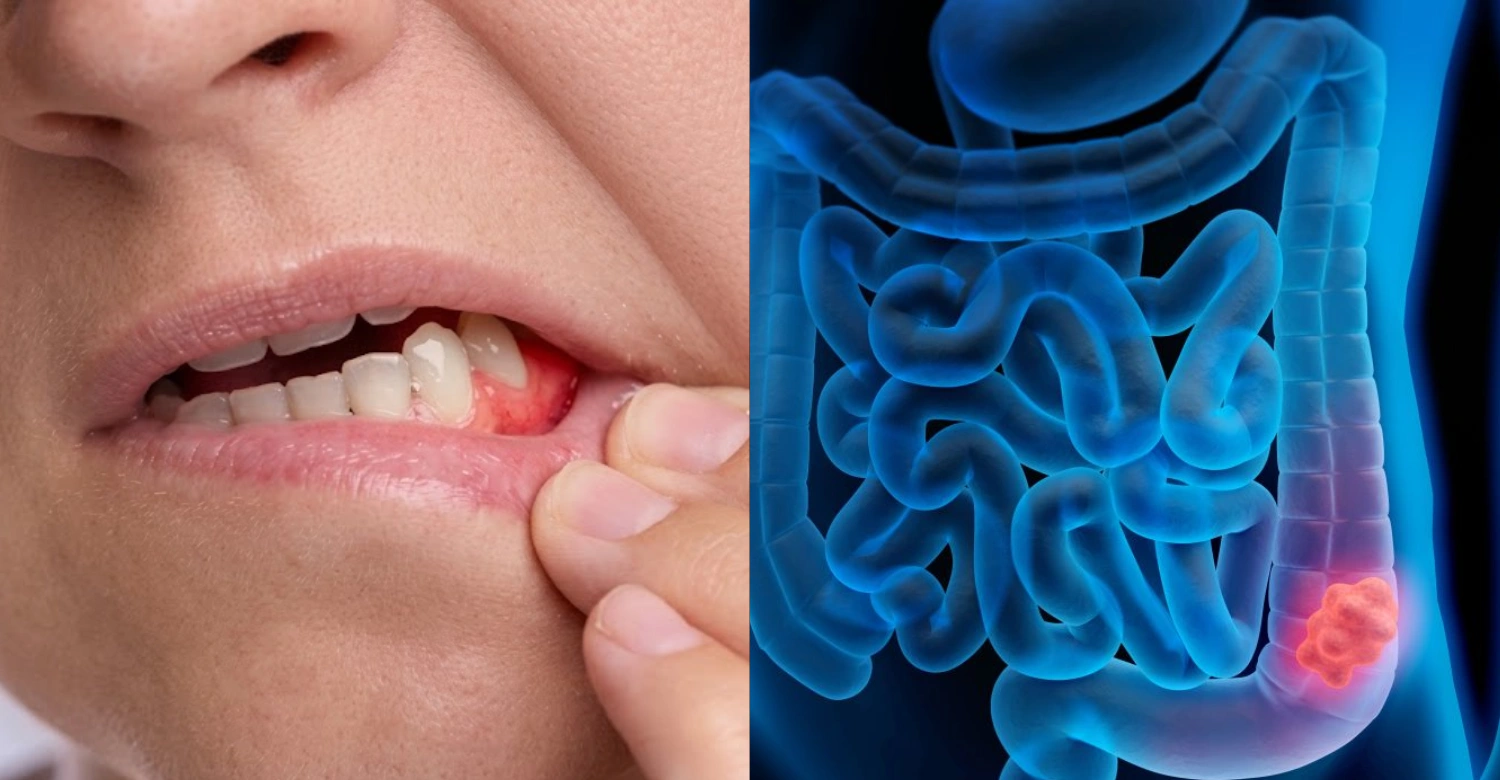
Periodontitis and Colorectal Cancer: Understanding the Risk
Periodontitis and colorectal cancer research looks at whether gum disease severity correlates with colorectal disease patterns. Several shared factors complicate this picture, including smoking, poor diet, diabetes, obesity, age, chronic inflammation, and generally poor overall health. Because these factors influence both periodontal disease and colorectal cancer risk independently, it's difficult to isolate gum disease as a standalone contributor. Researchers try to account for these overlapping variables, but confounding factors remain one of the biggest challenges in interpreting periodontal disease and colorectal cancer risk studies accurately. Still smoking? See exactly how that compounds gum risk in does smoking cause periodontal disease.
Does Having Gum Disease Mean You Will Develop Colon Cancer?
No. Having periodontal disease does not mean a person will develop colon cancer. Gum Disease and Colon Cancer should not be treated as a cause-and-effect pair in a patient's mind. Gum disease should not be treated as a diagnosis or a predictor of colorectal cancer. That said, patients should still address gum disease because of its well-established consequences for oral health including tooth loss, infection, and bone damage. Treating periodontal disease is worthwhile on its own merits. Curious how much this can actually cost you long-term? Read how long you can keep your teeth with periodontal disease.
Who May Need to Pay Particular Attention to Their Oral Health?
Certain patients may benefit from closer attention to gum health. This includes patients with persistent bleeding gums, those with loose teeth or advanced periodontal disease, and patients experiencing recurrent gum infections. Patients managing multiple systemic health concerns, such as diabetes, may also want closer monitoring. Additionally, patients who have avoided dental examinations for several years often have undetected periodontal changes. None of these groups face a confirmed colon cancer risk from gum disease alone, but all can benefit from timely periodontal evaluation. Already noticing looseness? See swollen gum and loose tooth.
Common Signs of Gum Disease Patients Should Not Ignore
Early gum disease often produces subtle warning signs. These include bleeding during brushing or flossing, red or swollen gums, and persistent bad breath. Some patients also notice gum tenderness or increased plaque buildup along the gumline. These symptoms are frequently painless, which is exactly why they get overlooked. Catching gum disease at this early stage, known as gingivitis, is typically far easier to treat and reverse than waiting until symptoms progress into more advanced, structurally damaging periodontal disease. Want the complete symptom checklist? See the symptoms of periodontal disease.
Advanced Periodontal Disease Symptoms
As gum disease progresses, symptoms become more pronounced and harder to reverse. These include visible gum recession, ongoing inflammation, and pus forming around the gumline. Teeth may become loose, and patients sometimes notice changes in how their teeth fit together when biting down. Left untreated, advanced periodontal disease can ultimately lead to tooth loss. Recognizing these signs early gives dental professionals more treatment options and helps prevent irreversible structural damage to the teeth and supporting bone. Wondering just how serious this can become? Read how serious is periodontal disease.
When Should You See a Dentist?
A professional periodontal assessment is warranted as soon as bleeding, swelling, or persistent bad breath appear not just when pain develops. Painless gum disease can still progress silently in the background. Waiting for severe pain is not a reliable approach, since periodontal damage often occurs before discomfort is noticeable. Regular dental visits allow early detection; addressing periodontal symptoms promptly protects long-term oral health regardless of any broader systemic concerns patients may have read about. Not sure if what you're noticing counts? See how to tell if you have periodontal disease.
Tips for Patients
Maintaining periodontal health involves consistent daily habits and regular professional care. These habits matter independent of any Gum Disease and Colon Cancer research findings. The following sections outline practical steps patients can take, from daily hygiene routines to recognizing when bleeding gums require attention rather than avoidance. Small, consistent actions brushing correctly, cleaning between teeth, and attending checkups build the foundation for healthier gums and reduce the likelihood of periodontal disease progressing.
Daily Oral Hygiene
Effective daily hygiene starts with brushing twice daily using fluoride toothpaste. Cleaning between the teeth every day, using floss or interdental brushes, removes plaque that a toothbrush alone can't reach. Because everyone's mouth is different, patients should follow individualized brushing and interdental-cleaning recommendations from their dental provider. Consistency matters more than intensity daily, gentle, thorough cleaning is more effective long-term than occasional aggressive brushing. These habits form the backbone of periodontal disease prevention and support healthier gums overall. Want the full prevention checklist? Read how to prevent periodontal disease.
Do Not Ignore Bleeding Gums
Recurrent bleeding is often a sign of gingival inflammation, not simply a sign of brushing too hard. Rather than avoiding the area or stopping flossing, patients should seek a dental assessment. Avoiding smoking, maintaining a balanced diet, and managing relevant systemic health conditions with appropriate medical care all support gum health. Good oral hygiene remains important even without dental pain. These combined habits help keep periodontal care practical and consistent, rather than reactive. Only seeing it in one spot? See one spot on gums bleeding.
Dental health cannot replace colorectal cancer screening. Gum disease should never be used as a substitute diagnostic tool for colorectal conditions. Patients should follow age- and risk-appropriate screening recommendations from a qualified medical professional, separate from any dental evaluation. While researchers continue studying periodontal disease and colon cancer, screening guidelines for colorectal cancer are established through medical, not dental, protocols. Relying on gum symptoms alone to gauge colorectal cancer risk could delay appropriate, evidence-based medical screening.
How Is Gum Disease Diagnosed?
Diagnosing gum disease starts with a thorough evaluation. This process has no role in diagnosing Gum Disease and Colon Cancer, but it protects oral health directly. This typically includes a review of medical and dental history, a visual gum examination, and an assessment of bleeding and inflammation. Dental professionals also evaluate tooth mobility and measure periodontal pocket depth around each tooth. Together, these findings help determine the stage and severity of periodontal disease and guide an appropriate, individualized treatment plan. Curious what a full diagnostic exam actually involves? See how periodontal disease is diagnosed.
Dental X-Rays and Diagnostic Imaging
Imaging plays an important role in identifying bone loss that isn't visible during a standard visual exam. Dental X-rays can reveal how far periodontal disease has progressed beneath the gumline, including changes to the supporting bone structure. The specific type of imaging used is selected according to each patient's clinical needs, rather than applied uniformly. This targeted approach helps dental professionals confirm diagnosis, track disease progression over time, and plan treatment more precisely. Want to understand the measurement your dentist takes at each visit? Read what a periodontal probe measures.
Assessing the Severity of Periodontal Disease
Periodontal disease exists on a spectrum. Gingivitis refers to early, often reversible gum inflammation, while periodontitis involves more advanced, structural damage. Within periodontitis, cases can range from mild to moderate to advanced involvement, depending on pocket depth, bone loss, and tooth mobility. Because presentation varies significantly between patients, individualized diagnosis is essential. A generic severity label isn't enough treatment planning depends on a detailed, patient-specific assessment of how far the disease has progressed. Not sure which stage you're actually at? Compare gingivitis vs. periodontitis.
Treatment Options for Gum Disease
Professional cleaning plays a central role in controlling plaque and calculus buildup above the gumline. For many patients with early-stage gum disease, routine cleaning is sufficient to manage symptoms and prevent progression. However, when periodontal pockets deepen or inflammation persists, more advanced periodontal treatment may become necessary. Regular professional cleanings, combined with consistent home care, remain one of the most effective ways to keep gum disease from advancing into more serious, harder-to-treat stages. Curious what a professional cleaning actually involves? See periodontal cleaning.
Scaling and Root Planing
Scaling and root planing is a deeper cleaning procedure that removes plaque and calculus deposits from below the gumline, where a standard cleaning can't reach. The root surface is also smoothed to help gum tissue reattach more effectively. The goal is to reduce inflammation and support the gum's natural healing process. This treatment is commonly recommended for patients with moderate periodontal disease, serving as a bridge between routine cleaning and more advanced periodontal intervention. Want the full breakdown of this specific procedure? Read scaling and root planing.
Periodontal Therapy for Advanced Disease
Advanced periodontal disease may require specialist-level management beyond standard cleaning procedures. Treatment planning depends on the extent of bone loss, pocket depth, and overall oral health, so no single procedure applies to every patient. Options are discussed individually based on clinical findings rather than promised in advance. The objective remains consistent: stabilizing the disease, reducing further tissue and bone loss, and preserving as much natural tooth structure as possible for long-term function. Curious what specialist-level treatment actually costs? See periodontal surgery cost.
Periodontal Maintenance
Managing gum disease doesn't necessarily end after initial treatment. Ongoing periodontal maintenance involves regular professional monitoring to catch any recurrence early. Maintenance intervals are personalized based on how a patient responded to initial treatment and their individual risk factors. Skipping these follow-up visits can allow periodontal disease to quietly progress again. Long-term success depends on this combination of professional monitoring and consistent daily home care working together over time. Wondering how long you'll need this kind of monitoring? Read periodontal maintenance.
Can Treating Gum Disease Reduce Cancer Risk?
This is an important question patients often ask directly. Treating periodontal disease has clear, established benefits for oral health, reduced inflammation, preserved teeth, and healthier gums. However, there isn't enough evidence to claim that periodontal treatment prevents colon cancer. Maintaining healthy gums remains valuable for overall wellbeing regardless of this uncertainty. Framing treatment around gum disease cancer risk oversimplifies a complex research area; the stronger, evidence-backed reason to treat gum disease is protecting oral health itself. Want to know if this condition can actually be fully resolved? See is periodontal disease curable.
Clinical Note
Emerging research on gum disease and colon cancer risk should be interpreted with appropriate caution by both patients and providers. This caution applies broadly across Gum Disease and Colon Cancer discussions. Associations found in studies don't equal proven causation, and headlines can overstate preliminary findings. Dental professionals encourage patients to view this research as a developing area of interest rather than a source of alarm. Oral health decisions should continue to be guided by established periodontal principles.
What Dental Professionals Want Patients to Understand
Gum disease and colon cancer is an emerging research topic, not a reason to assume that gum disease causes cancer. Current evidence should be interpreted carefully and in context. Oral health and systemic health are interconnected, but many factors influence cancer development beyond periodontal status. Patients should avoid online claims that present an association as a proven cause. Good oral hygiene, professional dental examinations, and appropriate periodontal treatment remain important regardless of any cancer-related concerns.
When to Seek Medical Advice
Certain symptoms warrant a conversation with a physician rather than a dentist. These include persistent changes in bowel habits, blood in the stool, and unexplained weight loss. Persistent abdominal symptoms also deserve medical attention. Patients with a family history or other recognized colorectal cancer risk factors should discuss appropriate screening with their doctor. While dental professionals can address gum disease, only a physician can evaluate and screen for colorectal cancer symptoms directly.
Gum Disease and Colon Cancer Risk: What Patients Should Remember
Gum Disease and Colon Cancer research remains an evolving area worth understanding, not fearing. Periodontal disease and colorectal cancer have been investigated for possible associations, with chronic inflammation and microbial pathways as ongoing areas of research. Gum disease linked to colon cancer should be described as a research association rather than a confirmed causal relationship. Treating gum disease is still important, since untreated periodontitis can cause significant oral complications on its own. Patients are encouraged to manage oral health alongside appropriate, age-based medical screening.
What We Notice Clinically
Dr. Rifat Alsaman, Head of the Medical Team at Vitrin Clinic and a cosmetic dentist, emphasizes that patients should not view gum disease as an isolated dental issue. Gum Disease and Colon Cancer research reinforces the idea that oral health may be connected to broader wellbeing, even though a direct causal relationship has not been proven. Persistent gum inflammation deserves professional attention, even when there is little or no pain. Dr. Rifat Alsaman stresses the importance of recognizing periodontal problems early, identifying individual risk factors, and establishing an appropriate treatment plan before the condition progresses. While a dental examination cannot diagnose colon cancer, patients experiencing relevant gastrointestinal symptoms should also consult their physician.
How Vitrin Clinic Approaches Patient Dental Care
Vitrin Clinic approaches dental care with a strong focus on comprehensive, patient-centered evaluation. This individualized approach applies to Gum Disease and Colon Cancer concerns just as it does to any other dental issue. Every recommendation follows a thorough examination rather than a one-size-fits-all protocol. Modern diagnostic technology is used where clinically appropriate to support accurate assessment. Clear communication and patient education guide each step of care. Experienced clinical teams assess periodontal and general dental needs closely, and suspected systemic conditions are always referred for collaboration with the patient's wider medical team.
Book a FREE treatment consultation at Vitrin Clinic for a professional assessment of your gum health. Don't wait until gum symptoms become severe early evaluation makes treatment simpler and more effective.
References:
FAQs

Dr. Rifat Alsaman has more than 5 years of clinical experience in dentistry and currently serves as the Head of the Medical Team at Vitrin Clinic. He is dedicated to providing exceptional patient care, overseeing treatment planning, and ensuring the highest clinical standards across the team. His expertise, attention to detail, and commitment to continuous professional development have helped countless patients achieve healthier, more confident smiles.


