General Dentistry
September 9, 2026
Nail Biting Jaw: Can Nail Biting Cause Jaw Pain and TMJ Problems?
 Dr. Rifat Alsaman
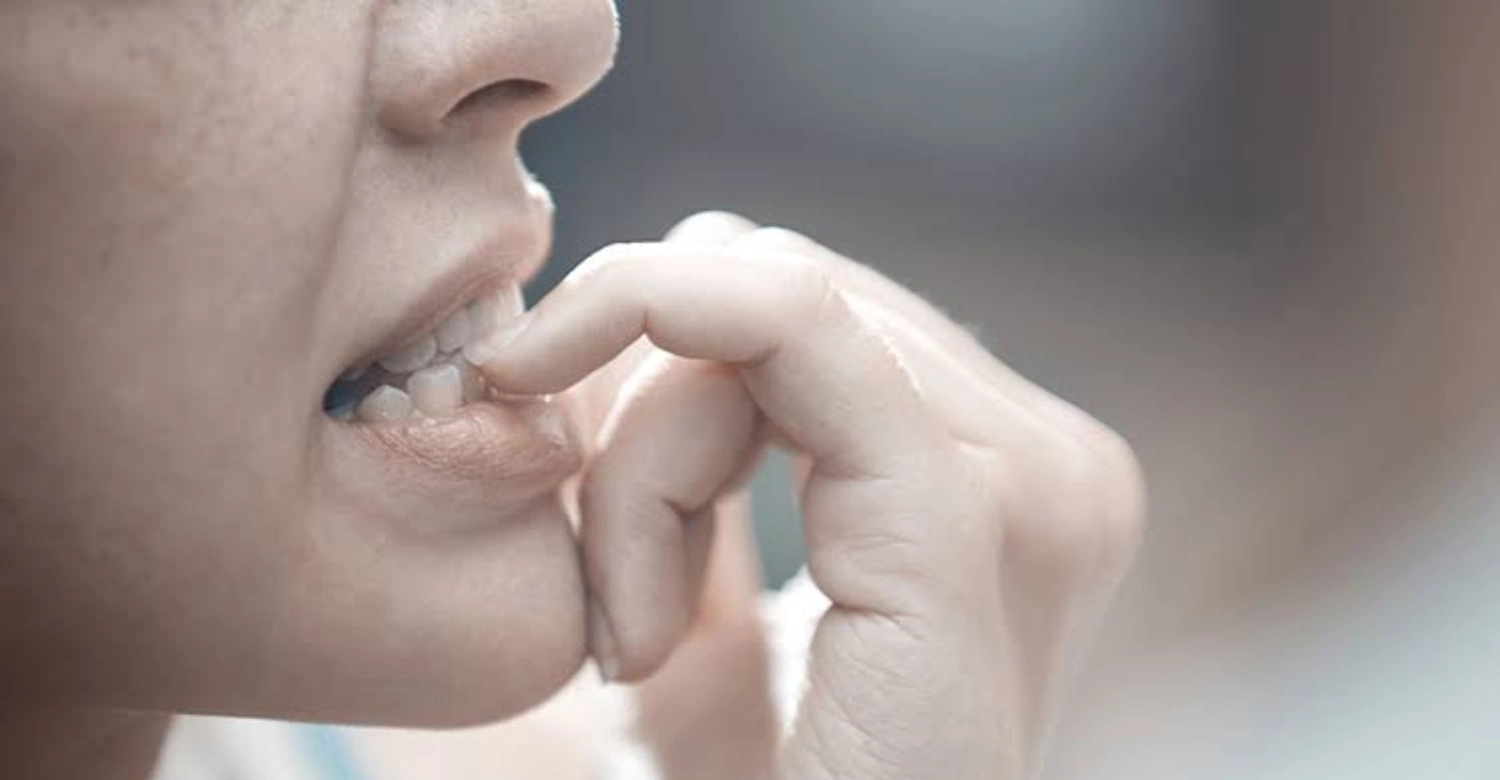
Nail Biting Jaw is a common oral habit that can affect teeth, muscles, and jaw function. Repeated biting creates forces that may place additional stress on the chewing system. This can become more noticeable when the habit occurs frequently or with strong biting pressure. Research has also reported associations between nail biting, tooth wear, and temporomandibular disorder symptoms. However, Nail Biting Jaw does not automatically mean that someone has a TMJ disorder. Jaw symptoms can have several causes, including clenching, grinding, injury, stress, and joint problems. The important factor is the pattern, frequency, force, and duration of the habit. Nail biting affects many people, especially children and adolescents. One pediatric study found nail biting in 37% of surveyed participants aged 3–21 years. A 2024 Cairo study reported Nail Biting Jaw in 21.8% of surveyed children. Understanding the relationship can help patients recognize symptoms earlier and protect oral function.
What Is the Connection Between Nail Biting and the Jaw?
The jaw works through coordinated movement between teeth, muscles, joints, and supporting tissues. Nail biting introduces an unusual repetitive activity into this system. The front teeth usually grip the nail while the jaw stabilizes the biting movement. Repeated contractions can increase muscle activity around the cheeks, temples, and jaw. This does not mean every nail biter develops pain or joint damage. Individual susceptibility varies considerably between patients. People who already clench or grind may experience additional muscular loading. The same applies to people with existing jaw sensitivity or previous joint problems. The relationship is therefore better understood as a possible contributing behavior. It should not be considered a single proven cause of every jaw complaint.
How Nail Biting Puts Pressure on the Jaw
Nail Biting Jaw requires the teeth to apply pressure against a relatively hard object. The jaw muscles stabilize the mandible while the incisors grip the nail. Repeated movements can increase muscular activity compared with normal resting jaw posture. The amount of pressure varies greatly between individuals. Some people bite gently, while others use considerable force. Frequency also matters because repeated exposure gives muscles less opportunity to relax. Long biting sessions may therefore produce temporary muscular fatigue or tenderness. Patients may notice discomfort around the cheeks, temples, or jawline afterward. Strong biting can also place concentrated force on individual teeth. This may contribute to tooth wear or small dental defects over time. Reducing repetitive pressure can help limit unnecessary mechanical stress.
Why Repetitive Biting Can Strain the Jaw Muscles
Jaw muscles are designed for controlled activities such as chewing and speaking. Nail biting introduces repetitive movements that may occur outside normal functional patterns. Muscles can become tired when they contract repeatedly without sufficient recovery. This is similar to other repetitive muscular activities elsewhere in the body. The sensation may include tightness, fatigue, tenderness, or aching. Symptoms can become more noticeable after long periods of biting. Stress may also increase the frequency of unconscious oral habits. Some people may bite their nails while studying, working, concentrating, or feeling anxious. This can create repeated loading without conscious awareness. The clinical significance depends on symptoms and examination findings. A dentist can determine whether muscle tenderness is actually associated with the habit.
Jaw Pressure and Repetitive Oral Habits
Repetitive oral habits include behaviors such as Nail Biting Jaw, object biting, and prolonged gum chewing. These activities can increase muscular activity and alter normal jaw movement patterns. Not every habit produces disease, and many people experience no lasting symptoms. Risk may increase when the habit is intense, frequent, or prolonged. Daily nail biting has been associated with tooth wear in adolescent research. Other studies have also identified associations between harmful oral habits and TMD symptoms. These findings demonstrate association rather than proof of direct causation. A patient's complete clinical picture remains more important than one isolated habit. Reducing unnecessary repetitive pressure is generally a sensible preventive step. Professional evaluation becomes more important when pain, locking, or functional changes develop.
The Role of Teeth and Jaw Position
The teeth provide the contact surface during biting and help guide jaw movement. During nail biting, the front teeth often receive concentrated pressure. The jaw must stabilize while the teeth hold and cut the nail. Repeated positioning may temporarily alter how the muscles coordinate movement. However, occasional Nail Biting Jaw is unlikely to permanently reposition an adult jaw. More significant dental changes depend on several factors and prolonged mechanical forces. Children and adolescents may require closer observation because their dentition is still developing. Tooth position can also influence where biting pressure is concentrated. A dentist can evaluate tooth contacts and identify unusual wear patterns. This examination helps distinguish habit-related effects from unrelated bite characteristics. The goal is accurate diagnosis rather than assuming the habit explains every finding.
Find out more about tight jaw
Can Nail Biting Cause TMJ Problems?
Nail biting may be associated with symptoms involving the jaw muscles and TMJ. Research among adolescents has reported associations between Nail Biting Jaw and TMD signs or symptoms. Another study found nail biting associated with painful TMJ clicking in certain patient groups. However, association does not prove that nail biting independently causes TMD. TMD includes multiple conditions affecting joints, chewing muscles, and surrounding tissues. NIDCR describes more than 30 conditions within the TMD category. Symptoms can arise from multiple biological, behavioral, and psychological factors. Therefore, clinicians should assess the entire patient rather than focusing only on Nail Biting Jaw. Reducing the habit may decrease unnecessary jaw loading in susceptible individuals. Persistent symptoms still require proper dental or medical assessment.
Nail Biting and TMJ Stress
The temporomandibular joints connect the lower jaw with the skull. They work together with several muscles to produce controlled jaw movements. Nail biting creates repeated stabilization and movement during each biting episode. This activity can increase mechanical demand on the chewing system. Some patients may experience muscle fatigue before experiencing actual joint pain. Others may notice clicking, tenderness, or stiffness after repetitive activity. Existing TMD symptoms can also make the habit more uncomfortable. A 2025 NIDCR resource estimates that TMD affects approximately 5% of U.S. adults. NIDCR also notes that prevalence varies according to diagnostic methods. Therefore, statistics should provide context rather than predict an individual's diagnosis.
How Nail Biting May Affect the Temporomandibular Joint
The joint itself is not necessarily damaged whenever repetitive biting occurs. The chewing muscles may absorb much of the additional workload. Joint loading depends on jaw position, biting force, duration, and individual anatomy. Some people can perform the habit without developing noticeable symptoms. Others may experience discomfort because their muscles or joints are already sensitive. Pain can also develop from unrelated conditions occurring at the same time. A proper assessment should therefore examine joint movement, muscles, teeth, and bite. Patients should avoid assuming that every clicking sound represents serious joint disease. Likewise, persistent pain should not be dismissed simply because Nail Biting Jaw is present. Early assessment can help identify the actual source of symptoms.
Jaw Clicking and Popping
Clicking or popping can occur when the jaw moves during opening or closing. Joint sounds are common and do not always indicate painful TMD. The clinical importance increases when sounds occur with pain or functional limitation. Repeated nail biting may coexist with these symptoms in some patients. Research has found associations between Nail Biting Jaw and painful TMJ clicking. However, the relationship is not sufficient to establish direct causation. A dentist can assess whether the sound comes from the joint or surrounding tissues. Patients should also report whether clicking occurs consistently or only occasionally. Locking, severe pain, or restricted movement deserves greater attention. A clinical examination can determine whether further assessment is necessary.
Jaw Tightness and Muscle Fatigue
Jaw tightness may result from repeated contraction of the chewing muscles. Patients can describe the sensation as tension, heaviness, soreness, or fatigue. The cheeks and temples may also feel tender after repetitive biting. Symptoms may become more noticeable during stressful periods. Stress can increase unconscious oral habits and muscle activation. Long periods of nail biting can therefore create repeated muscular work. Resting the jaw may allow temporary muscular fatigue to settle. Persistent tightness requires evaluation because several other conditions can produce similar symptoms. A dentist may palpate the chewing muscles during an examination. This helps determine whether tenderness is localized or generalized.
Pain When Opening or Closing the Mouth
Pain during jaw movement can involve muscles, joints, or surrounding tissues. Patients may notice discomfort when eating, speaking, yawning, or opening widely. Nail biting can add repetitive loading but is not the only possible cause. Trauma, clenching, grinding, inflammation, and other conditions can produce similar symptoms. Pain that repeatedly interferes with eating deserves professional assessment. Limited opening can also indicate a more significant functional problem. Patients should not force the jaw open when movement becomes painful. A dentist can measure opening and evaluate the movement pattern. Additional testing may be recommended when clinical findings suggest joint pathology. Early evaluation can prevent unnecessary self-treatment.
Clinical Note: When Jaw Symptoms Need Evaluation
Jaw symptoms deserve evaluation when they persist, worsen, or affect daily activities. Pain lasting beyond a short period should not automatically be attributed to Nail Biting Jaw. Locking, restricted opening, or significant chewing difficulty deserves prompt attention. Swelling, trauma, severe pain, or sudden functional changes also require assessment. NIDCR identifies jaw pain and difficulty moving the jaw among common TMD features. A clinician should determine whether symptoms involve muscles, joints, teeth, or another structure. The evaluation should also consider clenching, grinding, stress, and previous injuries. At Vitrin Clinic, a comprehensive dental assessment can help identify potential contributing factors. The focus should remain on diagnosis rather than simply treating the visible habit. This approach supports safer and more individualized care.
Get the details on tingling of the mouth
Nail Biting TMJ: What Symptoms Should You Watch For?
Symptoms can range from mild muscle fatigue to persistent jaw dysfunction. Not every symptom means that a person has a TMD. The pattern and persistence of symptoms are more informative than one isolated complaint. Patients should observe whether symptoms appear during or after nail biting. They should also note whether discomfort occurs during normal chewing. Common concerns include jaw tenderness, clicking, headaches, stiffness, and restricted movement. Ear-area discomfort can also occur with some TMD presentations. NIDCR lists jaw pain, stiffness, and painful clicking among common TMD symptoms. Keeping track of symptoms can help clinicians understand potential triggers. A dental evaluation is appropriate when symptoms become persistent or disruptive.
Jaw Pain and Tenderness
Jaw pain may occur in the joint, chewing muscles, or surrounding tissues. Muscular tenderness can develop after repeated or forceful biting. Patients may notice soreness near the cheeks, temples, or jawline. The discomfort may be temporary after a short episode of repetitive activity. Persistent pain requires a broader evaluation because several conditions can cause jaw discomfort. A clinician may check muscle tenderness and jaw movement during examination. They may also examine teeth for wear, fractures, or other damage. The timing of symptoms can provide useful diagnostic information. Pain occurring only after prolonged biting may suggest muscular overuse. Pain occurring throughout the day may require investigation of additional factors.
Clicking or Popping Sounds
Jaw clicking can occur during opening, closing, or chewing. Some clicking is painless and does not require treatment. Painful clicking or clicking combined with locking deserves greater attention. Patients should report when the sound started and whether it has changed. They should also mention previous jaw injuries or dental treatment. Nail Biting Jaw may be one behavior considered during the assessment. Research has identified associations between nail biting and painful TMJ clicking. However, clicking alone cannot establish the cause. Clinical examination remains necessary to determine the significance of the sound. Treatment should be based on symptoms and findings rather than noise alone.
Headaches and Facial Muscle Tension
Jaw muscle tension can sometimes accompany headaches or facial discomfort. The temples contain muscles involved in chewing and jaw stabilization. Repeated oral habits may increase muscular activity in susceptible individuals. Daily Nail Biting Jaw has been associated with headache symptoms in adolescent research. This does not prove that nail biting directly causes headaches. Headaches have many possible causes that require appropriate evaluation. Patients should report frequency, duration, location, and triggers. A clinician can determine whether jaw muscle tenderness accompanies the headaches. Reducing repetitive oral habits may help when they contribute to muscle overload. Persistent or severe headaches require appropriate medical assessment.
Difficulty Opening the Mouth
Limited opening can interfere with eating, speaking, and normal oral care. It may occur with muscle problems, joint disorders, inflammation, or other conditions. Patients should not assume that nail biting alone caused restricted movement. The clinician can measure opening and observe the movement trajectory. They may also assess pain during opening and closing. Sudden locking or major movement restriction should receive prompt attention. NIDCR includes difficulty moving the jaw among important TMD-related symptoms. The assessment may involve both dental and medical considerations. Treatment depends on the identified cause and severity. Self-treatment should not replace professional evaluation when function becomes limited.
Ear-Area Discomfort
The TMJ is located immediately in front of the ear. Problems involving the joint can therefore feel like discomfort around the ear. Patients may describe pressure, aching, or tenderness near this region. Ear symptoms can also arise from conditions unrelated to the jaw. For this reason, ear-area discomfort should not automatically be labeled as TMD. A dentist can evaluate jaw movement and joint tenderness. Medical assessment may also be appropriate when true ear symptoms are present. NIDCR recognizes ear-area pain among symptoms that may accompany TMD. The most useful approach is identifying the underlying cause. Avoiding repetitive oral habits may reduce unnecessary jaw loading while evaluation continues.
Everything you need to know about tinnitus and teeth
Can Nail Biting Change Your Bite?
Long-term oral habits can influence dental forces and tooth wear. However, Nail Biting Jaw does not automatically cause permanent bite changes. The effect depends on duration, intensity, age, tooth position, and individual susceptibility. Front teeth often receive concentrated forces during the habit. Repeated pressure may contribute to wear or minor dental changes in susceptible patients. Children and adolescents may warrant closer monitoring during dental development. A recent study found an association between nail biting and TMD symptoms among children. That study does not prove that the habit permanently changes everyone's bite. A dental examination can identify whether meaningful occlusal changes are present. This distinction helps avoid unnecessary orthodontic or restorative treatment.
How Nail Biting May Affect Your Bite
Biting places forces through the teeth and supporting structures. When the nail is held between the incisors, pressure becomes concentrated on those teeth. Repeated exposure may contribute to localized wear or small structural defects. The bite can also feel different when teeth develop uneven wear. Patients may interpret this sensation as a major alignment change. Clinical examination is necessary to determine whether true movement occurred. A dentist can compare tooth contacts and assess occlusal relationships. Photographs or previous dental records may help identify gradual changes. Children may require periodic monitoring because their dentition continues developing. Stopping the habit can reduce additional mechanical exposure.
Nail Biting and Teeth Alignment
Teeth alignment depends on genetics, growth, eruption, bone support, and oral forces. One habit alone rarely explains a complex orthodontic relationship. Nail Biting Jaw may contribute localized pressure, especially around the front teeth. The effect is more relevant when the behavior is frequent and prolonged. Tooth movement also requires sustained forces over time. Therefore, occasional biting is unlikely to produce dramatic alignment changes. Visible changes should be assessed rather than assumed to come from the habit. A dentist can identify crowding, spacing, rotations, and abnormal tooth contacts. Orthodontic treatment may be considered only when clinically indicated. The primary goal remains controlling the habit and protecting dental structures.
Changes in Tooth Position
Tooth position can change naturally throughout development. External forces may also influence tooth position when they are sustained. Nail biting creates intermittent pressure rather than continuous orthodontic force. Therefore, significant movement should not automatically be blamed on nail biting. Children with persistent oral habits may benefit from regular dental monitoring. Adults should also seek evaluation when they notice new spacing or rotation. A dentist can compare current findings with previous records when available. This provides stronger evidence than visual observation alone. If movement is confirmed, the clinician can investigate multiple contributing factors. Habit reduction remains an important preventive measure.
Uneven Tooth Contact
Uneven tooth contact can result from wear, tooth movement, restorations, or natural variation. Nail Biting Jaw may create localized wear that changes how certain teeth meet. This does not necessarily mean the jaw has structurally changed. A dentist can use clinical examination to assess contact patterns. Patients should mention any new sensation when biting or chewing. They should also report whether one side contacts before the other. The examination can identify whether the change is dental or muscular. Treatment should address the underlying cause rather than simply reshaping teeth. Unnecessary adjustment can remove healthy tooth structure. Conservative diagnosis is therefore especially important.
Pressure on Front Teeth
The front teeth often contact the nail during the habit. This concentrates force on incisors that are not designed for repeated nail cutting. Over time, excessive pressure may contribute to wear or small chips. Research has linked daily nail biting with tooth wear among adolescents. Another study found an association between Nail Biting Jaw and certain noncarious cervical lesions. These findings support careful monitoring of habitual nail biters. They do not mean that every patient will develop permanent damage. Stopping the habit can reduce repeated mechanical stress on vulnerable teeth. Regular dental examinations can detect early changes before they become extensive.
Clinical Note: Recognizing Bite Changes
A perceived bite change should be assessed objectively whenever possible. Patients may notice a different contact pattern after tooth wear or muscular tension. This sensation does not necessarily indicate actual tooth movement. The dentist can evaluate occlusion, tooth surfaces, mobility, and alignment. Previous photographs can provide useful comparisons when available. The assessment should also consider clenching, grinding, orthodontic history, and restorations. This broader approach prevents overdiagnosis based on one symptom. At Vitrin Clinic, bite assessment can be incorporated into a comprehensive dental examination. The treatment plan should remain conservative unless a clear problem is identified. Protecting healthy enamel should always be prioritized.
Read more about tongue function
Nail Biting and Jaw Strain: Why Repetition Matters
Repetition is important because mechanical exposure accumulates over time. A single brief episode rarely creates significant muscular overload. Frequent episodes can repeatedly activate the same muscles throughout the day. Strong biting adds additional force during each episode. Long sessions reduce the recovery time available between contractions. Stress can increase frequency because nail biting may become an unconscious behavior. Research has associated oral parafunctions with TMD signs and symptoms. This supports considering habits during clinical evaluation. It does not prove that every habit causes a specific disorder. The best approach combines habit reduction with symptom monitoring.
How Repetitive Jaw Movements Create Muscle Strain
Muscles need recovery after repeated contractions. Nail Biting Jaw can create repetitive activation of the masseter and other chewing muscles. The intensity depends on how firmly the patient bites. Frequency also determines the total daily workload. Muscle strain may present as soreness, stiffness, or fatigue. Some patients may also experience tension around the temples. Symptoms often become noticeable after prolonged periods of repetitive activity. Resting the jaw can reduce temporary muscular workload. Persistent symptoms require assessment because muscle pain has several possible causes. A clinician can distinguish habit-related tenderness from other disorders.
Jaw Pressure From Prolonged Nail Biting
Prolonged biting exposes teeth and muscles to repeated mechanical forces. The front teeth may experience direct pressure from holding the nail. The jaw muscles stabilize the mandible throughout each biting episode. The longer the behavior continues, the greater the cumulative exposure becomes. This does not establish that permanent joint damage will occur. It does indicate why reducing prolonged repetitive activity is reasonable. Patients can monitor whether discomfort appears after longer biting sessions. They can also identify situations that trigger unconscious biting. Behavioral strategies can then target those specific situations. Professional support may be useful when the habit is difficult to control.
Why Frequency and Duration Matter
Frequency measures how often the habit occurs. Duration describes how long each episode continues. Both factors influence the total mechanical exposure of the jaw. A person who bites briefly once weekly has different exposure from someone biting hourly. Strong force creates another important variable. The combination of high frequency, long duration, and strong force may increase symptoms. This pattern may also increase dental wear. Patients should consider these factors when describing their habit to a dentist. A detailed history can make the clinical assessment more accurate. Habit reduction should focus on reducing total exposure.
Occasional vs. Chronic Nail Biting
Occasional nail biting usually produces less cumulative mechanical exposure. Chronic biting creates repeated contact between teeth, nails, and jaw muscles. Long-term habits may therefore have greater potential for dental consequences. However, individual responses differ considerably. Some chronic biters develop little noticeable dental damage. Others develop wear, chips, tenderness, or functional complaints. Age and tooth development can also influence the effects. A clinical examination is more reliable than judging risk from habit frequency alone. Patients with symptoms should discuss their pattern openly with their dentist. Early intervention can help reduce further exposure.
Strong Biting Force vs. Light Biting
Biting force is an important factor when evaluating repetitive oral habits. Light biting may create minimal mechanical stress for some individuals. Strong biting can place greater pressure on teeth and supporting muscles. Patients may not realize how much force they use. Clues include frequent tooth sensitivity, chips, wear, or muscle fatigue. The dentist can look for patterns consistent with excessive mechanical loading. Strong force combined with frequent biting may justify earlier intervention. Reducing force is useful, but stopping the habit provides greater protection. Behavioral strategies can help patients recognize unconscious episodes. Clinical evaluation remains important when symptoms persist.
What We Notice Clinically
Clinicians often look beyond the visible habit when assessing oral consequences. The examination may reveal tooth wear, small chips, tenderness, or unusual contact patterns. Jaw muscle tenderness can provide additional information about muscular loading. Joint sounds are documented alongside pain and movement limitations. The clinician also considers clenching, grinding, stress, trauma, and dental history. This prevents the habit from being treated as the only possible cause. Research supports an association between nail biting and several oral or TMD findings. Still, each patient requires an individualized diagnosis. At Vitrin Clinic, the assessment can combine dental findings with functional jaw evaluation. The objective is to identify preventable risks and appropriate treatment.
Dr. Rifat Alsaman's Clinical Opinion
Dr. Rifat Alsaman emphasizes that repetitive oral habits should be evaluated according to their clinical effects. The presence of Nail Biting Jaw alone does not establish a TMJ disorder. Assessment should focus on pain, muscle tenderness, tooth wear, joint sounds, and functional limitations. Patients should also describe how often and how forcefully they bite. This information helps clinicians understand the mechanical exposure. Early habit control can reduce unnecessary stress on teeth and jaw muscles. Persistent symptoms should receive professional evaluation rather than prolonged self-management. The most appropriate treatment depends on the findings of the examination. Conservative care is preferred when symptoms are mild and reversible. More specialized treatment may be considered when significant dysfunction is identified.
Learn more about tongue thrust
How Nail Biting Can Affect Teeth and Jaw Function
The teeth and jaw operate as one functional system during biting. Repeated nail biting introduces forces that differ from normal food chewing. The front teeth often receive concentrated pressure during each episode. This can contribute to wear or small chips in susceptible teeth. Muscular activity also increases while the jaw stabilizes the bite. Some studies have reported associations between Nail Biting Jaw and TMD symptoms. These findings do not establish nail biting as a universal cause. Individual risk depends on intensity, frequency, duration, and existing oral conditions. Reducing the habit can protect teeth and reduce repetitive mechanical exposure. Dental monitoring can identify problems before they become more extensive.
Nail Biting Effects on Teeth
Teeth can experience repeated mechanical stress during Nail Biting Jaw. The incisors commonly contact the nail because of their position. Repeated pressure may contribute to small chips, wear, or surface irregularities. The extent depends on the patient's biting technique and frequency. Daily nail biting has been associated with tooth wear in research involving adolescents. Patients may also notice sensitivity when enamel becomes thinner. Not every change requires restorative treatment. A dentist can determine whether damage is active, stable, or unrelated. Preventing continued exposure is often more important than immediately restoring minor wear. Regular examinations can help monitor progression.
Enamel Wear and Chipped Teeth
Enamel is strong but can be damaged by repeated abnormal forces. Nail biting can expose front teeth to concentrated pressure. Small chips may occur when biting force exceeds the strength of vulnerable enamel. Existing restorations can also be affected by repetitive biting. Wear may appear as flattened edges or altered tooth contours. The risk depends on frequency, force, and individual tooth characteristics. Patients should avoid using teeth as tools for cutting or gripping objects. Restorative treatment may be considered when damage affects function or appearance. However, controlling the habit remains essential to prevent repeated damage. A dental examination can determine the most conservative approach.
Increased Pressure on Front Teeth
Front teeth are commonly used during Nail Biting Jaw. They can therefore receive repeated localized forces that differ from normal chewing. This may increase wear when the behavior is frequent. Strong biting can also create stress around existing restorations. Patients with veneers, bonding, or crowns should be particularly careful with repetitive biting habits. A dentist can assess whether existing restorations remain stable. Minor wear may require monitoring rather than immediate intervention. More significant structural damage may require restorative treatment. The priority is reducing continued mechanical stress. Habit control is therefore an important part of protecting dental work.
Oral Habits and Jaw Function
Oral habits include many repetitive behaviors involving teeth, lips, tongue, or jaw. Some habits are harmless when occasional. Others may become problematic when repeated intensely or for long periods. Nail biting is one example of a parafunctional oral behavior. Studies have reported relationships between such habits and TMD symptoms. The relationship is complex because TMD has multiple contributing factors. A patient may have several habits simultaneously. Clenching or grinding may contribute more strongly than Nail Biting Jaw in some individuals. A comprehensive history helps identify the complete behavioral pattern. Treatment should therefore address the factors most relevant to each patient.
The Connection Between Teeth, Muscles, and Jaw Movement
Teeth provide contact while muscles control and stabilize mandibular movement. The TMJs guide movement between the mandible and skull. These structures function together during chewing, speaking, and swallowing. Nail biting introduces a repetitive task that requires coordinated activity. Changes in one component can influence how the others function. However, normal adaptation often occurs without symptoms. Problems become more relevant when pain, wear, or movement restrictions appear. Clinical evaluation helps identify which component is affected. Treatment should target the actual problem rather than an assumed mechanism. This is especially important when symptoms are persistent.
Note : All images used are for editorial and illustrative purposes only and may not originate from the original news provider or associated company.
Explore more on tongue thrust open bite
Can Stopping Nail Biting Relieve Jaw Pain?
Stopping the habit can reduce repetitive mechanical loading on teeth and jaw muscles. If the habit contributes to muscle fatigue, symptoms may improve after exposure decreases. However, improvement is not guaranteed because jaw pain has many potential causes. Existing TMD, clenching, grinding, trauma, or dental problems may continue independently. Patients should monitor symptoms after reducing the habit. Gradual improvement can support a relationship between the behavior and discomfort. Persistent pain still requires professional evaluation. NIDCR notes that many TMD conditions can be temporary or chronic. Therefore, habit reduction should not replace diagnosis when symptoms continue. A combined behavioral and dental approach is often more appropriate.
What Happens When You Stop Nail Biting?
Stopping removes repeated contact between the nails and front teeth. It also reduces the need for repetitive jaw stabilization during the behavior. Muscle activity associated specifically with the habit should decrease. Dental structures receive less abnormal mechanical exposure. Minor muscular fatigue may improve when the habit stops. Existing tooth wear will not automatically reverse. Enamel does not naturally regenerate after significant structural loss. Damaged teeth may require monitoring or restorative care. Patients should also identify triggers that previously caused unconscious biting. Replacing the habit with safer behaviors can support long-term control.
Can Jaw Strain Improve After Breaking the Habit?
Jaw strain may improve when repetitive mechanical loading decreases. This is more likely when the habit contributes substantially to muscular overuse. Improvement may take time because irritated tissues need recovery. Patients should avoid replacing nail biting with another hard-biting habit. Chewing objects or prolonged gum chewing can maintain excessive jaw activity. Gentle jaw use may support normal recovery. Persistent symptoms should be reassessed rather than ignored. A clinician can determine whether another cause is maintaining the discomfort. Behavioral improvement is valuable even when pain has another source. Reducing unnecessary oral stress supports overall dental health.
Reducing Repetitive Jaw Pressure
The first step is identifying situations that trigger biting. Common triggers can include concentration, boredom, stress, or nervousness. Awareness allows patients to interrupt the behavior earlier. Keeping nails short can reduce opportunities for biting. Some patients benefit from behavioral replacement strategies. The goal is to create a safer response to the same trigger. Avoid replacing Nail Biting Jaw with hard object chewing. Patients should also avoid deliberately testing the jaw through repeated movements. Reducing exposure gives teeth and muscles more recovery time. Professional behavioral support may help when the habit is difficult to control.
Allowing Jaw Muscles to Relax
Jaw muscles benefit from avoiding unnecessary repetitive activity. Patients can practice keeping the jaw relaxed when not eating or speaking. The teeth should not remain tightly clenched during rest. Stress management may help reduce unconscious muscle activity. Patients should avoid excessive gum chewing during periods of jaw discomfort. Gentle normal movement is usually preferable to complete immobilization. Severe pain or restricted movement requires professional evaluation. A dentist can determine whether muscle-focused management is appropriate. Recovery depends on the underlying cause and symptom severity. Habit control remains an important preventive measure.
Monitoring Persistent TMJ Symptoms
Symptoms should be monitored after the habit decreases. Patients can record pain frequency, clicking, stiffness, and opening limitations. Changes over time can provide useful information during follow-up. Symptoms that improve suggest reduced exposure may have helped. Symptoms that remain unchanged may indicate another contributing factor. Painful clicking, locking, or significant limitation deserves clinical assessment. NIDCR recommends evaluation when jaw symptoms interfere with normal function. Patients should not rely solely on symptom disappearance to determine joint health. A clinical examination can identify findings that patients cannot detect themselves. This approach supports appropriate and timely care.
Tips for Patients
Start by identifying when nail biting happens most frequently. Use reminders to become aware of unconscious biting episodes. Keep nails trimmed to reduce easy access. Consider replacing the habit with a safer hand activity. Avoid biting pens, hard objects, or other substitutes. Do not deliberately test painful jaw movements. Avoid prolonged gum chewing when jaw muscles feel tired. Pay attention to new tooth chips or changes in biting sensation. Record persistent clicking, locking, or jaw pain. Seek dental advice when symptoms continue or interfere with daily activities. At Vitrin Clinic, patients can discuss both habit-related concerns and dental symptoms during evaluation. Early attention can help reduce preventable dental and functional complications.
Discover more about vitamin a deficiency and tooth development
How Is Jaw Strain From Nail Biting Diagnosed?
Diagnosis begins with a detailed history and clinical examination. The dentist asks about the habit's frequency, duration, intensity, and triggers. Symptoms such as pain, clicking, stiffness, and restricted movement are documented. The teeth are examined for wear, chips, fractures, and abnormal contacts. The jaw muscles are assessed for tenderness and functional abnormalities. The TMJs are evaluated during opening and closing movements. The clinician may also investigate clenching, grinding, trauma, and previous treatment. Imaging is not automatically necessary for every patient. NIDCR notes that TMD diagnosis relies heavily on symptoms and clinical assessment. Testing should therefore be selected according to individual findings.
Dental and Jaw Examination
A dental examination evaluates both visible damage and functional changes. The clinician examines tooth surfaces for wear patterns and chips. They may assess sensitivity and the condition of existing restorations. Jaw movement is observed during opening, closing, and lateral movements. Muscles can be palpated for tenderness or abnormal sensitivity. The TMJs may also be assessed for sounds or pain. The dentist asks about when symptoms began and what triggers them. This information helps distinguish temporary strain from persistent dysfunction. A complete examination is more reliable than self-diagnosis. Treatment decisions should follow the identified clinical findings.
Evaluating Teeth Alignment and Bite
The bite is assessed by observing how upper and lower teeth contact. The dentist can identify crowding, spacing, rotations, and uneven contacts. Tooth wear can also change the way teeth meet. The clinician may compare the current bite with previous dental records. This can help identify whether changes are recent or longstanding. Nail Biting Jaw is considered as one possible mechanical factor. Other causes of bite changes must also be investigated. NIDCR states that research does not support a simple claim that bad bites cause TMD. Therefore, bite findings should not automatically be blamed for jaw pain. Diagnosis should remain evidence-based and individualized.
Checking the Jaw Muscles and TMJ
Muscle assessment focuses on tenderness, pain, and movement patterns. The clinician may examine the masseter and temporalis muscles. The TMJs are evaluated for sounds, tenderness, and movement limitations. Opening range and movement symmetry may also be recorded. These findings help determine whether symptoms appear primarily muscular or joint-related. The distinction can influence treatment planning. A patient may have muscular pain without significant joint pathology. Another patient may have joint symptoms unrelated to nail biting. A careful examination prevents unnecessary treatment. Persistent or complex findings may justify referral or additional investigation.
Medical and Dental History
History provides important context for jaw symptoms. Patients should report previous trauma, orthodontic treatment, restorations, and dental procedures. They should also mention clenching or grinding. Headaches, facial pain, and ear-area symptoms may provide additional clues. The clinician should ask about medication and relevant medical conditions when appropriate. Habit triggers can also reveal behavioral patterns. The timing of pain relative to Nail Biting Jaw is particularly useful. A detailed history helps identify competing explanations. It also prevents the clinician from assuming one cause too quickly. Good diagnosis begins with good information.
Occlusal Assessment
Occlusal assessment examines how teeth contact during normal closure and movement. The dentist looks for premature contacts and unusual wear patterns. The assessment can identify whether tooth damage may influence contact. However, occlusion should not automatically be considered the cause of TMD. NIDCR reports that evidence does not support that simple causal relationship. The assessment is instead one component of a broader examination. Findings should be interpreted alongside symptoms and muscle or joint findings. Conservative management is preferred when no significant dysfunction exists. Unnecessary bite adjustment can remove healthy dental structure. Clinical judgment is therefore essential.
When Imaging May Be Considered
Imaging is usually considered when clinical findings suggest a specific indication. Not every patient with clicking or mild discomfort needs imaging. Imaging may help evaluate certain joint or structural abnormalities. The choice depends on symptoms, examination findings, and clinical questions. Advanced imaging should not be used simply because a patient reports nail biting. The clinician first determines whether imaging can change diagnosis or management. This approach reduces unnecessary procedures and costs. NIDCR describes clinical evaluation as an important part of TMD diagnosis. Patients should discuss the purpose of any recommended imaging. A targeted approach supports more appropriate care.
Clinical Note: Why the Cause of Jaw Pain Matters
Jaw pain has many possible causes. Nail biting may be relevant, but it should not automatically receive the blame. Clenching, grinding, trauma, arthritis, muscle disorders, and other conditions can cause symptoms. Some patients may have several contributing factors at once. Accurate diagnosis helps prevent unnecessary or ineffective treatment. It also helps identify habits that can be modified. Research shows associations between Nail Biting Jaw and TMD symptoms in some populations. These findings support asking about the habit during history taking. They do not justify diagnosing TMD based solely on nail biting. A complete clinical assessment remains essential.
Dive deeper into when to stop pacifier
How Is Nail Biting Jaw Pain Treated?
Treatment depends on the cause, severity, and functional impact of symptoms. The first step is usually reducing the behavior that creates unnecessary mechanical stress. Dental damage may require monitoring, bonding, or other restorative treatment. Muscular discomfort may improve with habit reduction and conservative management. Persistent TMD symptoms require treatment based on the specific diagnosis. NIDCR notes that many TMD conditions improve without invasive treatment. Patients should therefore avoid assuming that surgery is necessary. The treatment plan should be individualized after examination. At Vitrin Clinic, dental and functional findings can be considered together. The objective is to protect teeth while improving comfort and jaw function.
Reducing or Stopping the Nail-Biting Habit
Habit control is an important part of prevention. Patients first need to identify triggers and unconscious biting patterns. Behavioral replacement strategies can help interrupt the cycle. Keeping nails short may reduce opportunities for biting. Some patients benefit from reminders or habit-awareness techniques. Stress management may also help when emotional triggers are involved. Persistent habits may benefit from professional behavioral support. The aim is not merely cosmetic nail improvement. Reducing biting can also decrease repetitive dental and jaw loading. Progress should be monitored rather than judged by perfection.
Managing Jaw Muscle Strain
Muscle-related discomfort may improve after repetitive activity decreases. Patients should avoid unnecessary chewing or hard-object biting during recovery. Resting the jaw from excessive activity may reduce muscular workload. The exact management depends on examination findings. Some patients may require additional conservative therapies. Persistent pain should not be treated indefinitely without diagnosis. A clinician can determine whether the problem is muscular or joint-related. The treatment should address the underlying mechanism whenever possible. Patients should follow individualized professional instructions. Self-treatment should not delay evaluation of severe symptoms.
Treating Associated Dental Damage
Dental damage depends on its type and severity. Minor wear may only require monitoring and habit control. Small chips may sometimes be repaired conservatively. Larger fractures can require restorative treatment. Sensitivity may require assessment of enamel loss or dentin exposure. Existing restorations should be evaluated when repetitive biting continues. Treatment should preserve as much healthy tooth structure as possible. Stopping the habit reduces the risk of repeated damage. Regular dental examinations help monitor progression. The appropriate restoration depends on function, structure, and cosmetic needs.
Managing TMJ Symptoms When Necessary
TMD treatment should be based on the specific diagnosis. Many cases can be managed conservatively. Approaches may include education, behavior modification, and symptom-focused care. More specialized interventions may be considered for selected conditions. The treatment should match the underlying joint or muscle problem. NIDCR emphasizes that TMD represents many different conditions rather than one disease. Therefore, there is no single treatment for every patient. Patients should avoid irreversible treatment without a clear clinical indication. Follow-up helps determine whether symptoms are improving. Persistent dysfunction may require specialist assessment.
Behavioral Habit Management
Behavioral management focuses on awareness and habit interruption. Patients learn to recognize triggers before biting begins. Alternative hand activities can replace repetitive behavior. Short nails can reduce the opportunity for biting. Stress-related triggers may benefit from relaxation or behavioral techniques. The approach should be practical enough for daily life. Family support can be useful for children and adolescents. Repeated reminders should remain supportive rather than punitive. The goal is sustainable behavior change. Successful habit control can reduce repeated dental and jaw stress.
Dental Treatment for Bite or Tooth Damage
Dental treatment depends on the actual structural findings. Minor wear may require observation rather than immediate restoration. Chipped enamel may sometimes be repaired with conservative bonding. More extensive damage may require crowns or other restorations. Orthodontic treatment is considered only when genuine alignment problems exist. Bite adjustment should never be performed without clear clinical justification. The dentist should identify the cause before selecting treatment. Stopping the habit remains essential after restorative treatment. Otherwise, repeated forces may damage new dental work. Regular follow-up supports long-term protection.
TMJ-Focused Care When Clinically Indicated
TMJ-focused treatment is considered when examination confirms relevant joint dysfunction. The exact approach depends on symptoms and diagnosis. Conservative measures are often considered before invasive procedures. Patients may receive education about jaw habits and functional loading. Persistent or complex cases may require specialist referral. Imaging may be selected when it answers a specific clinical question. Treatment should avoid unnecessary irreversible procedures. The patient's symptoms and functional limitations should guide decisions. Follow-up is important for evaluating response. Nail Biting Jaw should be addressed alongside other contributing behaviors.
What We Notice Clinically
Clinical findings can reveal whether the habit is causing measurable dental consequences. Dentists may identify incisor wear, chips, tenderness, or abnormal contact patterns. Muscle tenderness can indicate increased functional loading. Joint sounds are interpreted according to pain and movement limitations. The patient's history helps determine whether symptoms follow biting episodes. Other habits should also be investigated during the same evaluation. This includes clenching, grinding, chewing objects, and prolonged gum use. Research has found associations between several oral habits and TMD symptoms. The findings support comprehensive assessment rather than habit-focused assumptions. Individual diagnosis remains the foundation of appropriate care.
Dr. Rifat Alsaman's Clinical Opinion
Dr. Rifat Alsaman recommends evaluating repetitive biting habits according to measurable dental and functional findings. Jaw pain should not automatically be attributed to nail biting. The examination should assess muscles, joints, teeth, bite, and movement. Patients should explain their habit frequency and typical biting force. This information helps identify possible mechanical contributors. Early habit control may reduce unnecessary stress on vulnerable teeth. Persistent symptoms should receive professional evaluation. Treatment should remain conservative when clinical findings are mild. More advanced care should only follow an appropriate diagnosis. Patient education remains an important part of long-term prevention.
Explore more on teeth hurt when sick with flu
When Should You See a Dentist About Nail Biting and Jaw Pain?
A dentist should evaluate symptoms that persist or interfere with daily function. Pain that repeatedly returns deserves attention. Jaw locking or restricted opening is particularly important. Noticeable changes in the bite should also be assessed. Chipped or significantly worn teeth require dental examination. Painful clicking may require evaluation when it persists. Headaches with jaw tenderness can also justify assessment. NIDCR identifies pain and difficulty moving the jaw among important TMD symptoms. Early assessment can distinguish temporary strain from a more persistent disorder. Professional advice can also help patients stop the underlying habit.
Persistent Jaw Pain
Persistent pain should not be ignored simply because Nail Biting Jaw is present. Jaw pain can result from muscular, joint, dental, or other causes. The duration and intensity of symptoms are important clinical information. Pain that affects eating or speaking deserves prompt evaluation. A dentist can assess both dental and jaw structures. They may also investigate clenching, grinding, or previous trauma. Treatment should follow the identified cause. Self-treatment may be insufficient when symptoms continue. At Vitrin Clinic, patients can receive a structured dental and functional assessment. Early diagnosis can help guide appropriate management.
Recurrent Jaw Clicking or Popping
Occasional painless clicking does not always require treatment. Repeated painful clicking deserves closer attention. Patients should note whether the sound occurs with opening or closing. They should also report associated pain or locking. Clinical examination can determine whether the sound originates from the TMJ. Nail biting may be documented as a potential contributing behavior. Research has found associations between nail biting and painful TMJ clicking. However, clicking alone does not establish a diagnosis. The decision to treat depends on symptoms and function. Professional assessment is preferable to self-diagnosis.
Jaw Locking or Limited Opening
Jaw locking can indicate a functional problem requiring evaluation. Patients may feel that the jaw suddenly cannot open or close normally. Limited opening can also make eating and dental care difficult. The symptom should not be repeatedly forced through painful movement. A clinician can assess movement range and joint function. They may determine whether the problem is muscular or joint-related. Additional testing can be considered when clinically justified. Early evaluation can help identify appropriate management. Persistent limitation should never be dismissed as simple Nail Biting Jaw. Prompt professional assessment is particularly important after sudden onset.
Noticeable Bite Changes
A new bite sensation can result from several factors. Tooth wear, movement, restorations, or muscle changes may influence perception. Nail biting is only one potential mechanical contributor. A dentist can evaluate whether actual tooth movement has occurred. Previous dental records can help establish changes over time. Patients should describe when the new sensation began. They should also report any associated pain or chewing difficulty. Treatment should address confirmed findings rather than perceived causes alone. Conservative management is preferred when no significant structural problem exists. Professional evaluation can provide reassurance or identify necessary treatment.
Chipped or Worn Teeth
Chipped teeth should be examined even when the damage appears minor. Repeated Nail Biting Jaw can continue stressing an already weakened edge. Wear patterns can also provide evidence of repetitive mechanical exposure. The dentist can determine whether restoration is necessary. Minor defects may sometimes be monitored. More significant damage may require restorative care. Habit control remains essential after treatment. Otherwise, repeated biting can compromise repaired areas. Patients should avoid using teeth to cut or grip objects. Regular dental checks can help prevent progressive damage.
Learn more about daytime mouth guard for clenching teeth
How Vitrin Clinic Evaluates Nail Biting Jaw Problems
Vitrin Clinic can approach these concerns through a comprehensive dental evaluation. The assessment considers teeth, bite, jaw movement, muscles, and reported symptoms. The goal is to identify whether the habit has produced measurable effects. Patients can discuss the frequency and triggers of their nail biting. Dental findings are considered alongside jaw symptoms. This helps distinguish habit-related effects from unrelated conditions. The evaluation can also identify tooth damage requiring preventive care. When appropriate, additional diagnostic assessment may be recommended. Treatment planning should reflect the patient's specific clinical findings. The focus remains prevention, function, comfort, and long-term oral health.
Comprehensive Dental and Bite Assessment
A comprehensive assessment begins with the teeth and surrounding structures. The dentist checks for wear, chips, fractures, sensitivity, and restorations. The bite is evaluated during normal closure and jaw movements. The clinician also asks about discomfort during chewing or opening. Muscle tenderness and TMJ sounds may be assessed. The habit itself is documented as part of the history. Previous dental records can provide useful comparisons. This information helps determine whether changes are recent. Vitrin Clinic can use these findings to develop an individualized assessment. The purpose is accurate diagnosis rather than automatic treatment.
Evaluating Teeth Alignment and Jaw Function
Alignment assessment considers tooth position and functional contacts. The clinician examines whether teeth show crowding, rotation, spacing, or unusual wear. Jaw function is assessed through controlled opening and closing movements. Any deviation, restriction, or discomfort is documented. These findings help distinguish dental alignment from muscular or joint symptoms. Nail biting is considered within the overall clinical history. A single oral habit rarely explains every alignment characteristic. Treatment should therefore address confirmed problems only. Conservative monitoring may be appropriate when findings are minimal. Vitrin Clinic can incorporate these factors into treatment planning.
Personalized Treatment Planning
Treatment should reflect the patient's symptoms and examination results. Some patients may need only habit-management advice and monitoring. Others may require restorative care for damaged teeth. Patients with confirmed TMD may need additional management. The treatment plan should explain why each recommendation is necessary. Preventive strategies should address the cause whenever possible. Patients should also understand expected outcomes and follow-up needs. A personalized plan avoids unnecessary procedures. It can also prioritize the most urgent dental or functional concerns. Vitrin Clinic emphasizes individualized planning based on clinical assessment.
Identifying Habit-Related Dental Damage
The clinician looks for patterns consistent with repetitive biting. Front-tooth wear can indicate repeated localized pressure. Small chips may suggest mechanical stress or previous trauma. Restoration damage can also provide useful information. The dentist considers whether findings match the patient's reported habit. Other causes must still be excluded. The timing and progression of damage are particularly important. Photographs can help monitor changes over time. Preventive advice may be given before restorative treatment. The objective is to stop ongoing damage whenever possible.
Determining Whether TMJ Assessment Is Needed
Not every patient who bites nails requires a detailed TMJ workup. Assessment becomes more relevant when symptoms involve pain, clicking, stiffness, or limited movement. The clinician also considers headaches and muscle tenderness. Existing TMD history can increase the importance of evaluation. The decision should be based on symptoms and examination findings. Routine habit control remains useful even without TMJ symptoms. Patients should report any changes after stopping the habit. Persistent symptoms can then be investigated more thoroughly. Vitrin Clinic can determine whether additional jaw assessment is appropriate. This helps keep diagnosis focused and clinically justified.
Discover more about chewing gum teeth
Why Choose Vitrin Clinic for Jaw and Dental Evaluation?
Vitrin Clinic combines dental assessment with individualized treatment planning. Patients with repetitive oral habits may have both dental and functional concerns. A complete assessment can identify these issues together. The focus is on preserving healthy tooth structure and normal function. Patients can discuss habit triggers and symptoms openly. The clinical team can evaluate teeth, bite, muscles, and jaw movement. Modern diagnostic tools may support assessment when clinically indicated. Treatment recommendations should remain proportional to the actual findings. Preventive care can help reduce future dental damage. Vitrin Clinic aims to provide a patient-focused approach from diagnosis through follow-up.
Patient-Focused Diagnosis
Patient-focused diagnosis begins with listening to the complete history. The clinician should understand when the habit occurs and what symptoms follow. Pain location, duration, and triggers provide useful information. Dental findings are then compared with the reported symptoms. This helps create a more accurate clinical picture. Patients should feel comfortable reporting habits without embarrassment. Honest information improves diagnostic accuracy. The treatment plan can then target the most relevant risk factors. Vitrin Clinic can integrate these findings into individualized dental care. The objective is effective treatment without unnecessary intervention.
Modern Dental Technology
Modern dental technology can support detailed examination and treatment planning. Digital imaging can assist when specific diagnostic questions arise. Digital photographs can document changes in tooth appearance over time. Other diagnostic tools may help assess dental structures and treatment requirements. Technology should support clinical judgment rather than replace it. Not every patient requires advanced imaging or scanning. The appropriate technology depends on symptoms and examination findings. Vitrin Clinic can select diagnostic tools according to individual needs. This approach helps avoid unnecessary testing. It also supports clearer communication between clinician and patient.
Personalized Treatment Plans
Every patient's oral habits and symptoms are different. Some patients may have no dental damage despite frequent biting. Others may develop chips, wear, sensitivity, or jaw discomfort. Treatment should reflect these differences. A personalized plan may combine habit control with dental monitoring. Restorative treatment may be considered when structural damage exists. Jaw-focused management may be added when clinically indicated. Follow-up allows clinicians to monitor improvement and identify new concerns. Vitrin Clinic can tailor recommendations according to examination findings. The goal is sustainable oral health rather than temporary symptom relief.
Preventing Further Tooth and Jaw Damage
Prevention is one of the most valuable goals of treatment. Stopping repetitive biting reduces ongoing mechanical exposure. Protecting teeth can prevent minor defects from becoming larger problems. Monitoring jaw symptoms can identify persistent dysfunction earlier. Patients should also avoid substituting Nail Biting Jaw with hard-object chewing. Good oral hygiene should continue alongside habit management. Regular dental examinations help identify changes before they become extensive. Patients with existing restorations may require closer monitoring. Vitrin Clinic can provide preventive recommendations based on individual risk. Early action can reduce the need for more extensive treatment later.
Conclusion About Nail Biting Jaw
Nail biting is a common oral habit that can place repeated forces on teeth and jaw muscles. Research has associated the habit with tooth wear and TMD-related symptoms in some populations. However, an association does not prove that Nail Biting Jaw directly causes TMD. Jaw pain can develop from many muscular, joint, dental, behavioral, and medical factors. The most important warning signs include persistent pain, painful clicking, locking, limited opening, and tooth damage. Reducing the habit can lower unnecessary mechanical stress. Patients should seek professional evaluation when symptoms persist or affect daily function. A complete examination can identify whether the jaw, muscles, teeth, or another structure is involved. Vitrin Clinic can support patients through assessment, prevention, and individualized dental treatment. Early attention can help protect both dental structures and comfortable jaw function.
Reference
FAQs
Dr. Rifat Alsaman has more than 5 years of clinical experience in dentistry and currently serves as the Head of the Medical Team at Vitrin Clinic. He is dedicated to providing exceptional patient care, overseeing treatment planning, and ensuring the highest clinical standards across the team. His expertise, attention to detail, and commitment to continuous professional development have helped countless patients achieve healthier, more confident smiles.


.webp&w=3840&q=75)