General Dentistry
September 9, 2026
Chewing Ice Teeth: Damage, Cracks, and How to Protect Your Smile?
 Dr. Rifat Alsaman
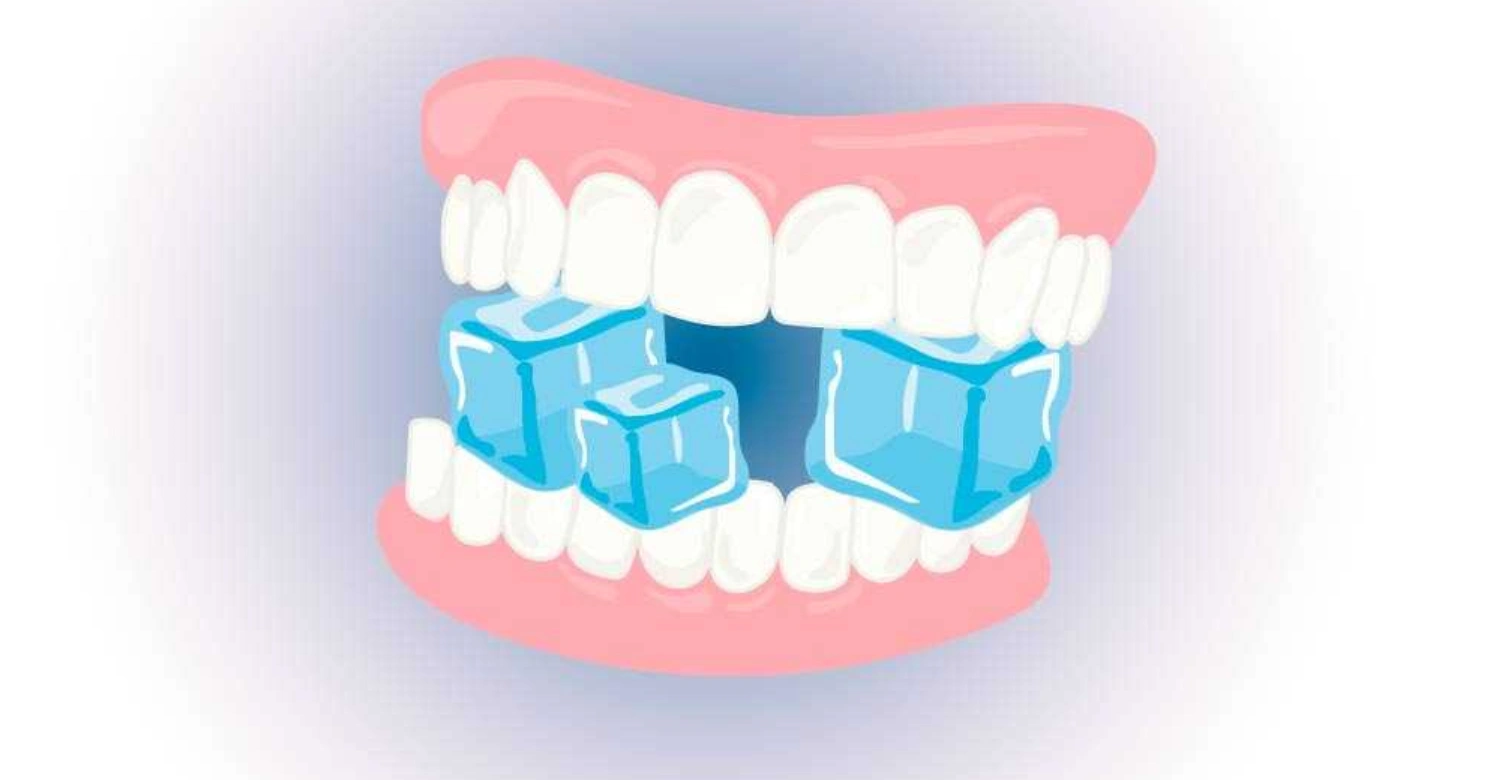
Chewing Ice Teeth damage often begins subtly. Chewing ice may seem harmless, especially when it becomes part of your daily routine. However, repeated pressure from hard ice can place significant stress on tooth structure. The risk becomes greater when teeth already contain cracks, large fillings, crowns, or weakened areas. Ice can chip enamel, damage restorations, and contribute to tooth fractures. Some people also develop sensitivity or pain after repeated exposure to extremely cold temperatures. Chronic ice chewing may have another important connection. Persistent cravings can occur with iron deficiency and are sometimes called pagophagia. Understanding the causes and warning signs helps you protect your smile. Early dental evaluation can identify damage before a small crack becomes a larger fracture. Vitrin Clinic focuses on preventive assessment and personalized restorative care for damaged teeth.
What Does Chewing Ice Do to Your Teeth?
Regularly biting hard ice exposes teeth to repeated mechanical stress. Ice can also create sudden temperature changes inside the mouth. Together, these factors can increase discomfort and contribute to structural damage. The risk depends on biting force, frequency, tooth condition, and existing restorations. Healthy teeth are strong, but they are not designed for repeated impact against extremely hard objects. A tooth with an existing crack can be particularly vulnerable. The American Association of Endodontists notes that cracked teeth may produce unpredictable pain during chewing. Temperature sensitivity can also develop when internal tissues become irritated. Stopping the habit reduces unnecessary mechanical stress. A dental examination is appropriate when pain, sensitivity, chips, or visible cracks develop.
Why Is Ice So Hard on Teeth?
Chewing Ice Teeth problems can escalate without warning. Ice is hard enough to create concentrated forces when it contacts a tooth. The force becomes greater when someone deliberately bites down rather than allowing ice to melt. Repeated impacts can place stress on enamel and underlying tooth structures. Existing restorations may also experience damaging pressure. Fillings and crowns can chip when exposed to excessive biting forces. The temperature of ice creates another challenge. Sudden cold exposure can trigger sensitivity when dentin becomes exposed. However, mechanical pressure is generally the greater concern with active chewing. The combination becomes particularly problematic when teeth already contain microscopic defects. Avoiding direct biting is therefore an important preventive measure.
How Chewing Ice Puts Pressure on Teeth
Biting ice creates a concentrated load between opposing teeth. The pressure becomes higher when the ice is positioned between specific tooth surfaces. Repeated loading can stress enamel and dentin over time. Teeth with previous restorations may respond differently because restorative materials have different mechanical properties. A weakened tooth can therefore be more susceptible to additional damage. Cracks can sometimes remain unnoticed before symptoms develop. The National Institute of Dental and Craniofacial Research explains that tooth cracks may be difficult to detect clinically. Repetitive habits can make existing cracks more problematic. Removing the habit gives vulnerable teeth an opportunity to avoid additional mechanical stress.
Chewing Ice Teeth and Enamel Damage
Enamel is the highly mineralized outer layer protecting the tooth. It is extremely hard, but it can still crack, chip, or wear under damaging forces. NIDCR explains that enamel cannot heal itself like living tissues such as skin or bone. Early mineral changes are different from structural cracks. Saliva can help remineralize early mineral loss, especially when fluoride is available. However, a structural enamel fracture cannot simply regenerate naturally. Small chips may require smoothing or bonding depending on their location. Larger defects can require more extensive restoration. Protecting remaining enamel therefore becomes important after repeated exposure to hard objects.
Read more about thumb sucking teeth
Can Chewing Ice Damage Your Teeth?
Chewing Ice Teeth risk increases with frequent hard biting. Yes, repeated ice chewing can damage teeth, particularly when the habit is frequent or forceful. Potential problems include enamel chips, cracks, fractured cusps, sensitivity, and restoration damage. Cleveland Clinic specifically warns that chronic ice chewing can be detrimental to teeth. The risk increases when a tooth already contains a crack. A small structural defect can spread when exposed to repeated biting forces. Symptoms may initially appear only during chewing. Later, temperature sensitivity or spontaneous pain can develop. Not every person who chews ice will develop a fracture. Individual tooth strength and existing dental conditions influence the outcome. Nevertheless, avoiding the habit is safer than repeatedly testing tooth strength.
Chewing Ice Damage and Tooth Structure
A tooth contains enamel, dentin, cementum, and internal pulp tissue. Each layer performs a different protective or functional role. Enamel absorbs much of the external force placed on the crown. Dentin lies underneath and contains microscopic tubules connected with sensitivity. When structural damage reaches deeper layers, discomfort can become more noticeable. Cracks can also create movement between parts of the tooth during biting. This movement may irritate the pulp. The American Association of Endodontists describes chewing pain and temperature sensitivity as common symptoms associated with cracked teeth. Early assessment can help determine whether damage remains superficial. Treatment depends on the crack's depth, direction, location, and effect on the pulp.
Enamel Damage From Ice Chewing
Repeated impact can create microscopic defects within enamel. Some defects remain cosmetic and cause no symptoms. Others can develop into chips or larger structural cracks. Enamel itself cannot biologically regenerate after a true fracture. NIDCR emphasizes that damaged enamel cannot heal itself in the same way living tissues heal. However, early mineral loss can respond differently. Saliva and fluoride can support remineralization before cavitation occurs. This distinction matters when discussing prevention. Not every visible line represents serious structural damage. Dentists evaluate the appearance, location, depth, symptoms, and surrounding tooth structure. Avoiding hard chewing habits remains the simplest protective strategy.
Can Chewing Ice Cause Cracked Teeth?
Chewing Ice Teeth injuries range from minor chips to severe fractures. Yes, forceful biting can contribute to tooth cracking, especially when teeth already contain structural weaknesses. NIDCR identifies biting down forcefully on very hard objects as one possible cause of tooth cracks. Cracks can vary considerably in severity. Some remain superficial and produce no symptoms. Others extend deeper and cause pain during chewing or temperature exposure. A cracked tooth may become increasingly vulnerable to repeated mechanical stress. The American Association of Endodontists recommends evaluation when symptoms suggest a possible crack. Early diagnosis can improve the opportunity for conservative treatment. Once a crack extends significantly, treatment becomes more complex.
Minor Enamel Cracks
Small enamel lines are commonly called craze lines. They often affect the outer enamel without extending deeply into the tooth. Many craze lines produce no symptoms. They can become more visible with age and repeated tooth use. Not every line indicates an urgent dental problem. However, a professional examination can distinguish harmless lines from clinically significant cracks. Repeated ice chewing may place additional stress on teeth containing existing defects. That makes habit modification particularly important. Dentists may monitor minor lines when they remain asymptomatic and stable. Treatment becomes more likely when symptoms, structural instability, or significant cosmetic concerns appear.
Cracked Teeth
A cracked tooth usually involves a deeper fracture extending from the chewing surface toward the root. The tooth may remain partially intact despite the crack. Symptoms can include inconsistent pain during chewing and sensitivity to cold. Pain may sometimes occur when biting pressure is released. This pattern can make diagnosis challenging. Cracks may also be difficult to visualize during routine examination. Dentists can use magnification, transillumination, staining, bite tests, and other diagnostic methods. Treatment depends on the extent and location of the fracture. Early evaluation gives the dentist more options for protecting the tooth.
Tooth Fracture and Breakage
Chewing Ice Teeth concerns deserve attention from any dental provider. A fracture represents more extensive structural separation than a superficial enamel line. A severely fractured tooth may lose part of its crown. In some cases, fractured portions can move independently. NIDCR describes complete tooth fractures as situations where fractured parts move independently. Severe fractures may compromise the pulp or extend below the gumline. Such damage can make the tooth difficult or impossible to restore. Treatment may involve bonding, a crown, root canal therapy, or extraction. The appropriate treatment depends on the tooth's remaining structure. Prompt assessment is especially important after sudden breakage.
Learn more about tongue thrust open bite
What Are the Signs of Chewing Ice Damage?
Damage may appear gradually rather than immediately. Early symptoms can include sensitivity, discomfort while biting, or rough tooth surfaces. A small chip may be visible when looking closely in a mirror. Some people notice that one tooth suddenly reacts differently to cold drinks. Others experience intermittent pain that disappears shortly after chewing stops. Cracked teeth can produce unpredictable symptoms. Persistent symptoms should not be ignored. A dental examination can determine whether the problem involves enamel, dentin, pulp, or an existing restoration. Early evaluation may prevent further structural deterioration.
Tooth Sensitivity
Chewing Ice Teeth patterns often go unnoticed until symptoms appear. Sensitivity can occur when dentin becomes exposed or the pulp becomes irritated. Cold drinks may cause a brief sharp sensation. Persistent or worsening sensitivity deserves professional evaluation. A cracked tooth can sometimes cause temperature-related symptoms. Sensitivity alone does not prove that ice caused structural damage. Cavities, gum recession, worn enamel, and loose restorations can produce similar symptoms. Dentists therefore evaluate the entire tooth rather than relying on one symptom. Avoiding ice chewing while symptoms are investigated can reduce additional stress. Using appropriate toothpaste for sensitivity may also provide temporary comfort.
Pain When Biting
Pain during chewing is an important warning sign. Cracked teeth can produce sharp or inconsistent pain when pressure is applied. Some patients notice discomfort when releasing their bite. This symptom can also occur with decay, loose restorations, or pulp inflammation. A dentist may perform controlled bite tests to identify the affected tooth. NIDCR describes biting tests and other clinical methods as useful components of crack evaluation. Avoid chewing on the painful side until evaluation occurs. Continued pressure may worsen an existing structural defect.
Chipped or Cracked Teeth
A visible chip may occur when enamel breaks away from the tooth. Small chips may cause little discomfort. Larger chips can expose dentin and increase sensitivity. Cracks may appear as visible lines, although many are difficult to see without professional examination. NIDCR notes that tooth cracks can be challenging to diagnose. Photographs cannot reliably determine crack depth. A dentist may use magnification and transillumination during assessment. Treatment depends on how much tooth structure remains. Avoiding further hard chewing protects the damaged area from additional stress.
Increased Cold Sensitivity
Chewing Ice Teeth stress accumulates gradually over time. Cold sensitivity can develop after structural damage exposes dentin. It can also occur when the pulp becomes irritated by a deeper crack. A short response does not automatically indicate severe damage. Lingering or increasing sensitivity requires closer assessment. The American Association of Endodontists lists temperature sensitivity among common cracked-tooth symptoms. Other causes include decay and recent dental treatment. Your dentist can distinguish these possibilities through clinical testing. Avoiding direct ice contact is sensible while symptoms continue. Persistent symptoms should be evaluated rather than managed only with home remedies.
Rough or Worn Tooth Surfaces
A chipped tooth may feel rough when your tongue passes across it. Repeated hard chewing can also contribute to surface wear. Rough areas can collect plaque more easily than smooth enamel. They may also irritate the tongue or cheek. A dentist can polish minor irregularities when appropriate. Larger defects may require bonding or another restoration. NIDCR emphasizes the importance of maintaining tooth structure and preventing further damage. Avoiding hard objects is therefore an important preventive step.
Find out more about teeth feel tight
Why Do People Chew Ice?
Ice chewing can develop for several different reasons. Some people enjoy the texture and cold sensation. Others develop the behavior during stress, boredom, or concentration. Frequent ice cravings can also occur with iron deficiency. The behavior becomes more concerning when it feels compulsive. Daily chewing may indicate an underlying medical or behavioral factor. Identifying the reason can make stopping easier. Dental treatment alone may not eliminate the underlying craving. A healthcare professional can investigate persistent ice cravings when appropriate. Dental professionals can simultaneously assess damage caused by the habit.
Ice Chewing as a Dental Habit
Chewing Ice Teeth habits can affect anyone at any age. Habits often become automatic through repetition. A person may begin chewing ice occasionally before developing a daily routine. The sensation can become associated with relaxation or stimulation. Repetition increases cumulative mechanical exposure. The teeth may receive hundreds of unnecessary impacts over time. Stopping the habit reduces this avoidable stress. Behavioral replacement strategies can make the change easier. Drinking through a straw may also reduce direct contact with ice. Allowing ice to melt provides the cold sensation without deliberate biting.
Stress, Boredom, and Repetitive Habits
Some people chew ice during periods of stress or boredom. Repetitive oral habits can provide sensory stimulation or temporary distraction. NIDCR recognizes stress and emotional factors as contributors to other repetitive oral behaviors, including bruxism. Ice chewing may similarly become an automatic response for some individuals. Identifying when the behavior occurs can reveal useful patterns. Common triggers include working, studying, watching television, or feeling anxious. Replacing the behavior with a safer activity may reduce frequency. The goal is to remove mechanical stress while addressing the trigger.
Ice Chewing and Pica
Persistent ice craving is called pagophagia. It is considered a form of pica involving an unusual craving for ice. Cleveland Clinic notes that ice cravings can be associated with iron deficiency. The exact biological reason remains uncertain. Not everyone who chews ice has anemia. However, frequent or sudden cravings should not automatically be dismissed. Healthcare providers may recommend blood testing when iron deficiency is suspected. Treating an underlying deficiency may reduce the craving. Dental evaluation remains important when prolonged chewing has affected tooth structure.
When Frequent Ice Chewing Needs Medical Attention
Chewing Ice Teeth complications range from sensitivity to fractures. Daily or compulsive ice chewing deserves more attention than occasional chewing. Persistent cravings may be associated with iron deficiency or other factors. Symptoms such as fatigue, dizziness, pale skin, or shortness of breath can strengthen the reason for medical evaluation. These symptoms are not diagnostic by themselves. Blood testing can determine whether iron deficiency or anemia is present. Dental evaluation should also occur when sensitivity, pain, chips, or cracks develop. Addressing both the medical trigger and dental consequences provides a more complete approach.
Learn more about when to stop pacifier
Which Teeth Are Most at Risk From Ice Chewing?
Any tooth can potentially experience damage from excessive biting forces. However, risk varies according to tooth position and existing structural condition. Front teeth may receive direct biting forces when ice is held between incisors. Molars can experience high chewing forces because they naturally handle stronger loads. Teeth containing large restorations may have altered structural strength. Previously cracked teeth are especially concerning because additional force can extend an existing defect. Individual risk therefore depends on more than tooth location. A dental examination can identify vulnerable areas before major damage develops.
Front Teeth and Incisors
Chewing Ice Teeth awareness helps patients seek care sooner. Incisors are commonly used for cutting food. Some people also use them to bite ice. Direct impact can concentrate force along the incisal edge. This may contribute to small chips or enamel fractures. Front teeth can also have previous trauma or cosmetic restorations. Such factors may increase vulnerability. Avoiding hard biting protects the visible front teeth from unnecessary damage. Minor chips can sometimes be repaired conservatively. Larger fractures may require more extensive restoration. A dentist should assess any sudden change in shape or sensitivity.
Molars and Premolars
Molars and premolars withstand substantial chewing forces naturally. Their chewing surfaces contain grooves and cusps that distribute pressure. Ice can place unusually concentrated forces on these structures. Cracks may develop around cusps or existing restorations. The American Association of Endodontists describes fractured cusps and cracked teeth as distinct clinical conditions. Posterior cracks may be difficult to see without magnification. Pain while chewing can provide an important warning. Early assessment may help preserve remaining tooth structure.
Teeth With Fillings or Crowns
Restored teeth require particular care when chewing hard objects. Large fillings can change how forces are distributed across a tooth. Crowns can also chip or fracture under excessive pressure. Cleveland Clinic specifically warns that ice chewing can damage fillings, crowns, and other restorations. A restoration may fail even when the surrounding tooth structure appears healthy. Patients with multiple restorations should therefore avoid deliberate ice chewing. Any sudden rough edge or bite change deserves dental assessment.
Previously Cracked or Weakened Teeth
Chewing Ice Teeth cases are frequently seen in general dental practice. A previously cracked tooth is more vulnerable to additional mechanical stress. Existing defects can progress when repeated forces continue. A tooth weakened by extensive decay may also have reduced structural resistance. Previous root canal treatment can change the tooth's restorative needs. The exact risk depends on remaining tooth structure and restoration design. Cracked teeth may remain asymptomatic before symptoms suddenly appear. Patients with known cracks should avoid hard foods and ice. Prompt professional evaluation can determine whether protective restoration is appropriate.
Discover why my back teeth keep biting my cheek
Can Chewing Ice Cause a Tooth Fracture?
Forceful biting on hard ice can contribute to tooth fractures. Risk is particularly concerning when a tooth already contains cracks or structural weaknesses. A fracture may begin as a small defect before becoming clinically significant. Repeated loading can encourage crack progression. NIDCR identifies excessive biting forces on hard foods or objects among causes associated with tooth cracks. Not every fracture is immediately painful. Some teeth remain functional until the crack reaches deeper structures. This makes prevention important even when symptoms are absent. Patients should stop the habit after noticing any dental discomfort.
How Tooth Fractures Happen
Fractures occur when applied forces exceed the tooth's ability to resist them. The direction and concentration of force influence the resulting damage. Existing cracks can act as weak points within the tooth. Repeated chewing creates additional loading cycles. Temperature changes can also contribute to repeated expansion and contraction. The combination may make a compromised tooth more vulnerable. A fracture can extend through enamel and dentin toward the pulp. Severe cracks may extend toward or below the gumline. Treatment depends heavily on the fracture's location and depth.
Types of Cracks Caused by Hard Foods
Chewing Ice Teeth signs should never be dismissed as minor. Dental cracks vary from superficial enamel lines to severe structural fractures. The American Association of Endodontists identifies craze lines, fractured cusps, cracked teeth, split teeth, and vertical root fractures. Each category has different implications. Superficial lines may require observation rather than restoration. Deeper cracks may need protective treatment. A split tooth can have limited treatment options. Vertical root fractures can also present major restorative challenges. Accurate classification is therefore essential before choosing treatment.
Craze Lines
Craze lines are shallow cracks limited primarily to enamel. They are common and often produce no symptoms. Many do not require restorative treatment. However, their appearance can cause cosmetic concerns. A dentist can evaluate whether a line is superficial or extends deeper. Magnification and transillumination may assist the examination. Continued hard chewing is unnecessary even when the lines appear harmless. Prevention can reduce additional stress on the enamel. Any new pain or sensitivity should prompt reassessment.
Cracked Teeth
A cracked tooth has a fracture extending from the chewing surface toward the root. The tooth remains connected but can become increasingly unstable. Pain may occur during biting or when releasing pressure. Cold sensitivity may also occur. Early diagnosis is important because the crack can progress. Treatment may include a crown when sufficient tooth structure remains. If the pulp becomes irreversibly inflamed, root canal treatment may be required. A crack extending below the gumline can make extraction necessary.
Chipped Teeth
Chewing Ice Teeth prevention starts with recognizing the habit. A chip involves loss of part of the tooth structure. Small enamel chips may be treated with smoothing or bonding. Larger chips can expose dentin and cause sensitivity. The appropriate restoration depends on the amount of missing structure. Cosmetic concerns also influence treatment for front teeth. Patients should avoid biting hard foods until assessment occurs. A new chip can sometimes indicate a larger underlying structural problem. Professional evaluation helps distinguish isolated enamel damage from deeper fractures.
Split Teeth
A split tooth occurs when a crack progresses enough to separate the tooth into distinct segments. This represents advanced structural damage. Treatment options become more limited as the fracture progresses. NIDCR explains that complete fractures can occur when fractured portions move independently. Depending on the tooth and fracture location, part of the tooth may sometimes be retained. In other cases, extraction becomes necessary. Early evaluation offers the best opportunity to prevent progression.
Clinical Note
Chewing Ice Teeth outcomes vary depending on individual tooth strength. Clinical assessment should focus on symptoms, crack location, tooth structure, and existing restorations. A visible line does not automatically indicate a severe fracture. Conversely, a painful cracked tooth may have no obvious visible defect. NIDCR notes that many cracks are difficult to diagnose even with multiple clinical techniques. Dentists may use magnification, transillumination, periodontal probing, staining, and vitality testing. Bite tests can help identify symptomatic teeth. Radiographs may help exclude other conditions or reveal certain fracture patterns. Treatment should therefore follow diagnosis rather than appearance alone.
Dr. Rifat Alsaman's Clinical Opinion
Dr. Rifat Alsaman emphasizes the importance of identifying the cause behind repeated tooth damage. A patient who continues biting ice may repeatedly stress newly restored teeth. Preventive advice should therefore accompany restorative treatment. The objective is not simply repairing a chip. It is also reducing the behavior that contributed to the damage. Patients with sensitivity or biting pain should receive an individualized examination. Early intervention can sometimes preserve more natural tooth structure. Vitrin Clinic can combine diagnosis, prevention, and restorative planning according to individual dental needs.
Read more about tongue thrust
How Is Chewing Ice Damage Diagnosed?
Diagnosis begins with a detailed dental examination and symptom history. The dentist asks when discomfort started and which activities trigger it. Information about ice chewing frequency can help identify potential mechanical causes. The examination may include visual inspection and magnification. Bite tests can help locate pain associated with suspected cracks. Cold testing may assess pulpal response. Transillumination can sometimes reveal structural discontinuities. Radiographs can help evaluate surrounding structures and exclude alternative causes. NIDCR notes that multiple techniques may be necessary because cracks can be difficult to detect. Advanced imaging may be considered in selected cases. Diagnosis should always consider other causes of sensitivity or pain.
Dental Examination
Chewing Ice Teeth research continues to inform preventive dentistry. The dentist first evaluates tooth surfaces, restorations, gums, and surrounding tissues. Magnification can make subtle defects easier to identify. The dentist may look for chips, crack lines, worn surfaces, and restoration defects. Bite relationships can also provide useful information. A history of repeated ice chewing may support a mechanical explanation. However, other causes must still be excluded. Decay, bruxism, trauma, and loose restorations can produce similar symptoms. A complete assessment prevents premature conclusions. Treatment recommendations should follow the clinical findings.
Bite and Sensitivity Tests
Bite testing can help identify a tooth that hurts under controlled pressure. Sensitivity testing evaluates how the pulp responds to temperature. Cracked teeth may produce characteristic responses during biting or cold exposure. The AAE describes biting pain and temperature sensitivity among common cracked-tooth symptoms. Testing should be performed systematically. The dentist compares the suspected tooth with neighboring teeth. This comparison helps identify abnormal responses. Results are interpreted alongside examination findings rather than independently.
Dental X-Rays
Dental radiographs can help evaluate bone, roots, restorations, and other structures. Many cracks are not directly visible on conventional radiographs. NIDCR explains that radiographs can still help exclude other pathology and identify some crack patterns. This limitation is important for patients. A normal X-ray does not necessarily mean a tooth is crack-free. Clinical examination remains essential. Additional imaging may be considered when symptoms remain unexplained. The dentist chooses imaging according to the suspected problem.
Advanced Diagnostic Imaging
Chewing Ice Teeth evaluation should be part of every relevant checkup. Advanced imaging can provide additional information in selected cases. Three-dimensional imaging may help evaluate complex dental anatomy. However, not every crack is visible through advanced imaging. The decision depends on symptoms, clinical findings, and treatment needs. Excessive imaging is not automatically better. Dentists should choose diagnostic technology when it can answer a specific clinical question. Vitrin Clinic can incorporate modern diagnostic methods into individualized assessment. The objective remains accurate diagnosis with appropriate treatment planning.
What We Notice Clinically
Clinically, patients often focus on the visible chip rather than the underlying cause. The absence of visible damage does not guarantee that a tooth is structurally healthy. Cracks may produce intermittent symptoms before becoming obvious. NIDCR describes tooth cracks as challenging to diagnose because several methods may be required. Another important observation is restoration vulnerability. Fillings and crowns can be damaged by repeated hard chewing. Preventive counseling should therefore be included with restorative care. Identifying the habit can reduce the chance of repeated damage.
Dr. Rifat Alsaman's Clinical Opinion
Dr. Rifat Alsaman recommends evaluating both the damaged tooth and the patient's chewing behavior. A restoration may solve the immediate problem without eliminating the mechanical trigger. Patients should understand how repetitive hard chewing affects vulnerable teeth. The treatment plan should consider tooth structure, symptoms, restorability, and long-term function. Vitrin Clinic emphasizes individualized assessment before recommending restorative procedures. Preventive education remains an important component of successful dental care.
Explore more about stress oral habits
How to Stop Chewing Ice and Protect Your Teeth
Chewing Ice Teeth discussions are common during routine visits. Stopping the habit is the most direct way to reduce mechanical stress. Some patients can stop immediately once they understand the dental risks. Others need gradual behavioral replacement. The first step is identifying when and why the chewing occurs. Replacing ice with a safer sensory activity can reduce automatic chewing. Allowing ice to melt provides cold stimulation without hard biting. Drinking chilled beverages without chewing the ice can also help. If cravings are persistent, medical evaluation may be appropriate because iron deficiency can contribute to pagophagia. Dental evaluation is also important when symptoms already exist.
Replace Ice Chewing With Safer Habits
Replacing the behavior can make stopping more realistic. Sip cold drinks rather than biting the ice inside them. Using sugar-free gum when chewing provides sensory satisfaction. Choose softer foods when you need something to chew. Keep ice away from the front of your mouth. These strategies reduce opportunities for automatic biting. Behavioral changes work best when linked to specific triggers. If you chew ice while working, keep the ice outside your immediate reach. If cravings remain intense, discuss them with a healthcare professional.
Avoid Biting Hard Foods
Chewing Ice Teeth exposure adds up with every bite. Hard foods can create similar mechanical stresses. Avoid deliberately biting hard candy, bones, or other extremely hard objects. Nuts should be eaten carefully rather than aggressively crushed with individual teeth. The goal is not to eliminate every firm food. Instead, avoid using teeth as tools. Existing cracks can progress under repeated mechanical loading. Cutting food into manageable pieces can reduce excessive force. Good chewing technique protects vulnerable teeth.
Identify Your Ice-Chewing Triggers
Track when the urge appears. Notice whether boredom, stress, concentration, or particular drinks trigger the behavior. Identifying patterns makes replacement strategies easier. Some people discover that they chew ice mainly during work or study. Others associate ice with specific beverages. Changing the environment can reduce automatic behavior. Using a bottle without loose ice can also remove the trigger. Persistent cravings should be discussed with a healthcare provider. This is particularly relevant when the habit feels compulsive.
Let Ice Melt Instead of Chewing It
Allowing ice to melt provides cold stimulation without direct biting. This simple change can reduce mechanical stress substantially. Hold the ice away from the biting surfaces. Alternatively, choose chilled water without ice. Cold drinks can still provide the refreshing sensation many people enjoy. Patients with sensitivity should avoid prolonged exposure to extreme cold. If cold causes sharp or lingering pain, dental evaluation is appropriate. Temperature sensitivity can have several possible causes, including cracked teeth and exposed dentin.
Tips for Patients
Chewing Ice Teeth injury patterns often mirror other hard-biting habits. The safest approach is to avoid deliberately chewing hard ice. Patients with known cracks should be particularly careful. Do not ignore new sensitivity after repeated ice chewing. Schedule an examination when pain, chips, or biting discomfort develops. Avoid chewing on a tooth that suddenly becomes painful. Maintain regular brushing and interdental cleaning. Fluoride toothpaste can support enamel protection and reduce decay risk. NIDCR recommends fluoride as an important tool for preventing tooth decay. Ask your dentist about individualized preventive care.
Avoid Chewing Ice Regularly
Occasional accidental contact is different from deliberately chewing ice every day. Repeated chewing creates cumulative mechanical exposure. Chronic habits can also damage restorations. The safest choice is allowing ice to melt. Patients who struggle to stop should identify triggers. Persistent cravings may warrant medical assessment. Dental professionals can evaluate existing damage simultaneously.
Drink Cold Beverages Without Biting the Ice
Cold drinks do not require chewing. Remove ice before drinking when possible. Use chilled beverages from the refrigerator instead. This maintains the refreshing temperature without direct hard contact. Patients with cold sensitivity should monitor their symptoms. Lingering sensitivity can indicate a deeper dental problem. Avoid repeatedly testing the painful tooth with cold substances.
Protect Teeth With Existing Damage
Chewing Ice Teeth trends are worth monitoring in long-term patients. Known cracks require protection from additional biting forces. Avoid ice, hard candy, and other very hard foods. Follow any temporary dietary recommendations provided by your dentist. Do not attempt to smooth or repair a broken tooth yourself. A damaged tooth may need stabilization. Early treatment can sometimes prevent further structural progression.
Get a Dental Checkup After a Crack or Chip
A new chip deserves assessment when it occurs after forceful biting. The dentist can determine whether the damage is superficial or deeper. Symptoms should be documented because they can guide diagnosis. Cracks may be difficult to identify without specialized clinical techniques. Early assessment can help protect remaining tooth structure.
Learn more about how long after eating should you brush your teeth
Note : All images used are for editorial and illustrative purposes only and may not originate from the original news provider or associated company.
How Is Tooth Damage From Chewing Ice Treated?
Treatment depends on the location and severity of damage. Minor enamel irregularities may require observation or polishing. Small chips can often be repaired with dental bonding. Larger fractures may require crowns or other restorations. If the pulp becomes irreversibly inflamed, root canal treatment may be necessary. Severe fractures extending below the gumline can make extraction unavoidable. Treatment should therefore be based on diagnosis rather than symptoms alone. The patient's bite, restoration history, and remaining tooth structure also matter.
Treating Minor Enamel Damage
Chewing Ice Teeth episodes can happen without conscious awareness. Minor enamel changes may not require extensive treatment. The dentist may smooth a sharp edge or monitor the area. Preventive counseling is important when a damaging habit continues. Fluoride can support remineralization of early mineral loss. However, fluoride cannot regenerate enamel that has been structurally fractured. NIDCR distinguishes remineralization from repair of damaged tooth structure. Regular examinations help monitor progression.
Dental Bonding for Small Chips
Dental bonding can restore small chips using tooth-colored resin. It can improve both function and appearance. The procedure is usually conservative because little natural structure needs removal. Suitability depends on chip size, location, bite forces, and remaining enamel. Patients who continue chewing hard objects may damage the bonding material. Preventive behavior changes therefore remain important. A dentist can explain whether bonding provides adequate protection.
Restoring Cracked or Fractured Teeth
Chewing Ice Teeth effects are not always immediately visible. Treatment for cracked teeth varies significantly. A protective restoration may help stabilize a tooth when enough structure remains. Root canal therapy may be needed when the pulp becomes irreversibly damaged. Severe cracks may become unrestorable. The AAE emphasizes that treatment depends on crack type, location, and extent. Early intervention can improve the likelihood of maintaining function.
Dental Crowns for Weakened Teeth
Crowns can protect teeth that have lost significant structural strength. They cover the remaining tooth and help distribute functional forces. Crowns may be considered after substantial fractures or root canal treatment. The dentist must first determine whether the tooth is restorable. A crown cannot reliably save a tooth with an untreatable root fracture. Proper diagnosis remains essential before restoration.
Root Canal Treatment for Deep Damage
Deep cracks can irritate or infect the pulp. Root canal treatment removes damaged pulp tissue and seals the internal space. A crown may then protect the remaining tooth structure. Not every cracked tooth requires root canal treatment. The decision depends on pulp status and fracture characteristics. Persistent temperature sensitivity or spontaneous pain may indicate pulpal involvement. Professional testing is necessary before treatment.
When Tooth Extraction May Be Necessary
Chewing Ice Teeth warnings apply to both children and adults. Extraction may be considered when a fracture extends below the gumline. Some severe split teeth also cannot be predictably restored. The AAE explains that certain cracks extending below the gumline make a tooth non-restorable. Extraction is therefore generally a last-resort treatment. The dentist should evaluate whether any predictable method can preserve the tooth. Replacement options can be discussed when extraction becomes necessary.
Discover more about drill free tooth decay treatment
Can Enamel Damage From Chewing Ice Be Repaired?
True structural enamel damage cannot regenerate naturally. Enamel differs from living tissues because mature enamel lacks cells capable of rebuilding lost structure. NIDCR states that damaged enamel cannot heal itself like skin or bone. Early mineral loss is different. Saliva and fluoride can help restore minerals during early demineralization. Professional treatments can also protect weakened surfaces. Chips and fractures require restorative solutions when clinically necessary. Prevention remains the most effective strategy after damage occurs.
Can Tooth Enamel Heal Naturally?
Enamel can remineralize when mineral loss is still reversible. Saliva supplies calcium and phosphate that support mineral balance. Fluoride can enhance resistance against acid-related demineralization. However, a physically fractured piece of enamel cannot grow back. NIDCR emphasizes this distinction clearly. Therefore, prevention and early intervention are essential. Patients should not assume that a crack will disappear naturally.
Professional Treatment for Enamel Damage
Chewing Ice Teeth vulnerability increases with existing dental work. Dentists can assess whether damage involves mineral loss or structural fracture. Fluoride treatment may support early mineral repair. Bonding can restore small chips. Larger defects may require veneers, crowns, or other restorations depending on location. Treatment should preserve as much natural tooth structure as possible. The underlying cause should also be addressed. Continuing the damaging habit can compromise future restorations.
How to Protect Remaining Enamel
Use fluoride toothpaste and maintain consistent oral hygiene. Avoid repeatedly exposing teeth to excessive mechanical stress. Do not use teeth to open packages or break hard objects. Reduce frequent exposure to acidic drinks that can soften enamel. NIDCR recommends fluoride and regular oral hygiene for protecting teeth from decay. Dental checkups help identify early changes before they become extensive.
Explore the connection between oral health and systemic disease
Chewing Ice vs. Hard Foods: What Is More Harmful?
Both ice and extremely hard foods can expose teeth to excessive forces. The risk depends on hardness, chewing force, frequency, tooth condition, and restoration status. Hard candy can remain in contact with teeth for extended periods. Nuts can generate substantial force when bitten aggressively. Ice has an additional temperature component. However, mechanical force remains a major concern with deliberate ice chewing. Cleveland Clinic warns that even forceful chewing can fracture vulnerable teeth. The safest principle is avoiding deliberate biting on extremely hard objects.
Ice Chewing vs. Hard Candy
Chewing Ice Teeth precautions matter most for restored teeth. Hard candy can create significant dental stress when bitten. Sugar exposure creates an additional cavity risk when candy is consumed frequently. Ice does not contain fermentable sugar, but it creates mechanical stress. Therefore, the risks differ rather than one always being worse. Hard candy combines mechanical and dietary concerns. Ice primarily creates mechanical and temperature-related concerns. Avoid deliberately biting both. Allow hard candy to dissolve instead of crushing it with teeth.
Ice Chewing vs. Nuts
Nuts are generally less problematic when chewed normally. However, extremely hard nuts or shells can create excessive forces. Never bite nut shells directly. Patients with cracked teeth should follow softer dietary recommendations. The condition of the tooth matters more than the food label alone. A weakened tooth can fracture under forces that healthy teeth tolerate. Proper chewing technique reduces unnecessary loading.
Ice Chewing vs. Other Hard Foods
Chewing Ice Teeth safety starts with understanding the risks. Other hard foods can also stress vulnerable teeth. Examples include popcorn kernels, hard candy, bones, and unpopped grains. The common issue is excessive force. Teeth should process food rather than function as tools. Existing restorations can increase concern because they may chip under extreme pressure. Cleveland Clinic specifically identifies restoration damage as a potential consequence of chronic ice chewing.
Dental Habits That Increase Tooth Fracture Risk
Several habits can increase mechanical stress on teeth. These include nail biting, pen chewing, opening packages with teeth, and bruxism. NIDCR notes that bruxism can contribute to chipped, cracked, and worn teeth. Combining several hard-chewing habits can increase cumulative stress. Identifying all contributing behaviors improves prevention. Dental counseling should therefore consider the patient's complete oral habits.
What We Notice Clinically About Chewing Ice Teeth
One important clinical observation is that symptoms may not match crack severity. A small visible defect can be harmless, while an invisible crack can cause significant pain. NIDCR notes that cracks can be difficult to diagnose even using multiple clinical techniques. Another observation involves restorations. Patients may damage crowns or fillings before noticing damage to natural tooth structure. Repeated ice chewing should therefore be discussed during dental history taking. Prevention becomes particularly important after restorative treatment. A repaired tooth still requires protection from excessive mechanical forces.
Clinical Note
Chewing Ice Teeth guidance from a dentist can prevent lasting harm. The clinical priority is determining whether symptoms originate from a crack, decay, pulp inflammation, restoration failure, or another condition. Cold sensitivity alone does not establish a diagnosis. Pain when biting can provide stronger evidence of structural problems. However, multiple conditions can produce similar symptoms. A systematic examination improves diagnostic accuracy. Patients should describe the exact trigger, duration, and location of pain.
Dr. Rifat Alsaman's Clinical Opinion
Dr. Rifat Alsaman recommends treating the underlying behavior alongside the dental problem. Repairing a damaged tooth without changing the habit may allow repeated injury. Patients should understand the relationship between excessive biting forces and tooth structure. Preventive education can help protect restorations and natural teeth. Vitrin Clinic can develop individualized plans based on clinical findings and patient goals.
Learn more about electrolyte drinks and dental health
When Should You See a Dentist After Chewing Ice?
Dental evaluation is recommended when symptoms persist after stopping the habit. Sudden pain deserves attention, especially when it occurs during biting. Persistent cold sensitivity can indicate dentin exposure or pulpal irritation. A visible crack or chip should also be examined. Swelling requires prompt attention because it may indicate infection. The AAE recommends professional evaluation when cracked-tooth symptoms occur. Early diagnosis can improve treatment options.
Sudden Tooth Pain
Chewing Ice Teeth education is a useful part of preventive care. Sudden pain after biting ice may indicate structural damage. Stop chewing on the affected side. Avoid testing the tooth repeatedly with hard foods. If pain continues, arrange a dental examination. Severe or spontaneous pain can indicate deeper pulpal involvement. AAE guidance identifies cracked teeth and pulp problems among possible causes of tooth pain.
Persistent Cold Sensitivity
Sensitivity that lingers after cold exposure deserves evaluation. Cracked teeth can respond abnormally to temperature changes. Decay and exposed dentin can produce similar symptoms. A dentist can distinguish these causes through clinical testing. Avoid direct ice contact while waiting for assessment.
Visible Cracks or Chips
A visible crack should not automatically be considered cosmetic. Some cracks can progress under repeated chewing forces. A chip may expose dentin and increase sensitivity. Professional examination determines whether restoration is necessary. Avoid biting hard objects until the tooth has been assessed.
Pain When Biting
Chewing Ice Teeth monitoring helps catch problems early. Pain during biting is one of the more important symptoms associated with cracked teeth. Do not continue chewing on the painful tooth. A controlled bite test can help identify the source. Early evaluation may prevent further structural damage.
Swelling or Signs of Infection
Swelling can indicate infection or significant inflammation. Facial swelling, fever, drainage, or severe pain requires prompt professional care. NIDCR identifies swelling and infection as important dental warning signs. Do not attempt to treat a potentially infected tooth only with home remedies.
Why Choose Vitrin Clinic for Cracked or Damaged Teeth?
Chewing Ice Teeth support from a dental team can make a real difference. Vitrin Clinic can provide individualized assessment for patients experiencing chips, cracks, sensitivity, or biting discomfort. The focus should be identifying the source of damage before selecting restoration. A comprehensive examination can evaluate natural tooth structure and existing restorations. Personalized planning helps match treatment with the severity of damage. Modern diagnostic methods can support clinical decision-making when appropriate. Preventive counseling can also address habits such as repeated ice chewing. The goal is preserving natural tooth structure whenever predictable treatment is possible. Patients can receive guidance regarding restorative and preventive options based on their individual needs.
Comprehensive Dental Assessment
A comprehensive assessment considers symptoms, tooth structure, restorations, bite, and oral habits. This approach helps distinguish cracks from other causes of pain. The dentist can also identify vulnerable teeth that have not yet developed symptoms. Early detection supports preventive intervention. Clinical findings determine whether monitoring, bonding, restoration, or further treatment is appropriate.
Personalized Treatment Planning
Every damaged tooth has different structural conditions. Treatment should therefore be individualized rather than based solely on symptoms. Small chips may require minimal restoration. Larger fractures may require protective coverage or endodontic treatment. Severe structural damage may require extraction. The treatment plan should prioritize predictable function and long-term protection.
Modern Diagnostic Technology
Chewing Ice Teeth strain adds up over months and years. Modern dentistry combines clinical examination with appropriate diagnostic technologies. Magnification, transillumination, radiographs, and vitality testing can provide complementary information. NIDCR emphasizes that multiple techniques may be necessary for difficult crack diagnosis. Advanced imaging may be considered when clinically justified.
Restorative and Preventive Dental Care
Successful care involves more than repairing visible damage. Patients should understand how to prevent recurrence. This includes avoiding excessive biting forces and maintaining oral hygiene. Vitrin Clinic can combine restorative planning with preventive education. The objective is protecting both natural teeth and future restorations.
Prevent Further Tooth Damage at Vitrin Clinic
Preventive care can reduce the risk of repeated dental damage. Early detection allows dentists to identify vulnerable teeth before severe fractures develop. Patients with existing chips or cracks can receive appropriate restorative guidance. Harmful habits can also be identified during consultation. Personalized advice can help patients replace repetitive behaviors with safer alternatives. Long-term monitoring may be appropriate for teeth with minor structural changes. The overall goal is maintaining function while preserving natural tooth structure whenever possible.
Early Detection of Cracked Teeth
Chewing Ice Teeth review should be part of a thorough dental history. Early detection can be challenging because many cracks are difficult to visualize. Clinical examination and specialized testing may therefore be necessary. Patients should report unusual biting pain or cold sensitivity. Early investigation can clarify whether monitoring or treatment is appropriate.
Treatment for Chipped and Fractured Teeth
Treatment depends on the extent of tooth structure lost. Bonding can address selected small chips. Crowns may protect teeth with significant structural compromise. Root canal therapy may be required when pulp damage occurs. Extraction is considered when a tooth cannot be predictably restored.
Personalized Advice for Harmful Dental Habits
Patients may not realize that everyday behaviors can damage teeth. Ice chewing, nail biting, pen chewing, and package opening can create excessive forces. Identifying these behaviors supports prevention. Advice should match the patient's lifestyle and triggers. Practical alternatives make behavior changes easier to maintain.
Long-Term Tooth Protection
Chewing Ice Teeth counseling can help patients change their habits. Long-term protection involves regular dental care and sensible chewing habits. Patients should avoid deliberately biting hard objects. Fluoride toothpaste supports protection against decay-related enamel loss. Regular examinations can identify changes before symptoms become severe. Maintaining restorations properly also protects remaining tooth structure.
Key Takeaways About Chewing Ice Teeth
Repeated ice chewing is an avoidable source of mechanical stress. It can contribute to chips, cracks, sensitivity, and restoration damage. Persistent cravings may also have medical significance. Iron deficiency is one recognized association with pagophagia. Patients should therefore consider both dental and medical evaluation when cravings are frequent. Early dental assessment is particularly important after pain or visible damage. Prevention remains easier than treating a severe fracture.
Avoid Repeated Ice Chewing
Chewing Ice Teeth checks are useful whenever new symptoms appear. The safest approach is not biting ice deliberately. Allow ice to melt instead. Choose chilled drinks without loose ice when possible. This simple change reduces unnecessary mechanical stress.
Recognize Early Signs of Damage
Watch for sensitivity, biting pain, chips, rough edges, and visible crack lines. These symptoms do not always identify the cause. Professional evaluation provides a more reliable diagnosis.
Treat Cracks Before They Progress
A crack can become more difficult to manage when it extends deeper. Early diagnosis can help determine whether the tooth remains restorable. Avoid hard chewing while awaiting evaluation.
Protect Your Teeth From Harmful Dental Habits
Chewing Ice Teeth planning should include both prevention and treatment. Ice chewing is one of several behaviors that can stress teeth. Avoid using teeth as tools or repeatedly biting extremely hard objects. Protecting natural structure should remain the priority.
Reference
FAQs
Dr. Rifat Alsaman has more than 5 years of clinical experience in dentistry and currently serves as the Head of the Medical Team at Vitrin Clinic. He is dedicated to providing exceptional patient care, overseeing treatment planning, and ensuring the highest clinical standards across the team. His expertise, attention to detail, and commitment to continuous professional development have helped countless patients achieve healthier, more confident smiles.


