General Dentistry
September 9, 2026
Nail Biting Teeth: Can Nail Biting Cause Dental Problems?
 Dr. Rifat Alsaman
Nail Biting Teeth is a common oral habit that can place repeated mechanical stress on teeth and surrounding structures. These problems usually develop gradually rather than after one episode. The habit can affect enamel, tooth edges, bite relationships, and jaw muscles. Repeated biting may also increase pressure on individual teeth during each episode. Some people develop visible chips, flattened edges, sensitivity, or discomfort around the jaw. However, the severity depends on frequency, force, duration, and individual dental conditions. Research commonly associates this chronic habit with dental and temporomandibular symptoms. Dental professionals can evaluate whether observed changes are consistent with repetitive biting. Early intervention can help prevent minor changes from progressing into significant damage. At Vitrin Clinic, assessment can distinguish habit-related changes from other causes of tooth wear.
What Is Nail Biting and How Does It Affect Your Teeth?
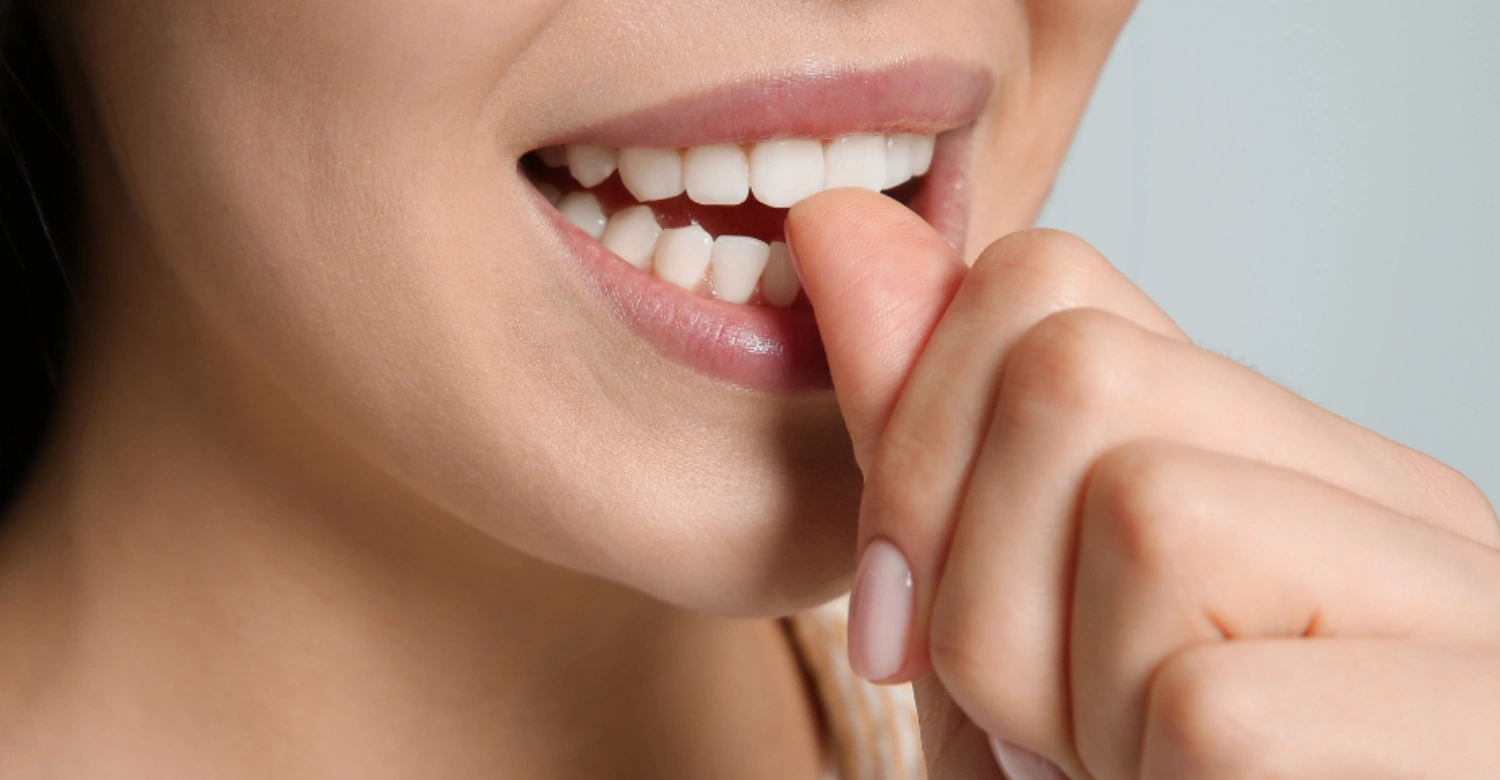
Nail Biting Teeth involves repeatedly placing fingernails between the front teeth and applying pressure. It can occur consciously or automatically during daily activities. People may engage in this behavior while concentrating, feeling anxious, waiting, or experiencing boredom. Repeated contact creates forces that teeth were not designed to withstand continuously. Fingernails are harder and more rigid than many foods normally chewed by front teeth. The repeated pressure can therefore contribute to localized mechanical stress. Problems are more likely when biting is frequent, forceful, or maintained for years. Existing restorations, weakened enamel, or previous tooth damage can increase vulnerability. Dentists evaluate tooth surfaces, edges, alignment, and symptoms when investigating suspected habit-related changes.
Why Do People Bite Their Nails?
Nail Biting Teeth is frequently described as a body-focused repetitive behavior. It can become automatic after repeated exposure to specific emotional or environmental triggers. Common triggers include stress, concentration, boredom, nervousness, and frustration. Some people notice the habit only after their fingers reach their mouths. Others deliberately do this because the behavior temporarily relieves tension or discomfort. Children and adolescents may develop this habit during periods of emotional or behavioral change. The behavior can continue into adulthood without deliberate awareness. Habit frequency varies substantially between individuals. Understanding the trigger is therefore important when developing a strategy for stopping. Dentists may recommend behavioral support when this repetitive behavior contributes to persistent oral problems.
How Does Nail Biting Put Pressure on Teeth?
Biting fingernails concentrates force across relatively small contact areas. Front teeth commonly perform the biting action because they can easily reach the fingernails. Repeated loading can create stress around the enamel and underlying tooth structure. The direction of force may also differ from normal chewing patterns. Instead of distributing pressure across food, the teeth may repeatedly contact a firm nail surface. Individual teeth can therefore experience concentrated forces during each bite. Repetition matters because small stresses can accumulate over long periods. Existing cracks, large fillings, or weakened tooth structures may increase susceptibility. Dentists consider these factors when assessing unexplained chips or abnormal wear patterns.
Nail Biting as an Oral Habit
Nail Biting Teeth belongs to a broader group of repetitive oral habits. Other examples include pen chewing, lip biting, cheek biting, and certain repetitive jaw behaviors. These habits can expose teeth to forces outside normal eating and speaking activities. The dental effects depend on the behavior and the amount of force involved. It particularly affects the front teeth because fingernails are usually positioned against those teeth. Chronic habits can also involve unusual jaw positioning during each episode. Recognizing this as an oral habit helps dentists consider behavioral factors during diagnosis. Treatment may therefore involve both dental management and strategies for reducing the behavior.
Dive deeper into osteogenesis imperfecta dental treatment
How Does Nail Biting Affect Your Teeth?
The dental effects of Nail Biting Teeth range from minor surface changes to noticeable structural damage. Repeated biting can affect tooth edges, enamel surfaces, and existing dental restorations. Some people develop small chips that remain painless for long periods. Others experience sensitivity after enamel becomes thinner or damaged. Tooth wear can also produce uneven or flattened incisal edges. The appearance of the front teeth may gradually change when the behavior continues for years. However, not every person develops significant damage. Individual susceptibility depends on enamel condition, bite forces, frequency, and existing dental treatment. Dentists can identify characteristic patterns while considering alternative explanations for tooth wear.
Nail Biting Dental Effects
The most recognized dental effects of Nail Biting Teeth involve repeated mechanical contact with the front teeth. Small chips can develop along the incisal edges when biting becomes forceful. Repeated pressure may also contribute to localized tooth wear. Some individuals report sensitivity when mechanical or thermal stimuli reach vulnerable tooth structures. Existing fillings, veneers, or crowns may experience additional stress during repetitive biting. The surrounding jaw muscles can also become involved when the habit is frequent. Importantly, this behavior is not the only possible cause of these findings. Dentists should distinguish habit-related wear from bruxism, dietary factors, trauma, malocclusion, and acidic erosion. A comprehensive examination helps establish the most likely contributing factors.
Can Biting Nails Cause Chipped Teeth?
Yes, forceful or repetitive biting can contribute to chipped teeth. The risk depends on tooth strength, biting force, frequency, and existing structural weaknesses. Small enamel chips may initially cause little or no discomfort. Larger fractures can expose deeper tooth structures and produce sensitivity or pain. Previous restorations may also be affected by repeated abnormal loading. Not every chip is caused by Nail Biting Teeth, however. Hard foods, accidental trauma, tooth grinding, and weakened restorations can produce similar findings. Dentists examine the shape and location of a chip alongside the patient's habits. Identifying the likely cause helps determine whether habit modification alone is sufficient.
Can Nail Biting Damage Tooth Enamel?
Repeated biting on fingernails can contribute to enamel damage through mechanical stress. Enamel is highly mineralized and provides the primary protective surface of each tooth. Although enamel is extremely hard, it can fracture under excessive or unfavorable forces. Repetitive loading may be particularly relevant when force concentrates on small areas. However, enamel loss has many possible causes beyond nail biting teeth. Acid erosion, tooth grinding, abrasion, and certain dietary behaviors can also alter enamel surfaces. Dentists evaluate the pattern before attributing enamel changes to one habit. Once enamel is physically lost, the body cannot naturally regenerate the original enamel structure. Preventing further mechanical stress therefore becomes an important part of management.
Can Nail Biting Cause Tooth Wear?
Repeated biting can contribute to tooth wear when teeth repeatedly contact fingernails. Tooth wear describes the progressive loss or alteration of tooth structure. Different wear mechanisms include abrasion, attrition, and erosion. Nail Biting Teeth primarily represents a mechanical exposure rather than an acidic process. The resulting changes may appear as flattened, shortened, or irregular tooth edges. The pattern depends on how the nails contact the teeth during each episode. Dentists should still investigate other causes when significant wear is present. Bruxism, dietary habits, occupational behaviors, and age-related changes may contribute simultaneously. Identifying all contributing factors improves the treatment plan.
Read the full article on plaque and gum disease treatment
What Dental Problems Can Nail Biting Cause?
Chronic biting on the fingernails can affect several aspects of oral health. The most noticeable problems often involve the front teeth and their visible edges. Repeated mechanical forces may contribute to chips, cracks, wear, or sensitivity. Nail Biting Teeth may also place additional demands on jaw muscles. Existing restorations can experience abnormal forces when fingernails are repeatedly used as biting surfaces. The severity varies significantly between individuals. Some people develop only minor cosmetic changes, while others require restorative treatment. Dental professionals should evaluate the whole mouth rather than focusing exclusively on damaged teeth. This approach helps identify whether the habit is the primary cause or one contributing factor.
Chipped and Cracked Teeth
Chipped teeth are among the most visible consequences associated with this repetitive behavior. Small enamel fragments can break away when excessive force concentrates on an incisal edge. Deeper cracks may cause sensitivity when pressure or temperature reaches affected structures. Cracks can sometimes be difficult to identify without professional examination. A dentist may use magnification, lighting, bite testing, and imaging when appropriate. Not every visible line represents a dangerous fracture. Similarly, not every chip results from Nail Biting Teeth. Accurate diagnosis requires consideration of trauma, grinding, restorations, and normal functional forces. Continuing the behavior after a chip develops can increase mechanical exposure. Stopping it helps reduce additional stress while treatment is considered.
Enamel Damage
Enamel damage can involve small fractures, surface irregularities, or progressive loss of tooth structure. Repeated nail contact may increase mechanical stress on vulnerable areas. The effects can become more noticeable when enamel is already compromised. Previous dental restorations can also alter how forces are distributed across a tooth. Sensitivity may occur when protective structures become thinner or damaged. However, enamel symptoms do not automatically prove Nail Biting Teeth caused the problem. Dentists consider dietary acids, grinding, abrasion, trauma, and other oral habits. Preventive strategies focus on reducing the damaging exposure. Professional treatment may be appropriate when structural loss or persistent sensitivity develops.
Tooth Wear and Uneven Edges
Repeated biting can gradually change the shape of the front teeth. Natural incisal edges may become flatter, shorter, or uneven. Some people notice a rough sensation when their tongue contacts altered surfaces. Cosmetic changes may become more obvious in photographs or during smiling. Wear can also change the way opposing teeth contact each other. Severe changes may affect appearance and function simultaneously. Dentists assess whether the wear is active or stable. Photographs, dental records, and clinical measurements can help monitor progression. Removing the repetitive habit is important before considering extensive cosmetic reconstruction.
Tooth Sensitivity
Tooth sensitivity may develop when protective tooth structures become compromised. Patients can experience discomfort from cold drinks, hot foods, touch, or biting pressure. Nail Biting Teeth may contribute indirectly when repeated forces damage enamel or create small structural defects. However, sensitivity has numerous other causes. Recession, decay, cracked teeth, whitening products, erosion, and exposed dentin can produce similar symptoms. A dental examination can help identify the underlying cause. Treatment depends on the diagnosis rather than the symptom alone. Reducing the behavior can prevent continued mechanical stress. Persistent or severe sensitivity should receive professional assessment.
Find out more about preventive dental care
Can Nail Biting Affect Your Jaw and Bite?
Yes, Nail Biting Teeth can involve the jaw because it requires repeated muscle activity and unusual biting positions. The effect varies considerably between individuals. Some people experience no jaw symptoms despite the long-term habit. Others may develop muscle fatigue, tenderness, or discomfort around the jaw. Repetitive positioning can also produce temporary changes in how the teeth contact. These symptoms should not automatically be diagnosed as a temporomandibular disorder. Jaw pain has numerous possible causes, including clenching, grinding, trauma, arthritis, and muscle dysfunction. A dentist evaluates symptoms alongside the patient's biting pattern. Early attention may help prevent a repetitive habit from becoming a persistent source of discomfort.
Nail Biting and Jaw Pressure
Nail Biting Teeth requires the jaw muscles to generate force while the teeth hold a small object. The activity may repeatedly engage the muscles responsible for chewing. Force can become concentrated when the nail is positioned between selected teeth. Frequent episodes may therefore increase muscular workload compared with ordinary daily activity. Some individuals may compensate by shifting their jaw into unusual positions. This does not mean that everyone with this habit develops a jaw disorder. Symptoms depend on frequency, force, anatomy, and individual susceptibility. Reducing repetitive biting can decrease unnecessary jaw activity. Persistent symptoms require assessment to identify whether another condition contributes.
Can Nail Biting Cause Jaw Pain?
Nail Biting Teeth may contribute to jaw discomfort in some people, particularly when performed frequently or forcefully. Repeated muscle contraction can contribute to fatigue or tenderness around the jaw. However, evidence does not establish it as the sole cause of every jaw pain complaint. Bruxism and clenching can create similar symptoms. Temporomandibular disorders also involve multiple biological, behavioral, and mechanical factors. A dentist should therefore evaluate the complete clinical picture. Pain that persists, worsens, or interferes with eating deserves professional attention. Treatment may involve habit modification, conservative care, and management of contributing factors. Avoiding unnecessary repetitive jaw activity can be a useful preventive step.
Nail Biting and Changes in Your Bite
Long-term oral habits can influence how forces are distributed between teeth. Nail Biting Teeth may create repeated contact between particular front teeth. However, significant permanent bite changes cannot automatically be attributed to it alone. Tooth position is influenced by growth, orthodontic history, periodontal support, genetics, and oral habits. Children and adolescents may be particularly important to monitor during dental development. A dentist can assess whether tooth movement or contact changes are clinically meaningful. Minor changes may simply reflect normal variation. Persistent abnormal forces should nevertheless be reduced whenever possible.
Clinical Note
Clinical Note: Jaw symptoms should be evaluated individually rather than attributed automatically to Nail Biting Teeth. Dentists consider pain location, duration, muscle tenderness, joint sounds, movement limitations, and other habits. The assessment can help distinguish habit-related muscle strain from broader temporomandibular conditions. Patients should report persistent clicking, locking, restricted movement, or significant pain. Early assessment can prevent unnecessary assumptions about the cause.
Get the details on process of swallowing
What We Notice Clinically With Chronic Nail Biting
Nail Biting Teeth can produce recognizable patterns during a dental examination. Dentists may notice small incisal chips, localized flattening, irregular edges, or surface changes. The pattern can sometimes suggest repeated contact with a hard object. However, clinical appearance alone cannot prove that biting fingernails caused the damage. Dentists also evaluate tooth anatomy, restorations, occlusion, diet, grinding, and trauma history. Patient history remains important because many wear patterns have multiple possible explanations. Photographic documentation can help monitor changes during follow-up appointments. Early identification may allow conservative management before extensive tooth structure is lost. At Vitrin Clinic, clinical assessment can combine examination findings with the patient's oral-habit history. This approach supports individualized treatment planning rather than automatically recommending restorative procedures.
Common Dental Signs of Nail Biting
Common findings may include small chips along front tooth edges and localized irregularities. Some patients develop flattened areas where repeated contact occurs. Minor enamel fractures may be visible under appropriate clinical lighting. Existing restorations can also show wear or damage when subjected to repeated forces. Dentists may notice asymmetry if the patient consistently bites using the same teeth. Sensitivity can provide another clue when structural changes are present. Nevertheless, these findings can occur through several mechanisms. The clinician should therefore avoid diagnosing the cause based on appearance alone. A detailed history improves diagnostic accuracy.
How Dentists Assess Nail-Biting Damage
Dental assessment begins with questions about the frequency and circumstances of Nail Biting Teeth. The dentist examines tooth surfaces, incisal edges, restorations, gums, and bite relationships. Symptoms such as sensitivity, pain, or jaw discomfort are also documented. Clinical photographs can establish a baseline for future comparison. Dental imaging may be considered when deeper damage is suspected. The dentist may also investigate grinding, clenching, acidic exposure, trauma, and other habits. This broader assessment prevents one behavioral factor from being blamed incorrectly. The final treatment recommendation depends on the extent and activity of the damage.
Clinical Note
Clinical Note: The most useful assessment combines behavioral history with objective dental findings. A single chipped edge does not necessarily indicate Nail Biting Teeth. Progressive changes provide stronger evidence when they correspond with continued repetitive exposure. Monitoring can help determine whether damage stops after the habit changes
Everything you need to know about restless legs syndrome and oral health
.
How to Stop Nail Biting and Protect Your Teeth
Stopping Nail Biting Teeth is one of the most effective ways to reduce continued mechanical exposure. However, simply deciding to stop may not work when the habit has become automatic. Behavioral strategies can help identify situations that trigger the behavior. Physical barriers may also interrupt unconscious hand-to-mouth movements. Keeping nails short can reduce available biting surfaces. Some people benefit from replacement behaviors involving the hands rather than the mouth. Dental professionals can explain how continued biting may affect existing damage. When behavioral control is difficult, professional behavioral support may be appropriate. The goal is not merely cosmetic nail improvement. Reducing the habit also protects teeth from repeated mechanical stress.
Identify Your Nail-Biting Triggers
The first step is identifying when and why Nail Biting Teeth occurs. Common situations include studying, working, watching television, driving, or feeling stressed. Keeping a simple habit diary can reveal repeated patterns. Record the situation, emotional state, and approximate frequency of biting. Awareness can interrupt automatic behavior before the hand reaches the mouth. Some people discover that boredom is a stronger trigger than stress. Others may bite while concentrating intensely on specific tasks. Trigger awareness allows replacement strategies to become more targeted. The objective is to recognize the behavior early enough to choose another response.
Replace the Habit With Safer Behaviors
Replacement behaviors can reduce the automatic need to bite fingernails. Hand-based activities may include squeezing a stress object, manipulating a small safe item, or keeping hands occupied. The substitute should not create another damaging oral habit. Chewing hard objects can create dental risks and should not replace nail Biting Teeth. Some people prefer behavioral reminders placed near their workspace. Others benefit from structured habit-reversal techniques. Consistency matters because automatic behaviors often require repeated practice to change. A dentist can support the dental component while behavioral professionals address persistent repetitive habits.
Protect Your Teeth From Further Damage
Avoiding Nail Biting Teeth is the primary protective measure for teeth affected by it. Patients should also avoid using teeth to open packages or bite hard non-food objects. Good oral hygiene helps maintain the surrounding dental structures. Fluoride toothpaste supports enamel resistance against mineral loss. Regular dental examinations allow early changes to be detected. Patients with existing chips should avoid deliberately testing the damaged area. A dentist can determine whether additional protection is needed. The best approach combines habit reduction with appropriate preventive dental care.
Clinical Note
Clinical Note: Dental protection works best when behavioral triggers are addressed simultaneously. Treating a chipped tooth without stopping the repetitive force may allow additional damage. Conservative prevention should therefore remain part of the overall treatment strategy.
Read more about stress oral habits
Tips for Patients With Nail Biting Habits
Patients can take several practical steps to reduce dental risks associated with this repetitive behavior. Start by identifying the situations where it happens most often. Keep nails short to reduce opportunities for biting. Use hand-based replacement activities when automatic movements begin. Avoid replacing Nail Biting Teeth with chewing pens, ice, or other hard objects. Maintain regular brushing and interdental cleaning to protect overall oral health. Consider professional support when the behavior becomes difficult to control. A dental examination is useful when chips, sensitivity, or jaw discomfort develops. Patients should also avoid delaying evaluation because small structural defects can change over time. The most effective strategy combines habit awareness, behavioral modification, and preventive dental care.
Tips for Patients
Keep fingernails trimmed and maintain regular nail care. Identify common emotional and environmental triggers. Use a safe hand-based replacement activity. Avoid chewing pens, ice, or hard objects. Do not use teeth to open packages. Maintain twice-daily brushing with fluoride toothpaste. Attend routine dental examinations. Seek assessment when chips or sensitivity appear. Discuss persistent jaw discomfort with a dentist. Consider behavioral support for difficult-to-control habits.
When to Seek Professional Help
Professional dental evaluation is appropriate when Nail Biting Teeth causes visible tooth changes. Seek assessment after significant chips, cracks, persistent sensitivity, or unexplained tooth pain. Jaw pain that continues or interferes with normal function also deserves attention. A dentist can determine whether the symptoms are related to the habit or another condition. Behavioral support may help when repeated attempts to stop have been unsuccessful. Early intervention can reduce the likelihood of progressive damage. The appropriate treatment depends on the individual findings rather than the habit alone.
Learn more about sugar and bacteria
How Is Tooth Damage From Nail Biting Treated?
Treatment depends on the type and severity of dental damage. Minor enamel irregularities may require observation rather than restorative treatment. Small chips can sometimes be repaired using tooth-colored composite resin. More extensive structural loss may require crowns or other restorative options. Tooth wear requires assessment of its cause before reconstruction is considered. Sensitivity may improve when the underlying trigger is controlled and appropriate preventive treatment is used. Importantly, treatment should address the ongoing habit whenever possible. Restoring teeth without controlling the damaging behavior may increase the risk of future problems. Vitrin Clinic can develop treatment plans based on the condition, function, and aesthetic requirements of individual patients.
Treatment for Chipped Teeth
Small chips may be smoothed when they are superficial and asymptomatic. Composite bonding can restore shape when additional structure is needed. Larger fractures may require more extensive restorative treatment. The choice depends on remaining tooth structure, bite forces, location, and cosmetic expectations. Dentists should also determine whether a crack extends deeper into the tooth. Treating the visible chip without addressing repetitive biting may increase recurrence risk. Conservative restoration is generally considered when sufficient healthy structure remains. Regular follow-up can help monitor repaired teeth.
Treatment for Tooth Wear
Treatment for tooth wear begins by identifying the active cause. If Nail Biting Teeth continues, behavioral modification remains essential. Mild wear may simply require monitoring and preventive care. More advanced wear can sometimes be managed with adhesive restorations or other restorative approaches. The treatment should preserve as much healthy tooth structure as possible. Dentists also evaluate bite relationships before rebuilding worn surfaces. Extensive reconstruction should generally be considered only when clinically justified. Regular maintenance becomes important after restorative treatment.
Treatment for Enamel Damage and Sensitivity
Sensitivity treatment depends on the reason underlying the symptoms. Fluoride-containing products may support enamel protection and reduce sensitivity for some patients. Dentists can also recommend desensitizing treatments when appropriate. Structural defects may require restoration when exposed surfaces remain vulnerable. Dietary acids and aggressive brushing should be reviewed when enamel loss is present. Stopping Nail Biting Teeth reduces one potential source of mechanical stress. Persistent sensitivity requires examination because decay and cracks can produce similar symptoms.
Note : All images used are for editorial and illustrative purposes only and may not originate from the original news provider or associated company.
When Are Dental Restorations Needed?
Dental restorations may be considered when damage affects appearance, function, strength, or comfort. Small defects may not require restoration if they remain stable and symptom-free. Larger chips can sometimes benefit from composite bonding. Crowns may be considered when substantial tooth structure has been lost. The least invasive suitable treatment is generally preferred when clinically appropriate. Dentists should evaluate the patient's bite before selecting a restorative procedure. Controlling the underlying habit remains essential for long-term stability.
Can Teeth Recover After You Stop Biting Your Nails?
Stopping Nail Biting Teeth can prevent additional mechanical damage, but recovery depends on what has already occurred. Early enamel changes may benefit from natural remineralization under favorable conditions. However, lost enamel does not regenerate as natural tooth tissue. A chipped tooth will not grow its missing structure back. Professional restoration can recreate the shape when treatment is appropriate. Tooth sensitivity may improve when the damaging exposure is removed. Jaw muscle discomfort can also decrease when repetitive activity stops. The timeline varies according to the severity and cause of the symptoms. A dentist can determine which changes are reversible and which require restorative treatment.
What Happens After Stopping Nail Biting?
The first benefit is removal of repeated mechanical stress. Teeth no longer experience the same repetitive contact with fingernails. Existing chips may remain unchanged if they are stable and protected. Sensitivity may gradually improve when the underlying irritation is removed. Jaw muscles may also feel less fatigued when repetitive biting stops. However, stopping Nail Biting Teeth cannot reverse structural tooth loss. Professional monitoring can determine whether existing changes remain stable. Continued preventive care helps protect the teeth from other sources of damage.
Can Damaged Enamel Grow Back?
No, mature enamel cannot naturally regrow after substantial structural loss. Enamel-producing cells are lost during tooth development. Saliva can support remineralization of early mineral changes but cannot recreate missing enamel. Fluoride can strengthen remaining enamel and improve resistance to future mineral loss. Structural chips therefore require professional assessment when appearance or function is affected. Prevention is especially important because natural enamel replacement is not possible.
Can Chipped Teeth Be Repaired?
Yes, many chipped teeth can be repaired successfully. Minor chips may be polished or reshaped when appropriate. Composite bonding can restore small or moderate defects using tooth-colored material. Larger fractures may require different restorative approaches depending on remaining tooth structure. The dentist also checks whether the tooth has deeper cracks or pulpal involvement. Treatment selection depends on function, location, aesthetics, and bite forces. Stopping Nail Biting Teeth improves the environment for maintaining the repair.
Explore more on teeth feel tight
When Should You See a Dentist About Nail Biting Teeth?
A dental examination is advisable when Nail Biting Teeth produces visible or uncomfortable changes. Warning signs include chips, cracks, persistent sensitivity, rough edges, or changes in tooth shape. Jaw pain or muscle tenderness can also justify professional assessment. Early evaluation helps determine whether the changes are active or stable. It also allows dentists to identify other possible causes of tooth damage. A professional examination is especially useful when symptoms persist after stopping the habit. Treatment decisions should be based on clinical findings rather than appearance alone. Vitrin Clinic can assess affected teeth and develop an individualized plan when restorative or cosmetic treatment is appropriate.
Warning Signs of Dental Damage
Watch for new chips or rough tooth edges after repeated biting. Increased sensitivity to cold can indicate changes requiring assessment. Pain during biting may suggest a crack or another structural problem. Flattened incisal edges can indicate progressive tooth wear. Jaw tenderness may indicate increased muscular activity or another contributing condition. Changes in tooth appearance should be documented rather than ignored. Early assessment can clarify whether treatment is necessary.
Clinical Note
Clinical Note: Persistent dental symptoms should not be attributed to Nail Biting Teeth without examination. Similar findings can result from grinding, trauma, decay, erosion, or other oral conditions. Accurate diagnosis determines whether monitoring, prevention, behavioral intervention, or restoration is appropriate.
Dr. Rifat Alsaman's Opinion
Dr. Rifat Alsaman emphasizes that repetitive habits should be considered when unexplained anterior tooth changes appear. A conservative assessment should identify the cause before recommending irreversible treatment. Patients with small chips may not require extensive cosmetic procedures. Controlling Nail Biting Teeth can be more important than immediately rebuilding every minor irregularity. When restoration is necessary, preserving healthy tooth structure remains a central consideration. Individual bite forces and existing dental conditions should guide treatment decisions.
Discover more about teeth hurt when sick with flu
How Vitrin Clinic Can Help With Nail Biting Teeth
Vitrin Clinic can evaluate dental changes associated with this chronic habit through a comprehensive clinical examination. The assessment can identify chips, tooth wear, enamel changes, sensitivity, and bite-related concerns. Dentists can also investigate alternative causes of the observed damage. This distinction is important because similar symptoms can result from several dental conditions. When treatment is necessary, the plan can prioritize appropriate and conservative options. Cosmetic considerations can also be incorporated when front teeth have visible changes. Most importantly, treatment planning should account for the habit itself. Reducing this behavior helps protect both natural teeth and dental restorations.
Comprehensive Dental Assessment
A comprehensive assessment begins with the patient's dental and behavioral history. The dentist examines tooth surfaces, edges, restorations, gums, and occlusion. Symptoms such as sensitivity or jaw discomfort are recorded. Photographs can document the initial condition for future comparison. Imaging may be recommended when deeper structural damage is suspected. The examination helps establish whether the habit is likely contributing to the observed changes. It also identifies unrelated dental problems requiring treatment.
Personalized Treatment Plan
Treatment should reflect the severity and location of the dental damage. Some patients may need only preventive advice and periodic monitoring. Others may benefit from bonding, restorative treatment, or sensitivity management. The plan should also address the behavior responsible for repeated mechanical stress. Cosmetic goals can be considered after oral health and structural stability are addressed. At Vitrin Clinic, individualized planning can combine restorative and cosmetic dental considerations.
Restoring Damaged or Chipped Teeth
Damaged front teeth can often be restored using minimally invasive techniques when appropriate. Composite bonding may restore small chips while preserving substantial natural tooth structure. More extensive damage may require additional restorative procedures. The dentist evaluates bite forces before choosing the restoration. Patients should understand that restoration does not eliminate the risk created by continuing the habit. Long-term success depends partly on controlling the repetitive habit.
Dive deeper into the process of chewing
Why Choose Vitrin Clinic for Nail Biting Teeth?
Choosing a dental clinic for habit-related damage requires more than cosmetic treatment. The underlying cause should be evaluated before restorative procedures are recommended. A comprehensive approach can help distinguish active damage from stable changes. Conservative treatment is often appropriate when sufficient healthy tooth structure remains. Cosmetic concerns can then be addressed without unnecessarily aggressive preparation. Follow-up can monitor whether damage progresses after the habit is reduced. Vitrin Clinic combines restorative and cosmetic dental planning according to individual clinical needs. The objective is to protect healthy tooth structure while addressing functional and aesthetic concerns.
Conservative and Personalized Dental Care
Conservative dentistry focuses on preserving healthy natural tooth structure whenever possible. Minor chips may require little or no intervention when they remain stable. More significant damage receives treatment based on clinical necessity. Personalized planning considers the patient's bite, tooth condition, symptoms, and expectations. This approach avoids automatically selecting extensive procedures for minor problems.
Modern Restorative and Cosmetic Dentistry
When structural damage affects appearance, restorative and cosmetic dentistry can work together. Tooth-colored materials can sometimes recreate natural contours while maintaining a conservative approach. Larger defects may require stronger restorative solutions. The selected treatment should match the remaining tooth structure and functional demands. Cosmetic improvement should support dental health rather than replace appropriate diagnosis.
Patient-Focused Follow-Up
Follow-up helps determine whether dental changes remain stable after the habit is controlled. Patients with restorative treatment may require periodic evaluation of the repaired teeth. Monitoring can identify new chips, wear, or sensitivity at an early stage. Behavioral progress should also be considered during follow-up appointments. Continued prevention supports the long-term condition of natural teeth and restorations.
Read the full article on thumb sucking teeth
Conclusion About Nail Biting Teeth
Nail biting is more than a habit involving the fingernails. Repeated mechanical forces can affect teeth, enamel, tooth edges, restorations, and jaw muscles. The risk depends on frequency, force, duration, and individual dental conditions. Chipped teeth and tooth wear are possible when repetitive biting continues over time. Enamel cannot naturally regenerate after substantial structural loss. Therefore, prevention remains important even when existing damage appears minor. Stopping the habit can reduce ongoing mechanical stress and protect future dental health. Professional assessment helps determine whether visible changes require treatment or simple monitoring. When restoration becomes necessary, conservative options may preserve healthy tooth structure. Vitrin Clinic can provide individualized assessment and treatment planning for patients concerned about habit-related dental changes.
Reference
FAQs
Dr. Rifat Alsaman has more than 5 years of clinical experience in dentistry and currently serves as the Head of the Medical Team at Vitrin Clinic. He is dedicated to providing exceptional patient care, overseeing treatment planning, and ensuring the highest clinical standards across the team. His expertise, attention to detail, and commitment to continuous professional development have helped countless patients achieve healthier, more confident smiles.


