
Gum health is the foundation of a healthy mouth. Yet millions of people experience swelling, tenderness, and inflammation without knowing how to address it effectively. Gum medicine, whether over-the-counter or prescription, offers targeted relief that goes far beyond temporary comfort. The right gum medicine reduces harmful bacteria, controls inflammation, and creates the conditions your tissue needs to heal. This guide explains your options clearly so you can make confident, informed decisions about protecting your gums every single day.
Understanding Gum Problems: What Causes Swelling and Inflammation?
Before reaching for any gum medicine, it's essential to understand why your gums are reacting in the first place. Swelling and inflammation are your body's immune responses to irritation, bacteria, or injury within the gum tissue. They signal that something needs attention, not just symptom relief. Whether the cause is poor hygiene, systemic illness, hormonal shifts, or mechanical trauma, identifying the root factor matters. It determines which gum medicine or professional treatment will be most effective, and whether home care is sufficient.
Common Symptoms of Inflamed or Swollen Gums
Recognizing the early symptoms of gum inflammation helps you respond quickly. It also helps you choose appropriate meds for gums before the condition worsens. The most common signs include redness and puffiness along the gum line, tenderness when brushing or eating, and spontaneous or easy bleeding. A persistent bad taste or odor in the mouth is also common. Some patients notice their gums pulling away from teeth or experience increased tooth sensitivity. These symptoms often indicate that meds for inflamed gums or professional evaluation are needed. Acting on them helps prevent the condition from progressing further.
Key Factors Behind Gum Issues: Plaque, Infection, and Lifestyle
Understanding what causes gum injury and inflammation begins with plaque, the sticky bacterial film that accumulates on teeth and gum margins daily. When plaque hardens into calculus, bacteria multiply aggressively, triggering the immune response that causes swelling. Infections, hormonal fluctuations during pregnancy or menopause, nutritional deficiencies, smoking, stress, and certain medications that reduce saliva flow all contribute significantly. Each of these factors influences which gum medicine approach will be most effective, making accurate diagnosis essential before beginning any treatment protocol for inflamed gum tissue.
When Swelling Signals a Serious Problem
Not all gum swelling responds to standard gum medicine or home care. Some swelling requires urgent professional evaluation. This includes swelling that spreads toward the jaw, cheek, or throat, is accompanied by fever, causes difficulty swallowing, or persists despite several days of consistent OTC medicine for gum swelling use. These presentations may indicate a periodontal abscess, deep-seated bacterial infection, or a systemic condition requiring medical intervention. Treating these situations with self-administered meds for gums alone is risky. It can allow a serious infection to progress, potentially threatening surrounding bone, neighboring teeth, and overall systemic health.
How Can Gum Medicine Improve Your Oral Health?
Gum medicine plays an essential role in maintaining healthy gums, preventing periodontal problems, and protecting the foundation of your teeth. It focuses on controlling inflammation, reducing bacterial infection, and supporting gum tissue recovery through professional treatments and personalized care plans.
At Vitrin Clinic, gum medicine is based on accurate diagnosis and evidence-based periodontal care. Dr. Rifat Alsaman is Head of the Medical Team at Vitrin Clinic and a cosmetic dentist. He explains that healthy gums are the first step toward achieving long-lasting dental results, especially before cosmetic treatments such as veneers, crowns, or dental implants.
Effective gum medicine may include professional cleaning, antimicrobial treatments, lifestyle guidance, and advanced periodontal therapies depending on the patient's condition. Maintaining gum health can reduce the risk of tooth loss and improve oral comfort. It also creates a stronger foundation for a confident smile.
Exploring Gum Medicine: Options and Effectiveness
The landscape of available gum medicine is broad. It ranges from accessible over-the-counter products to dentist-prescribed pharmaceuticals designed for more complex cases. Understanding the spectrum of options, and the specific role each plays, empowers patients. It helps them make appropriate choices for their level of gum inflammation. Some situations respond well to accessible remedies, while others require clinical-grade gum medicine supervised by a dental professional. Knowing the difference ensures you neither under-treat a serious condition nor overlook effective solutions for manageable everyday gum discomfort.
Over-the-Counter Remedies for Swollen Gums
Medicine for swollen gums over the counter is widely available and appropriate for mild to moderate gum inflammation. Antiseptic mouthwashes containing chlorhexidine or Cetylpyridinium chloride reduce bacterial load effectively. Topical benzocaine or lidocaine gels provide localized numbing for pain relief. Anti-inflammatory tablets such as ibuprofen address both pain and tissue swelling systemically. Hydrogen peroxide rinses in diluted form can gently cleanse inflamed tissue. These forms of OTC medicine for gum swelling work best when used consistently, alongside thorough oral hygiene. They're most effective when the underlying cause is primarily bacterial buildup rather than deep infection.
Prescription vs. OTC Medications: What's Right for You?
Choosing between medicine for swollen gums over the counter and prescription gum medicine depends on your condition. Both the severity and the underlying cause matter. OTC products manage early-stage gingivitis, temporary irritation, and mild soreness effectively. However, prescription options become necessary in certain cases. This includes when gum disease has progressed to periodontitis, when infection is present, or when standard med for swollen gums products fail to improve things within a week. Dentist-prescribed antibiotics, professional-strength antiseptic rinses, and specialized antimicrobial gels target bacterial strains and infection depths. No over-the-counter product can adequately reach these.
How Meds for Gums Work to Reduce Inflammation and Pain
Meds for gums reduce inflammation through two primary mechanisms: antibacterial action and anti-inflammatory pathways. Antibacterial agents, whether in rinses, gels, or systemic antibiotics, eliminate the bacterial populations responsible for triggering the immune response. This response is what causes swelling. Anti-inflammatory medications like ibuprofen inhibit prostaglandin production, the biochemical process driving tissue inflammation and pain. Some advanced gum medicine formulations combine both mechanisms simultaneously for faster, more comprehensive relief. Understanding how your chosen med for swollen gums functions helps you use it correctly. It also helps you set realistic expectations for how quickly symptoms will begin to improve.
How to Use Gum Medicine Safely
Even the most effective gum medicine produces suboptimal results, or unwanted side effects, when used incorrectly. Safe, effective use requires understanding the correct dosage, application technique, timing, and duration for each product type. Whether you're applying a topical med for swollen gums gel or taking systemic anti-inflammatory tablets, precision matters. Overuse of antibacterial rinses, for example, can disrupt the beneficial oral microbiome. Using OTC medicine for gum swelling beyond its recommended duration without professional guidance carries a risk. It may mask symptoms of a worsening condition that requires clinical treatment.
Proper Dosage and Application Tips
For topical gum medicine such as benzocaine or antiseptic gels, apply a small amount directly to the affected gum tissue. Use a clean fingertip or cotton swab, two to three times daily after meals. Avoid eating or drinking for 30 minutes post-application to allow the product to work. For medicine for swollen gums over the counter in rinse form, swish gently for a full 30 seconds. Don't dilute the product further. Systemic meds for inflamed gums like ibuprofen should always be taken with food. Stay within the manufacturer's recommended dosage to minimize gastrointestinal effects.
Avoiding Side Effects and Interactions
Most OTC medicine for gum swelling products are safe when used as directed, but side effects exist. Prolonged use of chlorhexidine rinses can cause temporary tooth staining and altered taste perception. Overuse of topical anesthetic gum medicine may delay recognition of worsening symptoms. NSAIDs taken systemically for meds for inflamed gums purposes carry cardiovascular and gastrointestinal risks with extended use. Always inform your dentist about all current medications before starting any new med for swollen gums. This helps avoid interactions, particularly if you take blood thinners, steroids, or medications that affect kidney function or immune response.
Combining Medications with Oral Hygiene for Best Results
Gum medicine alone cannot deliver lasting results without a consistent oral hygiene foundation. Use your chosen meds for gums in direct combination with twice-daily brushing using a soft-bristled toothbrush and daily interdental cleaning. Timing matters: brush and floss before applying topical gum medicine. This way, the active ingredients reach clean tissue rather than sitting atop plaque. Antiseptic rinses are most effective as a final step after mechanical cleaning. This combined approach addresses both the bacterial cause and the inflammatory response. It produces significantly better results than relying on any OTC medicine for gum swelling in isolation.
Benefits of Treating Gum Inflammation Early
Starting appropriate gum medicine at the first sign of gum swelling or discomfort delivers compounding benefits. These extend far beyond immediate symptom relief. Early intervention prevents mild gingivitis from advancing to the irreversible bone destruction characteristic of periodontitis. It also reduces systemic inflammatory burden. Gum inflammation has been scientifically linked to cardiovascular disease, diabetes complications, and adverse pregnancy outcomes. Timely use of meds for inflamed gums protects not just your oral health but your overall wellbeing. This makes early treatment one of the most cost-effective health decisions you can make.
Natural Bioactive Alternatives: Herbal and Vitamin-Based Gum Therapy
Natural gum medicine and herbal remedies are becoming increasingly popular among patients looking for supportive approaches to improve gum health. Certain natural ingredients, vitamins, and supplements may help support the body's ability to fight inflammation and maintain healthy gum tissues.
Nutrients such as vitamin C, vitamin D, and antioxidants play an important role. They support collagen formation, immune function, and gum healing. However, natural approaches should not replace professional periodontal treatment when gum disease is present.
Dr. Rifat Alsaman is Head of the Medical Team at Vitrin Clinic and a cosmetic dentist. He emphasizes that natural supplements can be used as supportive care. However, they should always be combined with proper diagnosis and professional treatment when needed.
The dental team at Vitrin Clinic evaluates each patient's gum condition before recommending any supportive therapies. This ensures safe and effective results.
Immediate Relief: Reducing Pain and Sensitivity
The most immediate benefit of effective gum medicine is the rapid reduction of pain and sensitivity. This includes the discomfort that makes eating, speaking, and daily routines difficult. Within 24 to 48 hours of consistent use, quality meds for inflamed gums typically start working. They produce a noticeable reduction in tissue swelling and tenderness. Anti-inflammatory med for swollen gums options begin inhibiting the biochemical inflammation cascade within hours of the first dose. Patients often report that sensitivity to hot, cold, and pressure decreases significantly. This happens once active inflammation is brought under control with appropriate OTC medicine for gum swelling products.
Long-Term Outcomes: Healthier Gums and Teeth
Sustained, consistent use of appropriate gum medicine alongside professional care produces measurable long-term improvements. These include gum architecture, attachment levels, and overall periodontal health. Gum tissue that is no longer chronically inflamed regenerates more effectively. It tightens naturally around teeth and reduces pocket depths where bacteria accumulate. Teeth become less vulnerable to root exposure, decay at the gum line, and mobility. Patients who incorporate meds for gums appropriately into their routine report significantly fewer emergency dental visits. They also see better retention of their natural teeth over time, compared to those who leave gum issues unaddressed.
Before and After Expectations: What Patients Usually Experience
Before beginning gum medicine treatment, most patients experience redness, swelling, bleeding on brushing, and persistent soreness. Within the first week of consistent meds for gums use combined with thorough hygiene, bleeding typically reduces noticeably. By two weeks, visible puffiness diminishes and the gum line begins to regain a healthier, firmer pink appearance. Patients using prescription-strength gum medicine under professional supervision often see more dramatic improvements more quickly. Full resolution of inflammation depends on the underlying cause. But most patients experience significant, sustained improvement within 30 days of starting a structured treatment approach.
Trench Mouth (ANUG): Severe Infections Requiring Urgent Prescription Meds
Trench mouth, also known as Acute Necrotizing Ulcerative Gingivitis (ANUG), is a severe gum infection that requires immediate dental attention. It is characterized by painful gums, bleeding, bad breath, ulcers, and damage to gum tissues caused by rapid bacterial growth.
Treatment often requires professional cleaning to remove harmful bacteria and debris, along with prescription medications when necessary. Antibiotics may be recommended by a dentist or periodontist. This depends on the severity of the infection and the patient's overall condition.
Dr. Rifat Alsaman is Head of the Medical Team at Vitrin Clinic and a cosmetic dentist. He highlights that early diagnosis is essential, because untreated severe gum infections can affect oral health and increase the risk of further periodontal complications.
At Vitrin Clinic, patients receive personalized treatment plans designed to control infection, restore gum health, and prevent future recurrence.
Managing Chlorhexidine Side Effects: Avoiding Staining and Taste Alterations
Chlorhexidine mouthwash is commonly used in gum medicine because of its ability to reduce harmful bacteria and support periodontal treatment. However, long-term or improper use may cause side effects such as tooth staining, changes in taste perception, or temporary irritation.
To minimize chlorhexidine side effects and tooth staining, patients should follow their dentist's instructions regarding dosage and duration of use. Professional cleaning at the dental clinic can also help remove any external stains that may develop.
Dr. Rifat Alsaman is Head of the Medical Team at Vitrin Clinic and a cosmetic dentist. According to him, chlorhexidine can be highly effective when used correctly. But it should always be part of a complete gum care plan, rather than a replacement for daily oral hygiene.
At Vitrin Clinic, patients receive guidance on safe oral care routines to maintain healthy gums while avoiding unnecessary side effects.
Preventing Gum Swelling: Daily Care Tips
The most effective gum medicine is the one you never need because you've maintained healthy gums through prevention. Daily care habits form the most powerful long-term defense against gum inflammation. They reduce your reliance on medicine for swollen gums over the counter and lower the risk of progression to serious periodontal disease. Prevention is not complicated, it is consistent. Small, daily investments in the right oral hygiene practices, dietary awareness, and lifestyle choices add up. Together, they produce gum tissue resilient enough to resist the bacterial and mechanical challenges that make meds for gums necessary in the first place.
Oral Hygiene Practices to Minimize Inflammation
To reduce the need for any med for swollen gums, brush thoroughly twice daily for two full minutes using a soft-bristled toothbrush. Pay careful attention to the gum line at a 45-degree angle. Floss every evening to remove interdental plaque before it calcifies. Add an antiseptic mouthwash, used correctly as a supplement and not a substitute, two to three times weekly. Water flossers are excellent for flushing bacteria from areas the string floss cannot reach. These practices collectively eliminate the primary triggers of gum inflammation, minimizing situations where OTC medicine for gum swelling becomes necessary.
Diet, Lifestyle, and Habits that Support Healthy Gums
What you eat and how you live profoundly influences whether you need meds for inflamed gums regularly or rarely. Diets rich in vitamin C support collagen synthesis in gum tissue. Vitamin D and calcium strengthen the bone supporting your teeth. Staying well hydrated maintains healthy saliva flow, which naturally buffers acids and washes away food particles. Smoking is one of the most destructive habits for gum health, masking symptoms and impairing healing significantly. Limiting refined sugars reduces the bacterial fuel that drives the inflammation requiring gum medicine to manage.
Monitoring Your Gum Health at Home
Consistent self-monitoring between dental visits allows you to identify when gum medicine may be needed before symptoms escalate. After brushing, inspect your gum line in a well-lit mirror. Look for redness, uneven swelling, or any recession compared to previous weeks. Rinse and check for blood on your toothbrush or in the sink. Note any persistent sensitivity, unusual taste, or looseness in teeth. Keeping a simple mental log of these observations helps you describe your symptoms accurately when consulting your dentist. It also ensures you never delay starting appropriate meds for gums when early warning signs appear.
Vitrin Clinic's Approach to Gum Health
At Vitrin Clinic, gum health is treated as a cornerstone of total oral wellness. It's not an isolated symptom to be managed with a standard prescription. Every patient presenting with gum inflammation receives a thorough, individualized assessment. This goes beyond identifying the need for gum medicine, to understanding the full biological and lifestyle context behind the condition. Vitrin Clinic's multi-disciplinary team combines diagnostic precision with compassionate patient communication. This ensures that every treatment plan, whether it centers on meds for inflamed gums or clinical intervention, is strategically designed for that specific patient's needs.
Advanced Diagnostic Tools for Precise Care
Vitrin Clinic uses cutting-edge diagnostic technology to evaluate gum health. This achieves a level of precision that far exceeds what visual examination alone can offer. Digital periapical and panoramic X-rays reveal bone levels and early signs of periodontal destruction invisible to the naked eye. Periodontal probing with electronic precision instruments maps pocket depths across every tooth. These diagnostic insights allow clinicians to determine accurately whether medicine for swollen gums over the counter is sufficient, or whether clinical-grade gum medicine and professional treatment are necessary. This eliminates guesswork and ensures every patient receives the most appropriate care from the very first appointment.
Expert Dentists with Specialized Gum Treatment Expertise
Vitrin Clinic's dental professionals bring deep expertise in periodontal diagnosis and the full spectrum of gum treatments. This ranges from guided meds for gums recommendations to advanced surgical interventions. The team's knowledge of how different gum medicine options interact with various patient profiles ensures safe, effective prescribing. This includes medical histories, current medications, and systemic conditions. Patients benefit from evidence-based guidance on both professional treatments and home care. This includes precise advice on OTC medicine for gum swelling options that genuinely work, versus popular products with limited clinical evidence backing their effectiveness.
Personalized Treatment Plans for Long-Lasting Results
No two gum conditions are identical. This is why Vitrin Clinic builds every treatment plan from the ground up for each individual patient. After comprehensive diagnosis, the dental team identifies the primary drivers of inflammation. They then select the most appropriate gum medicine or clinical intervention, and create a structured timeline for treatment and monitoring. For international patients, Vitrin Clinic further personalizes the experience through airport transfers, accommodation assistance, and interpreter services. This ensures that geography never becomes a barrier to accessing expert gum care and the most effective meds for inflamed gums management available.
Taking the Next Step: Schedule Your FREE Consultation
If you're experiencing gum swelling, persistent tenderness, or uncertainty about which gum medicine is right for your situation, take the next step. The most important thing you can do is get a professional evaluation. Vitrin Clinic offers a FREE initial consultation. Experienced dental professionals assess your gum health comprehensively, explain your options clearly, and design a personalized care plan. This may include clinical treatment, professional-grade meds for gums, or guided use of medicine for swollen gums over the counter. Don't wait for discomfort to escalate. Contact Vitrin Clinic today and take confident control of your gum health with expert support.
What We Notice Clinically: Gum Medicine Cases at Vitrin Clinic
In clinical practice at Vitrin Clinic, gum problems are often connected to several factors. These include plaque accumulation, delayed treatment, smoking habits, poor oral hygiene, or underlying health conditions. Early diagnosis allows dentists to manage gum inflammation before it progresses into more serious periodontal damage.
Dr. Rifat Alsaman is Head of the Medical Team at Vitrin Clinic and a cosmetic dentist. He explains that successful gum medicine treatment depends on understanding the cause of the problem, not only treating symptoms. Each patient requires a customized approach based on gum condition, bone support, and overall oral health.
At Vitrin Clinic, the dental team focuses on restoring gum stability first. This creates a healthier environment for future cosmetic and restorative treatments.
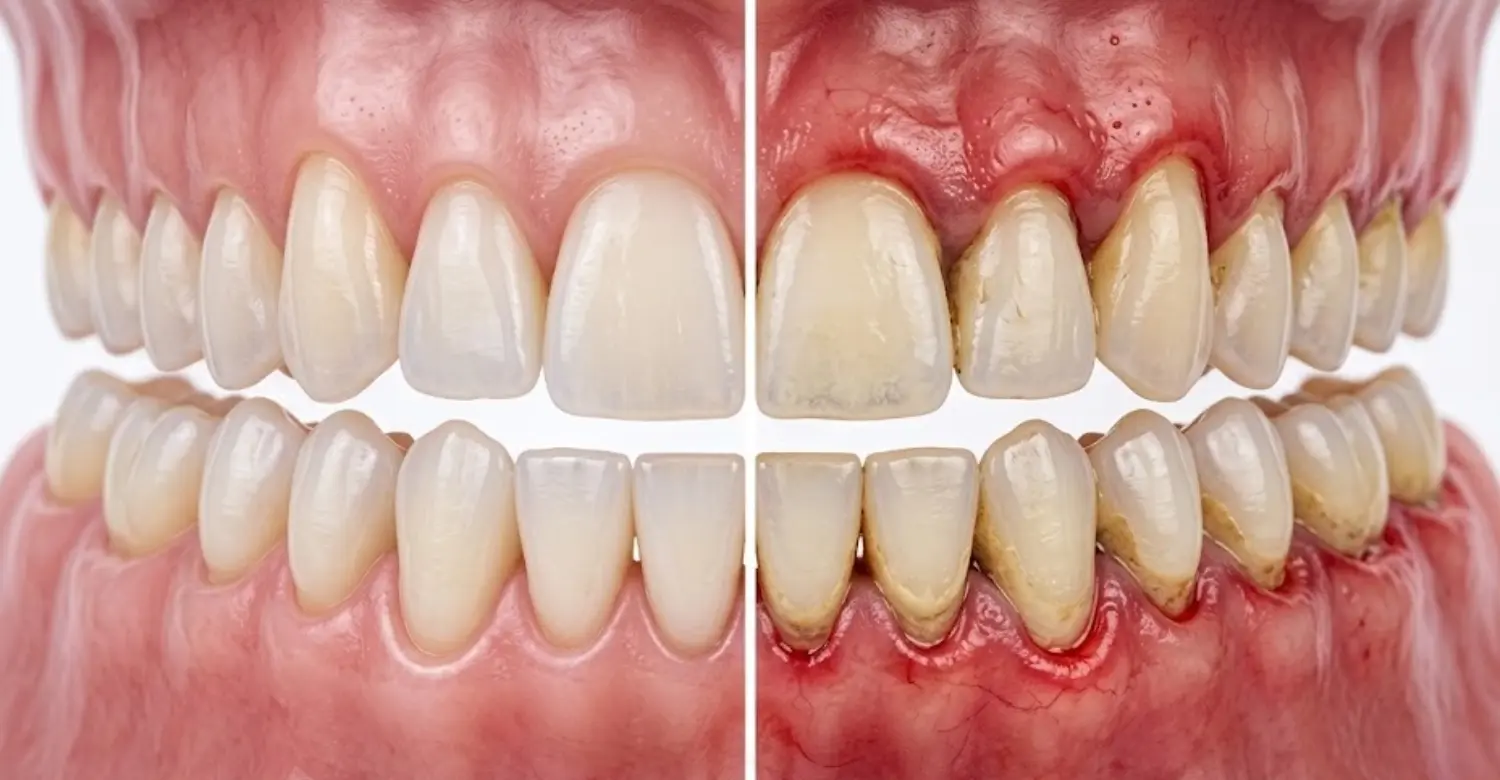
Clinical Note: The Importance of Early Gum Disease Management
Clinical Note from Dr. Rifat Alsaman, Head of the Medical Team at Vitrin Clinic and a cosmetic dentist:
"Gum health is the foundation of every successful dental treatment. Even advanced cosmetic procedures may fail without stable and healthy gum tissues. Early intervention allows us to preserve natural teeth, control infection, and achieve more predictable long-term results."
At Vitrin Clinic, clinical evaluation focuses on identifying early signs of gum problems. This includes bleeding, swelling, sensitivity, and changes in gum appearance. Proper gum medicine treatment can protect oral health and improve the success rate of restorative and cosmetic procedures.
Tips for Patients: Maintaining Healthy Gums After Gum Medicine Treatment
Tips for healthier gums:
Brush teeth twice daily using proper brushing techniques.
Use dental floss or interdental cleaning tools to remove plaque between teeth.
Follow your dentist's instructions when using prescribed mouthwashes.
Maintain a balanced diet rich in vitamins and minerals that support gum health.
Avoid smoking because it increases the risk of gum disease.
Schedule regular professional dental cleanings.
Dr. Rifat Alsaman, Head of the Medical Team at Vitrin Clinic and a cosmetic dentist, advises patients that prevention is one of the most effective strategies for maintaining healthy gums and protecting their smile long-term.
Conclusion: Protect Your Smile With Effective Gum Medicine at Vitrin Clinic
Healthy gums are the foundation of a strong and confident smile. Gum medicine helps prevent and manage gum problems. It works by controlling inflammation, treating infections, and protecting the tissues that support your teeth. Options range from professional periodontal care and antimicrobial treatments to supportive approaches such as vitamins and lifestyle guidance. The right treatment plan depends on accurate diagnosis and personalized care.
At Vitrin Clinic, every gum treatment is designed around the patient's specific needs and long-term oral health goals. Dr. Rifat Alsaman is Head of the Medical Team at Vitrin Clinic and a cosmetic dentist. He emphasizes that maintaining healthy gums is essential before and after any dental procedure, to achieve stable and beautiful results.
With advanced dental techniques, experienced specialists, and a patient-focused approach, Vitrin Clinic is here to help. We help patients restore gum health and build the foundation for a healthier smile.
Book your FREE consultation at Vitrin Clinic today and take the first step toward healthier gums and a confident smile.
Reference
Gum Medicine refers to the field of dentistry focused on diagnosing, preventing, and treating conditions that affect the gums and supporting structures of the teeth. This includes gingivitis, periodontitis, gum infections, and other periodontal problems. Treatments may include professional cleaning, scaling and root planing, medication, laser therapy, and surgical procedures. The choice depends on the severity of the condition. The following references provide more information about gum medicine and periodontal treatments. This includes causes of gum problems, prevention methods, and clinical approaches for maintaining healthy gums:
FAQs

Dr. Rifat Alsaman has more than 5 years of clinical experience in dentistry and currently serves as the Head of the Medical Team at Vitrin Clinic. He is dedicated to providing exceptional patient care, overseeing treatment planning, and ensuring the highest clinical standards across the team. His expertise, attention to detail, and commitment to continuous professional development have helped countless patients achieve healthier, more confident smiles.


