
Gum swollen and painful around a tooth is more common than most patients realize. It should never be ignored. The discomfort may be mild tenderness, or it may be a sharp, throbbing ache. Either way, localized gum inflammation around a single tooth often signals an underlying dental issue. Understanding the root cause is the first step toward lasting relief.
Gum Swollen and Painful Around a Tooth: What It Means
When your gum is swollen and painful around a tooth, the soft tissue around that tooth has become inflamed and tender. It may look visibly enlarged. This kind of localized inflammation can come from bacterial infection, tooth decay, gum disease, or physical injury. Finding the true cause matters. Different conditions need different treatments. Early recognition and professional evaluation are the best ways to stop a manageable gum issue from becoming a dental emergency.
Common Patient Concerns
Many patients wonder why swollen toothache gums appear around just one tooth, not the whole mouth. Others worry about bleeding, a bad taste, or a visible lump. Is it a serious infection, or just poor hygiene? These are valid questions tied to real conditions. A gum that's swollen and tender around a tooth is highly treatable when it's diagnosed early by a qualified dental professional.
How Swelling Teeth Pain Manifests
Swelling teeth pain does not look the same in every patient. Some feel a dull, constant ache that worsens at night. Others feel sharp pain only when biting down. Swollen gums in one area may look red, feel warm, and bleed easily during brushing. In some cases the discomfort grows over several days. This often means an infection is progressing deeper. Describing exactly how and when your pain behaves helps your dentist reach the right diagnosis faster.
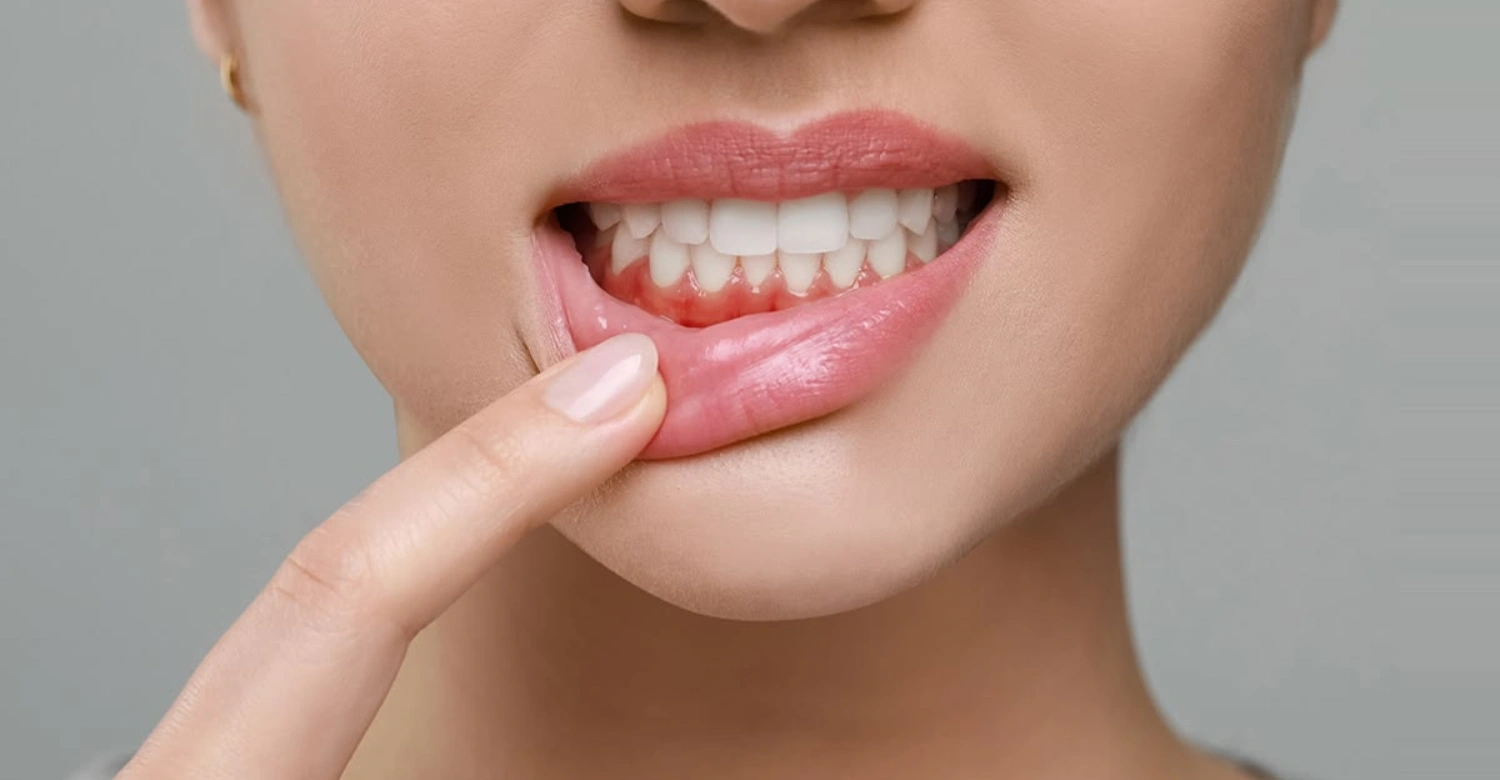
What Does Swollen Gums Look Like
Knowing what swollen gums look like helps you assess your condition before your appointment. They typically look puffier than usual. A deeper red or purplish tone replaces healthy pink tissue. The surface may look shiny, feel spongy when pressed, and bleed at the slightest touch. In advanced cases, a visible abscess or raised lump forms near the tooth. Swelling and pain around a tooth almost always show these recognizable signs.
Causes of Swollen Gums in One Area
Swollen gums in one area can have several distinct causes. Each one needs a targeted treatment approach. Unlike generalized gum disease that spreads across the mouth, localized swelling usually points to one specific problem. It could be a decayed tooth, trapped food, a bacterial infection, or an impacted tooth. Finding the exact cause behind a gum swollen and painful around a tooth requires a professional exam and imaging. This is essential for treating the source, not just masking symptoms.
Gum Swollen and Painful Around a Decayed Tooth
A swollen gum around a decayed tooth is one of the most common causes of localized gum inflammation. When decay progresses untreated, bacteria burrow deeper into the tooth. Eventually they reach the root and the surrounding gum tissue. This bacterial invasion triggers an intense immune response. Swelling, pain, and sometimes an abscess form beneath the gum line. Addressing the decay through fillings, crowns, or root canal treatment is the only reliable way to eliminate the swelling and restore gum health.
Gingivitis and Can You Have Gingivitis on One Tooth?
Many patients ask: can you have gingivitis on one tooth? Yes. Gingivitis is usually associated with widespread gum inflammation. But it can also develop in a highly localized form around a single tooth. This often happens when plaque builds up in one spot due to misalignment, poor brushing, or an ill-fitting restoration. Can you get gingivitis on one tooth? Absolutely. When it's ignored, even localized gingivitis progresses into more serious gum disease. The result is a tooth with a swollen, painful gum that becomes harder to manage without professional care.
Periodontal Disease on One Tooth: Early Warning Signs
Periodontal disease on one tooth develops when gingivitis advances into deeper structures. This includes the bone and periodontal ligament. Early warning signs include persistent swelling and pain, bleeding during brushing, deepening gum pockets, and noticeable sensitivity. X-rays may reveal early bone loss around that one tooth. Left untreated, periodontal disease on one tooth can cause the tooth to loosen or need extraction. Early intervention is critical. The sooner treatment begins, the better the chance of saving the tooth.
Other Triggers: Ingrown Tooth Gum, Trauma, or Infection
An ingrown tooth gum is when a tooth partially emerges beneath the gum tissue instead of fully erupting. It's a common trigger for localized swelling, most often seen with wisdom teeth. Physical trauma, like biting a hard object or a blow to the face, can also cause swelling around a specific tooth. Food debris and bacteria trapped beneath the gum line can spark a localized infection too. The result, again, is a tender, swollen gum around the tooth that needs prompt professional assessment.
Symptoms Linked to Gum Swelling Over a Tooth
Gum swelling over a tooth rarely appears alone. It's usually joined by other signs that reflect how severe the issue is. Swollen toothache gums, tenderness, jaw ache, and sensitivity to temperature all give your dentist useful clues. Reporting every symptom accurately leads to a more precise diagnosis. That means a more targeted treatment plan, and faster relief.
Swollen Toothache Gums and Discomfort
Swollen toothache gums often bring a persistent throbbing sensation. It's hard to pin down. The pain may radiate from the gum into the tooth, or from the tooth into the gum. This makes it hard to identify the true source. Swollen toothache gums may also feel warm and make chewing, speaking, or brushing uncomfortable. Over-the-counter pain relief only offers temporary comfort. A gum that's swollen and painful because of infection or decay needs professional treatment to resolve properly.
Swollen Gums and Jaw Ache: When to Seek Urgent Care
Swollen gums and jaw ache together can signal a spreading dental infection. They can also point to a problem with the jaw joint. Both need prompt attention. If your gum is swollen and painful around a tooth, and you also have jaw stiffness, trouble opening your mouth, facial swelling, or fever, seek urgent dental care right away. These symptoms may point to a dental abscess or cellulitis. Both can spread beyond the mouth if left untreated. This combination should never be dismissed or self-medicated.
Why Is My Gum Soft Around One Tooth
Patients often ask: why is my gum soft around one tooth? Soft or spongy gum tissue in one area often signals active inflammation or early infection. It can also point to developing periodontal disease. As inflammation progresses, it breaks down the tissue's structure. The firm texture of healthy gums gives way to softness. This is an early warning sign, even before the gum becomes swollen and painful around a tooth. Prompt evaluation helps stop minor issues from escalating.
Professional Treatments for a Gum Swollen and Painful Around a Tooth
Professional dental treatment is the only reliable way to fully resolve swelling and pain around a tooth. This is especially true when infection, decay, or progressive disease is the cause. Dental professionals have tools and techniques far beyond any home remedy. Depending on severity, treatment may range from deep cleaning to advanced surgery. Seeking care early relieves pain faster. It also lowers the risk of tooth loss and serious complications.
Deep Cleaning and Scaling for Gingiva Edema
Gingiva edema is the clinical term for swollen gum tissue. It's commonly treated with deep cleaning, also called scaling and root planing. This procedure removes hardened plaque and tartar from below the gum line. That buildup is what drives bacterial infection and swelling. Smoothing the root surfaces also makes it harder for bacteria to return. Regular deep cleaning is a proven first-line treatment for chronic buildup and early periodontal disease, at any age.
Treating a Swollen Gum Around a Decayed Tooth
When a swollen gum around a decayed tooth is identified, both the decay and the inflammation need a coordinated plan. Depending on severity, this may mean a filling, a crown, or root canal therapy to clear the infection inside the tooth. Once the bacterial source is gone, the gum tissue can begin to heal naturally. Early treatment prevents the infection from spreading to nearby teeth, bone, or other parts of the mouth.
Managing Swollen Gums Due to Toothache
Swollen gums due to toothache usually mean a deep cavity or infected pulp is putting pressure on the tissue around the tooth. Managing it starts with a full exam and X-rays. This shows how far the damage extends. Antibiotics, abscess drainage, and root canal treatment are commonly used together to clear infection and reduce swelling. Swelling and pain around a tooth caused by an active toothache almost always respond well to timely, professional treatment.
Advanced Procedures for Periodontal Disease on One Tooth
When periodontal disease on one tooth goes beyond what scaling can handle, surgery may be necessary. Flap surgery lets clinicians reach deep bacterial deposits below the gum line. Routine cleaning can't touch these deposits. Bone grafting and guided tissue regeneration help restore lost bone and attachment. These procedures stop further damage. They create the right conditions for healthy tissue to regenerate, with strong long-term outcomes.
Preventive Care and Dental Hygiene Tips
Prevention is the most powerful tool against a gum swollen and painful around a tooth. A consistent, thorough oral hygiene routine clears away the plaque that drives gingivitis, decay, and periodontal disease before they take hold. Preventive care, combined with regular check-ups, lowers your risk of swollen gums in one area. Small daily habits, done consistently, make the biggest difference over a lifetime.
Daily Brushing and Flossing Techniques
Correct brushing and flossing are the most basic tools for preventing swelling teeth pain. Hold your toothbrush at a 45-degree angle to the gum line. Use gentle, circular motions for two minutes, twice daily. Floss once a day. Guide it beneath the gum line on each side of every tooth to remove plaque your brush can't reach. These habits clear away the buildup that leads to gingivitis and gum disease over time.
Using Mouthwash to Reduce Gingiva Edema
An antibacterial mouthwash is especially helpful if you're prone to gingiva edema or recurring swollen gums in one area. Mouthwashes with chlorhexidine or cetylpyridinium chloride reduce the bacteria that trigger gum inflammation. Rinsing after brushing and flossing reaches spots that brushing alone can miss. Mouthwash should complement brushing and flossing, never replace them. Used consistently, it can cut both the frequency and severity of localized gum swelling.
Dietary and Lifestyle Factors That Affect Gum Health
What you eat and how you live affects how prone you are to swollen toothache gums. Diets rich in sugar and refined carbs feed the bacteria behind plaque and decay. Smoking impairs blood flow in the gum tissue. This makes it harder for your body to heal and fight infection. Staying hydrated, eating vitamin C-rich foods, and managing stress all support healthier gums. These habits complement professional treatment and daily hygiene.
Regular Dental Check-Ups for Early Detection
Check-ups every six months are one of the most effective ways to prevent gum swelling over a tooth. At these visits, your dentist measures gum pocket depths and reviews X-rays for early bone changes. They also evaluate your overall gum health. Catching a swollen gum around a decayed tooth early allows for simpler, less invasive treatment. Regular check-ups are a worthwhile investment in long-term comfort.
Vitrin Clinic Expertise and Patient-Centered Care
At Vitrin Clinic, patients with a gum swollen and painful around a tooth receive comprehensive, individualized care. Our multidisciplinary team brings together expertise in periodontics, endodontics, and restorative dentistry. We take time to listen, run thorough exams, and recommend only the treatments that genuinely fit your situation. Vitrin Clinic proudly serves international patients to the same standard found at leading dental institutions worldwide.
Advanced Technology and International Standards
Vitrin Clinic uses cutting-edge diagnostic technology: digital radiography, 3D cone beam CT imaging, and laser-assisted periodontal treatment. These pinpoint exactly why a gum is swollen and painful around a tooth, so we can plan the right course of action. All procedures follow rigorous international standards. Whether we're treating gingiva edema with a deep cleaning or performing complex periodontal surgery, our technology-driven approach delivers strong, measurable outcomes.
Personalized Treatment Plans for Gum Swelling and Tooth Pain
At Vitrin Clinic, no two treatment plans are identical. For patients whose gum is swollen and painful near a tooth, our team runs a full assessment, reviews imaging, and considers your lifestyle and medical history before recommending a plan. We believe in transparent communication: explaining every procedure clearly, setting realistic expectations, and giving detailed aftercare guidance. Our goal isn't just to relieve your pain. It's to equip you with the tools for lasting oral health.
Success Stories: Transforming Smiles with Minimal Discomfort
Vitrin Clinic has helped patients from around the world overcome swollen gums and jaw ache, swollen toothache gums, and advanced periodontal disease on one tooth. Many patients report substantial relief within one or two treatment sessions. This is thanks to precise diagnostics and expert care protocols. From resolving a swollen gum around a decayed tooth to managing complex gingiva edema, our outcomes reflect a commitment to excellence and individualized care.
Home Remedies for Temporary Swelling Management
A gum swollen and painful around a tooth always needs professional evaluation. But a few home remedies can offer temporary comfort while you wait for your appointment. These aren't substitutes for treatment. They simply help manage discomfort until the underlying cause is diagnosed and treated. Used correctly, home remedies can make the days before your consultation more comfortable.
Anti-Inflammatory Turmeric Gel Application
Turmeric gel for gums is a popular natural remedy. It contains curcumin, known for its anti-inflammatory and antibacterial properties. Applying a small amount directly to the swollen area may help reduce redness and puffiness in mild cases. Some patients find it soothing when swollen toothache gums make brushing uncomfortable. Treat it as short-term relief only. It is not a fix for swelling and pain around a tooth caused by decay or infection.
Tea Tree Oil Rinse for Antimicrobial Relief
A tea tree oil rinse is often used for its natural antimicrobial properties. It may help reduce the bacterial load behind swollen gums in one area. Dilute a few drops in warm water and swish gently for thirty seconds. Never swallow it, and use it sparingly. Concentrated application can irritate sensitive gum tissue. It works best alongside professional care, never instead of it, and is often paired with a saltwater rinse.
Saltwater Rinse Protocol for Soft Tissue Soothing
An antiseptic saltwater rinse is one of the simplest home remedies for gum swelling. Dissolve half a teaspoon of salt in warm water. Rinse gently two to three times a day. This soothes irritated tissue, reduces bacteria, and eases minor discomfort. It's gentle enough for most patients and can be repeated as needed. But it cannot resolve the underlying cause of a tooth that's swollen and painful at the gum line. Always pair it with a professional evaluation.
Tips for the Patients
Use home remedies for comfort only, never as a delay tactic. If swelling, pain, or a lump persists beyond two to three days, or gets worse, stop relying on home care. Book a dental evaluation instead. Avoid combining strong remedies, like tea tree oil and turmeric gel, at once. This can irritate already inflamed tissue. If home remedies aren't helping within a few days, that's a sign the condition needs professional attention.
Clinical Interventions for Advanced Localized Pathologies
When a gum stays swollen and painful around a tooth despite home care, targeted clinical intervention becomes necessary. These procedures address the source of infection or damage directly, rather than just managing symptoms. The right intervention depends on how far the condition has advanced. It ranges from scaling and polishing for surface plaque, to immediate incision and drainage for a full-blown abscess.
Incision and Drainage of Periapical and Periodontal Abscesses
Incision and drainage is performed when a dental abscess with localized swelling has formed and pus needs to be released. This relieves pressure and pain. For a periapical abscess at the tooth root, or a periodontal abscess beside the tooth, the clinician makes a small incision to allow drainage. The site is cleaned, and antibiotics are prescribed where necessary. This treatment often brings rapid relief. It's frequently a step toward further treatment, like root canal therapy or, in non-salvageable cases, extraction. Left untreated, an abscess can spread infection well beyond the original site.
Tooth Scaling and Polishing for Surface Debridement
Scaling and polishing removes hardened plaque, tartar, and surface staining. Scaling targets deposits above and just below the gum line. Polishing smooths the tooth surface to slow future plaque buildup. For patients with swollen gums in one area linked to tartar buildup, rather than an abscess, this can resolve inflammation without more invasive treatment. It restores a healthy gum contour and helps prevent future flare-ups.
Surgical Tooth Extraction as a Last Resort
When a tooth is so badly compromised by decay, infection, or periodontal disease that its root can't support restoration, extraction is the right course. A badly damaged tooth can act as an infection source, seeding bacteria into surrounding gum tissue and bone indefinitely. Recognizing this early, before it triggers a wider abscess, lets Vitrin Clinic plan the extraction proactively. Extraction is always a last resort at Vitrin Clinic, pursued only after other tooth-preserving options have been ruled out.
Vitrin Clinic's Approach to Gum Swollen and Painful Around a Tooth
At Vitrin Clinic, swelling and pain around a tooth are never treated as a one-size-fits-all complaint. Every patient with an abscess, tenderness, or suspected infection undergoes a full clinical and radiographic assessment first. We combine conservative options, like scaling and polishing or a saltwater rinse for comfort, with more advanced interventions like incision and drainage or extraction. These are reserved for cases where they're genuinely needed. This evidence-based approach guides how we manage both routine and complex cases.
What We Notice Clinically
"In our daily practice at Vitrin Clinic, we consistently see that patients underestimate how quickly localized gum swelling can escalate," says Dr. Rifat Alsaman, Head of the Medical Team at Vitrin Clinic and a cosmetic dentist. "What often starts as mild tenderness around a single tooth can, within days, turn into an abscess that requires urgent incision and drainage."
"Patients often try a tea tree oil rinse, turmeric gel, or a saltwater rinse first. These can genuinely help in the short term. But they are never a substitute for identifying whether the tooth itself has become a source of infection. This is why we always recommend patients come in at the first sign of persistent discomfort, rather than waiting to see if it resolves on its own." Dr. Alsaman's experience reflects a pattern seen across many patients: early intervention consistently leads to simpler treatment and a faster return to comfort.
Clinical Note
Vitrin Clinic advises that a tooth with a swollen, painful gum, accompanied by fever, facial swelling, or difficulty opening the mouth, should be treated as urgent, not routine. In these cases, incision and drainage or antibiotics may be needed before any restorative or cosmetic work can proceed safely. A saltwater rinse alone will not resolve a true dental abscess.
Tips for the Patients
Do not attempt to drain a suspected abscess at home. This can spread infection rather than relieve it. A tea tree oil rinse or saltwater rinse can ease discomfort temporarily. But if you notice an abscess, contact Vitrin Clinic promptly. Untreated abscesses can affect the jaw, surrounding teeth, and overall health. If a tooth is confirmed as an infection source, delaying treatment only increases the risk to neighboring teeth.
References:
A gum swollen and painful around a tooth should never be ignored. It may signal an underlying infection or periodontal abscess that needs prompt treatment. Recent research shows periodontal abscesses are among the most common dental emergencies. They can rapidly damage surrounding tissue if left untreated, making early diagnosis and professional care essential for preserving oral health.
https://pubmed.ncbi.nlm.nih.gov/32809460/
https://www.ncbi.nlm.nih.gov/sites/books/NBK560625/
https://www.ncbi.nlm.nih.gov/books/NBK493149/
FAQs

Dr. Rifat Alsaman has more than 5 years of clinical experience in dentistry and currently serves as the Head of the Medical Team at Vitrin Clinic. He is dedicated to providing exceptional patient care, overseeing treatment planning, and ensuring the highest clinical standards across the team. His expertise, attention to detail, and commitment to continuous professional development have helped countless patients achieve healthier, more confident smiles.


