General Dentistry
August 10, 2026
Gut Health and Oral Health: Understanding the Mouth-Gut Connection
 Dr. Rifat Alsaman
Gut health and oral health are closely linked, yet many people still treat the mouth as separate from the rest of the body. The mouth is the entry point of the digestive tract. It is home to millions of microorganisms that interact with everything we eat and drink, and with how we care for our teeth. Understanding oral health and gut health together helps explain why dental problems rarely exist in isolation.
The relationship is bidirectional. Oral conditions can influence the wider body. Diet, lifestyle, and overall health can affect the mouth in turn. This guide looks at oral health and gut health from an evidence-informed, dental perspective. It does not claim that poor oral hygiene directly causes specific gut diseases. Instead, we explore what current research suggests, and what patients can practically do to protect both.
Gut Health and Oral Health: How Are They Connected?
Gut health and oral health connect through what's often called the oral-gut axis, the continuous pathway linking mouth and digestive tract. Every time we swallow, oral microorganisms travel into the gut and influence microbial balance there. Inflammation or imbalance in one area may relate to changes in the other, though the science is still developing. Some connections are well established, such as bacteria transfer through swallowing. Others remain under active research. Distinguishing between proven links and early findings matters when discussing oral health and gut health responsibly with patients.
The Oral Microbiome and Its Role in Health
The oral microbiome is the community of bacteria, fungi, and other microorganisms naturally living in the mouth. In balance, it supports healthy teeth and gums and helps control harmful bacteria. Harmful species can dominate, often due to poor hygiene or diet. Plaque builds up, gums become inflamed, and periodontal disease can develop. Maintaining oral microbiome balance is one of the simplest ways to protect long-term oral health and reduce disease risk.
The Gut Microbiome and Teeth
The gut microbiome and teeth are connected mainly through nutrition. A balanced gut supports better absorption of vitamins and minerals. These nutrients are essential for strong teeth, healthy gums, and supporting tissues. Adequate protein, hydration, and micronutrients all contribute to oral tissue health. Probiotics and supplements should not be viewed as guaranteed dental treatments; professional care remains essential. Gut microbiome and teeth research is one of the clearer areas of gut health and oral health science, since diet is easy to measure and adjust.
Why the Mouth Matters to the Digestive System
The mouth begins digestion the moment food enters. Saliva helps break down food and protects oral tissues. Chewing prepares food for the stomach. Oral bacteria are swallowed continuously throughout the day and become part of the broader digestive environment. This is why oral hygiene matters beyond the mouth itself. A cleaner oral environment means fewer harmful bacteria reaching the gut with each swallow.
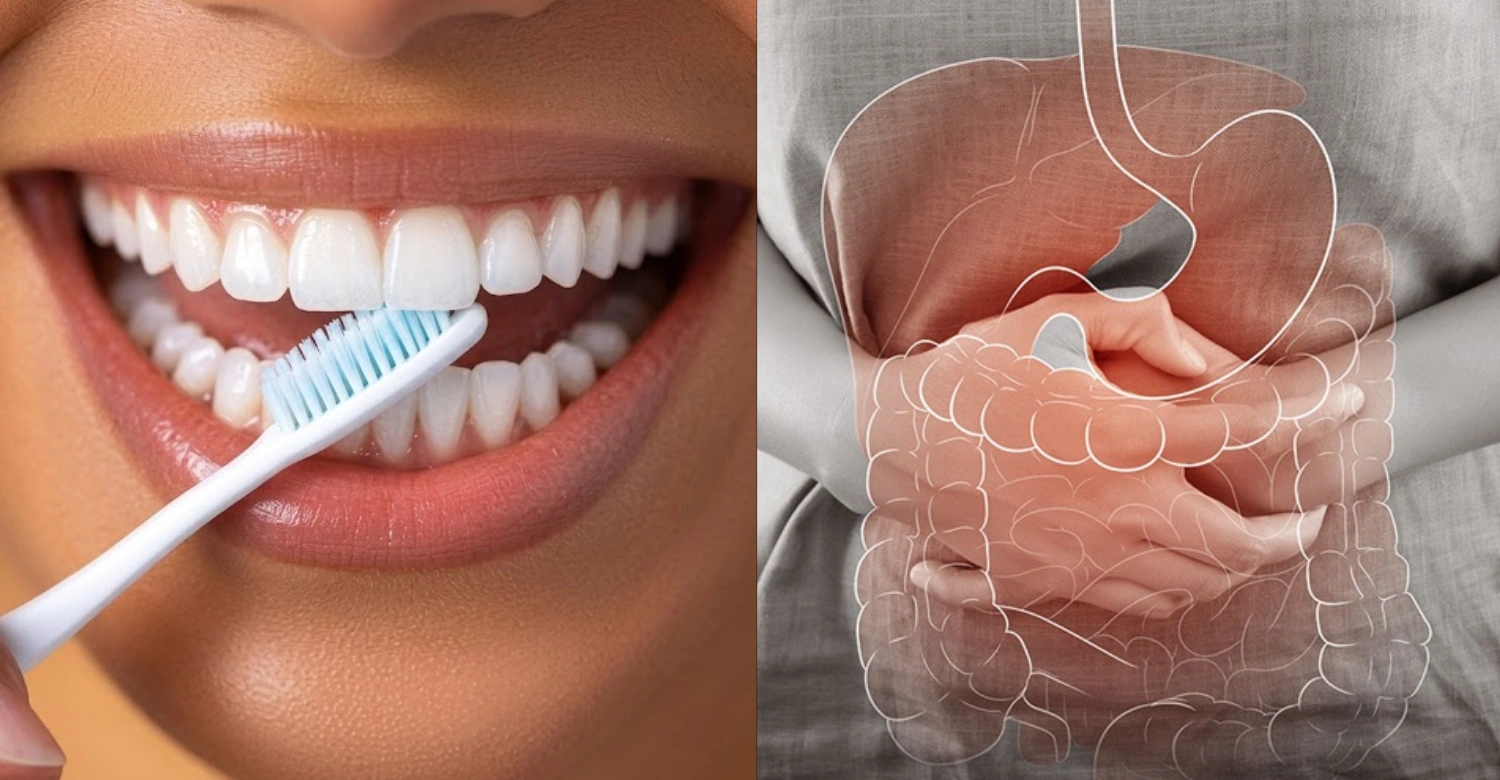
Gut Health and Teeth: Can Your Diet Affect Your Smile?
Diet plays a major role in dental health. Frequent sugar consumption feeds bacteria that produce acid, increasing the risk of cavities. Acidic foods and drinks can wear down enamel over time. Highly processed diets often lack the nutrients teeth and gums need. It's not just what you eat, but how often. Frequent snacking keeps the mouth in an acidic state longer. Considering gut health and teeth together highlights why balanced, whole-food diets benefit the whole body, mouth included.
Nutrients That Support Healthy Teeth and Gums
Calcium and phosphorus: strengthen enamel and bone
Vitamin D: supports calcium absorption
Vitamin C: maintains healthy gum tissue
Protein: supports tissue repair
Adequate hydration: maintains saliva flow
Fibre-rich foods: encourage chewing and saliva production
Nutritional needs vary between individuals depending on age, health status, and lifestyle. Personalized dietary advice is more effective than generic recommendations.
Foods That May Support Oral and Gut Health
Vegetables and fruits
Whole grains
Fibre-rich foods
Dairy or appropriate calcium-rich alternatives
Nuts and seeds where appropriate
Water as the primary beverage
These foods support both oral and gut health. Recommendations should always consider individual medical history, allergies, and specific health needs rather than a one-size-fits-all approach.
Foods and Habits That Can Harm Both Oral and Gut Health
Frequent sugary snacks
Sugary drinks
Excessive acidic beverages
Highly processed foods
Poor hydration
Frequent snacking throughout the day
These habits can harm both oral and gut health. They feed harmful bacteria, increase acid exposure, and reduce the nutrients available for tissue repair and microbial balance.
Clinical Notes
Every patient's oral condition reflects a combination of genetics, habits, and lifestyle. Clinical notes taken during examinations help track changes over time, from plaque levels to gum health. They support more accurate treatment planning grounded in each patient's gut health and oral health picture.
Gut Health and Gum Disease: Is There a Connection?
Researchers are increasingly interested in gut health and gum disease. They are examining how periodontal inflammation and bacterial imbalance might relate to systemic inflammation. Some studies suggest a connection between periodontal disease, the gut microbiome, and broader inflammatory markers. Association is not the same as proven causation, though. This is one of the more actively studied areas of gut health and oral health science. Gum disease remains, first and foremost, a dental condition requiring professional assessment and treatment.
How Gum Disease Develops
Gum disease typically begins with plaque accumulation along the gumline. Left untreated, this leads to gingivitis, marked by redness, swelling, and bleeding. If gingivitis persists, it can progress to periodontitis, where supporting tissues and bone break down. In advanced cases, this may result in tooth mobility or tooth loss. Early intervention at the gingivitis stage can often reverse damage before it becomes permanent.
Can Gum Disease Affect the Gut?
Oral bacteria are routinely swallowed. This means periodontal inflammation may influence the wider inflammatory environment beyond the mouth. Researchers continue studying oral-gut microbial interactions to understand these pathways more precisely. Early findings are interesting, but this remains an active area of research rather than settled fact. Patients shouldn't assume gum disease is directly causing digestive symptoms without proper evaluation.
Can Gut Problems Affect Your Gums?
Gut problems may indirectly relate to gum health through several pathways: nutrition, immune function, systemic inflammation, dietary restrictions, and medication side effects. None of these guarantee gum disease, but they may raise risk factors. Patients with gastrointestinal concerns should still maintain regular dental examinations. Early gum changes are best identified and managed by a dental professional, not assumed to resolve on their own.
Common Oral Problems Associated With Poor Lifestyle and Dietary Habits
Certain oral conditions appear repeatedly in patients with poor dietary or lifestyle habits. Understanding these problems, and how gut health and oral health influence one another, helps patients recognize early warning signs before they become bigger issues.
Tooth Decay
Oral bacteria metabolize fermentable carbohydrates from food, producing acid as a byproduct. This acid gradually demineralizes enamel, creating cavities over time. Frequent sugar exposure matters more than total amount. Snacking throughout the day keeps the mouth acidic for longer, giving bacteria more opportunity to damage enamel. Reducing frequency, not just quantity, is key to prevention.
Gum Disease
Plaque and bacterial accumulation along the gumline trigger inflammation. Gingivitis, the early stage, causes redness and bleeding but is often reversible. Left untreated, it can progress to periodontitis, affecting deeper supporting structures. Warning signs patients should recognize include persistent bleeding, swelling, gum recession, and bad breath. All are reasons to seek professional evaluation early.
Enamel Erosion
Acidic foods and beverages gradually wear away enamel through repeated exposure. This is different from the bacterial process behind decay. Erosion softens and thins enamel surfaces, sometimes causing sensitivity or a translucent appearance at the edges of teeth. Unlike decay, erosion isn't caused by bacteria. It's a chemical process driven by acid frequency and contact time.
Dry Mouth
Saliva plays a protective role, neutralizing acid and washing away food particles. When saliva flow decreases, the mouth loses this natural defense. Dietary habits, certain medications, and lifestyle factors can all contribute to dry mouth. Reduced saliva increases the risk of cavities and general oral discomfort. Hydration and professional guidance are important for at-risk patients.
Bad Breath
Bad breath often stems from oral bacteria and tongue coating, but gum disease, dry mouth, and dietary factors also contribute. Occasional bad breath is common and usually manageable with better hygiene. Persistent halitosis, however, may signal an underlying dental issue. It warrants professional evaluation rather than relying on temporary fixes alone.
Tips for Patients
Brush twice daily with fluoride toothpaste
Limit frequency of sugary and acidic foods
Stay well hydrated throughout the day
Floss daily to reduce plaque buildup
Avoid prolonged snacking between meals
Schedule regular dental check-ups
Address dry mouth symptoms early
Support gut health and oral health through a balanced, whole-food diet
How Are Oral Health and Gut Health Problems Treated?
Treatment always depends on the actual dental diagnosis, not on assumptions about the gut. Diet and hydration support prevention. But existing oral conditions like decay or gum disease require targeted, professional treatment. Addressing gut health and oral health together means combining good lifestyle habits with appropriate clinical care. Dietary changes alone should not be expected to resolve dental problems that already exist.
Professional Dental Cleaning
Professional cleaning removes plaque and calculus buildup that brushing alone can't fully address. This scaling process reduces bacterial load and lowers inflammation risk. It helps prevent gum disease progression, supporting oral health and gut health together. Most patients experience smoother, cleaner-feeling teeth afterward, sometimes with mild sensitivity for a day or two. Regular cleanings remain one of the most effective preventive treatments available.
Gum Disease Treatment
Gum disease treatment depends on how advanced the condition is at diagnosis. Early stages, like gingivitis, usually respond well to professional cleaning and improved home hygiene. More established periodontal disease requires a structured approach. This can range from non-surgical deep cleaning to surgical intervention in advanced cases.
Non-Surgical Periodontal Treatment
Non-surgical treatment involves professional debridement: deep scaling and root surface cleaning to remove bacteria below the gumline. Combined with improved home hygiene, this approach can halt early to moderate gum disease progression. Dentists monitor periodontal pockets over time to track healing and determine whether further intervention is needed.
Surgical Periodontal Treatment
Advanced periodontal disease may require surgical management when non-surgical treatment isn't sufficient to control infection or restore supporting tissue. Treatment planning depends on periodontal findings. Pocket depth, bone loss, and tissue condition all guide the decision, aiming to reduce disease progression and preserve remaining healthy structures.
Treatment for Tooth Decay
Early decay is often managed with fluoride-based preventive care, strengthening weakened enamel before a cavity fully forms. Once decay progresses, dental fillings restore the damaged tooth structure. More advanced restorative procedures may be needed for extensive decay. Early treatment remains the most effective way to avoid complex, costly procedures later.
Treatment for Enamel Wear and Erosion
Treatment starts with identifying the underlying cause: dietary, medical, or habitual. Reducing acid exposure and improving hydration help slow further erosion. Fluoride treatments support remineralization of weakened enamel. When structural damage is significant, restorative treatment such as bonding or veneers may be needed to protect the affected surfaces.
Restorative and Cosmetic Dentistry
Crowns, veneers, bonding, and other cosmetic treatments address structural or aesthetic concerns. Cosmetic dentistry should always follow proper diagnosis and disease control. Treating any underlying decay or gum disease first ensures results last. At Vitrin Clinic, this approach combines gut health and oral health management with aesthetic planning, so improvements are built on a genuinely healthy foundation.
Benefits of Improving Oral and Gut-Health Habits
Improving daily habits benefits both the mouth and the wider body. Supporting oral health and gut health together through better diet, hydration, and hygiene reduces disease risk. It also improves comfort, function, and confidence in your smile over time.
Benefits for Oral Health
Lower risk of tooth decay
Better gum health
Reduced plaque accumulation
Fresher breath
Better protection of tooth enamel
These benefits build on consistent daily habits combined with regular professional dental care and monitoring.
What Patients Can Expect Before and After Treatment
Before treatment: a dental examination, assessment of gums and teeth, identification of risk factors, appropriate diagnostic imaging when clinically indicated, and an individualized treatment plan.
After treatment: improved oral hygiene, reduced gum inflammation, better comfort, improved function, and a healthier foundation for any future cosmetic treatments.
Why Results Differ Between Patients
Results vary based on existing periodontal disease, oral hygiene habits, diet, smoking, systemic health, treatment compliance, and regular maintenance. Two patients with similar diagnoses may see different outcomes. It depends on how consistently they follow aftercare and preventive recommendations.
When Should You Seek Professional Dental Advice?
Seek professional advice if you notice: persistent bleeding gums, gum recession, tooth sensitivity, chronic bad breath, tooth mobility, recurrent decay, jaw discomfort, or significant enamel wear. Any oral change that persists beyond a few days deserves attention. Early assessment prevents minor problems from progressing into more complex dental conditions. It protects both your smile and your oral health and gut health long-term.
What We Notice Clinically
According to Dr. Rifat Alsaman, Head of the Medical Team at Vitrin Clinic, a smile is never just about appearance. During routine examinations, he explains that dentists often pick up on signs that reflect diet, hydration, and daily habits long before a patient mentions any concern. Dr. Rifat Alsaman notes that these clinical observations don't replace medical diagnosis. They add valuable insight, helping connect what's visible in the mouth to broader lifestyle patterns patients can address.
What We Look For During an Examination
A comprehensive dental assessment may consider:
Gum colour and swelling
Bleeding during examination
Plaque and calculus accumulation
Enamel wear or erosion
Recurrent cavities
Dry mouth
Bad breath
Dietary patterns that may increase dental risk
Existing restorations and their condition
These observations together build a clearer clinical picture. They guide treatment decisions based on evidence rather than assumption.
Why Clinical Signs Should Not Be Self-Diagnosed
Oral symptoms do not automatically indicate a gut disorder. Dry mouth, bad breath, or enamel wear can have many causes, dental and otherwise. Patients should avoid diagnosing gastrointestinal conditions based solely on what they notice in their mouth. When clinical signs suggest something beyond dental care, referral to another healthcare professional may be appropriate.
Our Approach to Whole-Person Dental Care
Preventive dentistry and individualized treatment guide our approach at Vitrin Clinic. Successful dental care means understanding a patient's habits, diet, oral hygiene routine, medical history, and treatment goals, not just isolated symptoms. Cosmetic improvements should always be built on a foundation of healthy teeth and gums. This whole-person view reflects how closely gut health and oral health intersect in everyday patient care.
Dental Technology and Personalized Care at Vitrin Clinic
Diagnosis always comes before treatment. Comprehensive dental assessments, digital imaging where clinically appropriate, and digital treatment planning support precise, personalized care. Modern restorative and cosmetic technologies help build individualized treatment plans based on each patient's oral condition and goals. Technology supports precision and communication; it doesn't replace clinical judgment. Our team at Vitrin Clinic uses these tools to guide thoughtful, patient-focused planning grounded in oral health and gut health awareness.
Your Next Step
If you're experiencing dental or gum concerns, a professional consultation is the best next step. A dentist can assess your teeth and gums and determine whether further evaluation is needed. Book a consultation at Vitrin Clinic today for a personalized treatment plan built around your oral health and gut health goals.
References:
FAQs
Dr. Rifat Alsaman has more than 5 years of clinical experience in dentistry and currently serves as the Head of the Medical Team at Vitrin Clinic. He is dedicated to providing exceptional patient care, overseeing treatment planning, and ensuring the highest clinical standards across the team. His expertise, attention to detail, and commitment to continuous professional development have helped countless patients achieve healthier, more confident smiles.


