General Dentistry
September 2, 2026
How Many Teeth Do Children Have? Complete Guide to Baby Teeth
 Dr. Rifat Alsaman
Children normally develop 20 primary teeth, commonly called baby, milk, or deciduous teeth. Understanding how many teeth do children have at each stage helps parents recognize normal growth from the very first months of life. These teeth usually begin appearing during infancy and continue erupting until around age three. They follow a predictable sequence, even though the exact timing differs from child to child.
The full set includes eight incisors, four canines, and eight molars, arranged symmetrically across both jaws so that both sides develop even chewing surfaces. Primary teeth help children chew food, develop clear speech, and maintain space for permanent successors. Dentists treat them as far more than a temporary inconvenience. Although baby teeth eventually fall out, they remain vital throughout early childhood. Their condition directly influences everyday comfort, eating habits, speech clarity, and the developing permanent dentition underneath.
How Many Teeth Do Children Have?
Most children eventually develop 20 primary teeth during early childhood, and this total count stays constant regardless of individual eruption order. These teeth occupy the upper and lower arches before permanent teeth replace them one by one. The first teeth commonly appear around six months of age. However, timing varies considerably—some infants show a first tooth at three months, while others wait until closer to their first birthday.
By approximately age three, most toddlers have developed their complete primary dentition, providing a full functional set for chewing and speaking. The 20 teeth consist of eight incisors, four canines, and eight molars. Each distinct group performs specific functions during eating, speech articulation, and normal jaw development.
How Many Baby Teeth Do Children Have?
Children usually have 20 baby teeth in their complete primary dentition, split evenly so each side carries an identical set. Ten primary teeth develop in the upper jaw and ten in the lower jaw, giving the mouth a balanced structure. Upper and lower arches each contain four incisors, two canines, and four molars, creating a functional bite.
These teeth gradually emerge during infancy, following a front-to-back pattern that dentists use as a baseline reference. Front teeth generally appear before back molars. Because of this sequence, parents often notice initial signs of teething around the lower center of the mouth.
How Many Primary Teeth Do Children Have?
A complete primary dentition contains 20 primary teeth, which dentists use as a baseline for eruption charts and clinical evaluations. Primary teeth represent the first generation of teeth developed during childhood, appearing well before the jaw can support adult teeth. They include eight incisors, four canines, and eight molars, distributed evenly so chewing pressure is shared across the mouth.
There are five primary teeth in each quadrant, making it simple for dentists to track progress quadrant by quadrant during routine checkups. This arrangement creates balanced chewing surfaces across both sides of each dental arch, supporting even wear and comfortable eating.
How Many Milk Teeth Do Children Have?
Milk teeth is simply another common name for primary teeth, and both terms are used interchangeably in clinical literature and everyday conversation. Children normally develop 20 milk teeth during early childhood, matching the exact count used for primary or baby teeth.
The term is widely used around the world to describe the same dental set. Parents reading international health resources or traveling abroad should not be confused by these different names. These 20 teeth include eight incisors, four canines, and eight molars, arranged in the exact same symmetrical pattern. Milk teeth help young children learn to chew properly and pronounce new sounds, supporting nutrition and speech development simultaneously.
The 20 Primary Teeth in Children
The 20 primary teeth are divided equally between the upper and lower jaws, with each arch mirroring the other in number and type. Each jaw contains four incisors, two canines, and four molars, creating a predictable layout that dentists evaluate during exams.
8 Incisors: Occupy the front portion of the mouth where they are most visible, working to cut and bite into food.
4 Canines: Sit beside the lateral incisors and help tear food, using their pointed shape to grip tougher textures.
8 Molars: Occupy the back portion and provide broad chewing surfaces, handling the heavy work of grinding food before swallowing.
How Many Teeth Do Children Have at Different Ages?
The total number of erupted teeth changes substantially throughout infancy and toddlerhood, making age-specific guidance useful for parents tracking progress. Most infants begin developing visible teeth during their first year, starting with the lower front teeth before moving outward.
By age two, many children have most of their primary teeth, though the back second molars may still be emerging. By approximately age three, the full set of 20 primary teeth is usually present, providing a full working bite. Some children reach these milestones earlier or later without any underlying issues, as dentists recognize a wide range of normal timing.
How Many Teeth Do Children Have at Age 1?
Around the first birthday, most children have only part of their primary set, which is completely expected given the gradual timeline. Many one-year-olds have between six and eight teeth, usually central and lateral incisors in both jaws.
Some children have fewer teeth at this age, while others may already be working on their first molars. Both situations can be perfectly healthy. Because the first year involves dramatic teething changes, parents often observe increased drooling, gum sensitivity, and an urge to chew. Dentists recommend a first dental visit around age one to evaluate this active eruption process.
How Many Teeth Do Children Have at Age 2?
A two-year-old may have many, but not necessarily all, primary teeth erupted. This is one of the most common stages for parents to ask about tooth counts. The exact count varies because eruption schedules differ from child to child.
Many children have several incisors, canines, and molars by this stage, often approaching a complete set. Second primary molars may still be pushing through the back gums, sometimes causing noticeable discomfort. Some toddlers achieve their full set before their third birthday, while others reach that point several months later.
How Many Teeth Do Children Have at Age 3?
By age three, most children have their complete set of 20 primary teeth, marking an important developmental milestone for speech and eating. At this point, all incisors, canines, and primary molars have generally emerged, providing a full bite.
These teeth form functioning upper and lower dental arches that allow comfortable chewing across a wider range of solid foods. Spacing varies naturally and does not automatically indicate future orthodontic issues, even when gaps appear uneven. Minor timing variations at this stage remain well within the normal range.
How Many Teeth Do Children Have at Age 4?
Most four-year-olds have 20 primary teeth, with the entire set fully established and functional. At this stage, children rely on these teeth for chewing, speaking, and supporting ongoing dental arch development throughout the preschool years.
Meanwhile, permanent teeth are actively forming inside the jawbones, preparing for their future arrival years later. Primary molars serve a critical purpose during this time by preserving space for adult premolars, acting as long-term placeholders in the back of the mouth.
How Many Teeth Do Children Have at Age 5?
Most five-year-olds still retain all 20 primary teeth, though this age often marks the beginning of noticeable changes. Some children begin experiencing the earliest stages of tooth loss, particularly around the lower front incisors.
The transition toward permanent teeth usually starts over the following years, making age five a quiet phase before that shift begins. Primary teeth loosen as permanent successors grow underneath, gradually dissolving the root structure from below. Because timing varies, one loose tooth does not mean others will follow immediately.
Why Tooth Eruption Timing Varies
Tooth eruption timing naturally differs among children, serving as a common topic during routine pediatric checkups. Key factors contributing to this variation include:
Genetics: Family history often dictates when teeth emerge, frequently mirroring patterns seen in parents or siblings.
Overall Growth: Children developing at different physical rates may show corresponding variations in their dental timelines.
Local Factors: Space constraints, tight gum tissue, or obstruction from neighboring teeth can influence individual emergence.
Medical Considerations: Broader systemic conditions can occasionally alter timing, though most delays stem from simple natural variation.
When Do Children Get Their Baby Teeth?
Baby teeth usually begin erupting during the first year of life, with signs often appearing months before the first birthday. The first tooth commonly emerges around six months, although normal timing varies considerably between infants.
Lower central incisors usually appear before other primary teeth, setting the pace for the rest of the sequence. Eruption continues progressively toward the back of the mouth, following a predictable pattern. By roughly three years of age, most children have all 20 primary teeth, completing a process that spans early toddlerhood.
When Does the First Baby Tooth Appear?
The first baby tooth commonly appears during the first year, becoming an anticipated milestone for parents. Many infants experience their first eruption around six months of age, though the normal window is broad. Healthy children may show their first tooth earlier or several months later.
Lower central incisors are typically the first to emerge, appearing as small, sharp edges along the lower gumline. Infants often display increased chewing habits or gum sensitivity during this phase as they seek relief from eruption pressure. This is a common moment for parents to wonder how many teeth do children have.
Which Baby Teeth Come in First?
Lower central incisors commonly appear first, marking the visible start of a child's dental development. Located near the center of the lower arch, these front teeth are easy for parents to spot. Upper central incisors usually follow shortly after, emerging within a few weeks to a couple of months.
Lateral incisors arrive next to expand the front smiling area, filling in space on either side of the central teeth. Primary molars and canines emerge later, typically arriving during the second year of life. Understanding this sequence helps answer how many teeth do children have with greater clarity.
When Do Children Have All 20 Primary Teeth?
Most children have all 20 primary teeth by approximately three years of age, completing the primary dentition. The American Dental Association (ADA) notes that children generally possess their full set between ages three and four, offering a clear general benchmark.
This set includes eight incisors, four canines, and eight molars. Once erupted, these teeth remain functional until adult teeth replace them years later. The full count of twenty stays constant until natural exfoliation begins in early childhood.
Baby Teeth Eruption Timeline
The general eruption process starts with lower central incisors during infancy, establishing the pace for subsequent teeth. Upper central incisors follow, accompanied by lateral incisors and early molars to fill the front and middle areas.
Primary first molars and canines emerge during later infancy and early toddlerhood, often arriving in overlapping waves. Second molars complete the primary set during the late toddler period, concluding the primary eruption process. By age three, most children have all 20 primary teeth present.
What Are the 20 Primary Teeth?
The 20 primary teeth consist of three functional groups, each serving a specific role in daily oral health:
Incisors: Eight front teeth designed for cutting and biting food into manageable pieces.
Canines: Four pointed teeth positioned at the corners of the arches to grip and tear food.
Molars: Eight broad back teeth meant for crushing and grinding food prior to swallowing.
Every complete primary dentition contains these three groups in identical proportions across both jaws.
8 Incisors
Children have eight primary incisors, making them the largest group among the primary tooth types. Four reside in the upper jaw and four in the lower jaw, split evenly across the center line.
Central and lateral incisors form the front portion of each dental arch, giving the smile its structure. Their narrow edges cut food into smaller bites suitable for a child's mouth. Incisors also aid in early speech articulation and facial appearance.
4 Canines
Children have four primary canines, positioned to bridge the space between front incisors and back molars. Two canines sit in the upper arch and two in the lower arch, maintaining left-right symmetry.
Their pointed shape enables children to grip and tear textured foods that flatter incisors cannot easily cut. Beyond eating, canines support the overall arch structure, subtly shaping how the smile and bite align as the jaw grows.
8 Molars
Children have eight primary molars, making them as numerous as the incisors and essential for daily function. Four are located in the upper jaw and four in the lower jaw, following the same symmetrical arrangement.
Primary molars feature wide surfaces designed for chewing and grinding meals into easily digestible pieces. They reserve crucial space for future adult premolars, preventing crowding issues later on. Primary molars erupt later than front teeth, completing the back of the mouth during toddlerhood.
What Each Type of Primary Tooth Does
Incisors act as the initial point of contact during eating, cutting food into bite-sized portions. Canines grip and tear denser foods, managing textures that incisors struggle to process. Molars break down food through grinding, simplifying digestion.
Together, these teeth build an efficient chewing system that accommodates an expanding childhood diet. They also support proper lip and tongue positioning required for speech clarity, making primary tooth preservation vital during early growth.
How Many Teeth Do Children Have vs. Adults?
Feature | Primary Dentition (Children) | Permanent Dentition (Adults) |
Total Count | 20 teeth | Up to 32 teeth |
Structure | Smaller, lighter enamel | Larger, denser enamel |
Composition | Incisors, Canines, Molars | Incisors, Canines, Premolars, Molars |
Role | Maintain space, aid early growth | Long-term functional use |
Children's smaller jaws grow over time to accommodate the larger, more numerous permanent teeth. During school-age years, both sets may exist together, creating a mixed dentition stage.
How Many Teeth Do Children Have Compared to Adults?
Children develop 20 primary teeth, while adults can have up to 32 permanent teeth—nearly doubling the count by adulthood. This difference aligns with human jaw growth across distinct developmental stages.
Primary teeth fit the small jaws of early childhood, creating a comfortable, proportionate bite. Permanent teeth emerge as the jaws expand, accommodating a larger array of teeth. Adult molars erupt into new space behind baby molars rather than replacing them directly.
Why Do Adults Have More Teeth?
Adults have more teeth because permanent dentition includes extra molars that have no primary predecessors. Permanent teeth replace baby teeth while adding entirely new tooth groups to the back of the mouth.
Three molar positions can develop in each quadrant of an adult mouth, compared to only two primary molar positions in childhood. The third molars, commonly called wisdom teeth, complete the full count of 32. However, not everyone develops or retains all four wisdom teeth.
Primary Teeth vs. Permanent Teeth
Primary teeth are smaller, lighter, and fewer in number than permanent teeth, reflecting the smaller structure of a child's mouth. Primary dentition has 20 teeth, while adult dentition reaches up to 32.
Baby teeth exfoliate naturally as adult successors develop underneath, guided by a coordinated biological process spanning several years. Permanent teeth are built for lifelong use with thicker enamel designed to endure decades of wear. Both sets share basic categories incisors, canines, and molars keeping jaw function consistent.
When Do Children Lose Their Baby Teeth?
Children typically begin losing primary teeth during early school-age years, marking a visible milestone in childhood development. The exfoliation process usually starts around age six, though timing varies as much as initial eruption did.
Lower front incisors are usually the first to loosen, mirroring the order in which they first arrived. Developing adult teeth trigger root resorption, slowly dissolving the baby tooth's roots from underneath. The tooth grows increasingly loose over several weeks until it falls out naturally.
What Age Do Children Start Losing Baby Teeth?
Many children lose their first primary tooth around age six, an event that often coincides with starting elementary school. However, starting a year earlier or later remains completely normal.
Lower central incisors loosen first, continuing the front-to-back pattern seen throughout oral development. Adult incisors growing underneath cause root resorption over several months. This makes the primary tooth mobile, allowing children to wiggle it with their tongue before it sheds.
Which Baby Teeth Fall Out First?
Lower central primary incisors usually fall out first, reflecting their early arrival during infancy. Upper central incisors follow within a few months of the lower front teeth shedding.
Lateral incisors, canines, and molars fall out progressively over subsequent years, maintaining a front-to-back sequence. Each adult tooth triggers the loss of its primary predecessor. Minor variations in this order occur frequently and rarely signal any underlying issues.
When Do Children Finish Losing Their Baby Teeth?
Most children complete the transition to permanent teeth during early adolescence, finishing a process that began around age six. The exact timeline depends on individual growth rates, varying by a year or more between peers.
Primary molars and canines stay in the mouth longer than front incisors, as they were among the last to erupt originally. Permanent premolars replace baby molars, filling the space with precisely shaped surfaces. Adult canines also replace baby canines, typically concluding the transition around ages 11 to 13.
What Happens When Permanent Teeth Erupt?
Permanent teeth develop inside the jawbones for years before emerging into the mouth. Their eruption is coordinated with the root resorption of primary teeth, linking both sets together throughout childhood.
As an adult tooth approaches the surface, the baby tooth above it grows loose, signaling that a new tooth is ready. Once the baby tooth sheds, the permanent tooth emerges into the open space within weeks. Permanent molars differ because they do not replace baby teeth, instead erupting into new space behind them created by jaw growth.
What We Notice Clinically
A child's dentition changes continuously through infancy, toddlerhood, and early school years. Clinically, pediatric dentists evaluate eruption sequences rather than focusing solely on raw numbers, as arrival patterns offer key diagnostic insight.
Dentists examine position, spacing, symmetry, gum health, and developing adult teeth during exams. A thorough dental history highlights prior trauma or early tooth loss, both of which affect arch development. Preventing cavities remains essential, as baby teeth possess thinner enamel and can decay rapidly.
Clinical Note
Tooth eruption must be evaluated within the context of a child's overall physical growth. Minor deviations from standard eruption charts rarely indicate medical problems, and dentists weigh multiple developmental factors during assessments:
Key Indicators: Age, family history, eruption order, arch spacing, and visual exam findings.
Diagnostic Tools: Dental X-rays may be used if a tooth appears significantly delayed or blocked under the gums.
Early Detection: Identifying potential issues early allows for simpler, less invasive interventions to protect adult teeth.
Dr. Rifat Alsaman's Opinion
Dr. Rifat Alsaman emphasizes that children's teeth should be monitored as developing structures, not simply counted at each visit and forgotten between appointments. The goal is not simply counting erupted teeth during each appointment, since the number alone says little about how well development is progressing.
Dentists should evaluate eruption, hygiene, spacing, function, and developing permanent teeth, treating each factor as part of one connected picture. Primary teeth deserve protection because they influence the environment for permanent successors, meaning their care has consequences that extend well beyond childhood.
When Delayed or Early Tooth Eruption May Need Attention
Significantly delayed eruption may require clinical evaluation, especially when it affects several teeth simultaneously. The same applies when teeth emerge in unusual positions or unexpected sequences, as patterns matter as much as timing.
Potential factors include genetic differences, spatial constraints, physical obstructions, or missing tooth buds. Systemic health conditions can occasionally affect dental development, leading dentists to review medical histories. While early eruption can occur, it is far less common than delayed emergence.
When Should Parents See a Dentist?
Parents should schedule a first dental visit when the first tooth appears or by the child's first birthday, whichever comes first. Early checkups help establish preventive routines and spot developmental concerns early.
Parents should seek prompt care if a child experiences persistent tooth pain, facial swelling, or physical trauma to the mouth. Visually damaged baby teeth require evaluation, as injuries can impact the adult tooth developing beneath the gums. Significant delays in tooth emergence should also be discussed with a dentist.
What Happens If a Baby Tooth Falls Out Too Early?
When a primary tooth is lost prematurely due to decay or injury, a dentist must evaluate the surrounding space carefully. Severe decay or trauma can require early extraction when a tooth cannot be saved safely.
The consequences depend on which tooth was lost and the child's developmental age. Early loss allows neighboring teeth to shift into the vacant gap, narrowing the space intended for the adult successor. Space maintainers are often used to keep adjacent teeth from drifting.
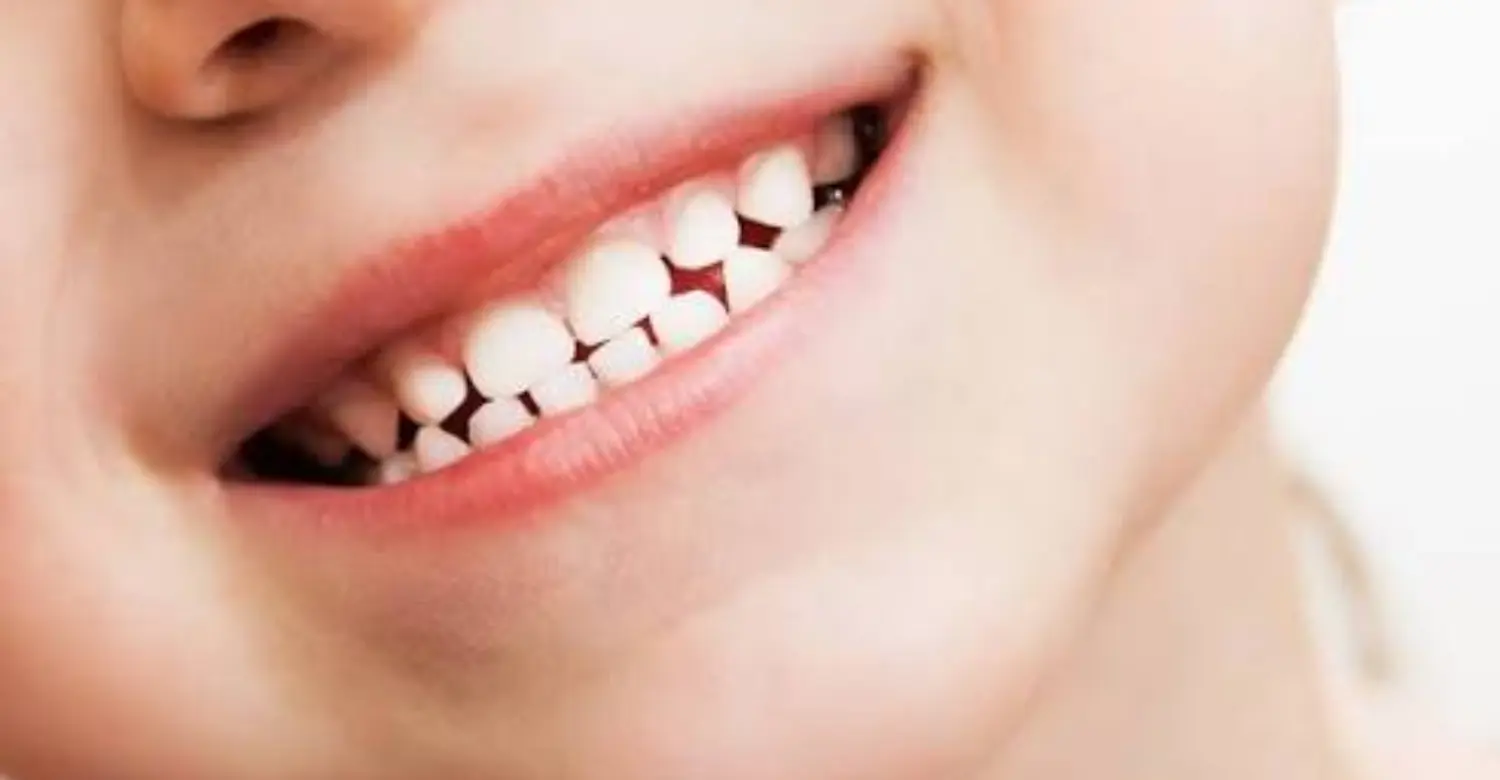
Common Causes of Early Baby Tooth Loss
Severe tooth decay can weaken a primary tooth until extraction becomes necessary, particularly when a cavity has reached the inner pulp of the tooth. Dental trauma can also fracture or loosen primary teeth prematurely, especially in active, exploratory toddlers. Falls, sports injuries, and accidents can damage children's teeth, sometimes affecting the surrounding gum and bone as well. Some children may have developmental conditions affecting individual teeth, which can make certain teeth more fragile or prone to early loss. Gum infections are less common but can contribute to tooth-support problems, weakening the structures that hold a primary tooth in place. This is a common moment for parents to ask how many teeth do children have.
How Early Tooth Loss Can Affect Permanent Teeth
Premature loss can alter the space available for permanent successors, sometimes creating problems that only become obvious years after the initial loss. Neighboring teeth may drift toward an empty area after a primary tooth disappears, gradually closing the gap meant for the permanent tooth. This movement can potentially contribute to crowding or altered eruption paths, forcing the permanent tooth to find an alternate route into the mouth. The risk depends on the tooth lost and the child's developmental stage, with earlier losses generally carrying a higher risk of complications. Permanent teeth may also erupt earlier or later depending on circumstances, since the loss of a primary tooth can accelerate or delay the process underneath. Understanding this helps answer how many teeth do children have with more confidence.
The Importance of Maintaining Tooth Space
Primary teeth act as natural placeholders for developing permanent teeth, quietly reserving the exact space each permanent tooth will eventually need. Their positions help guide the developing dental arches, influencing how the jaw grows and how future teeth will align. When one disappears early, neighboring teeth can potentially migrate into the vacant area, closing space that was meant for a different tooth entirely. This may reduce space for the permanent successor, sometimes forcing it to erupt at an angle or in a crowded position. Space maintenance is therefore considered when premature loss creates a meaningful risk, particularly in the back of the mouth where molars are involved.
How Should Parents Care for Children's Teeth?
Parents should begin oral hygiene before the first tooth appears, using a soft cloth or infant toothbrush to gently clean the gums. Gums can be gently cleaned to establish a daily routine, helping infants become accustomed to having their mouth cared for early on. Once a tooth erupts, brushing should become part of the child's regular care, ideally happening twice a day without exception. Fluoride toothpaste can help prevent tooth decay when used appropriately, giving teeth extra protection against the bacteria that cause cavities. The ADA recommends a rice-sized smear for children younger than three years, followed by a slightly larger amount as the child grows.
When Should Parents Start Brushing?
Parents should begin cleaning the mouth before the first tooth appears, even if there is nothing yet visible to brush directly. After the first tooth erupts, brushing should occur twice each day, establishing a routine that will continue for the rest of the child's life. A soft children's toothbrush can gently clean the tooth surfaces and gumline, minimizing discomfort while still removing plaque effectively. Parents should perform or supervise brushing because young children lack precise brushing skills, often missing key areas without guidance. A small amount of fluoride toothpaste should be used according to age, following the specific amounts recommended for each developmental stage.
How Often Should Children Brush?
Children should generally brush their teeth twice every day, a simple routine that forms the backbone of good oral hygiene. Morning brushing removes plaque that accumulates overnight, clearing away bacteria before the day's meals begin. Nighttime brushing is particularly important because teeth remain exposed during sleep, with little saliva flow to naturally wash away bacteria. Parents should supervise brushing during early childhood, stepping in to ensure every surface receives adequate attention. Children often miss back teeth and gumline areas without assistance, since these spots require more coordination than young children typically have.
Should Parents Help Children Brush?
Yes, parents should usually help young children brush effectively, since brushing well requires more coordination than most young children have developed. Young children may lack the coordination required for thorough plaque removal, often missing spots even when they brush enthusiastically. They can gradually take more responsibility as their motor skills improve, typically becoming more independent somewhere around age six or seven. Parents should still check the teeth after children begin brushing independently, offering a quick follow-up pass to catch anything missed. Back molars and gumline areas are commonly missed during early brushing, making them worth extra attention during supervised sessions.
Choosing Toothpaste and a Toothbrush
A child's toothbrush should have soft bristles and an appropriately sized head, matching the smaller size of a young child's mouth. The handle should be comfortable for both the child and supervising parent, since both will likely hold it at different points during brushing. Fluoride toothpaste is recommended for cavity prevention when used correctly, offering meaningful protection even in very young children. Children under three should use a rice-sized smear, keeping fluoride exposure low while still gaining some protective benefit. Children aged three to six should use a pea-sized amount, striking a balance between effectiveness and safety as their swallowing control improves.
Tips for Patients
Parents play an important role in protecting children's developing dentition, acting as the primary line of defense against decay and other dental problems. The most effective approach combines daily hygiene, healthy dietary habits, and professional monitoring, working together rather than relying on any single strategy alone. Children should become familiar with dental care before problems develop, building comfort with the dental office long before any treatment is needed. Regular examinations allow dentists to monitor eruption and identify early decay, catching issues while they are still simple to address. Parents should avoid treating primary teeth as unimportant because they eventually fall out, since neglecting them can still cause real harm in the meantime.
Tips for Parents During Tooth Eruption
Use gentle oral hygiene even when gums appear sensitive, adjusting technique rather than skipping brushing altogether during teething. A soft toothbrush can clean newly erupted teeth without excessive pressure, minimizing discomfort while still keeping plaque under control. Offer age-appropriate comfort measures when teething causes discomfort, choosing options that are both safe and genuinely soothing. Avoid placing unsafe objects or substances on the child's gums, sticking instead to products specifically designed and approved for teething relief. Maintain regular brushing despite temporary teething discomfort, since skipping brushing during this period can quickly allow plaque to build up.
How to Prevent Cavities in Baby Teeth
Brush twice daily with an appropriate amount of fluoride toothpaste, treating this as the single most important daily habit for cavity prevention. Limit frequent exposure to sugary foods and drinks between meals, since constant snacking gives bacteria more opportunities to produce acid. Encourage water as a regular drink when appropriate, offering a safe alternative to juice or other sugary beverages throughout the day. Avoid allowing children to constantly snack throughout the day, spacing out meals and snacks to give teeth time to recover between exposures. Clean teeth carefully along the gumline and chewing surfaces, since these areas are especially prone to plaque buildup and decay.
When to Schedule a Child's Dental Checkup
Children should begin dental care early rather than waiting for problems, ideally starting around the time the first tooth appears. The first visit allows dentists to assess oral development and hygiene, establishing a baseline that future visits can be compared against. It also gives parents practical advice about brushing and diet, answering questions before small issues have a chance to grow. Routine visits allow monitoring of eruption and developing permanent teeth, keeping track of progress at every stage of childhood. Dentists can identify early cavities before pain develops, often catching decay that would otherwise go unnoticed for months.
Healthy Habits for Growing Smiles
Healthy childhood smiles depend on consistent habits rather than occasional interventions, built through daily routines rather than sporadic effort. Children should brush twice daily using age-appropriate fluoride toothpaste, keeping this simple habit as the foundation of their oral care. Parents should supervise brushing until children demonstrate reliable cleaning skills, stepping back gradually rather than all at once. Balanced meals can reduce frequent sugar exposure throughout the day, supporting both general health and dental health at the same time. Water can be encouraged as a regular beverage when appropriate, reducing reliance on sugary drinks that increase cavity risk.
Children's Dental Care at Vitrin Clinic
Understanding How Many Teeth Do Children Have helps parents recognize normal dental development and understand why regular monitoring matters. Vitrin Clinic can support families through different stages of children's dental development, adapting care as each child grows and changes. The focus remains on prevention, monitoring, education, and appropriate treatment according to each child's needs. Children's dental needs change rapidly as primary teeth erupt and permanent teeth develop. Regular examinations can identify cavities, eruption concerns, and premature tooth loss before they become more complicated. Parents can also receive practical guidance about brushing, fluoride, diet, and preventive habits. This approach helps families protect primary teeth while supporting the healthy development of permanent teeth.
Monitoring Children's Tooth Development
Monitoring children's dental development helps dentists understand whether How Many Teeth Do Children Have matches the expected eruption stage for their age. Dentists can record which teeth have erupted and identify unusual changes over time. They can also examine spacing and developing dental arch relationships, watching for early signs of crowding or misalignment. This becomes particularly important during mixed dentition, when primary and permanent teeth are present together. Permanent teeth may require closer monitoring when eruption appears delayed or displaced. Previous tooth loss, trauma, or decay can also influence the developing dentition. Regular examinations create a clearer developmental record and allow dentists to identify changes earlier.
Preventive Dental Care for Growing Smiles
Preventive dentistry helps protect the teeth children have while supporting healthy development of future permanent teeth. Understanding How Many Teeth Do Children Have also helps parents recognize why every primary tooth deserves proper care. Daily brushing remains the foundation of childhood oral hygiene and should be performed twice daily with age-appropriate fluoride toothpaste. Professional cleanings can remove plaque that children may miss during brushing. Fluoride treatments may provide additional protection for children with increased cavity risk. Dental sealants can protect susceptible chewing surfaces on appropriate permanent molars. Dietary guidance can further reduce frequent exposure to sugary foods and drinks. Together, these measures create a comprehensive preventive strategy for growing smiles.
Personalized Care for Every Child
Every child develops differently, including the timing of tooth eruption, cavity risk, cooperation, and dental growth. Understanding How Many Teeth Do Children Have provides useful context, but tooth count alone cannot determine whether development is healthy. A personalized approach considers the child's age, dental history, eruption pattern, oral hygiene, and individual risk factors. Some children need primarily preventive care and regular monitoring. Others may require treatment for cavities, trauma, or eruption abnormalities. Dentists can also adapt communication to match the child's age and understanding. Age-appropriate explanations can reduce anxiety and build trust. This individualized approach allows families to receive recommendations that are practical, relevant, and appropriate for their child's developing smile.
Why Choose Vitrin Clinic for Children's Dental Care?
Parents researching How Many Teeth Do Children Have often have broader questions about eruption, primary teeth, dental health, and professional care. Choosing a dental clinic therefore involves more than evaluating individual treatment options. Comfort, communication, prevention, monitoring, and long-term planning all matter. Children benefit from dental visits that feel comfortable, predictable, and age appropriate. Positive early experiences can help establish healthier attitudes toward dental care. Professional monitoring can identify developmental concerns before they become complicated. Vitrin Clinic emphasizes individualized dental assessment and preventive oral-health guidance. The goal is to support children through each stage of dental development while giving parents clear information about maintaining healthy teeth at home.
Experienced Dental Team
An experienced dental team can recognize differences between normal developmental variation and potential dental problems. When parents ask How Many Teeth Do Children Have, dentists can explain expected eruption patterns while considering the child's individual development. Clinical experience supports careful assessment of eruption, spacing, decay, tooth position, and dental development. Children may require different communication strategies than adults. Simple explanations can help younger patients understand what is happening during an examination. A calm approach may also encourage cooperation and reduce unnecessary anxiety. Parents can receive practical guidance they can apply at home. This combination of clinical assessment, communication, and education supports a more positive dental experience for both children and their families.
Personalized Approach to Children's Oral Health
Every child's oral health develops according to individual biological and environmental factors. Knowing How Many Teeth Do Children Have provides a useful starting point, but dentists must evaluate much more than the number of visible teeth. Cavity risk can differ because of diet, hygiene, fluoride exposure, previous decay, and other individual factors. Eruption patterns can also vary without necessarily representing disease. Dentists can combine clinical findings with developmental history to create appropriate recommendations. Some children may require additional preventive visits, while others may need closer monitoring of eruption or dental spacing. Personalized care ensures recommendations reflect the child's actual needs rather than relying solely on generalized developmental charts.
Focus on Long-Term Dental Health
Childhood dental care should prepare children for healthy permanent dentition and establish habits that can continue throughout life. Understanding How Many Teeth Do Children Have can help parents appreciate the importance of protecting primary teeth before permanent teeth replace them. Primary teeth support chewing, speech, and dental arch development during important growth stages. Preventive habits can also reduce the risk of cavities affecting newly erupted permanent teeth. Regular dental visits provide opportunities to monitor changing oral structures as the child grows. Parents can learn how nutrition, brushing, fluoride, and dental visits influence cavity risk. Early education can help children gradually develop responsibility for their own oral health.
Supporting Healthy Smiles From Childhood
Knowing How Many Teeth Do Children Have is only one part of understanding healthy dental development. Healthy smiles begin with simple habits established early, long before children fully understand why oral hygiene matters. Parents should make brushing a consistent part of the daily routine. Children should use age-appropriate fluoride toothpaste and receive professional dental guidance. Sugary foods and drinks should not be consumed frequently throughout the day. Regular examinations can identify cavities, eruption concerns, and developmental changes before symptoms become noticeable. Parents should also respond promptly to dental pain, trauma, swelling, or unexpected tooth loss. With consistent home care and professional monitoring, children can develop healthier habits that support their smiles through childhood and into adulthood.
Reference
FAQs
Dr. Rifat Alsaman has more than 5 years of clinical experience in dentistry and currently serves as the Head of the Medical Team at Vitrin Clinic. He is dedicated to providing exceptional patient care, overseeing treatment planning, and ensuring the highest clinical standards across the team. His expertise, attention to detail, and commitment to continuous professional development have helped countless patients achieve healthier, more confident smiles.

.webp&w=3840&q=75)


