General Dentistry
September 29, 2026
Rodent Borne Disease and Dental Health: What are Oral Symptoms, Gum Health, and Dental Care?
 Dr. Rifat Alsaman
Rodent borne disease and dental health is a topic that needs careful, accurate explanation. Rodent-borne diseases are infections spread through rodents. Transmission may happen through urine, feces, saliva, bites, or contaminated environments. Oral symptoms are not a universal feature of these infections. Some illnesses cause systemic effects that reach the mouth indirectly. Recognizing unusual mouth changes still matters while the infection is managed medically. A dentist can evaluate oral changes, support hygiene, identify secondary dental problems, and coordinate with the medical team when needed.
Rodent Borne Disease and Dental Health: How Can Rodent-Borne Infections Affect the Mouth?
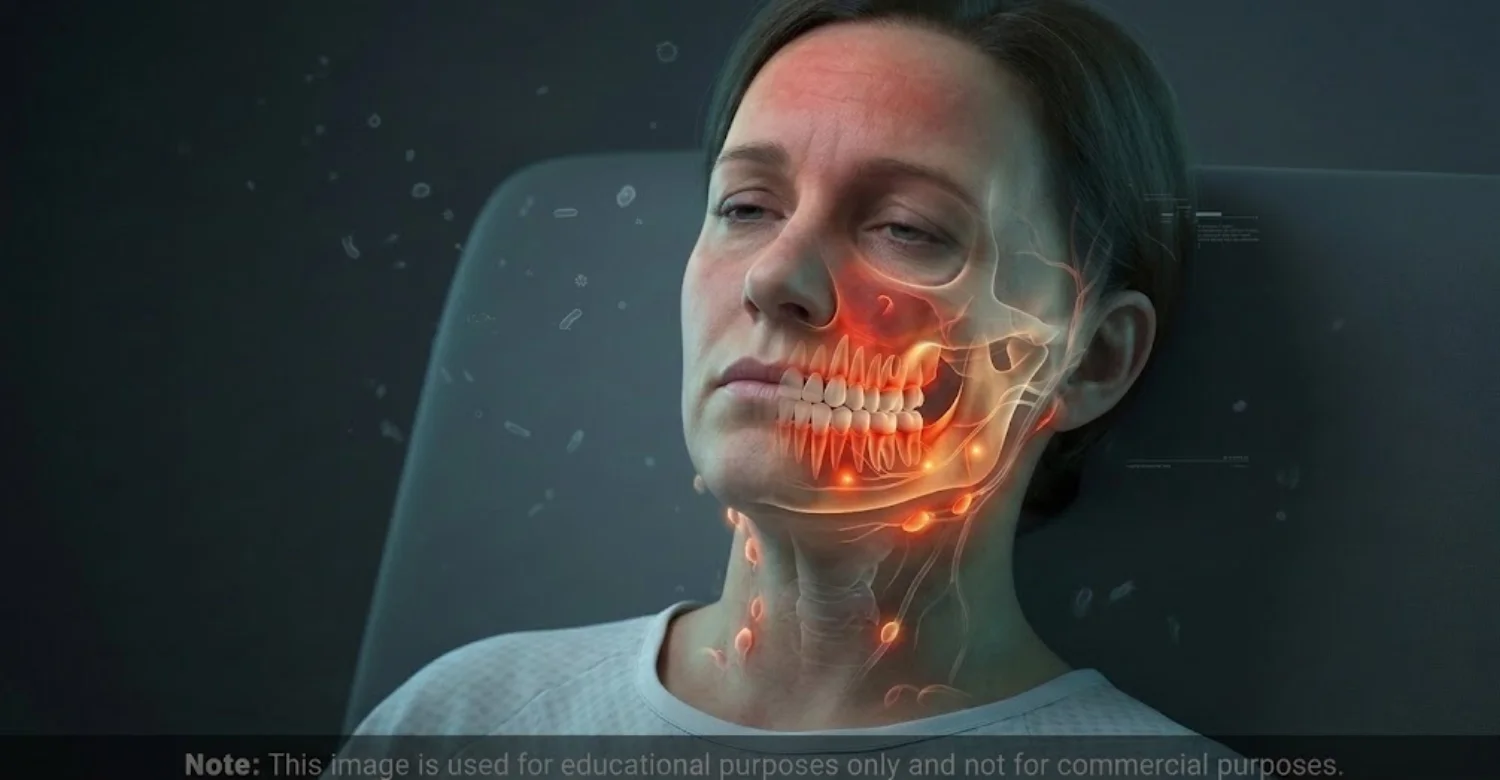
Rodent borne disease & dental health connect mainly through the body's overall response to infection. Rodent-borne infections and dental health interact in two ways. Some infections produce direct oral signs. More often, the mouth is affected indirectly by fever, dehydration, medications, reduced eating, or neglected hygiene during illness. Having an infection does not automatically mean a patient has periodontal disease or tooth damage. Each patient needs an individual assessment. Not every mouth symptom comes from the infection itself.
Can Rodent-Borne Diseases Cause Oral Symptoms?
Some can, depending on the specific infection. Certain viral hemorrhagic illnesses, such as Lassa fever or some hantavirus infections, may involve sore throat or bleeding tendencies that include the gums. Other infections affect the mouth only through general illness. Possible findings include dry mouth, oral discomfort, tissue changes, or difficulty keeping up normal hygiene. These findings are nonspecific. Many dental and medical conditions cause the same signs. For rodent borne disease and dental health, clinical context is essential before drawing conclusions.
Rodent-Borne Disease Oral Symptoms That Patients Should Not Ignore
Certain rodent-borne disease oral symptoms deserve prompt attention. Persistent mouth pain should be checked. Unusual swelling or lesions need examination. Bleeding gums that continue despite good oral hygiene are a warning sign. Significant dry mouth can raise the risk of decay and discomfort. Difficulty eating or drinking may affect recovery and hydration. New oral symptoms appearing alongside severe systemic illness need medical and dental review. Within rodent borne disease & dental health, early reporting helps prevent small problems from growing.
Rodent-Borne Diseases and Mouth Symptoms: Why Diagnosis Matters
Rodent-borne diseases and mouth symptoms can overlap with common dental conditions. That is why dentists review the patient's medical history carefully. A symptom may actually come from gingivitis, periodontal disease, a dental abscess, or oral trauma. Medication-related dry mouth and nutritional deficiencies can also look similar. Oral findings alone cannot identify a specific rodent-borne infection. Laboratory testing and medical assessment are needed for that. In rodent borne disease & dental health, accurate diagnosis prevents the wrong treatment. It also avoids unnecessary worry.
Note: All images used are for editorial and illustrative purposes only and may not originate from the original news provider or associated company.
Learn how to fix Craze Lines
Rodent-Borne Diseases and Gum Health
Rodent-borne diseases and gum health are linked mostly through indirect effects. Systemic illness can disrupt normal routines. Many patients brush less often while feeling weak or feverish. Dehydration can reduce saliva and leave the mouth dry. Changes in diet, such as soft or sugary foods, may encourage plaque buildup. Prolonged illness can make existing gum inflammation more noticeable. This does not mean the infection directly caused gum disease. Rodent borne disease and dental health should be viewed through this indirect lens.
Rodent-Borne Diseases and Periodontal Disease: Is There a Direct Link?
Current evidence does not show rodent-borne diseases and periodontal disease as directly connected. Association is not causation. Periodontal disease is primarily a plaque-associated inflammatory condition. Bacteria in dental plaque trigger inflammation in the gums and supporting bone. Systemic illness may complicate oral care for someone who already has gingival or periodontal problems. Weakness and reduced hygiene can let plaque accumulate. However, rodent-borne infection should not be presented as a general cause of periodontal disease. Rodent borne disease & dental health require this distinction.
Signs of Gum Problems During or After an Infection
Gum problems can appear during or after any illness. Red or swollen gums often signal inflammation. Bleeding during brushing is a common early sign. Persistent bad breath may point to plaque or gum infection. Gum tenderness can make eating uncomfortable. Gum recession exposes more of the tooth surface. Tooth mobility usually appears only in advanced periodontal disease. These signs deserve a dental check, whatever their cause. Tracking them supports rodent borne disease & dental health after recovery.
Rodent-Borne Diseases and Tooth Health
Rodent-borne diseases and tooth health are connected indirectly rather than through direct damage to teeth. An acute infection rarely attacks enamel or dentin itself. Reduced oral hygiene during illness allows plaque to build up. Dietary changes, including frequent sweet drinks, can raise decay risk. Dry mouth lowers the natural protection saliva provides. Some medications also reduce saliva flow. Existing cavities or weakened teeth may become more symptomatic during systemic illness. Rodent borne disease and dental health depend on these everyday factors.
Can Rodent-Borne Infections Cause Tooth Pain?
Tooth pain should not automatically be attributed to the infection. Most tooth pain has a dental cause. Caries can reach sensitive inner layers. Pulp inflammation causes sharp or lingering pain. A dental abscess may produce throbbing pain and swelling. Cracked teeth can hurt when biting. Gum infection may cause pain around a tooth. A dental examination is appropriate when pain persists, worsens, or disturbs sleep. In rodent borne disease & dental health, proper diagnosis guides the right treatment.
Oral Health Complications of Rodent-Borne Diseases
The oral health complications of rodent-borne diseases are usually secondary. Dry mouth may increase discomfort and decay risk. Patients often find it hard to maintain oral hygiene while unwell. Pre-existing gum inflammation can worsen. Some people notice increased sensitivity or general dental discomfort. Nutritional and hydration challenges can affect healing and oral care. These complications are manageable with early attention. Understanding rodent-borne diseases and oral health helps patients act early. Awareness of rodent borne disease and dental health supports faster recovery.
Compare materials in Flexible Partial Dentures vs Metal
Rodent-Borne Infections and Dental Health: What Should Patients Do?
The underlying infection must be treated by the appropriate medical professional. The dentist's role is to manage oral symptoms and prevent secondary dental complications. Patients should continue gentle oral hygiene when medically possible. Adequate hydration helps when medically appropriate. Elective dental procedures are usually postponed during an acute systemic infection. Communication between medical and dental teams is essential when illness is severe. This matters especially when medications may affect dental treatment. Rodent borne disease and dental health benefit from this teamwork.
Managing Oral Hygiene During Illness
Keeping up oral hygiene during illness protects teeth and gums. Continue gentle brushing twice daily when possible. Clean between the teeth according to your tolerance. Keep the mouth hydrated when appropriate, with small sips of water. Avoid aggressive brushing if the gums are acutely irritated. A soft-bristled brush can make cleaning more comfortable. Seek professional advice if oral pain makes normal hygiene difficult. Rodent-borne diseases and oral hygiene should be managed gently, not abandoned.
Tips for Patients
Maintain a simple, consistent oral hygiene routine during and after illness.
Brush gently and clean between the teeth as tolerated.
Stay well hydrated when medically appropriate.
Tell your dentist about the infection, symptoms, and medications you are taking.
Avoid self-diagnosing mouth symptoms based on the infection alone.
Seek professional dental advice for persistent or unusual oral changes.
Learn the warning signs that may require prompt medical or dental attention.
Remember that these steps support rodent-borne diseases and dental health but do not replace medical treatment for the underlying infection.
What Treatments May Be Needed for Oral Problems?
Treatment depends on the actual dental diagnosis, not simply the presence of a rodent-borne disease. A patient with gum inflammation needs periodontal care. A patient with a cavity needs restorative treatment. Pulp-related pain may require root canal therapy. Dry mouth needs its own management plan. Each option is chosen after examination. Where rodent borne disease and dental health overlap, the dentist also considers medical stability and current medications before starting treatment. The goal is safe, targeted care.
Professional Dental Cleaning and Periodontal Care
Professional dental cleaning is appropriate for plaque and calculus accumulation. Calculus, or tartar, cannot be removed by brushing alone. A cleaning removes these deposits from tooth surfaces and near the gumline. This helps control gingival inflammation and reduces bleeding. Treatment is based on periodontal findings, such as pocket depth and bleeding points. Some patients need only routine cleaning. Others need deeper periodontal therapy. For rodent borne disease & dental health, cleaning is timed after medical stability.
Restorative Treatment for Tooth Decay
Fillings are used when decay has created a cavity. The dentist removes the decayed tissue and restores the tooth with a suitable material. Cavities require dental evaluation regardless of the patient's infection history. Decay does not heal on its own. Left untreated, it can reach the pulp and cause pain or infection. Early treatment is usually simpler and more comfortable. In the context of rodent borne disease and dental health, restorative timing considers the patient's recovery.
Root Canal Treatment for Pulp-Related Pain
Root canal treatment may be considered when the pulp is irreversibly inflamed or infected. Signs include lingering pain, sensitivity, or swelling near a tooth. The procedure removes damaged pulp and seals the root canals. It is important to distinguish dental infection from systemic infection. A dental abscess is a local bacterial problem inside the tooth or gum. A rodent-borne disease is a separate systemic illness. Rodent borne disease & dental health require clear separation of these conditions.
Treatment of Advanced Periodontal Disease
Advanced periodontal disease needs a structured approach. It begins with a full periodontal evaluation, including pocket measurements and imaging when indicated. Scaling and root planing clean below the gumline where indicated. Ongoing periodontal maintenance helps keep the condition stable. More advanced periodontal procedures are used when clinically necessary. These may include surgical therapy for deep pockets. Treatment follows periodontal findings, not infection history. Rodent-borne diseases and gum health only matter here if illness affected hygiene or treatment timing.
Managing Dry Mouth and Oral Discomfort
Dry mouth can make eating, speaking, and cleaning uncomfortable. Hydration helps where appropriate. Saliva-supportive measures, such as sugar-free gum or saliva substitutes, may bring relief. The dentist may review medications that could contribute to dry mouth. Any change to medication should be discussed with the prescribing doctor. Professional evaluation is needed when symptoms persist. Persistent dryness raises decay risk. Managing it early supports rodent borne disease & dental health during and after recovery.
.jpg)
.jpg)
Benefits and Expected Results of Appropriate Dental Treatment
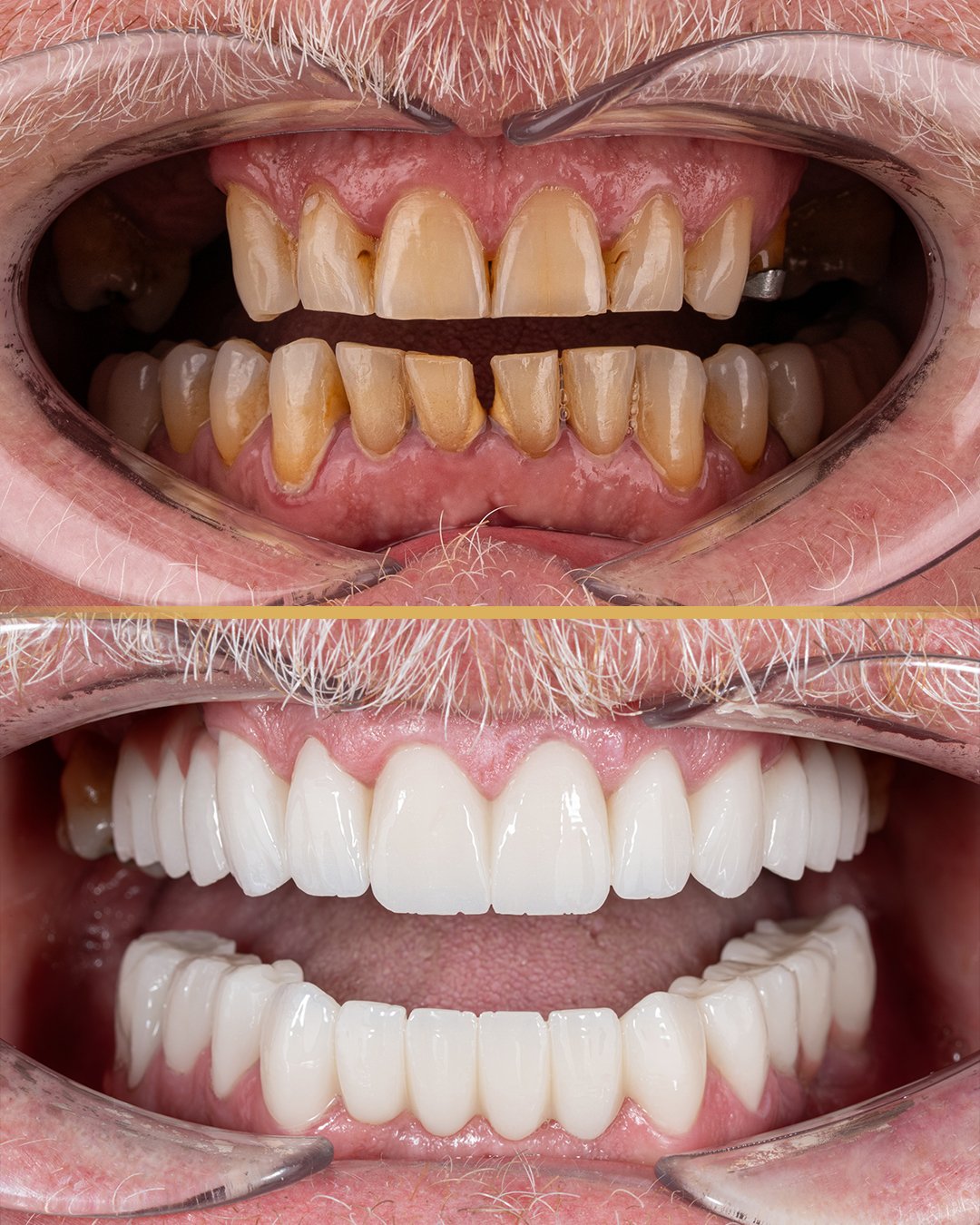
Benefits depend on the underlying dental problem. Appropriate periodontal care can reduce plaque and gingival inflammation. Treating the actual source of dental pain improves comfort. Patients often find it easier to maintain oral hygiene afterward. Long-term control of existing dental disease also improves. Dental treatment does not treat the underlying rodent-borne infection itself. That remains the role of medical care. Rodent borne disease and dental health are best supported when both teams do their part.
What Should Patients Expect Before and After Treatment?
Before treatment, the dentist reviews medical and dental history. An oral examination follows. A periodontal assessment is done when indicated. Dental X-rays or 3D imaging are used only when clinically necessary. After treatment, patients should follow prescribed oral-care instructions. Attending follow-up appointments is important. Persistent or recurring symptoms should be monitored and reported. Preventive dental care should continue. This process keeps rodent borne disease and dental health decisions safe and evidence-based. Clear expectations reduce anxiety.
Discover treatments for Enamel Hypoplasia
What We Notice Clinically
Dr. Rifat Alsaman, Head of the Medical Team at Vitrin Clinic and a cosmetic dentist, emphasizes that oral symptoms should be assessed in context. They should not be automatically attributed to a systemic infection. Patients sometimes assume their illness caused every change in their mouth. In many cases, the examination reveals a separate dental problem. Dr. Rifat Alsaman stresses careful questioning and examination. Rodent borne disease and dental health questions are answered through findings, not assumptions.
Dr. Rifat Alsaman on Distinguishing Systemic Illness From Dental Disease
Fever, dehydration, medications, and reduced oral hygiene can all change a patient's oral condition. These changes may look like dental disease, or they may hide it. Dr. Rifat Alsaman, Head of the Medical Team at Vitrin Clinic, explains that the dental examination should identify what is actually happening. That means checking the teeth, gums, and supporting tissues directly. Symptoms alone are not enough. This approach keeps rodent borne disease & dental health assessments accurate.
Dr. Rifat Alsaman on Gum Health During Systemic Illness
Dr. Rifat Alsaman highlights the importance of checking gingival inflammation and periodontal status. A patient's primary illness may be medical, yet the gums still need attention. An existing periodontal condition can progress quietly while the patient focuses on recovery. Missed hygiene during illness can speed up that progression. Measuring pockets and bleeding helps reveal the true situation. Rodent-borne diseases and periodontal disease are different conditions, and each needs its own evaluation. Timely gum care prevents later complications.
Dr. Rifat Alsaman on Individualized Dental Planning
Dr. Rifat Alsaman emphasizes medical history review before any treatment. Treatment timing should consider the patient's overall medical condition. A patient recovering from a serious infection may need to wait for elective procedures. Urgent dental problems, such as severe pain or swelling, may still need prompt care. For medically complex patients, coordination between medical and dental professionals is essential. This individualized approach protects safety. It also supports rodent borne disease and dental health outcomes.
Clinical Note
Rodent-borne diseases are a diverse group of infections, so their effects on oral health cannot be generalized. Mouth symptoms during or after infection may reflect an unrelated dental condition, an indirect effect of illness, or both. Oral symptoms should be evaluated by appearance, duration, severity, and accompanying systemic signs. Periodontal disease should be diagnosed from clinical periodontal findings. Severe or unexplained symptoms may need medical and dental assessment. Dr. Rifat Alsaman emphasizes evaluating the patient as a whole.
Find out how CT Scans Detect Medication-Related Osteonecrosis of the Jaw
Preventing Oral Health Problems During and After Illness
Prevention starts with routine hygiene whenever medically possible. Resume regular dental visits after recovery. Address cavities and gum disease before they progress. Manage dry mouth early to reduce decay risk. Maintain appropriate nutrition and hydration. Avoid delaying evaluation for persistent symptoms. Prevention is especially important when illness temporarily interferes with normal self-care. A few weeks of missed brushing can allow plaque to build. Consistent prevention protects the mouth long after recovery.
How Can a Dentist Evaluate Oral Symptoms After a Rodent-Borne Infection?
A dentist uses a step-by-step approach. It begins with a medical history and symptom review. A comprehensive oral examination follows. Diagnostic imaging is added only when indicated. Each step narrows down the real cause of the symptoms. This structured process avoids guesswork. It also helps the dentist decide whether a problem is dental, medical, or both. Evaluating rodent-borne diseases and oral health this way leads to safer, more accurate treatment decisions.
Medical History and Symptom Review
The dentist asks about the type of diagnosed infection, when known. Current medications are reviewed. The duration of oral symptoms is recorded. Recent fever, dehydration, or hospitalization is noted. Changes in eating and oral hygiene habits are discussed. These details help explain why the mouth may have changed. They also highlight any risks for treatment. A careful history is the first step in understanding rodent borne disease and dental health for each patient.
Comprehensive Oral Examination
The examination covers the teeth, gums, periodontal tissues, and oral mucosa. The dentist checks for decay, cracks, and worn fillings. Gum pockets and bleeding are measured when needed. The soft tissues are inspected for ulcers, swelling, or unusual patches. Salivary function is assessed for dryness. Signs of infection or inflammation are noted. This detailed check separates dental disease from indirect effects of illness. It gives a clear picture of rodent-borne diseases and tooth health.
Diagnostic Imaging When Indicated
Dental X-rays are used for suspected tooth or bone pathology. They can reveal decay between teeth, infection at root tips, or bone loss. CBCT or 3D imaging is used only when clinically justified. It provides detailed views for complex cases. Imaging is chosen according to the suspected dental problem. It is not performed automatically because of the infection. This approach limits unnecessary radiation. It keeps rodent borne disease & dental health evaluations focused and appropriate.
Read about Vitamin B1 Deficiency and Tooth Damage
Rodent-Borne Diseases and Oral Hygiene: Long-Term Dental Care
Returning to a consistent oral-care routine helps after recovery. Brushing and interdental cleaning should resume fully. Preventive dental examinations catch problems early. Patients with existing gum disease need periodontal maintenance. Untreated cavities or dental infections should be addressed. Persistent symptoms deserve professional assessment even after the systemic illness has resolved. Long-term care protects what recovery restored. Regular checkups make this easier. The oral health complications of rodent-borne diseases are less likely to persist when routine care resumes promptly.
Why Choose Vitrin Clinic for Individualized Dental Care?
Vitrin Clinic provides individualized dental assessment and treatment planning. It does not treat rodent-borne diseases or replace medical management of systemic infections. Instead, it focuses on the teeth, gums, and supporting tissues. Multidisciplinary care is available when several dental specialties are needed. Periodontal health is evaluated before restorative or cosmetic treatment. Digital tools, including intraoral scanning, CBCT/3D imaging, and digital planning, are used when clinically indicated. Dr. Rifat Alsaman, Head of the Medical Team and a cosmetic dentist, leads realistic, evidence-based planning.
Book an Individualized Dental Assessment
Persistent oral symptoms deserve a professional dental evaluation. Vitrin Clinic reviews each patient's medical background and dental findings before recommending care. No specific treatment or outcome can be promised before an examination. The goal is a realistic plan that fits your overall health. If you have concerns about rodent borne disease & dental health, reach out today. Our team will guide you step by step. Book Your FREE Treatment Plan. You can also choose an Online FREE Consultation & Assessment.
Ready to transform your smile?
Talk to our team and get a FREE treatment plan.
References:
FAQs
Dr. Rifat Alsaman has more than 5 years of clinical experience in dentistry and currently serves as the Head of the Medical Team at Vitrin Clinic. He is dedicated to providing exceptional patient care, overseeing treatment planning, and ensuring the highest clinical standards across the team. His expertise, attention to detail, and commitment to continuous professional development have helped countless patients achieve healthier, more confident smiles.


.webp&w=3840&q=75)