Endodontics
June 4, 2026
What Is Symptomatic Irreversible Pulpitis and How Can It Be Treated Effectively?
 Dr. Rifat Alsaman
Symptomatic irreversible pulpitis is a painful dental condition where the inner pulp of the tooth is severely inflamed and cannot heal. Effective treatment is essential to stop the intense pain and prevent the spread of infection. At Vitrin Clinic, we specialize in managing this condition through advanced endodontic procedures like root canal therapy. By removing the damaged tissue and sealing the tooth, we can eliminate discomfort and preserve your natural smile for many years to come.
Understanding Symptomatic Irreversible Pulpitis
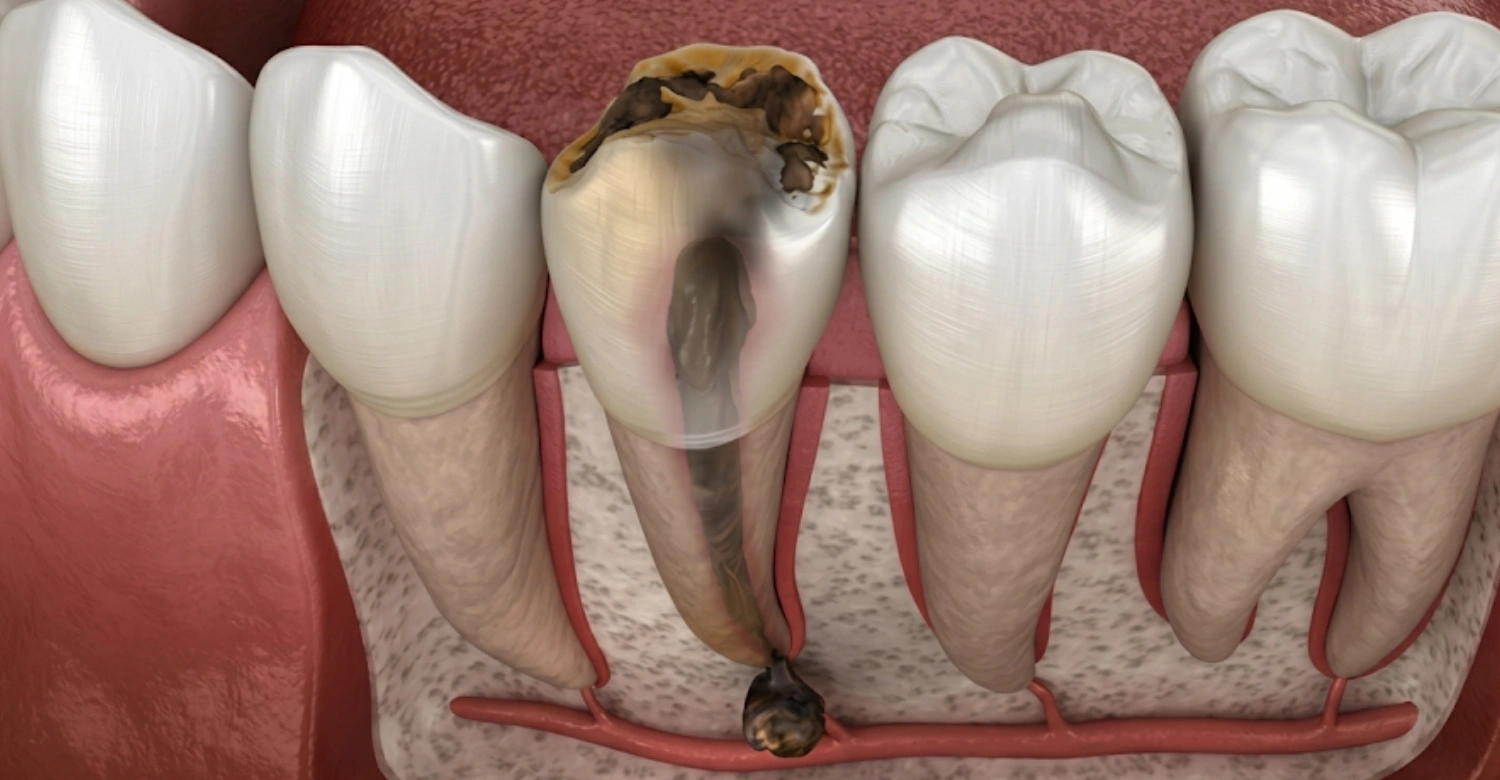
This condition represents a stage of dental distress where the vital nerves and blood vessels inside your tooth are permanently damaged. Unlike milder forms of inflammation, this painful pulp condition causes spontaneous, sharp pain that often lingers long after a stimulus is removed. Understanding this diagnosis is the first step toward relief. It requires professional intervention because the body cannot resolve this internal inflammation on its own, making timely care at a specialized facility like Vitrin Clinic absolutely vital for health.
What Causes Irreversible Pulpitis?
The primary cause of this condition is bacterial invasion reaching the dental pulp. This typically occurs due to deep dental caries (cavities), repeated dental procedures on the same tooth, or traumatic injuries like cracks and chips. When bacteria penetrate the protective enamel and dentin layers, the pulp becomes infected. Over time, the internal pressure builds, leading to symptomatic irreversible pulpitis. Identifying these causes early through a professional exam is the best way to avoid the need for complex treatments. This painful condition is the most severe form of irreversible pulpitis that requires immediate clinical care.
What Are the Symptoms of Irreversible Pulpitis?
If you experience sharp, shooting pain when eating hot or cold foods, or if your tooth aches spontaneously at night, you may have this painful pulp condition. Other signs include lingering sensitivity that lasts minutes or hours and pain that radiates to the jaw or ear. These symptoms are clear indicators that the pulp is dying. Ignoring these signals can lead to abscesses, so it is crucial to seek a diagnosis at Vitrin Clinic as soon as pain begins. Properly diagnosing reversible vs irreversible pulpitis ensures the correct treatment pathway is chosen.
The Role of an Irreversible Pulpitis Radiograph in Diagnosis
To accurately diagnose the extent of the damage, dentists rely on an irreversible pulpitis radiograph. This imaging tool allows practitioners to see beyond the surface, identifying deep decay or periapical changes that aren't visible to the naked eye. While the pulp itself doesn't always show inflammation on an X-ray, an irreversible pulpitis radiograph helps rule out other issues and confirms the source of the infection. This precise diagnostic step ensures that the treatment plan is tailored to your specific needs.
What Is Symptomatic Irreversible Pulpitis?
Many patients worry about the longevity of their teeth when facing symptomatic irreversible pulpitis. Common concerns include the fear of losing a tooth, the potential for the infection to spread to the jawbone, and the cost of restorative procedures. At Vitrin Clinic, we address these anxieties by providing clear information and gentle care. Modern dentistry has made treating pulpitis much more predictable and comfortable, allowing patients to maintain their oral health without the stress of the unknown. The intense pain originates from deep within the inflamed tooth pulp.
How Symptomatic Irreversible Pulpitis Impacts Daily Life
Living with this painful pulp condition can be debilitating. The unpredictable nature of the pain can disrupt sleep, make eating difficult, and affect your focus at work or school. Beyond the immediate discomfort, untreated pulpitis poses a risk to your overall oral health, as the infection can travel through the root tips into the surrounding bone. This can lead to systemic health issues, making it imperative to address the problem before it escalates into a more serious emergency.
Differentiating Between Reversible and Irreversible Pulpitis
Distinguishing between these two states is critical for treatment. Reversible pulpitis involves mild inflammation where the tooth can heal if the cause, like a small cavity is removed. However, symptomatic irreversible pulpitis means the damage is too far gone for the pulp to recover. A key indicator is "lingering" pain; if sensitivity to cold lasts more than 30 seconds, it is likely irreversible. Vitrin Clinic experts use thermal testing and radiographs to provide a definitive and accurate diagnosis. Patients with this diagnosis know exactly what needing a root canal feels like due to the sharp aches.
Risk Factors That Can Lead to Pulp Damage
Several factors increase your likelihood of developing this painful pulp condition. Poor oral hygiene leading to deep decay is the most common risk. Additionally, people with a history of bruxism (teeth grinding) may develop microscopic cracks that allow bacteria to reach the pulp. High-sugar diets and skipping regular dental check-ups also contribute to the risk. Understanding these factors allows you to take proactive steps in protecting your teeth from the severe inflammation and pain associated with this condition.
Treatment Options for Symptomatic Irreversible Pulpitis
When diagnosed with symptomatic irreversible pulpitis, the main goal is to remove the source of pain and infection. The most common and effective treatment is root canal therapy, which saves the natural tooth structure. In rare cases where the tooth is too damaged to be restored, extraction may be considered. Vitrin Clinic offers a range of advanced solutions to ensure that regardless of the severity, you receive the most conservative and effective care possible for your situation.
Root Canal Therapy: Preserving Your Natural Tooth
Root canal therapy is the gold standard for treating symptomatic irreversible pulpitis. During this procedure, the infected pulp is carefully removed from the internal chambers of the tooth. The canals are then cleaned, disinfected, and filled with a biocompatible material. This process stops the infection and saves the tooth from extraction. Many patients are surprised to find that a root canal is no more uncomfortable than a standard filling, especially when performed by the specialists at Vitrin Clinic.
Step-by-Step: What to Expect During a Root Canal
The process begins with local anesthesia to ensure you are completely numb. Next, a small access hole is made in the tooth to reach the pulp. The dentist uses specialized instruments to clean the canals, often guided by an irreversible pulpitis radiograph to ensure precision. Once cleaned, the canals are sealed. Usually, a temporary filling is placed, followed later by a permanent crown. This systematic approach ensures the long-term success and durability of your treated tooth.
Post-Treatment Care and Recovery Tips
After treating symptomatic irreversible pulpitis, you might feel some mild tenderness for a few days. We recommend over-the-counter pain relievers and avoiding chewing on the treated tooth until the permanent restoration is placed. Maintaining excellent oral hygiene and attending follow-up appointments at Vitrin Clinic are essential. Most patients return to their normal routines the next day, enjoying a life free from the intense, throbbing pain that originally led them to seek endodontic treatment. To alleviate the pain, the dentist will initiate the first stages of RCT immediately.
Alternative Treatments: When Extraction May Be Necessary
While we strive to save every tooth, sometimes this painful pulp condition occurs in a tooth with extensive structural damage or a deep fracture. In these instances, tooth extraction might be the only viable option to prevent further infection. If an extraction is required, Vitrin Clinic provides excellent tooth-replacement options, such as dental implants or bridges. This ensures that even if a tooth cannot be saved, your smile’s function and aesthetics are fully restored through modern restorative techniques.
Exploring Alternatives to Root Canal Therapy
While root canal therapy is the standard treatment for symptomatic irreversible pulpitis, there are alternative approaches depending on the extent of pulp involvement and the patient's overall health. Vital Pulp Therapy (VPT) is a conservative option for cases where the pulp is still partially vital. This includes techniques like indirect pulp capping, direct pulp capping, and pulpotomy. In these procedures, the infected portion of the pulp is removed, and a biocompatible material is placed to promote healing and preserve the remaining healthy pulp. VPT is often considered for younger patients with immature roots, as it allows for continued root development.
Apexification is another alternative, primarily used for teeth with necrotic pulp and open apices. This procedure induces a calcified barrier at the root tip, allowing for a more conventional root canal filling later. It is particularly beneficial in cases where the tooth's root development is incomplete. However, these alternatives are not suitable for all cases. The decision depends on factors such as the severity of inflammation, the presence of periapical pathology, and the patient's age. A thorough clinical evaluation and diagnostic imaging are essential to determine the most appropriate treatment.
Innovative Techniques and Materials in Modern Endodontics
At Vitrin Clinic, we utilize the latest advancements to treat symptomatic irreversible pulpitis. This includes rotary endodontics for faster, more precise canal cleaning and digital imaging for clearer diagnostics. We also use high-quality sealing materials like bioceramic sealers, which are highly biocompatible and promote better healing. These innovations reduce the time you spend in the chair and improve the overall success rate of the procedure, making the journey to a pain-free mouth smoother than ever before.
Benefits of Timely Treatment
Seeking immediate help for symptomatic irreversible pulpitis offers numerous benefits beyond just stopping the pain. Early intervention prevents the infection from spreading to the jaw and neighboring teeth, which can save you from more expensive and invasive surgeries later. By choosing to treat the tooth at Vitrin Clinic as soon as symptoms arise, you maintain your natural bite and facial structure. Timely care is an investment in both your immediate comfort and your long-term oral health.
Pain Relief and Infection Prevention
The most immediate benefit of treating this painful pulp condition is the cessation of agonizing pain. By removing the necrotic tissue, we eliminate the pressure and bacterial load causing the discomfort. Furthermore, treatment prevents the formation of a dental abscess, a painful pocket of pus that can lead to bone loss and systemic infection. Protecting yourself from these complications is easy when you prioritize a visit to Vitrin Clinic at the first sign of persistent tooth sensitivity or ache.
Restoring Function and Preventing Further Damage
A tooth affected by symptomatic irreversible pulpitis is often too painful to use for chewing. Proper treatment restores the tooth’s full function. You can enjoy your favorite foods again. A crown after a root canal reinforces the tooth. This prevents the weakened structure from fracturing. At Vitrin Clinic, this proactive approach keeps your dental arch stable. It stops other teeth from shifting. It also maintains your overall alignment and bite health.
Before-and-After Expectations: Realistic Outcomes
Before treatment, patients with this condition often suffer from chronic pain and sensitivity. After a successful procedure at Vitrin Clinic, you can expect a complete return to comfort. The tooth will look and feel like your natural teeth. A custom-matched crown helps with this. The tooth no longer has a nerve. But it remains functional and secure in your jaw. Realistic outcomes include a healthy, functional smile. You also gain peace of mind that the infection is gone.
Preventive Strategies and Dental Care Tips
Preventing symptomatic irreversible pulpitis is always better than treating it. Adopt a strict oral hygiene routine. Make healthy lifestyle choices. These steps protect your dental pulp from inflammation. Regular visits to Vitrin Clinic allow us to catch minor issues early. We can treat them before they reach the pulp. Prevention is a partnership. Your daily habits and our professional expertise work together. This keeps your natural teeth strong, healthy, and free from deep-seated infections.
Daily Habits to Protect Your Dental Pulp
To avoid this painful pulp condition, brush twice a day with fluoride toothpaste. Floss daily. Flossing removes bacteria from between the teeth. Cavities often start there. An antibacterial mouthwash can also help. It reduces the bacterial load in your mouth. If you play sports or grind your teeth at night, wear a protective mouthguard. This prevents physical trauma that could lead to pulp damage.
Diet, Oral Hygiene, and Lifestyle Factors
Your diet plays a massive role in preventing symptomatic irreversible pulpitis. Reduce sugary snacks and acidic drinks. They cause enamel erosion. That allows bacteria to enter the tooth. Drink plenty of water. It washes away food particles. It also maintains saliva flow. Saliva naturally protects your teeth. Avoid tobacco products. This improves gum health and blood supply to your teeth. Your smile stays resilient against decay and infection.
Regular Check-Ups: Early Detection Saves Teeth
Routine dental exams at Vitrin Clinic are your best defense against this painful pulp condition. During these visits, we can identify early signs of decay. We can also spot reversible pulpitis. We treat them before they become permanent. Professional cleanings remove tartar you can't reach at home. This further lowers your risk. Stay consistent with your check-ups. You ensure that potential problems are handled quickly and conservatively. This saves you from pain and complex dental conditions.
What Is Symptomatic Irreversible Pulpitis?
Symptomatic Irreversible Pulpitis is a dental condition in which the tooth's inner pulp tissue becomes permanently inflamed and cannot heal on its own. Unlike milder pulp irritation, it causes sharp, spontaneous pain. The pain can strike without warning. It often lingers after the trigger is removed. This condition typically develops from deep decay, cracked teeth, repeated dental procedures, or trauma. Bacteria reach the pulp. Once it sets in, the pulp tissue is damaged beyond repair. The tooth requires active treatment rather than simple monitoring.
What Does Irreversible Pulpitis Feel Like?
Patients with this condition usually describe an intense, throbbing, or sharp pain. It can appear suddenly, even without eating or drinking. A hallmark feeling is pain that lingers after hot or cold. It does not fade quickly. Many people report pain that worsens when lying down. It disrupts sleep. It may radiate toward the ear, jaw, or temple. Some notice increased sensitivity to pressure while chewing. These persistent symptoms distinguish it from milder, short-lived tooth sensitivity.
What Is the Difference Between Symptomatic and Asymptomatic Irreversible Pulpitis?
Both conditions involve permanent, non-healing inflammation of the pulp, but they differ in how they present. Symptomatic Irreversible Pulpitis causes noticeable pain: spontaneous aches, lingering sensitivity to temperature, and discomfort that can interrupt daily life or sleep. Asymptomatic irreversible pulpitis, on the other hand, produces little to no pain, even though the pulp damage is just as real. It is often discovered incidentally during an X-ray or routine dental exam, frequently linked to deep decay or a history of trauma. In both cases, the pulp cannot heal on its own, but this condition tends to prompt patients to seek care sooner because of the discomfort involved.
How Do You Treat Symptomatic Irreversible Pulpitis?
Treating this condition almost always requires removing the damaged pulp tissue, since it cannot recover naturally. Root canal treatment is the standard approach: the inflamed or infected pulp is removed, the canal is cleaned and disinfected, and the tooth is sealed and typically restored with a crown to protect it long-term. In cases where the tooth is too severely damaged or compromised to save, extraction may be recommended instead, often followed by a replacement option such as a dental implant. Prompt treatment relieves pain and prevents the infection from spreading further into surrounding tissue.
What We Notice Clinically
Dr. Rifat Alsaman, Head of the Medical Team and cosmetic dentist at Vitrin Clinic, notes that patients with Symptomatic Irreversible Pulpitis often delay seeking care because the pain comes and goes at first, only to intensify suddenly. He explains that the lingering response to cold is one of the clearest clinical indicators he looks for when confirming this diagnosis, since it reliably separates this condition from reversible pulp irritation. In his clinical experience, Dr. Alsaman also observes that patients frequently describe nighttime pain as the symptom that finally brings them in, since lying down tends to increase pressure within the inflamed pulp. He emphasizes that early diagnosis allows for more predictable root canal outcomes and helps patients avoid unnecessary tooth loss.
Vitrin Clinic Expertise: Advanced Dental Care
Vitrin Clinic is dedicated to providing the highest standard of care for patients suffering from this painful pulp condition. Our team combines years of experience with a compassionate approach to ensure your comfort. We understand that tooth pain can be stressful, which is why we prioritize efficient, effective, and gentle treatments. From your first consultation to your final follow-up, our expertise is focused on saving your teeth and improving your quality of life through modern endodontic excellence.
State-of-the-Art Diagnostic Tools, Including Radiographs
Precision is key in treating symptomatic irreversible pulpitis. At Vitrin Clinic, we use high-definition digital imaging to get a clear view of your tooth’s internal structure. An irreversible pulpitis radiograph provides essential data that guides our treatment decisions. These tools allow us to spot even the smallest abnormalities in the root canals, ensuring that no part of the infection is missed. Our commitment to using state-of-the-art technology means you receive a more accurate diagnosis and a more successful treatment outcome.
Experienced Endodontists and Personalized Treatment Plans
Every case of this painful pulp condition is unique, which is why the specialists at Vitrin Clinic create personalized treatment plans for every patient. Our endodontists have extensive training in managing complex root canal systems and managing dental trauma. We take the time to explain your options and answer any questions you may have. By tailoring our approach to your specific anatomy and health history, we provide care that is not only effective but also aligned with your long-term dental goals.
Patient Comfort, Safety, and Post-Treatment Support
At Vitrin Clinic, your comfort is our top priority. We offer various sedation options and local anesthetics to ensure that treating your symptomatic irreversible pulpitis is a pain-free experience. Our clinic follows strict sterilization protocols for your safety. Furthermore, we provide comprehensive post-treatment support, including clear instructions and easy access to our team if you have questions during recovery. We believe that exceptional dental care extends beyond the procedure itself, encompassing the entire patient experience.
Cost and Insurance Considerations
The cost of root canal therapy varies widely depending on the tooth's location, the complexity of the case, and the geographic region. On average, a root canal on a front tooth may cost between $300 and $1,500, while a molar can range from $500 to $2,000 or more. These fees typically include the procedure itself, but not the final restoration (crown), which is often necessary and can add $500 to $3,000.
Most dental insurance plans cover a portion of root canal treatment, usually around 50% to 80% after the deductible is met. However, coverage limits and exclusions vary. It's essential to check with your insurance provider to understand your benefits. For those without insurance, many dental clinics offer payment plans or financing options. At Vitrin Clinic, we provide transparent pricing and can assist with international insurance claims, ensuring you receive the care you need without financial surprises.
Expertise in Endodontic Care
Dr. Rifaat Al-Samman has extensive hands-on experience in diagnosing and treating symptomatic irreversible pulpitis. Having performed thousands of root canal procedures throughout his career, he brings a high level of skill and precision to each case. His approach combines advanced technology, such as digital radiography and rotary endodontics, with a gentle touch to ensure patient comfort. "My goal is to provide painless, efficient treatment that saves the natural tooth and restores oral health," says Dr. Al-Samman. His clinical expertise is backed by continuous education and a commitment to staying at the forefront of endodontic techniques.
About the Author's Expertise
This article is reviewed by Dr. Rifaat Al-Samman, a Doctor of Dental Surgery with extensive training and experience in endodontics and restorative dentistry. Dr. Al-Samman has completed rigorous clinical programs at Izmir Katip Celebi University and has been practicing for over a decade. He is currently the Director of the Medical Team at Vitrin Clinic in Istanbul, where he leads a multidisciplinary team in providing comprehensive dental care to international patients. His qualifications ensure that the information presented here is accurate, evidence-based, and clinically relevant.
Further Reading and Resources
For more information on symptomatic irreversible pulpitis and its treatment, you may find the following resources helpful:
- American Association of Endodontists
- American Dental Association
- National Institutes of Health (PubMed)
Ready To Get a Smile Transformation? Book a FREE Consultation Now
Don't let the pain of this painful pulp condition hold you back any longer. At Vitrin Clinic, we are ready to help you reclaim your oral health and transform your smile. Whether you need an irreversible pulpitis radiograph to confirm a diagnosis or are ready for treatment, our team is here for you. Take the first step toward a pain-free life by booking your free consultation today. We look forward to providing the expert care you need to smile with confidence again.
Educating Patients: What You Should Know About Your Tooth Health
Empowered patients make the best decisions for their health. Understanding symptomatic irreversible pulpitis helps you recognize when a situation is urgent and why professional care is necessary. We believe in transparency and education. You should know exactly what is happening inside your tooth and how our treatments work to fix it. At Vitrin Clinic, we take the time to educate you on the biological processes involved. This helps you maintain a healthy smile long after you leave our office.
How to Recognize Early Warning Signs
Early detection of this condition can prevent days of unnecessary suffering. Watch for "referred pain," where a toothache feels like it's coming from your jaw or ear. Be wary of a tooth that changes color or a persistent bad taste in your mouth. If a tooth becomes sensitive to pressure or causes a dull, heavy ache that won't go away, these are early warning signs that the pulp is in distress. Contact Vitrin Clinic immediately if you notice these changes.
Understanding Long-Term Oral Health After Pulpitis
Once you have treated symptomatic irreversible pulpitis, the long-term outlook for your tooth is excellent. With a proper crown and good hygiene, a root-filled tooth can last a lifetime. However, the tooth is still susceptible to gum disease. Continued care is vital. Regular visits to Vitrin Clinic ensure that the restoration remains intact and the surrounding tissues stay healthy. Your journey to long-term health continues with the preventive habits you practice every single day.
References:
FAQs
Dr. Rifat Alsaman has more than 5 years of clinical experience in dentistry and currently serves as the Head of the Medical Team at Vitrin Clinic. He is dedicated to providing exceptional patient care, overseeing treatment planning, and ensuring the highest clinical standards across the team. His expertise, attention to detail, and commitment to continuous professional development have helped countless patients achieve healthier, more confident smiles.


