
If your jaw hurt after a root canal, you are far from alone. It is one of the most common concerns patients raise after endodontic treatment. The goal of the procedure is to relieve tooth pain, not cause new discomfort. Still, the treatment puts real mechanical stress on the joint, the surrounding muscles, and the nearby soft tissue. Some soreness in the days that follow is normal. This guide explains why this happens, how long it usually lasts, and when to call your dentist.
Why Does Your Jaw Hurt After a Root Canal?
Jaw hurt after a root canal develops for several physical reasons. Your mouth has to stay open for a long time. Dental instruments and anesthetic injections add extra stress to the surrounding muscles. The tissue around the treated area often swells slightly as part of normal healing. Knowing what to expect helps you recover with confidence.
Common Patient Concerns
Many patients wonder if this soreness is normal or a warning sign. Common questions include: Why does my mouth feel stiff? Why does it ache even though the tooth was treated successfully? Is discomfort several days later still normal? These are valid concerns. Patients often report trouble opening their mouth wide and a dull ache near the treated area. Understanding the typical pattern eases anxiety.
Why Soreness Happens After Treatment
This kind of ache is mostly caused by the physical demands of the procedure. The temporomandibular joint (TMJ) and the surrounding muscles stay in a fixed, open position for one to two hours. That sustained effort causes strain, similar to overworking a muscle at the gym. Anesthetic injections can also leave localized soreness. Swelling around the treated area adds to the discomfort.
Normal Recovery Pain vs. Complications
Not every case follows the same pattern. Normal discomfort is usually mild to moderate. It improves within two to three days. It responds well to standard pain relievers. It should not get worse after 48 hours. Pain that escalates past that point, especially with swelling, fever, or discharge, may signal a complication.
Causes of Jaw Hurt After a Root Canal Treatment
There are several well-documented causes, and finding the right one matters. Sources range from normal tissue inflammation, to mechanical issues like bite misalignment, to less common complications like persistent infection. Understanding these factors helps you describe your symptoms clearly to your dentist. Early identification usually leads to faster, more comfortable healing.
Inflammation and Tissue Healing
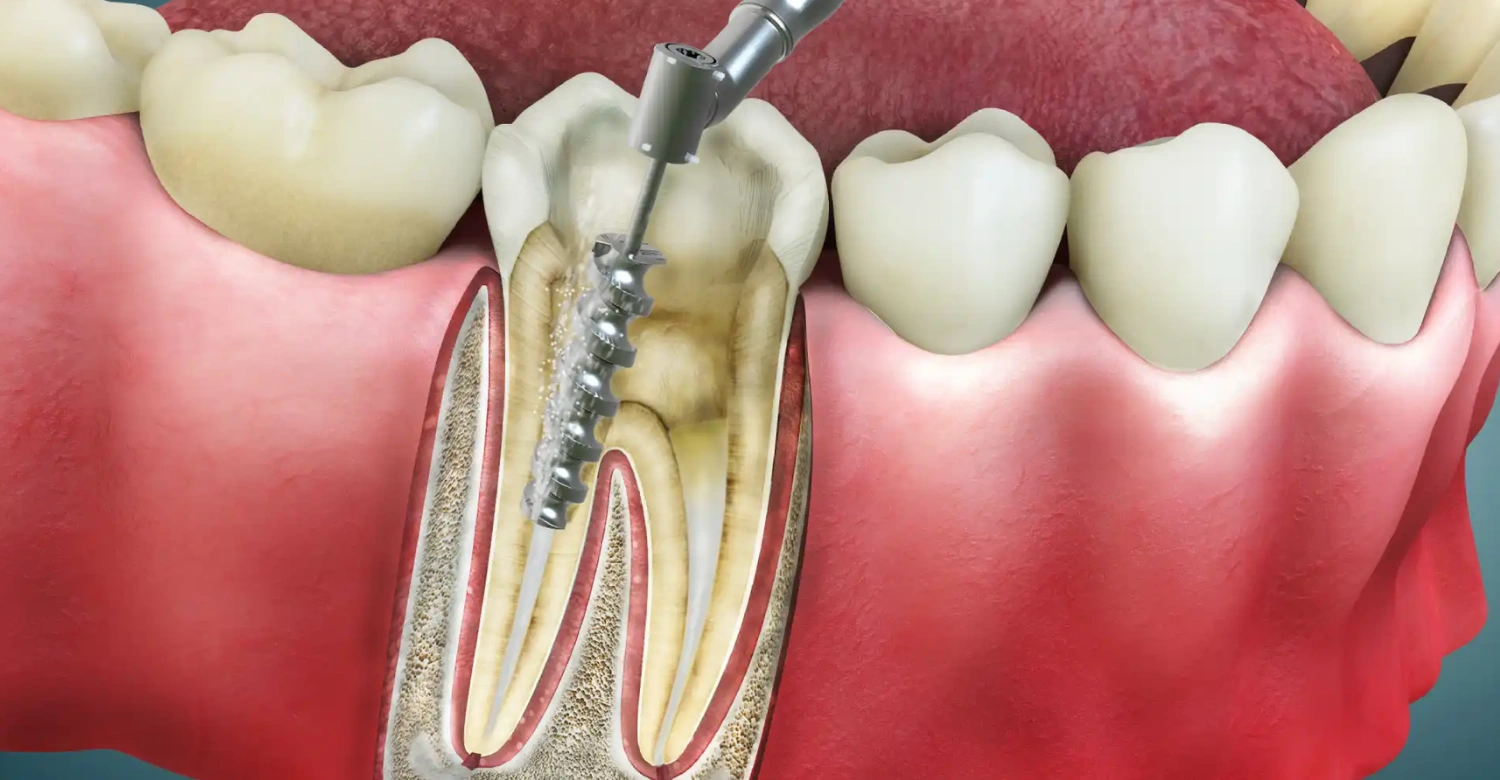
Inflammation is the most common cause. During the procedure, infected pulp tissue is removed, canals are cleaned and shaped, and the space is sealed. This temporarily irritates the tissue around the root tip. Your body responds with inflammation, a necessary part of healing but also a source of discomfort. This can radiate outward. Anti-inflammatory medication is typically effective here.
Bite Misalignment or Occlusion Issues
An often-overlooked cause is an incorrectly adjusted bite. After treatment, the tooth is usually restored with a crown. If that restoration sits even slightly too high, it disrupts your natural bite. The joint then compensates with every chewing motion. This uneven pressure strains the muscles and causes ongoing soreness. A quick bite adjustment from your dentist usually solves this fast.
Infection or Persistent Nerve Irritation
Sometimes discomfort is linked to a residual infection or ongoing nerve irritation. If a canal was missed, or the seal was inadequate, bacteria can persist and keep producing inflammation. Nerve irritation can also come from the mechanical action of endodontic files during treatment. Both scenarios can cause discomfort that does not follow the expected pattern of gradual improvement. A professional re-evaluation is necessary here.
Referred Pain from Surrounding Muscles
Referred pain is another real contributor. The masseter, medial pterygoid, and temporalis muscles can develop trigger points from prolonged tension during the appointment. These trigger points send pain to nearby areas, including the ear, temple, and neck. That means your jaw can hurt after a root canal even after the treated tooth has fully healed. Massage or warm compresses can meaningfully reduce this residual ache.
Effective Treatments for Jaw Hurt After a Root Canal
Managing this discomfort well means matching treatment to the cause and severity. Options range from simple at-home care to professional intervention for persistent cases. The goal is not just relief. It is complete healing and preventing recurrence. At Vitrin Clinic, every source of discomfort is identified and monitored throughout recovery.
At-Home Remedies and Pain Management
For mild to moderate discomfort, at-home remedies work well. Ibuprofen reduces both pain and swelling when taken as directed. Apply a cold pack for 15-minute intervals during the first 48 hours to control inflammation. After that, switch to warm compresses to relax tight muscles. A soft food diet, staying hydrated, and getting enough rest all support a faster recovery.
Professional Interventions by Your Dentist
When home care is not enough, professional help becomes necessary. Your dentist may prescribe stronger anti-inflammatory medication. If infection is detected, antibiotics will be started. Bite adjustments are common when occlusal imbalance is contributing to strain. For TMJ dysfunction, a custom splint or night guard may be made. At Vitrin Clinic, these steps come with close monitoring.
When Additional Dental Procedures May Be Needed
In a minority of cases, further procedures are required. Retreatment is recommended when the original treatment was insufficient, for example if a canal was missed. If infection has spread to the root tip and cannot be resolved through retreatment, an apicoectomy may be needed. This is a minor surgery to remove the infected root tip. At Vitrin Clinic, detailed imaging helps determine if further treatment is required.
Benefits of Addressing Jaw Hurt After a Root Canal Promptly
Proactively managing this discomfort brings benefits well beyond immediate relief. Early attention helps prevent minor issues from becoming serious. It also supports faster healing. Patients who act quickly tend to have better outcomes and need fewer additional visits. At Vitrin Clinic, the team helps patients understand the value of acting early.
Faster Recovery and Reduced Discomfort
One clear benefit of prompt care is a noticeably faster recovery. When the cause is addressed early, healing proceeds without interruption. Unmanaged pain can create a cycle of muscle guarding. This slows recovery and increases discomfort over time. Patients who follow post-procedure instructions tend to have a smoother recovery overall.
Preventing Long-Term Complications
Timely treatment also helps prevent long-term complications. An unaddressed infection can spread to neighboring teeth or the bone. This can lead to more serious problems. Persistent bite misalignment, left uncorrected, can contribute to joint disorder and chronic headaches. Addressing the source early protects the long-term function of your entire bite.
Improving Overall Oral Health and Function
Managing this discomfort effectively also supports better oral health day to day. Pain-free patients are more motivated to keep up thorough brushing and flossing. Comfortable function supports proper chewing, which matters for digestion. Relieving post-procedure discomfort also reduces chronic stress on the joint.
Preventive Tips to Minimize Jaw Soreness
Prevention actually starts before the procedure and continues through recovery. Some discomfort is expected, but practical steps reduce its severity. Oral hygiene, diet, and stress management all play a role. At Vitrin Clinic, patients get personalized guidance to minimize discomfort from the start.
Proper Oral Hygiene Practices
Gentle, consistent oral hygiene reduces the risk of complications. Keeping the treated area clean helps prevent secondary infections. Use a soft-bristled toothbrush and brush gently around it. An alcohol-free antiseptic mouthwash reduces bacteria without irritating sensitive tissue. Avoid aggressive flossing near the area until healing is well established.
Safe Chewing and Diet Recommendations
Diet has a real impact on how sore you feel afterward. Stick to soft, easy foods such as soups, yogurt, and pasta for the first several days. This reduces mechanical stress on the treated area. Avoid hard, crunchy, or sticky foods that need heavy biting force. Very hot or cold foods can also trigger sensitivity for a few days.
Stress-Reduction Techniques for Jaw Muscles
Psychological stress adds to muscle tension, which can worsen discomfort during recovery. Patients who grind or clench their teeth are especially prone to added soreness. Mindfulness and gentle stretches can help release tension. A custom night guard prevents unconscious grinding while you sleep, protecting both the tooth and the joint.
Patient Education: What You Should Know
Being informed is one of the most useful tools during recovery. Understanding the timeline and recognizing warning signs both lead to better outcomes. Good information reduces unnecessary anxiety. At Vitrin Clinic, patient education is built into every stage of care.
Understanding Recovery Timelines
Realistic expectations matter here. For most patients, peak discomfort happens in the first 48 hours. It gradually eases over three to five days. Mild sensitivity can linger for one to two weeks, which is still normal. Complex cases may take a bit longer. If pain is not improving after a week, book a follow-up.
Signs That Require Immediate Dental Attention
Most cases resolve on their own, but some symptoms need urgent attention. These include severe pain unresponsive to medication, noticeable swelling in the face or neck, fever above 38°C, or difficulty swallowing. A foul taste or visible discharge is also a warning sign. These may point to a spreading infection or a failed procedure. Contact your dentist right away rather than waiting it out at home.
How to Communicate Symptoms Effectively to Your Dentist
Clear communication helps your dentist act quickly. Be specific: note the exact location and intensity of the pain. Mention whether it is constant or comes and goes. Describe what makes it better or worse, and any related symptoms like swelling. A concise description lets your dentist reach a diagnosis faster.
Vitrin Clinic Approach to Post-Root Canal Care
Vitrin Clinic takes a thorough, compassionate approach to this kind of discomfort. The clinic combines clinical expertise with patient-centered care at every step. From the first concern to the completion of follow-up, the team handles recovery with precision and genuine attention.
Expertise of Experienced Endodontists
At Vitrin Clinic, this kind of discomfort is managed by endodontists with deep training in complex cases and their aftercare. They bring a strong understanding of anatomy, post-procedure complications, and pain management. This expertise allows for fast, accurate identification of the source. Patients benefit from care that is both technically skilled and genuinely attentive.
Advanced Technology for Accurate Diagnosis and Treatment
Vitrin Clinic uses advanced dental technology for precise diagnosis. Cone beam CT (CBCT) imaging provides 3D views of the canal system and surrounding structures. It catches issues standard X-rays can miss. Electronic apex locators ensure precise length measurement, reducing the risk of error. This technology means fewer complications overall.
Personalized Patient Care and Follow-Up
Personalized care sits at the center of how the clinic works. Every patient gets a plan built around their specific situation and needs. Scheduled follow-ups let the team track healing and adjust medication if needed. Patients are encouraged to reach out between visits if anything changes unexpectedly.
Detailed Recovery Influencers and Expected Timelines
Recovery does not follow one single timeline for every patient. General ranges are useful as a baseline. Actual healing speed depends on a mix of clinical and personal factors. Understanding these helps you set realistic expectations.
Factors That May Influence Recovery Duration
Several variables can extend or shorten how long soreness lingers. Tooth complexity matters most: molars with curved or calcified canals need more chair time. This means more sustained muscle effort. Appointment length matters too, since sessions past one hour add extra strain. Pre-existing conditions like bruxism or prior TMJ issues can also slow recovery. Age and how closely you follow post-procedure instructions shape how fast soreness resolves.
Muscle Recuperation Window: Why Fatigue Can Take Up to Two Weeks
Unlike the tooth itself, which usually settles within days, the surrounding muscles sometimes need much longer to recover. A root canal asks these muscles to hold a fixed position for an extended period. That is a form of sustained effort. Much like an overworked muscle group at the gym, this can cause fatigue that takes up to two weeks to fully resolve. You may notice this most when yawning widely or talking for long stretches. This is generally normal, as long as it is gradually improving rather than getting worse.
Clinical Note: A steady, gradual improvement over the two-week window is the expected pattern. If soreness plateaus or worsens after the first week, have it reassessed rather than assuming it will resolve on its own.
Post-Endodontic Nutrition and Mechanical Strain Reduction
What you eat in the days after treatment has a direct effect on how much extra strain your muscles carry. Reducing mechanical load through diet is one of the simplest ways to support recovery.
Soft Diet Modifications to Lessen Jaw Muscle Strain
Choosing soft, low-resistance foods in the first several days reduces the repetitive effort of chewing. Soups, mashed potatoes, and well-cooked pasta all need minimal bite force. This gives fatigued muscles time to recover. Avoid foods that are hard, crunchy, or sticky, since they demand sustained effort. Cutting food into smaller pieces also helps distribute the workload more evenly.
Transitioning Back to Normal Chewing Safely
Moving back to solid foods should be gradual, not sudden. Most patients can start reintroducing firmer foods once swelling has visibly reduced. Comfort should guide the pace, not a fixed date. A practical approach is to increase food firmness step by step over several days. Test your tolerance at each stage, and pause if soreness returns.
Rushing this, especially biting into something hard too soon, is a common reason for a flare-up. Patients who take a staged approach tend to report a smoother second week of recovery.
Tips for Patients:
Wait until swelling has clearly subsided before testing firmer foods.
Cut solid foods into smaller pieces during the first week.
If a food needs noticeably more force than expected, set it aside and try again in a day or two.
Keep the treated side protected until chewing there feels normal again.
Financial and Logistic Considerations Following Complications
Beyond the physical side of recovery, patients dealing with a persistent complication often have practical questions about cost and follow-up.
Cost Considerations for Post-Treatment Evaluations and Retreatment
Costs generally fall into a few categories: a follow-up visit, additional imaging such as CBCT scans, and, in fewer cases, retreatment. These costs vary from case to case, since they depend on the tooth involved and the procedures required. It's best to request a clear, itemized estimate before any additional work begins. At Vitrin Clinic, this transparent cost discussion is built into the follow-up evaluation itself.
Soft Tissue Manipulation During Endodontic Work
Soreness is not only a byproduct of muscle fatigue from holding the mouth open. How the tongue, cheeks, and lips are managed throughout the procedure also contributes to discomfort.
Muscle Trauma from Tongue, Cheek, and Lip Retraction
Throughout treatment, the tongue, cheeks, and lips are continuously retracted for a clear view. This strain is easy to overlook, but it places real tension on small muscle groups rarely asked to hold a fixed position for that long. In longer or more complex cases, this can cause mild overextension around the corners of the mouth.
The result can feel distinct from the treated tooth: tightness at the corners of the mouth, or a general ache toward the ear. This is more likely in longer appointments, which is why dentists often encourage brief rest breaks. This type of discomfort usually resolves in the same window as general muscle fatigue and responds to the same care.
Because this kind of strain is often mistaken for tooth-related pain, mention exactly where your soreness is located to your dentist. Tenderness at the corners of the mouth usually points to retraction rather than the treated tooth itself. Recognizing this link helps you feel reassured that the ache is a normal, temporary side effect.
The Vitrin Clinic Perspective on Post-Root Canal Jaw Discomfort
At Vitrin Clinic, this kind of soreness is treated as an expected, manageable part of recovery, not an afterthought. The team combines close clinical observation with practical, personalized guidance so patients understand what to expect next.
What We Notice Clinically
"In the patients we see after treatment, this fatigue is almost always muscular rather than dental in origin," says Dr. Rifat Alsaman, Head of the Medical Team at Vitrin Clinic. Dr. Alsaman, who is also a cosmetic dentist, explains that the pattern is usually consistent. The tooth itself tends to settle quickly, but the surrounding muscles need their own separate recovery window. Distinguishing muscular fatigue from a genuine complication is one of the most important parts of the follow-up conversation.
Clinical Note: When discomfort is muscular, it typically improves day over day and responds to rest and soft foods. Pain that is sharp, localized to one tooth, or comes with swelling points toward a dental cause and should be evaluated directly.
Tips for Patients:
Track how you feel each day; steady improvement is the reassuring sign to look for.
Avoid wide yawning or biting into large foods until stiffness has clearly eased.
Reach out to your provider if discomfort is still intensifying after 48 hours.
Bring any specific concerns to your follow-up visit.
Reference
Jaw hurt after a root canal can be part of the body's normal inflammatory response, especially during early healing. Research published on PubMed explains that post-treatment flare-ups may result from mechanical, chemical, or microbial irritation of the surrounding tissue. If discomfort persists, worsens, or occurs with swelling or fever, consult your dentist.
FAQs

Dr. Rifat Alsaman has more than 5 years of clinical experience in dentistry and currently serves as the Head of the Medical Team at Vitrin Clinic. He is dedicated to providing exceptional patient care, overseeing treatment planning, and ensuring the highest clinical standards across the team. His expertise, attention to detail, and commitment to continuous professional development have helped countless patients achieve healthier, more confident smiles.


