General Dentistry
August 19, 2026
Lung cancer mouth symptoms: What oral signs should you know?
 Dr. Rifat Alsaman
Lung cancer mouth symptoms can sometimes appear as changes in the gums, tongue, throat, or general oral tissue. In most cases, these signs are not specific to lung cancer at all. Mouth sores, gum bleeding, pain, or persistent oral changes usually come from ordinary dental or medical causes instead. This guide looks at the possible link between lung cancer and oral health. It covers the changes that deserve attention, and when a dental or medical opinion is the right next step. Understanding lung cancer mouth symptoms in adults helps patients tell routine dental issues apart from signs that need closer evaluation.
Lung cancer mouth symptoms: Which oral changes can occur?
Lung cancer mouth symptoms are not a fixed checklist, but certain oral changes are worth tracking. These include mouth ulcers that will not heal, unusual bleeding, dryness, altered taste, and persistent bad breath. Swelling, oral infections, and irritation that does not settle with normal dental care also belong on this list. None of these changes confirms lung cancer on their own. They simply signal that something in the mouth, or occasionally further afield, needs a proper look rather than being ignored or self-treated at home.
Lung cancer symptoms in the mouth
Lung cancer symptoms in the mouth can include persistent ulcers and unexplained bleeding of the gums or soft tissue. Ongoing dryness that does not improve with hydration is another possible sign. Some people notice a change in taste or a bad taste that lingers. Bad breath that persists despite good oral hygiene is worth noting too. So are recurring oral infections and swelling or irritation that resists routine dental treatment. Any of these signs, when they persist beyond a couple of weeks, is worth raising with a dentist.
Lung cancer mouth signs and symptoms
It is important to stress that lung cancer mouth signs and symptoms are not diagnostic on their own. Many overlap heavily with common dental conditions, medication side effects, smoking-related irritation, nutritional deficiencies, or other systemic illnesses. A dry mouth might come from medication. A sore patch might come from a rough tooth edge. Because the overlap is so wide, oral signs alone cannot be used to identify lung cancer. They are simply a prompt for further, more targeted evaluation when they persist or worsen.
Lung cancer symptoms in the mouth and throat
Lung cancer symptoms in the mouth and throat sometimes include persistent throat discomfort, difficulty swallowing, ongoing hoarseness, or unusual throat irritation. Sores in the mouth or throat that refuse to heal can also appear. These throat-related symptoms should be assessed medically, not assumed to be a dental problem. A dental exam cannot evaluate the airway or deeper throat tissue. Persistent throat symptoms lasting more than two to three weeks deserve a proper medical opinion, especially alongside any respiratory changes.
Tips for patients
Brush twice daily with fluoride toothpaste.
Clean between the teeth daily.
Attend routine dental examinations.
Keep dentures clean if applicable.
Stay adequately hydrated.
Avoid tobacco exposure
Smoking is an important risk factor for lung cancer and is also strongly associated with oral disease. Avoiding tobacco supports both oral and overall health.
Do not self-diagnose
A mouth ulcer or gum problem does not automatically indicate cancer. Seek professional assessment rather than relying on internet symptom lists.
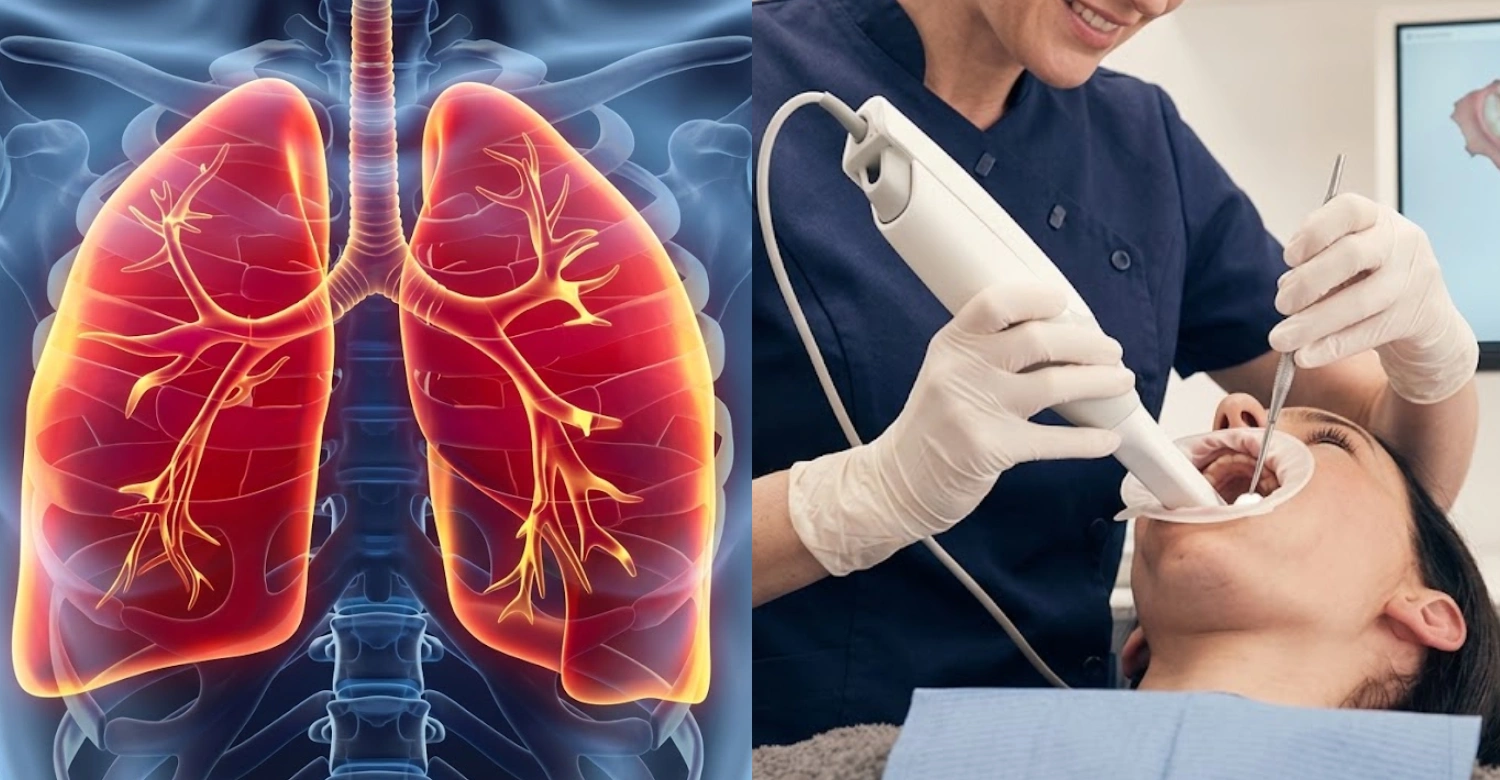
Can lung cancer cause mouth problems?
Lung cancer does not commonly begin with mouth symptoms. It is not a typical early warning sign. Oral problems can still appear indirectly, though, because of systemic illness, cancer treatment, certain medications, reduced immunity, or dehydration. So while lung cancer mouth symptoms are possible in an indirect sense, they are rarely the first or only clue. Anyone worried about a persistent oral change should still have it checked. This rules out simple dental causes and catches anything that genuinely needs medical follow-up.
Lung cancer and oral health
Lung cancer and oral health are connected mainly through general wellbeing rather than direct cause and effect. Maintaining good oral health matters both before and during any cancer treatment, since a compromised mouth can make treatment harder to tolerate. Untreated dental infections, for instance, can complicate systemic care. Keeping gums and teeth in good condition supports comfort, nutrition, and recovery. This is one reason dental teams often recommend a check-up before major medical treatment begins, regardless of the underlying condition being treated.
Lung cancer and mouth sores
Lung cancer and mouth sores can be linked in several indirect ways. Cancer treatments such as chemotherapy or radiotherapy can cause dryness, irritation, or sores directly. Reduced immunity can make infections and ulcers more likely. Nutritional changes during illness can also affect how quickly oral tissue heals. A single mouth sore rarely signals anything serious. Sores that keep recurring are worth flagging. So are ones that do not heal within the usual two-week window. These warrant a dental review to rule out other causes first.
Can lung cancer cause mouth pain?
Can lung cancer cause mouth pain on its own? Not typically. Mouth pain alone is not considered a common or specific sign of lung cancer. Dental infections, tooth decay, gum disease, ulcers, and dry mouth are far more likely explanations. That said, persistent or unexplained pain should never be dismissed without an assessment. A dentist can usually identify a dental cause quickly. When no dental explanation fits and pain continues, further evaluation helps rule out other, less common contributing factors.
Lung cancer and gum problems: Is there a connection?
Lung cancer mouth symptoms rarely include gum changes. Lung cancer and gum problems are not strongly linked in most cases. Gum inflammation, bleeding, and periodontal disease are far more commonly caused by plaque buildup, poor oral hygiene, smoking, certain medications, or other systemic conditions. Dry mouth can also increase the risk of gum irritation and infection. Tobacco exposure in particular affects both gum health and lung health, which is why smoking-related gum changes are sometimes mistakenly linked to cancer. A dental review is the right first step for any gum concern.
Oral symptoms of lung cancer vs common dental problems
Oral symptoms of lung cancer overlap closely with everyday dental problems. This is why lung cancer dental symptoms are difficult to self-diagnose. A dentist looks at the full picture instead. This includes medical history, medications, smoking history, and a hands-on examination of the teeth, gums, tongue, cheeks, palate, and throat. Ulcers, swelling, bleeding, and tissue changes are all assessed together, not in isolation. When something does not fit a typical dental pattern, referral for medical investigation follows. This structured approach is far more reliable than comparing symptoms to an online list.
How dentists assess unexplained oral symptoms
Dentists assess unexplained oral symptoms by starting with a detailed medical and dental history, including current medications and smoking or tobacco history. A full examination of the teeth and gums follows, along with a check of the tongue, cheeks, palate, and throat. Ulcers, swelling, bleeding, and any tissue changes are noted carefully. If findings point toward something outside normal dental care, referral for medical investigation is recommended. This step-by-step process helps separate ordinary dental issues from signs that need a closer medical look.
When a mouth symptom needs urgent attention
Some lung cancer mouth symptoms need urgent attention rather than routine monitoring. A mouth symptom needs urgent attention when it is persistent, progressive, or accompanied by other concerning signs. Unexplained bleeding, difficulty swallowing, an unexplained lump, or an ulcer that will not heal after two to three weeks all fall into this category. Significant unintended weight loss or breathing difficulties alongside an oral change should prompt prompt medical evaluation rather than a wait-and-see approach. These combinations matter more than any single symptom on its own, and should not be managed through self-diagnosis.
How are lung cancer mouth symptoms treated?
Treatment for lung cancer mouth symptoms depends entirely on the underlying cause once it has been identified. Dental problems may need professional cleaning, periodontal treatment, fillings, root canal treatment, infection management, or care for traumatic lesions. If oral symptoms are related to cancer treatment instead, management usually involves coordination between dental and medical teams. The focus there shifts to controlling pain, preventing infection, managing dry mouth, and protecting oral tissue throughout the wider treatment process.
Why early dental assessment matters
Identifying dental infections and oral problems early can help reduce complications. This applies whether it happens before or during cancer treatment, and it improves day-to-day comfort. An untreated infection can become harder to manage once systemic treatment is underway. Early assessment also gives the dental team time to plan around any medical treatment schedule. This proactive approach is one of the simplest ways to avoid oral complications compounding an already demanding treatment period. It starts with a straightforward dental check-up.
What should you expect from a dental examination?
The initial assessment covers symptoms, medical history, current medications, oral hygiene habits, tobacco exposure, and any previous dental problems. This groundwork helps the dentist understand the full context before any hands-on examination begins. Patients are usually asked how long a symptom has lasted and whether it has changed. This background information often narrows down the likely cause considerably. It makes the rest of the appointment more focused and efficient for both the dentist and the patient.
Examination and further investigation
The dentist then examines the mouth and surrounding tissues directly, checking teeth, gums, tongue, cheeks, palate, and throat. X-rays or other investigations may be recommended when a dental cause is suspected but not immediately obvious. This stage confirms or rules out common explanations like decay, infection, or trauma. Where findings remain unclear after examination and imaging, the process moves toward considering whether further, non-dental investigation is the appropriate next step.
Referral when necessary
If a lesion or symptom appears medically concerning, referral is recommended. This means an appropriate medical or specialist service, rather than managing it solely as a dental condition. This protects patients from delayed diagnosis of anything outside the dentist's scope. Referral does not mean something serious has been found. It means the finding needs assessment by the right specialist, using tools and expertise that go beyond a standard dental examination.
Clinical note
A clinical examination cannot diagnose lung cancer. What it can do is identify concerning oral or throat changes and recommend appropriate medical referral when necessary. Patients should not use mouth symptoms alone to diagnose lung cancer, since the overlap with common dental issues is too wide. Watch for respiratory symptoms too. These include persistent cough, coughing blood, unexplained weight loss, chest pain, or ongoing breathlessness. If any of these occur alongside oral changes, medical assessment should not be delayed. Do not wait on a dental opinion first.
What We Notice Clinically
Dr. Rifat Alsaman, Head of the Medical Team at Vitrin Clinic and a cosmetic dentist, emphasizes that dentists should avoid immediately attributing unexplained oral symptoms to cancer. His clinical approach focuses on identifying the most likely dental causes first, while staying alert to signs that require further medical assessment. Dr. Rifat Alsaman notes that possible lung cancer mouth symptoms deserve a proper examination, particularly when they fail to respond to appropriate dental treatment. This measured approach avoids both unnecessary alarm and missed findings.
How Vitrin Clinic supports patients with oral health concerns
At Vitrin Clinic, dental assessments focus on understanding each patient's lung cancer mouth symptoms and identifying appropriate treatment options. The dental team can assess teeth, gums, and oral tissues, and explain clearly whether a concern appears dental or requires further medical evaluation. For patients experiencing persistent oral changes, professional assessment offers a far more reliable path than self-diagnosis. Modern dental technology supports accurate examination and treatment planning whenever dental treatment is indicated, helping patients move forward with clarity rather than guesswork.
References:
FAQs
Dr. Rifat Alsaman has more than 5 years of clinical experience in dentistry and currently serves as the Head of the Medical Team at Vitrin Clinic. He is dedicated to providing exceptional patient care, overseeing treatment planning, and ensuring the highest clinical standards across the team. His expertise, attention to detail, and commitment to continuous professional development have helped countless patients achieve healthier, more confident smiles.


