General Dentistry
September 9, 2026
Medical Diagnostic Technology: What are the Types, Benefits, AI, and the Future of Diagnosis ?
 Dr. Rifat Alsaman
Medical Diagnostic Technology has transformed how healthcare professionals detect, evaluate, and monitor diseases. Modern diagnostic methods combine imaging, laboratory testing, digital systems, and artificial intelligence. These technologies can help clinicians identify health problems earlier and make more informed treatment decisions. Diagnostic tools can also reduce unnecessary invasive procedures when appropriately selected and interpreted. However, technology does not replace clinical judgment, patient history, or physical examination. Instead, effective diagnosis depends on combining reliable testing with professional interpretation. The World Health Organization estimates that diagnostic errors contribute to approximately 16% of preventable patient harm globally. This highlights the importance of accurate testing and effective clinical decision-making. Today, diagnostic innovation increasingly focuses on earlier detection, precision medicine, automation, and personalized care. Vitrin Clinic also emphasizes structured patient assessment when developing individualized treatment plans. Understanding these technologies helps patients make informed decisions about diagnostic testing and their healthcare.
What Is Medical Diagnostic Technology?
This technology refers to tools, systems, and methods used to identify, evaluate, or monitor health conditions. These technologies can examine tissues, organs, blood, genetic material, and other biological indicators. Common examples include X-rays, CT scans, MRI, ultrasound, laboratory tests, molecular testing, and digital diagnostic platforms. Some technologies provide images, while others measure biochemical or molecular changes. Diagnostic systems may also support continuous monitoring through wearable devices and remote healthcare platforms. The purpose is not simply to produce data but to provide clinically useful information. Healthcare professionals interpret those findings alongside symptoms, medical history, and physical examination. The World Health Organization notes that diagnosis can involve history-taking, examination, testing, interpretation, communication, and follow-up. Therefore, it functions as an important component within a broader clinical process. Its effectiveness depends on appropriate test selection, quality equipment, trained professionals, and accurate interpretation.
How Medical Diagnostic Technology Works
This diagnostic technology generally works by collecting measurable information about the patient's body. Different diagnostic systems use different principles to obtain this information. Imaging equipment can produce internal pictures using radiation, magnetic fields, sound waves, or other physical signals. Laboratory systems can analyze blood, urine, tissue, or genetic material for specific biological indicators. Digital platforms can organize diagnostic information and identify patterns across multiple data sources. Artificial intelligence can additionally analyze certain datasets and highlight findings requiring professional review. The process usually begins with a clinical question based on symptoms or examination findings. A healthcare professional then selects an appropriate diagnostic method. Results are generated, reviewed, interpreted, and incorporated into the patient's overall assessment. therefore supports diagnosis by converting biological information into clinically meaningful evidence. The technology itself does not independently establish every diagnosis.
Why Diagnostic Technology Is Important in Healthcare
Medical Diagnostic Technology is important because accurate diagnosis influences treatment selection, monitoring, and patient outcomes. Diagnostic information can help healthcare professionals distinguish between conditions with similar symptoms. It can also reveal abnormalities before noticeable symptoms become severe. Earlier identification may create opportunities for timely intervention and closer monitoring. Diagnostic testing can additionally help clinicians evaluate whether a treatment is working effectively. According to WHO, diagnostic errors can involve delayed, incorrect, missed, or poorly communicated diagnoses. These errors demonstrate why reliable diagnostic processes are essential for safer healthcare. Modern systems can improve access to information while reducing certain limitations of traditional testing methods. However, diagnostic quality depends on more than sophisticated equipment. Appropriate clinical reasoning, test selection, interpretation, communication, and follow-up remain essential. therefore strengthens healthcare when technology and professional expertise work together.
Role of Technology in Disease Diagnosis
This diagnostic approach supports disease diagnosis by providing objective information about biological structures and processes. Imaging can reveal structural changes, while laboratory testing can identify biochemical abnormalities. Molecular testing can detect genetic or infectious markers that may not be visible through conventional examination. Digital systems can combine information from different diagnostic sources for easier clinical review. Artificial intelligence may assist with image interpretation, classification, and pattern recognition in selected applications. These capabilities can support clinicians when diseases are complex or difficult to identify. Technology can also help monitor changes over time through repeated measurements or continuous data collection. However, abnormal results do not always indicate disease, and normal results cannot always exclude it. Clinical context remains essential when interpreting diagnostic information. Vitrin Clinic applies patient-centered assessment principles when diagnostic information contributes to individualized treatment planning. The most effective approach combines technology with clinical expertise and careful patient evaluation.
What Are the Types of Medical Diagnostic Technologies?
This diagnostic capability includes several categories designed to examine different aspects of human health. Major categories include medical imaging, laboratory diagnostics, digital systems, non-invasive methods, and point-of-care testing. Each category provides different information and serves specific clinical purposes. Imaging technologies visualize internal structures, organs, tissues, and certain abnormalities. Laboratory technologies analyze biological samples for chemical, cellular, molecular, or genetic indicators. Digital diagnostic systems organize information and support remote or data-driven healthcare. Non-invasive methods gather information without surgical access to internal tissues. Point-of-care technologies provide testing near the patient, often producing results quickly. The choice depends on symptoms, suspected conditions, clinical questions, and patient-specific factors. Medical Diagnostic Technology can therefore support diagnosis across emergency care, preventive medicine, chronic disease management, and specialized treatment. Combining multiple diagnostic approaches can sometimes provide a more complete clinical picture.
Medical Imaging and Diagnostic Technology
Medical imaging allows healthcare professionals to visualize structures and processes inside the body. Different imaging systems use different physical principles to produce diagnostic information. X-rays use ionizing radiation to create images of dense anatomical structures. CT scans combine multiple X-ray measurements to produce detailed cross-sectional images. MRI uses magnetic fields and radiofrequency energy to visualize soft tissues. Ultrasound uses high-frequency sound waves to generate real-time images. Each modality has different strengths, limitations, and appropriate clinical applications. Medical professionals select imaging according to the suspected condition and required information. Imaging can support diagnosis, treatment planning, surgical preparation, and follow-up assessments. This diagnostic field has expanded imaging capabilities through digital processing and computer-assisted interpretation. However, imaging findings must always be interpreted alongside symptoms and clinical examination.
X-Rays and Digital Radiography
X-rays are among the most established diagnostic imaging methods used in healthcare. They can quickly visualize bones, teeth, lungs, and other structures with differences in tissue density. Digital radiography replaces traditional film with electronic detectors that capture and process images. Digital systems can improve image storage, sharing, and workflow efficiency. They can also allow healthcare professionals to adjust certain image characteristics after acquisition. Dental radiography is particularly useful for identifying cavities, bone changes, infections, and other oral abnormalities. Radiation exposure remains an important consideration, although diagnostic systems use carefully controlled doses. Healthcare professionals generally recommend X-rays when the expected diagnostic benefit outweighs potential risks. This innovation continues improving radiographic imaging through better detectors and digital processing. Appropriate positioning and image quality remain essential for obtaining clinically useful results.
CT Scans
Computed tomography, commonly called CT, creates detailed cross-sectional images using multiple X-ray measurements. Computer processing combines those measurements into anatomical images that can reveal internal structures. CT can provide greater detail than conventional radiography for many clinical situations. It is commonly used for evaluating trauma, certain cancers, vascular conditions, infections, and complex anatomical abnormalities. Modern scanners can acquire large anatomical regions rapidly, which can be valuable during emergencies. Some examinations use contrast agents to improve visualization of specific tissues or blood vessels. CT involves ionizing radiation, so examination protocols should be appropriately selected. Advances have focused on improving image quality while managing radiation exposure. Medical Diagnostic Technology has also enabled three-dimensional reconstructions from CT datasets. These reconstructions can assist clinicians with diagnosis, treatment planning, and surgical evaluation.
MRI
Magnetic resonance imaging uses powerful magnetic fields and radiofrequency energy to create detailed internal images. Unlike X-rays and CT scans, MRI does not use ionizing radiation. MRI is particularly valuable for examining soft tissues, including the brain, spinal cord, muscles, ligaments, and many internal organs. Different MRI sequences can emphasize different tissue characteristics. Some examinations require contrast agents to improve visualization of particular abnormalities. MRI can provide highly detailed anatomical information, although examinations may take longer than conventional X-rays. Certain implanted devices and metallic objects require careful safety assessment before scanning. Patient movement can also reduce image quality during an examination. This approach has advanced MRI through improved hardware, faster sequences, and sophisticated image processing. Clinicians select MRI when its detailed soft-tissue information can answer an important diagnostic question.
Ultrasound
Ultrasound creates images using high-frequency sound waves rather than ionizing radiation. A handheld transducer sends sound waves into the body and receives returning echoes. Computer systems convert those echoes into images that healthcare professionals can interpret. Ultrasound can provide real-time information about organs, blood flow, and moving structures. It is commonly used in obstetrics, abdominal imaging, cardiovascular assessment, and musculoskeletal evaluation. Doppler ultrasound can additionally assess blood movement through vessels. Ultrasound is portable and can often be performed without complex preparation. Its effectiveness can depend on operator skill and the anatomical area being examined. Air and bone can limit visualization of certain structures. This diagnostic capacity has expanded ultrasound capabilities through portable devices and improved image processing. Point-of-care ultrasound can also provide rapid information in appropriate clinical settings.
Laboratory Diagnostic Technology
Laboratory diagnostics analyze biological samples to identify measurable indicators associated with health conditions. Samples can include blood, urine, saliva, tissue, or other biological materials. Laboratory systems can measure proteins, enzymes, hormones, electrolytes, cells, antibodies, microorganisms, and other biomarkers. Results may support disease detection, risk assessment, treatment selection, and monitoring. Automated analyzers can process large numbers of samples while maintaining standardized procedures. Quality-control systems are essential because inaccurate laboratory results can affect clinical decisions. Some tests provide broad information, while others target highly specific biological markers. Medical Diagnostic Technology has improved laboratory automation, molecular testing, and data management. Laboratory findings should still be interpreted according to symptoms and other clinical information. A single abnormal value does not necessarily establish a diagnosis.
Blood and Biochemical Testing
Blood testing provides information about numerous physiological processes and organ functions. Complete blood counts can evaluate different types of blood cells and identify certain abnormalities. Biochemical testing can measure glucose, electrolytes, enzymes, proteins, and other substances. Lipid testing can assess cholesterol and triglyceride levels for cardiovascular risk evaluation. Liver and kidney tests can provide information about organ function. Hormonal testing can help evaluate endocrine disorders and related conditions. Results are typically compared with established reference ranges, although interpretation varies between individuals. Factors such as age, medications, fasting status, and underlying conditions can influence results. This technology has increased the speed and automation of many laboratory measurements. Clinicians use these results alongside patient history, examination findings, and other diagnostic evidence.
Molecular and Genetic Testing
Molecular testing examines biological molecules associated with specific diseases or biological characteristics. Genetic testing can identify inherited variants, disease-associated mutations, or other genetic information. Molecular methods can also detect microorganisms by identifying their genetic material. Polymerase chain reaction, commonly called PCR, is one widely used molecular technique. Other technologies can analyze larger portions of genetic material when clinically appropriate. These tests may support diagnosis, screening, treatment selection, and risk assessment. Genetic information can sometimes influence decisions about personalized treatment strategies. However, genetic findings require careful interpretation because not every detected variant causes disease. Appropriate counseling may be important for certain genetic tests. This diagnostic technology continues expanding molecular capabilities through increasingly sensitive and targeted testing approaches.
Digital Diagnostic Technology in Healthcare
Digital diagnostic systems use software, electronic data, connected devices, and computational methods to support healthcare assessment. Electronic health records can organize laboratory results, imaging reports, clinical observations, and previous diagnoses. Remote monitoring systems can transmit physiological measurements to healthcare professionals. Digital platforms can also support telemedicine and remote diagnostic workflows. Some systems use algorithms to identify patterns within large datasets. Interoperability allows information from different systems to be exchanged when technical and privacy requirements are met. Digital diagnostics can improve accessibility and information organization in suitable healthcare environments. However, cybersecurity, data quality, privacy, and system reliability remain important considerations. Medical Diagnostic Technology increasingly depends on digital infrastructure for collecting and managing diagnostic information. Human oversight remains essential when digital tools contribute to clinical decisions.
Non-Invasive Medical Diagnostic Methods
Non-invasive diagnostic methods obtain clinical information without surgical penetration of body tissues. Examples include ultrasound, external monitoring devices, digital imaging, and certain laboratory measurements. These approaches can reduce discomfort and may simplify repeated assessments. Non-invasive testing can be particularly useful when clinicians need ongoing monitoring. Wearable devices can collect information such as heart rate, movement, temperature, or oxygen saturation. However, non-invasive does not automatically mean risk-free or diagnostically sufficient. Some measurements may be affected by device limitations, patient movement, or environmental factors. Medical professionals must determine whether a method provides adequate information for the clinical question. This diagnostic approach continues developing less invasive approaches for screening and monitoring. The objective is to obtain useful information while minimizing unnecessary patient burden.
Point-of-Care Diagnostic Technology
Point-of-care testing provides diagnostic information close to where patients receive care. These systems can be used in clinics, hospitals, emergency departments, pharmacies, and other healthcare environments. Examples include glucose testing, certain infectious disease tests, blood gas analysis, and pregnancy testing. Rapid results can help healthcare professionals make timely decisions when appropriate. Point-of-care systems can also support healthcare access where centralized laboratories are unavailable. However, accuracy depends on proper device operation, quality control, sample handling, and interpretation. Some tests may require confirmation through laboratory-based methods. This diagnostic capability has made point-of-care devices increasingly compact and digitally connected. Their usefulness is greatest when rapid information can meaningfully influence clinical management. Healthcare professionals should select tests according to validated indications and patient needs.
What Are the Latest Advances in Medical Diagnostics?
Recent diagnostic advances focus on speed, precision, automation, and earlier detection. New methods increasingly combine biological data with advanced computing and digital healthcare systems. Molecular testing can identify specific genetic or infectious markers with increasing sensitivity. Advanced imaging can provide more detailed anatomical information while improving acquisition and processing efficiency. Artificial intelligence can assist with selected imaging and pattern-recognition tasks. Wearable devices can continuously collect physiological information outside traditional healthcare settings. Liquid biopsy approaches are also being investigated for detecting disease-related signals in blood. These developments may support earlier intervention and more individualized healthcare strategies. However, new diagnostic methods require clinical validation, regulatory oversight, and appropriate professional interpretation. Medical Diagnostic Technology is therefore advancing toward integrated systems rather than isolated diagnostic tools. The strongest innovations are those that provide clinically meaningful information while maintaining safety and reliability.
Advanced Medical Diagnostic Technology
Advanced diagnostic systems combine sophisticated hardware, software, biomarkers, and computational analysis. Modern imaging platforms can generate high-resolution anatomical information for detailed clinical assessment. Molecular technologies can analyze genetic material and disease-associated biological signals. Automated laboratory systems can process large numbers of samples efficiently and consistently. Artificial intelligence can support selected tasks involving classification, detection, and pattern recognition. Cloud-connected platforms can facilitate secure sharing of diagnostic information between authorized healthcare professionals. These developments can shorten workflows and support more coordinated healthcare delivery. This diagnostic field increasingly integrates multiple information sources rather than relying on one measurement. However, advanced equipment does not guarantee accurate diagnosis without proper clinical interpretation. Healthcare professionals must consider test limitations, patient characteristics, and the probability of different diagnoses.
Innovative Medical Diagnostic Tools
Innovative diagnostic tools increasingly focus on portability, automation, connectivity, and minimally invasive sampling. Portable ultrasound devices can bring imaging capabilities closer to patients and clinical environments. Wearable sensors can collect physiological measurements during everyday activities. Smartphone-connected devices can support certain forms of monitoring and data collection. Molecular platforms can analyze biological markers using increasingly targeted techniques. Some emerging technologies investigate biomarkers from blood or other accessible biological samples. Digital platforms can combine these measurements with existing medical records and clinical information. This innovation may improve accessibility when validated tools are used appropriately. Nevertheless, innovation should not be confused with proven clinical effectiveness. New tools require evidence demonstrating accuracy, reliability, usability, and meaningful patient benefit. Healthcare professionals remain responsible for determining whether a diagnostic tool is appropriate.
Advanced Diagnostic Testing Methods
Advanced testing methods aim to provide more specific information about disease mechanisms and patient characteristics. Molecular diagnostics can identify genetic material associated with infections and other conditions. Multiplex testing can evaluate multiple targets using a single sample in suitable applications. Biomarker testing can provide information about biological processes associated with specific diseases. Genomic analysis can examine genetic information when clinically indicated. Advanced imaging techniques can additionally provide functional or metabolic information alongside anatomical findings. Medical Diagnostic Technology can connect these results through digital systems for broader clinical assessment. However, more information does not automatically produce a better diagnosis. Testing should address a defined clinical question and have appropriate evidence supporting its use. Professionals must also consider false-positive results, false-negative results, and incidental findings.
Precision Diagnostic Technology
Precision diagnostics aims to characterize diseases according to individual biological and clinical differences. Traditional diagnostic categories sometimes group patients with different underlying disease mechanisms. Precision approaches attempt to identify biomarkers or molecular characteristics that distinguish those differences. Genetic information can sometimes influence diagnosis, prognosis, or treatment selection. Molecular biomarkers may also help identify patients who could benefit from particular therapies. Imaging data can provide additional information about disease location, extent, or progression. This approach increasingly supports precision healthcare by combining different types of patient data. This approach can potentially reduce unnecessary treatments and improve therapeutic matching. However, precision diagnostics requires reliable biomarkers and strong clinical evidence. Genetic and molecular findings also require careful interpretation within the patient's complete clinical context.
Early Disease Detection Technology
Early detection technologies aim to identify disease before symptoms become advanced or complications develop. Screening programs use validated tests to identify individuals who may require additional evaluation. Biomarkers can sometimes reveal biological changes before structural abnormalities become apparent. Advanced imaging can detect certain abnormalities at earlier stages in selected conditions. Wearable monitoring may identify changes in physiological patterns that warrant professional evaluation. This diagnostic capacity can support earlier detection when tests have appropriate sensitivity and specificity. Earlier detection does not always improve outcomes unless effective treatment or monitoring is available. Screening can also produce false-positive results, unnecessary investigations, or anxiety. Therefore, healthcare professionals must balance potential benefits with possible harms. Appropriate screening decisions depend on age, risk factors, symptoms, guidelines, and individual circumstances.
How Is AI Changing Medical Diagnostics?
Artificial intelligence is changing diagnostic workflows by helping analyze large amounts of clinical information. AI systems can identify patterns within medical images, laboratory results, and other structured datasets. Some systems are designed to assist professionals rather than replace their clinical judgment. AI can highlight potentially abnormal areas that require closer human evaluation. It can also help prioritize certain findings within high-volume diagnostic workflows. The FDA reported more than 1,000 authorized AI-enabled medical devices by January 2025. Many of these devices are associated with radiology and other areas requiring image analysis. Medical Diagnostic Technology increasingly incorporates AI because computational systems can process complex datasets rapidly. However, performance depends on data quality, validation, clinical context, and appropriate implementation. AI therefore works best as a carefully evaluated clinical support tool. Human oversight remains essential for interpreting findings and making final decisions.
AI in Medical Diagnostics
AI in medical diagnostics uses computational models to analyze healthcare data and identify potentially meaningful patterns. Machine learning systems can be trained using large datasets containing labeled clinical information. Deep learning models are particularly useful for analyzing complex images and signals. AI can assist with tasks such as image classification, segmentation, detection, and risk estimation. Some systems can analyze information faster than manual workflows in specific applications. However, speed does not automatically indicate clinical accuracy. Models can perform differently across populations, equipment types, healthcare settings, and datasets. This technology increasingly combines AI with imaging, laboratory, and digital healthcare systems. Clinical validation is necessary before relying on AI-generated information for patient care. Healthcare professionals must also understand relevant limitations and potential sources of algorithmic error.
Role of AI in Medical Diagnosis
AI can support diagnosis by identifying patterns that may be difficult to detect consistently. Imaging algorithms can flag areas that appear suspicious for particular conditions. Other systems can analyze physiological signals or laboratory measurements for potential abnormalities. AI may also help organize information from large medical datasets. In some settings, algorithms can assist with triage by prioritizing cases requiring earlier review. These capabilities may improve workflow efficiency when properly validated. This diagnostic technology supported by AI can therefore provide an additional layer of analytical assistance. However, AI outputs are not inherently correct and should not be treated as independent diagnoses. Clinical professionals must review relevant findings and consider symptoms, history, examination, and other evidence. Effective implementation requires technical validation, clinical oversight, monitoring, and responsible governance.
AI-Assisted Medical Imaging
AI-assisted imaging uses algorithms to analyze medical images and identify potentially relevant findings. Deep learning models can evaluate patterns across X-rays, CT scans, MRI images, and other modalities. Some systems can detect specific abnormalities or assist with image segmentation. Segmentation involves identifying anatomical structures or regions within an image. AI may also help prioritize examinations containing potentially urgent findings. These capabilities can support radiologists and other trained professionals during image interpretation. Medical Diagnostic Technology combined with AI can potentially improve workflow consistency and reduce repetitive analytical tasks. However, algorithm performance varies depending on the condition and dataset used during development. False-positive results can lead to unnecessary follow-up examinations. False-negative results can potentially delay further evaluation. Therefore, AI-assisted imaging should complement professional interpretation rather than replace it.
AI for Pattern Recognition
Pattern recognition is one of the most important applications of artificial intelligence in healthcare. Algorithms can learn statistical relationships from large collections of medical data. In imaging, models may recognize patterns associated with specific abnormalities. In laboratory settings, algorithms can evaluate combinations of measurements that may indicate particular conditions. Pattern recognition can also support analysis of physiological signals collected through monitoring devices. This diagnostic approach can use these computational capabilities to identify potentially important findings efficiently. However, recognizing a statistical pattern does not necessarily establish causation or diagnosis. Algorithms may also reproduce biases present in their training datasets. Clinical validation across diverse populations is therefore important. Healthcare professionals should interpret algorithmic findings according to the patient's individual circumstances.
AI for Early Disease Detection
AI may contribute to early detection by identifying subtle patterns within diagnostic data. Some algorithms analyze images for abnormalities that require additional professional assessment. Other models estimate risk using combinations of clinical, laboratory, or physiological information. Early detection can be valuable when timely intervention improves outcomes. However, predictive performance must be carefully evaluated before clinical implementation. This diagnostic capability using AI should demonstrate appropriate sensitivity, specificity, and clinical usefulness. A highly sensitive system can identify more potential abnormalities but may generate more false positives. Conversely, excessive specificity may miss some genuine conditions. AI-based screening therefore requires careful balance between benefits and potential harms. Clinical professionals must determine whether additional testing is justified after an AI-generated alert.
Benefits and Limitations of AI-Based Diagnosis
AI-based diagnostic systems can improve efficiency, support pattern recognition, and help manage large healthcare datasets. They may assist professionals with repetitive analytical tasks and potentially improve workflow prioritization. Some systems can provide consistent analysis under defined conditions. AI can also support research by identifying relationships within complex datasets. However, important limitations remain. Algorithms depend heavily on the quality and representativeness of training data. Poorly designed datasets can produce biased or unreliable results. Models may also perform differently when applied to unfamiliar populations or equipment. Medical Diagnostic Technology using AI therefore requires continuous performance evaluation after deployment. Privacy, cybersecurity, transparency, accountability, and regulatory requirements are also important. AI should support responsible clinical practice rather than create unsupported certainty. Human expertise remains necessary when diagnostic information is complex or ambiguous.
Clinical Note: AI and Clinical Decision-Making
AI can provide useful analytical assistance, but clinical decisions require broader professional judgment. A diagnostic algorithm may identify a suspicious image without explaining the complete clinical significance. Healthcare professionals must consider symptoms, medical history, examination findings, risk factors, and alternative explanations. This diagnostic field can support this process by providing additional objective information. However, technology should not encourage clinicians to ignore contradictory clinical evidence. AI outputs should be treated as evidence requiring appropriate interpretation rather than unquestionable conclusions. WHO emphasizes that diagnosis involves multiple stages beyond simply obtaining a test result. These stages include clinical assessment, testing, interpretation, communication, and follow-up. Responsible AI implementation should therefore strengthen these processes. Vitrin Clinic can use technology-assisted assessment within a broader patient-centered approach. The final clinical decision should remain based on the patient's complete presentation and professional evaluation.
What Are the Benefits of Medical Diagnostic Technology?
This innovation provides healthcare professionals with information that can support detection, treatment, and monitoring. Modern diagnostic methods can examine biological structures and processes with increasing speed and precision. Imaging can reveal internal abnormalities that cannot be identified through routine examination alone. Laboratory testing can identify biochemical, cellular, infectious, or genetic changes. Digital systems can organize diagnostic information and support communication between healthcare professionals. Some technologies also enable rapid testing near the patient. These capabilities can improve clinical workflows when appropriately selected and interpreted. Diagnostic technology may also reduce unnecessary invasive procedures in suitable situations. However, every diagnostic method has limitations, including false-positive and false-negative results. The World Health Organization highlights diagnosis as a complex process involving multiple clinical steps. Therefore, technology delivers the greatest benefit when integrated with professional assessment and patient-specific decision-making.
Earlier Disease Detection
Earlier detection can allow healthcare professionals to investigate abnormalities before conditions become more advanced. Screening tests can identify potential disease in people who may not have noticeable symptoms. Imaging can sometimes reveal structural changes during earlier stages of disease. Biomarker testing can identify certain biological signals associated with developing conditions. Wearable monitoring can also reveal changes that may require professional assessment. Medical Diagnostic Technology can support these approaches by providing objective measurements at different stages. Earlier detection is especially valuable when effective treatment exists and outcomes improve with timely intervention. However, not every early abnormality requires immediate treatment. Some screening programs can produce false-positive findings and unnecessary follow-up procedures. Therefore, screening decisions should consider evidence, individual risk, age, symptoms, and clinical guidelines.
Improved Diagnostic Accuracy
Diagnostic accuracy refers to how effectively a test or diagnostic process identifies the correct clinical condition. Modern imaging systems can provide increasingly detailed anatomical information. Laboratory methods can measure specific biological markers with high analytical sensitivity. Molecular testing can identify genetic material associated with selected diseases. AI systems may additionally assist with specific pattern-recognition tasks. This approach can therefore provide multiple sources of evidence for clinical evaluation. However, accuracy depends on more than the technical performance of equipment. Test selection, sample quality, patient preparation, interpretation, and clinical context also influence diagnostic reliability. False-positive results can lead to unnecessary investigations or treatments. False-negative results can delay appropriate care. Combining diagnostic evidence with professional judgment provides a stronger foundation for accurate clinical decisions.
Faster Diagnosis
Faster diagnostic workflows can help healthcare professionals make timely decisions when rapid information is clinically important. Point-of-care tests can provide selected results close to the patient. Digital imaging systems can make images immediately available for professional review. Automated laboratory analyzers can process many samples efficiently. Electronic systems can also transfer results between authorized healthcare professionals. This diagnostic capacity can reduce delays associated with certain traditional workflows. Speed is particularly valuable in emergencies where treatment decisions may depend on rapid information. However, faster testing is not always better if accuracy or clinical usefulness is compromised. Some conditions require detailed laboratory analysis or advanced imaging. Healthcare professionals must therefore balance speed, reliability, and the specific diagnostic question.
Non-Invasive Testing Options
Non-invasive tests collect information without surgical access to internal tissues. Examples include ultrasound, external monitoring, radiography, and various laboratory measurements. These approaches can reduce discomfort and may be suitable for repeated evaluations. Ultrasound can provide real-time imaging without ionizing radiation. Wearable sensors can monitor selected physiological measurements during normal activities. Digital monitoring can also reduce the need for some in-person measurements. Medical Diagnostic Technology has expanded the availability of less invasive assessment methods. However, non-invasive testing does not mean that every test is completely risk-free. Some imaging methods involve radiation, while other procedures may have limitations. Test selection should depend on the clinical question and expected diagnostic value. Healthcare professionals should explain relevant benefits, limitations, and preparation requirements before testing.
Personalized Healthcare
Personalized healthcare uses patient-specific information to guide prevention, diagnosis, monitoring, and treatment. Diagnostic information can reveal differences between patients with apparently similar symptoms. Genetic testing may identify variants relevant to selected diseases or treatments. Biomarkers can sometimes help determine whether particular therapies are appropriate. Imaging can provide individualized information about disease location and progression. This technology supports personalized care by generating detailed information about individual patients. However, personalized healthcare requires careful interpretation rather than simply collecting more data. Not every genetic or molecular difference has established clinical significance. Patient preferences, medical history, lifestyle factors, and treatment goals also influence healthcare decisions. A personalized approach therefore combines diagnostic evidence with professional expertise and patient participation.
Better Disease Monitoring
Diagnostic monitoring helps healthcare professionals evaluate how a condition changes over time. Repeated laboratory tests can show whether biomarkers are increasing, decreasing, or remaining stable. Imaging can monitor changes in tumors, organs, tissues, or other anatomical structures. Wearable devices can provide continuous measurements for selected physiological parameters. Digital systems can organize historical results and make trends easier to review. This diagnostic technology can therefore support longitudinal assessment rather than one-time diagnosis. Monitoring can help determine whether treatment is producing the expected response. It can also identify changes that may require additional investigation. However, changes in test results must be interpreted within the patient's clinical context. Normal variation, medications, temporary illness, and measurement differences can influence results. Professional interpretation remains essential for meaningful disease monitoring.
What Medical Diagnostic Equipment and Tools Are Used?
Healthcare facilities use different diagnostic equipment according to the condition being investigated. Imaging systems examine internal structures and provide visual information. Laboratory equipment analyzes biological samples and measures specific biomarkers. Point-of-care devices provide selected results close to patients. Digital systems organize, process, and communicate diagnostic information. AI-powered tools can assist with specific analytical tasks. Medical Diagnostic Technology connects many of these tools within modern diagnostic workflows. Equipment selection depends on the patient's symptoms, clinical history, suspected condition, and required information. Healthcare professionals must also consider accuracy, availability, safety, cost, and testing limitations. Advanced equipment cannot compensate for inappropriate test selection or poor interpretation. Proper maintenance and quality assurance are also essential for reliable results. When appropriately implemented, diagnostic equipment can support earlier detection and more informed clinical decision-making.
Medical Imaging Equipment
Medical imaging equipment creates visual representations of structures and tissues inside the body. Common systems include X-ray machines, CT scanners, MRI systems, and ultrasound devices. Each modality uses different physical principles and provides different types of information. X-ray equipment is useful for rapidly visualizing bones and certain chest abnormalities. CT systems create cross-sectional images with greater anatomical detail. MRI provides detailed soft-tissue visualization without ionizing radiation. Ultrasound produces real-time images using high-frequency sound waves. This diagnostic approach has improved imaging through digital detectors and advanced image-processing systems. Some equipment can generate three-dimensional reconstructions for treatment planning. Imaging equipment requires appropriate calibration, maintenance, and quality control. Trained professionals must also position patients correctly and interpret images within the clinical context.
Laboratory Diagnostic Equipment
Laboratory equipment processes biological samples and measures clinically relevant substances. Automated analyzers can evaluate blood chemistry, blood cells, hormones, proteins, and other biomarkers. Molecular testing platforms can detect genetic material from pathogens or patient samples. Genetic sequencing systems can analyze selected regions or larger portions of genetic material. Microscopes can allow trained professionals to examine cells, tissues, and microorganisms. Centrifuges separate components within biological samples before additional analysis. This diagnostic capability has increased laboratory automation and digital data management. Automation can improve workflow consistency when equipment is properly calibrated and maintained. Laboratory quality-control procedures help identify analytical problems before results reach patients. Professionals must also consider sample collection, transportation, storage, and preparation. Reliable laboratory results require coordinated processes from collection through interpretation.
Point-of-Care Diagnostic Tools
Point-of-care diagnostic tools provide testing near the patient rather than exclusively inside centralized laboratories. Common examples include blood glucose meters and selected rapid infectious disease tests. Other systems can measure blood gases, pregnancy-related markers, or certain cardiac biomarkers. These tools can provide results quickly when immediate information is clinically useful. Portable devices may also improve diagnostic access in remote or resource-limited settings. Medical Diagnostic Technology has helped make some diagnostic platforms smaller and easier to operate. However, point-of-care devices still require proper training and quality-control procedures. Incorrect sampling or device operation can affect test accuracy. Some rapid results may also require confirmation through laboratory-based testing. Healthcare professionals should select point-of-care tests according to clinical requirements. Results must be interpreted alongside symptoms, examination findings, and other available evidence.
Digital and AI-Powered Diagnostic Tools
Digital diagnostic tools use software and connected systems to organize or analyze healthcare information. Electronic records can integrate laboratory results, imaging reports, and clinical observations. Remote monitoring systems can transmit selected physiological measurements to healthcare professionals. AI-powered systems can analyze images, signals, and structured clinical datasets. Some tools can highlight potentially abnormal findings for professional review. This diagnostic field increasingly incorporates digital and AI capabilities into diagnostic workflows. The FDA reported more than 1,000 authorized AI-enabled medical devices by January 2025. Many authorized AI-enabled devices are used in radiology and image-based applications. AI tools still require appropriate validation, monitoring, and professional oversight. Digital systems also require strong privacy and cybersecurity protections. Their value depends on reliable data, suitable clinical use, and responsible implementation.
How Does Medical Diagnostic Technology Support Personalized Healthcare?
This innovation supports personalized healthcare by providing information about individual biological and clinical characteristics. Traditional approaches may classify patients according to symptoms and broad disease categories. Modern diagnostics can provide more detailed information about biomarkers, genetics, imaging findings, and disease progression. This information can help professionals distinguish between patients who may need different approaches. Personalized diagnosis can also support treatment selection when validated biomarkers are available. Diagnostic information may additionally help determine how a condition responds to treatment over time. However, personalization does not mean every patient needs extensive testing. Unnecessary testing can produce confusing results, incidental findings, or additional costs. The most useful approach matches diagnostic testing with a specific clinical question. Vitrin Clinic can incorporate patient-specific assessment when developing individualized treatment plans. Professional interpretation remains essential when combining multiple diagnostic findings.
Precision Diagnosis and Individualized Treatment
Precision diagnosis aims to identify clinically meaningful differences between patients with similar conditions. Genetic information can sometimes reveal variants associated with inherited disorders or treatment responses. Molecular biomarkers can provide information about disease characteristics in selected clinical situations. Imaging can also reveal differences in anatomy, disease location, or progression. These findings may help healthcare professionals select appropriate treatments when strong evidence supports their use. Medical Diagnostic Technology can provide the detailed information required for these individualized decisions. Precision approaches may also reduce unnecessary treatments when a therapy is unlikely to provide benefit. However, not every biomarker has established clinical significance. Genetic findings can require specialized interpretation and appropriate counseling. Treatment decisions should therefore combine diagnostic evidence with clinical judgment, patient preferences, and available treatment options.
Using Diagnostic Data to Guide Treatment
Diagnostic data can help healthcare professionals determine which treatment approach may be appropriate. Laboratory results can reveal physiological changes that influence medication or treatment decisions. Imaging can show disease location and extent before procedures are planned. Molecular tests can identify biomarkers associated with particular therapeutic options. Follow-up testing can then evaluate whether the selected treatment is producing the expected response. This approach makes it easier to collect and compare these different types of information. However, diagnostic results represent only one part of treatment planning. Professionals must also consider symptoms, medical history, medications, allergies, risks, and patient preferences. Data should be interpreted according to validated clinical evidence. The goal is not to collect maximum information. The goal is to obtain relevant information that improves the quality of an individual treatment decision.
Medical Diagnostics and Personalized Healthcare
Personalized healthcare depends on understanding how diseases can differ between individual patients. Diagnostic testing can identify biological, anatomical, and physiological characteristics relevant to those differences. Laboratory biomarkers can help characterize specific disease processes. Genetic tests can provide information about inherited or acquired molecular changes. Imaging can describe anatomical features that influence diagnosis and treatment planning. Digital monitoring can reveal how measurements change over time. This diagnostic capacity allows these information sources to become part of an integrated clinical assessment. Personalized healthcare may improve treatment selection when diagnostic markers have strong clinical evidence. It can also support more individualized monitoring strategies. However, personalization should remain evidence-based and clinically appropriate. More testing does not automatically mean better healthcare. Professionals should select diagnostic methods according to the patient's needs and clinical circumstances.
Clinical Note: The Importance of Patient-Specific Diagnosis
Patient-specific diagnosis is important because people with similar symptoms can have different underlying causes. Age, medical history, medications, risk factors, and previous treatments can influence diagnostic interpretation. The same laboratory result can also have different meanings in different clinical contexts. Medical Diagnostic Technology can provide objective measurements, but those measurements require individualized interpretation. A clinician should therefore avoid treating test results as isolated facts. Patient history and physical examination can clarify whether a finding is clinically meaningful. Additional testing may be appropriate when the initial evidence remains uncertain. Unnecessary testing should also be avoided when results are unlikely to change management. Vitrin Clinic's patient-centered approach can integrate diagnostic information with individualized treatment planning. The objective is to understand the patient rather than simply identify an abnormal test result. This approach supports safer and more meaningful clinical decision-making.
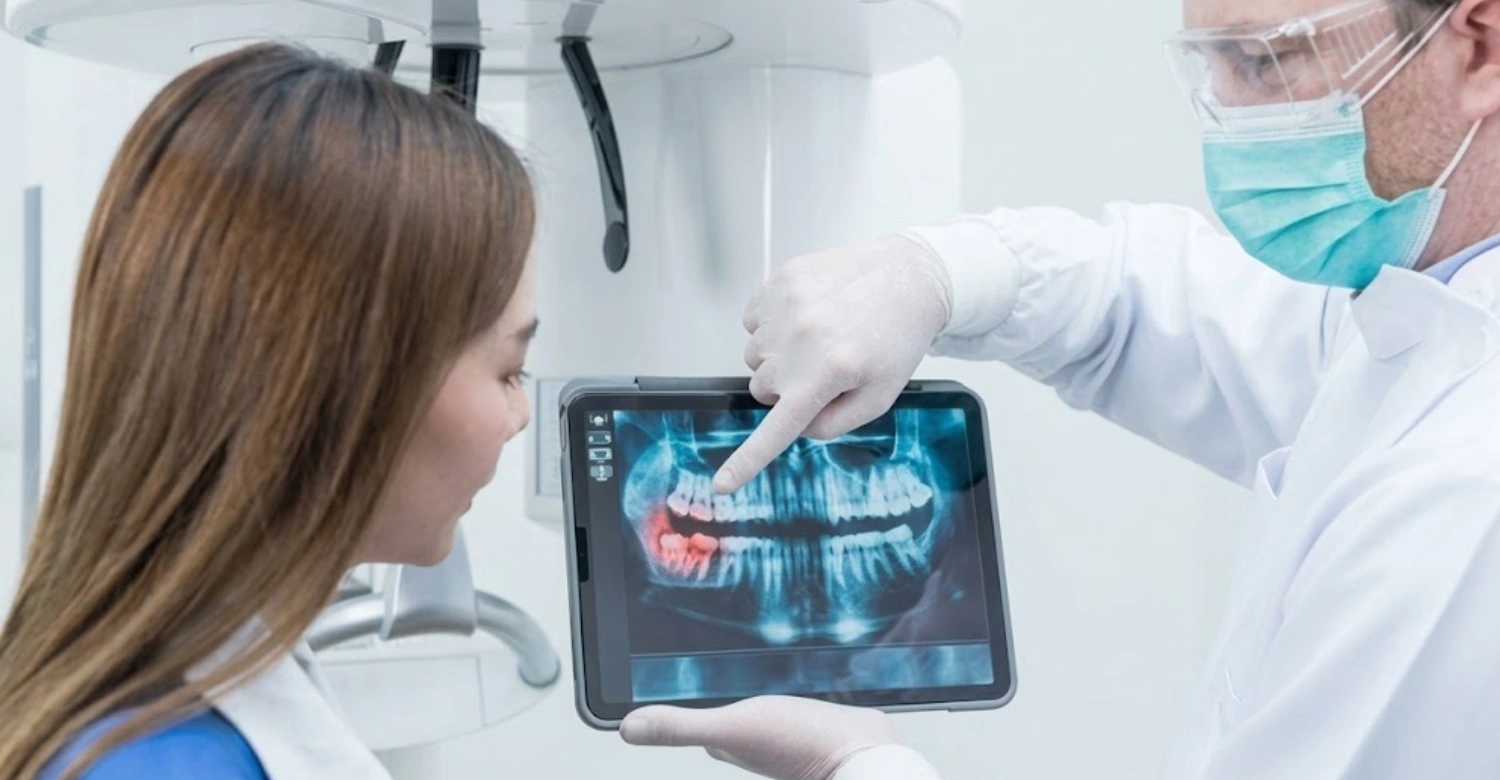
Note : All images used are for editorial and illustrative purposes only and may not originate from the original news provider or associated company.
What We Notice Clinically
Technology can provide valuable diagnostic information, but clinical assessment remains central to patient care. Diagnostic findings must be interpreted according to symptoms, medical history, examination results, and individual risk factors. This technology can strengthen this process by providing measurable evidence about the patient's condition. However, an abnormal result does not always indicate clinically significant disease. A normal result also cannot completely exclude every possible condition. Healthcare professionals therefore compare multiple sources of information before reaching a conclusion. This approach can reduce overreliance on isolated test results. It can also help identify situations where additional testing may be necessary. At Vitrin Clinic, technology-assisted assessment can support individualized treatment planning when diagnostic information is relevant. The clinical objective remains accurate assessment rather than simply ordering more tests. Good diagnosis combines appropriate technology with experienced professional judgment.
Clinical Note: Technology Is Only One Part of Diagnosis
Diagnostic technology provides information, but diagnosis involves a broader clinical reasoning process. Healthcare professionals begin by identifying symptoms, concerns, and relevant medical history. Physical examination can reveal findings that may not appear on imaging or laboratory tests. Diagnostic tests can then provide additional evidence to confirm or challenge initial clinical impressions. This diagnostic technology can make this evidence more detailed and measurable. However, clinicians must understand each test's sensitivity, specificity, limitations, and potential sources of error. Incidental findings can sometimes create additional investigations without improving patient outcomes. False-positive results can also cause unnecessary concern or treatment. Clinical judgment helps determine whether a diagnostic finding is meaningful for the individual patient. Technology should therefore complement examination and reasoning rather than replace them. This balanced approach supports safer and more appropriate healthcare decisions.
Why Clinical Examination Still Matters
Clinical examination provides direct information that diagnostic equipment cannot always capture. Professionals can observe physical signs, assess movement, evaluate tenderness, and identify visible abnormalities. Examination findings can help determine which diagnostic tests are most appropriate. They can also provide context for interpreting imaging and laboratory results. Medical Diagnostic Technology becomes more useful when testing addresses a clearly defined clinical question. Without clinical context, healthcare professionals may misinterpret isolated abnormalities. Examination can also identify conditions that do not require advanced diagnostic testing. In some situations, additional testing may provide little value when clinical findings are already clear. Patient communication is equally important because symptoms can provide information that technology cannot measure directly. Therefore, clinical examination remains a fundamental component of modern diagnosis. Technology enhances assessment, but it does not eliminate the need for professional observation.
Combining Patient History With Diagnostic Testing
Patient history provides essential context for interpreting diagnostic findings. Information about symptoms, duration, previous conditions, medications, family history, and risk factors can influence test selection. Two patients with identical test results may require different interpretations because their clinical backgrounds differ. This diagnostic approach can provide objective measurements that complement this information. Clinicians can compare test findings with the patient's reported symptoms and examination results. This process helps determine whether findings are consistent with the suspected condition. It can also reveal when an unexpected result requires additional investigation. A detailed history may prevent inappropriate testing by identifying the most relevant diagnostic pathway. Effective communication also helps patients understand why testing is recommended. Combining history, examination, and testing creates a more complete clinical assessment. This integrated approach supports individualized and evidence-based decision-making.
Dr. Rifat Alsaman's Opinion on Technology-Assisted Diagnosis
Dr. Rifat Alsaman emphasizes that diagnostic technology should support clinical judgment rather than replace it. Modern tools can provide valuable information when selected for the patient's specific clinical needs. This diagnostic capability can improve assessment by adding objective data to the diagnostic process. However, every result must be interpreted within the patient's complete clinical context. Symptoms, examination findings, previous treatments, and individual characteristics remain important. Technology can identify details that might otherwise be difficult to evaluate. Professional experience is still necessary to determine the relevance of those findings. At Vitrin Clinic, technology-assisted assessment can contribute to individualized treatment planning when clinically appropriate. The priority is to connect diagnostic information with a clear clinical objective. This approach helps prevent unnecessary testing while supporting informed treatment decisions. Ultimately, technology works best when combined with careful examination and patient-centered clinical reasoning.
What Is the Future of Medical Diagnostics?
The future of diagnostics is moving toward earlier detection, continuous monitoring, and increasingly individualized assessment. Artificial intelligence may assist professionals with specific analytical tasks across imaging and other diagnostic fields. Wearable devices can collect selected physiological measurements outside traditional healthcare environments. Molecular testing may provide increasingly detailed information about disease mechanisms and patient characteristics. Predictive systems may estimate risk before symptoms become clinically obvious. Medical Diagnostic Technology is expected to become increasingly connected across imaging, laboratory, digital, and monitoring platforms. These developments could support more proactive approaches to healthcare. However, technological progress must remain supported by clinical evidence, safety standards, privacy protections, and professional oversight. The future will likely involve collaboration between healthcare professionals and intelligent diagnostic systems. Successful innovation should improve meaningful clinical outcomes rather than simply increase the amount of available data.
The Future of Medical Diagnostics
Future diagnostic systems are expected to become faster, more connected, and increasingly data-driven. Healthcare platforms may integrate imaging, laboratory, genetic, wearable, and clinical information. Advanced analytics could identify relationships across different types of patient data. This diagnostic field may therefore shift from isolated testing toward integrated diagnostic ecosystems. Portable devices could bring selected diagnostic capabilities closer to patients and communities. Remote monitoring may also support people managing long-term conditions outside hospitals. Molecular diagnostics could provide more detailed information about disease biology. However, future systems will require strong validation before widespread clinical adoption. Healthcare professionals will continue to play an essential role in interpreting complex findings. The most useful innovations will combine technological capability with clinical relevance. Patient safety, accessibility, privacy, and equity should remain central considerations as diagnostic systems evolve.
AI-Powered Diagnostic Systems
AI-powered diagnostic systems may become increasingly integrated into healthcare workflows. Algorithms can analyze large datasets and identify patterns within defined clinical applications. Imaging systems may highlight suspicious findings for professional review. Predictive models may identify patients who could require additional assessment. This innovation combined with AI may also help prioritize diagnostic workflows. However, AI systems can produce incorrect results or perform differently across populations. Continuous monitoring is therefore necessary after implementation. Professionals should understand the intended use and limitations of each algorithm. Regulatory oversight can also help establish appropriate standards for safety and performance. AI should provide decision support rather than encourage automatic diagnosis without clinical review. Future systems may become more transparent and capable of explaining relevant findings. Human oversight will remain important when diagnostic decisions carry significant consequences.
Wearable Diagnostic Technology
Wearable diagnostic devices can collect physiological information continuously or repeatedly during daily activities. Examples include devices that monitor heart rate, movement, temperature, or blood oxygen measurements. Continuous monitoring can reveal trends that occasional clinical measurements may not capture. Medical Diagnostic Technology can use wearable data to support remote monitoring and risk assessment. However, wearable measurements can be affected by device accuracy, placement, movement, and individual characteristics. Not every change detected by a wearable indicates disease. Clinical confirmation may be necessary before making healthcare decisions. Data overload is another challenge because continuous monitoring can generate large amounts of information. Healthcare systems need effective methods for identifying clinically meaningful changes. Responsible use requires appropriate validation, privacy protection, and professional interpretation. Wearables are likely to complement conventional diagnostic methods rather than replace them.
Predictive and Preventive Diagnostics
Predictive diagnostics aims to estimate the likelihood of future disease or health events. These approaches can combine clinical information, biomarkers, genetics, imaging, and physiological measurements. Risk prediction may help identify people who could benefit from earlier assessment. This approach can support preventive strategies by identifying changes before significant symptoms appear. However, prediction is different from diagnosis because risk does not guarantee disease. Predictive models can also produce false-positive or false-negative classifications. Healthcare professionals must communicate uncertainty clearly when discussing risk estimates. Preventive testing should provide meaningful clinical benefits rather than unnecessary investigations. Ethical considerations are particularly important when predictive systems use genetic or highly personal information. Strong evidence is needed before predictive tools become routine clinical practice. The ultimate goal is prevention through appropriate intervention, not simply prediction.
Personalized and Precision Diagnostics
Personalized diagnostics is expected to become increasingly important as biological information becomes easier to measure. Genetic, molecular, imaging, and clinical data can help characterize individual disease patterns. This diagnostic capacity may support more precise classification of diseases and patient subgroups. This information could help healthcare professionals select treatments based on relevant biological characteristics. Longitudinal monitoring may also show how individual patients respond to treatment over time. However, precision approaches require validated biomarkers and clinically meaningful evidence. Genetic information can be complex and may require specialized interpretation. Privacy and responsible data management are also essential. Personalized diagnostics should remain focused on information that can improve patient care. The future will likely combine precision testing with clinical expertise and shared decision-making. This approach can make diagnosis more individualized without replacing fundamental clinical assessment.
Tips for Patients Using Medical Diagnostic Technology
Patients can take an active role in understanding diagnostic testing and its purpose. Before testing, ask what condition the healthcare professional is investigating. Ask whether the test requires preparation, such as fasting or medication adjustments. Medical Diagnostic Technology can provide useful information, but results require professional interpretation. Patients should understand what a test can detect and what it cannot detect. They should also ask whether additional testing might be necessary. Keeping previous reports can help professionals compare results over time. Patients should follow preparation and appointment instructions carefully. They should also tell professionals about medications, allergies, previous conditions, and relevant symptoms. Diagnostic results should not be interpreted independently when they require clinical expertise. Clear communication can help patients understand the role of testing in their overall care.
Ask Why a Diagnostic Test Is Recommended
Patients should understand the clinical reason behind every diagnostic test. Ask what condition the healthcare professional is investigating or trying to rule out. Understanding the purpose can make results easier to interpret later. This technology is most useful when testing addresses a specific clinical question. Patients can ask whether the test is routine, diagnostic, monitoring-related, or part of screening. They can also ask whether alternative tests are available. Some tests may provide information that other methods cannot provide. Other tests may be unnecessary when the clinical situation is already clear. Asking about potential benefits and limitations encourages informed participation. Patients should also ask when results are expected and who will explain them. These questions can improve communication between patients and healthcare professionals.
Understand What the Test Can Detect
Every diagnostic test has a specific purpose and a defined range of capabilities. A test may identify certain abnormalities while missing others. Understanding these limitations prevents patients from expecting one test to answer every health question. This diagnostic technology can provide highly detailed information when appropriately selected. However, no diagnostic method is perfect. Some tests can produce false-positive results despite the absence of disease. Other tests can produce false-negative results despite an existing condition. Patients should ask what the test measures and how results are interpreted. They can also ask whether additional testing might be needed. Understanding these factors can reduce confusion after receiving results. Healthcare professionals should explain findings according to the patient's individual clinical circumstances.
Follow Testing Preparation Instructions
Proper preparation can improve the reliability and usefulness of certain diagnostic tests. Some laboratory examinations require fasting before blood collection. Other tests may require specific medications, dietary restrictions, hydration, or activity limitations. Medical Diagnostic Technology can produce misleading information if preparation requirements are not followed. Patients should carefully review instructions before their appointment. They should tell healthcare professionals if they accidentally break preparation requirements. Patients should never stop prescribed medication unless instructed by an appropriate professional. Imaging examinations may also require special preparation or removal of certain objects. MRI procedures require particular attention to implanted devices and metallic materials. Following instructions helps reduce avoidable testing problems. When instructions are unclear, patients should contact the healthcare provider before testing.
Discuss Results With a Healthcare Professional
Diagnostic results should be interpreted within the patient's complete clinical context. A result outside the reference range does not automatically indicate serious disease. Similarly, a result within the reference range does not always exclude every condition. This diagnostic approach provides measurements that require appropriate professional interpretation. Healthcare professionals consider symptoms, examination findings, medical history, and other diagnostic information. Patients should ask what their results mean and whether follow-up is necessary. They can also ask whether additional tests are recommended. Searching isolated results online can sometimes create unnecessary concern. Professional interpretation can explain whether a finding is clinically significant. Patients should seek clarification when terminology or results are difficult to understand. Clear communication supports safer and more informed healthcare decisions.
Keep Your Diagnostic Records
Maintaining diagnostic records can help healthcare professionals understand changes over time. Patients may keep laboratory reports, imaging reports, pathology results, and relevant treatment documentation. This diagnostic capability generates information that can become valuable during future assessments. Previous results can provide useful comparisons when a condition is monitored. Digital records can also reduce unnecessary repetition of certain tests when previous information remains clinically relevant. Patients should store records securely and protect sensitive health information. When changing healthcare providers, sharing relevant records can improve continuity of care. However, not every previous test remains clinically appropriate indefinitely. Professionals should determine whether older results remain useful. Organized records can help patients communicate more effectively during appointments. They can also support more informed discussions about future testing and treatment.
Medical Diagnostic Technology at Vitrin Clinic
Vitrin Clinic can use modern diagnostic assessment to support individualized dental and medical treatment planning. Diagnostic evaluation helps professionals understand anatomical conditions before recommending appropriate procedures. Medical Diagnostic Technology may contribute useful information when imaging or other diagnostic methods are clinically indicated. Digital records can also help organize patient information throughout the treatment journey. However, technology remains part of a broader clinical assessment. Professionals consider patient concerns, medical history, examination findings, and available diagnostic evidence. This approach helps connect diagnostic information with realistic treatment goals. Patients can also discuss the purpose and expected value of recommended examinations. Clear explanations can improve understanding before treatment begins. At Vitrin Clinic, technology-supported evaluation can complement professional expertise and patient-centered communication. The objective is to develop treatment plans based on relevant clinical information rather than technology alone.
Modern Diagnostic Assessment
Modern diagnostic assessment combines clinical examination with appropriate imaging and other available diagnostic information. Dental professionals may use digital imaging to evaluate teeth, supporting bone, and surrounding anatomical structures. Intraoral photography can document visible oral conditions and provide useful treatment references. Digital scanning can capture detailed information about dental structures and occlusion in appropriate cases. This diagnostic field can support assessment when additional objective information is required. The selected diagnostic method should correspond with the patient's symptoms and treatment needs. Not every patient requires every available diagnostic tool. Excessive testing can increase costs and provide information that does not change treatment decisions. At Vitrin Clinic, diagnostic assessment can help professionals establish a clearer understanding of individual treatment requirements. This information can then support structured treatment planning and patient communication.
Technology-Assisted Patient Evaluation
Technology-assisted evaluation can provide additional information during patient assessment. Digital imaging can help professionals examine structures that cannot be fully evaluated through visual inspection. Digital photographs can document clinical conditions before and after treatment. Scanning systems can capture detailed dental information for selected restorative or cosmetic procedures. This innovation can make some information easier to record, compare, and communicate. However, technological findings should always be reviewed by appropriately trained professionals. Patient symptoms and clinical examination remain essential for understanding diagnostic significance. Technology can support documentation without replacing direct patient evaluation. Vitrin Clinic can combine available digital information with clinical assessment when appropriate. This integrated process helps professionals develop treatment recommendations according to individual needs. The focus remains clinically relevant information rather than unnecessary technological complexity.
Personalized Diagnostic and Treatment Planning
Personalized treatment planning begins with understanding each patient's clinical condition and treatment goals. Diagnostic information can help professionals evaluate anatomy, existing dental conditions, and relevant treatment considerations. Digital records can also support communication between different stages of care. Medical Diagnostic Technology may provide additional information when conventional examination cannot answer an important clinical question. Professionals can then compare diagnostic findings with patient expectations and treatment objectives. Different patients may require different diagnostic approaches even when their concerns appear similar. Treatment planning should therefore remain individualized rather than based solely on standardized procedures. At Vitrin Clinic, patient-specific assessment can contribute to personalized treatment recommendations. Professionals can discuss available options, expected outcomes, and relevant limitations with patients. This approach encourages informed decisions based on clinical findings and individual priorities.
Dr. Rifat Alsaman's Clinical Approach
Dr. Rifat Alsaman's clinical approach emphasizes combining diagnostic information with careful patient assessment. Modern tools can provide valuable information, but technology should remain connected to a clear clinical purpose. This approach can support treatment planning when diagnostic findings provide relevant information. Clinical examination remains important because patients may present with different symptoms and anatomical characteristics. Diagnostic results should therefore be evaluated alongside medical history and professional observations. At Vitrin Clinic, individualized assessment can help connect diagnostic findings with appropriate treatment planning. The objective is not simply to collect more information. The objective is to obtain information that can improve clinical understanding and treatment decisions. This approach supports patient-centered care while recognizing the benefits and limitations of modern diagnostic tools. Professional judgment remains essential throughout the diagnostic and treatment process.
Why Choose Vitrin Clinic?
Choosing a healthcare clinic involves evaluating clinical expertise, assessment methods, communication, and treatment planning. Vitrin Clinic emphasizes individualized patient evaluation throughout the treatment process. This diagnostic capacity can support this approach when appropriate diagnostic information is needed. Modern tools can help professionals document conditions and assess relevant anatomical features. However, technology should complement clinical expertise rather than replace professional judgment. Patients can discuss recommended examinations and understand why each diagnostic step is necessary. Clear communication can also help patients understand their treatment options and expected outcomes. Vitrin Clinic combines technology-supported assessment with individualized treatment planning. This approach focuses on relevant clinical information and patient-specific needs. The goal is to provide structured care while maintaining professional oversight throughout evaluation and treatment.
Modern Diagnostic Approach
A modern diagnostic approach combines clinical examination with appropriate digital and diagnostic tools. Professionals select technologies according to the patient's condition and the information required. Medical Diagnostic Technology can provide detailed information that supports certain diagnostic and treatment decisions. Digital imaging can assist with documentation and evaluation of relevant anatomical structures. Other diagnostic tools may be appropriate when additional information is clinically necessary. Vitrin Clinic can incorporate modern assessment methods into individualized treatment workflows. Technology is selected according to clinical relevance rather than simply because it is available. This approach can help professionals create clearer treatment plans. Patients can also receive explanations about recommended diagnostic procedures and their purposes. Combining modern tools with clinical expertise supports a more comprehensive evaluation.
Experienced Medical Professionals
Experienced healthcare professionals play an essential role in interpreting diagnostic information correctly. Equipment can generate measurements, images, or other findings, but professionals determine their clinical significance. This technology is most effective when used by appropriately trained healthcare teams. Professional expertise helps identify relevant findings and recognize limitations within diagnostic results. Clinicians can also compare technological findings with symptoms and examination results. Vitrin Clinic emphasizes professional assessment when developing individualized treatment recommendations. Patients can benefit from discussing their concerns and expectations directly with their healthcare team. Experience can also help professionals recognize when additional testing may provide limited value. Clinical decisions should remain based on appropriate evidence and patient-specific factors. Technology and professional expertise therefore work together rather than functioning independently.
Individualized Patient Care
Individualized care recognizes that each patient has different clinical characteristics and treatment objectives. Diagnostic information can help professionals understand those differences more clearly. This diagnostic technology may provide additional evidence when specific diagnostic questions require further evaluation. However, treatment planning should also consider medical history, symptoms, examination findings, and patient preferences. Vitrin Clinic focuses on patient-specific assessment when developing treatment recommendations. Professionals can explain available options and discuss relevant benefits and limitations. This communication allows patients to participate more actively in healthcare decisions. Individualized care does not necessarily require more diagnostic testing. Instead, it requires selecting information that can meaningfully influence clinical decisions. A patient-centered approach therefore balances technology, clinical expertise, safety, and individual expectations.
Technology-Supported Treatment Planning
Diagnostic information can support treatment planning by clarifying anatomical or biological characteristics. Digital imaging can help professionals evaluate structures before certain procedures. Digital records can also document changes throughout different stages of treatment. Medical Diagnostic Technology can provide objective information that complements direct clinical examination. Professionals can use this information to compare treatment options and anticipate relevant considerations. Vitrin Clinic can integrate technology-supported assessment into individualized treatment planning. The selected tools depend on the patient's clinical requirements and proposed treatment. Technology should not determine treatment automatically. Professional judgment remains necessary when evaluating diagnostic findings and potential treatment options. This balanced process can help connect diagnostic information with practical clinical decisions. Patients should receive clear explanations before proceeding with recommended treatment.
Conclusion About Medical Diagnostic Technology
This diagnostic approach has become an important component of modern healthcare. Imaging, laboratory testing, molecular diagnostics, digital systems, and AI can provide valuable clinical information. These technologies can support earlier detection, faster workflows, monitoring, and individualized assessment. AI may further assist with image analysis and pattern recognition in appropriately validated applications. However, technology cannot replace clinical history, physical examination, professional interpretation, or patient communication. Diagnostic accuracy depends on selecting appropriate tests and understanding their limitations. Patients should understand why testing is recommended and how results will influence their care. Vitrin Clinic can use technology-supported assessment alongside individualized clinical evaluation. Future diagnostic systems will likely become more connected, predictive, portable, and personalized. The greatest benefit will come from combining innovation with evidence-based and patient-centered healthcare.
Reference
FAQs
Dr. Rifat Alsaman has more than 5 years of clinical experience in dentistry and currently serves as the Head of the Medical Team at Vitrin Clinic. He is dedicated to providing exceptional patient care, overseeing treatment planning, and ensuring the highest clinical standards across the team. His expertise, attention to detail, and commitment to continuous professional development have helped countless patients achieve healthier, more confident smiles.


.webp&w=3840&q=75)