General Dentistry
October 19, 2026
Dentine Hypersensitivity: Why Your Teeth Hurt and How to Find Relief?
 Dr. Rifat Alsaman

Sensitive teeth are common, but they are not always a minor issue. Some people notice brief twinges with ice cream. Others feel discomfort every time they brush. Because several dental problems produce similar sensations, understanding the causes of sensitive teeth is the first step toward the right care. This guide is shaped by the clinical principles of Dr. Rifat Alsaman, Head of the Medical Team and cosmetic dentist at Vitrin Clinic. It explains what happens inside the tooth, what triggers pain, and which treatments can help.
What Is Dentine Hypersensitivity?
Dentine hypersensitivity is a short, sharp pain that arises from exposed dentin in response to certain stimuli. These stimuli are usually thermal, tactile, evaporative, osmotic, or chemical. Typical examples include cold drinks, a blast of air, or a toothbrush touching the tooth. By definition, the pain cannot be explained by another dental defect or disease. That is why dentists diagnose dentine hypersensitivity only after ruling out cavities, cracks, and other problems that can cause similar discomfort.
What Happens Inside Your Tooth When You Feel Sensitivity?
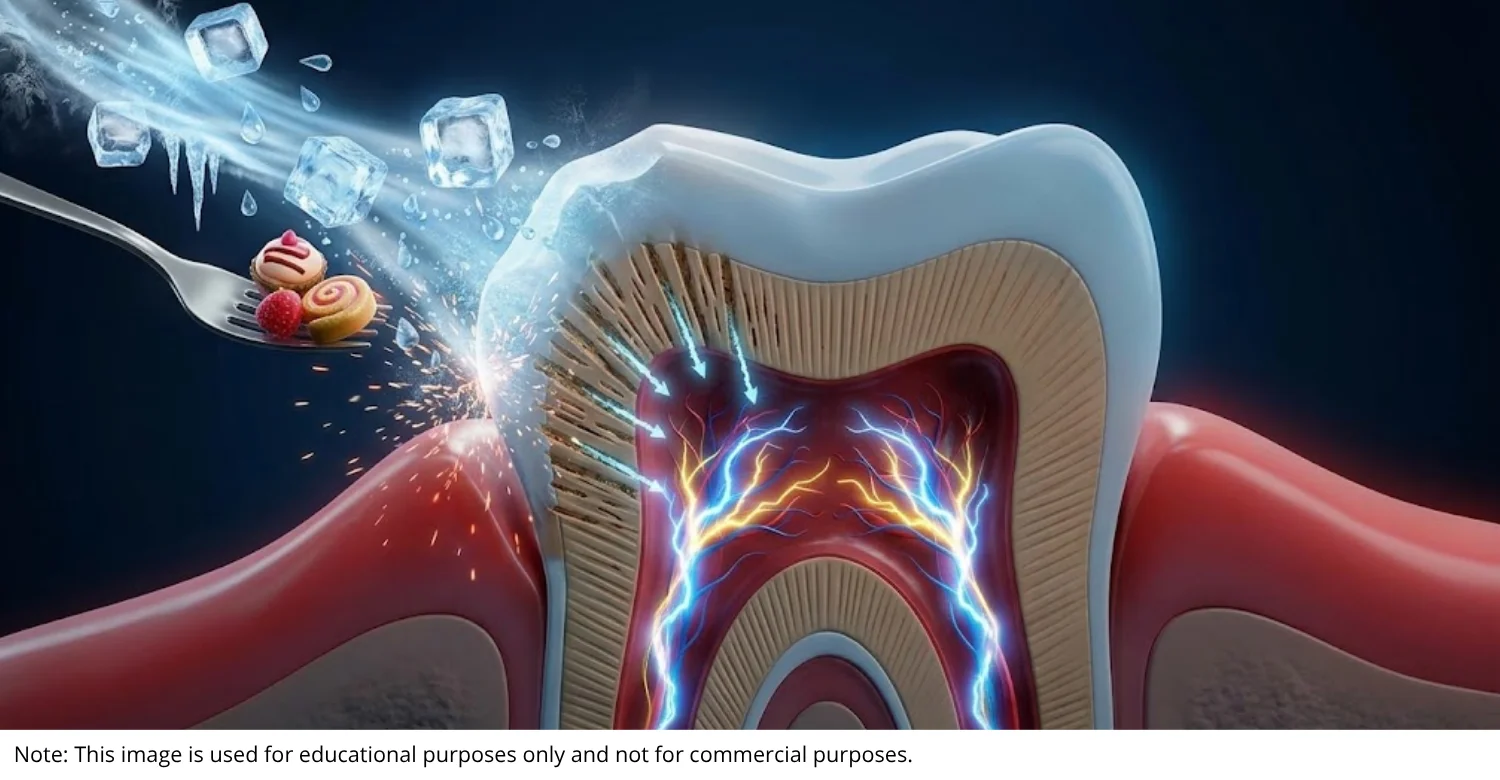
Dentin is the layer beneath the enamel on the crown and the cementum on the root. It contains thousands of tiny channels called dentinal tubules. These tubules connect the outer dentin with the inner pulp, where the nerves sit. When dentin is exposed, stimuli such as cold cause fluid inside the tubules to move. This movement is thought to stimulate nerves and trigger pain. However, not every sensitive tooth has dentine hypersensitivity. Cavities and cracks can feel similar.
How Does Normal Tooth Structure Protect You From Sensitivity?
Enamel is the hardest tissue in the body. It shields the crown from temperature, pressure, and acids. On the root, a thin layer of cementum covers the dentin. Healthy gum tissue adds another layer of protection by covering the roots. Problems start when enamel erosion thins the crown or gum recession uncovers the root. Exposed dentin with open tubules can then react more strongly to temperature, touch, or chemical stimuli, making everyday activities uncomfortable.
.jpg)
.jpg)
.jpg)
.jpg)
.jpg)
.jpg)
.jpg)
Ready to transform your smile?
Talk to our team and get a FREE treatment plan.
What Does Dentine Hypersensitivity Feel Like in Everyday Life?
Most people describe dentine hypersensitivity as a quick, sharp jolt. It appears when a trigger touches the tooth and fades within seconds once the trigger is removed. Between episodes, the tooth usually feels normal. The pain may affect eating, drinking, brushing, or even breathing in cold air. Its pattern matters. Brief, triggered discomfort suggests one set of causes. Pain that lingers, throbs, or appears without a trigger often points to a different problem needing assessment.
Why Do Cold Drinks or Hot Foods Make My Teeth Hurt?
Iced water, ice cream, and cold drinks are among the most common triggers. Cold causes rapid fluid movement inside exposed dentinal tubules, which stimulates the nerves. Hot beverages can also cause discomfort. However, heat-related pain is less typical of dentine hypersensitivity and may need further assessment, because it can signal pulp inflammation. The key difference is duration. Brief sensitivity that disappears quickly is reassuring. Pain that lingers after the hot or cold trigger is gone deserves a dental check.
Why Do My Teeth Hurt When I Brush or Floss?
Brushing and flossing can touch exposed root surfaces near the gumline. When dentin is exposed, this light contact may be enough to trigger a sharp twinge. Brushing too hard can worsen the problem by wearing the surface and irritating gum tissue. Inflamed gums may also feel tender during cleaning. Despite the discomfort, you should not abandon dental hygiene. Skipping brushing allows plaque to build up, increasing the risk of gum disease, decay, and further recession.
Why Does Eating Something Sweet or Sour Trigger Sensitivity?
Sugary foods can create an osmotic effect, drawing fluid through exposed dentinal tubules and stimulating the nerve. Sour and acidic foods may trigger discomfort in a similar way. Frequent acidic beverage consumption can also contribute to enamel erosion over time, which exposes more dentin. However, sensitivity to sweets alone cannot confirm the cause. Pain with sugary foods may also come from a cavity. A dental examination helps tell whether dentine hypersensitivity or decay is responsible.
Why Do My Teeth Feel Sensitive in Different Areas?
Sensitivity can affect one tooth, several teeth, or multiple areas of the mouth. Widespread sensitivity near the gumline often suggests gum recession or tooth wear affecting many teeth. Sensitivity on the biting surfaces may point to erosion or grinding. The location and pattern help guide diagnosis. Isolated pain in a single tooth deserves particular attention. It may come from decay, a crack, or a defective restoration rather than simple exposed dentin.
Note: All images used are for editorial and illustrative purposes only and may not originate from the original news provider or associated company.
What Causes Dentine Hypersensitivity?
Dentine hypersensitivity develops through two main steps. First, dentin becomes exposed. Second, the dentinal tubules on that surface are open rather than blocked. Exposure usually happens through enamel loss on the crown or gum recession on the root. Common causes of sensitive teeth include erosive tooth wear, aggressive brushing, gum disease, teeth grinding, and recent dental treatment. Often, more than one factor is involved. Identifying each contributor helps your dentist choose the most effective treatment and prevention plan.
Exposed Dentin From Enamel Erosion
Enamel erosion is the gradual chemical loss of tooth enamel caused by acids not produced by bacteria. These acids may come from foods, drinks, or stomach acid from reflux or vomiting. Frequent acid exposure softens and weakens the enamel surface. Over time, the enamel thins and may expose the underlying dentin. Repeated episodes of erosion can also open dentinal tubules. This combination increases the risk of dentine hypersensitivity, especially on surfaces that face acidic drinks directly.
Gum Recession and Exposed Root Surfaces
Gum recession is the movement of gum tissue away from its usual position, exposing more of the tooth root. Root surfaces have no thick enamel layer. They are covered only by thin cementum, which can wear away easily. Contributors include periodontal disease, traumatic brushing, and individual tissue characteristics such as thin gums. Once the root dentin is exposed, it may become sensitive to cold, touch, and brushing. This is one of the most common causes of sensitive teeth.
Worn Enamel and Tooth Wear
Tooth wear describes the gradual loss of tooth structure not caused by decay. It can result from erosion, abrasion, or attrition. Abrasion is mechanical wear, such as excessive brushing pressure or abrasive products. Attrition is tooth-to-tooth wear, which often occurs with grinding or clenching. These processes frequently act together. When acids soften enamel, mechanical forces remove it more easily. Worn enamel can eventually expose dentin, increasing the risk of dentine hypersensitivity.
Acidic Beverage Consumption and Dietary Habits
Citrus juices, soft drinks, sports drinks, and some flavored waters are common sources of dietary acid. Frequent acidic beverage consumption may contribute to erosive tooth wear. The pattern of drinking matters as much as the drink itself. Sipping slowly over long periods keeps acid in contact with the teeth for longer. This differs from mechanical wear, which removes structure through friction. Enjoying an occasional acidic drink with a meal will not inevitably damage healthy teeth.
Tooth Sensitivity After Whitening
Tooth sensitivity after whitening is a common, usually temporary side effect. Whitening agents, typically hydrogen peroxide or carbamide peroxide, can pass through enamel and dentin and reach the pulp. This may temporarily heighten the tooth's sensitivity response. Discomfort often depends on product concentration, application time, frequency of use, and pre-existing sensitivity. In most people, symptoms settle within days after stopping. Persistent or severe pain warrants dental assessment before continuing any tooth whitening treatment.
Tooth Sensitivity After Filling or Other Dental Procedures
Tooth sensitivity after filling is common, because the tooth has undergone treatment. Possible causes include a high spot on the bite, temporary irritation of the pulp, or the original depth of the decay. This sensitivity usually improves gradually over days to a few weeks. However, persistent pain, worsening symptoms, or pain when biting may require reassessment. Post-treatment pain should not be automatically labeled as dentine hypersensitivity, because it may have a different cause.
Other Possible Causes of Sensitive Teeth
Several conditions mimic dentine hypersensitivity. Dental cavities, cracked teeth, leaking or worn restorations, and pulp inflammation can all cause pain with temperature or sweets. Sinus congestion may also be confused with upper back tooth pain, because the roots sit close to the sinus floor. These conditions need different management from uncomplicated sensitivity. Treating them only with toothpaste may delay proper care. That is why a careful examination should come before choosing any treatment.
What Other Symptoms Can Occur Alongside Tooth Sensitivity?
Sensitivity rarely tells the whole story on its own. Other signs can offer useful clues about the underlying cause. Bleeding gums may suggest gum inflammation. Visible wear may point to erosion or grinding. Lingering or biting pain may indicate a deeper problem. Noticing these associated symptoms helps your dentist decide whether you have straightforward dentine hypersensitivity or a separate condition. Keep track of what you notice and share it during your appointment.
Sensitivity With Gum Bleeding or Recession
Gum inflammation and recession often occur together. Periodontal disease can damage the tissues supporting the teeth, causing gums to pull back and expose root surfaces. These exposed roots may then become sensitive. However, bleeding gums are not a defining symptom of dentine hypersensitivity. Bleeding usually indicates a separate gum condition, such as gingivitis or periodontitis. Both problems deserve attention, because managing the gum disease may help limit further recession and root exposure.
Sensitivity With Tooth Discoloration or Visible Wear
As enamel thins, the yellower dentin underneath may become more visible. Some people notice their teeth looking darker or more translucent at the edges. Other signs of wear include flattened biting edges, shallow cup-shaped depressions, or changes in tooth shape. These features can suggest erosion or grinding. However, discoloration alone cannot establish whether enamel erosion is present. Staining, ageing, and other factors also affect tooth color, so a clinical examination is needed.
Sensitivity With Lingering Pain or Pain When Biting
Typical sensitivity fades within seconds. Pain that lingers for longer after hot or cold stimuli may indicate pulp inflammation or deeper decay. Pain on biting is another important sign. It may point to a cracked tooth, a high filling, or another dental condition. These symptoms should not be managed solely with desensitizing toothpaste. Masking them can delay diagnosis and allow the problem to progress. Book a dental assessment if you notice either pattern.
.jpg)
Ready to transform your smile?
Talk to our team and get a FREE treatment plan.
How Can You Relieve Tooth Sensitivity at Home?
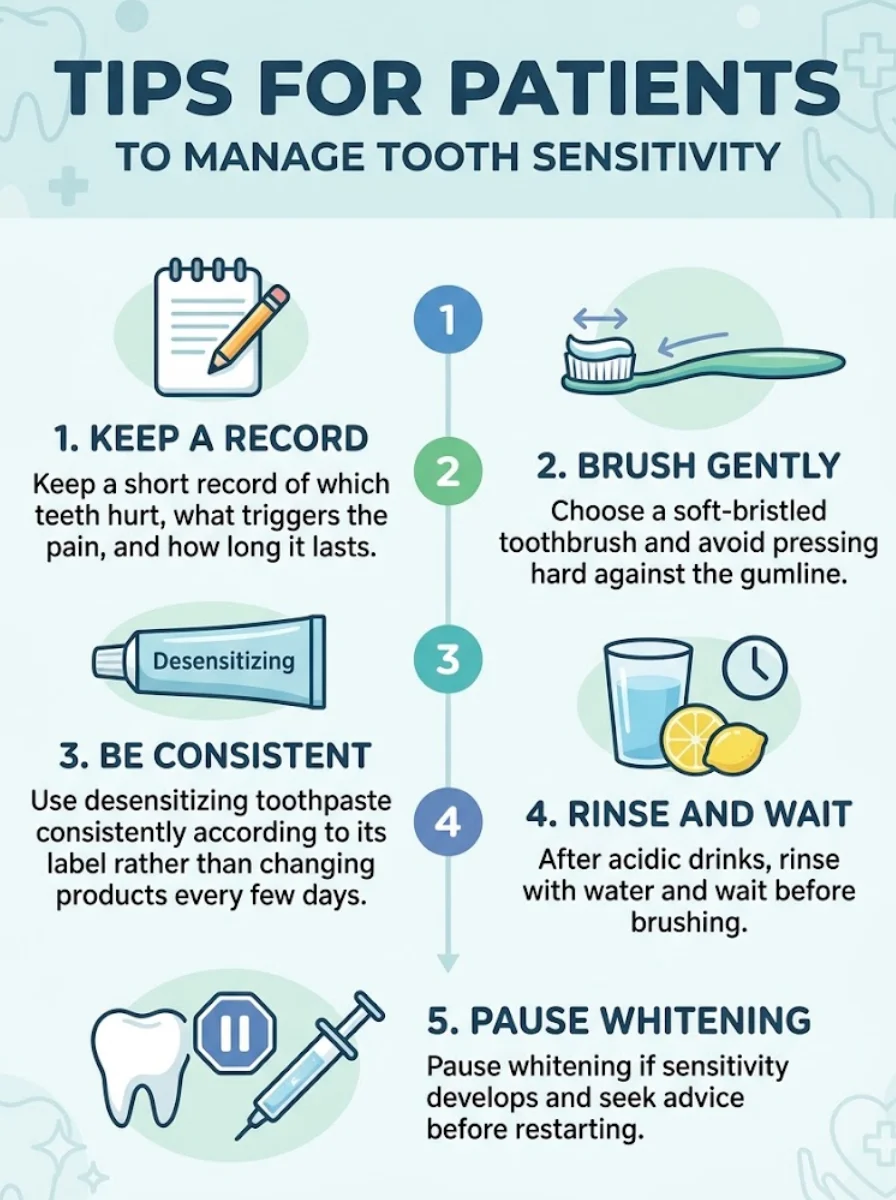
Mild dentine hypersensitivity often improves with simple changes to your daily routine. Home care aims to block or calm exposed dentin and prevent further damage. The most useful steps include using a desensitizing toothpaste, brushing gently, and reducing frequent acid exposure. If whitening triggered your symptoms, adjusting that routine can also help. Home measures work best when the cause is uncomplicated. If pain persists or worsens, professional assessment remains the safest next step.
Use a Desensitizing Toothpaste
A desensitizing toothpaste works by blocking dentinal tubules or reducing nerve responsiveness. Potassium nitrate is thought to calm nerve activity. Stannous fluoride helps form a protective layer that blocks exposed tubules. Other formulations use different active ingredients. Results usually require consistent use over several days or weeks, depending on the product and the individual. Follow the label instructions carefully. If symptoms persist despite regular use, seek dental advice rather than switching products repeatedly.
Adjust Your Brushing Technique
Use a soft-bristled toothbrush with gentle, controlled movements. Hold the brush lightly, as if holding a pen. Aggressive horizontal scrubbing may contribute to abrasion and gum recession over time. Angle the bristles toward the gumline and clean thoroughly without pressing hard. Some electric toothbrushes include pressure sensors, which can help you avoid excessive force. Good oral care is about technique, not pressure. Gentle, thorough brushing removes plaque while protecting enamel and gums.
Reduce Frequent Acid Exposure
You do not need to eliminate every acidic food. Instead, focus on how often your teeth meet acid. Limit frequent acidic beverage consumption and avoid sipping drinks slowly over long periods. Drinking acidic beverages with meals is gentler, because saliva production increases during eating. Using a straw may reduce contact with some tooth surfaces. Rinsing with water afterward may help clear residual acid. These small changes can reduce the risk of erosive tooth wear.
Avoid Immediately Brushing After Acidic Foods or Drinks
Acid exposure temporarily softens the tooth surface. Brushing straight away may remove more of this softened enamel. A practical precaution is to wait approximately 30–60 minutes before brushing after acidic foods or drinks. This gives saliva time to neutralize acids. Rinsing with water in the meantime can help. However, this is only one precaution. It is not a substitute for reducing frequent acid exposure, which remains the main way to prevent enamel erosion.
Modify Your Oral Care Routine if Whitening Triggers Pain
If tooth whitening triggers sensitivity, pause or reduce treatment according to the product instructions. Shorter or less frequent applications may help some people. Avoid combining multiple whitening products without professional guidance, because this can increase exposure to whitening agents. Using a desensitizing toothpaste in the days before and during treatment may also be suggested by your dentist. If sensitivity was present before whitening, have it assessed before restarting, as an underlying problem may need attention first.
Which Tools May Help Manage Tooth Sensitivity?
The right tools can make daily care gentler and more effective for dentine hypersensitivity. Your toothbrush, toothpaste, and fluoride products all play a role. Some products are designed for home use. Others are selected and applied by a dental professional. Each has a specific purpose, and none treats every cause. Choosing suitable tools supports symptom control, while professional assessment ensures the underlying problem is not overlooked.
Choosing the Right Toothbrush and Toothpaste
A soft-bristled toothbrush cleans effectively while being gentler on enamel and gums than firmer brushes. Hard bristles combined with heavy pressure may contribute to abrasion. Fluoride toothpaste supports enamel protection and helps reduce decay risk. A desensitizing toothpaste adds symptom control by targeting exposed dentin. Choose a low-abrasive formula if you have visible wear. However, toothpaste cannot repair substantial enamel loss. It also cannot treat cavities, cracks, or pulp problems.
When Can Fluoride Products or Desensitizing Treatments Help?
Professionally applied fluoride varnishes and other desensitizing agents can help when home care is not enough. Some products strengthen the tooth surface. Others reduce dentinal fluid movement by sealing or blocking tubules. Your dentist may also recommend higher-strength fluoride toothpaste in some cases. Home-use products are designed for safe daily use. In-office treatments are selected and applied by a dental professional, based on the location and extent of exposed dentin.
When Should You See a Dentist About Sensitive Teeth?
See a dentist when sensitivity persists, worsens, or does not respond to home care. Any change in the pattern of pain also deserves attention. Because several conditions mimic dentine hypersensitivity, an examination helps confirm the real cause. Early assessment can identify problems like decay, cracks, or gum disease before they progress. It also allows you to start the most suitable treatment sooner, rather than relying on products that only mask symptoms.
Signs That Need Professional Assessment
An examination is advisable when sensitivity interferes with eating or brushing. Warning signs include:
Pain that lingers after hot or cold stimuli.
Spontaneous or nighttime toothache.
Pain when biting.
Visible cracks, swelling, or a broken restoration.
Gum swelling, discharge, or significant bleeding.
Facial swelling, fever with dental pain, or difficulty swallowing requires urgent assessment. Difficulty breathing or swallowing needs emergency care immediately.
How Is the Cause of Tooth Sensitivity Diagnosed?
Diagnosis begins with your history. Your dentist will ask about triggers, duration, location, and recent dental procedures. A visual examination checks for exposed dentin, erosion, recession, decay, cracks, and defective restorations. A gentle air blast or probe may reproduce the sensitivity. Percussion, bite tests, or temperature tests may help distinguish possible causes. Dental X-rays are taken when indicated, but imaging is not necessary for every case of dentine hypersensitivity.
What Treatments Can Help Dentine Hypersensitivity?
Treatment for dentine hypersensitivity usually follows a step-by-step approach. It starts with the least invasive options, such as home care and desensitizing toothpaste. If symptoms continue, your dentist may apply professional desensitizing agents or protective materials. Restorations, gum treatment, or other procedures are considered when the cause requires them. The goal is to reduce symptoms and address the underlying problem. The right choice depends on the diagnosis, severity, and the tooth involved.
Professional Desensitizing Agents and Fluoride Treatments
Professionally applied fluoride varnishes and other desensitizing agents may reduce sensitivity by occluding open tubules or strengthening the tooth surface. Some products contain compounds that precipitate inside the tubules. Others form a thin protective coating over exposed dentin. These treatments are often considered when home care alone is insufficient. Effectiveness varies between individuals. The effect may also fade over time, so repeat application is sometimes necessary to maintain relief.
Dentin-Sealing Materials and Protective Bonding
When conservative home care is not enough, bonding agents, sealants, or resin materials may be used to cover exposed dentin. These materials form a physical barrier over the open tubules. They can be useful on root surfaces or small areas of tooth wear. The choice depends on the location, extent of exposure, and the underlying tooth condition. Your dentist will also consider bite forces and gum position before recommending this option.
Restorative Treatment for Enamel Loss, Cracks, or Defective Fillings
Composite restorations may be appropriate when worn enamel or erosion has created visible defects. Replacing a leaking or defective filling can also relieve symptoms caused by that restoration. In these cases, treatment protects exposed dentin and restores lost structure. Cracked teeth may need specific restorative management to limit further damage. Treatment should always target the diagnosed cause rather than sensitivity alone. This approach gives more predictable and longer-lasting results.
Managing Gum Recession and Root Exposure
When gum disease contributes to recession, periodontal treatment may be needed first. This usually involves professional cleaning and improved daily dental hygiene. Controlling inflammation helps protect the supporting tissues. In selected cases, root-coverage procedures such as gum grafting may be considered to cover exposed roots. However, surgery is not routinely required for sensitivity. The decision depends on individual clinical findings, the degree of recession, and the patient's needs.
When Does Tooth Sensitivity Need More Extensive Treatment?
Persistent pain caused by pulp inflammation, advanced decay, or a deep crack may need treatment beyond desensitizing products. Restorative treatment may be enough in some cases. Root canal treatment may be considered when the pulp is irreversibly inflamed or infected. Extraction is generally considered only when a tooth cannot be predictably preserved. It is important to remember that uncomplicated dentine hypersensitivity does not ordinarily require invasive treatment.
Clinical Note
The information in this article is general and educational. It cannot replace an individual examination. Dentine hypersensitivity shares symptoms with several other dental conditions, and treatment decisions depend on clinical findings. Products and procedures carry different benefits and limitations. A realistic understanding of what treatment can and cannot do helps patients make informed choices. If you are unsure about your symptoms, a professional assessment is the most reliable way to find answers.
Dentine Hypersensitivity Is a Symptom That Requires Context
Dentine hypersensitivity is a clinical condition characterized by a specific pain response. However, similar symptoms can occur with decay, cracks, defective restorations, and pulp disease. Diagnosis therefore requires excluding other causes when appropriate. The severity of symptoms does not always reflect the extent of damage. Some people with significant enamel loss feel little discomfort. Others with minimal exposure feel intense pain. Context, history, and examination all matter.
What Treatment Can and Cannot Achieve
Desensitizing products may reduce symptoms, but they cannot restore enamel that has already been lost. Protective restorations may be appropriate in selected cases to cover exposed dentin or replace lost structure. Gum recession, decay, cracks, and pulp disease each require cause-specific management. No single toothpaste or procedure can guarantee permanent relief. Ongoing prevention, including gentle brushing and careful dietary habits, remains essential after treatment.
Ready to transform your smile?
Talk to our team and get a FREE treatment plan.
How Can You Prevent Tooth Sensitivity From Returning?
Prevention focuses on protecting enamel, gums, and exposed dentin over the long term. Even after successful treatment, dentine hypersensitivity can return if the original causes continue. Gentle brushing, careful dietary habits, and early management of gum problems all help. Planning cosmetic treatment carefully also reduces the risk of new sensitivity. Regular dental visits allow early detection of erosion, recession, or wear before symptoms appear. Small, consistent habits make the biggest difference.
Maintain a Consistent Oral Care and Dental Hygiene Routine
Brush twice daily with fluoride toothpaste and clean between your teeth once a day. Floss or interdental brushes help remove plaque that a toothbrush misses. Use a gentle technique around the gumline to reduce unnecessary wear. A consistent oral care routine helps prevent gum disease, which is a major contributor to recession. Attend regular dental examinations based on your individual risk. Your dentist can monitor early changes and adjust your care plan.
Protect Your Enamel From Repeated Acid Exposure
Dietary habits strongly influence enamel erosion. Limit frequent acidic drinks and avoid prolonged sipping throughout the day. Choose water or milk between meals when possible. Saliva naturally helps neutralize acids, so chewing sugar-free gum after meals may support this process. Frequent reflux or recurrent vomiting can also expose teeth to strong stomach acid. These conditions should be discussed with an appropriate healthcare professional, because managing them protects both your health and your teeth.
Address Gum Recession and Teeth Grinding Early
Early assessment of gum disease may help protect periodontal tissues from further damage. Treating inflammation sooner can limit how much root surface becomes exposed. Teeth grinding is another factor worth addressing early. A professionally assessed night guard may help protect teeth from grinding-related wear in suitable cases. However, a guard protects against mechanical damage only. It does not treat erosion, recession, or every other cause of sensitivity.
Plan Whitening and Restorative Procedures Carefully
Existing sensitivity, enamel wear, and gum recession should be considered before any cosmetic dental treatment. These factors may influence how a tooth responds to whitening, veneers, or restorations. Choosing suitable whitening methods and monitoring symptoms can reduce the risk of tooth sensitivity after whitening. Your dentist may recommend treating sensitivity first. Individualized assessment matters, because no single procedure is suitable for everyone. Careful planning supports both comfort and long-term results.
Patient Reviews
What We Notice Clinically
Dr. Rifat Alsaman, Head of the Medical Team and cosmetic dentist at Vitrin Clinic, emphasizes assessing sensitivity before cosmetic procedures. This is especially important before whitening, veneers, and restorative treatment. In summary, his approach involves examining both the teeth and gums before recommending aesthetic care. Existing sensitivity, worn enamel, or recession may affect treatment choices and comfort. The aim is to identify potential sources of discomfort and develop a suitable plan, not to promise a particular result.
Why the Trigger and Duration of Pain Matter
Brief pain caused by cold or brushing may be consistent with dentine hypersensitivity. However, it does not confirm the diagnosis on its own. Lingering, spontaneous, or biting-related pain may point toward a different condition, such as pulp inflammation or a cracked tooth. Identifying the trigger and duration helps determine the next diagnostic step. It guides whether a simple examination is enough or whether tests and imaging are needed.
Why Treating the Cause Matters More Than Masking the Pain
Enamel erosion, gum recession, tooth wear, cavities, and post-restorative sensitivity can all feel similar. Yet each needs a different approach. The same desensitizing product may not be sufficient for every cause. For example, toothpaste cannot fix a leaking filling or stop acid erosion from continuing. Effective management may combine home care, professional desensitizing agents, and treatment of the underlying condition. Addressing the cause offers more reliable, lasting relief.
Takeaway: The Best Way to Manage Dentine Hypersensitivity
The best way to manage dentine hypersensitivity is to combine symptom relief with treatment of the cause. Gentle brushing, a desensitizing toothpaste, and reduced acid exposure help many people. When these are not enough, professional treatment can protect exposed dentin. Most importantly, sensitivity should be properly assessed, because other dental problems can feel the same.
Conclusion
Tooth sensitivity may result from exposed dentin, enamel erosion, gum recession, tooth wear, whitening, or other dental conditions. Gentle oral care and desensitizing toothpaste may help, but treatment should reflect the underlying cause. Seek an assessment if pain persists, worsens, or shows warning signs such as lingering pain, swelling, or pain when biting. Vitrin Clinic can assess your tooth and gum health and discuss appropriate next steps based on your individual clinical findings.
How Vitrin Clinic Approaches Tooth Sensitivity
Vitrin Clinic in Istanbul, Türkiye, approaches tooth sensitivity with a focus on diagnosis before treatment. Every patient’s symptoms are considered in context. The team looks at the teeth, gums, existing restorations, and daily habits. This helps separate dentine hypersensitivity from other conditions that cause similar pain. Recommendations are then tailored to the diagnosed cause. The clinic offers a wide range of treatments, including periodontics, gingival esthetics, endodontics, dental crowns, dental bridges, veneers, Hollywood Smile, teeth whitening, Invisalign, dental implants, subperiosteal implants, and same-visit dentistry. Whatever treatment is chosen, the aim is to offer practical, realistic care and support informed decisions at every stage.
Assessing Tooth and Gum Health Before Treatment
The assessment covers enamel condition, exposed dentin, gum recession, existing restorations, and possible decay. The clinical team examines each area carefully and asks about your symptoms and history. Dental imaging may be used when indicated, for example to check for hidden decay or problems beneath restorations. Not every patient needs the same diagnostic tests. The choice of assessment depends on your symptoms and what the initial examination reveals.
Planning Care Around Your Dental Needs
Recommendations are individualized. They may include oral hygiene adjustments, desensitizing products, restorative treatment, or periodontal care where appropriate. Sensitivity is assessed before cosmetic procedures such as whitening or veneers, because it may influence comfort and treatment choices. Realistic expectations are an important part of planning. The team explains the options and their limitations clearly. Follow-up is recommended when symptoms persist, so the plan can be adjusted if needed.
What to Discuss During Your Consultation
Describe the triggers, duration, location, and history of your sensitivity as clearly as possible. Mention any recent fillings, whitening products, or other dental treatment. Share details about acidic drinks, reflux, gum changes, or tooth grinding where relevant. Bringing your symptom record can be helpful. This information helps the team decide which assessments are appropriate. It also helps distinguish dentine hypersensitivity from other conditions more efficiently.






Ready to transform your smile?
Talk to our team and get a FREE treatment plan.
References:
FAQs
Dr. Rifat Alsaman has more than 5 years of clinical experience in dentistry and currently serves as the Head of the Medical Team at Vitrin Clinic. He is dedicated to providing exceptional patient care, overseeing treatment planning, and ensuring the highest clinical standards across the team. His expertise, attention to detail, and commitment to continuous professional development have helped countless patients achieve healthier, more confident smiles.


