General Dentistry
September 6, 2026
Metallic Taste in Mouth: Is It a Sign of a Health Problem?
 Dr. Rifat Alsaman
A metallic taste in mouth can point to an oral or medical issue. However, it does not always mean something serious is happening. In most cases, this sensation traces back to something ordinary and temporary. Common causes include medications, dry mouth, dental problems, respiratory infections, acid reflux, or pregnancy. Certain nutritional deficiencies can also disturb taste perception. Still, these are far less common than everyday triggers.
The experience can appear suddenly overnight. Alternatively, it can build gradually over several days. Some people notice it constantly as a low background flavor. Others only notice it after eating, drinking, or brushing. The duration and accompanying symptoms offer useful clues about the cause.
Persistent taste changes without an obvious cause deserve professional attention. A dental evaluation is usually the right first step. It can uncover gum disease, infections, cavities, or restoration issues. When a dental exam yields no answers, a broader medical assessment is necessary. Early evaluation accomplishes two key goals: it identifies treatable causes and offers reassurance.
What Does a Metallic Taste in Mouth Mean?
People describe it in different ways. It may resemble metal, coins, iron, or something faintly chemical. It might color the taste of food, drinks, or saliva. In other cases, it lingers as a background sensation even on an empty stomach. Taste is a layered experience. It relies on signals from taste receptors, smell receptors, and sensory nerves. Because of this overlap, a smell issue can masquerade as a taste disorder.
Temporary flavor shifts often follow medication use, infections, dehydration, or dental work. Dry mouth is another common contributor. It can make ordinary flavors feel stronger, sharper, or simply off. Some people experience bad breath, reduced smell, nausea, or dryness alongside the complaint. On its own, this disturbance is a symptom, not a diagnosis. Clinicians weigh timing, medications, dental health, diet, and symptoms before ordering tests.
What Causes a Metallic Taste in Mouth?
An unusual flavor can stem from several distinct categories. These include oral health issues, medication side effects, lifestyle factors, and medical conditions. Dental problems are typically investigated first. Gum inflammation causes bleeding and bad flavors, while infected teeth produce metallic drainage.
Certain medications interfere with taste receptors directly. Others reduce saliva flow, changing how flavors register. Simple dehydration also alters saliva composition and sensory perception. Acid reflux introduces stomach contents into the throat and mouth. This can taste sharp, sour, or metallic depending on the person. Respiratory infections distort smell and alter how food tastes during a cold. Pregnancy is another well-documented cause driven by hormonal fluctuations. Nutritional deficiencies and medical conditions round out the list. Identifying the actual trigger is far more useful than masking the flavor.
Poor Oral Hygiene and Dental Problems
Inadequate brushing and flossing allow plaque buildup along the teeth and gumline. Bacteria living in that plaque contribute to a metallic taste in mouth. This buildup is tied to gingivitis, chronic bad breath, gum bleeding, and discomfort. Bleeding gums produce an iron-like flavor because blood contains iron. Decayed teeth generate similar sensations when bacteria interact with damaged tooth structure. Advanced gum disease causes deeper periodontal infections and persistent bad breath.
Routine brushing and interdental cleaning reduce bacterial accumulation effectively. Cleaning the tongue removes a surprising amount of bacteria and debris. However, ongoing symptoms should not be blamed solely on hygiene. A proper dental exam can rule out cavities, gum disease, and infection. Treating the underlying dental issue often resolves the complaint entirely.
Medications
Medications are a primary cause of a metallic taste in mouth. This effect occurs through two main mechanisms. Some drugs alter taste perception directly. Others reduce saliva production, changing how flavors are experienced secondhand. Antibiotics frequently cause temporary taste disturbances. Certain blood-pressure medications trigger similar effects in susceptible people. Antidepressants and antihistamines act indirectly by drying out the mouth. Cancer treatments, particularly chemotherapy and radiation, cause pronounced changes to taste and smell.
Symptoms may start right after beginning a new medication or following a dose adjustment. Some people notice the flavor constantly throughout treatment. Others experience it only intermittently. The effect varies by drug and individual. Patients must never stop a prescribed medication on their own. A doctor or pharmacist can determine if a drug explains the symptom and discuss alternatives.
Dry Mouth and Dehydration
Dry mouth is a leading cause of a metallic taste in mouth. Saliva plays a crucial role in taste processing. It helps dissolve compounds that taste receptors detect. When saliva flow drops, flavors become stronger, stranger, or unpleasant. Dehydration causes a temporary dip in saliva production. Mouth breathing overnight can dry out oral tissue considerably. Many common medications list dry mouth as a side effect. Lifestyle factors like anxiety and smoking also contribute.
People dealing with chronic dryness notice sticky saliva, difficulty swallowing, or persistent thirst. Chronic dry mouth also raises the risk of cavities and oral infections. Drinking water consistently throughout the day helps maintain moisture. Sugar-free chewing gum can stimulate saliva flow when appropriate. Dryness that persists warrants evaluation rather than indefinite home management.
Acid Reflux and GERD
Acid reflux is a known cause of a metallic taste in mouth. When stomach contents travel upward, they leave behind an acidic, bitter, or metallic sensation. This happens more noticeably after large meals or when lying down shortly after eating. Consequently, symptoms are often worse first thing in the morning. Nighttime reflux combines with reduced saliva flow during sleep. Reflux also causes heartburn, regurgitation, throat irritation, coughing, or hoarseness.
Gastroesophageal reflux disease (GERD) describes severe or frequent reflux. Managing underlying reflux reduces the associated taste disturbance for many people. Simple steps include avoiding large meals close to bedtime. Keeping a symptom diary helps identify specific personal triggers. Reflux symptoms that resist basic lifestyle changes require discussion with a healthcare professional. Untreated GERD can eventually damage dental enamel and the esophagus.
Respiratory Infections
Respiratory infections can produce a metallic taste in mouth by scrambling the sense of smell. Colds, flu, and sinus infections all interfere with sensory perception. Nasal congestion physically blocks airflow from reaching smell receptors. Because smell contributes heavily to flavor, meals seem bland or metallic during illness. Inflammation around sensory pathways compounds the effect. In most cases, taste returns to normal as the infection clears. COVID-19 has been linked to more prolonged taste disturbances. Lingering sensory changes warrant a follow-up evaluation. Red flags like fever or breathing difficulty call for prompt attention.
Nutritional Deficiencies
Nutritional deficiencies are a less common cause of a metallic taste in mouth. Zinc deficiency has a documented link to altered taste perception. Iron deficiency causes noticeable changes involving the mouth and tongue. Vitamin B12 deficiency is another possibility, sometimes accompanied by neurological symptoms. However, an unusual flavor alone does not prove a deficiency exists. Diet, medical history, and lab testing provide far stronger evidence.
Taking supplements speculatively rarely solves the underlying problem. Unnecessary supplementation can cause side effects or interact with other treatments. A physician can order blood work if a deficiency seems likely. Balanced nutrition supports healthy oral tissue and normal sensory function. Guessing at a deficiency based on taste changes is not a reliable shortcut.
Hormonal Changes and Pregnancy
Hormonal shifts during early pregnancy frequently cause a metallic taste in mouth. Many pregnant individuals describe metallic, bitter, or unusual flavors. Heightened sensitivity to smell can intensify the effect significantly. Hormonal changes also influence saliva production, nausea, and food preferences. These factors combine to make familiar meals taste unexpectedly different.
For most people, these changes are temporary and ease as pregnancy progresses. Still, pregnancy should not be assumed as the explanation for every taste complaint. Persistent or unusually severe symptoms deserve medical evaluation. Staying hydrated and maintaining good oral hygiene helps ease discomfort.
Other Medical Conditions
A few less common conditions produce a metallic taste in mouth. These typically involve changes in nerve function or saliva production. Neurological disorders affect the nerves responsible for taste and smell directly. Diabetes influences oral health, saliva flow, and sensory processing simultaneously. Autoimmune conditions sometimes reduce total saliva output. Kidney and liver disorders can produce unusual oral sensations as downstream effects. Head injuries occasionally damage taste-related nerves.
These causes are considerably less common than medications or dental issues. They are generally investigated only after common explanations are ruled out. Symptoms like weight changes, fatigue, swelling, or neurological signs offer key clues. Self-diagnosis in this area is unreliable. Professional evaluation is required to distinguish between common and rare causes.
Can a Metallic Taste in Mouth Happen Suddenly?
A sudden onset can follow a new medication, an illness, dehydration, or oral irritation. Some people notice it upon waking. Others notice it immediately after eating or taking a pill. Respiratory infections trigger sudden shifts when smell becomes impaired. Bleeding gums produce an immediate iron-like flavor after hard brushing. On its own, a sudden change is not automatically serious.
However, certain accompanying symptoms warrant urgent attention. Facial weakness, speech difficulty, confusion, or loss of coordination are clear warning signs. These call for emergency evaluation rather than monitoring. Without red flags, monitor recent medications, diet, dental work, or illness. If the change persists without explanation, consult a healthcare professional.
Is a Metallic Taste in Mouth Always a Sign of a Health Problem?
Not necessarily. Temporary changes commonly follow medication use, infections, dehydration, or specific foods. Pregnancy is another well-recognized short-term cause. Oral irritation after a dental procedure produces a similar sensation briefly. In most cases, the symptom resolves once the trigger passes. This makes duration a key factor when deciding whether to seek care.
Persistent changes without an obvious explanation deserve a closer look. This is especially true when other symptoms are present. Avoid assuming the worst immediately. An unusual flavor by itself rarely indicates cancer or a severe disease. At the same time, lingering symptoms should not be ignored. Evaluation rules out serious concerns and identifies treatable causes.
Metallic Taste in Mouth Causes: Common vs. Less Common
Sorting causes into common and less common categories sets realistic expectations. Age, general health, medications, and symptoms influence which explanation is most likely. Timing offers a useful diagnostic clue on its own. Symptoms starting after a new prescription point to medication effects. Flavors tied to bleeding gums point to a dental source. Cold-related symptoms resolve as the infection clears. No single symptom is enough for a diagnosis. Professional assessment becomes valuable when symptoms persist or worsen.
Common causes of a
Common causes of a metallic taste in mouth include medication side effects, dental disease, dry mouth, respiratory infection, acid reflux, and pregnancy. Poor oral hygiene contributes through plaque buildup and gum inflammation. Simple dehydration temporarily changes how saliva tastes. These causes are usually identified through a history and physical examination. Treatment follows the specific trigger, such as improved oral hygiene or a medication review.
Less common causes of a
Less common causes of a metallic taste in mouth include neurological, metabolic, nutritional, or systemic conditions. Head trauma can affect nerves responsible for taste and smell. Certain neurological disorders interfere with sensory processing broadly. Autoimmune diseases reduce saliva and affect oral tissue. Severe nutritional deficiencies, as well as kidney or liver disorders, round out this list. These explanations are considered primarily when other symptoms point toward them.
When Should You Be Concerned?
A metallic taste in mouth with no obvious cause is worth evaluating. Dental evaluation is appropriate when gum bleeding, tooth pain, swelling, or bad breath occurs. Medical evaluation is needed when systemic symptoms show up. Unexplained weight loss, persistent fever, weakness, or difficulty swallowing require prompt attention. Breathing difficulty demands urgent care, and sudden neurological symptoms warrant emergency evaluation. Persistent mouth sores should also be checked by a professional.
If the symptom appears medication-related, consult the prescribing clinician. Patients should never stop a prescribed medication independently. Early evaluation identifies treatable issues and offers peace of mind when nothing serious turns up.
A Closer Look at Dental Causes
Dental problems often contribute to a metallic taste in mouth. This occurs when bacteria, inflammation, or infection affects oral tissues. Gum disease causes bleeding, unpleasant odors, and taste changes. Tooth decay creates bacterial buildup that alters how foods taste. Dental infections produce a persistent, unpleasant metallic sensation. Old fillings, crowns, or restorations can also influence perception. Poor oral hygiene worsens these effects by allowing plaque accumulation. A dental examination helps identify oral causes. Dentists at Vitrin Clinic assess teeth, gums, and restorations to isolate contributing factors.
Gum Disease and Metallic Taste in Mouth
Gingivitis causes swelling and bleeding. That bleeding leaves an iron-like flavor due to iron-containing proteins in blood. Left untreated, gingivitis progresses into periodontitis. This damages supporting tissue and worsens bad breath and taste disturbances. Bacterial buildup along the gumline independently produces unpleasant flavors. Daily brushing and interdental cleaning control plaque before it hardens into tartar. Dentists measure periodontal pocket depth to gauge disease progression. Treating underlying inflammation typically resolves the associated taste complaint.
Tooth Infection and Metallic Taste in Mouth
An infected tooth can leak inflammatory fluid into the mouth. That drainage carries a distinctly unpleasant, metallic flavor. These infections follow severe decay, cracked teeth, trauma, or pulp damage. Symptom severity varies greatly. Some infections cause intense pain, while others stay mild initially. Swelling, tenderness, bad breath, and visible drainage are clear warning signs. Because infection sources do not resolve naturally, professional treatment is necessary. This may involve drainage, a root canal, or extraction. Antibiotics are added when clinically indicated. Delaying treatment allows infection to spread, making prompt evaluation critical.
Dental Restorations
New crowns, fillings, and other restorations occasionally coincide with a taste disturbance, particularly in the days or weeks right after the procedure. The material itself is rarely the direct cause more often, trapped food, leftover temporary cement, gum irritation, or a bite that's slightly off contributes to the sensation. Restorations that don't fit quite right can also make a spot harder to keep clean, which allows plaque to accumulate around the treated tooth. A dentist can examine the restoration alongside the surrounding gum tissue and neighboring teeth, checking for decay, leakage, or inflammation. Sometimes a minor adjustment resolves the issue entirely; other cases require more involved follow-up treatment.
What Clinicians Look For
A full dental evaluation involves more than checking a single tooth; it means examining the gums, teeth, tongue, restorations, saliva, and overall hygiene as a whole picture. Timing offers useful clues throughout: bleeding gums point toward periodontal inflammation, drainage near a specific tooth suggests infection, and unusually dry tissue suggests reduced salivary flow. Recent dental work is another important data point. At Vitrin Clinic, this kind of individualized assessment helps pin down likely oral contributors though it's worth acknowledging plainly that dental findings don't explain every case. When the mouth checks out normally, referral to a physician becomes the sensible next step. Combining both perspectives tends to prevent unnecessary treatment while improving overall diagnostic accuracy.
Dr. Rifat Alsaman's perspective
a persistent metallic taste in mouth deserves a systematic approach. Dental professionals should evaluate common oral causes first, gum inflammation and tooth infection chief among them while noting when symptoms began and whether bleeding or pain accompanies them. Recent dental work and full medication history round out the picture, especially when the exam alone doesn't explain things. Dry mouth deserves consideration too, since saliva plays such a central role in normal taste perception. If oral findings come back clean, medical evaluation is the logical next step, and this staged approach helps avoid dental procedures that wouldn't actually solve the problem.
Can Medications Cause a Metallic Taste in Mouth?
Beyond antibiotics, several other medication categories are worth knowing about: antihypertensives, antidepressants, antihistamines, and antifungal medications have all been linked to taste disturbances in some patients. Chemotherapy and radiation therapy tend to produce especially noticeable sensory changes, sometimes affecting appetite significantly during treatment. Some drugs act directly on taste receptors; others act indirectly by drying out the mouth. Severity differs enormously from person to person; some notice the change constantly throughout treatment, while others experience it only now and then.
If a medication seems like the likely culprit, it helps to document exactly when the symptom started, note any dosage changes, and pay attention to whether the sensation shows up before or after taking each dose. Bringing this record to a prescribing physician or pharmacist makes the conversation far more productive. In some cases, an alternative medication is available; in others, continuing treatment while managing the side effect is the more sensible path. Staying hydrated and maintaining good oral hygiene can ease the discomfort either way, and sugar-free gum can help stimulate saliva when that's appropriate. The one rule that applies across the board: never stop essential medication without medical guidance. A structured review with a professional is always safer than making changes independently.
Clinical note
When no dental cause explains a metallic taste in mouth, reviewing the complete medication history including over-the-counter products and supplements often reveals the answer. Some supplements interact with prescription medications or shift taste perception on their own, which is why they're worth mentioning even if they seem unrelated. Dr. Alsaman recommends keeping a simple symptom diary, since it makes these clinical conversations far more productive and helps separate medication effects from dental or systemic causes that might otherwise be overlooked.
Metallic Taste in Mouth During Pregnancy
During early pregnancy, rising estrogen and other hormone levels can heighten smell sensitivity dramatically, which in turn makes ordinary flavors seem unusually strong or strange. Nausea compounds the effect by shifting food preferences and general appetite. Interestingly, some people notice this taste change before they even realize they're pregnant, which is part of why it's so commonly reported during the first trimester specifically.
Duration varies quite a bit from person to person. Many notice improvement once the first trimester passes; others experience intermittent symptoms well into later pregnancy. There's no single timeline that applies universally, and symptoms that gradually improve are generally the less concerning pattern. To manage the discomfort in the meantime: drink water consistently to prevent dehydration, rinse with water after meals to clear lingering flavors, brush twice daily to control plaque, and consider sugar-free gum to stimulate saliva. Smaller, more frequent meals can help when nausea is part of the picture, and mildly acidic foods sometimes improve the taste for certain people though it's worth using those sparingly, since frequent acid exposure isn't great for tooth enamel. Any symptom that feels unusually severe, or persists well beyond what feels typical, is still worth mentioning to a healthcare provider or dentist rather than assuming pregnancy explains everything.
Can Acid Reflux Cause Metallic Taste in Mouth?
Reflux-related taste changes tend to follow a predictable pattern: they worsen after large meals, especially when lying down soon afterward, and they're often more noticeable in the morning because nighttime reflux combines with naturally reduced saliva during sleep. Some people experience the classic combination of heartburn and regurgitation; others have what's sometimes called "silent reflux," with far fewer of the typical warning signs. Frequent acid exposure can gradually affect dental enamel too, which is one more reason dentists sometimes catch signs of reflux before a physician does.
Managing the underlying GERD through lifestyle changes, medication, or both tends to reduce the associated flavor disturbance over time. This might mean avoiding large meals close to bedtime, cutting back on specific trigger foods, or working with a physician on a longer-term treatment plan. Persistent reflux shouldn't be managed indefinitely through home remedies alone, since untreated GERD carries its own risks beyond the taste complaint.
Tips for Patients Managing Metallic Taste in Mouth
A few habits make a meaningful difference regardless of the underlying cause: track when the symptom occurs and what seems to trigger it, avoid lying down immediately after large meals if reflux is a possibility, keep up with regular brushing and interdental cleaning, and drink enough water throughout the day to support normal saliva production. Limiting tobacco use helps too, since it affects both taste and general oral health. If symptoms began after starting or adjusting a medication, review that timeline with a pharmacist rather than making changes independently. Dental care is worth seeking whenever bleeding gums, tooth pain, swelling, or persistent bad breath show up, and medical evaluation becomes appropriate when broader systemic symptoms accompany the taste change. A simple symptom diary noting dates, meals, medications, and severity tends to make any follow-up conversation with a clinician considerably more productive.
Can Metallic Taste in Mouth Be a Sign of Cancer?
On its own, this kind of taste disturbance is not usually enough to suggest cancer. There are simply far more common explanations medications, infections, reflux, pregnancy, and dental problems collectively account for the vast majority of cases. It's true that cancer treatments themselves can cause significant taste changes, and certain cancers can affect eating, swallowing, smell, or oral tissue directly. But that's a different situation from an isolated flavor change being, by itself, an early warning sign of cancer.
What actually raises the level of concern is a cluster of symptoms rather than one isolated sensation: unexplained weight loss, mouth sores that don't heal, unusual bleeding, a persistent lump, or difficulty swallowing. Any of these, especially in combination, warrants a proper evaluation rather than online speculation. It's worth repeating that most isolated taste disturbances have far more mundane explanations, and jumping to a worst-case conclusion based on taste alone isn't supported by how these symptoms typically present.
Warning Signs Worth Watching For
A few specific signs shift a routine complaint into "get this checked" territory: a mouth sore that doesn't heal within a couple of weeks, unexplained bleeding or swelling, a persistent lump anywhere in the mouth or neck, difficulty swallowing, persistent hoarseness, or unexplained weight loss. None of these automatically mean something serious. Many benign conditions can cause similar signs but they're exactly the kind of thing a professional evaluation is designed to sort out. The point isn't to assume the worst; it's to rule things in or out with actual information rather than guesswork.
When Should You See a Doctor?
Seek medical care when the symptom persists without an identifiable explanation, especially alongside other unexplained changes. Difficulty breathing or swallowing calls for prompt attention, and any sudden neurological symptom is an emergency, not a wait-and-see situation. Persistent fever, significant weakness, or unexplained weight loss also warrant a proper workup. A dentist is usually the sensible first stop when oral symptoms dominate the picture, since they can directly examine teeth, gums, tongue, and restorations. A physician takes over when medication effects or systemic causes seem more likely. In many cases, both professionals end up involved, and that's a good thing the goal throughout is identifying the actual cause, not jumping straight to the most alarming possibility.
How to Get Rid of Metallic Taste in Mouth
Resolving the problem starts with figuring out what's actually causing it, since masking the flavor without addressing the trigger rarely works for long.
Improve oral hygiene
Brush twice daily with fluoride toothpaste, clean between teeth every day, and gently clean the tongue to remove bacteria and debris. Avoid brushing too aggressively, since that can irritate the gums and cause bleeding rather than preventing it. Replace a worn-out toothbrush regularly, and don't skip professional cleanings; they remove hardened tartar that home brushing simply can't touch. Watch for bleeding, swelling, or persistent tenderness, since these can signal gingivitis or more advanced periodontal disease that needs professional attention.
Stay hydrated
Water supports saliva production and helps clear lingering food particles from the mouth. Sip throughout the day rather than waiting until you're noticeably thirsty, and pay extra attention during exercise or hot weather. Excess caffeine and alcohol can both worsen dryness, so cutting back may help if either is a significant part of your routine. Anyone under a medically supervised fluid restriction should, of course, follow their provider's specific guidance instead.
Treat the underlying cause of the metallic taste in the mouth
Dental infections need real dental treatment, not just flavor masking. Gum disease usually calls for professional cleaning combined with better home care. Medication-related symptoms are best discussed directly with the prescribing clinician. Reflux-related symptoms often improve with proper GERD management, and infection-related changes tend to resolve as the underlying illness clears. Confirmed nutritional deficiencies should be treated based on actual lab results rather than assumption, and pregnancy-related changes generally ease as hormones stabilize. Trying several remedies at once, without narrowing down the actual trigger, tends to delay effective treatment rather than speed it up.
Manage dry mouth, a common driver of metallic taste in mouth
Beyond general hydration, sugar-free gum or lozenges (ideally containing xylitol) can stimulate saliva flow. A humidifier can help overnight if dry indoor air is contributing. Since many medications list dry mouth as a side effect, it's worth discussing persistent dryness with a physician or dentist rather than assuming it's simply unavoidable.
Adjust your diet where it helps
Fresh foods sometimes taste better than heavily processed ones, which can leave a lingering aftertaste. Cold foods may be easier to tolerate when sensitivity is heightened. Citrus can help some people, though it's worth limiting frequent acid exposure to protect enamel. Steer clear of foods that reliably trigger reflux or nausea, and use herbs and mild seasoning if food generally tastes bland while avoiding overcompensating with excess salt or sugar. Rinsing with water after strongly flavored meals can help clear lingering sensations too.
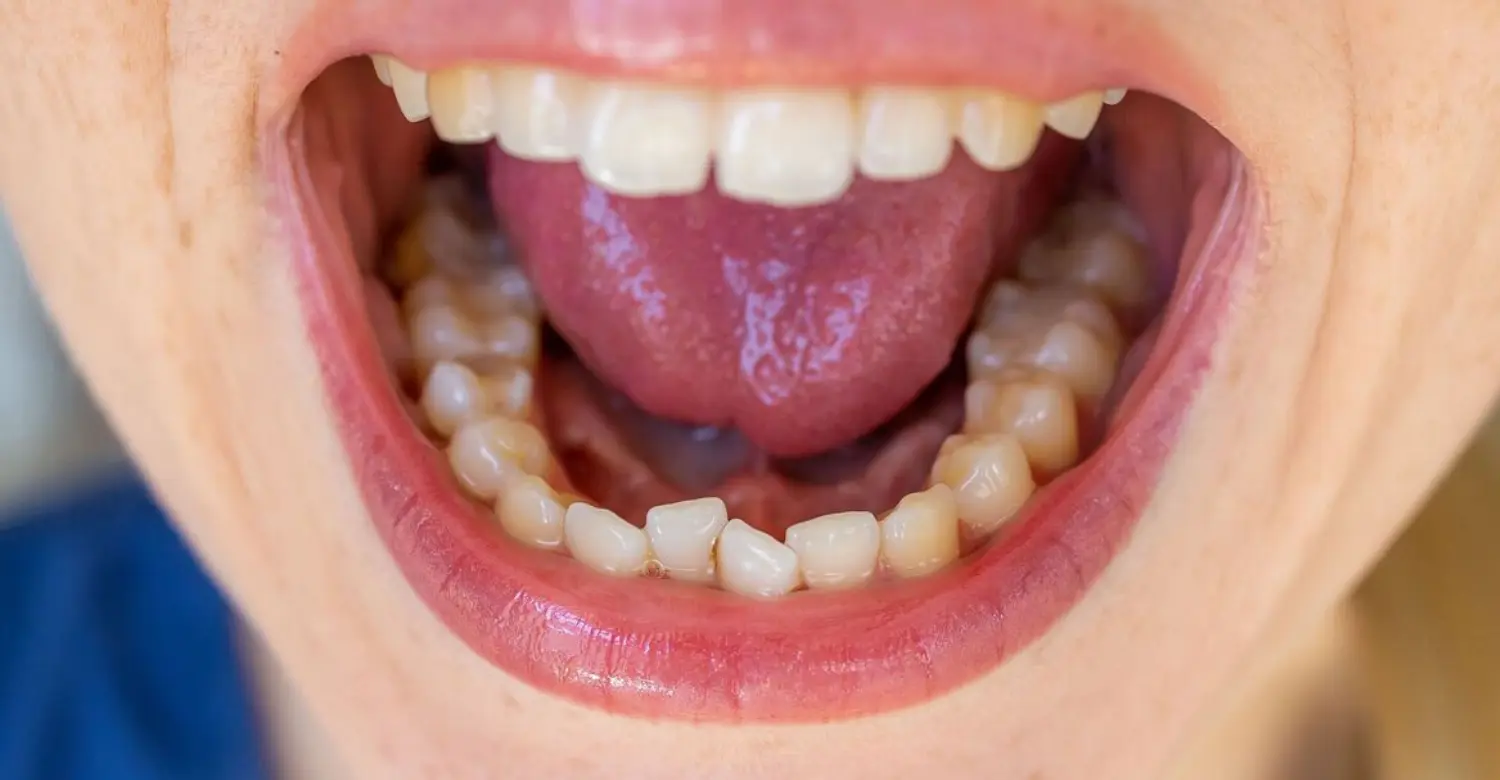
Know when home remedies aren't enough for metallic taste in mouth
If symptoms persist despite these measures, it's a sign that an underlying condition still needs direct treatment. Bleeding gums, tooth pain, or swelling call for a dental visit; systemic symptoms call for a medical one. A dental abscess or periodontal infection simply won't respond to mouthwash, no matter how long it's used a proper diagnosis is what actually resolves things safely and effectively.
How Long Does Metallic Taste in Mouth Last?
Duration depends heavily on the underlying cause. Purely temporary triggers dehydration, a passing illness, certain foods often resolve within hours or a few days. Medication-related changes typically continue for as long as the medication is being taken. Respiratory infections tend to resolve alongside the illness itself, while pregnancy-related symptoms can last for weeks or even months in some cases. Dental infections generally require treatment before the associated flavor disappears completely, and dry mouth persists until whatever is causing it gets addressed.
Duration alone isn't a reliable indicator of seriousness; a two-week symptom isn't automatically more dangerous than a two-day one. Clinicians weigh timing alongside medication use, dental findings, and other symptoms together, which is why keeping track of when things started and how they've progressed makes any evaluation considerably more useful.
A temporary metallic taste in mouth
commonly follows dehydration, medications, infections, certain foods, or minor oral irritation, and they typically resolve once the trigger disappears. Drinking water addresses dehydration-related cases quickly; respiratory symptoms improve as congestion clears; recent dental work often causes only short-lived irritation. Even so, a "temporary" symptom that lingers well beyond the expected recovery window is worth a second look.
A persistent metallic taste in the mouth
points toward an ongoing cause that needs direct attention: active dental disease, continued medication use, chronic dry mouth, repeated reflux, an uncorrected nutritional deficiency, or in rarer cases, a neurological or systemic condition. The longer something lasts without explanation, the more valuable a full evaluation becomes.
When to see a dentist versus a doctor
a dentist is the right call when gum bleeding, tooth pain, swelling, or persistent bad breath accompanies the symptom, since a dental exam can directly identify infections, cavities, periodontal disease, and restoration problems. A doctor becomes more relevant when the symptom continues despite a clean dental exam, or when systemic symptoms of reflux, nutritional concerns, or signs of a broader condition are part of the picture. Urgent care is warranted for breathing difficulty, severe swallowing trouble, or sudden neurological symptoms. Sometimes both professionals end up involved, and that layered approach tends to catch problems earlier rather than letting them become more complicated.
How Is the Cause of Metallic Taste in Mouth Diagnosed?
Diagnosis begins with a detailed history and a physical exam. Clinicians typically ask when the sensation started, whether it's constant or intermittent, and what else has changed recently illnesses, dental treatment, medications, supplements, diet, and lifestyle factors all come into play. Dentists examine teeth, gums, the tongue, restorations, and other oral tissue directly. Physicians step in when dental causes seem unlikely, evaluating broader systemic symptoms instead. Salivary flow and signs of dehydration are often part of this assessment too. In select cases, a more formal taste and smell evaluation adds useful information. Lab testing comes into play when a nutritional or systemic cause is suspected, and imaging may be ordered when specific dental or medical findings call for a closer look. Throughout, the focus stays on finding the actual underlying cause rather than treating the taste sensation as an isolated problem.
Dental examination
Dentists check for cavities, cracks, active infection, and defective restorations, while also assessing gum health for swelling, redness, bleeding, and periodontal changes. Dental X-rays help when hidden decay or infection is suspected, and periodontal measurements gauge how far gum disease has progressed if it's present. Saliva levels and signs of dryness typically get checked too, and recent dental work crowns, fillings, implants is worth mentioning explicitly, since it establishes a useful timeline for the clinician.
Medical evaluation
When the dental exam doesn't explain things, a physician reviews infections, reflux, nutritional concerns, neurological symptoms, and chronic conditions more broadly. They can assess whether current medications might plausibly be responsible. Blood tests come into play when deficiency or systemic disease seems likely based on the fuller picture, and additional testing follows from whatever the exam and history suggest. Smell disturbances often get evaluated at this stage too, given how tightly smell and taste are linked. A complete, honest list of medications, supplements, and relevant lifestyle factors makes this process considerably more accurate.
Medication and medical history review
Comparing symptom timing against medication changes including recent dosage adjustments often reveals a plausible connection. Medical history can surface conditions associated with dry mouth or altered taste that a patient might not have connected to the symptom themselves. Recent infections, pregnancy, reflux, and dental treatment all deserve a mention here too. As always, patients shouldn't stop any medication before getting professional guidance, and pharmacists can often add useful, medication-specific insight to this review.
Taste and smell assessment
Since smell contributes so heavily to how food tastes, nasal congestion alone can distort flavor without any true taste disorder being present. Clinicians may ask patients to identify specific tastes or smells as part of a basic assessment, and more formal testing is sometimes used when symptoms are especially persistent or otherwise unexplained. This kind of testing helps separate a genuine taste dysfunction from a smell-related one, and results are always interpreted alongside the person's broader medical history rather than in isolation.
How to Prevent Metallic Taste in Mouth
Prevention largely comes down to reducing avoidable triggers and maintaining consistently good oral health.
Brush twice daily with fluoride toothpaste, and clean between teeth every single day.
Drink enough water throughout the day to prevent dehydration and support normal saliva flow.
Address chronic dry mouth with professional guidance rather than just living with it.
Avoid tobacco, which negatively affects both taste and broader oral health.
Limit personal triggers that tend to worsen reflux or general oral discomfort.
Take medications exactly as prescribed, and raise side effects with a healthcare professional rather than adjusting doses independently.
Keep up with regular dental checkups so problems get caught early.
Treat gum disease, cavities, and infections promptly rather than letting them linger.
Maintain balanced nutrition to support healthy oral tissue and normal sensory function generally.
Prevention gets considerably easier once a person recognizes their own specific triggers whether that's a particular medication, a recurring bout of dry mouth, or a habit like eating late at night. Regular dental checkups, in particular, do a lot of quiet, preventive work: they catch cavities before they become serious, spot early gum disease, remove tartar that home brushing simply can't reach, and check existing restorations for leakage or damage. Visit frequency should be tailored to individual needs. People managing periodontal disease, for instance, often benefit from more frequent monitoring than those with generally healthy gums.
How Can Vitrin Clinic Help With Metallic Taste in Mouth?
Vitrin Clinic approaches this kind of complaint through a comprehensive dental assessment aimed at ruling oral causes in or out. That means examining teeth, gums, restorations, the tongue, and surrounding tissue as a complete picture looking for cavities, periodontal inflammation, active infection, or restoration-related issues, along with signs of dry mouth or inadequate hygiene. When a dental cause is identified, treatment gets planned around that specific finding. When it isn't, medical evaluation is the recommended next step rather than continuing to search for a dental explanation that doesn't exist. This approach deliberately avoids assuming every taste complaint originates in the teeth, and patients are encouraged to discuss symptom timing and any recent dental work during their consultation.
Identifying possible oral causes
starts with examining the whole mouth rather than a single tooth in isolation. Gums get checked for inflammation, bleeding, swelling, and periodontal changes; teeth get checked for decay, cracks, infection, and structural damage; existing crowns and fillings get evaluated alongside everything else. Saliva levels and tongue appearance round out the picture, and dental imaging can reveal problems hidden beneath the visible tooth structure. If nothing turns up on the dental side, referral for medical evaluation follows which, again, helps avoid unnecessary dental procedures that wouldn't actually address the root cause.
Personalized treatment
follows directly from whatever's found during examination. Gum disease typically calls for professional cleaning paired with improved home care. An active infection might require a root canal or another targeted intervention. Damaged restorations may need adjustment, repair, or full replacement. Dry mouth management can include preventive strategies specifically aimed at protecting teeth from decay in the meantime. Recommendations are always based on actual clinical findings rather than the taste symptom alone, and patients are encouraged to bring up medications and recent dental history during their visit so the full picture is considered.
Choosing a clinic that takes this structured approach matters because oral symptoms can involve multiple structures at once, and a careful, comprehensive exam is what actually separates the possibilities. Patient history adds important context about timing, and treatment planning follows from the combined clinical picture rather than guesswork. Vitrin Clinic emphasizes this kind of individualized care, with clear treatment recommendations and open discussion before any decisions are made and preventive care remains part of the plan even after the immediate issue resolves, since ongoing monitoring reduces the odds of recurrence.
Metallic Taste in Mouth vs. Other Unusual Tastes
Taste descriptions are inherently a bit subjective, and different conditions can produce sensations that overlap or get described in similar language. Understanding the distinctions can help when describing symptoms to a clinician.
Versus a bitter taste
a metallic sensation typically resembles coins or iron, while bitterness resembles coffee, medicine, or a sharp unpleasant flavor. Acid reflux commonly contributes to bitterness once stomach contents reach the throat, and certain medications can produce either sensation depending on the person. Dry mouth tends to intensify both, and dental infections or gum disease can create flavors that different patients describe quite differently despite a similar underlying cause. Because the language people use varies so much, timing and accompanying symptoms end up being more diagnostically useful than the exact word chosen to describe the flavor.
Versus a salty taste
dehydration can occasionally make saliva taste unusually salty, and nasal drainage sometimes introduces a similar sensation. Excessive sweating affects hydration and electrolyte balance more broadly, which can shift taste perception too. Bleeding gums are sometimes mistakenly described as "salty" when the sensation is actually closer to iron. As with bitterness, certain medications and dry mouth can influence either experience, so describing the exact flavor as precisely as possible genuinely helps a clinician narrow down likely causes.
Versus a soapy taste
this typically resembles detergent or a chemical cleaning product rather than metal or coins. Certain foods can trigger this sensation naturally cilantro is the best-known example, since genetic variation affects how strongly some people perceive certain aromatic compounds in it. Medication effects and altered smell can produce unusual flavor experiences that get loosely grouped under "soapy" as well, and dry mouth can intensify the sensation regardless of its original cause. Neither a soapy nor a metallic taste necessarily means actual soap or metal is involved; both are simply how the brain interprets a disrupted sensory signal.
Versus a sweet taste
an iron-like or chemical sensation is quite different from anything resembling sugar or fruit, but changes in smell can distort perception of both. Certain medications alter taste broadly enough to create unexpected sweetness in some people, and dietary changes can shift perceived flavor as well. A spontaneous sweet taste, appearing without any actual sweet food nearby, may point toward different underlying causes than a metallic one though, as with all of these comparisons, taste description alone isn't enough to reach a diagnosis. Additional symptoms and a full medical history remain far more informative.
What Should You Remember About Metallic Taste in Mouth?
Metallic Taste in Mouth is usually a symptom rather than a diagnosis itself. Common causes include medications, dental problems, dry mouth, acid reflux, infections, and pregnancy-related hormonal changes. Less common causes include nutritional deficiencies, neurological conditions, and certain systemic disorders. Temporary taste changes often improve when the underlying trigger resolves. Persistent or unexplained changes should receive professional evaluation. Dental assessment is especially important when bleeding gums, tooth pain, swelling, or bad breath occur. Medical evaluation may be necessary when other symptoms appear alongside taste changes. Vitrin Clinic can assess possible oral causes through a comprehensive dental examination. Keeping track of medications, illnesses, dental procedures, and symptom timing can support diagnosis. Research shows taste disturbances can also involve infections, aging, oral disease, medications, and sensory disorders. Since smell strongly influences flavor, nasal problems can also alter taste perception.
Reference
FAQs
Dr. Rifat Alsaman has more than 5 years of clinical experience in dentistry and currently serves as the Head of the Medical Team at Vitrin Clinic. He is dedicated to providing exceptional patient care, overseeing treatment planning, and ensuring the highest clinical standards across the team. His expertise, attention to detail, and commitment to continuous professional development have helped countless patients achieve healthier, more confident smiles.

.webp&w=3840&q=75)


