General Dentistry
September 17, 2026
Mouth Breathing and Oral Health: How Does Mouth Breathing Affect Oral Health?
 Dr. Rifat Alsaman
Mouth Breathing and Oral Health are closely connected in several ways. Breathing through the mouth changes moisture levels inside the mouth. Saliva normally cleanses teeth and neutralizes acids. Frequent mouth breathing may increase dryness, especially during sleep. Dry tissues can feel uncomfortable and raise plaque buildup. Bad breath and higher dental risk can follow. Children need particular attention because facial growth is still happening. Adults may notice dryness, gum irritation, or recurring bad breath. A dental exam can identify oral changes and guide next steps. This adds useful context for anyone tracking symptoms over several weeks.
What Is Mouth Breathing and How Does It Affect Oral Health?
Mouth breathing happens when a person regularly breathes through the mouth. This occurs instead of relying mainly on nasal breathing. Nasal congestion, allergies, and enlarged tonsils can contribute to the pattern. Continuous airflow through the mouth increases evaporation from oral tissues. This can contribute to dry mouth, especially at night. Reduced moisture affects saliva's protective functions inside the mouth. The National Institute of Dental and Craniofacial Research links dry mouth to higher decay risk. Dentists consider dryness alongside plaque, cavities, and gum conditions together. Mouth Breathing and Oral Health remain closely linked at this stage. Such details often guide the next step in a treatment plan.
What Causes Mouth Breathing?
Several factors can encourage breathing through the mouth instead of the nose. Nasal congestion is one common factor, often from allergies or infection. Enlarged tonsils or adenoids can interfere with normal nasal airflow. Some people have chronic nasal obstruction from anatomical differences. Habitual mouth breathing can continue even after an obstruction resolves. The underlying cause matters for choosing the right treatment path. A dentist can identify oral effects and recommend medical evaluation when needed. Mouth Breathing and Oral Health intersect here in ways worth noting. This nuance matters most for patients with several overlapping symptoms.
Mouth Breathing and Dental Health
Mouth Breathing and Oral Health can be linked through changes in moisture and cleanliness. When the mouth stays open, increased airflow dries exposed surfaces. Saliva normally clears food particles and balances oral microorganisms. Reduced moisture can make plaque control harder for some people. This does not mean mouth breathing automatically causes cavities or gum disease. Existing hygiene, diet, and fluoride exposure still shape most of the risk. A 2026 meta-analysis found links between mouth breathing and narrower dental arches in children. Reviewing this during a checkup can prevent unnecessary confusion later.
How Mouth Breathing Affects Oral Health
Continuous oral airflow reduces moisture across the lips and tongue. People may feel a dry or sticky sensation after sleeping. Dryness can make speaking, swallowing, or eating less comfortable. It may also contribute to bad breath throughout the day. Effects on teeth grow more important with frequent sugar intake. Gum tissue may become irritated when dryness and plaque combine together. Professional evaluation helps separate breathing-related effects from other contributing factors. Mouth Breathing and Oral Health considerations apply strongly to this part of care. This helps explain why individual cases can look quite different.
Clinical Note: Why Saliva Matters for Oral Health
Saliva performs several protective functions inside the mouth. It lubricates tissues and assists with swallowing, speaking, and eating. Saliva also clears food debris and neutralizes bacterial acids. These functions support the natural defense against tooth decay. Persistent dryness can reduce these effects when saliva output is already low. Mouth breathing does not necessarily reduce saliva production on its own. Instead, increased airflow may speed up evaporation from exposed surfaces. Mouth Breathing and Oral Health concerns often surface together during a visit. Keeping this in mind supports more accurate self-monitoring at home.
What Are the Effects of Mouth Breathing on Teeth?
Mouth Breathing and Oral Health may affect teeth indirectly through dryness and changes inside the mouth. Reduced moisture can limit some of saliva's protective effects against acids. This becomes more significant with inconsistent hygiene or frequent sugar exposure. People who breathe through the mouth may notice more plaque buildup. Tooth decay also has multiple causes beyond breathing habits alone. Therefore, dental assessment should always weigh the complete risk profile. This is one more reason routine dental visits stay valuable.
Effects of Mouth Breathing on Teeth
Effects can vary significantly between individuals experiencing this pattern. Some people mainly experience dryness, while others develop plaque-related concerns. Dry surfaces can feel uncomfortable and contribute to unpleasant breath. When saliva's cleansing action weakens, food debris can linger longer near teeth. This raises the importance of brushing, interdental cleaning, and fluoride use. Dentists should assess diet, hygiene, and enamel quality together during checkups. Mouth Breathing and Oral Health factors combine here to shape treatment. Such findings usually prompt a closer look at daily habits.
Mouth Breathing Teeth Problems
Several dental concerns can appear, especially with persistent dryness. Commonly reported issues include dry tissue, plaque buildup, and bad breath. Children may also show bite changes or narrower dental arches. Diet and hygiene still strongly influence how cavities actually develop. A clinical exam helps determine whether findings relate to dryness or disease. Parents should watch for open-mouth posture, dry lips, and snoring at night. Mouth Breathing and Oral Health stay connected as this topic develops. This adds useful context for anyone tracking symptoms over several weeks.
Mouth Breathing and Tooth Decay
Mouth Breathing and Oral Health may intersect with decay when dryness reduces saliva's protection. Saliva helps dilute acids and supports remineralization of tooth surfaces. However, tooth decay remains a multifactorial disease rather than one single cause. Bacterial activity, sugar exposure, and fluoride use all influence cavity risk. Dry mouth can raise vulnerability when several factors occur together. Regular brushing with fluoride toothpaste helps reduce this added risk. Such details often guide the next step in a treatment plan.
Can Mouth Breathing Cause Cavities?
Mouth Breathing and Oral Health can be associated with cavity risk in certain cases. Persistent dryness can reduce saliva's ability to cleanse teeth and buffer acids. However, saying mouth breathing directly causes cavities oversimplifies the actual process. Dental caries develop through interactions between bacteria, carbohydrates, and personal susceptibility. Patients with frequent cavities and persistent mouth breathing should consider both issues together. Preventive care should include fluoride toothpaste and regular dental exams. This nuance matters most for patients with several overlapping symptoms.
Does Mouth Breathing Damage Your Teeth?
Not every person who breathes through the mouth experiences tooth damage. Effects depend on duration, severity, hygiene, diet, and the underlying cause. Persistent dryness may create conditions that raise plaque-related risk over time. Research shows links between mouth breathing and certain arch or bite traits. These findings do not prove breathing alone causes permanent damage. A dental exam can identify enamel changes, cavities, and bite differences clearly. Mouth Breathing and Oral Health both matter for long-term comfort. Reviewing this during a checkup can prevent unnecessary confusion later.
Dr. Rifat Alsaman's Clinical Perspective on Mouth Breathing and Teeth
Dr. Rifat Alsaman, Head of the Medical Team at Vitrin Clinic and cosmetic dentist, stresses individualized assessment. A visible symptom does not automatically reveal the underlying cause. Dryness, plaque, and cavities can all have multiple contributors at once. At Vitrin Clinic, evaluation can incorporate digital diagnostic tools when appropriate. Patients should understand that dental treatment does not automatically fix the breathing pattern itself. A coordinated approach protects oral health while the cause is investigated separately. Mouth Breathing and Oral Health remain closely linked at this stage. This helps explain why individual cases can look quite different.
Can Mouth Breathing Cause Dry Mouth and Cavities?
Mouth Breathing and Oral Health may become relevant when persistent breathing produces noticeable dryness. Air passing across oral tissues can increase evaporation, especially during sleep. People may wake with a sticky mouth or dry lips. Dryness can reduce some protective effects of saliva over time. However, mouth breathing is only one possible contributor to oral dryness. Medications and dehydration can also cause similar dry mouth symptoms. Keeping this in mind supports more accurate self-monitoring at home.
Mouth Breathing and Dry Mouth
Mouth Breathing and Oral Health can be influenced by dryness from continuous oral airflow. Dry mouth may be particularly noticeable right after waking up. Some people report sticky saliva, dry lips, or frequent thirst. These symptoms should not automatically be attributed to breathing habits alone. Medications and other medical conditions can also reduce saliva production. Patients with persistent symptoms should discuss them with a dentist or physician. This is one more reason routine dental visits stay valuable.
Can Mouth Breathing Cause Dry Mouth and Cavities?
Persistent low moisture can involve both dry mouth and higher cavity risk together. Continuous airflow contributes to evaporation across exposed oral surfaces. Reduced moisture may decrease lubrication, food clearance, and acid buffering. Cavity development still requires bacterial activity, sugar exposure, and tooth susceptibility. Mouth breathing should be viewed as one contributing factor, not an isolated cause. Fluoride toothpaste and effective plaque removal remain important preventive measures. Mouth Breathing and Oral Health intersect here in ways worth noting. Such findings usually prompt a closer look at daily habits.
How Dry Mouth Can Increase the Risk of Tooth Decay
Saliva helps remove food particles and dilute bacterial acids around teeth. It also contributes minerals that support repair of early enamel changes. When the mouth stays dry, these protective processes become less effective. NIDCR identifies dry mouth as a condition that raises decay risk. Frequent sugar intake can further increase acid exposure around vulnerable teeth. Clinicians may recommend enhanced fluoride protection depending on individual risk levels. Mouth Breathing and Oral Health considerations apply strongly to this part of care. This adds useful context for anyone tracking symptoms over several weeks.
Signs of Dry Mouth Related to Mouth Breathing
People may notice a sticky sensation, dry lips, or thick saliva. Waking with a dry mouth is common after nighttime mouth breathing. Bad breath may also become more frequent throughout the day. Increased plaque or recurring cavities can provide reasons for evaluation. Medications are a particularly common contributor to dry mouth symptoms. A dentist can evaluate oral moisture, decay risk, and gum health together. Mouth Breathing and Oral Health concerns often surface together during a visit. Such details often guide the next step in a treatment plan.
How Saliva Helps Protect Teeth
Saliva lubricates tissues and helps move food particles away from teeth. It also helps neutralize acids generated after eating carbohydrates. Salivary minerals support remineralization of early enamel changes before cavities form. These functions make saliva an important part of the mouth's natural defense. When tissues become persistently dry, some protective effects become less effective. Maintaining hydration and fluoride exposure both support this natural defense system. Mouth Breathing and Oral Health factors combine here to shape treatment. This nuance matters most for patients with several overlapping symptoms.
How Does Mouth Breathing Affect Gums?
Mouth Breathing and Oral Health may connect through dryness around gum tissue. Continuous airflow can increase moisture loss, especially during sleep. Dry tissue may feel irritated and more sensitive to plaque buildup. Mouth breathing does not automatically cause gum disease on its own. Periodontal health depends on hygiene, smoking, genetics, and several other factors. Regular brushing and dental exams remain important protective habits either way. Reviewing this during a checkup can prevent unnecessary confusion later.
Mouth Breathing and Gum Disease
Persistent dryness combined with plaque buildup can raise gum concerns over time. Healthy gums depend heavily on effective plaque control and monitoring. Dryness may make tissue feel irritated, especially near the front teeth. Gum disease has several established risk factors beyond breathing patterns alone. Smoking, diabetes, and poor hygiene can also raise periodontal risk substantially. Patients with bleeding or swelling should receive dental assessment promptly. Mouth Breathing and Oral Health stay connected as this topic develops. This helps explain why individual cases can look quite different.
Mouth Breathing Effects on Gums and Teeth
Both gum tissue and teeth can be involved when dryness persists over time. Increased airflow may reduce moisture around exposed surfaces noticeably. When plaque sits near the gumline, bacteria can trigger inflammation. Tooth decay develops through a separate process involving bacteria and diet. Both areas need individual assessment rather than assuming one single cause. Adults should watch for bleeding gums, cavities, and dryness together. Mouth Breathing and Oral Health both matter for long-term comfort. Keeping this in mind supports more accurate self-monitoring at home.
Why Dry Oral Tissues May Affect Gum Health
Healthy oral tissue depends on adequate lubrication throughout the day. Saliva helps maintain moisture and supports several protective processes. Dryness alone does not guarantee that gum disease will develop. However, discomfort may make brushing certain areas harder for some patients. Gum inflammation stays strongly associated with bacterial plaque buildup near teeth. Drinking water offers temporary comfort but cannot fix an airway obstruction. Mouth Breathing and Oral Health remain closely linked at this stage. This is one more reason routine dental visits stay valuable.
Clinical Note: Gum Irritation and Oral Hygiene
Repeated reports of dry or bleeding gums deserve a full examination. Dr. Rifat Alsaman emphasizes reviewing the entire oral environment together. Gum bleeding often results from plaque-induced inflammation rather than breathing alone. Patients may also feel irritation from aggressive brushing or poorly fitting appliances. Good hygiene stays essential even when dryness is present daily. Professional cleanings may be recommended based on individual periodontal risk. Mouth Breathing and Oral Health intersect here in ways worth noting. Such findings usually prompt a closer look at daily habits.
Can Mouth Breathing Cause Bad Breath?
Mouth Breathing and Oral Health can be associated with bad breath through reduced cleansing. Saliva helps move food particles and microorganisms away from oral surfaces. When the mouth becomes dry, odor-producing compounds may build up faster. However, bad breath has many possible causes beyond breathing habits alone. A dental exam can identify common oral causes and assess gum health. Treating the real cause improves both comfort and breath quality. This adds useful context for anyone tracking symptoms over several weeks.
Mouth Breathing and Bad Breath
Mouth breathing can increase evaporation from the tongue, cheeks, and gums. Reduced moisture may let odor-producing substances linger longer in the mouth. The tongue matters here since its surface collects bacteria and debris. Gum inflammation and dental decay can also produce lasting unpleasant odors. Effective brushing and tongue cleaning reduce bacterial buildup considerably. A dentist can determine whether oral disease is adding to the odor. Mouth Breathing and Oral Health considerations apply strongly to this part of care. Such details often guide the next step in a treatment plan.
How Dry Mouth Can Contribute to Bad Breath
Saliva continuously helps wash away food particles and microorganisms from the mouth. When the mouth becomes dry, bacterial byproducts may accumulate more readily. These compounds can contribute to a persistent unpleasant odor. Dryness can also make the tongue feel coated or sticky. NIDCR recognizes dry mouth as a condition tied to several dental complications. Good oral hygiene and hydration support daily breath management together. This detail matters when planning both preventive and follow-up care. This nuance matters most for patients with several overlapping symptoms.
Other Possible Causes of Bad Breath
Many causes beyond breathing patterns can lead to persistent bad breath. Poor hygiene lets bacteria and food debris build up around teeth. Gum disease is another common contributor to unpleasant breath overall. Untreated cavities may also trap food particles and bacterial byproducts. Smoking and certain medications can further reduce natural oral cleansing. A dental professional can assess common oral causes during a routine visit. Clinicians weigh this alongside the patient's full history before deciding. Reviewing this during a checkup can prevent unnecessary confusion later.
When Persistent Bad Breath Needs Dental Evaluation
Persistent odor despite consistent hygiene deserves a proper dental look. It can sometimes indicate gum inflammation, decay, or significant dryness. Patients should mention symptoms like dry mouth or bleeding gums. Mouth breathing during sleep should be discussed when morning dryness stands out. Patients should avoid relying only on mints to hide persistent odor. A personalized plan addresses both existing disease and future preventive needs. Understanding this piece helps connect oral findings to the wider pattern. This helps explain why individual cases can look quite different.
What Oral Health Problems Can Be Caused by Mouth Breathing?
Mouth Breathing and Oral Health can involve several concerns when the pattern persists. Dry mouth is one commonly reported issue tied to constant airflow. Increased dryness may add to unpleasant breath and cavity risk together. Children may face extra dental concerns during developing facial growth. However, mouth breathing does not independently explain every oral condition on its own. Proper evaluation should identify contributing factors rather than blaming every symptom on breathing. Keeping this in mind supports more accurate self-monitoring at home.
Oral Health Problems Caused by Mouth Breathing
Dryness, bad breath, and plaque-related problems can all appear together. Dry oral tissue may feel uncomfortable, especially after waking up. Reduced moisture can affect the mouth's natural cleansing environment. Some patients may experience recurring cavities when several risk factors combine. Children may require monitoring for bite and dental arch changes. Dental professionals should evaluate hygiene, diet, and tooth development as one picture. This distinction supports a more accurate diagnosis and better planning. This is one more reason routine dental visits stay valuable.
Mouth Breathing and Tooth Decay
Persistent dryness reduces some protective salivary functions relevant to decay. Saliva helps neutralize acids and clear food particles from tooth surfaces. Bacteria, sugar exposure, and enamel susceptibility still influence cavity development strongly. Patients should not assume mouth breathing alone explains recurring decay. A dentist can assess individual caries risk and identify early changes. Combining preventive dental care with medical assessment gives the fullest picture. Patients benefit when professionals share this information during follow-up visits. Such findings usually prompt a closer look at daily habits.
Mouth Breathing and Gum Problems
Dryness combined with plaque buildup can make gums feel uncomfortable. Plaque remains a major factor behind gum inflammation and disease. Patients should brush gently around the gumline and clean between teeth. Bleeding during brushing should not be dismissed as normal simply from breathing. Smoking, diabetes, and genetics can also influence periodontal health significantly. A dentist can examine for redness, swelling, and pocket formation. This point often comes up again during routine dental checkups. This adds useful context for anyone tracking symptoms over several weeks.
Dry Mouth, Plaque, and Bad Breath
Saliva normally supports oral cleansing and moves debris away from teeth. When the mouth becomes dry, these natural processes become less effective. Plaque can then become more noticeable when daily cleaning is inadequate. Bacteria within plaque contribute to gum inflammation and unpleasant breath together. A coated tongue provides another surface where odor compounds accumulate. Regular brushing, interdental cleaning, and tongue cleaning help manage all three issues. Small details like this can shape the overall treatment timeline. Such details often guide the next step in a treatment plan.
How Mouth Breathing Can Affect the Oral Environment
The mouth maintains a complex balance involving saliva and microorganisms. Increased dryness can shift these protective conditions over time. Some research has examined changes in oral microorganisms among mouth-breathing children. A recent study reported differences involving saliva and the oral microbiome in children. These findings are still developing and should not be read as proof of disease. Dental exams can identify whether dryness coincides with plaque or decay. This detail matters when planning both preventive and follow-up care. This nuance matters most for patients with several overlapping symptoms.
How Does Mouth Breathing Affect Children's Dental Health?
Mouth Breathing and Oral Health deserve particular attention during childhood growth. Teeth, jaws, and facial structures continue developing throughout this period. Persistent mouth breathing can occur alongside nasal obstruction or enlarged tonsils. A 2026 meta-analysis of 13 studies reported narrower upper arches in affected children. The same analysis found greater posterior crossbite frequency among them. Early assessment helps identify whether dental or medical evaluation makes sense. Reviewing this during a checkup can prevent unnecessary confusion later.
Mouth Breathing and Children's Dental Health
Developing teeth and jaws can respond to long-term functional influences. Persistent mouth breathing has been associated with narrower upper dental arches. Children may also experience oral dryness, dry lips, or unpleasant breath. These symptoms can have multiple causes beyond breathing habits alone. Allergies, nasal obstruction, and enlarged adenoids may contribute to the pattern. Regular dental monitoring remains important throughout the childhood years. Clinicians weigh this alongside the patient's full history before deciding. This helps explain why individual cases can look quite different.
Why Mouth Breathing May Be More Important During Childhood
The jaws and dental arches are still developing during childhood years. Functional patterns during growth can coincide with facial structure changes. A 2026 review described links with maxillary narrowing and malocclusion. Evidence varies between studies, so individual assessment stays essential for each child. Parents should avoid assuming a child will simply outgrow the pattern naturally. Identifying the underlying cause guides more appropriate management going forward. Understanding this piece helps connect oral findings to the wider pattern. Keeping this in mind supports more accurate self-monitoring at home.
How Mouth Breathing May Affect Facial and Dental Development
Researchers have studied possible links between altered breathing and arch dimensions. A 2026 systematic review reported associations with narrower maxillary arches in children. These findings should be interpreted carefully since growth depends on many factors. Breathing patterns alone cannot explain every difference seen in development. Dentists may monitor bite, arch width, and tooth eruption regularly. Medical assessment can also help identify nasal or airway obstruction driving the pattern. This distinction supports a more accurate diagnosis and better planning. This is one more reason routine dental visits stay valuable.
Signs Parents Should Watch For
Persistent open-mouth posture during waking hours or sleep is worth noting. Other signs include dry lips, morning thirst, and unpleasant breath. Some children snore regularly or struggle breathing through the nose. Dental signs can include plaque buildup and emerging bite irregularities. None of these findings alone proves that mouth breathing is responsible. Parents should record persistent symptoms and discuss them with a professional. Patients benefit when professionals share this information during follow-up visits. Such findings usually prompt a closer look at daily habits.
When Should a Child With Mouth Breathing See a Dentist?
Persistent mouth breathing or accompanying oral symptoms warrant a dental visit. Parents should consider evaluation when a child regularly sleeps with an open mouth. Morning dryness or recurring cavities add further reasons for assessment. A dentist can examine tooth development, plaque, and bite relationships. Children with developing orthodontic concerns may benefit from early monitoring visits. Early evaluation does not necessarily mean immediate treatment is required. This point often comes up again during routine dental checkups. This adds useful context for anyone tracking symptoms over several weeks.
Dr. Rifat Alsaman's Clinical Perspective for Parents
Children benefit when dental development is assessed alongside breathing patterns. Dr. Rifat Alsaman recommends looking beyond visible dental symptoms alone. A child with open-mouth posture may have an underlying nasal issue. At Vitrin Clinic, assessments can use digital diagnostic technology when appropriate. Parents should understand that dental treatment does not correct a breathing disorder alone. Coordinated care supports both oral health and broader wellbeing for the child. Small details like this can shape the overall treatment timeline. Such details often guide the next step in a treatment plan.
What Causes Mouth Breathing in Children and Adults?
Several conditions can interfere with comfortable nasal breathing at any age. Nasal congestion is one common contributor from allergies or infections. Enlarged tonsils and adenoids restrict airflow, especially among children. Habitual mouth breathing can continue even after the original obstruction improves. Dental professionals recognize oral signs but may not diagnose every airway condition. Medical assessment becomes necessary when persistent nasal or sleep symptoms occur regularly. This detail matters when planning both preventive and follow-up care. This nuance matters most for patients with several overlapping symptoms.
Nasal Congestion and Allergies
Nasal congestion can make normal breathing difficult for many patients. Allergic rhinitis often causes swelling inside the nasal passages. Children and adults may open their mouths to keep airflow steady. Persistent congestion can lead to repeated oral breathing, especially during sleep. Treating the allergy may improve nasal airflow when it is the cause. Dentists and physicians together address both oral and nasal consequences. Clinicians weigh this alongside the patient's full history before deciding. Reviewing this during a checkup can prevent unnecessary confusion later.
Enlarged Tonsils or Adenoids
Enlarged tonsils or adenoids can block normal nasal airflow. This issue matters most in children, since adenoid tissue grows during development. Restricted airflow may encourage steady mouth opening at night. Children may snore or sleep poorly when obstruction is significant. Medical assessment determines whether tonsil or adenoid size is contributing to obstruction. Treatment depends on severity and the underlying reason for the enlargement. Understanding this piece helps connect oral findings to the wider pattern. This helps explain why individual cases can look quite different.
Nasal Airway Problems
Structural or functional issues can affect the nasal airway. A deviated septum can reduce airflow through one or both nostrils. When nasal breathing becomes difficult, some people compensate through the mouth. Persistent mouth opening can raise oral dryness and reduce comfort. Medical evaluation is often needed when nasal breathing stays difficult over time. Oral preventive care should continue while the airway problem is investigated. This distinction supports a more accurate diagnosis and better planning.
Habitual Mouth Breathing
Some people keep breathing through the mouth after an obstruction improves. A prolonged period of congestion can create a lasting habit. It may show up during concentration, exercise, or sleep. Clinicians should first check whether an untreated airway problem still exists. Simply telling someone to keep their mouth shut may not fix the issue. Professional guidance helps separate a simple habit from an ongoing airway problem. Patients benefit when professionals share this information during follow-up visits.
Why Identifying the Underlying Cause Matters
Mouth breathing can come from very different conditions entirely. Allergies need different care than structural nasal obstruction does. Treating dryness alone gives temporary comfort without fixing the actual trigger. Dentists can evaluate cavities, gum inflammation, and enamel conditions together. Medical professionals can assess the nose, tonsils, or adenoids separately. Identifying the cause lets care target the patient's actual needs. This point often comes up again during routine dental checkups.
How Is Mouth Breathing Diagnosed?
Mouth Breathing and Oral Health are assessed through history, examination, and possible causes. A dentist may ask when mouth breathing happens and whether sleep worsens it. The exam may evaluate teeth, gums, tongue, and signs of dryness. Referral to another healthcare professional may be appropriate for airway symptoms. Diagnosis should never rely solely on observing an open-mouth posture. A personalized assessment helps separate dental consequences from medical conditions.
What Does a Dental Examination Look For?
Dentists look for dry tissue, dry lips, plaque buildup, and cavities. Gum inflammation and unpleasant breath are also checked during the visit. The clinician may ask about nighttime mouth opening and morning dryness. Dental imaging can sometimes add information about supporting structures. At Vitrin Clinic, digital diagnostic tools support detailed examination when indicated. The goal remains understanding the complete clinical picture before treatment. Small details like this can shape the overall treatment timeline.
Oral Signs Associated With Mouth Breathing
Dry lips and dry tissue are among the more noticeable findings. Some patients show increased plaque, unpleasant breath, or recurrent cavities. Children may show bite traits or arch differences tied to mouth breathing. These findings should be interpreted alongside age and growth pattern together. No single oral sign proves that mouth breathing caused the condition alone. Dental examination remains important for catching active disease early. This detail matters when planning both preventive and follow-up care.
When May a Dentist Recommend Further Evaluation?
A dentist may recommend further assessment for chronic nasal blockage. Frequent snoring is another common reason for referral to a specialist. Recurrent dry mouth can require investigation when its cause stays uncertain. Frequent cavities despite good care may prompt assessment of saliva and risk. The right professional depends on the suspected cause behind the symptoms. Coordinated evaluation avoids treating symptoms without understanding what caused them. Clinicians weigh this alongside the patient's full history before deciding.
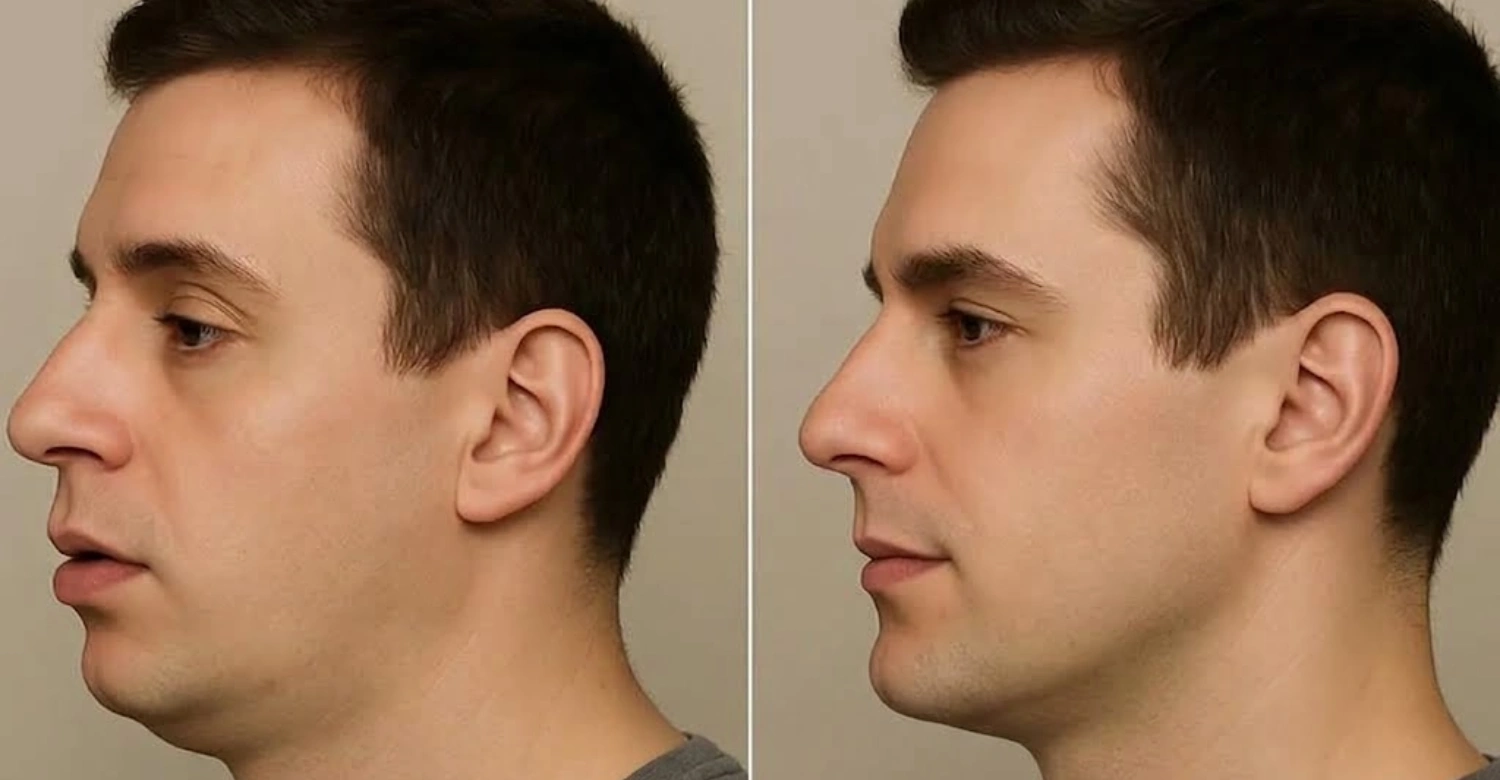
Note : All images used are for editorial and illustrative purposes only and may not originate from the original news provider or associated company.
Dental and Medical Professionals Who May Be Involved
A general dentist evaluates teeth, gums, tissue, and hygiene overall. Pediatric dentists monitor dental development and flag potential orthodontic concerns. Orthodontists evaluate bite relationships and arch development when indicated. An otolaryngologist may evaluate nasal obstruction, tonsils, or adenoids specifically. Allergy and sleep specialists may also become involved when appropriate. Collaboration provides a more complete understanding of persistent mouth breathing. Understanding this piece helps connect oral findings to the wider pattern.
How to Stop Mouth Breathing for Better Oral Health
Mouth Breathing and Oral Health management starts by identifying why nasal breathing is difficult. Treatment depends on the underlying cause and should not rely on one technique. A healthcare professional may evaluate persistent nasal obstruction or sleep symptoms. Dental care remains important because dryness can increase vulnerability to oral problems. Children require particular attention since mouth breathing can coincide with dental changes. Professional evaluation helps determine the safest and most appropriate next steps.
How to Stop Mouth Breathing for Better Oral Health
There is no single method that safely stops mouth breathing for every patient. Nasal congestion may require treatment directed toward allergies or another condition. Habitual mouth breathing should be considered only after airway problems are ruled out. Patients should not force their mouths closed during sleep without guidance. Dental professionals can manage associated dryness, cavities, and gum inflammation. The most suitable approach depends on cause, symptoms, age, and health. This distinction supports a more accurate diagnosis and better planning.
Treating the Underlying Cause
Allergies may require appropriate medical management to improve nasal airflow. Nasal obstruction from structural factors may require specialist assessment. Some patients continue mouth breathing after congestion improves because the pattern is habitual. Dental professionals should focus on protecting teeth and gums during investigation. Treatment should not assume every patient requires surgery or major intervention. A coordinated approach addresses both oral consequences and contributing factors. Patients benefit when professionals share this information during follow-up visits.
Improving Oral Hygiene and Hydration
Dryness may make plaque control more important for affected patients. Brushing twice daily with fluoride toothpaste removes plaque and adds protection. Cleaning between teeth removes plaque a toothbrush cannot reach alone. Drinking water regularly can relieve temporary sensations of dryness. Patients should also limit frequent exposure to sugary foods and drinks. Good hygiene should complement, rather than replace, evaluation of persistent mouth breathing. This point often comes up again during routine dental checkups.
Managing Dry Mouth Symptoms
Drinking water regularly can provide temporary relief and improve comfort. Sugar-free chewing gum may stimulate saliva in people who can safely chew it. Patients should avoid excessive sugary drinks because they raise cavity risk. A dentist can assess cavity risk and determine additional fluoride protection needs. Persistent dry mouth can also have causes unrelated to mouth breathing entirely. Managing dryness involves both symptom relief and investigating the underlying cause. Small details like this can shape the overall treatment timeline.
Why Treatment Should Be Personalized
Patients can have different causes and oral risk factors from one another. One person may have allergies while another has structural obstruction. A child may have developing orthodontic concerns that require monitoring. Existing cavities, medications, and diet can further change treatment needs. A dentist should assess the complete oral condition before recommending treatment. Personalized planning helps ensure treatment addresses the patient's actual needs. This detail matters when planning both preventive and follow-up care.
Clinical Note: Do Not Treat Mouth Breathing Without Identifying Its Cause
Persistent mouth breathing should not be managed by simply forcing the mouth closed. It can indicate congestion, allergy-related obstruction, or structural problems. Dental professionals can identify oral effects but may need medical colleagues for airway concerns. Dr. Rifat Alsaman emphasizes individualized evaluation before recommending any treatment. This distinction matters most for children and patients with nighttime symptoms. Professional guidance is safer than relying on generalized exercises or devices. Clinicians weigh this alongside the patient's full history before deciding.
Tips for Patients to Protect Their Oral Health
Mouth Breathing and Oral Health can be supported through practical daily habits. Patients should maintain consistent brushing and interdental cleaning to control plaque. Regular water intake can help relieve dryness and support comfort. Patients should monitor gum bleeding, sensitivity, and recurring cavities closely. Persistent mouth breathing should also be discussed with a healthcare professional. Routine dental exams allow clinicians to identify problems before they grow worse.
Maintain Consistent Brushing and Flossing
Patients should brush their teeth twice daily using fluoride toothpaste. Brushing should cover all tooth surfaces and the gumline gently. Interdental cleaning helps remove plaque from spaces bristles cannot reach. People with dry mouth may need particularly consistent hygiene overall. Patients should avoid brushing too hard because it can irritate gums. Good daily hygiene reduces preventable risks tied to plaque and decay. Understanding this piece helps connect oral findings to the wider pattern.
Drink Enough Water Throughout the Day
Drinking water supports hydration and can moisten the mouth when dryness develops. Patients should take regular sips rather than relying on occasional large amounts. Water is preferable to frequently consuming sugary beverages that raise cavity risk. Caffeinated drinks may contribute to dryness for some individuals. Hydration does not treat nasal obstruction or the underlying breathing cause. A dentist can recommend preventive strategies when dry mouth raises cavity risk. This distinction supports a more accurate diagnosis and better planning.
Monitor Signs of Dry Mouth
Patients should notice dryness that occurs regularly during the day or after sleep. Common symptoms include sticky saliva, dry lips, or difficulty eating dry foods. Recurring cavities can also indicate that protective oral conditions have changed. Dry mouth can have numerous causes, including medications and medical conditions. Keeping a symptom record can help clinicians understand when dryness happens. Persistent symptoms deserve professional evaluation rather than prolonged self-management. Patients benefit when professionals share this information during follow-up visits.
Pay Attention to Gum Bleeding or Irritation
Bleeding gums commonly indicate plaque-related inflammation rather than mouth breathing itself. Patients should not ignore bleeding simply because they breathe through the mouth. Gentle brushing and interdental cleaning can help control plaque near the gumline. Other contributors include smoking, diabetes, and hormonal changes. Early treatment can help prevent gingivitis from progressing further. Professional evaluation matters most when bleeding continues despite improved hygiene. This point often comes up again during routine dental checkups.
Schedule Regular Dental Checkups
Routine visits allow dentists to detect cavities and gum inflammation early. Early detection can make preventive management simpler and less invasive. Children can also receive monitoring of tooth eruption and bite development. The appropriate appointment interval depends on individual dental risk levels. At Vitrin Clinic, digital examination technologies can support individualized dental care. Regular professional care complements effective daily hygiene at home. Small details like this can shape the overall treatment timeline.
Seek Evaluation for Persistent Mouth Breathing
Persistent symptoms can indicate nasal congestion, allergies, or structural obstruction. Children with continuous mouth breathing may require dental and medical assessment. Adults may also need evaluation when dryness or bad breath persists. Patients should mention nighttime symptoms, including snoring or waking with dryness. Identifying the cause can guide more appropriate management overall. Early evaluation may help prevent prolonged oral discomfort and disease. This detail matters when planning both preventive and follow-up care.
What We Notice Clinically
Mouth Breathing and Oral Health can present through a combination of symptoms. Clinicians may notice dry lips, plaque buildup, or gum irritation. Children may also present with bite differences or narrower dental arches. These findings require interpretation alongside growth patterns and other clinical factors. However, findings can result from multiple causes and should not be assumed. A complete examination helps identify active dental disease and preventive needs.
Common Oral Signs Associated With Mouth Breathing
Dry lips and dry oral tissue are commonly reported when airflow is high. Patients may also experience sticky saliva, thirst, or increased discomfort. Plaque accumulation can become significant when saliva provides less cleansing support. Gum irritation can occur when plaque accumulates around already-dry tissues. Children may display orthodontic traits associated with persistent mouth breathing. Clinical examination remains necessary to determine which findings are relevant. Clinicians weigh this alongside the patient's full history before deciding.
Why Dryness Can Change the Oral Environment
Saliva lubricates tissues and helps move food particles across oral surfaces. Continuous airflow can increase evaporation and make dryness more noticeable. Reduced moisture may allow plaque and odor compounds to become more noticeable. Dryness can also increase susceptibility to decay when other risks are present. The oral environment remains complex and changes for many different reasons. Clinicians evaluate dryness within the patient's complete clinical context always. Understanding this piece helps connect oral findings to the wider pattern.
The Importance of Looking Beyond the Teeth
A dental examination can reveal signs suggesting an underlying airway concern. Dry lips, gum irritation, and bite changes may provide useful clues. Children require particular attention because dental structures are actively developing. These associations should not be interpreted as proof of direct causation. The clinician should consider allergies, habits, diet, and hygiene together. Looking beyond individual teeth supports more comprehensive patient care overall. This distinction supports a more accurate diagnosis and better planning.
Dr. Rifat Alsaman's Clinical Perspective
Persistent dryness can have several causes and should not be assumed automatically. The same principle applies to cavities, gum inflammation, and bad breath. Clinical examination can identify oral problems requiring preventive or restorative care. Digital diagnostic tools can provide additional information when treatment planning requires it. Patients with suspected nasal or airway problems may need evaluation outside dentistry. This approach supports more appropriate long-term preventive care overall. Patients benefit when professionals share this information during follow-up visits.
How Can Mouth Breathing and Oral Health Be Managed at Vitrin Clinic?
Mouth Breathing and Oral Health can be managed through individualized assessment at Vitrin Clinic. Dental professionals evaluate teeth, gums, and signs of dryness first. Digital diagnostic technologies may provide additional information when clinically indicated. Patients with nasal or airway concerns may require assessment from other professionals. Dental treatment focuses on existing oral conditions rather than every breathing issue. The overall approach depends on each patient's findings and requirements.
Our Approach to Evaluating Oral Health
Evaluation begins with an assessment of the patient's teeth, gums, and tissue. Clinicians review signs of dryness, plaque, decay, and gum inflammation together. The patient's history and symptoms provide additional context during evaluation. Digital diagnostic technologies may be used when they offer useful information. CBCT imaging can provide three-dimensional information about relevant structures. Medical assessment may still be necessary when airway concerns are suspected. This point often comes up again during routine dental checkups.
Our Dental Treatments Based on Individual Patient Needs
Some patients require preventive care because dryness raises their perceived dental risk. Others need treatment for cavities, gum inflammation, or missing teeth. Vitrin Clinic provides restorative and cosmetic treatments according to individual clinical needs. However, cosmetic or restorative treatment does not correct the cause of mouth breathing. Patients should receive proper assessment before selecting any dental procedure. International patients can discuss planning before traveling for treatment. Small details like this can shape the overall treatment timeline.
Digital Examination and Treatment Planning
Vitrin Clinic uses CBCT, digital X-rays, and three-dimensional intraoral scanning. CBCT can provide three-dimensional views of dental and jaw structures. Digital X-rays help evaluate teeth and surrounding structures in detail. An intraoral scanner can create digital records without traditional impression materials. These technologies support planning for restorative, implant, and orthodontic procedures. Technology should support clinical judgment rather than replace a professional examination. This detail matters when planning both preventive and follow-up care.
Personalized Preventive and Restorative Dental Care
Patients with dryness may need stronger cavity-prevention strategies and closer monitoring. Those with gum inflammation may require professional cleaning and periodontal management. Vitrin Clinic develops treatment plans according to individual dental conditions. Patients can discuss oral hygiene, hydration, and maintenance during their consultations. Existing medical conditions and medications should also be disclosed to the team. Long-term oral health depends on daily hygiene and professional monitoring together. Clinicians weigh this alongside the patient's full history before deciding.
Why Choose Vitrin Clinic for Your Dental Care?
Mouth Breathing and Oral Health may require ongoing monitoring when concerns persist. Vitrin Clinic provides dental services for local and international patients. The clinic combines digital diagnostic technologies with personalized treatment planning. International patients may benefit from coordinated transportation and hotel arrangements too. Clinical decisions remain based on dental examination and individual treatment requirements. A comprehensive approach helps patients manage their dental needs at every stage.
Modern Digital Dental Technology
Vitrin Clinic uses digital tools to support examination and treatment planning. CBCT can provide three-dimensional information about dental and jaw structures. Digital X-rays assist with evaluating teeth and surrounding tissue closely. Three-dimensional intraoral scanning creates detailed digital records for treatment planning. Technology helps clinicians visualize structures and communicate treatment options clearly. The dentist determines which technologies offer useful information for each patient. Understanding this piece helps connect oral findings to the wider pattern.
Personalized Treatment Planning
Vitrin Clinic develops individualized dental plans after evaluating the patient's condition. A patient with healthy teeth may require only preventive care. Another patient may require treatment for cavities or gum disease instead. Patients can discuss their concerns and expectations during consultation directly. International patients can also receive guidance regarding appointments and logistics. The final plan always reflects the patient's clinical findings and professional assessment. This distinction supports a more accurate diagnosis and better planning.
Comprehensive Dental Treatment Options
Vitrin Clinic offers multiple treatment options based on individual clinical needs. Services can include implants, crowns, veneers, and orthodontic treatment. The appropriate treatment depends on examination findings and the patient's goals. Restorative procedures can address damaged or missing teeth when needed. Implant treatment may require assessment of bone structure and overall health. Mouth breathing itself should not justify unnecessary dental procedures. Patients benefit when professionals share this information during follow-up visits.
Care for International Patients
Vitrin Clinic supports international patients through coordinated treatment planning and services. Patients may receive assistance with transportation, hotel arrangements, and appointments. Treatment planning can begin with a dental assessment before scheduling procedures. International patients should provide relevant dental records when available beforehand. Aftercare guidance matters when patients return home after treatment. Clear communication about maintenance supports continuity of dental care. This point often comes up again during routine dental checkups.
When Should You See a Dentist About Mouth Breathing?
Mouth Breathing and Oral Health should be discussed with a dentist when symptoms persist. Dry mouth, recurring cavities, and gum irritation can all justify evaluation. Persistent nasal congestion or sleep symptoms may require medical assessment too. Patients should not assume every oral problem results from mouth breathing. Early evaluation can identify preventable risks before they become more advanced. A dentist can also provide individualized preventive recommendations based on risk.
Persistent Dry Mouth
Persistent dryness can increase discomfort and susceptibility to dental decay. NIDCR identifies dry mouth as a condition tied to increased decay risk. Patients may notice sticky saliva, thirst, or changes in taste. Dryness can result from mouth breathing, medications, or other medical conditions. A dental examination can identify whether cavities or gum problems are developing. Persistent dryness should not simply be accepted as normal. Small details like this can shape the overall treatment timeline.
Frequent Cavities or Tooth Decay
Reduced moisture can affect some protective functions of saliva. However, recurring tooth decay has multiple potential contributors beyond breathing. Patients with frequent cavities should receive an individualized caries-risk assessment. A dentist can examine for early enamel changes and existing cavities. Preventive measures may include fluoride treatments and improved plaque control. Persistent mouth breathing should also be discussed when dryness is prominent. This detail matters when planning both preventive and follow-up care.
Gum Irritation or Bleeding
Bleeding gums commonly indicate inflammation associated with dental plaque buildup. Mouth breathing may contribute to dryness but does not diagnose periodontal disease alone. Patients should receive professional assessment when bleeding occurs repeatedly. A dentist can evaluate plaque levels, inflammation, and periodontal pockets. Smoking, diabetes, and medications may also influence periodontal health. Ignoring bleeding can allow inflammation to persist and potentially progress. Clinicians weigh this alongside the patient's full history before deciding.
Persistent Bad Breath
Dry mouth can reduce natural oral cleansing and allow odor compounds to accumulate. However, gum disease, cavities, and tongue coating can also cause odor. A dental examination can identify common oral sources of persistent breath issues. Patients should report accompanying symptoms such as bleeding gums or tooth pain. Treatment should focus on the identified cause rather than masking the smell. Hydration may support comfort when dryness is clearly present. Understanding this piece helps connect oral findings to the wider pattern.
Mouth Breathing in Children
Persistent mouth breathing can accompany nasal obstruction, allergies, or enlarged tonsils. Research has identified associations with narrower dental arches in children. Parents should also monitor dry lips, bad breath, and recurring dental problems. Dental evaluation can assess tooth eruption, plaque, and gum health together. Parents should not attempt to force a child's mouth closed during sleep. A coordinated dental and medical approach provides the clearest assessment overall. This distinction supports a more accurate diagnosis and better planning.
Symptoms That May Require Medical Evaluation
Persistent nasal blockage can indicate allergies or structural obstruction. Regular snoring may warrant assessment, especially with disrupted sleep patterns. Enlarged tonsils or adenoids may also contribute to restricted airflow. Dental professionals can identify oral effects but may need medical colleagues involved. Patients should seek urgent care when breathing difficulty becomes severe suddenly. Identifying the underlying cause supports safer and more appropriate care. Patients benefit when professionals share this information during follow-up visits.
Conclusion About Mouth Breathing and Oral Health
Mouth Breathing and Oral Health are connected through changes that occur when the pattern persists. Increased oral airflow may contribute to dryness, particularly during sleep. Dryness can reduce protective effects of saliva and raise certain dental risks. However, mouth breathing does not independently cause every cavity or gum problem. Dental health depends on hygiene, diet, fluoride exposure, and genetics together. Children may need extra attention since persistent mouth breathing has been tied to arch differences. Identifying the underlying cause remains an important part of appropriate management. Vitrin Clinic offers individualized dental assessment and treatment planning for patients seeking comprehensive care.
At Vitrin Clinic
At Vitrin Clinic, we provide personalized dental treatments designed around each patient’s oral health needs. Our treatment options include dental implants, crowns, veneers, Invisalign, gum treatments, teeth whitening, and comprehensive smile rehabilitation. A professional dental evaluation can help identify oral health concerns associated with mouth breathing and determine the most suitable treatment approach.
Reference
FAQs
Dr. Rifat Alsaman has more than 5 years of clinical experience in dentistry and currently serves as the Head of the Medical Team at Vitrin Clinic. He is dedicated to providing exceptional patient care, overseeing treatment planning, and ensuring the highest clinical standards across the team. His expertise, attention to detail, and commitment to continuous professional development have helped countless patients achieve healthier, more confident smiles.


.webp&w=3840&q=75)

