General Dentistry
August 16, 2026
Nicotine Pouches and Gum Health: What Happens to Your Teeth and Gums?

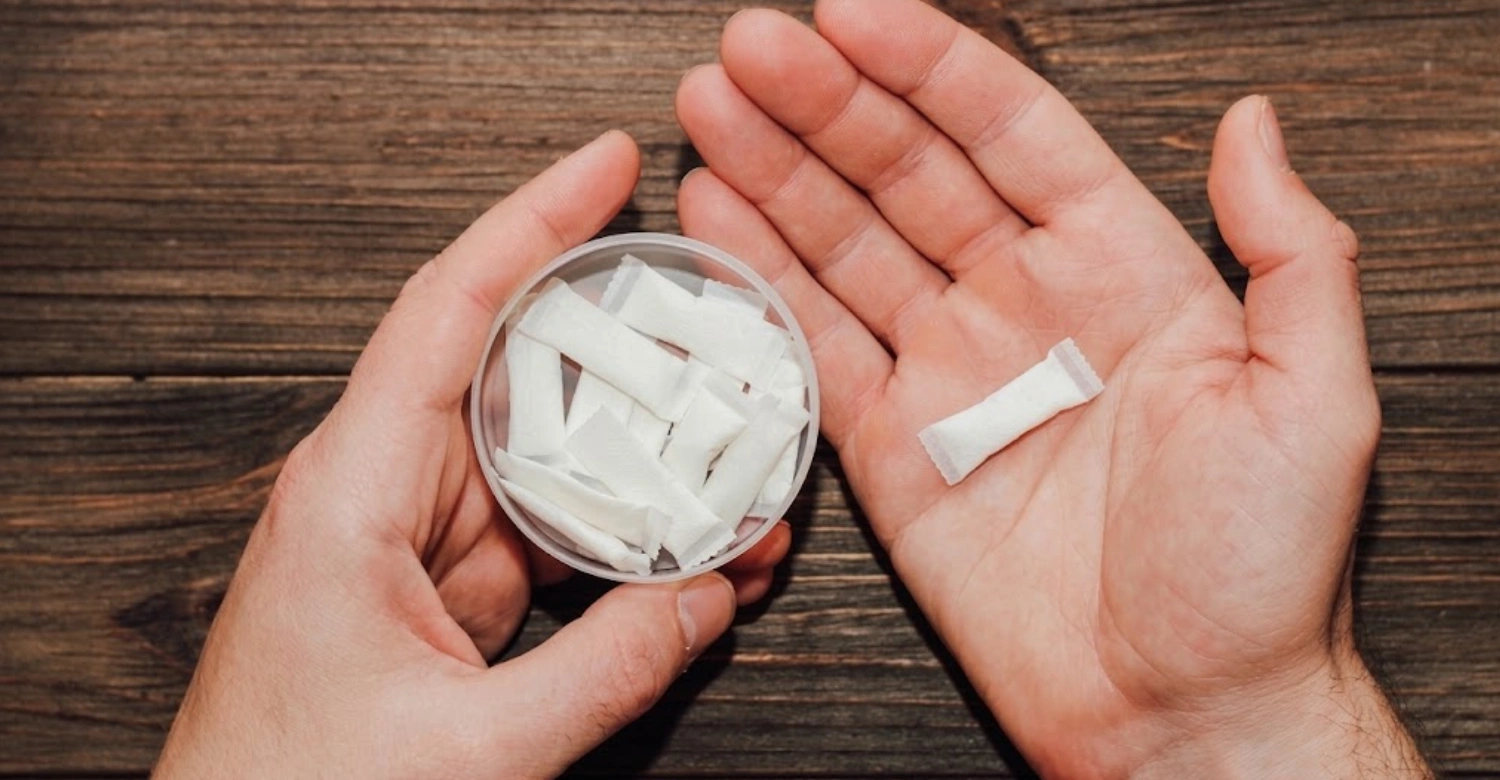
Nicotine Pouches and Gum Health is becoming a more common conversation. Pouch use is growing among people looking for a smoke-free nicotine option. Nicotine pouches and teeth sit close together for hours at a time. The pouch rests directly against the gum line, rather than being smoked or chewed. This guide looks at Nicotine Pouches and Oral Health from a dental perspective, covering the gums, teeth, and soft tissues. Even without tobacco leaf or smoke, sustained nicotine placement can influence oral tissue over time. Understanding these effects matters for anyone using pouches regularly.
Nicotine Pouches and Gum Health: How Does it Affect the Mouth?
Nicotine Pouches and Dental Health starts with understanding placement. A pouch sits between the lip and gum, usually in the same spot each time. This steady contact means oral tissue is exposed to nicotine and other ingredients for extended periods. That's unlike a cigarette, which burns out in minutes. Saliva, gum thickness, and how often the pouch is repositioned all affect how tissue responds. Exposure is localized and repeated. Dental professionals pay close attention to the exact area where a pouch is habitually placed.
Nicotine Exposure and Oral Tissues
Nicotine interacts directly with the soft tissue it touches. Gum tissue is more sensitive than skin elsewhere on the body. Nicotine Pouches and Oral Health depends heavily on how often this exposure repeats each day. A single use may cause little noticeable change, but daily, prolonged placement adds up. The exact spot where a pouch typically sits becomes the tissue most affected. That's why dentists often ask patients to describe their usual placement habits during an exam.
Nicotine Pouches and Gum Health
Nicotine pouches and gum health are closely linked, because irritation often shows up first at the placement site. Patients may notice a whitish, thickened, or reddened patch where the pouch usually sits. Some describe mild tenderness or a rough texture developing over weeks or months. Nicotine Pouches and Oral Health monitoring should include regularly checking this area for color changes, swelling, or sensitivity. Early changes are easier to manage than tissue changes present for a long time.
Nicotine Pouches Oral Health Effects
Nicotine pouches oral health effects reported by regular users include gum irritation and localized tissue changes. Dry mouth and general mouth discomfort are also common. Increased sensitivity in the placement area is also common. Some users also describe oral hygiene becoming harder to maintain around a habitually irritated spot. Periodontal health can be affected indirectly through reduced saliva flow and tissue changes. Effects vary from person to person, and Nicotine Pouches and Dental Health research is still developing. Patients shouldn't assume their own experience will match everyone else's.
Are Nicotine Pouches Bad for Your Teeth?
Are nicotine pouches bad for your teeth is one of the most common questions patients ask. Nicotine pouches don't expose teeth to tobacco smoke or tar. That sets them apart from cigarettes. However, that difference doesn't make them risk-free. Nicotine Pouches and Oral Health still depends on ingredients and frequency of use. How well oral hygiene is maintained alongside pouch use also matters. Teeth themselves may not directly absorb nicotine the way gum tissue does. But surrounding conditions in the mouth can still shift in ways that affect dental health over time.
Nicotine Pouches and Tooth Decay
Nicotine pouches and tooth decay aren't directly linked the way sugar and plaque are, but indirect pathways exist. Dry mouth reduces the natural rinsing effect of saliva. Saliva normally helps clear food particles and neutralize acid. Less saliva can mean more plaque buildup over time. Diet, fluoride exposure, and brushing habits still play the largest role in decay risk. Patients shouldn't assume nicotine pouches are harmless to teeth simply because they avoid smoke. Supporting oral conditions still matter.
Nicotine Pouches Side Effects on Teeth
Nicotine pouches side effects on teeth are usually indirect, rather than a direct chemical attack on enamel. Increased oral dryness is one of the most commonly reported effects. General changes in oral comfort are also common. Where gum recession has occurred near a placement site, exposed tooth roots can become more sensitive to temperature and pressure. Maintaining healthy gums around the teeth can also become harder. This happens if irritation or recession develops in that same area over repeated use.
Can Nicotine Pouches Increase Gum Disease Risk?
Nicotine pouches and gum disease risk depend on distinguishing simple irritation from true periodontal disease. Gum irritation is often temporary and tied directly to pouch placement. Periodontal disease involves deeper tissue and bone changes around the teeth. Nicotine Pouches and Gum Health assessments look at both. Ongoing irritation from nicotine pouches can make gum tissue more vulnerable. Combined with existing plaque or hygiene gaps, this may contribute to conditions that resemble or overlap with early gum disease.
Nicotine Pouches and Receding Gums
Nicotine pouches and receding gums are frequently discussed together. Gum recession often develops at the exact spot where a pouch is repeatedly placed. Recession shows as gum tissue pulling back, sometimes exposing more of the tooth root than before. Repeated placement in the same location is considered clinically relevant. Constant pressure and exposure in one area increases the chance of localized recession. Exposed roots often become sensitive. Any noticeable recession should be assessed by a dental professional, rather than ignored.
Nicotine Pouches and Mouth Sores
Nicotine pouches and mouth sores can result from mechanical irritation, chemical irritation, or a combination of both. Constant friction from a pouch sitting in one place, along with prolonged nicotine contact, can create tender or irritated patches. Existing oral conditions may make some people more prone to developing sores. Nicotine Pouches and Gum Health guidance is clear on this. Sores lasting more than a week or two should be examined by a dentist. The same goes for sores that keep recurring in the same spot.
Tips for Patients
Maintain twice-daily brushing with fluoride toothpaste.
Clean between the teeth every day.
Avoid repeatedly placing pouches in exactly the same location.
Pay attention to gum recession or localized irritation.
Stay adequately hydrated.
Limit frequent consumption of sugary foods and drinks.
Attend regular dental and periodontal examinations.
Do not ignore persistent mouth sores or unexplained tissue changes.
Consider reducing or stopping nicotine use for better overall health.
Seek professional advice if oral symptoms continue or worsen.
Warning Signs That Should Not Be Ignored
Nicotine Pouches and Oral Health includes recognizing warning signs early. Some changes are minor and temporary. Others signal something that needs professional assessment. Patients who use nicotine pouches regularly should watch for anything that lasts longer than a couple of weeks. The same applies to anything that keeps returning in the same spot. Catching these signs early generally makes treatment simpler and outcomes better. The sections below outline the specific changes worth paying closer attention to during regular oral hygiene routines.
Persistent Gum Changes
Persistent gum changes worth monitoring include gum recession, bleeding, swelling, ongoing redness, and localized tenderness near a pouch placement site. Nicotine Pouches and Oral Health guidance is straightforward here. Any of these signs lasting beyond two weeks should prompt a dental visit. Bleeding during brushing that doesn't improve can point toward inflammation. So can swelling that doesn't settle down. Both need professional attention, rather than something that will resolve on its own with time.
Persistent Mouth Sores
Persistent mouth sores that don't heal within one to two weeks deserve a dental examination. Minor irritation from a pouch is common and often temporary. But sores that keep recurring in the same location, grow larger, or become increasingly painful shouldn't be dismissed. Nicotine Pouches and Dental Health monitoring includes tracking how long a sore has been present. It also means noting whether it's linked to a specific placement habit that could be adjusted.
Tooth Sensitivity
Tooth sensitivity that develops or worsens over time is worth mentioning at a dental visit. This is especially true near an area of gum recession. Sensitivity to hot, cold, or sweet foods can indicate exposed root surfaces or thinning enamel nearby. Nicotine Pouches and Gum Health assessments often include checking whether sensitivity correlates with a habitual placement site. This pattern can help identify the underlying cause more accurately than sensitivity alone.
Clinical Note
Nicotine pouches should not be viewed as a completely risk-free alternative from a dental standpoint. Skipping tobacco smoke doesn't remove nicotine exposure. It also doesn't remove the physical contact between the pouch and oral tissue. Nicotine Pouches and Oral Health evaluation becomes especially important when a patient develops persistent gum irritation, recession, or bleeding. The same is true for sensitivity, swelling, or mouth sores. At Vitrin Clinic, patients who regularly use nicotine pouches are encouraged to monitor their usual placement area. Any lasting changes should be raised during their next dental visit.
Treatment Options Depend on the Dental Finding
Treatment for nicotine-pouch-related oral changes depends entirely on what a dental exam finds. Nicotine Pouches and Dental Health concerns range from mild irritation that needs only monitoring, to gum recession or decay. Some cases need active treatment. There isn't a single fix that applies to every patient. That's why a proper evaluation comes first. The sections below outline the general treatment categories that may apply, depending on the specific finding.
Professional Dental Cleaning
Professional dental cleaning removes plaque and tartar buildup that can accumulate around a habitual pouch placement site. This is often the first step recommended when Nicotine Pouches and Gum Health concerns are mild. Cleaning also gives the dental team a closer look at gum tissue health, and any early recession or irritation. This provides a baseline to compare against at future visits.
Gum Disease Treatment
When periodontal disease is identified, treatment may include deep cleaning below the gumline, known as scaling and root planing. Closer monitoring of pocket depth around the affected teeth is also part of this. Nicotine Pouches and Oral Health factors, including habitual placement, are usually discussed alongside treatment. This helps ensure the same irritation doesn't continue undermining recovery. More advanced cases may need additional periodontal therapy, depending on severity.
Treatment for Gum Recession
Treatment for gum recession depends on how much tissue has been lost. It also depends on whether root exposure is causing sensitivity or other problems. Options range from monitoring mild recession to surgical grafting for more significant cases. Nicotine Pouches and Oral Health improvement often starts with adjusting placement habits. Continuing to irritate the same spot can undermine any recession treatment that's carried out.
Treatment for Tooth Decay
Treatment for tooth decay follows standard dental protocols. Options range from fillings for smaller cavities to more involved restorative work for larger areas of decay. Nicotine Pouches and Gum Health factors like dry mouth may be addressed alongside decay treatment. Ongoing dryness can contribute to new decay forming, if it isn't managed. Fluoride treatments may also be recommended to help protect at-risk areas.
Management of Oral Sores
Management of oral sores depends on the underlying cause. Sores linked to mechanical irritation from a pouch often improve once placement habits change. Persistent or unusual sores may require closer examination to rule out other causes. Nicotine Pouches and Dental Health follow-up typically includes checking whether a sore has fully healed at a subsequent visit. This happens before the issue is considered resolved.
Why Early Evaluation Matters
Early evaluation makes a real difference in how manageable oral changes end up being. Nicotine Pouches and Dental Health assessments conducted early can identify gum changes before they progress. They can also catch tooth decay at an earlier, more treatable stage, and flag periodontal problems while they're still manageable. Early evaluation also allows persistent mouth sores to be investigated promptly. Sensitivity can be addressed before it becomes more disruptive, while patients get personalized preventive advice suited to their specific habits.
What to Expect Before and After Treatment
Before treatment, the dental team reviews the teeth, gums, oral tissues, hygiene routine, and any symptoms a patient has noticed. Nicotine Pouches and Oral Health history, including placement habits, is typically part of this conversation. After the exam, the treatment plan depends entirely on what's found. It may include preventive care, periodontal treatment, restorative work, or ongoing monitoring. Outcomes depend on the underlying condition, and on how consistently a patient follows through with recommended care afterward.
What We Notice Clinically
According to Dr. Rifat Alsaman, Head of the Medical Team at Vitrin Clinic and a cosmetic dentist, patients who use nicotine products should pay attention to localized changes. Gums and oral tissues are the areas to watch. Nicotine Pouches and Gum Health assessments go beyond checking the teeth alone. The surrounding soft tissue often tells a more complete story. Dr. Rifat Alsaman emphasizes that gum recession, persistent irritation, sensitivity, plaque buildup, and visible changes are all evaluated together. No single sign is looked at in isolation. This broader view helps catch early signs before they progress into more significant dental concerns.
Why Choose Vitrin Clinic
Vitrin Clinic brings together experienced dental professionals, modern diagnostic tools, and a patient-first approach to every visit. Nicotine Pouches and Dental Health concerns are assessed carefully. Treatment plans are built around each patient's actual habits and symptoms, rather than a one-size-fits-all approach. International patients benefit from multilingual support throughout their care. This makes communication straightforward from consultation to follow-up. Whether the concern is gum irritation, recession, or a routine checkup, Vitrin Clinic focuses on clear explanations and individualized treatment. Long-term oral health matters more than quick fixes.
Book a FREE Treatment Plan
Patients who use nicotine pouches are encouraged to book a free treatment plan before any dental work begins. Sharing details about pouch use, placement habits, and any gum or tooth concerns allows for a more accurate, individualized assessment. Booking a consultation with Vitrin Clinic gives access to a personalized dental evaluation at no cost. Each plan is tailored to the patient's needs. This proactive step helps ensure Nicotine Pouches and Gum Health factors are properly accounted for from the very first visit. It sets the foundation for comfortable, well-planned dental care going forward.
References
FAQs

Dr. Rifat Alsaman has more than 5 years of clinical experience in dentistry and currently serves as the Head of the Medical Team at Vitrin Clinic. He is dedicated to providing exceptional patient care, overseeing treatment planning, and ensuring the highest clinical standards across the team. His expertise, attention to detail, and commitment to continuous professional development have helped countless patients achieve healthier, more confident smiles.


