General Dentistry
September 10, 2026
Jaw Hurts on One Side When Chewing: Causes and What to Do ?
 Dr. Rifat Alsaman
.webp&w=3840&q=75)
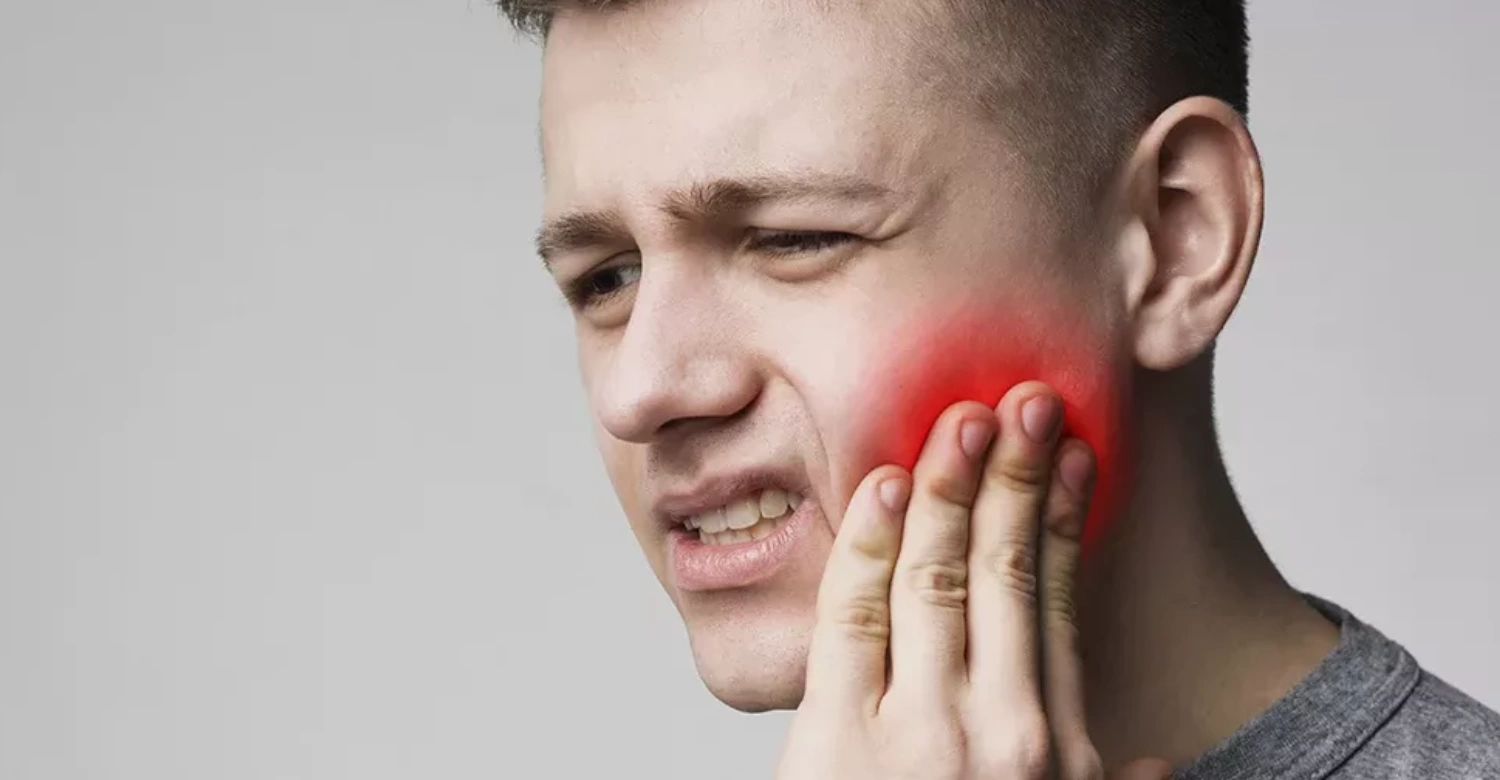
Pain during chewing can involve the jaw joint, muscles, teeth, gums, or surrounding tissues. Jaw Hurts on One Side When Chewing often indicates that one structure is receiving more stress. Temporomandibular disorders are among the common causes of jaw pain and movement problems. Dental infections, cracked teeth, bite changes, and muscle fatigue can also create one-sided discomfort. Some people develop symptoms because they naturally favor one chewing side. Others begin chewing on one side because another tooth already hurts. Understanding the original trigger is therefore important before choosing treatment. At Vitrin Clinic, dentists assess the teeth, bite, jaw movement, and supporting muscles before recommending care. Persistent pain, swelling, locking, or restricted opening deserves professional evaluation. This article explains common causes, chewing habits, facial asymmetry, diagnosis, treatment options, and practical steps for protecting jaw function.
Why Does My Jaw Hurt on One Side When Chewing?
One-sided jaw pain can develop from dental problems, muscle overload, joint disorders, trauma, or functional habits. TMD can affect the chewing muscles or either temporomandibular joint. A painful tooth can also make you unconsciously shift pressure toward the opposite side. Repeatedly using one side may increase muscular workload and create fatigue. Jaw pain can sometimes spread toward the ear, cheek, temple, or neck. Other symptoms include stiffness, painful clicking, limited opening, and changes in how the teeth meet. NIDCR notes that approximately 5% of U.S. adults have TMD, although prevalence varies between studies. The correct diagnosis depends on the symptoms, dental examination, jaw movement, and medical history. Treatment should therefore address the underlying cause rather than simply masking discomfort. This is a common reason patients describe why their Jaw Hurts on One Side When Chewing experience develops.
Temporomandibular Joint Disorder (TMD)
Temporomandibular disorders include more than 30 conditions involving the jaw joints, chewing muscles, and associated tissues. Symptoms may occur on one side or both sides. Pain can become noticeable during chewing, speaking, yawning, or opening widely. Some patients experience stiffness, restricted movement, or painful joint sounds. NIDCR identifies jaw muscle or joint pain as the most common TMD symptom. TMD can develop after injury, although many cases have several contributing factors. Stress, muscle tension, pain sensitivity, and other conditions may influence symptoms. Importantly, research does not support the idea that a bad bite alone causes TMD. Professional assessment can help distinguish TMD from dental infections and other causes of facial pain.
Can TMJ Pain Affect Only One Side?
Yes, symptoms can be limited primarily to one temporomandibular joint. Each person has two TMJs, positioned on opposite sides of the jaw. One joint may become irritated while the other remains relatively comfortable. Pain can occur near the ear, cheek, temple, or jaw angle. Some patients notice symptoms when biting, chewing, yawning, or opening their mouth. Joint inflammation, disc-related problems, muscle dysfunction, or previous trauma may contribute. However, one-sided pain does not automatically confirm a TMJ disorder. Tooth infections, cracked teeth, sinus problems, and muscle strain can produce similar symptoms. A dentist should therefore evaluate the painful side and surrounding structures. Imaging may sometimes be recommended when the clinical examination suggests joint or structural problems.
Common TMJ Symptoms
Common symptoms include jaw pain, stiffness, limited movement, and painful clicking or popping. Some people experience pain extending toward the face, neck, or temple. Others notice difficulty opening their mouth normally or temporary jaw locking. A change in how the upper and lower teeth fit together can also occur. Ear-related symptoms, including ringing or dizziness, may accompany some TMD cases. However, painless clicking is common and does not necessarily require treatment. Symptoms become more concerning when clicking is accompanied by pain, restricted movement, or locking. Recording when symptoms occur can help the dentist identify potential triggers. Treatment decisions should depend on the complete clinical picture rather than one symptom alone. Understanding this factor helps explain many cases where Jaw Hurts on One Side When Chewing occurs.
Dental Problems That Cause Jaw Pain
Dental problems can cause pain that feels deeper than the affected tooth. Decay, infection, cracks, gum inflammation, or recent dental treatment may alter how you chew. Patients sometimes protect a painful tooth by moving food toward the opposite side. This change can increase workload on the opposite chewing muscles. A damaged tooth can also hurt when pressure is applied during biting. Dental infections may cause swelling, tenderness, fever, or sensitivity. These symptoms require prompt professional assessment. A dentist may examine the tooth, gums, bite, and surrounding structures to locate the source. At Vitrin Clinic, digital X-rays can help identify problems that are difficult to detect visually. Treating the dental cause can often reduce the need for compensatory chewing patterns.
Tooth Decay and Infection
Advanced tooth decay can expose deeper tooth tissues and produce pain during biting or chewing. Infection around the tooth root can cause persistent tenderness and pressure sensitivity. Some patients also experience swelling, bad taste, or temperature sensitivity. Dental infections should not be ignored because untreated infection can spread into surrounding tissues. Pain may also cause a person to avoid chewing on the affected side. That avoidance can create additional muscular stress elsewhere. Diagnosis usually involves clinical examination and appropriate dental imaging. Treatment depends on the tooth's condition and may include restoration, root canal therapy, or extraction. Antibiotics are not a substitute for definitive dental treatment when a localized dental infection requires source control. Urgent evaluation is appropriate when swelling, fever, or difficulty swallowing develops.
Cracked or Damaged Teeth
Cracked teeth can produce sharp pain when biting certain foods. Symptoms may be inconsistent, making the problem difficult for patients to identify. Pain can sometimes occur when pressure is released after biting. Cracks may develop from trauma, biting hard objects, large restorations, or repeated stress. A damaged tooth can change chewing behavior because patients naturally avoid uncomfortable pressure. The resulting one-sided chewing pattern may place additional demand on the opposite muscles. Dentists may use bite tests, magnification, transillumination, and imaging to investigate suspected cracks. Not every crack is visible on a conventional X-ray. Treatment depends on crack location, depth, and remaining tooth structure. Early evaluation may help prevent further structural damage.
Dental Work and Bite Changes
Recent dental treatment can temporarily change how the teeth contact each other. A high filling or crown may make one tooth contact earlier than surrounding teeth. Patients may notice discomfort when biting or chewing after treatment. Small changes can sometimes feel significant because chewing depends on coordinated tooth and muscle contact. Persistent discomfort should be reported to the treating dentist. The dentist can check the restoration and evaluate the bite. However, it is important not to assume that every jaw problem comes from occlusion. Current evidence does not support the idea that an abnormal bite alone causes TMD. Proper assessment should consider teeth, muscles, joints, and other potential sources simultaneously. This point is often central to evaluating why Jaw Hurts on One Side When Chewing happens in the first place.
Jaw Muscle Strain and Overuse
The chewing muscles work repeatedly throughout the day. Excessive chewing, prolonged clenching, grinding, or frequent hard foods can increase muscular workload. One-sided chewing may further concentrate activity on particular muscles. Research has found measurable differences in masseter muscle activity among people with unilateral chewing patterns. Muscle fatigue can produce aching around the cheek, jaw angle, or temple. Symptoms may become stronger after long meals or repetitive jaw movements. Resting the jaw and reducing excessive habits may help mild muscular discomfort. Persistent pain should still be evaluated because muscle symptoms can overlap with joint and dental conditions. The goal is to identify the behavior or underlying problem causing excessive muscular demand.
Chewing Gum and Repetitive Jaw Movements
Frequent gum chewing increases the number of repetitive jaw movements performed each day. Extended chewing sessions may fatigue the masticatory muscles in susceptible individuals. Hard or resistant foods can similarly increase chewing demands. Patients experiencing jaw discomfort should temporarily reduce repetitive chewing activities. Alternating normal chewing patterns may also prevent excessive concentration on one side. However, deliberately forcing the painful side to work harder is not recommended. Pain during chewing can indicate an underlying dental or joint problem. Persistent symptoms require examination rather than continued self-training. A dentist can determine whether the discomfort reflects muscle fatigue, tooth pain, TMD, or another condition.
Teeth Clenching and Grinding
Clenching and grinding can place substantial repetitive forces on teeth and jaw muscles. These habits may occur during sleep or while concentrating during the day. Symptoms can include morning jaw soreness, tooth sensitivity, headaches, or muscle tenderness. Some patients are unaware that they clench their teeth. Dental wear patterns can sometimes provide clues, although wear alone does not establish the cause. Reducing daytime clenching and addressing contributing factors may help decrease muscle loading. A dentist can assess whether a protective appliance or additional treatment is appropriate. Management should be individualized because not every patient benefits from the same intervention.
Jaw Injury or Dislocation
Trauma can affect the jawbone, joint, muscles, or supporting tissues. A blow to the face may produce pain, swelling, bruising, or difficulty moving the jaw. More serious injuries can change the way the teeth meet. A dislocation may prevent normal closing of the mouth and requires urgent medical attention. Patients should not attempt to force a dislocated jaw back into position themselves. Emergency assessment may be necessary after significant facial trauma. Dental or medical professionals can evaluate movement, bite changes, swelling, and possible fractures. Imaging may be required depending on the injury. Early assessment is particularly important when pain is severe or normal jaw function suddenly changes. Clinicians frequently note this when patients report that Jaw Hurts on One Side When Chewing began recently.
When Jaw Injuries Need Urgent Care
Urgent evaluation is appropriate after significant facial trauma accompanied by severe pain or swelling. Difficulty opening or closing the mouth can indicate a more serious problem. A suddenly altered bite may also require prompt assessment. Bleeding, facial numbness, or visible deformity increases the need for medical attention. Difficulty breathing or swallowing is an emergency symptom. A suspected jaw dislocation should never be treated by force at home. Healthcare professionals can determine whether imaging or specialist management is necessary. Even apparently minor trauma deserves attention when symptoms persist or worsen. Early diagnosis can reduce complications and help restore normal jaw function.
Ear and Sinus Problems That Can Cause Jaw Pain
Pain near the jaw does not always originate from the jaw itself. Ear conditions can produce discomfort around the joint because the ear and jaw are anatomically close. Sinus inflammation can also create facial pressure that patients interpret as tooth or jaw pain. Upper tooth roots lie close to the maxillary sinuses. Congestion may therefore create pressure around the cheeks and upper teeth. However, severe or persistent pain should not automatically be attributed to sinus disease. Dental infection and TMD can produce overlapping symptoms. A healthcare professional can evaluate associated signs such as congestion, ear symptoms, tooth sensitivity, or jaw movement problems. Correctly identifying the source prevents unnecessary treatment and delays.
Discover more about tongue tie
Why Does My Jaw Hurt When I Chew on One Side?
One-sided chewing can increase workload on the muscles and structures used on that side. Some people develop this habit because one side feels more comfortable. Others favor one side because of tooth sensitivity, missing teeth, restorations, or previous pain. Research has demonstrated measurable asymmetry in masseter muscle activity among people who chew predominantly on one side. However, this does not mean unilateral chewing automatically causes a permanent jaw deformity. Facial structure, dental occlusion, muscle activity, and natural asymmetry can all influence appearance. Identifying why the chewing preference developed is more important than simply changing sides. If pain causes the habit, treating the original problem should come first.
Chewing on One Side of the Mouth
Chewing on one side can become habitual without the person consciously noticing. Food texture, dental discomfort, missing teeth, and bite preferences may influence chewing-side selection. Some individuals naturally demonstrate a preferred chewing side. Research suggests chewing performance can influence which side people prefer during mastication. A consistent preference does not automatically indicate disease. Concern increases when the pattern develops alongside pain, stiffness, tooth problems, or facial changes. Dentists can examine whether a dental or functional issue encourages the preference. Correcting the underlying cause may allow chewing to become more balanced naturally. Patients should avoid aggressively forcing themselves to chew exclusively on the opposite side. This detail is one of several factors dentists weigh when a patient says Jaw Hurts on One Side When Chewing.
Why Do I Mostly Chew on One Side?
People may favor one side because it feels more comfortable or efficient. A painful tooth can make the opposite side seem easier for chewing. Missing teeth can also reduce the available chewing surfaces on one side. Some people develop preferences from long-standing habits without an obvious dental problem. Previous jaw pain or dental treatment can reinforce a preferred side. Food texture may also affect chewing-side preference. Research has shown that harder foods can increase observable chewing laterality. A dentist can investigate whether the preference relates to tooth health, bite, jaw movement, or muscle function. The habit itself is not necessarily abnormal.
Is It Normal to Chew on One Side?
Occasionally favoring one side can occur during normal chewing. People may change chewing sides depending on food texture, comfort, or tooth contact. A persistent preference becomes more clinically relevant when it is associated with pain or difficulty using the other side. Research shows that unilateral chewing patterns can be measured even among otherwise healthy individuals. Therefore, chewing preference alone does not establish a jaw disorder. However, sudden changes deserve more attention, especially when accompanied by tooth pain or altered bite. A dental examination can identify problems that encourage avoidance of one side. Balanced function should be restored by addressing the underlying cause.
What Happens If You Only Chew on One Side?
Consistently using one side increases the functional demand placed on that side. Research has demonstrated that unilateral chewing can be associated with asymmetric masseter muscle activity. Over time, some people may experience muscle fatigue, tenderness, or jaw discomfort. However, evidence does not establish that unilateral chewing alone inevitably causes permanent facial asymmetry. Facial appearance depends on skeletal structure, dental factors, muscle development, and natural asymmetry. A 2024 study involving 748 participants examined relationships between preferred chewing side and facial asymmetry. The findings highlight the relationship between these factors but do not prove simple cause and effect. Persistent one-sided chewing should therefore be evaluated when accompanied by symptoms. It illustrates why Jaw Hurts on One Side When Chewing should never be diagnosed from a single symptom alone.
Can Chewing on One Side Cause Jaw Pain?
Repeatedly loading one side can increase activity in the muscles responsible for chewing. Muscle fatigue may develop when those tissues receive excessive repetitive demand. Research has documented differences in masseter muscle symmetry among people with unilateral chewing habits. However, pain should not automatically be blamed on the chewing habit. The preference may actually be a consequence of an existing tooth, bite, or joint problem. This distinction is clinically important because treating the habit alone may not resolve symptoms. A dentist should determine why the patient favors one side. Addressing the original trigger can help restore more comfortable jaw function.
Uneven Jaw Muscle Activity
The masseter muscles generate significant force during chewing and clenching. Habitual unilateral chewing can produce different activity levels between the two sides. Research using electromyography has demonstrated measurable masseter asymmetry in people with unilateral chewing patterns. Muscle activity differences do not necessarily indicate disease. They may reflect adaptation to habitual movement or an underlying functional problem. Persistent discomfort suggests that the muscle system may be overloaded or irritated. Dentists can assess tenderness, movement, and chewing patterns during examination. Treatment should focus on the reason behind the imbalance rather than attempting to strengthen one side independently.
Jaw Tightness and Muscle Fatigue
Jaw muscles can become tired after prolonged chewing or clenching. Tightness may feel like pressure around the cheeks, temples, or jaw angle. Symptoms can become noticeable after eating tough foods or chewing gum for long periods. Resting the jaw and avoiding unnecessary repetitive movements may reduce temporary muscular fatigue. Persistent symptoms require evaluation because TMD and dental problems can produce similar sensations. NIDCR lists jaw stiffness and limited movement among symptoms that may accompany TMD. Patients should avoid repeatedly testing the painful movement. Gentle normal function is preferable to forcing the jaw through discomfort.
Existing Dental Problems and One-Sided Chewing
Dental problems commonly influence chewing preferences. A sensitive tooth may cause someone to shift food toward the opposite side. Missing teeth can also change chewing efficiency and force distribution. Cracked teeth may create intermittent pain during biting. Untreated decay can make pressure increasingly uncomfortable. These issues can encourage long-term avoidance of one side. The resulting chewing pattern may then create additional muscular workload elsewhere. This creates an important clinical sequence: a dental problem can cause one-sided chewing, rather than the chewing habit causing the original pain. A dental examination can identify this distinction. Appropriate treatment may restore more balanced chewing without forcing behavioral changes. Many patients search for relief type 'Jaw Hurts on One Side When Chewing' into search engines for this exact reason.
Can Chewing on One Side Cause TMJ?
One-sided chewing may alter the workload experienced by the jaw muscles and joints. However, it would be inaccurate to state that unilateral chewing directly causes TMD in every person. TMD includes multiple conditions with different contributing factors. Injury, muscle dysfunction, stress-related factors, and individual susceptibility can influence symptoms. Research on chewing preference and facial function demonstrates associations, but associations do not establish causation. If unilateral chewing develops because of pain, the underlying problem should be investigated first. Patients should not deliberately overuse the opposite side to compensate. A professional evaluation can determine whether the joint, muscles, teeth, or another structure is responsible.
TMJ Symptoms on One Side
One-sided TMJ symptoms may include pain near the ear, tenderness, stiffness, or painful clicking. Movement may become uncomfortable when chewing, yawning, or opening widely. Some patients experience temporary locking or reduced mouth opening. A change in bite sensation can also occur. NIDCR notes that painful clicking differs from painless joint sounds, which are commonly observed. Symptoms should be interpreted together rather than individually. A clicking sound without pain may require no treatment. Clicking combined with pain or restricted movement deserves assessment. Diagnosis may involve examination and, when appropriate, imaging.
How One-Sided Chewing May Affect Jaw Function
Unilateral chewing concentrates repetitive movement on one side of the chewing system. This can create differences in muscle activation and functional loading. Research has demonstrated changes in masseter symmetry among individuals with unilateral chewing patterns. However, jaw function is influenced by many factors beyond chewing preference. Teeth, bite relationships, joint anatomy, muscle coordination, and pain all contribute. Therefore, unilateral chewing should be considered one possible factor rather than a standalone diagnosis. If discomfort develops, the reason for the preference should be identified. Correcting an underlying dental problem may naturally reduce the need for one-sided chewing.
Clinical Note
Clinical Note: One-sided chewing is often a symptom of another problem rather than the original cause. A painful tooth, missing tooth, uncomfortable restoration, or jaw disorder can change chewing behavior. Research supports an association between unilateral chewing and differences in masticatory muscle activity. However, evidence does not justify claiming that chewing on one side inevitably creates permanent facial asymmetry. At Vitrin Clinic, evaluation should begin by identifying the source of discomfort and functional imbalance. Dental examination, bite assessment, and appropriate imaging can help distinguish tooth-related pain from joint or muscle problems. Patients should avoid forcing the jaw into a different position without professional guidance. Persistent symptoms deserve individualized assessment rather than assumptions based solely on chewing habits. This mechanism is frequently discussed whenever Jaw Hurts on One Side When Chewing is mentioned in a dental consultation. Learn more about swollen tongue
Can Chewing on One Side Cause Facial Asymmetry?
Chewing preference may be associated with differences in facial function and masticatory muscle activity. However, facial asymmetry has many possible causes, including normal anatomical variation, skeletal development, dental differences, trauma, and joint conditions. Research involving 748 participants investigated preferred chewing side and facial asymmetry, showing that the relationship is clinically relevant but complex. Another study found measurable differences in masseter muscle symmetry among people with unilateral chewing patterns. These findings do not prove that one-sided chewing alone permanently changes facial structure. Muscle adaptation may affect appearance more readily than skeletal growth in adults. A proper evaluation should therefore distinguish muscular asymmetry from skeletal asymmetry. Treatment depends on the underlying reason for the facial difference.
Can Chewing on One Side Make Your Face Asymmetrical?
One-sided chewing may contribute to differences in muscle activity between the two sides. The masseter is particularly important because it becomes active during chewing and clenching. Research has shown that interventions can reduce measured masseter asymmetry in people with unilateral chewing patterns. This suggests that functional habits can influence muscular symmetry. However, facial appearance involves much more than muscle size. Bone structure, dental position, soft tissues, and natural development also contribute. A person may therefore have noticeable asymmetry without having a harmful chewing habit. Conversely, a strong chewing preference may exist without obvious facial asymmetry. Professional assessment is necessary before attributing appearance changes to chewing behavior.
Chewing Muscles and Facial Appearance
The chewing muscles influence the contour of the lower face. The masseter sits along the outer surface of the lower jaw and becomes active during biting. Differences in muscle activity can sometimes correspond with differences in muscle development. Research has examined associations between masticatory muscle characteristics, bite force, and facial asymmetry. However, mild facial asymmetry is common and may represent normal anatomical variation. Muscle size is only one component of facial appearance. Skeletal shape, dental position, body composition, and genetics also influence the visible jawline. Therefore, a fuller appearance on one side does not automatically indicate excessive unilateral chewing. Clinical evaluation can distinguish muscular differences from skeletal or dental asymmetry.
Does Chewing on One Side Make the Jaw Bigger or Smaller?
One-sided chewing can increase functional activity in the muscles used predominantly on that side. This may contribute to differences in muscle development in some individuals. However, muscle enlargement is different from growth of the underlying jawbone. Adult skeletal dimensions generally do not change simply because someone favors one chewing side. During growth, many factors influence facial development, including genetics, skeletal relationships, dental eruption, and functional patterns. Research supports associations between masticatory function and craniofacial asymmetry but does not establish simple causation. A visibly larger jaw side should therefore be evaluated before assuming chewing caused it. The difference may originate from muscle, bone, teeth, or normal asymmetry. Recognizing this helps dentists explain to patients why Jaw Hurts on One Side When Chewing can have several origins.
Can Chewing on One Side Affect Your Jawline?
Chewing preference can influence muscle activity around the jawline. If one masseter becomes more active, its contour may appear slightly different from the opposite side. Research has demonstrated measurable asymmetry in masseter activity among unilateral chewers. However, a changed jawline cannot automatically be attributed to chewing. Skeletal asymmetry, dental position, previous trauma, and normal facial variation can create similar appearances. A professional examination can determine whether the difference is primarily muscular, dental, or skeletal. Cosmetic concerns should therefore be separated from functional concerns. Treatment should focus on the diagnosed cause rather than attempting to weaken or strengthen jaw muscles independently.
Uneven Jaw and Asymmetrical Jawline
An uneven jawline can result from several different anatomical and functional factors. Natural facial asymmetry is extremely common and may be barely noticeable. More pronounced asymmetry can involve the mandible, teeth, muscles, or temporomandibular joints. Previous trauma can also change mandibular shape or movement. Dental differences may create an uneven bite that makes the jaw appear shifted. Research indicates relationships between craniofacial morphology and masticatory function, although these relationships are complex. A detailed assessment is needed before deciding whether asymmetry requires treatment. At Vitrin Clinic, digital imaging and bite analysis can support a more comprehensive evaluation when clinically indicated.
One Side of the Jaw Looks Bigger
A larger-looking jaw side may reflect muscle development rather than bone size. The masseter can become more prominent when repeatedly activated. However, swelling, dental infection, inflammation, or other conditions can also change facial appearance. Sudden enlargement should therefore be evaluated promptly. Long-standing asymmetry may reflect normal anatomy or developmental differences. A dentist can compare muscle contour, dental relationships, jaw movement, and facial symmetry. Imaging may be appropriate when skeletal or joint differences are suspected. Cosmetic appearance should not be used alone to diagnose the underlying cause.
Uneven Chin and Jawline
Chin deviation can result from skeletal asymmetry, dental relationships, or mandibular positioning. Some people naturally have a slightly off-center chin without functional problems. More noticeable deviation may occur with developmental jaw differences or previous trauma. Jaw joint disorders can sometimes influence mandibular movement but should not automatically be blamed for facial asymmetry. Clinical examination can assess whether the chin shifts during opening and closing. Digital photographs and imaging may assist with treatment planning when indicated. Orthodontic or surgical treatment may be considered for significant skeletal discrepancies. Mild asymmetry often requires no treatment when function remains normal. This consideration matters greatly for anyone asking why Jaw Hurts on One Side When Chewing keeps happening.
Overdeveloped Jaw Muscles
Overdeveloped chewing muscles can create a wider or stronger appearance along one side of the lower face. Habitual clenching, grinding, and unilateral chewing may contribute to increased muscle activity. Research has demonstrated that unilateral chewing can produce measurable masseter activity differences. Muscle prominence does not necessarily mean the jawbone itself is enlarged. A clinical assessment can determine whether asymmetry is primarily muscular. Management may involve addressing clenching, grinding, pain, or chewing habits. Cosmetic treatment should only follow appropriate diagnosis. Treating an underlying functional problem is usually more important than changing appearance alone.
Natural Facial Asymmetry
Most faces are not perfectly symmetrical. Small differences between the right and left sides can occur in the bones, muscles, eyes, cheeks, and jaw. Recent research describes mild facial asymmetry as a common variation that may remain unnoticed. Therefore, asymmetry does not automatically indicate disease. Concern increases when a difference develops suddenly or progresses over time. Pain, swelling, altered bite, or restricted jaw movement can provide additional clinical clues. Comparing old photographs may help identify whether a change is longstanding. Professional assessment is appropriate when asymmetry is new, worsening, or associated with symptoms.
Does Chewing on One Side Affect Your Posture?
Jaw function and body posture can interact through coordinated muscle activity. Research has investigated relationships between stomatognathic function, craniofacial asymmetry, and body balance. However, these relationships are complex and should not be interpreted as proof that chewing on one side causes poor posture. Neck position, muscle tension, habits, and many other factors can affect posture. A jaw problem may contribute to discomfort that changes how a person holds the head. Conversely, neck or posture-related muscle tension may influence jaw comfort. Persistent jaw symptoms should therefore be evaluated independently rather than attributed solely to posture. Treatment should target the confirmed source of dysfunction. This is a common reason patients describe why their Jaw Hurts on One Side When Chewing experience develops.
Dr. Rifat Alsaman's Clinical Perspective
Dr. Rifat Alsaman, Head of the Medical Team at Vitrin Clinic and cosmetic dentist, emphasizes identifying the reason behind one-sided chewing. A patient may favor one side because of tooth pain, missing teeth, bite discomfort, or jaw symptoms. Treating the chewing habit without finding its trigger can leave the underlying problem unresolved. Clinical examination should consider teeth, gums, jaw movement, muscle tenderness, and bite relationships. Digital imaging may provide additional information when structural problems are suspected. One-sided chewing does not automatically mean that facial asymmetry will develop. The appropriate approach depends on whether the difference involves muscles, teeth, joints, or skeletal structures. Patients should avoid aggressive jaw exercises or forced repositioning without professional advice. Early assessment can help prevent persistent discomfort and functional compensation.
Read more about bacteria in the mouth
Why Does My Jaw Feel Out of Place on One Side?
A jaw can feel displaced when movement becomes uncomfortable or when the bite suddenly feels different. Joint irritation, muscle spasm, dental changes, and trauma can produce this sensation. Some people notice that the jaw shifts slightly during opening. Others feel that the teeth no longer meet normally. TMD can include changes in jaw movement, stiffness, and altered bite sensations. However, feeling that the jaw is "out of place" does not necessarily mean the bone has moved permanently. A dental or medical examination can determine whether the problem involves muscles, joints, teeth, or skeletal alignment. Sudden severe changes require prompt evaluation, especially after trauma.
Jaw Misalignment and Bite Problems
Jaw alignment describes the relationship between the mandible, upper jaw, teeth, muscles, and joints. Bite problems can make chewing feel uneven or uncomfortable. Some patients adapt by shifting the mandible or favoring one chewing side. However, not every bite difference requires correction. NIDCR notes that current evidence does not support the belief that a bad bite alone causes TMD. Diagnosis should therefore consider symptoms and function rather than appearance alone. Orthodontic or restorative treatment may be appropriate when a documented dental problem affects function. Treatment decisions should be based on examination findings and individual needs.
What Does a Misaligned Jaw Feel Like?
A misaligned jaw may feel different during opening, closing, biting, or chewing. Patients may notice uneven tooth contact or a tendency for the jaw to shift. Muscle tightness can accompany altered movement. Some people report clicking, discomfort, or difficulty opening widely. However, these symptoms can also occur with TMD without a true skeletal misalignment. A clinical examination helps distinguish functional movement changes from structural differences. Dentists may assess jaw range of motion, facial symmetry, tooth contacts, and muscle tenderness. Imaging may be considered when structural abnormalities are suspected. A sensation of misalignment alone should not lead to self-adjustment attempts. Understanding this factor helps explain many cases where Jaw Hurts on One Side When Chewing occurs.
Jaw Shifting to One Side
The mandible may appear to shift during opening or closing. This can occur because of differences in joint movement, muscle coordination, pain avoidance, or structural asymmetry. A patient may also consciously shift the jaw to avoid pressure on a sensitive tooth. The direction and timing of the movement provide useful clinical information. Dentists can observe opening patterns and assess whether deviation occurs consistently. Persistent deviation accompanied by pain or restricted movement warrants evaluation. A sudden shift following trauma should receive prompt attention. Self-manipulation is not recommended because forceful movements can worsen joint or soft-tissue injury.
Jaw Deviation When Opening
Some people notice their lower jaw moving toward one side as the mouth opens. The pattern may reflect differences in joint translation or muscular coordination. It does not automatically indicate a dislocated jaw. Pain, clicking, restricted movement, or locking can provide additional clues. NIDCR includes limited movement and locking among symptoms associated with TMD. A dentist can observe the movement and compare both sides. Imaging may be useful when joint structure needs further evaluation. The clinical significance depends on symptoms, duration, and functional limitations.
Jaw Moving Side to Side
Side-to-side jaw movement is part of normal chewing mechanics. The mandible needs coordinated movement between both temporomandibular joints and chewing muscles. Abnormal or uncomfortable movement may occur when one side becomes painful or restricted. Patients may compensate by changing their chewing path. Muscle fatigue can also alter movement consistency. Persistent changes should be evaluated if they affect chewing or cause pain. A professional assessment can identify whether the issue originates from teeth, muscles, joints, or skeletal alignment. Treatment should restore comfortable function rather than force a specific movement pattern.
Why Is My Jaw Misaligned All of a Sudden?
A sudden feeling of jaw misalignment can result from trauma, dental treatment, inflammation, muscle spasm, joint problems, or changes in tooth contact. A new crown or filling may temporarily change how the teeth feel together. Dental pain can also cause protective jaw movements. Trauma may produce more significant changes and requires careful evaluation. TMD symptoms can sometimes appear without an obvious triggering event. Sudden severe symptoms should not be managed through forceful jaw exercises. A dentist or physician can determine whether the change is dental, muscular, joint-related, or structural. Prompt assessment is particularly important when movement becomes restricted. This point is often central to evaluating why Jaw Hurts on One Side When Chewing happens in the first place.
Possible Causes of Sudden Jaw Changes
Sudden jaw changes may follow facial trauma or dental treatment. Tooth pain can cause a person to avoid certain contacts during chewing. Muscle spasm can temporarily alter jaw movement. Joint inflammation can also create stiffness or altered movement. Less commonly, a dislocation or fracture can significantly change jaw position. Symptoms such as swelling, bruising, severe pain, or inability to close the mouth increase concern. A sudden change without an obvious cause still deserves assessment when it persists. The diagnosis depends on clinical examination and, when necessary, imaging.
When Sudden Jaw Changes Need Evaluation
Seek prompt professional assessment when jaw movement suddenly becomes restricted. Difficulty opening or closing the mouth can indicate a significant joint or muscular problem. Sudden bite changes after trauma should also be evaluated. Facial swelling, severe pain, bleeding, or numbness increases urgency. Difficulty breathing or swallowing requires emergency care. A suspected dislocation should never be forcibly corrected at home. Healthcare professionals can safely assess the jaw and determine whether imaging is necessary. Early intervention can help identify injuries before complications develop.
Jaw Clicking or Swinging When Chewing
Jaw clicking can occur when the temporomandibular joint moves during opening or closing. Clicking without pain is common and does not automatically indicate a disorder. Clicking accompanied by pain, locking, or restricted movement deserves greater attention. Some people also notice a shifting or swinging movement while chewing. This may reflect differences in joint movement or muscle coordination. Dental problems can also cause patients to change their chewing path. A dentist can evaluate the movement and determine whether further investigation is needed. Treatment is not automatically required for every joint sound.
What Causes Jaw Clicking on One Side?
One-sided clicking can occur when one TMJ moves differently from the other. Disc displacement with reduction is one possible explanation, although clicking alone cannot establish a diagnosis. Muscle coordination and jaw movement patterns may also influence joint sounds. A clicking sound without pain or functional limitation may not require treatment. NIDCR specifically notes that painless clicking or popping can be common and normal. Painful clicking, locking, or limited opening provides more reason for assessment. The dentist should consider the complete symptom pattern rather than the sound alone. Clinicians frequently note this when patients report that Jaw Hurts on One Side When Chewing began recently.
Is Jaw Clicking Always a Sign of TMJ?
No. Jaw clicking does not automatically mean that a person has a TMD. NIDCR explains that painless clicking and popping sounds are common and may not require treatment. The term TMJ refers to the joint itself, while TMD describes disorders involving the joint and surrounding structures. Clicking becomes more clinically relevant when accompanied by pain, stiffness, locking, or restricted movement. A dental examination can determine whether the sound has functional significance. Patients should not repeatedly open and close their jaws to test the clicking. Repetitive testing may increase irritation.
Learn more about bacteria on teeth
What Causes a Crooked or Uneven Jaw?
A crooked or uneven jaw can develop from skeletal growth differences, dental changes, trauma, or temporomandibular joint problems. Mild asymmetry is common because human faces naturally differ between both sides. More noticeable differences may involve the lower jaw, chin, teeth, or chewing muscles. Developmental differences can become clearer during childhood and adolescence. Dental crowding or an uneven bite can also make the jaw appear shifted. Previous facial injuries may permanently alter bone position or jaw movement. TMD can affect movement and sometimes create an apparent deviation during opening. However, jaw pain alone does not prove structural asymmetry. A proper assessment should distinguish skeletal differences from muscular or dental changes. Treatment depends on the underlying cause, severity, symptoms, and functional impact.
Common Causes of Jaw Asymmetry
Jaw asymmetry can have several possible causes. Natural development is one of the most common explanations for mild differences. Dental position can also influence how the lower jaw rests and moves. Missing teeth may change chewing patterns and affect functional loading. Previous trauma can alter mandibular shape or joint movement. TMD may cause painful or restricted movement without creating permanent skeletal asymmetry. During growth, developmental conditions can produce more significant differences between the two sides. Muscle size can also affect the visible jaw contour. These causes require different approaches, so visual appearance alone cannot establish a diagnosis. Dentists may combine clinical examination, photographs, bite analysis, and imaging when appropriate. This detail is one of several factors dentists weigh when a patient says Jaw Hurts on One Side When Chewing.
Natural Facial Asymmetry
Natural facial asymmetry is extremely common among healthy people. The right and left sides of the face rarely develop as perfect mirror images. Differences may involve the cheeks, eyes, chin, jawline, or soft tissues. Recent research continues to examine facial asymmetry as a normal anatomical variation. Small differences usually do not indicate disease. They may remain stable throughout adulthood without affecting chewing or speech. Concern becomes greater when asymmetry develops suddenly or progresses noticeably. Pain, swelling, altered bite, or restricted movement can provide additional clinical clues. A dentist can determine whether the difference appears functional, dental, muscular, or skeletal.
Uneven Jaw Growth
Uneven jaw growth can occur when the two sides of the mandible develop differently. Growth-related asymmetry may become more apparent during childhood or adolescence. Several developmental and environmental factors can influence facial growth. The temporomandibular joint also contributes to mandibular development. Significant asymmetry may affect the bite, chewing efficiency, speech, or facial proportions. Early evaluation can help determine whether growth remains active and whether monitoring is appropriate. Treatment depends on the severity and underlying diagnosis. Orthodontic care may address dental compensation, while significant skeletal differences may require specialist evaluation. A growth-related problem should not be confused with temporary muscle imbalance.
Dental and Bite Differences
Dental differences can make the jaw appear uneven without a major skeletal problem. Missing teeth, tooth crowding, crossbite, and uneven contacts can influence mandibular positioning. A person may shift the jaw to find a more comfortable biting position. This can create the appearance of asymmetry during photographs or movement. Bite differences can also encourage one-sided chewing. However, an uneven bite should not automatically be considered the cause of TMD. Current evidence does not support correcting bite relationships solely to prevent TMD. Treatment should be recommended when a documented dental or functional problem requires correction.
Previous Jaw Injury
Previous trauma can change the shape or movement of the lower jaw. Fractures may heal with altered alignment when significant injury occurs. Damage around the temporomandibular joint can also affect mandibular movement. Some injuries produce symptoms immediately, while others create persistent functional changes. A history of trauma is therefore important when evaluating new asymmetry. Imaging may be required when bone or joint structures need assessment. Old injuries can sometimes explain why one side moves differently. Treatment depends on the injury, current symptoms, and structural findings. Patients should mention previous facial trauma during dental evaluations. It illustrates why Jaw Hurts on One Side When Chewing should never be diagnosed from a single symptom alone.
TMJ Disorders
TMD can affect the muscles, joints, or surrounding structures involved in jaw movement. Symptoms may include pain, stiffness, clicking, locking, and restricted movement. These symptoms can make the jaw appear to move unevenly. However, TMD does not automatically mean the jawbone itself is crooked. Many symptoms involve muscles or joint function rather than permanent skeletal changes. A detailed examination can help determine the affected structures. Imaging is generally reserved for situations where clinical findings suggest additional information is needed. Treatment often begins with conservative measures rather than invasive procedures.
Why Is My Jaw Crooked?
A crooked-looking jaw may result from skeletal asymmetry, dental positioning, muscle differences, or movement patterns. Some people have always had mild asymmetry without functional problems. Others notice changes after dental treatment, trauma, or the development of jaw pain. The visible position of the chin can also change depending on mandibular movement. Therefore, photographs taken from different angles may exaggerate or minimize asymmetry. A clinical examination provides more reliable information. Dentists assess the bite, facial symmetry, jaw movement, and dental condition. Imaging can provide additional information when skeletal or joint abnormalities are suspected. Treatment should be based on confirmed findings rather than appearance alone.
Deviated Jaw
A deviated jaw may move toward one side during opening or closing. The deviation can relate to differences between the two temporomandibular joints. Muscle coordination can also influence the direction of movement. Pain may cause protective movement away from a sensitive structure. A deviation does not automatically indicate a permanent skeletal problem. Dentists can observe the jaw while the patient opens and closes slowly. They may also assess side-to-side movement and mouth opening range. Persistent deviation with pain or locking deserves professional assessment. Sudden deviation following trauma requires more urgent evaluation.
Slanted or Lopsided Jawline
A slanted jawline can reflect differences in bone, muscle, teeth, or soft tissue. Masseter muscle prominence may make one side appear wider. Skeletal asymmetry can create a more permanent difference in lower facial shape. Dental positioning can influence the resting position of the mandible. Normal facial asymmetry may also create subtle differences that are not clinically significant. Research continues to show that facial shape and masticatory function have complex relationships. A professional assessment can identify the dominant contributor before treatment is considered. Many patients search for relief type 'Jaw Hurts on One Side When Chewing' into search engines for this exact reason.
Uneven or Shorter Lower Jaw
A shorter mandibular side can produce noticeable facial asymmetry. Developmental differences may affect mandibular length or height. Previous trauma can also change mandibular structure. Certain joint conditions may influence growth when they occur during development. Dental compensation can sometimes disguise or exaggerate the skeletal difference. Significant skeletal asymmetry may require evaluation by orthodontic and maxillofacial specialists. Treatment can range from observation to orthodontic correction or corrective surgery. The appropriate option depends on growth status and functional severity. Adult treatment planning should distinguish skeletal problems from muscular asymmetry.
Does Chewing on One Side Cause Jaw Asymmetry?
One-sided chewing can produce differences in chewing muscle activity. Research has demonstrated measurable differences in masseter activation between habitual unilateral chewers. However, this finding does not prove that unilateral chewing permanently changes jawbone shape. Facial asymmetry has multiple potential causes, including natural development and skeletal differences. A 2024 study involving 748 participants examined associations between preferred chewing side and facial asymmetry. These findings support a relationship worth studying, but they do not establish a simple cause-and-effect pathway. If one-sided chewing accompanies pain, the underlying reason should be investigated. Treating the cause may help restore more balanced function.
Explore more on bacteriophage therapy for gum disease
How to Fix an Uneven Jaw or Jaw Asymmetry
The appropriate treatment depends on whether asymmetry involves teeth, muscles, joints, or bone. Mild natural asymmetry usually requires no treatment. Dental problems may be addressed with fillings, crowns, periodontal care, root canal treatment, or tooth replacement. Orthodontic treatment can correct certain dental and bite discrepancies. TMD may respond to conservative approaches that reduce muscle and joint stress. Significant skeletal asymmetry may require evaluation by an oral and maxillofacial specialist. Treatment should never be selected based solely on facial appearance. Diagnosis should come first. At Vitrin Clinic, digital records can support assessment and treatment planning when clinically indicated. The goal is comfortable function, healthy teeth, and appropriate facial balance.
Can You Realign Your Jaw Yourself?
You should not attempt to manually realign your jaw yourself. Forceful manipulation can injure the temporomandibular joint, muscles, ligaments, or surrounding tissues. A jaw that feels displaced may not actually be structurally misaligned. Muscle tension or dental discomfort can create a similar sensation. Attempting aggressive exercises may increase pain instead of improving function. Suspected dislocation requires professional reduction rather than home manipulation. Patients should also avoid repeatedly pushing the mandible into a preferred position. Proper diagnosis determines whether any alignment treatment is appropriate. Professional guidance is particularly important when symptoms involve locking, trauma, or significant movement restriction. This mechanism is frequently discussed whenever Jaw Hurts on One Side When Chewing is mentioned in a dental consultation.
Why DIY Jaw Realignment Is Not Recommended
DIY jaw manipulation can apply uncontrolled forces to delicate joint structures. The temporomandibular joints depend on coordinated movement between the mandible, disc, ligaments, and muscles. Forceful repositioning can aggravate existing irritation. It may also create additional pain or restricted movement. A sensation of unevenness does not establish that the jaw needs physical repositioning. Dental or muscular problems can produce similar sensations. Professional assessment identifies whether the problem is functional or structural. If treatment is necessary, it should be based on clinical findings. Patients should avoid online techniques that promise permanent jaw realignment without diagnosis.
Why Excessive Gum Chewing May Be Harmful
Gum chewing creates repeated jaw movements throughout the day. Long chewing sessions can increase muscular workload, particularly when gum is tough. People with existing jaw pain may become more symptomatic after repetitive chewing. NIDCR recommends reducing habits that strain the jaw when managing TMD symptoms. This does not mean all gum chewing causes TMD. Occasional chewing may be tolerated by healthy individuals. The concern is prolonged or excessive activity when symptoms already exist. Patients with persistent pain should reduce repetitive jaw loading and seek professional evaluation.
How Dentists Diagnose Jaw Misalignment
Diagnosis begins with a detailed history and clinical examination. The dentist asks about pain, chewing habits, clicking, locking, trauma, and dental treatment. They may observe how the jaw opens, closes, and moves sideways. Tooth contacts and bite relationships can also be evaluated. Muscle tenderness may provide additional information about the source of discomfort. Imaging is not required for every patient. It is considered when examination findings suggest structural or joint abnormalities. NIDCR notes that TMD diagnosis generally relies on history and physical examination, with imaging used when appropriate. This approach avoids unnecessary investigations while still identifying significant problems.
Dental and Bite Examination
A dental examination checks for decay, cracks, missing teeth, restorations, gum disease, and tooth sensitivity. The dentist may also assess how the upper and lower teeth contact. Uneven contact can sometimes explain discomfort or altered chewing behavior. However, bite differences should be interpreted carefully. A particular bite pattern does not automatically prove that it caused jaw pain. The examination should consider symptoms alongside dental findings. Recent restorations should also be checked when symptoms began after treatment. Identifying dental triggers can prevent unnecessary treatment directed toward the jaw joint. Recognizing this helps dentists explain to patients why Jaw Hurts on One Side When Chewing can have several origins.
TMJ and Jaw Movement Evaluation
Jaw movement evaluation examines opening, closing, protrusion, and side-to-side movement. The dentist may assess whether movement is smooth or deviates toward one side. Joint sounds can also be noted. Muscle palpation may identify tenderness or increased sensitivity. Pain during movement provides additional diagnostic information. NIDCR describes jaw pain, stiffness, limited movement, and locking among common TMD symptoms. The examination should compare both sides because asymmetry may provide useful clues. Findings are interpreted together rather than diagnosing TMD from one symptom.
Dental Imaging When Needed
Dental imaging can provide information that cannot be obtained through visual examination alone. Conventional X-rays may help identify dental infections, bone changes, or other abnormalities. CBCT provides three-dimensional information about teeth and jaw structures. MRI is particularly useful for evaluating soft tissues within the temporomandibular joint. Imaging should be selected according to the clinical question. Not every patient with jaw pain needs advanced imaging. Appropriate imaging can improve treatment planning when structural problems are suspected. At Vitrin Clinic, digital imaging technologies can support comprehensive assessment when clinically indicated.
Treatment Options for Jaw Pain and Asymmetry
Treatment depends on the diagnosed cause rather than the appearance of the jaw alone. Dental disease requires appropriate dental treatment. Muscle-related discomfort may improve with conservative management and habit modification. TMD treatment often begins with reversible approaches. NIDCR recommends conservative treatments before considering invasive procedures for many TMD cases. Orthodontics may correct selected dental discrepancies. Restorative treatment can replace missing teeth or repair damaged structures. Significant skeletal asymmetry may require specialist assessment. A personalized plan is essential because different causes require different treatments. This consideration matters greatly for anyone asking why Jaw Hurts on One Side When Chewing keeps happening.
Treating the Underlying Dental Problem
Dental treatment focuses on the tooth or tissue causing the chewing problem. Cavities may require restorative treatment. Infected teeth may require root canal therapy or extraction, depending on prognosis. Cracked teeth require assessment to determine whether restoration is possible. Missing teeth can sometimes be replaced with bridges, dentures, or implants. Treating the dental problem may allow more comfortable chewing. It can also reduce the need to favor one side. The treatment should preserve healthy structures whenever possible. Patients should receive a clear diagnosis before undergoing irreversible procedures.
TMD and Jaw Muscle Management
TMD management often begins with conservative care. Options may include softer foods temporarily, reducing excessive chewing, and avoiding extreme jaw movements. Patients may also be advised to reduce daytime clenching. NIDCR emphasizes conservative and reversible approaches for many TMD conditions. Treatment varies according to whether muscles or joints are primarily involved. Some patients may benefit from physical therapy or other specialist-directed approaches. Persistent symptoms may require additional evaluation. Irreversible bite changes should not be used routinely as a first-line TMD treatment.
Orthodontic Treatment
Orthodontics can reposition teeth and improve certain bite relationships. Braces or clear aligners may be appropriate when dental alignment affects function or appearance. Treatment does not automatically correct skeletal asymmetry. Severe skeletal discrepancies may remain after dental alignment. Orthodontic planning should therefore include assessment of the jaws and facial proportions. Patients should not undergo orthodontic treatment solely because of mild facial asymmetry. The expected functional and aesthetic benefits should be explained before treatment begins. At Vitrin Clinic, digital scanning can help visualize dental alignment and support treatment planning.
Restorative and Prosthetic Treatment
Restorative treatment can address damaged, worn, or missing teeth. Crowns may restore teeth that have lost significant structure. Dental implants can replace missing teeth when appropriate. Bridges or removable prostheses may provide other replacement options. Restoring missing chewing surfaces can improve functional balance. However, treatment should not attempt to force the jaw into an idealized position without diagnosis. Bite relationships should be evaluated before extensive restorative work. Digital impressions and treatment planning can help improve communication and predictability. The final treatment should support healthy function while meeting appropriate aesthetic goals. This is a common reason patients describe why their Jaw Hurts on One Side When Chewing experience develops.
Surgical Treatment for Skeletal Asymmetry
Significant skeletal asymmetry may require evaluation by an oral and maxillofacial surgeon. Corrective jaw surgery can reposition the underlying bones when indicated. Surgery is generally considered only after detailed diagnosis and treatment planning. Growth status, bite relationships, facial proportions, and functional symptoms all influence the decision. Not every uneven jaw requires surgery. Mild asymmetry often remains safely untreated. When surgery is appropriate, orthodontic treatment may be coordinated before or after the procedure. Advanced imaging can assist with surgical planning. Patients should receive a detailed explanation of benefits, risks, recovery, and alternatives.
Dr. Rifat Alsaman's Opinion
Dr. Rifat Alsaman, Head of the Medical Team at Vitrin Clinic and cosmetic dentist, recommends identifying the source of asymmetry before selecting treatment. A patient may appear to have an uneven jaw when the primary problem involves teeth or muscles. Another patient may have genuine skeletal asymmetry requiring specialist assessment. Therefore, visual inspection alone is insufficient for treatment planning. Dental condition, bite relationships, jaw movement, and facial proportions should be considered together. When imaging is clinically justified, digital records can provide additional structural information. Patients should also understand that natural facial asymmetry is common. Treatment should focus on functional needs and realistic aesthetic goals. Avoiding unnecessary irreversible procedures is particularly important when symptoms are mild or uncertain.
Discover more about bile acid malabsorption and dental health
Note : All images used are for editorial and illustrative purposes only and may not originate from the original news provider or associated company.
Vitrin Clinic's Approach to Jaw Pain and Bite Problems
Vitrin Clinic approaches jaw-related dental concerns by combining clinical examination with digital diagnostic tools when appropriate. The assessment can consider teeth, bite relationships, jaw movement, and facial balance. Digital technologies may help clinicians visualize structures more clearly. These tools do not replace clinical judgment. Instead, they provide additional information for diagnosis and treatment planning. The appropriate diagnostic pathway depends on each patient's symptoms. Dental pain may require different evaluation from suspected skeletal asymmetry. Joint symptoms may also require specialized assessment. A structured approach helps prevent treatment from being based only on appearance. Vitrin Clinic's goal is to develop an individualized treatment plan based on identified dental and functional needs.
Digital Diagnosis and Treatment Planning
Digital dentistry can improve visualization during dental assessment and treatment planning. Intraoral scanning creates detailed digital records of tooth surfaces and dental relationships. Digital X-rays can help identify dental structures and pathology. CBCT can provide three-dimensional information when advanced imaging is clinically justified. Digital planning can also help patients understand proposed restorative or orthodontic treatments. However, technology should support rather than replace clinical examination. The appropriate diagnostic tool depends on the patient's symptoms and suspected condition. Vitrin Clinic uses digital workflows to support more organized treatment planning for suitable cases. Each diagnostic procedure should have a clear clinical purpose. Understanding this factor helps explain many cases where Jaw Hurts on One Side When Chewing occurs.
Digital X-Rays and CBCT
Digital X-rays can provide useful information about teeth, roots, and surrounding bone. They can help identify decay, infections, bone changes, and other dental conditions. CBCT provides three-dimensional imaging and can show anatomical relationships from multiple perspectives. It may be useful when complex dental, implant, or skeletal assessment is required. However, CBCT should not be performed routinely without a clinical indication. Radiation exposure should always be considered when selecting imaging. At Vitrin Clinic, CBCT may support treatment planning when three-dimensional information is clinically valuable. The dentist determines whether advanced imaging is appropriate based on examination findings.
3D Intraoral Scanning
A 3D intraoral scanner captures detailed digital information about the teeth and surrounding dental surfaces. This technology can replace traditional physical impressions in many dental workflows. Digital models can help evaluate tooth positions, restorations, and orthodontic relationships. They may also improve communication between clinicians and laboratories. For patients considering restorative treatment, digital scans can support precise planning. The technology primarily records dental structures rather than diagnosing jaw joint disorders. Additional clinical assessment remains necessary for muscle and TMJ symptoms. Vitrin Clinic can incorporate digital scanning into suitable treatment workflows.
Digital Bite Assessment
Digital dental records can help clinicians examine tooth relationships and document changes during treatment. Bite evaluation remains a clinical process that includes patient symptoms and jaw movement. Digital tools may provide additional visualization of dental contacts. They should not be used alone to diagnose TMD. Current evidence does not support assuming that every occlusal difference causes jaw disorders. A comprehensive assessment considers dental, muscular, and joint factors. Digital bite information can therefore complement clinical examination rather than replace it.
Personalized Treatment Planning
Personalized treatment planning begins with identifying the actual cause of the patient's symptoms. Two patients with similar jaw pain may have completely different diagnoses. One may have a cracked tooth, while another may have muscle-related discomfort. A third patient may have a joint disorder or previous trauma. Treatment should therefore be based on individual examination findings. Digital scans and imaging can support planning when clinically appropriate. At Vitrin Clinic, treatment planning can integrate dental findings with digital records. Patients should receive clear information about treatment alternatives, expected outcomes, and potential limitations. This point is often central to evaluating why Jaw Hurts on One Side When Chewing happens in the first place.
Identifying the Cause of One-Sided Chewing
Understanding why someone favors one side is central to effective treatment. Tooth pain is one possible reason. Missing teeth can reduce chewing efficiency on one side. Bite discomfort can also encourage mandibular repositioning. Jaw joint symptoms may cause patients to avoid certain movements. Muscle tenderness can reinforce the preference. The clinician should identify whether the chewing pattern came before the pain or developed afterward. This distinction can change the treatment approach. Treating the underlying cause may allow the patient to resume more comfortable bilateral chewing naturally. Habit correction alone may not succeed when pain continues.
Damaged Teeth
Damaged teeth can make chewing uncomfortable and encourage avoidance. Cracks may produce sharp pain during specific biting movements. Large restorations can sometimes feel uncomfortable when they contact prematurely. Severe structural damage may also alter chewing efficiency. The dentist can evaluate tooth integrity and determine whether restorative treatment is possible. Digital and conventional imaging may support the diagnosis. Once the tooth problem is addressed, the patient may no longer need to avoid that side. Persistent symptoms after dental treatment should be reassessed rather than ignored.
Missing Teeth
Missing teeth reduce the number of available chewing surfaces. Patients may naturally shift food toward the side with more functional teeth. Long-term tooth loss can influence chewing efficiency and food selection. Replacement options include implants, bridges, and removable prostheses. The best option depends on oral health, bone availability, medical factors, and patient goals. Implant planning may use CBCT and digital scanning when appropriate. Restoring missing teeth can improve chewing function, but it does not guarantee correction of facial asymmetry. Comprehensive assessment should determine whether replacement is clinically appropriate. Clinicians frequently note this when patients report that Jaw Hurts on One Side When Chewing began recently.
Bite Problems
Bite problems can influence chewing comfort and mandibular movement. Crossbites, tooth displacement, and missing teeth may create uneven dental contacts. However, an uneven bite does not automatically require correction. Diagnosis should consider symptoms, function, and dental health. Orthodontic treatment may be appropriate for specific dental problems. Restorative treatment may be more suitable when missing or damaged teeth are responsible. Treatment should avoid irreversible changes without a clear indication. Professional evaluation is particularly important when bite changes occur suddenly.
Jaw Joint Symptoms
Jaw joint symptoms may include pain, clicking, stiffness, locking, and restricted movement. These symptoms can cause patients to avoid certain chewing movements. One-sided chewing may then become a protective habit. Identifying the joint symptoms early can help prevent unnecessary dental treatment. Not every click requires intervention. Painful or function-limiting symptoms are more clinically significant. A dentist can assess the joint and surrounding muscles before recommending treatment. Advanced imaging may be considered when structural information is needed.
Dr. Rifat Alsaman's Clinical Perspective
Dr. Rifat Alsaman's clinical perspective is that one-sided chewing should be investigated rather than treated as an isolated habit. The preferred side may reveal an underlying dental or functional problem. A patient may unconsciously avoid a painful tooth or uncomfortable bite. Another patient may have muscle or joint symptoms that make one side easier to use. Digital diagnostic tools can help document dental conditions and support treatment planning. However, clinical examination remains essential. Dr. Alsaman emphasizes conservative and cause-focused management whenever appropriate. The objective is not simply to make both sides look identical. The priority is restoring comfortable, healthy, and sustainable oral function.
Dive deeper into bite strength
What We Notice Clinically
Clinically, patients often begin chewing on one side because the other side feels uncomfortable. Tooth sensitivity is a common reason for avoiding pressure. Missing teeth can also change how patients distribute chewing forces. Some patients notice discomfort after dental treatment or when a restoration feels different. Others develop unilateral chewing alongside jaw clicking or muscle tenderness. Identifying the first symptom can provide an important diagnostic clue. If pain causes the chewing preference, treating the original problem becomes the priority. If the chewing pattern existed first, muscular or functional factors may deserve greater attention. At Vitrin Clinic, clinical assessment can combine dental examination with digital records when appropriate. This detail is one of several factors dentists weigh when a patient says Jaw Hurts on One Side When Chewing.
Why Patients Often Start Chewing on One Side
Patients rarely choose unilateral chewing without a reason. Comfort, tooth health, dental anatomy, and previous habits can influence chewing preference. A painful tooth may cause immediate avoidance. Missing teeth can make one side more efficient. Some people simply develop a long-standing preference without symptoms. Research has documented chewing-side preferences in healthy populations. Therefore, unilateral chewing does not automatically indicate disease. The clinical concern rises when the preference develops suddenly or accompanies pain. Understanding the reason helps guide appropriate treatment.
Tooth Pain or Sensitivity
Tooth pain can strongly influence chewing behavior. Sensitivity to cold or pressure may cause patients to avoid certain foods. Deep decay can create pain during biting. Cracks may cause unpredictable discomfort when chewing. Patients may compensate by moving food toward the opposite side. This can continue until the dental problem is diagnosed. A dentist can test the suspected tooth and surrounding teeth. Treatment depends on the cause and tooth condition. Persistent sensitivity should not simply be managed by avoiding one side indefinitely.
Missing or Damaged Teeth
Missing or damaged teeth can reduce chewing efficiency. Patients may naturally favor the side with more stable tooth contacts. A broken tooth may also cause pain when pressure is applied. This can create an immediate shift in chewing behavior. Restorative or prosthetic treatment may restore the missing function when appropriate. Treatment should consider the overall condition of the mouth rather than one tooth alone. Digital planning can support implant or restorative workflows in suitable cases. The underlying cause should always be established first.
Bite Discomfort
Bite discomfort can occur when teeth contact differently than expected. This may happen after restorative treatment or changes in dental position. Patients may describe one tooth as "hitting first" or feeling higher. Such symptoms should be checked by the dentist. A bite adjustment may sometimes be appropriate after confirming the restoration is responsible. However, not every jaw symptom should be treated by changing tooth contacts. Current TMD evidence supports conservative diagnosis and management rather than routine irreversible occlusal changes. It illustrates why Jaw Hurts on One Side When Chewing should never be diagnosed from a single symptom alone.
Jaw Joint Problems
Jaw joint problems can make chewing uncomfortable. Symptoms may include pain near the ear, clicking, stiffness, or limited movement. Patients may respond by favoring the more comfortable side. This behavior can become habitual if symptoms persist. A joint problem should be distinguished from tooth pain because treatments differ. Professional evaluation can identify whether the joint or muscles are involved. Conservative management is often considered before invasive approaches.
Signs That One-Sided Chewing Needs Evaluation
One-sided chewing deserves evaluation when it occurs with persistent or worsening symptoms. Pain that repeatedly returns during meals should not be ignored. Difficulty chewing can indicate a dental, muscular, or joint problem. Painful clicking may suggest a symptomatic TMJ condition. Locking can indicate restricted joint movement. Limited mouth opening also warrants assessment. NIDCR identifies pain, stiffness, limited movement, and locking among TMD symptoms. Swelling or fever may instead indicate infection. The combination of symptoms is more informative than chewing preference alone.
Persistent Jaw Pain
Pain that continues for several days or repeatedly returns deserves professional assessment. Persistent discomfort may indicate an untreated tooth problem or jaw disorder. Self-care may temporarily reduce symptoms without addressing the cause. A dentist can examine the teeth, muscles, and joints. Pain severity alone does not identify the source. The location and triggers provide additional information. Patients should report whether pain occurs during chewing, opening, clenching, or resting. Early evaluation can help prevent unnecessary progression of an underlying dental problem.
Difficulty Chewing
Difficulty chewing may occur because of pain, limited movement, missing teeth, or dental damage. Patients may change food texture or avoid particular foods. Persistent difficulty can affect nutrition and quality of life. The underlying cause should be identified rather than simply changing the diet indefinitely. A dentist can assess tooth function and jaw movement. Joint problems may require additional evaluation. Restorative treatment may help when damaged or missing teeth are responsible. Treatment should match the confirmed cause. Many patients search for relief type 'Jaw Hurts on One Side When Chewing' into search engines for this exact reason.
Painful Jaw Clicking
Clicking accompanied by pain deserves greater attention than painless clicking. NIDCR notes that painless clicking and popping sounds can occur without requiring treatment. Painful clicking may occur alongside joint or muscle dysfunction. The dentist should assess whether movement is restricted or locking occurs. Repeatedly testing the click is not recommended. Evaluation should focus on symptoms and function rather than the sound alone. Treatment depends on the specific diagnosis.
Jaw Locking
Jaw locking can prevent normal opening or closing. It may occur because of joint or muscle problems. Locking can be particularly concerning when it develops suddenly or repeatedly. Patients should not force the jaw open or closed. Professional assessment can determine whether the restriction is muscular or joint-related. NIDCR lists locking among symptoms associated with TMD. Recurrent locking warrants dental or specialist evaluation. Severe sudden restriction may require more urgent assessment.
Limited Mouth Opening
Limited mouth opening can result from pain, muscle spasm, joint dysfunction, infection, or trauma. Measuring opening range can help clinicians evaluate severity. A sudden reduction after trauma requires prompt attention. Swelling and fever may suggest infection rather than TMD. Persistent limitations should be evaluated even when pain is mild. Treatment depends on the underlying cause. Patients should avoid forcing the jaw through painful resistance. Gentle normal movement is generally preferable while awaiting professional evaluation.
Clinical Note
Clinical Note: The most useful question is often why the patient started favoring one side. If tooth pain preceded the chewing change, dental treatment may be the priority. If joint symptoms appeared first, TMD assessment may be more appropriate. If asymmetry existed for years without symptoms, natural anatomy may explain the appearance. Research shows associations between unilateral chewing and masticatory muscle activity. However, these associations should not be interpreted as proof of permanent skeletal changes. At Vitrin Clinic, diagnosis should combine symptoms, examination findings, and appropriate digital information. This approach supports treatment decisions based on cause rather than assumption. This mechanism is frequently discussed whenever Jaw Hurts on One Side When Chewing is mentioned in a dental consultation.
Read the full article on biting cheek while eating
Tips for Patients With One-Sided Jaw Pain
Patients with one-sided jaw discomfort should reduce activities that repeatedly aggravate symptoms. Excessive gum chewing and very hard foods can increase jaw workload. Extreme mouth opening should also be avoided during symptomatic periods. Patients should pay attention to daytime clenching and unconscious jaw tension. A soft or comfortable diet may temporarily reduce mechanical stress. However, these measures should not replace professional evaluation when symptoms persist. Patients should never force the jaw into a new position. Sudden swelling, severe pain, locking, or trauma requires prompt assessment. Simple symptom tracking can also help dentists identify triggers. At Vitrin Clinic, clinicians can evaluate persistent symptoms and determine whether dental or jaw-focused treatment is appropriate.
What You Can Do at Home
Mild temporary discomfort may improve when excessive jaw loading is reduced. Choose foods that require less prolonged chewing for a short period. Avoid chewing gum while symptoms are active. Try to keep the jaw relaxed when you are not eating. Avoid repeatedly checking clicking or movement. Do not force the jaw into a new position. If clenching occurs during the day, consciously relax the jaw and keep the teeth slightly apart. These measures can reduce unnecessary muscle activity. Persistent symptoms still require professional evaluation. Home care should support comfort rather than replace diagnosis.
Avoid Excessive Gum Chewing
Gum chewing increases repetitive jaw activity. Long chewing sessions can fatigue the masticatory muscles. This may be especially uncomfortable when jaw symptoms already exist. Reducing gum chewing can decrease unnecessary repetitive loading. NIDCR recommends avoiding habits that strain the jaw when managing TMD symptoms. Occasional chewing is not automatically harmful. The concern is excessive duration or frequency. Patients should stop or reduce gum chewing if it consistently triggers discomfort. Recognizing this helps dentists explain to patients why Jaw Hurts on One Side When Chewing can have several origins.
Choose Comfortable Foods
Soft or easy-to-chew foods can reduce mechanical demand during painful periods. Examples include yogurt, eggs, soft vegetables, pasta, and tender cooked foods. Extremely hard or chewy foods may increase discomfort. A temporary change in food texture can help while symptoms settle. However, prolonged restrictive diets are unnecessary without a clinical reason. The goal is to maintain adequate nutrition while reducing painful movements. If chewing remains difficult despite softer foods, professional assessment is appropriate. The underlying dental or jaw condition may require treatment.
Avoid Extreme Jaw Opening
A very wide opening can increase stress on the jaw joints and muscles. This includes large bites, prolonged yawning, and biting directly into oversized foods. Patients with painful jaw symptoms should avoid unnecessary extreme movements. This does not mean keeping the mouth completely still. Normal gentle movement is important for everyday function. If the jaw locks or becomes severely restricted, professional evaluation is needed. Patients should not stretch aggressively through pain. A dentist or therapist can provide individualized movement guidance when appropriate.
Be Aware of Clenching and Grinding
Daytime clenching can occur without conscious awareness. Stress, concentration, and habitual tension may increase jaw muscle activity. Patients can practice noticing whether their teeth remain pressed together when not eating. A relaxed resting position generally keeps the teeth slightly apart. Nighttime grinding may be harder to recognize. Signs can include morning muscle soreness or tooth wear. A dentist can assess whether additional management is appropriate. Addressing excessive muscle activity may reduce unnecessary jaw loading.
Do Not Force the Jaw Into Position
Trying to push the jaw into a straighter position can worsen symptoms. A jaw that appears uneven may reflect muscle tension or movement rather than bone displacement. Forceful manipulation can injure the joint or surrounding tissues. Suspected dislocation requires professional treatment. Patients should also avoid aggressive online jaw exercises without diagnosis. Gentle normal movement is safer than repeated forceful repositioning. If the jaw suddenly changes position, professional evaluation is more appropriate than self-correction. This consideration matters greatly for anyone asking why Jaw Hurts on One Side When Chewing keeps happening.
When Should You See a Dentist?
A dentist should evaluate persistent, worsening, or function-limiting jaw symptoms. Repeated pain during chewing may indicate an underlying dental or joint problem. Difficulty opening or closing the mouth is another important warning sign. Locking requires evaluation, particularly when it occurs repeatedly. Swelling or fever may indicate infection and should not be ignored. Trauma accompanied by bite changes requires prompt assessment. Suspected dislocation requires urgent professional care. Early evaluation can prevent patients from treating the wrong cause. A dental examination can determine whether further imaging or specialist referral is necessary.
Persistent or Worsening Pain
Pain that persists or becomes progressively stronger should be evaluated. Persistent pain may reflect infection, tooth damage, muscle dysfunction, or TMD. Delaying assessment can allow some dental conditions to worsen. The dentist can identify whether the pain occurs from a tooth, muscle, joint, or another structure. Patients should describe exactly when the pain appears. Information about chewing, temperature, clenching, and jaw movement can be useful. Treatment should address the diagnosed source.
Difficulty Opening or Closing the Mouth
Difficulty opening or closing the mouth may indicate joint, muscle, or dental problems. A sudden restriction can be more concerning than a long-standing mild limitation. Trauma, swelling, and severe pain increase urgency. Patients should not force the jaw through resistance. A professional examination can determine the cause. Measurement of mouth opening may also help monitor progression. Persistent restrictions should not be ignored.
Jaw Locking
Repeated locking can interfere with eating and speaking. It may involve joint mechanics or significant muscle restriction. NIDCR identifies locking as a symptom associated with TMD. Patients should avoid forceful attempts to unlock the jaw. A dentist can evaluate the movement and determine whether specialist referral is necessary. Sudden severe locking requires prompt assessment. This is a common reason patients describe why their Jaw Hurts on One Side When Chewing experience develops.
Swelling or Fever
Swelling and fever can indicate infection rather than a simple jaw muscle problem. Dental infections can spread beyond the original tooth when untreated. Facial swelling should therefore receive prompt dental or medical evaluation. Difficulty swallowing or breathing is an emergency. Antibiotics may sometimes be prescribed, but definitive treatment of the dental source is often necessary. Patients should not rely on painkillers alone when infection is suspected. Rapidly increasing swelling requires urgent care.
Suspected Jaw Dislocation
A dislocated jaw can prevent normal closing of the mouth. The jaw may appear displaced and movement can become extremely difficult. Patients should not attempt to reposition it themselves. Professional reduction is required to avoid additional injury. Emergency evaluation is appropriate when dislocation is suspected. Trauma may also cause fractures that require imaging. Prompt care can restore function and reduce complications.
Can Chewing on One Side Make Your Jaw Bigger?
Habitual chewing can increase activity in the muscles responsible for mastication. The masseter is one of the main muscles involved in forceful chewing. Studies have demonstrated differences in masseter activity among people who predominantly chew on one side. Increased muscular activity can potentially influence muscle development. However, this is different from increasing the size of the underlying jawbone. Adult mandibular bone does not simply enlarge because one side receives more chewing activity. During growth, facial development is influenced by many biological and environmental factors. Therefore, a larger-looking side may reflect muscle prominence rather than skeletal enlargement. Professional assessment can identify the dominant factor.
How Chewing Affects Jaw Muscles
Chewing repeatedly activates the masseter, temporalis, and other masticatory muscles. The workload changes according to food texture, bite force, and chewing duration. Habitual unilateral chewing concentrates more activity on one side. Research has demonstrated measurable differences in masseter muscle symmetry among unilateral chewers. Muscle adaptation can occur when tissues experience repeated functional demands. However, not every difference becomes visibly noticeable. Muscle size is also influenced by genetics, clenching, grinding, and overall activity. Persistent pain should not be interpreted simply as muscle growth. Understanding this factor helps explain many cases where Jaw Hurts on One Side When Chewing occurs.
Muscle Development on the Chewing Side
The preferred chewing side may receive greater repeated muscular activation. Over time, this can contribute to differences in muscle activity and potentially muscle development. Research supports measurable asymmetry in masticatory muscle function among unilateral chewers. However, individual responses vary considerably. Muscle size does not depend exclusively on chewing preference. Clenching, grinding, genetics, and other habits can also influence masseter development. A larger muscle does not necessarily indicate a damaged or misaligned jaw.
Muscle Size vs. Skeletal Jaw Size
Muscle size and bone size are different anatomical characteristics. A prominent masseter can make the lower face appear wider without changing mandibular dimensions. Skeletal asymmetry involves differences in the underlying bones. These differences generally require different diagnostic methods and treatment approaches. Imaging can help distinguish structural changes from muscular appearance when clinically necessary. Research into facial asymmetry emphasizes the interaction between skeletal and soft-tissue factors. Therefore, facial appearance alone cannot determine whether the jawbone has changed.
Can Chewing on One Side Make Your Face Uneven?
Unilateral chewing may contribute to differences in muscle activity between both sides. This could potentially influence lower facial contour in some people. However, natural asymmetry and skeletal differences are also common. A 2024 study involving 748 participants examined relationships between chewing-side preference and facial asymmetry. The relationship is complex and should not be interpreted as simple proof of causation. If facial asymmetry is new or worsening, professional assessment is appropriate. The evaluation should consider muscles, teeth, joints, bone structure, and previous trauma. This point is often central to evaluating why Jaw Hurts on One Side When Chewing happens in the first place.
Can You Fix Facial Asymmetry From Chewing on One Side?
The first step is identifying whether chewing preference actually contributed to the asymmetry. Facial differences may instead result from dental problems, skeletal development, muscle activity, or natural anatomy. Research shows associations between chewing patterns and masticatory muscle asymmetry. However, treating chewing preference alone may not correct a structural difference. The underlying cause determines the appropriate treatment. Dental problems may require restorative care. Bite discrepancies may sometimes require orthodontics. TMD symptoms may need conservative management. Significant skeletal asymmetry may require specialist evaluation. Patients should avoid self-directed jaw exercises designed to "reshape" the face.
Identify Why You Favor One Side
Understanding the reason for chewing preference is essential. A painful tooth can make one side uncomfortable. Missing teeth may reduce chewing efficiency. Bite differences can change where food feels easiest to process. Jaw pain may encourage protective avoidance. Some people have no symptoms and simply develop a habitual preference. The clinical approach differs in each situation. A dentist can evaluate the teeth, bite, muscles, and jaw joints. Correcting the underlying cause may naturally reduce the preference.
Tooth Problems
Tooth problems can strongly influence chewing patterns. Decay, cracks, sensitivity, and infections may make pressure uncomfortable. Missing teeth can also reduce functional chewing surfaces. Patients may therefore avoid the affected side. Treating the tooth problem can restore more comfortable function. The appropriate treatment depends on the tooth's condition. Early diagnosis is preferable because untreated dental disease can progress.
Bite Problems
Bite differences can affect how patients position their mandible during chewing. Some people shift toward the side that feels more stable or comfortable. Orthodontic assessment can determine whether dental alignment contributes to the problem. However, bite correction should not be performed solely to treat unexplained jaw pain. Current evidence does not support routine irreversible occlusal changes for TMD prevention. Treatment should have a specific dental or functional indication. Clinicians frequently note this when patients report that Jaw Hurts on One Side When Chewing began recently.
Jaw Pain
Jaw pain can create a self-protective chewing preference. Patients naturally avoid movements that trigger discomfort. This behavior may continue until the source of pain is addressed. The pain could originate from muscles, joints, teeth, or surrounding structures. Treating the cause is more effective than simply forcing the patient to switch sides. Professional assessment is particularly important when pain persists. Appropriate management can reduce symptoms and improve function.
Treat the Underlying Cause
Correcting the underlying cause is usually more useful than attempting to change chewing behavior directly. Dental disease requires appropriate dental treatment. Missing teeth may require prosthetic replacement when indicated. Bite problems may require orthodontic or restorative management. TMD may respond to conservative treatment. Significant skeletal asymmetry may require specialist evaluation. A comprehensive diagnosis prevents unnecessary procedures. Treatment should also consider the patient's symptoms and functional goals. At Vitrin Clinic, digital records can support individualized treatment planning.
Dental Treatment
Dental treatment can address cavities, infections, fractures, and damaged restorations. Restoring tooth structure may make chewing more comfortable. Root canal therapy can preserve suitable infected teeth. Extraction may be necessary when a tooth cannot be predictably restored. Replacement can be considered after tooth loss when appropriate. The treatment decision depends on prognosis and overall oral health. Correct dental care may remove the reason for favoring one side.
Bite Correction
Bite correction can involve orthodontic treatment or carefully planned restorative treatment. The appropriate option depends on the type of dental discrepancy. Not every uneven contact requires correction. Treatment should have a clear functional or dental indication. Orthodontic evaluation can determine whether tooth positioning contributes to chewing problems. Restorative treatment may be more appropriate when damaged or missing teeth cause the discrepancy. Conservative planning is particularly important when jaw pain is also present. This detail is one of several factors dentists weigh when a patient says Jaw Hurts on One Side When Chewing.
TMD Management
TMD management should generally begin with conservative approaches when appropriate. Patients may benefit from reducing excessive chewing and avoiding extreme jaw movements. Muscle tension and clenching may also require attention. NIDCR recommends conservative, reversible approaches for many TMD conditions. Treatment varies according to the specific TMD diagnosis. Persistent symptoms may require additional evaluation. Invasive procedures should not automatically be the first option.
When Specialist Treatment May Be Needed
Specialist assessment may be appropriate when symptoms are severe, persistent, or structurally complex. Oral and maxillofacial surgeons can evaluate significant skeletal asymmetry or serious joint problems. Orthodontists can assess complex dental and skeletal relationships. Other specialists may be involved when facial pain has a non-dental cause. Advanced imaging can support diagnosis when clinically indicated. Referral does not automatically mean surgery is required. It simply allows a more specialized evaluation. Treatment decisions should follow the confirmed diagnosis.
Vitrin Clinic’s Approach to Jaw Pain and Bite Problems
At the Vitrin Clinic, jaw pain is evaluated by looking beyond the painful area. The dental team first considers the teeth, bite, jaw muscles, and temporomandibular joints. This approach helps identify whether dental or functional factors contribute to discomfort. Patients may favor one side because of damaged teeth, missing teeth, sensitivity, or bite discomfort. Joint symptoms can also influence chewing patterns and jaw movement. When clinically appropriate, digital diagnostic technologies provide additional information for treatment planning. Vitrin Clinic combines modern dentistry with individualized treatment strategies for international patients. The objective is to identify the underlying cause before recommending treatment. This helps avoid unnecessary procedures and supports more predictable dental care. Each treatment plan is adapted to the patient's oral condition, functional needs, and aesthetic goals.
Digital Diagnosis and Treatment Planning
Digital dentistry can provide detailed information about teeth and surrounding oral structures. Vitrin Clinic uses modern diagnostic technologies when they are clinically appropriate. These technologies can support diagnosis, documentation, and treatment planning. Digital records may also improve communication between dentists, laboratories, and patients. However, technology does not replace a comprehensive clinical examination. The dentist interprets digital information alongside symptoms and physical findings. This approach is particularly useful when dental problems, bite concerns, and aesthetic goals overlap. Personalized planning can help determine whether restorative, orthodontic, or other treatment is appropriate. Patients can also better understand their proposed treatment through digital visualization.
Digital X-Rays and CBCT
Digital X-rays can help dentists examine teeth, roots, bone, and surrounding structures. They may identify decay, infection, bone changes, or other dental conditions. CBCT provides three-dimensional information when more detailed structural assessment is necessary. Vitrin Clinic may use CBCT when clinically indicated for complex dental or implant planning. It can provide useful information about anatomical relationships that conventional images cannot fully demonstrate. However, advanced imaging should only be used when its diagnostic value justifies exposure. The dentist determines which imaging method is appropriate for each patient. This individualized approach supports accurate diagnosis without relying on unnecessary investigations.
3D Intraoral Scanning
Vitrin Clinic's 3D intraoral scanner creates detailed digital impressions of the patient's teeth. Digital scanning can support restorative, orthodontic, and implant treatment planning. It can also help document tooth positions and dental relationships. Compared with traditional impressions, digital scanning can provide a comfortable and efficient workflow. The resulting digital model can be reviewed during treatment planning. It may also help laboratories design restorations with greater consistency. However, intraoral scanning primarily records dental structures. It cannot independently diagnose every jaw joint or muscle condition. Clinical examination remains essential when patients report jaw pain or movement problems.
Digital Bite Assessment
Bite assessment helps clinicians understand how the upper and lower teeth relate during function. Vitrin Clinic can use digital dental records to support evaluation of tooth positioning and restorative planning. The dentist also observes jaw movement and considers the patient's symptoms. A digital bite record should not be interpreted as proof that an uneven bite caused TMD. Current evidence does not support routine irreversible bite modification for preventing TMD. Instead, clinicians should identify the specific dental or functional problem first. This approach helps ensure that treatment has a clear purpose. It also reduces the risk of unnecessary irreversible dental procedures.
Personalized Treatment Planning
Every patient has different dental conditions, symptoms, and treatment priorities. Vitrin Clinic develops treatment plans according to individual clinical findings. The plan may involve restorative dentistry, implants, orthodontics, or conservative management. Digital records can help organize information before treatment begins. The dentist can also explain expected outcomes and possible alternatives. International patients may benefit from coordinated treatment planning before traveling. This can make appointments more efficient while maintaining clinical standards. Treatment decisions should always follow appropriate diagnosis. The goal is to restore healthy function while achieving suitable aesthetic results.
Identifying the Cause of One-Sided Chewing
One-sided chewing can develop for several different reasons. Vitrin Clinic evaluates the possible dental and functional factors before recommending treatment. Tooth pain may cause patients to avoid pressure on one side. Missing teeth can reduce chewing efficiency and encourage compensation. Bite discomfort may also influence how patients position their jaws. Joint symptoms can cause patients to avoid certain movements. Identifying the original trigger is therefore essential. The chewing habit may be the consequence rather than the cause of the problem. Treating the underlying condition may allow more comfortable chewing without forcing the patient to change sides.
Damaged Teeth
Damaged teeth can make chewing painful or uncomfortable. Cracks, fractures, decay, and worn restorations may alter how pressure feels during eating. Patients often compensate by using the opposite side. Vitrin Clinic can assess damaged teeth and determine whether restorative treatment is appropriate. Depending on the condition, treatment may include fillings, crowns, root canal therapy, or extraction. Preserving natural tooth structure is considered whenever the tooth remains predictably restorable. Addressing the damaged tooth may reduce the reason for avoiding that side. A detailed examination is necessary before selecting the appropriate treatment.
Missing Teeth
Missing teeth can affect chewing efficiency and alter how patients distribute biting forces. Some patients naturally favor the side with more functional teeth. Vitrin Clinic provides restorative and implant-based options for suitable patients. Dental implants can replace missing teeth and restore individual chewing surfaces. Implant planning may involve CBCT and digital scanning when clinically appropriate. However, tooth replacement should be based on oral health, bone conditions, and individual treatment needs. Replacing missing teeth may improve function, but it does not automatically correct skeletal facial asymmetry. Comprehensive evaluation remains important.
Jaw Joint Symptoms
Jaw joint symptoms can include pain, clicking, stiffness, locking, and restricted movement. These symptoms may cause patients to favor one chewing side. Vitrin Clinic evaluates the symptoms alongside dental and muscular findings. Painless clicking does not necessarily require treatment. Painful clicking or locking deserves closer assessment. When structural information is necessary, appropriate imaging may support diagnosis. Treatment depends on the specific condition affecting the joint. Conservative management may be appropriate for many patients. More complex cases may require referral to a suitable specialist.
Dr. Rifat Alsaman’s Clinical Perspective
Dr. Rifat Alsaman, Head of the Medical Team at Vitrin Clinic and cosmetic dentist, emphasizes identifying the cause before treating the symptom. Patients who chew on one side may have an underlying tooth, bite, muscle, or joint problem. Simply telling patients to chew on the opposite side may not solve the original issue. A comprehensive assessment can reveal whether the problem is dental, muscular, functional, or skeletal. Dr. Alsaman also emphasizes realistic treatment planning based on individual anatomy. Digital technologies can support this process when clinically appropriate. The objective is comfortable function, healthy oral structures, and an appropriate aesthetic outcome. Patients should avoid DIY jaw realignment techniques or unnecessary irreversible procedures.
Why Choose Vitrin Clinic for Dental Evaluation?
Vitrin Clinic combines modern digital dentistry with individualized clinical planning. International patients can receive coordinated dental care supported by digital diagnostic workflows. The clinic provides treatments including implants, crowns, veneers, orthodontics, and comprehensive smile rehabilitation. Digital X-rays, CBCT, and 3D intraoral scanning can support suitable cases. The clinic also provides an international patient experience designed around comfort and efficient treatment coordination. Treatment planning focuses on the patient's dental condition rather than using a one-size-fits-all approach. Patients can discuss their symptoms, concerns, and treatment goals with the dental team before proceeding. A detailed assessment helps determine which treatment options are clinically appropriate.
Vitrin Clinic: From Diagnosis to a Personalized Smile Plan
Jaw discomfort should be understood before cosmetic or restorative treatment begins. Vitrin Clinic evaluates the underlying dental and functional factors before developing a treatment plan. Digital records can help visualize dental structures and support communication between the clinical team and patient. Where appropriate, CBCT and intraoral scanning provide additional diagnostic information. The treatment plan may address damaged teeth, missing teeth, bite concerns, or other dental conditions. Every recommendation depends on the patient's individual examination findings. The aim is to create a healthy foundation before completing aesthetic improvements. With coordinated digital planning and experienced dental care, patients can approach treatment with clearer expectations and a structured pathway toward improved oral function.
Conclusion: Jaw Hurts on One Side When Chewing
The correct treatment depends on the underlying cause. Dental problems may require restorative or prosthetic treatment. Dental alignment problems may sometimes benefit from orthodontics. TMD symptoms often begin with conservative management. Significant skeletal asymmetry may require specialist assessment. Natural mild asymmetry may not require treatment. Patients should not attempt DIY jaw realignment because forceful manipulation can cause injury. A dentist can assess the teeth, bite, jaw movement, muscles, and facial structure before recommending treatment.
Reference
FAQs
Dr. Rifat Alsaman has more than 5 years of clinical experience in dentistry and currently serves as the Head of the Medical Team at Vitrin Clinic. He is dedicated to providing exceptional patient care, overseeing treatment planning, and ensuring the highest clinical standards across the team. His expertise, attention to detail, and commitment to continuous professional development have helped countless patients achieve healthier, more confident smiles.


