General Dentistry
September 10, 2026
H5N1 Bird Flu and Oral Health: What Should You Know?
 Dr. Rifat Alsaman
H5N1 Bird Flu and Oral Health is an emerging topic because infection can involve the throat and other upper respiratory symptoms. H5N1 infection primarily affects the respiratory system, although symptoms can vary considerably between patients. CDC reports sore throat, cough, fever, conjunctivitis, fatigue, and body aches among possible symptoms. Severe cases can progress to pneumonia, respiratory failure, neurologic complications, or multi-organ complications.
Oral-health concerns usually involve maintaining hydration, hygiene, comfort, and existing dental conditions during illness. Patients with suspected exposure should prioritize medical assessment rather than treating oral symptoms independently. Dental professionals can then help manage urgent oral problems while considering infection-control requirements. Vitrin Clinic emphasizes appropriate patient assessment, digital diagnostics, and coordinated dental care when treatment is clinically appropriate. The key distinction is that H5N1 is not established as a direct cause of common dental diseases. Instead, illness can indirectly affect oral comfort, hygiene, hydration, and access to routine dental care.
What Is H5N1 Bird Flu?
H5N1 is an avian influenza A virus that primarily circulates among birds but can infect mammals, including humans. Human infection is uncommon and generally follows close exposure to infected animals or contaminated environments. WHO describes illness ranging from mild respiratory symptoms to severe disease and death. H5N1 should therefore be considered a zoonotic infection rather than ordinary seasonal influenza. Human infections have occurred after exposure to infected poultry, wild birds, dairy cattle, and contaminated animal materials. The virus can enter the body through respiratory exposure or contaminated material contacting the eyes, nose, or mouth. Current evidence does not support sustained human-to-human transmission. However, surveillance remains important because influenza viruses can evolve. Patients with relevant exposure and symptoms should contact healthcare professionals promptly.
How Does H5N1 Spread?
H5N1 most commonly reaches humans through close contact with infected animals or contaminated environments. Exposure can involve birds, poultry, dairy cattle, animal secretions, feces, contaminated surfaces, or raw animal products. The virus can enter through the respiratory tract or through contact with contaminated material and the eyes, nose, or mouth. People working directly with infected animals generally face greater exposure risk than the general population. CDC recommends appropriate personal protective equipment when close contact cannot be avoided. Sustained human-to-human transmission has not been reported according to WHO's current assessment. Limited person-to-person transmission has occurred historically in specific circumstances. This distinction is important when discussing dental appointments. Routine dental contact should not automatically be described as an H5N1 transmission route. Instead, dental teams should consider the patient's infection status, symptoms, exposure history, and current public-health guidance.
Who Is at Higher Risk of H5N1?
People with frequent contact with infected animals or contaminated environments have greater exposure risk. This includes poultry workers, dairy workers, animal handlers, veterinarians, and people involved in animal disease control. People handling sick or dead birds may also experience increased exposure. CDC recommends avoiding direct contact with potentially infected animals whenever possible. Occupational exposure can involve respiratory secretions, saliva, feces, milk, contaminated surfaces, or other biological material. The risk depends on the nature, duration, and protection used during exposure. A person's exposure history is therefore highly relevant when evaluating symptoms. Dental professionals should ask about relevant infectious exposures when clinically appropriate. Patients should also disclose recent suspected H5N1 exposure before attending non-urgent appointments. This information allows healthcare teams to follow appropriate infection-control and referral procedures.
What Symptoms Can H5N1 Cause?
Human H5N1 infection can cause symptoms ranging from mild illness to severe systemic disease. Reported mild symptoms include conjunctivitis, fever, cough, sore throat, nasal symptoms, fatigue, headaches, and muscle aches. Less common symptoms can include nausea, vomiting, and diarrhea. Severe disease can involve difficulty breathing, pneumonia, respiratory failure, altered consciousness, or seizures. Symptoms may begin several days after exposure, although timing varies. CDC reports respiratory symptom onset at approximately three days, with a reported range of two to seven days. Because symptoms overlap with other infections, diagnosis cannot be made from oral symptoms alone. Recent exposure to potentially infected animals is especially important when assessing risk. Patients with concerning symptoms should seek medical evaluation rather than relying on dental assessment alone.
Discover the benefits of polyphenols and oral health
H5N1 Bird Flu and Oral Health: Is There a Connection?
The connection is primarily indirect rather than evidence of H5N1 causing routine dental disease. Infection can produce sore throat, coughing, fever, fatigue, and dehydration, which may affect oral comfort and daily hygiene. Patients who feel unwell may brush less frequently or drink less fluid. Reduced hydration can contribute to dry-mouth discomfort and make oral hygiene more difficult. Existing dental problems may also become harder to manage during systemic illness. However, current public-health guidance does not establish cavities, gum disease, or tooth decay as characteristic H5N1 manifestations. This distinction prevents unnecessary alarm and supports accurate medical communication. Patients should focus on infection assessment first when significant exposure has occurred. Dental care can then address persistent or urgent oral problems when appropriate.
How Can H5N1 Affect the Mouth and Throat?
The mouth and throat can be relevant because sore throat is a recognized symptom of human H5N1 infection. Throat discomfort may make swallowing, eating, drinking, and routine oral hygiene less comfortable. Fever and reduced fluid intake can also contribute to dehydration. These effects may temporarily change the patient's oral-care routine. H5N1 exposure can also involve contaminated material contacting the mouth, although infection does not mean that dental disease develops. Patients should avoid touching their mouth with contaminated hands or equipment. They should also follow medical instructions regarding isolation, testing, and treatment. Persistent oral lesions should not automatically be attributed to H5N1. A dentist or physician should evaluate unexplained lesions, swelling, bleeding, or significant pain.
H5N1 Sore Throat and Oral Health
Sore throat is one of the recognized symptoms reported in human H5N1 infections. It can make swallowing and routine oral hygiene uncomfortable. Patients may temporarily reduce brushing or avoid certain foods because of throat discomfort. Adequate hydration can help maintain oral comfort when medically appropriate. However, a sore throat alone cannot identify H5N1 infection. Many respiratory infections can produce similar symptoms. Exposure history is therefore essential when determining whether H5N1 testing may be appropriate. CDC recommends testing for people with compatible symptoms and recent exposure to infected animals or other relevant sources. Patients should contact healthcare professionals when H5N1 exposure is suspected. Dental teams should be informed before non-urgent appointments when infection is suspected or confirmed.
H5N1 Mouth Symptoms
There is no established list of unique mouth symptoms that can independently diagnose H5N1. Sore throat is recognized, while other oral complaints may result indirectly from dehydration, reduced hygiene, or general illness. Dryness, discomfort, altered eating habits, or difficulty maintaining routine brushing can occur during systemic illness. These symptoms are nonspecific and should not be considered diagnostic. Mouth sores should also not automatically be attributed to H5N1 without clinical assessment. Patients experiencing persistent lesions, unexplained bleeding, swelling, or severe dental pain should receive appropriate evaluation. Medical assessment takes priority when H5N1 exposure accompanies systemic symptoms. Dental professionals can subsequently evaluate oral conditions that require treatment. This approach reduces misinformation while keeping oral-health concerns clinically relevant.
Dry Mouth and Dehydration
Dehydration can become an oral-health concern during febrile illness. Fever, reduced fluid intake, vomiting, or difficulty swallowing can decrease available saliva. Reduced saliva may make the mouth feel dry and uncomfortable. Saliva normally helps lubricate oral tissues and supports natural oral protection. Patients should follow medical advice regarding appropriate fluid intake. Sugar-free gum can sometimes support saliva flow when swallowing is comfortable and medically appropriate. Alcohol-containing mouthwashes may worsen dryness in some patients. Persistent dry mouth deserves evaluation, especially when it continues after recovery. Dental professionals can assess contributing medications, hydration status, oral conditions, and salivary function. Dry mouth should therefore be treated as a possible consequence of illness rather than a specific diagnostic sign.
Throat and Oral Discomfort
Throat discomfort can make normal eating, drinking, and brushing more difficult. Patients may prefer softer foods temporarily when swallowing is painful. Gentle oral hygiene remains important unless a healthcare professional recommends otherwise. A soft-bristled toothbrush can reduce irritation during sensitive periods. Patients should avoid aggressive brushing around painful tissues. Severe throat pain, breathing difficulty, or inability to maintain hydration requires medical attention. Dental pain occurring simultaneously should be evaluated separately rather than automatically attributed to H5N1. Clear communication helps distinguish systemic symptoms from pre-existing dental problems. This distinction can prevent unnecessary delays in urgent dental care.
Clinical Note
Current evidence supports sore throat and respiratory symptoms as possible manifestations of human H5N1 infection. It does not establish common dental diseases as characteristic direct complications. Therefore, oral complaints should be interpreted within the patient's overall clinical picture. Exposure history, systemic symptoms, examination findings, and appropriate laboratory testing remain more important than isolated mouth complaints. Dentists should avoid diagnosing H5N1 based solely on oral findings. Likewise, patients should not assume that every mouth symptom indicates bird flu. A coordinated medical and dental approach provides safer assessment.
Learn more about tooth erosion
H5N1 Mouth Exposure and Dental Care
Understanding viral exposure and oral wellbeing requires careful consideration when contaminated material can contact the mouth. H5N1 can enter the body when infectious material reaches the mouth, nose, or eyes. People may encounter contaminated secretions, respiratory droplets, milk, or environmental surfaces during animal exposure. CDC recommends avoiding unprotected contact with potentially infected animals and contaminated materials. Patients should wash their hands before touching their face, eating, or performing oral hygiene. Suspected exposure should also be reported to healthcare professionals promptly. Before dental appointments, patients should tell the dental team about relevant exposure or symptoms. Non-urgent treatment may require rescheduling according to current infection-control guidance. Urgent dental problems should receive individualized professional assessment. Dental professionals can coordinate treatment timing with medical recommendations when necessary.
Can H5N1 Spread Through the Mouth?
Protecting oral structures from viral exposure requires preventing contaminated material from contacting the mouth. H5N1 can enter the body when infectious material reaches the mouth, nose, or eyes. This exposure can occur during close contact with infected animals or contaminated environments. People should avoid touching their face after handling potentially infected materials. Proper hand hygiene remains an important prevention measure. Protective equipment may also reduce exposure during high-risk occupational activities. The mouth itself should not be considered a routine source of dental infection. Current evidence does not establish ordinary dental treatment as a common H5N1 transmission route. Patients with suspected exposure should follow public-health guidance promptly. They should also report relevant exposure before attending non-urgent dental appointments. This allows dental professionals to apply appropriate infection-control precautions.
What Should You Tell Your Dentist?
Potential avian flu exposures should be discussed with your dentist when infection is suspected or confirmed. Patients should explain recent exposure to potentially infected birds, poultry, cattle, or contaminated environments. They should also mention fever, sore throat, cough, conjunctivitis, or other relevant symptoms. Tell the dental team when symptoms began and whether testing has occurred. Mentioning current medical advice can also help the dental team make safer decisions. Non-urgent appointments may need rescheduling during suspected infectious illness. Urgent dental problems should be discussed with the dental team before attending. Calling ahead allows staff to determine the safest arrangement. Patients should not hide suspected exposure because infection-control planning protects patients and healthcare workers. Clear communication also prevents unnecessary delays when urgent dental treatment is genuinely required.
Should Dental Treatment Be Delayed During Suspected H5N1?
Clinical management of oral care requires coordinated decisions when dental treatment is planned during suspected infection. Non-urgent dental treatment may need postponement while medical assessment occurs. The decision depends on symptoms, exposure history, infection status, and urgency. Patients should contact the dental practice before arriving if infection is suspected. Dental professionals can then determine whether an appointment should proceed. Emergency dental problems require individualized assessment rather than automatic postponement. Severe tooth pain, facial swelling, uncontrolled bleeding, or dental trauma may require prompt attention. The dental team can coordinate with medical professionals when necessary. Current infection-control recommendations should guide clinical decisions. Patients should follow public-health instructions regarding testing and isolation. This approach balances oral healthcare needs with infection-control responsibilities.
Dr. Rifat Alsaman’s Clinical Opinion
From Dr. Rifat Alsaman’s clinical perspective, evaluating systemic viral symptoms requires careful communication between medical and dental teams. Oral symptoms should never be used alone to diagnose influenza infection. Sore throat can occur with H5N1, but it also has many other causes. Dentists should therefore consider the complete patient history before providing elective care. Recent animal exposure is particularly important when assessing potential infection risk. Patients should disclose suspected exposure before entering a dental clinic. This allows appropriate infection-control planning before treatment begins. Urgent dental problems should still receive appropriate clinical attention. However, treatment timing should reflect the patient's medical condition and current guidance. At Vitrin Clinic, patient assessment remains central to planning safe dental care. Digital diagnostics can support treatment planning when an examination is clinically appropriate.
Discover more about tooth agenesis
Bird Flu Oral Health Complications
Systemic viral illnesses may intersect indirectly when physical exhaustion affects hydration and daily oral hygiene. Fever, sore throat, fatigue, or reduced appetite can make normal oral-care routines more difficult. Reduced fluid intake may contribute to temporary mouth dryness and discomfort. Patients may also brush less frequently when they feel physically exhausted. These changes can make existing dental problems more noticeable during illness. However, cavities and gum disease are not established as characteristic direct complications of H5N1. Patients should therefore avoid assuming that every oral symptom results from infection. Persistent dental pain, swelling, bleeding, or unusual lesions require appropriate dental evaluation. Medical assessment remains essential when compatible symptoms follow relevant exposure. Good communication between medical and dental professionals supports safer patient management.
Dry Mouth and Dehydration
Viral infections can intersect with dental wellness when systemic illness contributes to reduced hydration. Fever, poor appetite, vomiting, or painful swallowing can reduce fluid intake. Dehydration may decrease oral moisture and increase sensations of dryness. Saliva supports lubrication, swallowing, taste, and natural oral protection. Reduced saliva can make eating and brushing less comfortable. Patients should maintain appropriate hydration according to medical advice. Sugar-free chewing gum may support saliva production when appropriate. Alcohol-containing mouthwashes can worsen dryness for some individuals. Persistent dry mouth should be evaluated after the acute illness resolves. Dentists can assess medications, hydration, salivary function, and other possible causes. Patients should avoid assuming that dry mouth proves H5N1 infection. It is a nonspecific symptom that can accompany many illnesses.
Reduced Oral Hygiene During Illness
Daily dental routines may be affected when illness makes daily oral hygiene difficult. Fatigue, fever, sore throat, and general weakness can reduce motivation for brushing. Patients may also avoid brushing because their mouth or throat feels uncomfortable. Maintaining gentle oral hygiene remains important whenever the patient can tolerate it. A soft toothbrush can reduce irritation during periods of sensitivity. Brushing twice daily remains the general recommendation for maintaining oral cleanliness. Flossing can continue when it does not cause significant discomfort or bleeding. Patients should avoid aggressive brushing around painful tissues. They should also replace toothbrushes according to normal hygiene practices. Existing dental problems should not be ignored because systemic illness temporarily changes priorities. Professional dental advice can help determine when routine treatment should resume.
Existing Dental Problems During H5N1 Illness
Dental wellness can become more challenging when patients already have pre-existing conditions during systemic infection. Tooth decay, gum disease, broken teeth, or dental infections may continue during systemic illness. Illness does not automatically resolve existing oral problems. Reduced hygiene or hydration can sometimes make oral discomfort more noticeable. Patients should monitor worsening tooth pain, swelling, bleeding, or sensitivity. Facial swelling can indicate an infection requiring urgent dental assessment. Difficulty swallowing or breathing requires urgent medical attention. Dental infections should not be attributed automatically to influenza infection. Dentists can distinguish pre-existing dental conditions from symptoms associated with systemic illness. Patients should describe the timing of dental symptoms clearly. Early communication can help determine whether treatment can safely proceed.
Clinical Note
Oral healthcare and respiratory infections should be discussed using evidence-based terminology. Current evidence identifies sore throat among possible human H5N1 symptoms. However, common cavities and gum disease are not established characteristic manifestations. Oral complaints can instead occur alongside dehydration, fatigue, or reduced hygiene. Clinicians should avoid presenting indirect effects as proven viral complications. This distinction is particularly important for health-focused SEO content. Patients deserve information that clearly separates established evidence from clinical possibilities. Medical evaluation remains essential when exposure and compatible symptoms occur together. Dental assessment remains appropriate for persistent or urgent oral problems. Coordinated care provides a safer approach than self-diagnosis.
Learn more about perioral dermatitis
H5N1 Dental Care: How Can You Protect Your Oral Health?
Oral hygiene can be supported through consistent but gentle oral-care habits during illness. Patients should continue brushing twice daily with fluoride toothpaste when physically comfortable. Cleaning between teeth can also help maintain oral cleanliness. A soft-bristled toothbrush may feel more comfortable when oral tissues are sensitive. Patients should maintain appropriate hydration according to their healthcare professional's advice. Sugar-free gum may support saliva production when chewing is comfortable. Alcohol-containing mouthwash may worsen dryness for some people. Patients should avoid sharing toothbrushes, cups, or other personal oral-care items. Existing dental problems should not be ignored during recovery. Severe tooth pain, swelling, uncontrolled bleeding, or dental trauma may require prompt professional attention. Always contact the dental practice before attending when H5N1 is suspected.
Maintaining Oral Hygiene During Illness
Gentle dental routines can be supported through simple, safe oral-care habits. Brush teeth twice daily using fluoride toothpaste when physically comfortable. Use a soft-bristled toothbrush if the mouth or throat feels sensitive. Clean between teeth carefully with floss or another suitable interdental method. Avoid aggressive brushing because irritated tissues can become more uncomfortable. Rinse the mouth with water after meals when brushing feels difficult. Replace oral-care products according to normal hygiene recommendations. Do not share toothbrushes, cups, or other personal oral-care items. Continue routine dental care once medically appropriate. Patients with significant symptoms should prioritize medical advice and infection-control instructions. Maintaining basic oral hygiene can help prevent additional dental problems during recovery.
Managing Dry Mouth
Systemic illness can involve temporary oral dryness during infection. Patients should follow medical guidance regarding appropriate fluid intake. Frequent small sips may feel easier when swallowing is uncomfortable. Sugar-free gum can stimulate saliva when chewing is comfortable. Avoid excessive caffeine if it worsens feelings of dryness. Alcohol-containing mouthwash may also increase discomfort in some people. Saliva substitutes can provide temporary relief for persistent dryness. Patients should choose products suitable for their individual circumstances. Severe or prolonged dry mouth requires professional evaluation. Dentists can identify whether medications, dehydration, or another condition contributes to symptoms. Dry mouth that continues after recovery should not automatically be linked to H5N1.
Managing Existing Dental Problems
Systemic infection should not cause patients to ignore existing dental problems. Mild tooth sensitivity can sometimes be monitored temporarily when no urgent symptoms exist. Persistent pain should be discussed with a dental professional. Swelling, pus, fever, or worsening pain can indicate a dental infection. Facial swelling requires prompt professional assessment because dental infections can progress. Patients should explain their H5N1 exposure status before attending the clinic. Dental professionals can determine appropriate timing and infection-control arrangements. Pain medication should be used according to medical or dental advice. Patients should avoid self-prescribing antibiotics for dental symptoms. Antibiotics do not treat influenza viruses and should only be used when clinically indicated. Appropriate dental assessment prevents unnecessary treatment delays.
When to Seek Urgent Dental Care
Acute oral symptoms require prompt attention when serious dental conditions develop. Severe tooth pain can indicate infection, trauma, or another urgent dental condition. Facial swelling can require immediate dental assessment. Uncontrolled oral bleeding also requires prompt professional attention. Dental trauma involving permanent teeth should be assessed quickly whenever possible. Difficulty opening the mouth can sometimes indicate significant infection or inflammation. Difficulty swallowing or breathing requires urgent medical attention. Patients with suspected H5N1 should contact healthcare professionals before arriving at a clinic. This allows appropriate infection-control planning. Emergency dental care should be individualized according to the patient's medical condition. Delaying every dental problem solely because of suspected infection can create unnecessary risks.
Explore more about carbamide peroxide dental solution
What We Notice Clinically
H5N1 Bird Flu and Oral Health highlight the importance of distinguishing systemic symptoms from genuine dental conditions. Clinically, sore throat can occur during human H5N1 infection, but it remains a nonspecific symptom. Dentists should therefore avoid interpreting throat discomfort as proof of influenza infection. Exposure history provides valuable context when compatible symptoms are present. Patients should disclose relevant animal exposure before non-urgent dental treatment. This information helps dental teams determine appropriate scheduling and infection-control measures. Another important observation involves hydration and oral hygiene during systemic illness. Patients who feel weak may temporarily struggle to maintain normal dental routines. Existing dental conditions can therefore become more uncomfortable during recovery. At Vitrin Clinic, individualized assessment helps separate urgent dental needs from conditions requiring medical referral. Coordinated communication supports safer and more appropriate treatment decisions.
The Importance of Medical and Dental Communication
H5N1 Bird Flu and Oral Health demonstrate why medical and dental communication can matter during infectious illness. Dentists may identify oral problems while patients are experiencing systemic symptoms. Physicians may identify exposure risks that affect dental appointment planning. Sharing relevant information helps both teams understand the patient's complete situation. Patients should report suspected exposure before elective dental visits. Dental professionals can then determine whether treatment should proceed or be postponed. Medical teams can provide guidance about testing and infection-control requirements. This communication becomes particularly important for patients with urgent dental conditions. Clear documentation can also reduce misunderstandings between healthcare providers. At Vitrin Clinic, patient-centered assessment supports appropriate communication throughout treatment planning. The goal remains safe, evidence-based care rather than unnecessary treatment delays.
Managing Dental Care During Infectious Illness
H5N1 Bird Flu and Oral Health require careful appointment planning during suspected infectious illness. Dental teams should consider symptoms, exposure history, urgency, and current public-health recommendations. Elective procedures may be postponed when infection is suspected. Urgent dental problems require individualized risk assessment. Patients should call the clinic rather than arriving unexpectedly when infection is possible. This allows the dental team to establish appropriate precautions. Infection-control procedures help protect patients, clinicians, and support staff. The exact approach may vary according to current guidance and clinical circumstances. Digital communication can also help teams gather preliminary information before appointments. Dental treatment should resume normally when the patient is medically appropriate. Professional judgment remains essential throughout the process.
Dr. Rifat Alsaman’s Clinical Perspective
Dr. Rifat Alsaman emphasizes that H5N1 Bird Flu and Oral Health should be approached through evidence-based patient assessment. A dental symptom should not automatically be interpreted as evidence of H5N1 infection. Sore throat is recognized among possible symptoms, but it remains nonspecific. Exposure history provides important context when infection is suspected. Patients should communicate recent animal exposure and relevant symptoms clearly. Dental professionals can then determine whether examination or treatment is appropriate. Infection-control decisions should follow current medical and public-health guidance. Urgent dental conditions should receive appropriate attention without unnecessary delay. At Vitrin Clinic, digital diagnostics can support efficient treatment planning when clinically suitable. Patient safety remains the priority throughout the dental treatment process.
Find out more about foaming at the mouth
Tips for Patients With H5N1 or Suspected Exposure
H5N1 Bird Flu and Oral Health can be supported by maintaining basic hygiene while following medical instructions. Continue gentle brushing and interdental cleaning when symptoms allow. Drink appropriate fluids according to medical advice, particularly when fever affects hydration. Avoid sharing toothbrushes, cups, utensils, or other personal items. Do not touch your mouth after handling potentially infected animals or contaminated materials. Follow recommended protective measures during occupational animal exposure. CDC recommends monitoring exposed people for ten days after their last exposure. Contact a healthcare professional if compatible symptoms develop after relevant exposure. Report recent animal exposure when seeking medical advice. Contact your dentist before attending appointments if infection is suspected. Severe dental pain, swelling, or bleeding should receive appropriate professional assessment. Breathing difficulty requires urgent medical attention rather than dental self-treatment.
Protecting Your Oral Health
H5N1 Bird Flu and Oral Health can be managed alongside basic oral-care habits during recovery. Continue gentle brushing with fluoride toothpaste when physically comfortable. Cleaning between teeth when doing so does not cause significant discomfort. Drink appropriate fluids according to medical advice. Choose soft foods when throat discomfort makes chewing difficult. Avoid sharing toothbrushes, cups, utensils, or other personal items. Monitor unusual mouth swelling, persistent pain, bleeding, or oral lesions. Contact a dental professional if dental symptoms develop. Tell the dental team about suspected H5N1 before attending. Follow medical instructions regarding testing, monitoring, isolation, and treatment. These steps support oral hygiene while keeping infection-control considerations in focus.
Reducing Infection Exposure
H5N1 Bird Flu and Oral Health also involve reducing opportunities for contaminated material to reach the mouth. Avoid touching your face after contact with potentially infected animals or materials. Wash hands thoroughly after animal exposure and before eating. Avoid unprotected contact with sick or dead animals. Follow workplace protective-equipment requirements during occupational exposure. CDC recommends appropriate precautions for people who work with potentially infected animals. Do not consume raw milk from infected or affected animals. Food safety practices remain important when animal influenza viruses are circulating. People with relevant exposure should monitor for symptoms according to public-health instructions. Prevention remains particularly important for people with repeated occupational exposure.
Knowing When to Seek Medical Help
H5N1 Bird Flu and Oral Health should never replace medical evaluation when significant exposure occurs. Seek medical advice after relevant exposure combined with compatible symptoms. Symptoms can include fever, cough, sore throat, conjunctivitis, and breathing problems. Severe breathing difficulty requires urgent medical attention. Patients should report recent animal exposure clearly to healthcare professionals. Testing decisions should be made by appropriate public-health or medical authorities. CDC recommends monitoring exposed individuals for ten days after their last exposure. Patients should follow local health guidance during this monitoring period. Dental symptoms should be evaluated separately when they persist or worsen. Medical assessment remains the priority when systemic symptoms become severe.
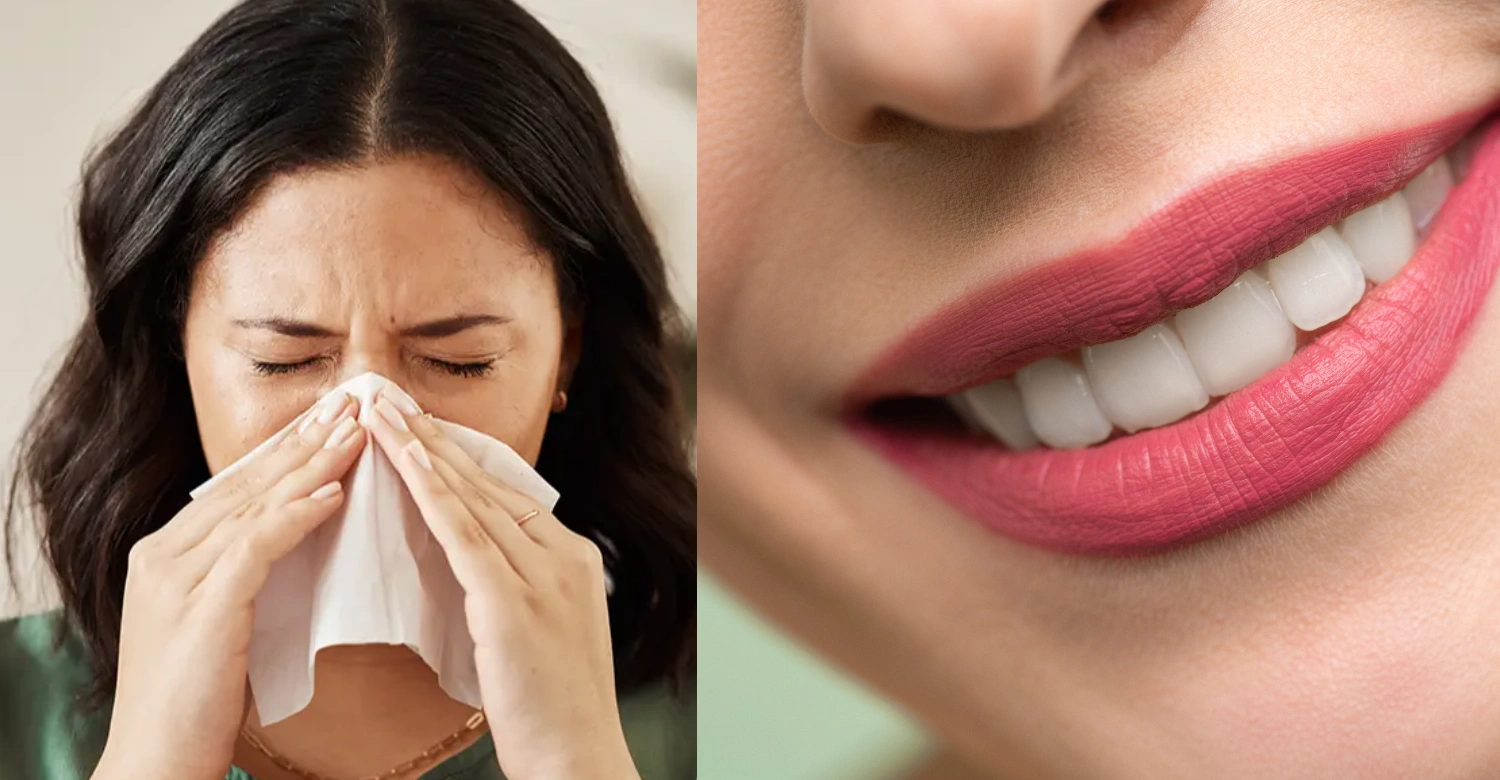
Note : All images used are for editorial and illustrative purposes only and may not originate from the original news provider or associated company.
H5N1 and Oral Health: When Should You See a Dentist?
H5N1 Bird Flu and Oral Health should not prevent patients from seeking necessary dental care. Contact a dentist when severe tooth pain persists or worsens. Facial swelling may indicate a dental infection requiring prompt assessment. Uncontrolled oral bleeding also requires professional attention. Dental trauma involving permanent teeth should be evaluated as soon as possible. Patients should call the dental practice before arriving when H5N1 is suspected. This allows the clinical team to consider appropriate infection-control arrangements. Non-urgent treatment may be postponed depending on symptoms and medical advice. Medical assessment should take priority when fever, respiratory symptoms, or significant exposure are present. Difficulty breathing or swallowing requires urgent medical evaluation. Dentists can coordinate with medical professionals when systemic illness affects dental treatment decisions. Early communication helps protect patients while preventing unnecessary delays.
Urgent Dental Symptoms
H5N1 Bird Flu and Oral Health should not prevent appropriate evaluation of urgent dental symptoms. Severe toothache can indicate an infection requiring professional treatment. Facial swelling can also signal a potentially serious dental infection. Uncontrolled bleeding requires prompt dental assessment. Dental trauma may require rapid treatment to improve the chance of preserving affected teeth. Difficulty swallowing or breathing requires emergency medical attention. Patients should inform the dental team about suspected H5N1 before attending. Calling ahead allows appropriate infection-control planning. Dental professionals can determine whether immediate treatment is necessary. They can also coordinate with medical teams when infectious illness complicates care. Prompt communication helps balance oral-health needs with infection-control requirements.
When to Contact a Medical Professional
H5N1 Bird Flu and Oral Health become medically significant when oral complaints accompany possible influenza exposure. Contact a medical professional after relevant exposure and compatible symptoms. Sore throat, fever, cough, conjunctivitis, and fatigue can occur during H5N1 infection. Severe respiratory symptoms require urgent evaluation. Patients should mention animal exposure and symptom timing during medical assessment. Testing may be considered based on exposure and clinical circumstances. People with suspected exposure should follow monitoring recommendations. CDC currently advises symptom monitoring for ten days after the last exposure. Medical professionals can provide individualized advice based on the patient's situation. Dental symptoms should still receive dental evaluation when necessary.
What Information Should You Share With Your Dentist?
H5N1 Bird Flu and Oral Health require accurate communication before dental treatment. Tell your dentist about recent exposure to potentially infected animals. Explain whether symptoms such as fever, cough, or sore throat have developed. Mention when symptoms started and whether testing has occurred. Share relevant instructions received from medical or public-health professionals. Explain any urgent dental symptoms separately from respiratory symptoms. This distinction helps clinicians identify the likely source of each complaint. Patients should also disclose recent dental treatment when relevant. Avoid attending unannounced when suspected infection is present. Calling first allows the practice to determine appropriate next steps. Good communication supports safer scheduling, assessment, and infection-control planning.
Learn more about restorative dentistry
How Vitrin Clinic Approaches Patient Safety
H5N1 Bird Flu and Oral Health require appropriate patient assessment before dental procedures are performed. Vitrin Clinic places patient safety and individualized assessment at the center of treatment planning. Patients with suspected infectious illness should communicate their symptoms and exposure history before visiting. This information can help determine whether elective treatment should proceed. Dental teams can also consider appropriate infection-control measures based on current guidance. Digital diagnostic systems may support dental assessment when treatment is clinically appropriate. CBCT and digital X-rays can provide detailed information for specific dental conditions. These technologies do not diagnose H5N1 infection or replace medical testing. Vitrin Clinic's digital workflow can support efficient communication between clinicians and patients. Urgent dental conditions are assessed according to clinical need. Medical concerns remain under the direction of appropriate healthcare professionals.
Infection-Control and Patient Assessment
H5N1 Bird Flu and Oral Health require careful patient assessment before dental procedures. Vitrin Clinic can evaluate treatment needs while considering relevant medical information. Patients with suspected infectious illness should communicate their status before attending. This allows the clinical team to consider appropriate precautions. Elective treatment may require rescheduling depending on the patient's circumstances. Urgent problems can be assessed according to clinical necessity. Infection-control procedures remain an essential part of dental practice. Patient history can also help identify conditions requiring medical referral. Dental professionals should distinguish systemic symptoms from oral conditions requiring treatment. The approach should always follow current public-health recommendations. Patient safety remains central to treatment planning and clinical decision-making.
Digital Dental Diagnostics and Treatment Planning
H5N1 Bird Flu and Oral Health can involve dental concerns requiring accurate assessment after medical considerations are addressed. Vitrin Clinic uses digital technologies to support dental diagnosis and treatment planning. Digital systems can provide detailed information while reducing unnecessary procedural steps. These technologies do not diagnose H5N1 infection. Medical testing remains necessary when influenza infection is suspected. Dental imaging instead focuses on teeth, bone, periodontal structures, and treatment planning. Appropriate diagnostic tools depend on the patient's clinical needs. Digital workflows can support communication between clinicians and patients. They can also help visualize treatment options before procedures begin. Safety considerations should always precede elective diagnostic or treatment procedures.
CBCT and Digital X-Rays
H5N1 Bird Flu and Oral Health may require dental imaging when an independent dental problem needs investigation. CBCT provides three-dimensional information about dental and maxillofacial structures. Digital X-rays provide detailed views for many routine dental assessments. These technologies support dental diagnosis rather than influenza diagnosis. Imaging should only be performed when clinically justified. The dental team can determine the appropriate imaging method based on symptoms. CBCT may assist implant planning, complex surgical assessment, and bone evaluation. Digital X-rays can support evaluation of decay, infection, and other dental conditions. Vitrin Clinic incorporates digital diagnostic technology within its broader treatment-planning workflow. Infection-control considerations remain important regardless of the imaging technology used.
3D Intraoral Scanning
H5N1 Bird Flu and Oral Health may involve restorative or orthodontic treatment requiring accurate digital records. A 3D intraoral scanner creates a digital representation of the patient's oral structures. It can support crowns, veneers, aligners, and other restorative workflows. Scanning does not diagnose viral infection or replace medical testing. The technology can reduce the need for traditional physical impressions in suitable cases. Digital records can also improve communication between clinicians and dental laboratories. Vitrin Clinic uses digital scanning as part of its modern treatment workflow. The technology is selected according to the patient's treatment requirements. Infection-control procedures remain necessary when intraoral equipment is used. Elective scanning should also consider the patient's infectious status.
Digital Treatment Planning
H5N1 Bird Flu and Oral Health should be considered alongside safe and individualized dental planning. Digital treatment planning can help clinicians organize complex restorative or implant procedures. Digital records may combine photographs, scans, radiographs, and other diagnostic information. This supports clearer visualization of planned dental treatment. Digital planning does not determine whether H5N1 infection is present. Medical assessment remains separate from dental treatment planning. At Vitrin Clinic, digital workflows can support communication between clinical teams. Patients can also better understand proposed treatment stages. Treatment timing should still reflect medical status and infection-control requirements. Technology supports clinical decisions rather than replacing professional judgment.
Discover more about impacted canine tooth
Vitrin Clinic’s Approach to International Dental Patients
H5N1 Bird Flu and Oral Health should be considered when international patients plan elective dental treatment. Vitrin Clinic provides personalized dental assessment based on each patient's clinical requirements. International patients should disclose relevant medical conditions, symptoms, and suspected infectious exposures before treatment. This information helps the clinical team organize appropriate care and scheduling. Digital diagnostics can support treatment planning and communication with international patients. The clinic's workflow can include digital X-rays, CBCT, and 3D intraoral scanning when clinically indicated. These technologies support dental treatment planning rather than diagnosing infectious diseases. Patients can receive individualized explanations of procedures and expected treatment stages. Aftercare planning is also important for patients returning home after treatment. When illness is suspected, medical evaluation should take priority before elective dental travel. Safe treatment planning depends on communication between patients and healthcare professionals.
Personalized Dental Assessment
H5N1 Bird Flu and Oral Health should be considered when international patients require dental care during illness. Vitrin Clinic begins treatment planning with assessment of the patient's dental needs. Relevant medical information should also be communicated before treatment. Patients traveling internationally should consider their health status before scheduling elective procedures. Suspected infectious illness may require medical evaluation before dental travel. A personalized assessment helps determine which dental procedures are appropriate. Digital records can support communication before and during the treatment process. Treatment planning can then be adjusted according to clinical findings. The priority remains appropriate dental care rather than unnecessary procedures. International patients should follow both local health requirements and clinical recommendations.
Patient-Centered Dental Care
H5N1 Bird Flu and Oral Health require patient-centered communication when infectious illness affects dental planning. International patients may have different medical histories, dental concerns, and treatment expectations. Clear communication helps clinicians understand the patient's priorities. It also allows potential health concerns to be identified before treatment. Vitrin Clinic focuses on individualized dental planning for international patients. Dental procedures should be selected according to clinical need and suitability. Patients should provide accurate information about relevant symptoms and recent exposures. This information supports safer scheduling and treatment decisions. Patient-centered care also includes explaining procedures, expected stages, and aftercare requirements. Medical concerns should always be addressed through appropriate healthcare professionals.
Digital Workflow and Aftercare Support
H5N1 Bird Flu and Oral Health can influence how international dental treatment is scheduled and coordinated. Vitrin Clinic uses digital workflows to support treatment planning and communication. Digital records can help organize diagnostic information before procedures. Patients can receive clearer explanations of treatment stages and expected outcomes. Aftercare remains important following restorative, implant, or cosmetic procedures. International patients should understand follow-up requirements before returning home. Any new symptoms should be communicated promptly to the appropriate healthcare professional. Suspected infectious illness should also be reported before attending follow-up appointments. Digital communication can support continuity when patients are no longer physically present. However, remote communication cannot replace urgent medical or dental examination when required.
Learn more about abscessed tooth
Conclusion About H5N1 Bird Flu and Oral Health
H5N1 Bird Flu and Oral Health are connected mainly through systemic illness, exposure prevention, hydration, hygiene, and dental-care planning. Sore throat is a recognized symptom of human H5N1 infection. However, common dental diseases are not established as direct manifestations of H5N1. Patients should avoid diagnosing infection from mouth symptoms alone. Exposure history remains important when compatible symptoms develop. Medical assessment should take priority after significant exposure or concerning symptoms. Dental problems should still receive appropriate professional attention when necessary. Patients should contact dental practices before appointments when infection is suspected. This allows appropriate infection-control planning and appointment decisions. Vitrin Clinic emphasizes individualized assessment, digital treatment planning, and patient-centered dental care. Accurate information helps patients protect both their general health and oral health during recovery.
Reference
FAQs
Dr. Rifat Alsaman has more than 5 years of clinical experience in dentistry and currently serves as the Head of the Medical Team at Vitrin Clinic. He is dedicated to providing exceptional patient care, overseeing treatment planning, and ensuring the highest clinical standards across the team. His expertise, attention to detail, and commitment to continuous professional development have helped countless patients achieve healthier, more confident smiles.


