General Dentistry
September 10, 2026
Melioidosis and Oral Health: What is the Link Between Them?
 Dr. Rifat Alsaman
Melioidosis and Oral Health is a topic patients rarely think about together, yet it matters more than most realize. Melioidosis is a potentially serious bacterial infection caused by Burkholderia pseudomallei, and it can affect several organs at once. When a patient is fighting a systemic infection, oral health becomes part of the bigger picture of recovery. Mouth or gum changes should never be automatically assumed to come from melioidosis itself. This article focuses on recognizing possible Melioidosis oral symptoms, protecting daily oral health, and knowing exactly when medical evaluation is truly needed. Coordinated care between the dentist and the treating medical team remains essential throughout.
Melioidosis and Oral Health: What Is the Connection?
Melioidosis & Oral Health connect because any systemic bacterial infection can influence the body's overall condition, including the mouth. Fatigue, dehydration, and reduced immunity during serious illness can make oral tissues more vulnerable. What is known about Melioidosis and dental health remains limited, and most reported findings are nonspecific. It is important to distinguish documented oral findings from general symptoms that simply accompany serious infection elsewhere in the body. Oral symptoms can have many possible causes, from decay to trauma to unrelated conditions. This is exactly why dentists should always review a patient's complete medical history before planning any invasive treatment, especially during active systemic illness.
What Is Melioidosis?
Melioidosis is caused by Burkholderia pseudomallei, a bacterium typically found in contaminated soil and water. Exposure usually happens through skin cuts, inhalation, or ingestion in affected regions. The infection can involve the lungs, skin, joints, and internal organs, making systemic involvement a real concern. Because it can spread and worsen quickly, diagnosis and medical treatment should never be delayed. Early recognition by a physician is the priority. Dental teams should understand this urgency too. A patient's overall medical stability directly shapes what dental care can safely proceed. Melioidosis and Oral Health only intersect once the systemic picture is properly understood by the treating physician.
Can Melioidosis Directly Affect the Mouth?
Reported oral manifestations of melioidosis are limited and often nonspecific in the available literature. Mouth ulcers, swelling, gum changes, or pain should never be assumed to be melioidosis without proper clinical assessment. Many of these signs overlap with common dental conditions that are far more frequent in everyday practice. It is essential to differentiate true oral manifestations from symptoms that appear simply because the whole body is fighting serious illness. A careful, unhurried evaluation avoids under-treating a real dental issue. It also avoids unnecessary alarm about a rare systemic connection that may not apply.
Explore HIV symptoms and oral health
Melioidosis Oral Symptoms Patients Should Know
Melioidosis oral symptoms should be introduced carefully, since they do not occur in every patient with this infection. Some patients may notice mouth changes that prompt a dental or medical evaluation, while many others notice nothing at all in the mouth. Awareness matters, but so does perspective. Melioidosis and Oral Health should always be discussed without exaggerating how common these symptoms truly are. Oral symptoms alone can never diagnose melioidosis, and they should never replace proper laboratory testing or physician evaluation. Patients noticing anything unusual in the mouth during illness should mention it during both dental and medical visits.
Melioidosis Mouth Symptoms That May Require Evaluation
Melioidosis mouth symptoms that may warrant a closer look include oral soreness or pain and unusual swelling. Persistent ulcers or lesions that do not heal normally are also worth noting. Gum inflammation or bleeding can also appear alongside other systemic signs. Some patients experience difficulty eating, swallowing, or maintaining normal oral hygiene while feeling generally unwell. Persistent changes that fail to improve with routine dental care deserve particular attention. None of these signs confirm melioidosis on their own. Each one is still a reasonable reason to schedule an evaluation rather than waiting. Thinking about Melioidosis and Oral Health together simply means noticing changes early and reporting them promptly.
Melioidosis Symptoms in the Mouth vs. Common Dental Problems
Melioidosis symptoms in the mouth can closely resemble periodontal disease, dental abscesses, trauma, fungal infections, or other systemic conditions entirely unrelated to Burkholderia pseudomallei. This overlap makes clinical examination absolutely essential before drawing any conclusions. A dentist trained to recognize red flags can usually identify a straightforward dental cause quickly. When findings are unusual, persistent, or accompanied by systemic illness, laboratory or medical investigation may become appropriate. This layered approach protects patients from both missed dental diagnoses and unnecessary worry about a rare and often unrelated systemic infection. Approaching Melioidosis and Oral Health this way keeps decisions grounded in evidence rather than assumption.
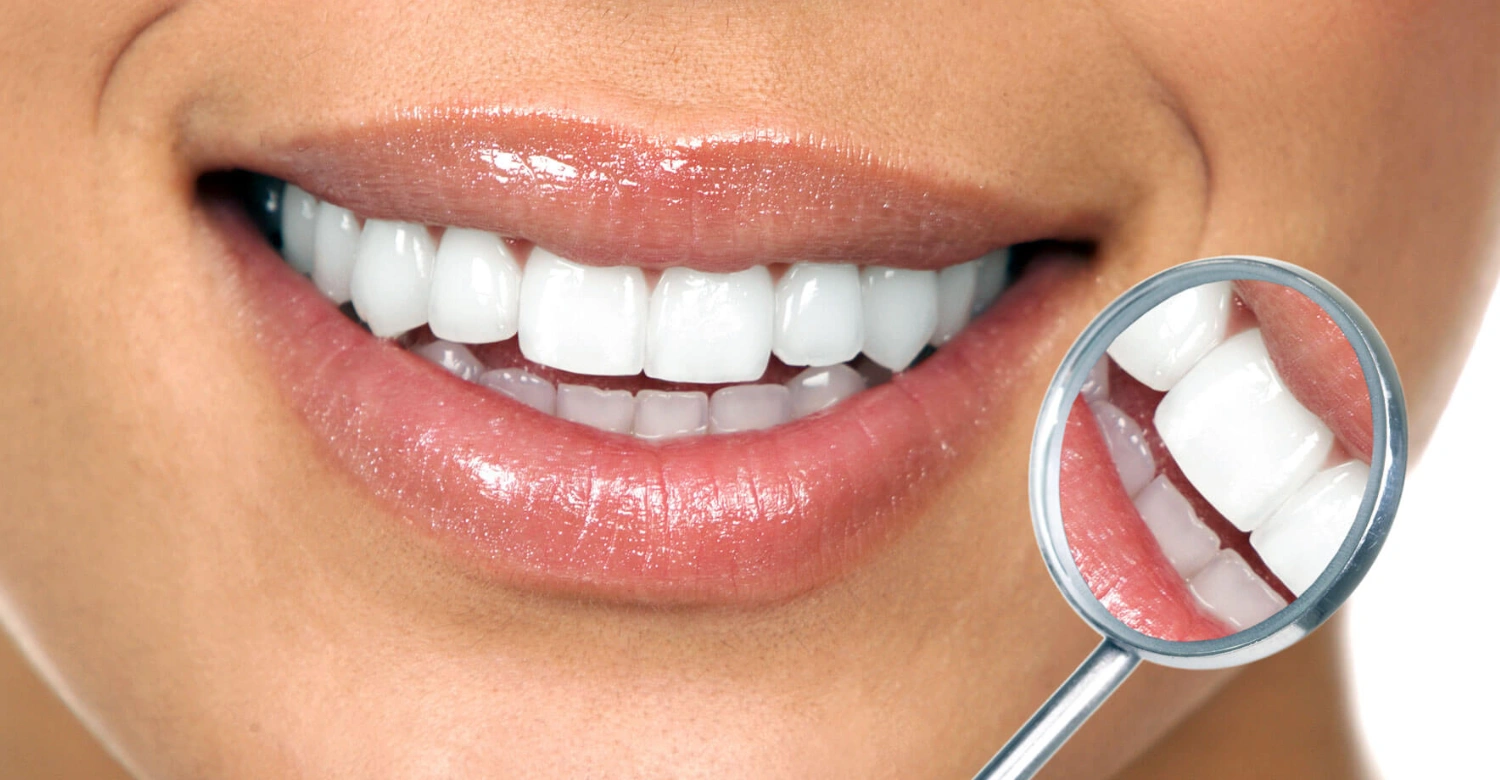
Note: All images used are for editorial and illustrative purposes only and may not originate from the original news provider or associated company
Discover more about ferroptosis in periodontitis
Melioidosis and Oral Infections: What Dentists Need to Consider
Melioidosis and oral infections require a clear distinction between a primary oral infection and oral findings that simply occur alongside systemic disease elsewhere. From a clinical perspective, most oral infections dentists see daily have straightforward local causes like decay or gum disease. Melioidosis and Oral Health should be considered together only when the full clinical picture supports that connection. Unexplained infection, fever, swelling, or systemic symptoms should never be treated as an isolated dental problem. Recognizing when something extends beyond routine dentistry protects patients and ensures they reach the right medical team quickly.
When a Dental Infection Needs Urgent Medical Attention
Certain warning signs mean a dental infection needs urgent medical attention rather than routine dental care alone. These include facial swelling paired with systemic symptoms, fever or chills, and rapidly progressing swelling that worsens over hours rather than days. Difficulty breathing or swallowing is a true emergency requiring immediate care. Severe weakness or other signs of systemic illness also demand prompt medical assessment. Recognizing these red flags quickly can prevent serious complications. Any dental provider noticing these combined signs should refer the patient for urgent medical evaluation without delay or hesitation. Melioidosis and Oral Health decisions in this setting always favor caution over waiting.
Tips for Patients
Tell your dentist if you have been diagnosed with or are being evaluated for melioidosis.
Provide an updated medication list.
Do not self-treat suspected bacterial infections with leftover antibiotics.
Maintain gentle daily brushing and interdental cleaning as tolerated.
Stay adequately hydrated when medically appropriate.
Report persistent oral ulcers, swelling, bleeding, or unexplained pain.
Seek urgent medical care for severe systemic or airway-related symptoms.
Follow the medical treatment plan provided for melioidosis.
Resume elective dental or cosmetic treatment only after appropriate medical assessment.
Learn more about sialadenitis
Melioidosis Oral Health Complications and Dental Risks
Melioidosis oral health complications should be explored carefully, distinguishing established findings from theoretical concerns that remain unproven. Systemic illness can make routine oral care genuinely more difficult for patients to maintain consistently. Dehydration, reduced appetite, fatigue, and difficulty performing daily hygiene routines are common during serious infection of any kind. Melioidosis and Oral Health intersect here because neglected hygiene during illness can allow ordinary dental problems to worsen unnoticed. Uncontrolled systemic disease may also influence dental treatment planning directly, since medical stability often determines what procedures can safely proceed and what must wait.
Melioidosis and Gum Health
Melioidosis and gum health deserve attention within the broader context of maintaining periodontal health during any systemic illness. Gum bleeding or inflammation should always be properly assessed rather than automatically attributed to melioidosis without evidence. Plaque control remains important even when a patient feels unwell, though gentleness matters more than intensity during recovery. Professional periodontal evaluation helps distinguish ordinary gum disease from anything unusual worth flagging to the medical team. Consistent, gentle oral care during illness supports long-term periodontal stability and can prevent minor gum issues from becoming larger dental problems later.
Melioidosis Dental Complications: What Patients Should Watch For
Melioidosis dental complications that patients should watch for include persistent dental pain, gum swelling, and oral lesions that linger beyond a normal healing window. Difficulty eating and worsening oral hygiene are also worth noting during recovery. Delayed recovery from existing dental problems, such as a wound that normally heals quickly but does not, deserves a dental appointment. None of these symptoms confirm a direct link to melioidosis on their own. They simply signal that a dental evaluation is reasonable, particularly when combined with ongoing systemic illness or slow overall recovery from infection.
Discover what can cause loss of taste
How Melioidosis Can Influence Dental Treatment Planning
Melioidosis & Oral Health both factor into how dental treatment gets planned for an affected patient. The dentist needs to know about an active or recently treated systemic infection before any procedure begins. Reviewing medications and relevant medical information helps avoid interactions or complications during treatment. The urgency of the dental problem itself must also be assessed honestly. Coordinating with the patient's physician when appropriate ensures decisions are made safely together. Elective invasive procedures may need reconsideration entirely during serious systemic illness, since the body's healing capacity is already occupied elsewhere.
Dental Examination and Medical History
A thorough dental examination during this process includes a full oral examination and periodontal assessment alongside a careful review of current symptoms. Medication history matters greatly, since some drugs affect healing or bleeding risk during dental procedures. Relevant laboratory and medical information should be gathered when available, ideally in communication with the treating physician. Imaging may be used when clinically indicated to clarify findings that a visual exam cannot fully explain. This complete picture allows the dental team to plan treatment that respects both oral needs and overall medical safety. Melioidosis and Oral Health assessments rely heavily on this kind of thorough, unhurried groundwork before any procedure begins.
When Should Dental Treatment Be Delayed?
Timing depends entirely on the patient's medical condition, current infection status, ongoing treatment, and the urgency of the dental issue itself. There is no single fixed waiting period that applies to every patient equally. Emergency dental care, such as treating severe pain or infection, is handled differently from elective cosmetic procedures that can reasonably wait. Melioidosis & Oral Health decisions should always be individualized rather than following a rigid formula. A dentist weighing these factors together, ideally alongside the medical team, reaches the safest and most appropriate timeline for each specific patient.
Learn more about yellow tongue
Treatment for Oral Problems in Patients With Melioidosis
Melioidosis itself requires medical treatment, not routine dental treatment, and this distinction matters greatly for patients. Dental care addresses coexisting oral disease or symptoms that happen to occur during or after the infection. Melioidosis and Oral Health treatment plans must stay individualized, since no two patients present with identical circumstances or medical histories. A dentist's role is to manage the mouth safely while respecting the broader medical picture. Close attention to timing, medication interactions, and overall patient wellbeing shapes every decision made during this collaborative treatment process.
Managing Pain, Infection, and Oral Discomfort
Managing oral discomfort starts with identifying the underlying dental cause accurately before any treatment begins. Appropriate dental treatment can then proceed when it is medically safe to do so. Supportive oral hygiene, including gentle brushing and rinsing, helps patients stay comfortable during recovery from any infection. Avoiding unnecessary antibiotics or self-medication is important, since improper use can complicate recovery or mask real symptoms. Antibiotic decisions for melioidosis itself always belong to the medical team, not the dental office, and this boundary should be respected consistently throughout treatment. Melioidosis & Oral Health both improve when this division of responsibility stays clear to everyone involved.
Treating Gum Disease During Systemic Illness
Treating gum disease during systemic illness starts with a professional periodontal assessment to understand the true extent of the problem. Gentle but effective plaque control keeps bacteria in check without overwhelming a patient who already feels unwell. Scaling or other periodontal treatment can proceed when clinically appropriate and medically safe. Timing treatment according to the patient's overall health remains the guiding principle throughout this process. Melioidosis & Oral Health both benefit when periodontal care continues thoughtfully rather than being ignored entirely until the systemic illness fully resolves.
Can Cosmetic Dental Treatment Be Performed During Melioidosis?
Elective veneers, crowns, implants, or full-mouth cosmetic procedures are generally not the immediate priority during active serious infection of any kind. Medical stabilization should always come first, well before purely aesthetic dental work is considered. Melioidosis and Oral Health priorities shift noticeably once systemic illness is involved, placing safety ahead of appearance temporarily. Cosmetic treatment can absolutely be reconsidered later, once appropriate medical evaluation confirms recovery and stability. Patients eager to proceed with cosmetic dentistry are better served by waiting for medical clearance rather than rushing elective procedures during active illness.
Discover more about salivary gland stones
Can Good Oral Hygiene Help During Melioidosis Recovery?
Good oral hygiene plays a real supportive role during systemic illness, even though it cannot treat melioidosis directly. Brushing twice daily when tolerated helps prevent unrelated dental problems from developing during recovery. Interdental cleaning supports gum health alongside regular brushing routines. Maintaining hydration matters for overall comfort and general healing throughout illness. Managing dry mouth or reduced saliva when present can prevent additional discomfort or decay risk. Professional dental follow-up after recovery ensures nothing was missed during the illness itself. Melioidosis and Oral Health both improve when daily habits continue consistently, even during difficult recovery periods.
Learn more about salivary glands
When Should You See a Dentist After Melioidosis?
Patients recovering from melioidosis should consider a dental visit if they notice persistent mouth pain that does not settle on its own. Gum inflammation or bleeding that continues after recovery also warrants attention from a dental professional. Oral ulcers that do not resolve within a reasonable timeframe deserve evaluation rather than continued waiting. Dental sensitivity or suspected decay should be checked promptly to prevent further damage. Difficulty chewing or new swelling and changes in the mouth are additional reasons to schedule an appointment. Follow-up timing should depend on medical recovery progress alongside the patient's specific dental needs at that time. Melioidosis and Oral Health remain connected even after the systemic infection has resolved, since the mouth may still need attention.
What We Notice Clinically
Dr. Rifat Alsaman, Head of the Medical Team at Vitrin Clinic and cosmetic dentist, explains this well. Systemic infections can genuinely change the priorities of dental treatment planning. A dentist should never diagnose melioidosis based on oral symptoms alone, since the signs are simply too nonspecific for that. Identifying red flags and reviewing the patient's medical history carefully remains essential before any decision is made. Elective cosmetic dentistry should be carefully timed around the patient's overall medical condition rather than a fixed schedule. Communication between dental and medical professionals matters whenever systemic infection is suspected or confirmed in a patient.
Discover more about white tongue
Clinical Note
Melioidosis is a serious systemic infection and should be medically evaluated and treated by the appropriate healthcare team without delay. Oral symptoms are not necessarily specific to melioidosis, and this bears repeating throughout any discussion of the topic. Melioidosis bacterial infection and oral health should therefore be considered together without assuming direct causation between the two. Persistent oral lesions, gum problems, swelling, or dental pain require a proper dental examination regardless of the underlying cause. Fever, significant facial swelling, difficulty swallowing, breathing problems, or rapidly worsening symptoms require urgent medical attention immediately. Dentists should obtain relevant medical information before performing invasive procedures on patients with significant systemic illness of any kind. This clinical note summarizes how Melioidosis and Oral Health should be approached responsibly, without assumption or unnecessary delay.
Learn more about tongue bumps
How Vitrin Clinic Approaches Dental Care for Medically Complex Patients
Vitrin Clinic approaches medically complex patients by reviewing medical history thoroughly before any dental procedure begins, ensuring nothing important is overlooked. Individualized treatment planning guides every case, since no two patients arrive with identical medical circumstances or needs. Appropriate diagnostic assessment and digital dental technology are used when clinically indicated to support accurate decision-making. The dental team can determine whether a patient's oral concern requires routine dental care, urgent assessment, or coordination with their medical team. Systemic infections always require appropriate medical management outside cosmetic dentistry, and this boundary is respected consistently at every stage of care.
References:
FAQs
Dr. Rifat Alsaman has more than 5 years of clinical experience in dentistry and currently serves as the Head of the Medical Team at Vitrin Clinic. He is dedicated to providing exceptional patient care, overseeing treatment planning, and ensuring the highest clinical standards across the team. His expertise, attention to detail, and commitment to continuous professional development have helped countless patients achieve healthier, more confident smiles.


.webp&w=3840&q=75)