General Dentistry
August 17, 2026
Oral Appliance for Sleep Apnea: Can an Oral Appliance Help Treat Sleep Apnea?

An Oral Appliance for Sleep Apnea can help selected adults manage obstructive sleep apnea during sleep. The device usually repositions the lower jaw to help maintain a more open airway. Professional guidelines support custom, titratable appliances for appropriate adults with obstructive sleep apnea. Treatment suitability depends on sleep apnea severity, dental health, jaw function, and treatment preferences. Oral appliances may be especially useful when CPAP is poorly tolerated or another option is preferred. However, they should follow proper diagnosis rather than replace professional sleep evaluation. Vitrin Clinic can support the dental assessment, appliance fitting, adjustment, and follow-up process. The objective is not simply reducing snoring. The objective is improving airway function while protecting long-term oral health.
What Is an Oral Appliance for Sleep Apnea?
It is designed to reduce upper-airway obstruction through controlled positioning of oral structures. Most therapeutic devices advance the lower jaw. This movement can influence the tongue and surrounding soft tissues. The resulting airway changes may reduce the frequency of obstructive breathing events. The American Dental Association recognizes oral appliances as an established treatment option for appropriate patients. These devices differ from ordinary night guards. Their design specifically considers airway mechanics and therapeutic jaw positioning. Professional assessment remains essential before treatment. A dentist should evaluate teeth, gums, jaw movement, restorations, and existing bite relationships.
How Does an Oral Appliance Work for Sleep Apnea?
An oral device works mainly by repositioning the lower jaw during sleep. This forward position can help prevent the jaw and tongue from moving backward. Obstructive sleep apnea involves repeated narrowing or collapse of the upper airway. The device attempts to reduce that collapse through mechanical positioning. The American Dental Association explains that oral appliances can stabilize the mandible. They can also help prevent recurrent collapse involving the tongue and surrounding tissues. Most adjustable appliances allow gradual advancement. This helps clinicians balance airway improvement with comfort. Treatment should not rely only on symptom improvement. Follow-up testing may help confirm whether breathing abnormalities have actually improved.
What Is a Sleep Apnea Mouth Guard?
A sleep apnea mouth guard is a general term for a therapeutic dental device. It usually refers to an appliance designed to influence airway positioning. The term can create confusion because ordinary mouth guards have different purposes. A protective night guard primarily manages grinding or protects teeth. A therapeutic appliance has a specific airway objective. Many devices advance the mandible during sleep. The ADA identifies mandibular advancement devices and tongue-retaining devices among oral treatment approaches. Patients should therefore avoid assuming every mouthpiece can treat apnea. A professional evaluation helps determine whether the device design matches the patient's needs.
Oral Appliance vs. Regular Night Guard
A regular night guard primarily protects teeth from grinding forces. It does not specifically aim to prevent upper-airway collapse. A therapeutic appliance has a different mechanical purpose. It changes jaw or tongue positioning to support airway openness. This distinction is clinically important. A patient could wear a comfortable night guard while untreated sleep apnea continues. Professional guidelines recommend custom, titratable appliances when oral therapy is prescribed for obstructive sleep apnea. Therefore, patients should not substitute a standard night guard for prescribed sleep treatment. The correct device depends on diagnosis, anatomy, dental health, and treatment goals.
Clinical Note
An Oral Appliance for Sleep Apnea should be evaluated as a medical treatment with dental implications. Comfort is important, but comfort alone does not demonstrate treatment effectiveness. The dentist should assess the patient's teeth, periodontal tissues, bite, and jaw function. Existing restorations and tooth mobility may influence appliance selection. The ADA recommends dental and periodontal monitoring during long-term appliance treatment. Follow-up can identify discomfort, bite changes, or other dental effects early. At Vitrin Clinic, individualized assessment can help integrate appliance planning with broader dental care.
Who Can Use an Oral Appliance for Sleep Apnea?
A dental sleep appliance is generally considered for adults with confirmed obstructive sleep apnea. It is not automatically suitable for every patient. The AASM and AADSM recommend considering oral appliances for adults who cannot tolerate CPAP. They also support consideration when patients prefer an alternative treatment. Oral therapy is commonly discussed for mild-to-moderate obstructive sleep apnea. Some patients with severe disease may also use it under appropriate clinical guidance. Patient selection requires medical and dental assessment. Severity, anatomy, oral health, jaw movement, and treatment expectations all matter.
Oral Appliance for Obstructive Sleep Apnea
This type of dental device is primarily used for obstructive rather than central sleep apnea. Obstructive apnea occurs when the upper airway repeatedly narrows or collapses during sleep. The appliance attempts to reduce this physical obstruction. Mandibular advancement is one of the most established mechanisms. The ADA identifies oral appliance therapy as a treatment option for mild-to-moderate OSA. It also recognizes use in some patients with severe apnea who cannot tolerate PAP therapy. However, treatment should follow appropriate sleep evaluation. A dentist should not diagnose sleep apnea solely from snoring. Sleep specialists can determine the diagnosis and severity before dental treatment begins.
Who Is a Good Candidate for Oral Appliance Therapy?
A suitable candidate generally has confirmed obstructive sleep apnea. They should also have sufficient dental support for appliance retention. People with mild-to-moderate disease may be appropriate candidates. Patients unable to tolerate CPAP may also discuss alternative therapy. The AASM recommends custom, titratable devices rather than non-custom appliances. Dental health also influences suitability. Loose teeth, severe periodontal disease, significant jaw problems, or extensive restorations may require additional evaluation. Treatment decisions should therefore be individualized. The patient's ability to use the device consistently also matters.
When an Oral Appliance May Not Be Suitable
An Oral Appliance for Sleep Apnea may not suit every patient. Severe dental problems can complicate appliance retention and comfort. Significant temporomandibular disorders may also require careful evaluation. Limited jaw movement can affect appliance positioning. Severe obstructive sleep apnea requires particularly careful medical management. CPAP may remain the preferred treatment because it generally provides stronger physiological control. Patients should never replace prescribed treatment without professional guidance. A combined medical and dental evaluation provides safer treatment planning.
Dr. Rifat Alsaman's Clinical Opinion
Dr. Rifat Alsaman emphasizes that dental sleep treatment should begin with diagnosis. Appliance selection should follow clinical assessment rather than product marketing. The device must support airway management while respecting dental structures. Tooth stability, periodontal health, bite relationships, and jaw movement all deserve attention. Treatment success also depends on regular monitoring. Persistent symptoms should trigger reassessment rather than automatic appliance advancement. At Vitrin Clinic, the focus can remain on individualized treatment planning and long-term dental monitoring.
How Effective Is Oral Appliance Therapy for Sleep Apnea?
An Oral Appliance for Sleep Apnea can improve obstructive sleep apnea in appropriately selected adults. However, effectiveness varies significantly between patients. Custom appliances have demonstrated improvements compared with no treatment or placebo devices. The response depends on airway anatomy, disease characteristics, appliance design, advancement, and adherence. One important statistic comes from an NHLBI-supported study involving 93 adults. Researchers developed a model predicting treatment effectiveness in 61% of participants. That finding applies to the studied population and should not be treated as a universal success rate. Objective sleep testing remains valuable after appliance titration.
Does an Oral Appliance Help Sleep Apnea?
Yes, an Oral Appliance for Sleep Apnea can help appropriate adults with obstructive sleep apnea. Its primary action involves repositioning the jaw or tongue. The American Dental Association reports that custom appliances can improve OSA compared with no therapy. Patients may experience less snoring and improved daytime symptoms. However, subjective improvement does not always prove complete disease control. Follow-up sleep testing can provide objective evidence of treatment response. The AASM and AADSM specifically recommend follow-up sleep testing to confirm efficacy. This makes treatment monitoring an important part of successful therapy.
How Much Can a Dental Appliance for Sleep Apnea Improve Symptoms?
A therapeutic device can reduce symptoms for some patients. Possible improvements include reduced snoring, fewer nighttime disturbances, and improved daytime alertness. The degree of improvement varies considerably. Some patients respond strongly, while others require another treatment approach. Research shows that airway anatomy can influence treatment response. The NHLBI-supported research involving 93 participants demonstrated this relationship. Patients should therefore avoid universal promises about treatment success. A sleep study provides stronger evidence than symptom changes alone. The dental team can then adjust the appliance based on clinical findings.
Factors That Affect Treatment Success
Several factors influence treatment response. These include OSA severity, airway anatomy, jaw position, dental health, appliance design, titration, and adherence. The AASM recommends custom, titratable appliances because adjustable treatment allows controlled advancement. Consistent nightly use is also important. A technically effective device provides limited practical value if patients rarely wear it. Lifestyle factors can influence sleep apnea severity as well. Weight management, sleep position, alcohol exposure, and other health factors may affect symptoms. Treatment should therefore be personalized and monitored over time.
What We Notice Clinically
An Oral Appliance for Sleep Apnea may reduce snoring before patients notice broader changes. However, quieter snoring does not necessarily mean apnea has disappeared. Clinicians should consider daytime sleepiness and witness breathing pauses. Morning headaches and fragmented sleep can also provide useful clues. Objective testing remains more reliable than symptom perception alone. The ADA recommends multidisciplinary management involving dentists, physicians, and sleep specialists. At Vitrin Clinic, dental monitoring can complement the patient's broader sleep treatment pathway.
Oral Appliance vs. CPAP for Sleep Apnea
An oral device and CPAP use different treatment mechanisms. CPAP delivers positive airway pressure through a mask. The pressure helps prevent airway collapse during sleep. An oral appliance instead changes jaw or tongue positioning. CPAP generally provides stronger reductions in apnea-related measurements. However, treatment effectiveness also depends on consistent use. Some patients find dental appliances easier to tolerate. The appropriate choice should consider disease severity, clinical effectiveness, comfort, adherence, and patient preference.
What Is the Difference Between an Oral Appliance and CPAP?
An Oral Appliance for Sleep Apnea is worn inside the mouth. CPAP uses a machine, tubing, and mask. The dental device usually advances the lower jaw. CPAP provides positive pressure to maintain airway openness. The ADA notes that PAP therapy remains an important treatment option for OSA. Oral appliances offer portability and a mask-free design. CPAP provides stronger physiological control for many patients. Neither approach is universally better. Treatment should be matched to the patient's diagnosis and ability to use the therapy consistently.
Is an Oral Appliance Better Than CPAP for Sleep Apnea?
An Oral Appliance for Sleep Apnea is not universally better than CPAP. CPAP generally produces stronger reductions in AHI and oxygen desaturation. The AASM identifies CPAP as superior for several physiological outcomes. However, some patients cannot tolerate CPAP adequately. For those patients, oral appliance therapy can provide an evidence-based alternative. Patient preference also matters when selecting long-term treatment. A therapy that patients consistently use may provide greater practical value than an abandoned therapy. Clinical decisions should therefore balance efficacy with adherence and individual circumstances.
Oral Appliance vs. CPAP for Comfort
Comfort can influence treatment adherence. An oral device does not require a facial mask or bedside machine. CPAP can cause mask discomfort, dry mouth, or nasal congestion. The ADA reports these as recognized PAP-related concerns. Dental appliances can also cause temporary jaw discomfort. Some patients experience tooth pressure, salivation changes, or oral irritation. Therefore, neither therapy should automatically be described as comfortable. Proper fitting and adjustment can improve tolerance.
Oral Appliance vs. CPAP for Travel and Lifestyle
An Oral Appliance for Sleep Apnea can be convenient during travel. It fits inside a small storage case and requires no bedside machine. CPAP equipment requires a machine, mask, tubing, and power source. This difference can matter for frequent travelers. However, portability should not outweigh treatment effectiveness. Patients with significant OSA may require CPAP or another medically appropriate therapy. Lifestyle convenience should therefore be considered alongside sleep-study findings.
Clinical Note
Treatment comparison should focus on outcomes rather than appearance. CPAP generally provides stronger physiological treatment. Oral appliances can provide an alternative for selected patients. The AASM recommends oral therapy particularly when patients cannot tolerate CPAP or prefer an alternative. The decision should involve both sleep and dental professionals. This collaborative approach can help protect airway health and oral structures.
Types of Oral Appliances for Sleep Apnea
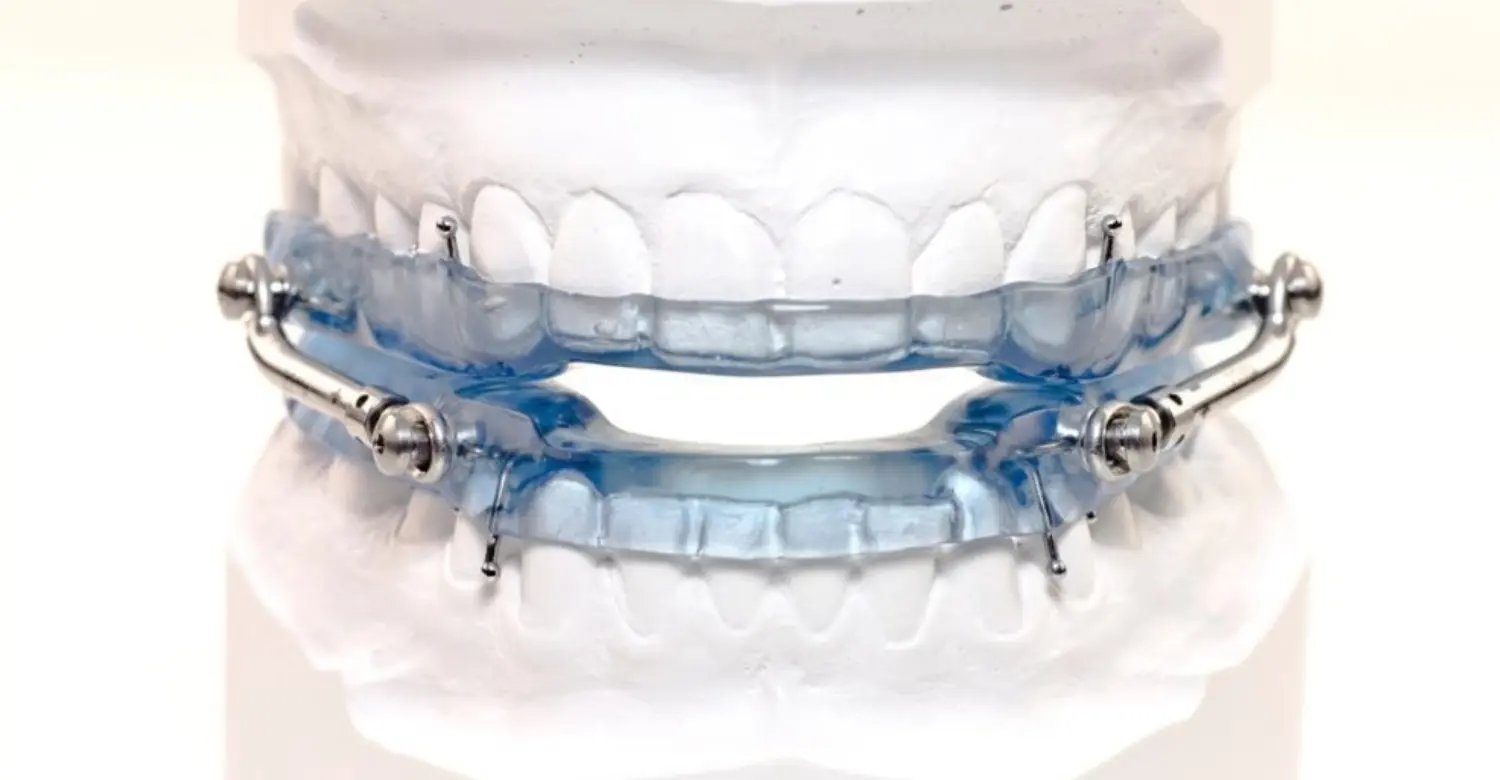
An Oral Appliance for Sleep Apnea can use different mechanical designs. Mandibular advancement devices are among the most commonly used. Tongue-retaining devices use another approach. The ADA identifies both mandibular and tongue-retaining designs. Custom appliances can also provide adjustable advancement. The appropriate design depends on dental anatomy and treatment objectives. Professional fitting is therefore more important than choosing a device based on appearance.
Mandibular Advancement Device for Sleep Apnea
A mandibular advancement device holds the lower jaw forward during sleep. This can reduce backward movement of the jaw and tongue. The resulting airway position may reduce obstruction. The ADA identifies mandibular advancement devices as a major oral treatment approach. Many modern devices allow gradual advancement. This provides greater control during treatment titration. Dental evaluation remains necessary before fabrication. The dentist should monitor jaw comfort and dental changes throughout treatment.
Custom Oral Appliance for Sleep Apnea
A Custom Oral Appliance for Sleep Apnea is designed specifically for the patient's mouth. It can account for tooth position, restorations, bite relationships, and jaw anatomy. Custom fabrication can also improve retention. The AASM and AADSM recommend custom, titratable appliances over non-custom devices. Adjustability allows treatment to progress gradually. This can help clinicians balance therapeutic advancement with comfort. Custom treatment also supports ongoing professional monitoring. Vitrin Clinic can integrate customized appliance planning with comprehensive dental assessment.
Different Types of Sleep Apnea Dental Appliances
Several dental appliance designs exist. Mandibular advancement devices move the lower jaw forward. Tongue-retaining devices hold the tongue forward. Some appliances combine different mechanical features. The best choice depends on anatomy and treatment goals. Patients should avoid selecting devices based solely on online reviews. A qualified dentist can evaluate retention, jaw movement, and dental support. Treatment monitoring remains important regardless of device type.
Why Customization Matters
Customization helps the appliance fit the patient's oral anatomy. It also allows controlled advancement. Professional guidelines favor custom, titratable appliances for adults receiving oral therapy. Customization can support comfort and treatment adherence. It also allows clinicians to monitor dental changes. This is particularly important during long-term use. The appliance should therefore be considered part of a clinical treatment plan.
Can a Mouth Guard Treat Sleep Apnea?
A therapeutic mouthpiece can help selected patients with obstructive sleep apnea. However, an ordinary mouth guard is not equivalent to a therapeutic dental appliance. A therapeutic device is designed to influence airway anatomy. A standard guard usually protects teeth from grinding. Patients should therefore obtain professional guidance before using any mouthpiece for suspected apnea. Diagnosis remains the first step.
Sleep Apnea Mouth Guard vs. Night Guard
A sleep apnea mouth guard aims to reduce airway obstruction. A night guard primarily protects teeth from grinding. The two devices may look similar but serve different purposes. Using a standard night guard does not establish effective apnea treatment. The AASM recommends custom, titratable appliances for prescribed oral therapy. Patients with both bruxism and OSA need individualized appliance planning. The dentist should consider both conditions simultaneously.
Can an Over-the-Counter Mouth Guard Treat Sleep Apnea?
Over-the-counter mouth guards should not automatically be considered apnea treatment. Generic devices may lack controlled mandibular advancement. They may also provide poor retention or uncomfortable pressure. Professional guidelines support custom, titratable devices instead. Another concern involves treatment verification. Snoring reduction does not prove that apnea events have stopped. Patients should obtain appropriate diagnosis and follow-up testing. Professional care provides a safer route to effective treatment.
Why Professional Fitting Matters
Professional fitting allows the dentist to assess the patient's dental anatomy. The device can then be adjusted for retention and therapeutic positioning. Follow-up also helps detect dental changes. The ADA reports possible long-term changes involving overbite, overjet, and mandibular crowding. Professional monitoring can identify these changes earlier. At Vitrin Clinic, fitting can be combined with dental examinations and treatment follow-up.
Benefits of an Oral Appliance for Sleep Apnea
An Oral Appliance for Sleep Apnea can offer several practical and clinical benefits. Potential benefits include reduced snoring and improved subjective sleep quality. The ADA reports that custom appliances improve OSA compared with no therapy or placebo devices. Portability is another important advantage. The device does not require a machine or electrical connection. Some patients also find dental appliances easier to integrate into nightly routines. However, benefits vary. The appliance must be worn consistently and monitored professionally.
Potential Benefits of Oral Appliance Therapy
Potential benefits include fewer obstructive events and reduced snoring. Some patients may experience improved daytime alertness. An appliance can also provide an alternative for patients unable to tolerate CPAP. The AASM specifically supports oral therapy for appropriate adults who cannot tolerate CPAP. Portability can also improve convenience. However, treatment success depends on proper selection and adherence. A comfortable appliance that is worn consistently can provide practical advantages.
Oral Appliance Therapy and Snoring
An Oral Appliance for Sleep Apnea may reduce snoring by changing airway positioning. Snoring occurs when airflow causes upper-airway tissues to vibrate. Obstructive sleep apnea can produce loud or irregular snoring. The AASM recognizes oral appliances as an effective treatment option for primary snoring. However, primary snoring should be distinguished from obstructive sleep apnea. Patients with breathing pauses or gasping require appropriate sleep evaluation. Treating noise without identifying the underlying condition can delay proper care.
Oral Appliance Therapy and Sleep Quality
Sleep apnea can repeatedly disrupt sleep. Reducing airway obstruction may help improve sleep continuity. The ADA reports improvements in subjective sleepiness and sleep-related outcomes with custom appliances. However, persistent fatigue can have several causes. Insomnia, medication effects, stress, and other sleep disorders can influence sleep quality. Patients with continued symptoms should seek reassessment. Treatment effectiveness should be evaluated using appropriate clinical measures.
Tips for Patients
Wear the device during every prescribed sleep period. Clean it according to professional instructions. Store it safely when it is not being used. Report jaw pain or tooth pressure promptly. Attend scheduled follow-up appointments. The AASM recommends ongoing dental and sleep follow-up for patients receiving oral appliance therapy. Do not increase advancement without professional guidance. Continue other recommended sleep and lifestyle measures. Consistent use is essential for meaningful long-term treatment.
Side Effects and Risks of Sleep Apnea Dental Treatment
An Oral Appliance for Sleep Apnea can cause temporary or longer-term dental effects. Common short-term issues include jaw discomfort, tooth pressure, salivation changes, and oral irritation. The ADA also reports possible long-term occlusal changes. These effects vary between individuals. Professional adjustment can help manage some problems. Regular dental monitoring is particularly important during long-term treatment. Patients should report persistent symptoms rather than discontinuing treatment independently.
Common Short-Term Side Effects
Some patients initially experience morning jaw stiffness. Tooth pressure may also occur during adaptation. Increased salivation or oral irritation can develop. The NIH notes that facial muscles may require time to adapt to appliance positioning. These effects often require monitoring rather than immediate treatment discontinuation. Persistent pain should be evaluated. The appliance may require adjustment to improve comfort.
Long-Term Dental and Jaw Considerations
Long-term treatment requires dental monitoring. The ADA reports changes involving overbite, overjet, and mandibular crowding. Temporomandibular symptoms can also occur. These changes are not necessarily experienced by every patient. Regular examinations can help identify developing problems. Patients with periodontal disease or tooth mobility may require additional attention. The dentist should maintain a baseline record before treatment.
How Can Side Effects Be Reduced?
An Oral Appliance for Sleep Apnea should be professionally fitted and monitored. Gradual titration can help the jaw adapt. Regular dental examinations can identify changes early. The ADA recommends monitoring dental and temporomandibular effects during treatment. Patients should maintain excellent oral hygiene. They should also clean the appliance according to professional instructions. Any persistent pain or bite change should be reported. At Vitrin Clinic, follow-up can focus on appliance fit, comfort, and dental health.
Clinical Note
The most advanced appliance is not automatically the best appliance. Excessive jaw advancement can increase discomfort. The objective is controlled therapeutic positioning. Treatment should balance airway improvement with dental safety. The AASM recommends professional oversight rather than treatment without follow-up. This principle is especially important for long-term users.
How to Get an Oral Appliance for Sleep Apnea
An Oral Appliance for Sleep Apnea should follow confirmed diagnosis and dental assessment. The process usually involves sleep evaluation, dental examination, device selection, fitting, titration, and follow-up. The AASM recommends follow-up sleep testing to confirm treatment effectiveness. This process helps distinguish genuine treatment success from subjective improvement. Patients should not simply purchase a device and assume treatment is complete. Professional care provides a structured pathway. Vitrin Clinic can support the dental stages when oral appliance therapy is appropriate.
Step 1: Get a Sleep Apnea Diagnosis
Diagnosis should come before appliance treatment. A healthcare professional may recommend a sleep study. Testing can identify obstructive breathing events and determine disease severity. This information helps guide treatment selection. Snoring alone cannot confirm obstructive sleep apnea. Patients should therefore avoid self-treatment based only on nighttime symptoms. A confirmed diagnosis creates a safer foundation for dental therapy.
Step 2: Have a Dental and Oral Examination
The dentist evaluates the mouth before appliance fabrication. The assessment may include teeth, gums, bite, jaw movement, restorations, and TMJ function. These findings can influence appliance design. The ADA recommends comprehensive dental assessment for patients receiving oral appliance therapy. Dental conditions may need treatment before appliance fabrication. A baseline examination also helps identify future changes.
Step 3: Choose the Right Oral Appliance
An Oral Appliance for Sleep Apnea should be selected according to diagnosis and anatomy. Mandibular advancement devices are commonly used. Tongue-retaining designs may suit selected patients. Custom, titratable appliances are recommended by professional guidelines. The dentist should consider retention and comfort. The device should also allow appropriate therapeutic adjustment. Product appearance should not determine clinical selection.
Step 4: Custom Fitting and Adjustment
Custom fitting ensures that the appliance matches the patient's mouth. Adjustment can then occur gradually. The goal is to find a therapeutic position that remains tolerable. The AASM recommends titratable appliances because controlled advancement supports treatment optimization. Patients may need several adjustment visits. Jaw discomfort should be reported rather than ignored.
Step 5: Follow-Up and Treatment Monitoring
Follow-up determines whether the treatment remains appropriate. The dentist can evaluate appliance condition and dental effects. The sleep physician can assess treatment efficacy. The AASM recommends follow-up sleep testing to improve or confirm efficacy. Regular monitoring can also identify persistent symptoms. The appliance may eventually require adjustment or replacement.
Why Follow-Up Matters
An oral device is not a one-time treatment purchase. Dental structures can change during long-term use. The appliance can also wear or lose its ideal fit. The AASM recommends periodic visits with qualified dental and sleep professionals. Follow-up can identify dental changes before they become significant. It can also determine whether additional sleep testing is necessary.
Best Oral Appliance for Sleep Apnea: How to Choose
There is no universally best appliance. The appropriate choice depends on diagnosis, anatomy, dental condition, comfort, and treatment response. Professional guidance favors custom, titratable devices for suitable adults. Patients should also consider ongoing monitoring. Price should not be the primary selection factor. A more expensive device is not automatically more effective. The strongest choice is usually the appliance that combines appropriate mechanics with professional management.
What Makes an Oral Appliance Effective?
An effective appliance should maintain appropriate therapeutic positioning. It should also remain secure during sleep. Adjustability can help clinicians optimize mandibular advancement. The AASM recommends custom, titratable appliances rather than non-custom devices. Comfort also affects adherence. Follow-up testing can determine whether the appliance actually reduces breathing abnormalities. Clinical effectiveness therefore requires more than a good fit.
Is the Most Expensive Appliance the Best?
Price does not automatically predict treatment effectiveness. Important features include customization, adjustability, retention, durability, and professional follow-up. Professional guidelines focus on appliance type and clinical management rather than price. Patients should ask why a particular device is recommended. They should also ask about adjustment and monitoring. A less expensive device with appropriate design may outperform a premium device that is poorly selected.
Choosing the Best Oral Appliance for Your Needs
A dental sleep appliance should be chosen after diagnosis and dental assessment. Consider OSA severity and treatment history. Consider dental health and jaw function. Consider comfort and your ability to use the device nightly. Ask whether the appliance is custom and titratable. Ask how treatment effectiveness will be monitored. Vitrin Clinic can provide individualized dental assessment when appliance therapy is clinically appropriate.
Dr. Rifat Alsaman's Clinical Opinion
Dr. Rifat Alsaman considers appliance selection a clinical decision. The device should match airway requirements and dental anatomy. A comfortable appliance can improve adherence. However, comfort should never replace objective treatment assessment. Patients should report bite changes, jaw discomfort, or persistent sleep symptoms. Regular monitoring can help maintain treatment quality.
Oral Appliance for Sleep Apnea at Vitrin Clinic
At Vitrin Clinic, an Oral Appliance for Sleep Apnea can be approached through personalized dental assessment. The process can include oral examination, appliance selection, custom fitting, adjustment, and follow-up. Dental factors matter because the device interacts directly with teeth and jaw structures. The ADA recommends professional monitoring during long-term appliance therapy. Sleep diagnosis should still come from appropriate medical evaluation. The dental team can then coordinate appliance management with the patient's broader treatment plan.
Personalized Sleep Apnea Dental Assessment
A personalized assessment examines dental structures before appliance fabrication. The dentist can evaluate teeth, periodontal health, bite, jaw mobility, restorations, and TMJ function. These findings can influence appliance selection. The patient's sleep diagnosis should also be reviewed. The ADA supports collaboration between dentists and sleep specialists. This multidisciplinary approach can improve treatment planning.
Custom Oral Appliance Treatment and Follow-Up
Custom treatment begins with accurate assessment and fitting. The appliance can then be adjusted according to comfort and therapeutic response. Follow-up can identify dental changes and appliance wear. The AASM recommends ongoing dental and sleep follow-up. Vitrin Clinic can provide dental monitoring throughout the treatment process. Patients should continue recommended medical follow-up.
Why Choose Vitrin Clinic?
Vitrin Clinic focuses on individualized dental assessment rather than generic appliance selection. The dental team can evaluate oral structures before treatment. Custom appliance planning can then consider the patient's anatomy and treatment needs. Follow-up can monitor comfort and dental changes. This approach supports a coordinated pathway between sleep medicine and dentistry.
What We Notice Clinically About Oral Appliance Therapy
An oral device often requires adjustment before patients reach their optimal therapeutic position. Initial discomfort can occur during adaptation. Some patients need gradual advancement to improve tolerance. Dental monitoring also matters because prolonged appliance use can influence occlusion. Another important observation involves snoring. Reduced snoring does not necessarily mean complete apnea control. Objective follow-up remains important. Patients should therefore evaluate treatment through both symptoms and appropriate clinical testing.
Dr. Rifat Alsaman's Clinical Perspective
Dr. Rifat Alsaman emphasizes balancing airway treatment with oral health. The appliance should provide controlled positioning without unnecessary dental stress. Patients need clear instructions regarding use and maintenance. They should also understand why follow-up matters. Persistent symptoms may indicate inadequate treatment response. Dental changes may require appliance adjustment. A personalized approach can help support long-term treatment adherence.
Final Thoughts on Oral Appliance for Sleep Apnea
An Oral Appliance for Sleep Apnea can provide an evidence-based treatment option for selected adults. It is particularly relevant when patients cannot tolerate CPAP or prefer an alternative. Custom, titratable devices are recommended over non-custom appliances. However, treatment should begin with proper sleep diagnosis. Dental assessment is equally important. The appliance must balance airway positioning, comfort, dental health, and long-term monitoring. CPAP remains more effective for several physiological outcomes. Therefore, oral therapy should not automatically replace PAP therapy. At Vitrin Clinic, individualized dental assessment can support patients considering this treatment pathway.
Reference
FAQs

Dr. Rifat Alsaman has more than 5 years of clinical experience in dentistry and currently serves as the Head of the Medical Team at Vitrin Clinic. He is dedicated to providing exceptional patient care, overseeing treatment planning, and ensuring the highest clinical standards across the team. His expertise, attention to detail, and commitment to continuous professional development have helped countless patients achieve healthier, more confident smiles.


