Dental Care Guide
September 7, 2026
Can Sleeping With Your Mouth Open Change Your Teeth?
 Dr. Rifat Alsaman
Sleeping with mouth open teeth concerns are common, and mouth open sleeping is often linked to sleep mouth breathing and a dry oral environment overnight. Over time, prolonged mouth open sleeping may influence oral posture, teeth development, and jaw development, particularly in children whose facial structures are still growing and adapting.
What Does Sleeping With Mouth Open Mean for Your Teeth?
This dental habit often begins with a dry oral environment. Mouth open sleeping can reduce saliva's natural protective effect, leaving teeth and gums more exposed overnight. This dryness may create conditions where plaque builds up more easily, potentially increasing the risk of certain dental problems if the pattern continues over time.
How Does Mouth Open Sleeping Affect Oral Health?
Mouth open sleeping can lead to dry mouth overnight, reducing saliva's ability to protect enamel. Reduced saliva protection may allow plaque to accumulate more readily, raising the risk of tooth decay. Gum irritation and bad breath are also commonly reported, since exposure to dry air from this habit continues for hours uninterrupted.
What Are the Dental Effects of Sleeping With Your Mouth Open?
The dental effects of this habit vary widely from person to person. Severity often depends on the underlying cause, how long the pattern has persisted, the person's age, and their existing oral health. Not everyone experiences the same outcomes, so effects should be considered on an individual basis.
Clinical Note
Persistent mouth breathing should be evaluated rather than assumed to automatically cause harm. Changes linked to this nighttime habit do not appear in every case, and many factors influence outcomes. A proper assessment helps determine whether the pattern is linked to a nasal, airway, or developmental issue requiring attention. Read more about bacteria in the mouth
Can Sleeping With Your Mouth Open Affect Teeth Development?
Teeth development may be particularly important to discuss in children who consistently sleep with an open mouth. During growth years, oral posture and breathing patterns can interact with how teeth and dental arches form, making sleeping with mouth open teeth patterns in childhood worth monitoring closely by parents and professionals.
How Can Childhood Mouth Breathing Influence Teeth?
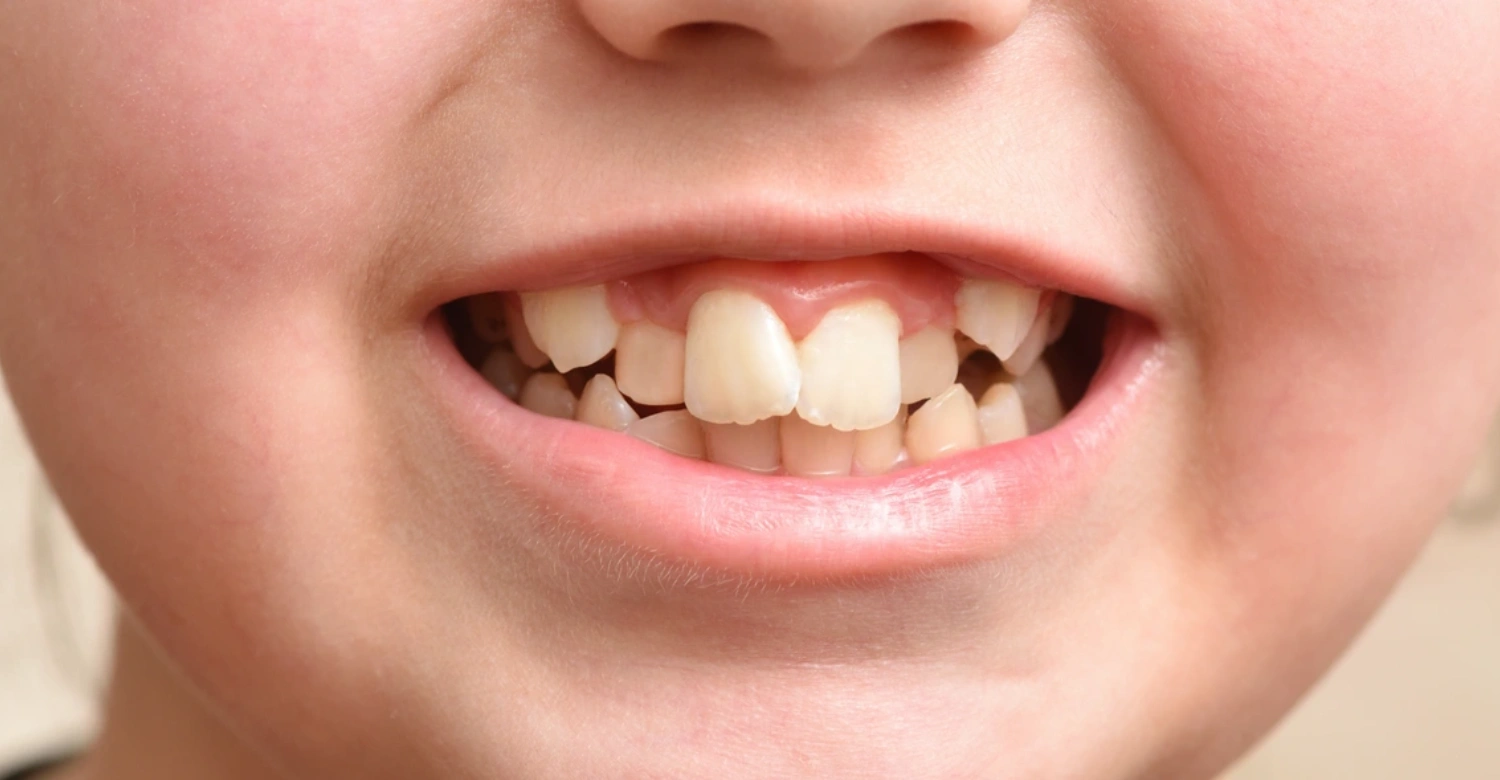
Childhood mouth breathing may be associated with changes in oral posture, altered tongue position, and shifts in teeth alignment. Some children develop narrower dental arches or changes in bite over time. These associations relate to this nighttime breathing pattern and how the upper jaw develops during growth years.
What Is the Connection Between Oral Posture and Teeth Development?
Oral posture refers to the resting position of the lips, tongue, and jaw. When this posture is consistently altered, it can interact with normal oral development. This resting habit often reflects an underlying oral posture shift, which is why posture is considered alongside dental growth assessments.
Can Mouth Open Sleeping Affect Tooth Alignment?
Persistent childhood mouth breathing may be associated with changes in dental alignment and bite over time. However, outcomes from this habit are not guaranteed, and mouth breathing alone should not be assumed to directly cause malocclusion. Multiple growth factors typically contribute to alignment changes seen in children. Learn more about bacteria on teeth
Can Sleeping With Your Mouth Open Affect Jaw Development?
Jaw development can be influenced by oral posture and mouth open sleeping patterns, especially during childhood growth. The relationship between this habit and facial structure is complex, involving tongue position, breathing route, and lip posture working together to shape how the jaw grows over time.
How Does Mouth Breathing Relate to Jaw Development?
Jaw development depends on tongue resting position, lip posture, and lower jaw placement working together. Nasal versus oral breathing routes can influence normal facial growth. This nighttime breathing habit may shift these resting positions, which is why breathing route is considered a relevant factor in jaw growth patterns.
Is Childhood Mouth Breathing More Concerning for Jaw Development?
Persistent childhood mouth breathing deserves closer attention because facial and dental structures are still actively developing. Sleeping with mouth open teeth patterns in adults may have different implications than in growing children, where bones and bite relationships are more adaptable and potentially more affected by prolonged habits.
What Causes People to Sleep With Their Mouth Open?
Several factors are commonly associated with sleep mouth breathing. This habit often traces back to difficulty breathing comfortably through the nose, whether from congestion, allergies, or structural airway issues. Identifying the underlying cause is an important first step before considering any dental or medical evaluation.
Nasal Congestion and Mouth Open Sleeping
Difficulty breathing comfortably through the nose may encourage a person to breathe through the mouth during sleep instead. Congestion from colds, sinus issues, or structural nasal blockages can make nasal breathing uncomfortable overnight, contributing to this nighttime breathing habit until the underlying nasal issue resolves.
Allergies and Nasal Breathing Problems
Recurring nasal obstruction from allergies can contribute meaningfully to mouth-open sleeping. When allergens cause ongoing nasal swelling or congestion, breathing through the nose becomes harder, pushing the body toward oral breathing at night. This nighttime breathing pattern may repeat seasonally or persist year-round.
Childhood Mouth Breathing
Parents may notice open-mouth sleeping, dry lips, snoring, or morning dry mouth in children. Changes in oral posture are also common signs. These indicators of this pattern in children often prompt closer observation, since early childhood habits can relate to ongoing breathing and developmental concerns.
Tips for the Patients
Patients and parents should pay attention to persistent mouth-open sleeping, snoring, dry mouth, or noticeable changes in bite and teeth alignment. Recognizing these signs early allows for timely evaluation. Waiting too long before addressing persistent symptoms may make underlying causes harder to identify and manage. Explore more on bacteriophage therapy for gum disease
What Are the Signs of Sleeping With Your Mouth Open?
Recognizing sleeping with mouth open teeth signs early can help guide appropriate evaluation. Common indicators include dry mouth after waking, cracked lips, and increased plaque. In children, additional signs like snoring or facial posture changes may also appear, offering useful clues for parents and dental professionals to consider together.
Common Oral Signs
Common signs include dry mouth after waking, dry or cracked lips, and persistent bad breath. Increased plaque, gum irritation, and higher tooth sensitivity or decay risk are also frequently reported. These oral signs often appear gradually rather than suddenly, making early attention valuable.
Signs Parents May Notice in Children
Parents may notice a child sleeping with the mouth visibly open, snoring, or waking with a dry mouth. Changes in facial or oral posture, along with crowded or misaligned teeth, can also appear. These signs of this pattern in children are worth discussing with a dental professional.
Clinical Note
These signs do not automatically prove that mouth breathing is the cause of every dental issue observed. Symptoms of this habit can overlap with other conditions, so a proper assessment is needed to understand the underlying factors before assuming a direct cause-and-effect relationship exists in each case. Discover more about bile acid malabsorption and dental health
Does Sleeping With Your Mouth Open Cause Dry Mouth?
Yes, sleeping with mouth open teeth exposure is closely linked to reduced moisture in the mouth overnight. When air passes continuously over oral tissues instead of through the nose, natural humidity is lost. This dryness reduces saliva's protective presence, which can affect comfort, breath, and overall oral health over time.
Why Is Saliva Important for Your Teeth?
Saliva helps neutralize acids, lubricate oral tissues, and support enamel protection throughout the day and night. It also clears food particles and helps maintain a balanced oral environment. When this nighttime habit reduces saliva flow overnight, these protective functions become less effective, potentially affecting long-term oral health.
Can Dry Mouth Increase the Risk of Tooth Decay?
Persistent dryness can make maintaining good oral health noticeably more difficult. Without adequate saliva, acids and food particles linger longer on tooth surfaces. This habit, when it causes chronic dryness, may therefore contribute to a higher risk of decay if not addressed through hygiene or evaluation.
Can Sleeping With Your Mouth Open Cause Bad Breath?
Dry oral tissues and reduced saliva flow are common contributors to morning breath. This nighttime breathing habit allows bacteria to multiply more easily in a drier environment overnight. This process can intensify unpleasant odors by morning, making bad breath one of the more noticeable everyday signs of the habit.
Why Does Mouth Breathing Make Morning Breath Worse?
When saliva flow decreases overnight, bacteria that produce odor-causing compounds can multiply more freely. This pattern extends the dry period for hours, giving bacteria more time to act. The result is often a stronger, more noticeable morning breath compared to nights of consistent nasal breathing.
How Can You Maintain Better Oral Hygiene?
Brushing twice daily, cleaning between the teeth, and maintaining regular dental visits all support oral health. Drinking sufficient water and addressing persistent nasal or breathing issues can also help. These habits work together to reduce the impact of this nighttime breathing habit on daily oral comfort and hygiene. Dive deeper into bite strength
Can You Stop Sleeping With Your Mouth Open?
Treatment depends heavily on why the person is breathing through the mouth in the first place. Sleeping with mouth open teeth habits linked to nasal congestion, allergies, or airway concerns require different approaches. Identifying the specific underlying cause is the first meaningful step toward finding an appropriate long-term solution.
Why Is Finding the Cause Important?
Simply trying to keep the mouth closed does not address an underlying nasal or airway problem. This nighttime breathing habit is often a symptom rather than the root issue itself. Addressing the actual cause, whether nasal or structural, tends to be more effective than focusing on the habit alone.
When Should You Seek Professional Evaluation?
Persistent mouth-open sleeping, snoring, or difficulty breathing through the nose may warrant professional evaluation. Dry mouth, dental changes, or bite and alignment concerns are also relevant signs. When symptoms of this habit persist over time, seeking guidance helps clarify whether further assessment or referral is appropriate.
Tips for the Patients
Patients should avoid assuming that mouth-open sleeping is purely a dental issue on its own. Identifying the underlying cause is an important part of deciding what type of evaluation may be appropriate. These concerns often benefit from looking at both dental and breathing-related factors together.
How Can Sleeping With Your Mouth Open Affect Children Differently?
Children experience sleeping with mouth open teeth patterns differently than adults because their dental and facial structures are still actively growing. Childhood mouth breathing, oral posture, and jaw development are closely connected during these years, making early observation and attention particularly relevant for parents and dental professionals alike.
Why Is Early Detection Important?
Childhood is an important period for dental and facial development, so persistent breathing and oral-posture concerns deserve attention. Catching these signs early may allow for more timely evaluation. Growth-related structures are generally more adaptable in children, which is part of why early attention matters.
What Should Parents Watch For?
Parents should watch for open-mouth sleeping, snoring, and dry mouth in the morning. Changes in bite, crowded teeth, and altered oral posture are also worth noting. Recognizing these sleeping with mouth open teeth indicators early gives families more time to seek an appropriate evaluation before patterns become more established.
Sleeping With Mouth Open Teeth: When Should You See a Dentist?
Dental evaluation may be useful when there are visible changes in teeth, gums, bite, or oral posture. Concerns tied to this habit that come with noticeable dental symptoms are generally worth discussing with a professional, rather than waiting to see whether the pattern resolves or worsens on its own.
Dental Symptoms That Should Not Be Ignored
Frequent cavities, gum problems, and persistent dry mouth are symptoms worth addressing. Tooth sensitivity, crowded teeth, bite changes, and persistent bad breath also warrant attention. When these appear alongside these dental signs, they may point toward the value of a more thorough dental assessment overall.
What Can a Dental Assessment Check?
A dental assessment can review teeth alignment, bite, and gum health. It may also evaluate oral dryness, oral posture, and any signs of abnormal dental development. This type of check helps connect sleeping with mouth open teeth patterns to specific, observable dental findings rather than relying on assumptions alone. Read the full article on biting cheek while eating
Vitrin Clinic and Sleeping With Mouth Open Teeth
Vitrin Clinic is a dental clinic that can assess oral health and dental concerns associated with mouth-open sleeping. For patients noticing symptoms linked to this habit, Vitrin Clinic offers a structured way to review dental condition, alignment, and related factors as part of a broader oral health evaluation.
How Can Vitrin Clinic Help Assess Dental Effects?
Vitrin Clinic can evaluate tooth alignment, bite, and gum health alongside signs of decay. Overall oral condition, as well as cosmetic and functional dental concerns, are also considered. This comprehensive approach helps connect these dental signs to a clearer picture of each patient's individual dental situation.
Personalized Dental Care at Vitrin Clinic
Treatment recommendations at Vitrin Clinic are based on each patient's individual dental condition rather than assuming mouth breathing requires the same treatment for everyone. Sleeping with mouth open teeth cases can vary widely, so personalized assessment helps ensure recommendations match each patient's specific needs and oral health history.
What We Notice Clinically
Dr. Rifat Alsaman, Head of the Medical team at Vitrin Clinic and a cosmetics dentist, highlights the importance of evaluating a patient's teeth, bite, and oral posture together when persistent mouth breathing is present. Dr. Rifat Alsaman believes that understanding each patient's individual dental condition, including this habit, helps support a more appropriate and personalized treatment plan overall. Find out more about biting tongue while eating
Resource:
In conclusion, sleeping with mouth open teeth can be linked to altered oral posture and craniofacial development, particularly in children. Research published in PMC highlights that chronic mouth breathing may affect facial growth and airway function during sleep, emphasizing the importance of identifying and addressing persistent mouth breathing early to support healthy dental and jaw development.
https://pmc.ncbi.nlm.nih.gov/articles/PMC6437727/
FAQs
Dr. Rifat Alsaman has more than 5 years of clinical experience in dentistry and currently serves as the Head of the Medical Team at Vitrin Clinic. He is dedicated to providing exceptional patient care, overseeing treatment planning, and ensuring the highest clinical standards across the team. His expertise, attention to detail, and commitment to continuous professional development have helped countless patients achieve healthier, more confident smiles.


