
Pulpectomyremoves infected or necrotic pulp from inside a tooth. It may help preserve a primary tooth when infection has reached the pulp. Dentists consider this option when the tooth remains restorable. The procedure involves removing diseased tissue, cleaning the canals, and sealing them. Primary teeth matter for chewing, speech, and holding space for permanent teeth. Treatment decisions depend on symptoms, clinical findings, imaging, and restorability.
What Is a Pulpectomy?
This dental treatment is an endodontic procedure that removes infected or dying pulp tissue. It involves cleaning the pulp chamber and root canals before sealing them. It is commonly linked to severely infected primary teeth. The treatment can also apply to selected permanent teeth. The goal is removing diseased tissue while keeping a restorable tooth intact. Dentists first assess symptoms, tooth structure, infection, and nearby tissues.
What Does Pulpectomy Mean in Dentistry?
In dentistry, this term means removing diseased pulp from a tooth's internal canals. It differs from a pulpotomy because the entire pulp is removed. A pulpotomy generally removes affected coronal pulp while keeping healthy root pulp. This approach is considered when inflammation spreads through the whole pulp. Dentists may recommend it for primary teeth with irreversible pulpitis or necrosis. Clinical exams and radiographs help determine if it fits.
What Does a Pulpectomy Treat?
Pulpectomy addresses infection or irreversible damage inside the pulp. It may be considered when a primary tooth develops irreversible pulpitis or necrosis. Deep decay can let bacteria reach the pulp tissue. Trauma can also damage the pulp and cause infection. Signs may include spontaneous pain, swelling, drainage, or tooth changes. Some infected teeth cause little or no pain at all.
Pulpectomy for Primary and Permanent Teeth
This procedure applies to both primary and permanent teeth, though approaches differ. It is commonly discussed for infected primary teeth. Permanent teeth usually receive conventional root canal treatment for irreversible pulp disease. Primary teeth have developing permanent successors underneath them. Their root anatomy also differs from permanent teeth. Materials and techniques must therefore account for natural root resorption.
Discover how the salivary glands work
When Is a Pulpectomy Needed?
This treatment may be needed when pulp becomes irreversibly inflamed, infected, or necrotic. It is not usually chosen simply because a tooth has a cavity. The dentist first determines how far the pulp involvement extends. Deep decay can expose pulp tissue to bacteria. Symptoms may include spontaneous pain, swelling, tenderness, or drainage. Symptom severity does not always match infection severity, though.
Signs a Child Needs Pulpectomy
Children can show several signs when pulp tissue becomes severely affected. Pulpectomy may be considered when symptoms point to irreversible pulp damage. Persistent toothache can be an important warning sign. Pain while chewing may signal inflammation around the tooth. Swelling near the tooth can suggest infection is present. A pimple-like bump on the gum may indicate an abscess.
Deep Tooth Decay and Pulp Infection
Deep decay can progress through enamel and dentin toward the pulp. Pulpectomy may become necessary once bacterial infection causes irreversible pulp damage. Early cavities can often be managed with simple restorative care. Advanced lesions may eventually expose or infect the pulp tissue. Pediatric dental groups emphasize early caries management and pulp assessment. Untreated caries remains one of the most common chronic diseases in children.
Irreversible Pulpitis and Pulp Necrosis
Irreversible pulpitis involves inflammation that cannot predictably heal without definitive care. This treatment may be indicated when the affected pulp cannot recover naturally. Pulp necrosis happens when pulp tissue loses its vitality completely. Symptoms can vary considerably between different patients. Irreversible pulpitis may cause spontaneous or lingering pain. Necrotic teeth may instead show minimal symptoms until infection develops.
Dental Abscess in a Baby Tooth
A dental abscess can develop once infection spreads beyond the pulp. This treatment may help preserve a restorable primary tooth with pulpal infection. Signs can include localized swelling, drainage, tenderness, or facial swelling. An abscess needs professional assessment rather than home remedies. Antibiotics alone generally do not remove the source of infection. Definitive dental treatment is usually necessary when appropriate for the case.
When a Damaged Primary Tooth May Still Be Preserved
A damaged primary tooth may still be saved when enough structure remains. This treatment can be considered when infection affects the pulp but restoration is feasible. Preserving primary teeth supports chewing and helps hold space for successors. The dentist evaluates remaining structure, root condition, infection, and expected exfoliation time. Severe structural destruction may make preservation unsuitable altogether. Advanced root resorption can also influence the final decision.
Find out what can cause a white tongue
Pulpectomy for Baby Teeth and Children
Primary teeth can develop deep decay and pulpal infection despite later falling out. This treatment can preserve selected infected primary teeth when restoration stays feasible. Keeping these teeth supports normal chewing and helps preserve arch space. The approach differs from endodontic care in permanent teeth. Primary tooth roots naturally resorb as permanent successors develop beneath them. Materials and techniques must therefore accommodate this biological process.
What Is Pulpectomy for Baby Teeth?
A pulpectomy for a baby tooth removes infected or dying pulp tissue. It may be recommended when inflammation or infection involves the whole pulp. The dentist cleans and shapes the canals before placing suitable filling material. The tooth then needs a fitting restoration to protect the remaining structure. Primary teeth have anatomy that differs from permanent teeth. Their roots also naturally resorb before permanent teeth erupt.
Pulpectomy in Children
Children may receive pulp therapy when decay or trauma damages a primary tooth. Pulpectomy can be used when pulp becomes irreversibly infected or necrotic. The dentist first evaluates symptoms, tooth structure, and radiographic findings. Local anesthesia helps provide comfort throughout the visit. Child-friendly communication can also reduce anxiety during care. Appointment planning may vary based on cooperation and complexity.
Pulpectomy for Infected Primary Teeth
Infected primary teeth can cause pain, swelling, drainage, and chewing difficulty. Pulpectomy may help address infection when the tooth remains suitable for saving. The dentist evaluates infection extent using clinical exams and imaging. Root resorption matters greatly when assessing primary teeth specifically. Advanced resorption may affect whether treatment still fits. The child's age and successor development also shape the decision.
Pulpectomy for Children With Tooth Decay
Extensive decay can eventually involve the pulp inside a primary tooth. Pulpectomy may be considered once pulp becomes irreversibly inflamed or necrotic. Early decay is usually managed with preventive or restorative approaches. Advanced decay may require more extensive treatment instead. Regular fluoride exposure can lower the risk of new cavities. Limiting frequent sugary foods also supports prevention efforts.
Treating an Abscessed Baby Tooth
An abscessed baby tooth needs prompt dental evaluation right away. Pulpectomy may be an option when infection involves the pulp and restoration fits. The dentist evaluates swelling, drainage, root condition, and nearby tissues. Extraction may be considered when the tooth cannot be reliably saved. Antibiotics may help in specific cases involving systemic symptoms or spreading infection. They should not replace definitive treatment when the infection source remains.
Why Preserving Primary Teeth Can Matter
Primary teeth support chewing, speech development, and normal arch development. Pulpectomy can sometimes preserve an infected primary tooth until natural exfoliation. Premature loss of certain primary teeth can contribute to space problems. Maintaining proper space can support the eruption path of successors. Primary teeth also help children keep normal eating patterns. Preservation is not right for every infected tooth, though.
Dr. Rifat Alsaman's Clinical Perspective on This Treatment in Children
Dr. Rifat Alsaman, Head of the Medical Team at Vitrin Clinic, stresses accurate diagnosis. Pulpectomy should be chosen based on pulp status and tooth restorability. In children, saving a primary tooth can sometimes support normal dental development. An infected tooth should not be preserved when results cannot be predictable, though. Clinical exams and radiographic findings guide this decision closely.
Learn more about tongue bumps and possible causes
Pulpectomy vs Pulpotomy: What Is the Difference?
Pulpotomy and this treatment are different pulp procedures with different clinical uses. This treatment removes pulp tissue from the chamber and root canals. A pulpotomy generally removes affected coronal pulp while keeping healthy root pulp. The right procedure depends on the condition of remaining pulp tissue. Dentists assess symptoms, clinical findings, imaging, and restorability before choosing. Pulpotomy may fit when inflammation stays limited and root pulp looks healthy. It becomes more relevant when the entire pulp is irreversibly diseased.
What Is a Pulpotomy?
A pulpotomy removes the affected coronal portion of the dental pulp. Pulpectomy differs because it removes pulp tissue from the root canals too. Pulpotomy may fit when remaining root pulp is healthy or expected to stay healthy. The dentist removes diseased coronal tissue and places a suitable medication. The tooth then receives a definitive restoration afterward. Pulpotomy is commonly used in selected primary and permanent teeth.
What Does This Procedure Involve?
Pulpectomy removes diseased pulp tissue from the entire pulp space. It involves cleaning and shaping the root canals before sealing them. The procedure may be used for infected or necrotic primary teeth. It can also describe complete pulp removal in other endodontic contexts. The goal is removing infected tissue and reducing bacterial burden overall. Appropriate irrigation and canal filling are important parts of the process.
Pulpectomy vs Pulpotomy for Primary Teeth
For primary teeth, the main difference involves how much pulp gets removed. Pulpectomy removes pulp from both the chamber and root canals. Pulpotomy removes affected coronal pulp while keeping root pulp intact. Pulpotomy may fit when remaining root pulp suits preservation. It fits better when root pulp is irreversibly inflamed or necrotic. Diagnosis depends on clinical findings, symptoms, and radiographic assessment.
When Is Pulpotomy Considered?
Pulpotomy may be considered when inflammation stays limited to coronal pulp. Pulpectomy becomes unnecessary when healthy root pulp can be predictably maintained. The dentist assesses bleeding characteristics, symptoms, radiographic findings, and other factors. Pulpotomy is commonly considered for selected primary teeth with vital pulp. It can also apply to permanent teeth under specific circumstances. A tooth with necrotic root pulp generally needs a different approach.
When Is Pulpectomy More Appropriate?
Pulpectomy becomes more appropriate when pulp is irreversibly inflamed or necrotic. It may also fit when infection extends into the root canal system. Symptoms can include spontaneous pain, swelling, drainage, or tenderness. Some necrotic teeth have few symptoms, making examination especially important. Radiographs can reveal infection around the roots or supporting structures. The tooth must also have enough remaining structure for restoration.
Why Pulp Condition Determines the Treatment
Pulp condition is central to choosing between different endodontic treatments. Pulpectomy is generally considered when the entire pulp cannot recover. Reversible inflammation may respond to conservative care when appropriate. Irreversible inflammation requires more definitive management instead. Necrotic pulp cannot recover and may become linked to infection. Dentists use symptoms, clinical tests, and radiographic findings to diagnose.
Discover more about tongue-tie and its effects
What Are the Signs and Symptoms That May Lead to a Pulpectomy?
Several symptoms can indicate that pulp inside a tooth is severely affected. This treatment may be considered when findings point to irreversible pulp damage. Common signs include persistent toothache, chewing pain, gum swelling, drainage, or discoloration. Children may also avoid chewing with an affected tooth. Some infected teeth produce little or no pain, however. This makes professional assessment particularly important for accurate diagnosis.
Persistent Toothache
Persistent toothache can indicate inflammation or infection within a tooth. Pulpectomy may be considered when pain results from irreversible pulp inflammation. Pain can occur spontaneously or worsen at night. Some children describe throbbing or lingering discomfort after eating. Pain alone cannot confirm the need for pulp treatment, though. Dentists assess the tooth clinically and evaluate radiographic findings.
Pain When Biting or Chewing
Pain during biting or chewing can indicate inflammation around the tooth. Pulpectomy may become appropriate once infection has progressed beyond reversible disease. Pressure can also irritate tissues surrounding an infected root. Children may avoid certain foods or chew on the opposite side. Chewing pain has several possible causes, however. A dentist may evaluate the tooth for decay, cracks, or infection.
Swollen Gums Around a Tooth
Localized gum swelling can indicate infection linked to a tooth. Pulpectomy may be considered when infection originates inside the pulp itself. Swelling can appear near the affected tooth or form a drainage point. Children may not always feel severe pain with an abscess. Dental examination remains important even when symptoms seem mild. The dentist may use radiographs to assess roots and surrounding bone.
Dental Abscess or Drainage
A dental abscess can indicate infection has extended beyond the pulp. Pulpectomy may help address the source when the tooth remains restorable. Drainage may appear as fluid or a small pimple on the gum. Some patients feel less pain once drainage develops. This does not mean the infection has resolved, though. The underlying tooth still needs professional assessment right away.
Tooth Discoloration
Tooth discoloration can sometimes follow pulp damage or dental trauma. Pulpectomy may be considered when discoloration comes with pulpal infection or necrosis. A darker tooth does not automatically require pulp treatment, though. Dentists evaluate the tooth's history, vitality, symptoms, and radiographic appearance. Trauma can cause internal changes even without immediate pain. Children with discolored teeth should therefore receive professional evaluation.
Can a Child Need Pulpectomy Without Severe Pain?
Yes, a child can have significant pulpal disease without severe pain present. Pulpectomy may sometimes be necessary despite limited or absent symptoms. Necrotic pulp tissue may produce little discomfort once it loses vitality. Infection can continue developing around the roots without obvious pain. Radiographs may reveal changes that symptoms alone cannot explain. This is one reason regular pediatric checkups matter so much.
Explore the causes and treatment options for a swollen tongue
How Is a Pulpectomy Diagnosed?
Diagnosis combines the child's symptoms, dental history, exam, and imaging. This treatment should only be recommended after assessing pulp and tooth condition. Dentists examine the tooth for decay, tenderness, swelling, and structural damage. Radiographs can reveal root changes, bone changes, or developing infection. The dentist also determines whether enough structure remains for restoration. Primary teeth need extra assessment of physiological root resorption.
Dental Examination and Medical History
The dentist begins by reviewing symptoms and relevant medical history. Treatment decisions can depend on previous trauma, medications, and existing conditions. Parents should describe when symptoms started and how they changed. Information about pain, swelling, or fever can prove useful. The dentist then examines the affected tooth and surrounding tissues. Visible decay, discoloration, swelling, or drainage may offer clues.
How Dentists Assess Pulp Health
Dentists assess pulp health using symptoms, clinical findings, and suitable tests. Pulpectomy may be recommended when evidence shows irreversible pulpitis or necrosis. Assessment can include tenderness, swelling, percussion, and radiographic findings together. In children, conventional pulp sensitivity tests can be hard to interpret. Primary teeth also have physiological root resorption that complicates interpretation further. Dentists therefore combine multiple findings rather than relying on one test.
Dental X-Rays and Radiographic Examination
Dental X-rays provide valuable information about roots and surrounding structures. Treatment planning may require radiographs to assess infection and root resorption. Imaging can reveal changes not visible during an oral exam alone. Dentists may identify radiolucency around roots or bone changes. Primary teeth need particular attention to their relationship with successors. Radiographs also help determine whether enough structure remains.
Checking for Infection and Root Resorption
Dentists evaluate both infection and root resorption before treating primary teeth. Pulpectomy may be unsuitable when advanced pathological resorption is present. Infection can appear around the roots or within the surrounding bone. Root resorption occurs naturally as permanent teeth prepare to erupt. Excessive pathological resorption may compromise treatment predictability, though. Radiographs help distinguish these findings and evaluate their extent.
Assessing Whether the Tooth Can Be Restored
A tooth must have enough structure for predictable restoration after treatment. Pulpectomy may not fit when extensive destruction prevents reliable restoration. Dentists evaluate remaining enamel, dentin, root structure, and supporting tissues. They also consider the child's age and expected time before natural loss. A primary tooth expected to remain for years may need durable restoration. Severely damaged teeth may instead require extraction as the better option.
Why Clinical and Radiographic Findings Are Both Important
Clinical findings show how the tooth and tissues currently behave. Decisions become more reliable when this evidence agrees with radiographic findings. Symptoms can suggest inflammation but may not reveal its full extent. Radiographs can identify root infection or resorption that symptoms cannot show. Neither source should be interpreted alone or in isolation. Dentists combine available evidence with the child's dental history.
Explore the possible causes of itchy gums
What Happens During a Pulpectomy Procedure?
The procedure involves removing diseased pulp and treating the internal canal system. This treatment generally includes anesthesia, access, pulp removal, cleaning, filling, and restoration. The exact technique depends on the tooth and clinical situation. Primary teeth need materials compatible with natural root resorption. Local anesthesia is normally used to improve comfort throughout. The dentist isolates the tooth and creates access to the chamber.
Procedure Steps
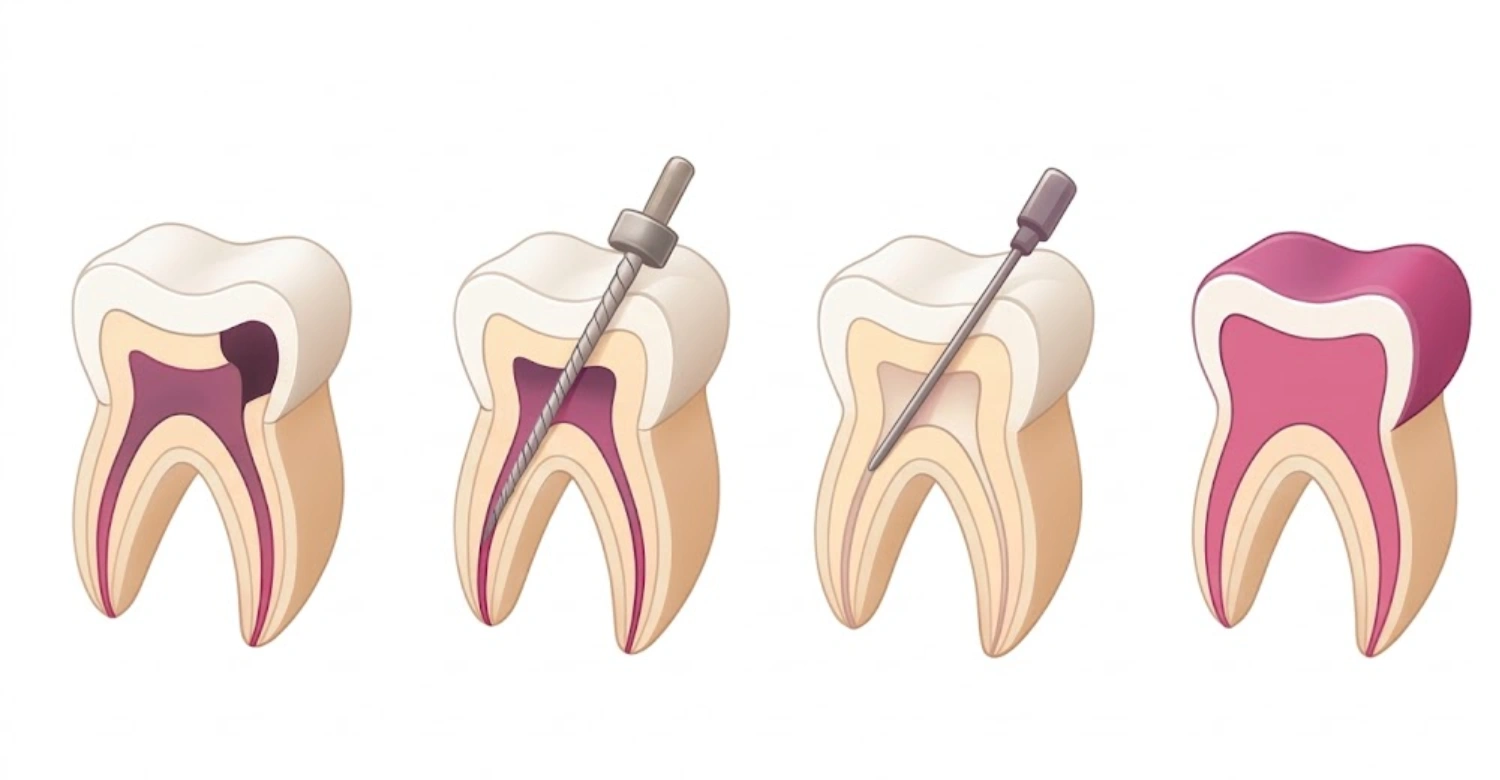
The procedure follows several carefully planned clinical stages in order. This treatment typically begins with examination, anesthesia, and tooth isolation. The dentist creates an opening to access the pulp chamber. Diseased or necrotic tissue gets removed from the chamber and canals. The canals are cleaned and shaped using appropriate instruments. Irrigation helps remove debris and reduce microbial contamination throughout.
Preparing the Tooth and Providing Local Anesthesia
Before treatment begins, the dentist evaluates the tooth and surrounding tissues. This procedure is normally performed under local anesthesia to control discomfort. The tooth is isolated to improve visibility and keep a clean field. The dentist then creates an access opening through the tooth. Children may receive additional behavioral support during treatment sessions. Clear explanations can help reduce anxiety before and during care.
Removing Infected or Necrotic Pulp
After accessing the chamber, the dentist removes diseased or necrotic tissue. This treatment requires removal of pulp tissue from the root canal system. This differs from a pulpotomy, which preserves healthy root pulp. The dentist uses suitable instruments to access and clean the canals. Care is needed to avoid damaging surrounding tissues nearby. Primary teeth have complex anatomy requiring careful instrumentation throughout.
Cleaning and Shaping the Root Canals
After pulp removal, the dentist cleans and shapes the root canals. Proper canal preparation matters before filling and sealing begins. Instrumentation removes remaining tissue and debris from the canal system. Primary teeth need special consideration because their roots naturally resorb. Excessive instrumentation can therefore damage surrounding structures nearby. The dentist selects techniques appropriate for tooth anatomy and development.
Irrigating the Canals
Irrigation helps remove debris and microorganisms instruments cannot fully reach. This step relies on appropriate irrigation as part of canal cleaning. The irrigation solution and technique depend on the tooth and protocol. Primary teeth need careful control because roots undergo natural changes. The dentist avoids unnecessary extrusion of material beyond the root tip. Proper irrigation supports effective cleaning before canal filling begins.
Filling and Sealing the Canals
After cleaning, the dentist fills the prepared canals with suitable material. A good seal limits bacterial re-entry into the treated canal system. Materials used for primary teeth should accommodate physiological root resorption. The filling material must stay appropriate as the child's tooth develops. The dentist checks filling quality clinically and radiographically when indicated. Effective sealing helps reduce the chance of reinfection later.
Restoring the Treated Tooth
A treated tooth needs a restoration protecting its remaining structure. Removing internal tissue does not replace lost external tooth structure. Primary molars often need durable restorations after extensive pulp treatment. The restoration helps prevent leakage, fracture, and recurrent decay. The dentist selects restoration type based on remaining structure and needs. A properly sealed restoration matters greatly for long-term success.
Why the Final Restoration Is Important
The final restoration protects the treated tooth from new bacterial contamination. Success can be compromised when the coronal seal fails afterward. Extensive cavities may leave primary teeth structurally weakened beforehand. A durable restoration helps restore function and protect remaining tissue. The dentist considers tooth location, remaining structure, and expected lifespan. Follow-up examinations can identify restoration problems early on.
Discover what you should know about big teeth
How Long Does a Pulpectomy Take?
Treatment time varies according to tooth type, infection, and clinical complexity. This treatment may sometimes finish during one single appointment. Other cases require additional visits or treatment stages. Children may also need extra time for communication and support. Primary teeth have different anatomy that can affect duration. The final restoration may also require additional clinical time.
How Long Does the Procedure Take?
A straightforward procedure may take approximately thirty to ninety minutes. Duration varies according to the tooth and treatment complexity overall. Primary molars can require more time because of their anatomy. Extensive infection or difficult canal access may increase treatment time. Children's cooperation can also influence total appointment length. The final restoration may need additional time during the same visit.
Can Pulpectomy Be Completed in One Visit?
Some cases can finish during a single appointment session. Additional visits may be needed when anatomy or restoration needs increase complexity. The dentist first evaluates whether treatment can finish safely in one session. Child cooperation can also affect appointment planning decisions. A durable final restoration may be placed during the same visit when appropriate. Other cases require a separate appointment for restoration instead.
When Are Multiple Appointments Needed?
Multiple appointments may fit when complexity requires additional clinical stages. Treatment may take longer when anatomy, infection, or cooperation creates challenges. The dentist may separate treatment from definitive restoration when clinically appropriate. Children needing additional behavioral support may also benefit from shorter visits. Severe infection may require closer monitoring after initial treatment. The dentist determines the schedule according to clinical findings observed.
Learn how dental and periodontal charting works
Does a Pulpectomy Hurt?
Modern dental anesthesia is designed to make treatment as comfortable as possible. This procedure itself should not normally cause pain when anesthesia works well. Patients may experience pressure or movement during the visit. Mild tenderness can occur after the procedure ends. Discomfort usually depends on the original infection and surrounding inflammation. Pain that becomes severe or progressively worsens needs dental assessment.
Is Pulpectomy Painful?
Local anesthesia gets used to reduce pain during the procedure. Treatment should generally feel comfortable when adequate anesthesia is achieved. Patients may notice pressure, vibration, or instrument movement throughout. They should tell the dentist if sharp pain occurs. Additional anesthesia can sometimes be given when clinically appropriate. Anxiety can also make normal sensations feel more uncomfortable overall.
What Does a Patient Feel During Treatment?
Most patients feel pressure rather than sharp pain during treatment. This procedure involves instruments, irrigation, and cleaning inside the tooth. The sensation can vary according to the tooth and inflammation level. Some patients may notice vibration from dental instruments used. Children may feel pressure when the tooth gets restored. Dentists can explain each stage before proceeding further.
Pain and Sensitivity After Treatment
Mild tenderness can occur after treatment as surrounding tissues recover. This procedure may cause temporary discomfort, particularly when infection affects nearby tissues. Pain should generally improve rather than progressively worsen over time. Children may experience sensitivity while chewing during early recovery. Following the dentist's pain-management instructions can help control discomfort. Persistent or increasing pain needs professional assessment right away.
How Is Discomfort Managed?
Discomfort is usually managed through dental instructions and, when suitable, medication. Aftercare should follow the dentist's individualized recommendations closely. Parents should use only medications appropriate for the child's age. Aspirin should not be given to children unless a professional directs it. Dentists may recommend commonly used pediatric pain relievers when appropriate. Patients should follow dosage instructions carefully and consistently.
When Post-Treatment Pain Needs Dental Assessment
Some tenderness can occur after dental treatment, but worsening symptoms need attention. Reassessment is needed when pain becomes severe, persistent, or progressively worse. Increasing swelling can indicate continuing infection or another complication. Fever may indicate systemic involvement and needs prompt medical evaluation. Drainage or renewed symptoms can also indicate treatment problems developing. Parents should contact the dental team when recovery differs from expectations.
Find out more about osteopetrosis and tooth eruption problems
Pulpectomy Recovery and Aftercare
Recovery usually involves protecting the treated tooth and following aftercare instructions. This treatment's recovery can include temporary tenderness during chewing. Children should avoid unnecessary pressure on the area right after anesthesia. Parents should follow instructions regarding eating, brushing, and medications closely. The final restoration should stay intact and clean throughout. Regular checkups help monitor the treated tooth and surrounding structures.
What Is Recovery Like?
Recovery is generally straightforward when the tooth gets appropriately treated and restored. Patients may experience mild tenderness during the initial period. Children can usually return to normal activities per their dentist's instructions. Eating may require temporary caution while local anesthesia remains active. The treated tooth should continue receiving normal oral hygiene care. Parents should monitor for swelling, increasing pain, or changes nearby.
How Long Does Recovery Usually Take?
Many patients experience improvement within several days after treatment. Recovery time varies according to infection severity and individual healing. Mild tenderness can remain temporarily after the procedure ends. Children with significant infection may need closer monitoring afterward. The dentist can provide personalized recovery expectations based on the tooth. Persistent or worsening symptoms should never be considered normal recovery.
Aftercare Instructions
After treatment, patients should follow the dentist's specific care instructions. Aftercare generally includes maintaining oral hygiene and protecting the treated tooth. Children should avoid chewing until numbness has completely disappeared first. This reduces the risk of accidentally biting the cheek or tongue. Parents should monitor the treated area for swelling or persistent pain. Brushing should continue according to the dentist's instructions given.
Eating and Chewing After Treatment
Patients should avoid chewing while local anesthesia remains active. The mouth can stay numb for several hours after treatment. Children may accidentally bite their cheeks or tongue during this period. Once normal sensation returns, eating can usually resume per dental instructions. Softer foods may feel more comfortable during initial recovery. Very hard or sticky foods may stress a new restoration unnecessarily.
Brushing and Cleaning the Treated Tooth
Normal oral hygiene remains important after any dental treatment. The treated tooth is not protected from future decay nearby. Brushing twice daily with fluoride toothpaste supports continued protection well. Parents should help younger children brush effectively at home. Interdental cleaning can remove plaque between teeth regularly. The treated tooth should receive the same routine cleaning unless advised otherwise.
Follow-Up After Treatment
Follow-up allows the dentist to evaluate the treated tooth and restoration. Monitoring fits when clinical circumstances indicate continued observation is needed. The dentist may check symptoms, restoration integrity, and surrounding tissues. Radiographic review may get recommended in selected cases occasionally. Primary teeth need additional attention because their roots naturally resorb. Follow-up can identify recurrent infection or restoration failure early.
Why Follow-Up Is Important for Primary Teeth
Primary teeth undergo natural changes as permanent successors develop underneath. Follow-up helps ensure the treated tooth stays healthy during this period. Dentists can monitor root resorption and surrounding tissues closely. They can also assess whether the restoration remains intact. Changes around the permanent successor can get identified when clinically indicated. A treated primary tooth may remain functional until normal exfoliation.
Understand the connection between Epstein-Barr virus and oral health
What Are the Side Effects and Complications of Pulpectomy?
Most treatments proceed without major complications when diagnosis and technique fit well. This treatment can nevertheless have potential short-term or treatment-related complications. Temporary tenderness may occur after treatment ends. Persistent pain, swelling, or recurrent infection can indicate a problem. Canal cleaning or filling may also be incomplete in some cases. Primary teeth can experience root resorption as part of normal development.
Common Short-Term Symptoms
Temporary tenderness can occur after treatment finishes. This treatment may produce mild sensitivity while surrounding tissues recover. Children may experience discomfort when chewing during the first few days. Symptoms should generally improve rather than progressively worsen over time. Following professional aftercare instructions can support recovery well. Parents should monitor swelling, drainage, fever, or increasing pain closely.
Persistent Pain or Sensitivity
Persistent or worsening pain after treatment needs professional evaluation. Reassessment fits when discomfort does not follow the expected recovery pattern. Possible causes include continuing infection, restoration problems, or inflammation nearby. The dentist may repeat clinical examination and imaging when indicated. Patients should not ignore symptoms simply because treatment already occurred. Early assessment can help identify complications before they worsen.
Swelling or Recurrent Infection
New or recurrent swelling can indicate persistent infection remains. Reassessment may be needed when swelling develops after treatment. The dentist evaluates the tooth, restoration, tissues, and radiographic findings together. Treatment failure can have several causes, including persistent infection or structural problems. Antibiotics alone may not resolve a continuing dental source. The right management depends on the clinical diagnosis established.
Incomplete Cleaning or Filling of the Canals
Incomplete canal cleaning can leave infected tissue or microorganisms inside. Success depends partly on effective cleaning and sealing throughout. Primary teeth can have complex and variable canal anatomy naturally. Inadequate filling can allow bacterial contamination or reinfection later. Radiographic evaluation can help assess canal filling quality. If problems develop, the dentist determines whether additional treatment is possible.
Root Resorption
Root resorption is a normal process in primary teeth before exfoliation. Treatment must account for this natural process throughout planning. Pathological resorption can occur when infection or inflammation affects supporting tissues. Radiographs can help distinguish expected physiological changes from concerning findings. Advanced resorption may reduce the predictability of continued preservation. Dentists consider root conditions when planning treatment and follow-up.
Restoration Failure
A failed restoration can expose the treated tooth to new bacteria. Success depends on an effective coronal seal after canal treatment. Cracks, recurrent decay, or restoration loss can compromise that seal. Children may also damage restorations through hard or sticky foods. Regular checkups can identify restoration problems early on. A dentist may recommend repair or replacement depending on the situation.
Warning Signs That Require Dental Attention
Certain symptoms should never get ignored after treatment. Patients should contact their dentist when severe pain, swelling, or fever develops. A loose or damaged restoration also needs assessment soon. Facial swelling can indicate a spreading dental infection nearby. Difficulty swallowing or breathing needs urgent medical attention immediately. Parents should seek immediate care when these symptoms appear.
Explore erythromelalgia and premature tooth loss
What Is the Success Rate of a Pulpectomy?
Reported success rates vary according to tooth type, technique, and follow-up period. Studies in primary teeth often report favorable outcomes, but results vary considerably. Systematic reviews have identified differences between clinical and radiographic success. Some studies also use different definitions of success altogether. Infection severity and restoration quality can influence outcomes significantly. The dentist's technique and the child's follow-up also matter greatly.
How Is Pulpectomy Success Measured?
Success can be assessed through symptoms, clinical examination, and radiographic findings. This treatment is generally considered successful when infection resolves and function returns. Clinical success includes the absence of pain, swelling, drainage, or mobility. Radiographic success involves improvement or absence of pathological changes seen. Researchers may use different follow-up periods and definitions throughout. This explains why published success rates can differ so widely.
Clinical Success vs. Radiographic Success
Clinical success focuses on symptoms and observable signs present. A case may appear clinically successful while radiographic changes need longer monitoring. Radiographic healing can take time after infection gets treated. Conversely, a symptom-free tooth may still show concerning radiographic findings. Dentists therefore consider both types of evidence together. Follow-up timing can strongly influence reported outcomes overall.
Factors That Affect Treatment Success
Several factors can influence treatment outcomes significantly. Success may depend on diagnosis, canal cleaning, filling quality, and follow-up. Root anatomy can also affect treatment complexity considerably. Infection severity may influence healing speed and quality. Primary teeth present additional considerations because their roots naturally resorb. A durable restoration helps prevent bacterial leakage after treatment ends.
Note : All images used are for editorial and illustrative purposes only and may not originate from the original news provider or associated company.
Why Success Rates Differ Between Studies
Research studies can use different definitions, techniques, materials, and follow-up periods. Rates therefore cannot always get compared directly between them. Some studies measure only clinical symptoms present. Others combine clinical and radiographic outcomes together. Sample size and patient characteristics can also differ widely. Primary teeth may vary by tooth type and developmental stage.
What Current Evidence Shows
Current evidence generally supports pulp therapy as an option for appropriate teeth. Outcomes depend on diagnosis, technique, restoration, and follow-up quality. Evidence reviews show variation across studies and treatment protocols used. This variation prevents one universal success percentage from applying broadly. Clinical decisions should therefore rely on current evidence and individual findings. A dentist should explain expected benefits, limitations, and alternatives beforehand.
Discover the relationship between mitochondrial disease and oral health
Pulpectomy vs Root Canal Treatment
These terms can overlap in everyday dental discussions often. This treatment specifically describes complete removal of pulp tissue. Root canal treatment is a broader term for treating an infected canal system. In permanent teeth, dentists commonly use the term root canal treatment. In primary teeth, this treatment is commonly used for complete pulp removal. Techniques and filling materials differ between primary and permanent teeth.
What Is Root Canal Treatment?
Root canal treatment addresses an infected or irreversibly inflamed pulp. It represents the broader endodontic process, while pulpectomy means complete removal. Root canal treatment commonly involves permanent teeth specifically. The dentist removes diseased pulp, cleans the canals, fills them, and restores them. Local anesthesia helps control discomfort throughout the visit. The procedure aims to preserve the natural tooth when possible.
Root Canal vs Pulpectomy
Both procedures involve removing diseased pulp tissue from inside a tooth. This treatment is commonly associated with complete pulp removal in primary teeth. Root canal treatment is the standard term for many permanent tooth procedures. Anatomy and filling materials differ between primary and permanent teeth. Primary tooth roots naturally resorb before exfoliation happens. Permanent teeth need materials designed for long-term canal sealing.
Why the Terms Can Be Confusing
Dental terminology can vary between textbooks, clinicians, and patient resources. This term may sometimes get used broadly for complete pulp removal. Root canal treatment usually refers to endodontic treatment of permanent teeth. In primary teeth, dentists often use this term for complete pulp therapy. The distinction becomes clearer when considering tooth type and objective. Patients should ask their dentist which procedure gets recommended.
Pulpectomy in Primary Teeth vs. Root Canal Treatment in Permanent Teeth
Primary teeth have roots that naturally resorb as permanent teeth develop. Techniques and materials therefore suit this ongoing process specifically. Permanent teeth generally require long-term root canal treatment instead. The filling materials used for primary teeth must accommodate physiological resorption. Dentists also consider the permanent successor when treating primary teeth. In permanent teeth, the goal is long-term preservation of the natural tooth.
Learn more about TMJ and sleep apnea symptoms
How Much Does a Pulpectomy Cost?
The average Pulpectomy cost varies by country, tooth type, clinic, and restoration. In the United States, published estimates commonly range from $80 to $300 or more. UK private dental listings commonly show approximately $200–$500 for primary-tooth treatment. In Turkey, published clinic prices can be around $100–$200, depending on the provider and included services. These figures are indicative, not fixed treatment quotes. Imaging, anesthesia, sedation, and the final restoration may increase the total cost.
What Factors Affect Pulpectomy Cost?
Several factors can influence the final Pulpectomy cost. The affected tooth, infection severity, and treatment complexity can change the price. Diagnostic imaging may be charged separately by some clinics. The required restoration can also affect the total significantly. Pediatric behavioral management or sedation may create additional charges. Specialist pediatric care may also cost more than routine dental treatment. Geographic location remains another important factor.
Average Treatment Cost in the United States
In the United States, a published general estimate places Pulpectomy cost at approximately $80–$300 or more. Actual fees vary between states, providers, and treatment settings. Pediatric specialist care may involve separate examination, imaging, anesthesia, or restoration charges. Dental insurance can also substantially change the patient's out-of-pocket expense. Patients should therefore request an itemized estimate before treatment.
Average Treatment Cost in the United Kingdom
UK private dental fees vary considerably between clinics and locations. Current published examples include approximately $210–$500 for primary-tooth pulpectomy or comparable root canal treatment. One London pediatric dental clinic lists primary-tooth pulpectomy at $299. Sedation and crowns may be charged separately. Patients should confirm whether examination, imaging, treatment, and restoration are included.
Average Treatment Cost in Turkey
In Turkey, published dental clinic pricing can place Pulpectomy costs around $100–$200, although individual fees vary. One current Turkish clinic listing shows pulpotomy/pulpectomy at approximately $109–$132. The final price may change according to the tooth, diagnostic requirements, restoration, and sedation. At Vitrin Clinic, treatment planning should begin with an assessment of the patient's individual dental needs.
Does the Cost Include the Final Restoration?
The quoted procedure fee does not always include the final restoration. A treated primary molar may require a crown or another protective restoration. Examination, X-rays, anesthesia, sedation, and follow-up can also be separate charges. Patients should ask for an itemized treatment estimate before proceeding. This makes it easier to compare the complete treatment cost, rather than comparing procedure-only prices.
Indicative Treatment Cost Comparison: US vs UK vs Turkey
Country | Indicative Cost | Important Cost Variables |
United States | $80–$300+ | Insurance, provider, imaging, restoration |
United Kingdom | $200–$500 | Private clinic, specialist care, restoration |
Turkey | $100–$200 | Clinic, tooth type, imaging, restoration |
These ranges are indicative 2026 figures, not standardized national averages. Published prices can represent different treatment components, making direct international comparisons imperfect. Patients should compare what each quotation actually includes. The final restoration, sedation, imaging, and follow-up can materially change the total price.
Take a closer look at neurodegeneration and dental health
What We Notice Clinically
Clinical assessment often reveals important differences between symptoms and actual disease. This treatment may become necessary even when a child reports little pain. Deep decay can progress toward the pulp without obvious symptoms. Radiographic findings may reveal infection around roots before discomfort develops. Primary teeth also need careful evaluation because their roots naturally resorb. Tooth restorability is another major factor in treatment selection.
Why Parents Often Confuse These Two Treatments
Parents may confuse these procedures because both treat diseased dental pulp. This treatment removes pulp tissue from the chamber and root canals. Pulpotomy removes affected coronal pulp while preserving suitable root pulp. The procedures therefore have different indications and goals. Pulp condition determines which treatment may fit best. A dentist evaluates symptoms, clinical findings, and radiographic evidence before deciding.
Why Baby Teeth May Still Need Treatment
Baby teeth eventually fall out, but they matter during childhood greatly. This treatment can help preserve an infected primary tooth when appropriate. Primary teeth support chewing, speech, and normal dental development overall. They can also maintain space for permanent successors nearby. Premature extraction may sometimes contribute to unwanted space changes. Not every infected baby tooth should get preserved, though.
Why Pain Severity Does Not Always Show the Extent of Infection
Pain intensity does not always correspond with dental infection severity. This treatment can sometimes get needed despite minimal or absent pain. Necrotic pulp tissue may produce fewer symptoms after the nerve dies. Infection can then continue developing around the roots silently. Children may also struggle to describe dental symptoms accurately. Clinical examination and imaging therefore remain important throughout.
Why Tooth Restorability Matters
A tooth must have enough healthy structure for predictable restoration. This treatment may not fit when severe destruction prevents reliable restoration. The dentist evaluates remaining enamel, dentin, roots, and supporting tissues. Primary teeth also need assessment of natural root resorption. The child's age can influence whether preserving the tooth stays beneficial. A tooth expected to exfoliate soon may have different considerations.
Clinical Note
Dental treatment should address the underlying cause, not just pain relief. This treatment can remove infected pulp when the tooth stays suitable. Diagnosis must establish whether the pulp is irreversibly affected first. The final restoration matters equally because leakage can cause reinfection. Preventive care also remains necessary after any treatment finishes. Parents should continue fluoride use, plaque control, and regular visits.
Dr. Rifat Alsaman's Clinical Perspective on Diagnosis and Treatment Selection
Dr. Rifat Alsaman, Head of the Medical Team at Vitrin Clinic, stresses individualized diagnosis. Treatment should be considered according to pulp status, infection, and restorability. Pain alone should never determine whether pulp treatment gets required. Radiographic findings can reveal diseases that clinical symptoms cannot fully explain. For primary teeth, root resorption and successor development matter particularly.
Relief After a Pulpectomy
Most patients experience improvement once the infected pulp source gets treated. This treatment can relieve symptoms caused by infected or damaged pulp. Mild tenderness may remain temporarily after the procedure finishes. Pain should generally become less noticeable as tissues recover. Children may need age-appropriate pain management after treatment ends. Parents should follow the dentist's specific instructions rather than guessing.
What Relief Can Be Expected After Pulpectomy ?
Relief often begins once the infected pulp gets removed appropriately. This treatment can reduce pain from irreversible pulp inflammation or infection. Some tenderness may remain while surrounding tissues recover fully. The duration varies according to infection severity and individual healing. Patients should follow their dentist's aftercare recommendations closely throughout. Symptoms that improve gradually are generally more reassuring than worsening ones.
Managing Discomfort During Recovery
Mild discomfort can often get managed with appropriate home care. Recovery should follow the dentist's individualized instructions closely throughout. Children should avoid chewing until local anesthesia completely wears off first. This prevents accidental injury to the cheek or tongue. Softer foods may feel more comfortable during initial recovery. Parents should use only age-appropriate medications at recommended doses.
When Persistent Pain May Indicate a Problem
Persistent pain can indicate that additional assessment is necessary. Review is needed when discomfort becomes severe or progressively worsens. Possible causes include persistent infection, restoration problems, or nearby inflammation. The dentist may examine the restoration and surrounding tissues closely. Additional imaging may get recommended when clinically appropriate. Patients should not assume prolonged pain is always normal recovery.
When Swelling or Worsening Symptoms Require Assessment
Increasing swelling is a warning sign that needs dental attention. Assessment is needed when swelling develops or becomes worse. Fever may indicate systemic involvement and needs prompt evaluation. Drainage can also suggest persistent infection remains present. Facial swelling may become urgent when it spreads rapidly. Difficulty swallowing or breathing needs immediate emergency care always.
Medical Tips for Pulpectomy
Safe treatment requires patients and parents to share accurate medical information. Planning for this treatment can be affected by allergies and medications. Patients should follow prescribed pain-management instructions carefully throughout recovery. Leftover antibiotics should never get used without professional advice first. Antibiotics do not replace definitive treatment for most localized infections. Follow-up appointments should also get completed as recommended.
Tell Your Dentist About Medications and Allergies
Patients should tell the dentist about all medications and known allergies. Planning may require adjustments when medical conditions affect treatment. This information can help prevent avoidable reactions during care. Parents should also mention previous reactions to dental anesthetics. A complete medical history supports safer clinical decision-making overall. Do not omit over-the-counter medicines when providing this information.
Follow Prescribed Pain-Management Instructions
Pain medication should get used according to professional instructions only. Recovery can involve temporary tenderness that may require symptom management. Parents should follow age-appropriate dosing guidance carefully at home. Children should never receive medication based on adult dosing instructions. If pain remains severe despite recommended medication, contact the dental team. Increasing symptoms may indicate a complication requiring examination soon.
Do Not Use Leftover Antibiotics Without Medical Advice
Leftover antibiotics should not get used to treat symptoms independently. This treatment addresses the infected pulp directly when the tooth suits the treatment. Antibiotics may get prescribed in specific situations involving spreading infection. They do not generally remove the dental source of localized infection. Unnecessary antibiotic use can contribute to resistance and adverse effects. The dentist should determine whether antibiotics are clinically appropriate.
Complete Recommended Follow-Up Appointments
Follow-up appointments allow the dentist to evaluate healing and restoration integrity. Monitoring should occur when the clinical situation requires continued assessment. Primary teeth may need particular monitoring because roots naturally resorb. The dentist may evaluate symptoms, surrounding tissues, and the restoration. Radiographs can get used when clinically indicated during review. Skipping follow-up can delay detection of recurrent infection or failure.
Ask About the Appropriate Final Restoration
The final restoration protects the treated tooth from leakage and damage. It should generally get placed following any pulp treatment given. The choice depends on remaining tooth structure and location. Primary molars may need durable full-coverage restoration after extensive treatment. Smaller defects may allow another restorative approach instead. Parents should ask what restoration gets recommended and why.
Tips for Patients
Good preparation and aftercare can make dental treatment easier overall. Cooperation with examination, treatment, restoration, and follow-up matters greatly. Parents should provide accurate medical history before the appointment begins. Asking questions can help clarify treatment expectations and alternatives available. After treatment, children should follow dietary and hygiene recommendations closely. Regular exams remain important even after successful pulp therapy.
How to Prepare for the Appointment
Parents should explain the dental visit using simple, reassuring language. Appointments can go easier when children understand what to expect. Bring information about medications, allergies, and previous dental experiences. Follow any eating or medication instructions provided by the dental team. Encourage normal oral hygiene before the appointment unless instructed otherwise. Avoid creating unnecessary fear by describing the procedure in alarming terms.
What to Ask Your Dentist Before Treatment
Parents should understand why treatment gets recommended before proceeding further. Discussions can include diagnosis, alternatives, benefits, risks, restoration, and follow-up. Ask whether the tooth can be predictably restored afterward. Ask whether a pulpotomy or extraction offers another option instead. Discuss the expected lifespan of the primary tooth involved. Ask what symptoms should trigger urgent contact after treatment.
What to Eat After Treatment
Children should avoid chewing until the local anesthetic completely wears off. Recovery may go easier with softer foods initially offered. Soft foods can include yogurt, eggs, pasta, or similar age-appropriate options. Very hard or sticky foods may place stress on a new restoration. Parents should follow any specific dietary instructions from the dentist. Normal eating can usually resume according to individual recovery needs.
How to Maintain Oral Hygiene After Treatment
Brushing and interdental cleaning remain important after any treatment. The tooth is not protected from future decay around the restoration. Children should brush twice daily using fluoride toothpaste for their age. Parents should supervise brushing when children cannot clean effectively alone. Interdental cleaning can remove plaque from areas toothbrushes cannot reach. Regular dental visits support continued preventive care afterward.
How Parents Can Help Children With Aftercare
Parents can monitor the treated area and encourage consistent hygiene. Aftercare goes easier when children receive clear, calm guidance throughout. Parents should watch for swelling, drainage, fever, or worsening pain. They should also ensure prescribed medications get given correctly. Follow-up appointments should get scheduled and attended without delay. Positive reinforcement can help children maintain healthy dental routines.
When Should You Seek Urgent Dental Care?
Certain dental symptoms require prompt or emergency assessment right away. Infection sometimes needs treatment, but urgent symptoms can indicate spreading disease. Facial swelling is particularly concerning when it increases quickly. Fever can indicate systemic involvement and needs professional evaluation. Severe or rapidly worsening pain should also receive prompt attention. Difficulty swallowing or breathing is an emergency warning sign.
Facial Swelling
Facial swelling can indicate that a dental infection has spread. Treatment may address the dental source when the tooth stays restorable. Rapidly spreading swelling, however, needs urgent assessment right away. Swelling around the eye or neck can be particularly concerning. Parents should contact an emergency dental or medical service quickly. Do not wait for swelling to disappear without treatment.
Fever With Dental Infection
Fever can indicate that a dental infection is affecting the body. Definitive dental management may be part of appropriate treatment here. Fever requires prompt professional assessment nonetheless. The dentist evaluates the infection and determines whether antibiotics fit. Parents should not rely on pain relief alone for this. Medical evaluation may become necessary when systemic symptoms are present.
Difficulty Swallowing or Breathing
Difficulty swallowing or breathing can indicate serious infection-related swelling. Treatment may address the dental source, but airway symptoms need emergency care. Patients should seek immediate medical attention rather than waiting for an appointment. Rapidly increasing swelling can compromise nearby structures quickly. Emergency assessment matters especially when the tongue, throat, or neck swells.
Severe or Rapidly Worsening Pain
Severe or rapidly worsening pain should receive prompt dental evaluation. Irreversible pulp inflammation or infection may be responsible for this. Pain can have several causes and requires proper diagnosis, though. New swelling, fever, or drainage increases the urgency further. Patients should contact their dentist or emergency service when symptoms escalate.
Why Breathing or Swallowing Difficulty Requires Urgent Care
Breathing and swallowing difficulties can indicate swelling near airway structures. No treatment can substitute for emergency management when airway compromise is suspected. Patients should seek immediate emergency medical care right away. Rapid intervention can be critical when dental infections spread deeper. Do not attempt to manage these symptoms at home.
Can Pulpectomy Be Prevented?
Preventing severe dental decay can reduce situations requiring pulp treatment. This treatment often becomes necessary after untreated decay reaches the pulp. Daily fluoride exposure is an important part of caries prevention. Brushing twice daily helps control plaque and deliver fluoride effectively. Limiting frequent sugary foods and drinks can reduce repeated acid challenges. Regular dental exams can identify early decay before it spreads.
Preventing Severe Tooth Decay in Children
Preventing advanced decay begins with consistent daily oral care routines. Treatment can sometimes get avoided when cavities are caught early. Parents should supervise brushing until children can clean effectively themselves. Fluoride toothpaste should get used according to age-appropriate recommendations. Sugary snacks and drinks should not get offered frequently throughout the day. Regular dental visits allow early detection of developing cavities.
Fluoride and Daily Oral Hygiene
Fluoride strengthens enamel and helps reduce the risk of caries. Prevention therefore includes effective fluoride-based oral hygiene practices daily. Children should brush twice daily with age-appropriate fluoride toothpaste. Parents should supervise brushing for younger children closely. The amount of toothpaste should follow pediatric dental guidance carefully. Interdental cleaning becomes increasingly important as teeth contact each other.
Limiting Frequent Sugary Foods and Drinks
Frequent sugar exposure increases opportunities for plaque bacteria to produce acids. Risk can be reduced by limiting repeated sugary eating occasions. Sugary drinks can be particularly problematic when consumed frequently throughout the day. Water is generally preferable between meals and snacks. Parents should focus on overall dietary patterns rather than eliminating every sugar source. Regular meals and structured snacks can reduce continuous exposure.
Regular Dental Checkups
Regular examinations help identify dental disease before it becomes advanced. Treatment can sometimes get avoided when early cavities receive timely care. Dentists can monitor eruption, enamel development, plaque control, and restorations. Children with higher caries risk may need more frequent visits. Professional fluoride treatments can also get considered when indicated. Early intervention generally provides more treatment options than advanced disease.
Treating Cavities Before Pulp Infection Develops
Early cavities may often get managed before they reach the pulp. This treatment becomes more relevant when decay progresses into irreversible pulpal disease. Dentists can use preventive or restorative treatments according to lesion severity. Fluoride and dietary control can support prevention and early management. Parents should not wait for pain before seeking dental assessment. Children can have advanced decay without severe symptoms present.
At Vitrin Clinic: Pulpectomy Assessment and Treatment Planning
At Vitrin Clinic, our treatment planning begins with an individual dental assessment. This treatment may get considered when clinical and radiographic findings indicate extensive disease. Our team evaluates the affected tooth, surrounding tissues, and remaining structure. Digital imaging can support diagnosis when clinically indicated for the case. Treatment options get discussed according to the child's dental condition. The final plan considers infection, restorability, tooth development, and expected needs.
Initial Dental Examination
The initial examination identifies symptoms, decay, swelling, and structural damage. Treatment only gets considered after evaluating the affected tooth carefully. The dentist reviews dental and medical history before recommending anything. Clinical findings help determine whether pulp involvement is likely present. Additional imaging may get recommended when necessary for clarity. Parents receive an explanation of the findings and potential options.
Digital Dental Imaging When Clinically Indicated
Digital imaging can provide information that visual examination alone cannot. Planning may benefit from imaging when roots or structures need assessment. Radiographs can show infection, root resorption, and developing permanent teeth. CBCT may get considered only when additional information is clinically justified. Imaging decisions should always follow professional judgment carefully. At Vitrin Clinic, digital diagnostics support individualized treatment planning.
Evaluating the Affected Tooth and Surrounding Structures
The dentist evaluates both the tooth and nearby tissues carefully. Planning requires assessment of decay, pulp condition, roots, and supporting structures. Primary teeth need additional attention to physiological root resorption specifically. The developing permanent successor gets considered as well. These findings help determine whether preserving the tooth fits. The dentist can then discuss treatment alternatives with the parent.
Assessing Treatment Options
Treatment options depend on the diagnosis and restorability of the tooth. This treatment may be one option alongside pulpotomy, restoration, or extraction. The dentist considers the child's age and expected tooth lifespan. Infection severity and root condition also influence the recommendation given. Parents can discuss the benefits and limitations of each option. A personalized approach helps avoid unnecessary procedures overall.
Creating a Personalized Treatment Plan
Each child's dental condition requires an individualized treatment plan. This treatment may get included when complete pulp removal fits clinically. The plan can include imaging, pulp treatment, restoration, and follow-up. Preventive recommendations can also address future caries risk directly. At Vitrin Clinic, planning considers both immediate needs and long-term health.
How Vitrin Clinic Supports Your Treatment Journey
Vitrin Clinic coordinates dental care around the patient's individual requirements. Care can involve consultation, diagnosis, procedure planning, restoration, and follow-up. Our team helps organize these stages according to the patient's needs. Digital diagnostics can support efficient communication between clinical stages closely. Treatment recommendations are based on examination findings rather than assumptions. International patients can also receive support with treatment coordination. The objective is a structured dental care experience from start to finish.
Consultation and Treatment Coordination
Our team begins by understanding the patient's dental concerns and needs. Planning starts with appropriate clinical assessment before any treatment. The dental team reviews available records and determines what else is needed. Treatment stages can then get coordinated according to clinical requirements. Parents receive information about the recommended procedure and restoration involved.
Digital Diagnostics and Treatment Planning
Digital diagnostic tools can support detailed evaluation when clinically indicated. Planning may use digital X-rays or other imaging to assess the tooth. CBCT can provide three-dimensional information when conventional imaging falls short. The dentist determines which diagnostic tools fit the situation. These findings contribute to a personalized treatment plan overall. Digital workflows can also support communication between treatment stages.
Personalized Treatment Recommendations
Treatment recommendations are based on the patient's individual dental condition. This treatment does not get automatically recommended for every decayed tooth. The dentist considers pulp status, restorability, infection, root condition, and development. Alternative treatments get discussed when appropriate for the case. Parents can then make informed decisions about their child's care.
Treatment Coordination and Follow-Up
After treatment, follow-up can help monitor healing and restoration integrity. Patients may need clinical or radiographic monitoring depending on their case. Primary teeth need particular attention because their roots naturally resorb. Our team can coordinate recommended follow-up according to the treatment plan. New symptoms should always get reported promptly to the clinic.
Support for International Patients
International patients may need coordinated appointments and treatment scheduling support. This treatment can get incorporated into a broader dental plan when appropriate. Vitrin Clinic supports patients through consultation, diagnostics, coordination, and follow-up planning. The exact treatment schedule depends on clinical findings observed. Patients should receive a personalized plan before treatment begins.
Conclusion
Understanding the purpose and limitations of pulp therapy helps inform decisions. This treatment can address infected or necrotic pulp when the tooth stays suitable. Diagnosis should combine clinical examination, symptoms, and appropriate imaging together. Primary teeth may benefit from preservation when treatment stays predictable. The final restoration matters greatly for protecting the treated tooth. Preventive dental care remains necessary after successful treatment finishes. Urgent symptoms require prompt professional assessment without delay.
What to Remember About This Treatment
This treatment removes diseased pulp from inside a tooth completely. It can help preserve selected infected primary teeth when appropriate. Treatment involves cleaning, filling, sealing, and restoring the tooth afterward. The procedure differs from pulpotomy because the entire pulp gets removed. Appropriate diagnosis remains essential before any treatment begins.
When This Treatment May Be Needed
Deep decay can cause irreversible pulp inflammation or necrosis over time. This treatment may get recommended when infection involves the complete pulp. Signs can include persistent pain, swelling, drainage, or radiographic infection. Some children may have minimal symptoms despite significant disease present. Professional assessment therefore remains important in every case.
Why Diagnosis Determines Treatment
Different pulp conditions require different treatment approaches entirely. Treatment does not fit every tooth with decay present. Dentists consider pulp status, infection, restorability, root condition, and development. Radiographic findings can provide information that symptoms cannot reveal alone. Accurate diagnosis supports appropriate treatment selection every time.
Important Recovery and Warning Signs
Mild tenderness can occur after treatment and should generally improve. Recovery requires attention to persistent or worsening symptoms throughout. Swelling, fever, drainage, or severe pain can require reassessment. Difficulty swallowing or breathing requires emergency medical care immediately.
When to Seek Professional Dental Care
Children should receive dental assessment when persistent symptoms or changes appear. This treatment may become necessary when pulp disease becomes irreversible. Early evaluation can provide more treatment options overall. Emergency care is required for serious swelling or airway-related symptoms.
At Vitrin Clinic
Endodontic treatment focuses on diagnosing and managing dental pulp and root canal problems. A detailed examination helps determine whether pulpectomy or another treatment is appropriate. Digital dental imaging can support assessment of the tooth, roots, and surrounding structures when clinically indicated. The treatment plan considers infection, tooth condition, restorability, and the patient's individual needs. Depending on the diagnosis, endodontic care may include pulp therapy, root canal treatment, or appropriate tooth restoration. Vitrin Clinic combines digital diagnostics with personalized treatment planning to support predictable dental care. International patients can also receive coordinated consultations, treatment scheduling, and follow-up support throughout their dental journey.
Reference
FAQs

Dr. Rifat Alsaman has more than 5 years of clinical experience in dentistry and currently serves as the Head of the Medical Team at Vitrin Clinic. He is dedicated to providing exceptional patient care, overseeing treatment planning, and ensuring the highest clinical standards across the team. His expertise, attention to detail, and commitment to continuous professional development have helped countless patients achieve healthier, more confident smiles.


