General Dentistry
September 2, 2026
How Are Oral Health and the Immune System Connected?
 Dr. Rifat Alsaman
Your mouth is closely connected to your body’s defense systems.The oral health and immune system relationship depends on healthy gums, balanced microbes, and intact oral tissues.The mouth contains bacteria, fungi, viruses, and other microorganisms that form the oral microbiome.Most oral microbes can coexist with the body without causing disease.However, microbial imbalance can increase inflammation and contribute to gum disease.Your gums also act as a protective barrier against potentially harmful microorganisms.Research from the National Institute of Dental and Craniofacial Research highlights strong biological connections between oral and systemic health. Good oral hygiene helps control plaque and supports healthier gum tissues.Brushing, cleaning between teeth, professional examinations, and periodontal care can reduce harmful bacterial buildup.At Vitrin Clinic, preventive care focuses on identifying oral problems before they become more advanced.
What is Oral Health and Immune System?
Oral health describes the condition of your teeth, gums, tongue, and surrounding tissues. Protective barriers inside the mouth help control microorganisms before they reach deeper tissues. Saliva supports defense through lubrication and antimicrobial protection. Gums provide another key physical barrier against microbial invasion. When plaque accumulates, microbial communities change and become harder to control. This shift activates inflammatory pathways in gum tissues. NIDCR research shows that oral epithelial cells recognize microbial changes and initiate immune responses. Healthy tissues support effective local defense. Good oral hygiene maintains microbial balance and reduces inflammatory stress. Regular dental examinations help identify problems early.
What Is the Connection Between Oral Health and Immune System?
This biological relationship involves constant communication between microbes, tissues, and immune defenses. The immune system continuously monitors microorganisms inside the mouth. A healthy oral microbiome contains many organisms that coexist without causing disease. When microbial communities become disrupted, inflammatory responses increase. This process is particularly important in gingivitis and periodontal disease. NIDCR describes periodontal disease as an inflammatory condition involving microbial imbalance and host immune responses. The mouth connects directly with the digestive and respiratory systems. This makes oral tissues a vital interface between external microorganisms and the body. Evidence links periodontal disease with several systemic conditions, though associations do not prove direct causation. Professional care remains essential for controlling inflammation and maintaining healthy tissues.
How the Mouth Interacts With the Immune System
Interaction starts with physical and biological barriers. Gingival tissues form a protective boundary around teeth to limit microbial penetration. Saliva washes oral surfaces and provides antimicrobial defense. The oral microbiome influences how immune cells recognize harmful organisms. Research suggests healthy microbial communities help train and regulate immune responses. When harmful microbial patterns increase, oral tissues activate inflammatory signaling. This response helps control threats, but persistent inflammation causes damage. NIDCR research identified gingival epithelial cells as key sensors of microbial changes. These cells produce cytokines that influence local inflammatory activity. Maintaining balanced microbial communities supports the mouth’s natural defensive environment.
Oral Health and Immune System Response
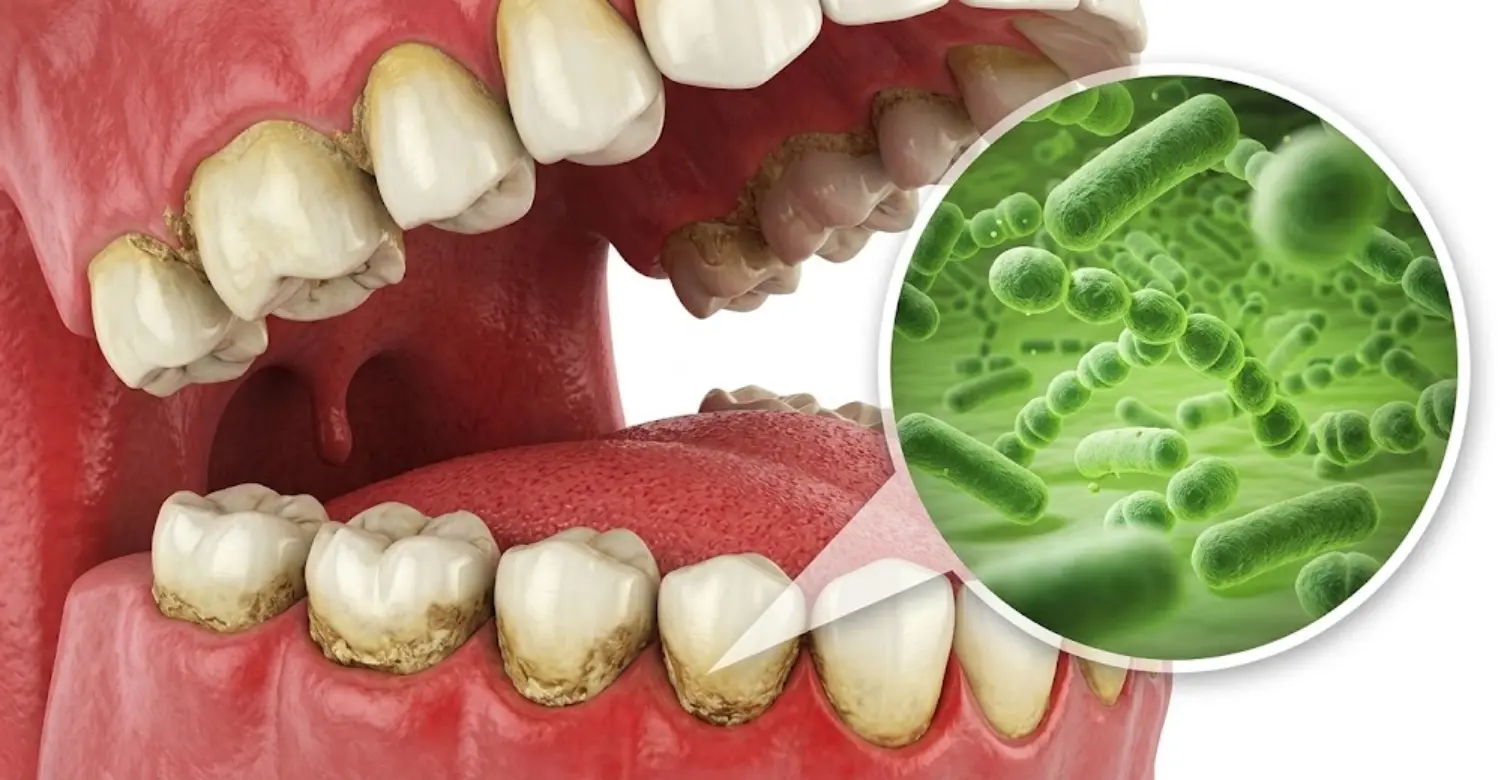
This connection becomes noticeable when oral tissues encounter harmful bacteria. The immune response recognizes microbial threats and coordinates protective inflammation. White blood cells and immune components control microorganisms within oral tissues. This maintains balance without persistent destructive inflammation. Problems develop when dental plaque remains undisturbed for extended periods. Plaque contains complex microbial communities that trigger inflammation near the gums. NIDCR explains that plaque and tartar contain bacteria capable of triggering inflammatory damage. Research shows microbial changes alter immune signaling within gum tissues. This contributes to periodontal inflammation when protective responses become prolonged. Oral hygiene aims to maintain a balanced microbial environment rather than eliminating every microorganism.
Clinical Note
Clinically, inflammation can develop before patients notice significant symptoms. Early gum disease causes redness, swelling, tenderness, or bleeding. These signs should not be dismissed as normal brushing effects. NIDCR reports that healthy periodontal pockets usually measure 1–3 millimeters. Deeper pockets indicate inflammation and supporting-tissue damage. The CDC reports that four in ten U.S. adults aged 30 or older have periodontitis. Regular periodontal assessment identifies inflammation before substantial tissue destruction occurs. Dental professionals evaluate bleeding, pocket depth, gum recession, plaque, and supporting bone. At Vitrin Clinic, clinical assessment determines whether preventive or periodontal treatment is appropriate. Early intervention provides better opportunities to control inflammation and preserve supporting tissues.
How Oral Health Affects the Immune System
Plaque, gum inflammation, microbial balance, and tissue integrity directly influence defense mechanisms. Poor oral hygiene allows plaque to accumulate around teeth and gum margins. This contributes to gingivitis and can progress toward periodontal disease. Inflamed gums interact continuously with microorganisms in dental plaque, increasing local immune activity and inflammatory signaling. Advanced periodontal disease damages the tissues and bone supporting teeth. NIDCR describes periodontal disease as an inflammatory condition caused by interactions involving microbes and host responses. Research links it with diabetes, cardiovascular disease, and other chronic conditions. However, researchers emphasize that direct causation requires further evidence. Maintaining oral health supports a healthier local environment for immune regulation.
Oral Bacteria and the Immune System
Thousands of microbial species live across mouth surfaces, forming the oral microbiome. Most microorganisms are not automatically harmful. Beneficial microbes compete with disease-associated organisms to contribute to stability. Problems arise when microbial communities become disrupted, a condition known as dysbiosis. Dysbiosis increases inflammatory activity and contributes to periodontal disease. NIDCR research found that microbial changes stimulate gingival epithelial cells to produce inflammatory cytokines. The immune system responds by activating protective mechanisms, but prolonged inflammation damages surrounding tissues. Oral hygiene aims to control harmful microbial accumulation through regular brushing and interdental cleaning.
Does Oral Health Affect Immunity?
Yes, this relationship affects immune activity primarily through local microbial and inflammatory processes. Healthy oral tissues provide physical barriers against microorganisms and maintain microbial balance. Conversely, poor oral health increases plaque accumulation and promotes gum inflammation. However, healthy teeth do not make someone immune to overall infections or systemic illnesses. The immune system depends on many organs, cells, nutrients, genetics, and lifestyle factors. NIDCR describes the mouth as an important interface with digestive and respiratory systems. They also highlight associations between periodontal disease and several systemic conditions. These associations do not prove that poor oral health directly causes every related disease. A healthy mouth supports local defense and reduces avoidable inflammatory burden. At Vitrin Clinic, preventive care helps patients manage plaque, gum inflammation, and periodontal risks.
Dr. Rifat Alsaman’s Clinical Opinion
This biological connection should be considered when evaluating persistent gum inflammation. Dr. Rifat Alsaman emphasizes identifying oral inflammation early rather than waiting for severe symptoms. Clinically, bleeding gums indicate an underlying inflammatory process that deserves professional assessment. This is especially true when accompanied by swelling or recession. Patients should understand that oral care does not replace medical care. A healthy mouth supports general wellness but cannot independently strengthen every aspect of immunity. Professional evaluation distinguishes routine gingivitis from more advanced periodontal problems. NIDCR reports that untreated periodontal disease progresses into bone and tissue destruction. Early diagnosis allows clinicians to determine appropriate treatment strategies, while consistent home care remains essential.
Gum Health and the Immune System
Healthy gums provide a vital barrier between oral microorganisms and deeper tissues. The area around the gumline constantly encounters bacteria, making it respond quickly to microbial imbalance. Healthy gingival tissues are generally firm, comfortable, and resistant to spontaneous bleeding. Persistent redness or bleeding indicates inflammation, though gingivitis is reversible when managed appropriately. If inflammation progresses, periodontal disease can damage supporting tissues. The CDC identifies periodontitis as a chronic inflammatory condition involving tissue destruction. This condition becomes more common with age. Smoking, diabetes, genetics, and inadequate plaque control increase periodontal risk. Maintaining healthy gums supports natural defensive barriers, and regular examinations detect early changes before significant damage occurs.
How Healthy Gums Support Oral Immune Defense
Healthy gums create a strong protective boundary around teeth to separate oral microorganisms from deeper tissues. Gingival cells recognize microbial changes and participate in immune signaling. NIDCR research found that gingival epithelial cells detect microbial imbalance and influence inflammatory responses. This highlights the active role of gum tissues in oral defense. Gums are active structures rather than passive tissue. Healthy gum tissue maintains controlled interactions between microorganisms and host tissues. Consistent plaque removal supports this balance by limiting excessive microbial accumulation. This prevents inflammatory changes from developing. Brushing twice daily and cleaning between teeth are key preventive measures. NIDCR recommends regular dental visits alongside daily brushing and interdental cleaning.
What Happens When Gum Health Declines?
When gum health declines, local defenses become increasingly inflammatory. Plaque accumulation causes gums to become red, swollen, and prone to bleeding. Gingivitis represents an early inflammatory stage that can often be reversed with appropriate care. Without treatment, inflammation may progress into periodontitis. This condition damages the ligament and bone supporting the teeth. NIDCR identifies periodontal disease as a major cause of adult tooth loss. The immune response contributes to tissue destruction when inflammation becomes chronic. Periodontal disease involves both microbial changes and host responses. NIDCR researchers continue investigating how immune signaling contributes to tissue damage. Patients should seek professional evaluation when bleeding, swelling, recession, bad breath, or loose teeth occur.
Tips for Patients
Maintaining your oral defense starts with simple daily habits. Brush your teeth twice daily using fluoride toothpaste. Clean between your teeth regularly using floss or an interdental device. Limit behaviors that increase periodontal risk, particularly tobacco use. NIDCR identifies tobacco as a major risk factor for gum disease. Schedule routine dental examinations even when your mouth feels comfortable. Professional examinations detect hidden inflammation, and cleanings remove hardened tartar. Pay attention to persistent bleeding, swelling, gum recession, sensitivity, or loose teeth. These are not normal parts of aging. A balanced diet, adequate sleep, activity, and stress management support general health. However, lifestyle improvements should complement professional dental care rather than replace it. At Vitrin Clinic, personalized plans help patients maintain healthier teeth and gums.
Immune System and Gum Disease
Gum disease involves a complex interaction between oral microorganisms and host immune responses. Bacteria accumulate within dental plaque and stimulate inflammatory responses in gingival tissues. This causes gingivitis when plaque remains around the gumline for extended periods. Without appropriate management, inflammation progresses toward periodontitis and damages tooth-supporting tissues and bone. The CDC estimates that 42.2% of adults aged 30 or older had some form of periodontitis between 2009 and 2014. This condition requires professional assessment and ongoing maintenance. Treatment focuses on controlling bacterial deposits and reducing periodontal inflammation, while effective home care remains essential between appointments.
How Gum Disease Affects the Immune System
Gum disease continuously stimulates local immune activity around affected teeth through communication between bacteria, gingival cells, and immune defenses. When plaque accumulates, bacterial products trigger inflammatory signaling within gum tissues. Gingival cells recognize microbial changes and release molecules that coordinate immune responses. This response initially controls potentially harmful microorganisms, but persistent inflammation contributes to tissue damage around the teeth. Periodontitis develops through complex interactions between microbial communities and host inflammatory responses. Importantly, gum disease does not mean the immune system is simply "weak"; instead, the immune response becomes persistently activated within diseased tissues. Controlling plaque and treating periodontal inflammation reduces this local inflammatory burden, and professional assessment helps determine disease severity.
Oral Health and Immune Response During Periodontal Disease
During periodontal disease, tissue defense mechanisms become more complex as inflammation persists. Microbial communities beneath the gumline differ from those found in healthy periodontal tissues, influencing how immune cells and gingival tissues respond. The inflammatory response recruits immune cells to control microbial challenges, but prolonged inflammatory activity damages collagen, connective tissues, and supporting bone. Periodontal tissue destruction involves both microbial factors and host responses. Researchers continue studying these mechanisms to understand why some patients develop more severe disease. Genetic factors, smoking, diabetes, and oral hygiene influence periodontal risk. Treatment aims to disrupt harmful microbial accumulation and control inflammation through scaling, root surface debridement, improved home care, and periodontal maintenance. Individual needs should always be assessed by a dental professional.
Clinical Note
Clinically, bleeding gums represent an important sign of inflammatory activity that should be addressed when persistent. Bleeding during brushing should not be ignored. Healthy periodontal tissues generally have shallow sulci without significant inflammatory bleeding. NIDCR explains that healthy periodontal pockets are typically between 1 and 3 millimeters. Increasing pocket depth indicates periodontal tissue breakdown, although measurements require professional interpretation. Patients may also experience gum recession, persistent bad breath, tenderness, or tooth mobility, and advanced disease eventually compromises supporting bone. At Vitrin Clinic, periodontal assessment helps identify inflammation and determine appropriate treatment needs to make disease management predictable. Regular maintenance is particularly important for patients with previous periodontal disease.
The Connection Between Oral Health and Immunity
This connection extends beyond individual teeth and gums, as the mouth represents a major interface between the external environment and the body. The oral cavity contains diverse microbial communities that interact continuously with host tissues. Most microorganisms coexist with humans without causing disease when microbial balance is maintained. Problems occur when this ecological balance becomes disrupted a state called dysbiosis that favors microorganisms associated with inflammation and periodontal disease. Gingival tissues detect these microbial changes and initiate immune signaling, demonstrating why oral health involves more than preventing cavities. Maintaining healthy gums preserves tissues responsible for local defense. However, oral health cannot replace vaccination, medical treatment, or nutrition. A healthy mouth is one component of comprehensive health.
Oral Microbiome and Immune Balance
The oral microbiome contains microorganisms across the teeth, tongue, gums, and other surfaces, and local immunity depends on maintaining balance within this ecosystem. A healthy microbiome coexists with host tissues without producing persistent destructive inflammation. Dental plaque represents a structured microbial community rather than simple food debris. When plaque accumulates, its composition and activity change, promoting inflammation around the gums. NIDCR research shows that gingival epithelial cells detect shifts within microbial communities and produce inflammatory cytokines that influence immune activity. This mechanism explains why microbial balance matters for periodontal health. Good oral hygiene reduces excessive plaque accumulation without attempting to eliminate every oral microorganism. Brushing, interdental cleaning, and professional care support a healthier microbial environment.
Can Poor Oral Health Weaken the Immune System?
Poor oral health influences local immune activity, but this relationship should not be oversimplified. Poor oral hygiene encourages plaque accumulation and gum inflammation, creating prolonged immune activity within affected tissues. However, periodontal disease does not mean a person's entire immune system has become weak, as immunity is a complex network involving many organs, cells, proteins, and signaling pathways. Oral disease represents one part of this broader biological system. Researchers have identified associations between periodontal disease and several systemic health conditions, but association does not prove direct causation. Patients should avoid claims that brushing alone can "boost immunity." Instead, consistent oral hygiene maintains healthy tissues and controls avoidable inflammation, complementing appropriate medical care and healthy lifestyle habits.
Dr. Rifat Alsaman’s Clinical Opinion
From a clinical perspective, gum inflammation deserves immediate attention. Dr. Rifat Alsaman recommends taking persistent bleeding, swelling, and gum changes seriously rather than waiting for discomfort. Periodontal disease can progress without causing severe pain, making routine dental examinations valuable for detecting hidden inflammation. Early diagnosis allows clinicians to evaluate periodontal pockets, gum recession, plaque accumulation, and supporting bone. Patients should understand that periodontal treatment is not simply cosmetic; it focuses on controlling infection, inflammation, and progressive tissue destruction. The treatment approach depends on disease severity and individual risk factors. At Vitrin Clinic, dental professionals develop personalized periodontal care based on clinical findings to preserve treatment results and support long-term oral health through recommended recall intervals and daily plaque control.
How Gum Disease Can Influence Overall Health
Periodontal inflammation occurs within tissues that constantly interact with microorganisms, carrying implications beyond the mouth. Research identifies associations between periodontal disease and systemic conditions such as diabetes and cardiovascular disease. Proposed biological pathways include inflammatory signaling, microbial products, and movement of bacteria or inflammatory mediators into circulation, though researchers continue investigating the strength and direction of these relationships. Periodontal disease should not be presented as a proven cause of every associated condition, as shared risk factors like smoking, diabetes, age, and socioeconomic status play major roles. Maintaining oral health remains valuable regardless of these uncertainties, as healthy gums support comfortable eating, speaking, and daily function while identifying periodontal problems early.
Chronic Oral Inflammation and the Body
Persistent gum inflammation maintains an ongoing immune response within periodontal tissues, which becomes particularly relevant when inflammation remains uncontrolled. Periodontal disease involves inflammatory destruction of supporting tissues. Inflammatory molecules produced locally participate in communication between cells within affected tissues, and researchers propose that these mediators may contribute to systemic biological effects. However, the clinical significance of these pathways continues to be investigated. Periodontitis is common among adults, with the CDC reporting that nearly half of adults aged 30 years or older had periodontitis based on national U.S. data from 2009–2014. These statistics demonstrate why periodontal prevention matters at a population level. Regular brushing, interdental cleaning, professional examinations, and appropriate periodontal treatment help control inflammation, while ongoing maintenance reduces recurrence risk.
Oral Health as Part of Whole-Body Health
The mouth is an essential part of overall health rather than an isolated body system. Oral tissues interact continuously with microorganisms and defenses every day, supporting eating, speaking, social confidence, and comfort. Untreated dental and periodontal problems cause pain, tooth loss, infection, and daily difficulty. Although periodontal disease is associated with several systemic conditions, association should not be confused with direct causation. Research continues to investigate whether treating periodontal disease changes systemic risk. A whole-body approach manages oral conditions alongside medical conditions and lifestyle factors through collaboration between dental professionals and physicians. At Vitrin Clinic, preventive dental care forms part of a broader approach to long-term wellness.
What We Notice Clinically
Clinicians often identify periodontal inflammation before patients experience significant discomfort. Bleeding, swelling, recession, or pocketing make this connection clinically relevant. Some patients report bleeding only during brushing, while others notice persistent bad breath or sensitivity around specific teeth. Periodontal probing measures the depth of spaces around teeth, and X-rays evaluate supporting bone when indicated. NIDCR identifies healthy periodontal pocket measurements as approximately 1 to 3 millimeters. Clinical findings help determine whether patients need routine prevention or periodontal treatment based on disease severity, medical history, smoking status, and diabetes. Early assessment preserves periodontal tissues and reduces the likelihood of advanced complications, while regular maintenance ensures stability after active treatment.
How to Maintain a Healthy Mouth and Strong Immune System
Daily habits play an important role in maintaining healthy teeth and gums through consistent plaque control and healthy periodontal tissues. Good oral hygiene cannot make someone immune to infections, but it supports local defenses. The American Dental Association recommends brushing twice daily with fluoride toothpaste, while interdental cleaning removes plaque from areas toothbrush bristles cannot reach. Regular dental visits allow professionals to identify problems and provide preventive care. Lifestyle choices also influence periodontal health; smoking increases gum disease risk and interferes with treatment outcomes, while poorly controlled blood glucose in diabetes increases periodontal risk. A healthy diet, adequate sleep, physical activity, and medical care support general wellness, complementing professional dental care.
Build a Daily Oral Hygiene Routine
A consistent routine controls plaque accumulation around teeth and gums throughout the day. Brush twice daily using fluoride toothpaste and a suitable toothbrush, spending enough time cleaning all accessible tooth surfaces. Clean between teeth regularly using floss, interdental brushes, or other suitable tools based on individual needs, as toothbrush bristles cannot reach interdental surfaces. Avoid aggressive brushing because excessive pressure irritates gums and contributes to abrasion. Use gentle, controlled movements around the gumline and replace toothbrushes when bristles become worn. Regular dental appointments provide professional plaque and tartar management. At Vitrin Clinic, dental professionals recommend personalized hygiene techniques based on gum condition, tooth alignment, restorations, and individual risk factors.
Brush Your Teeth Properly
Correct brushing reduces plaque around the teeth and gumline to support local tissues. Use a soft-bristled toothbrush unless your dentist recommends another option, positioning the brush toward the gumline with gentle movements. Clean the outer, inner, and chewing surfaces of every tooth for approximately two minutes twice daily with fluoride toothpaste. Avoid brushing immediately after acidic foods or drinks because enamel becomes temporarily vulnerable to abrasion. Consider using an electric toothbrush to maintain consistent technique and coverage. Do not aggressively scrub bleeding gums, as bleeding indicates inflammation that improves with effective plaque control and professional assessment. Your dentist can demonstrate the most appropriate method for your needs, as a gentle routine performed thoroughly maintains healthier teeth and gingival tissues.
Clean Between Your Teeth
Interdental cleaning reduces plaque from areas toothbrushes cannot reach effectively. Floss cleans between tightly contacting teeth, while interdental brushes are useful where spaces are larger. The best method depends on tooth spacing, gum anatomy, orthodontic appliances, and dental restorations. Cleaning between teeth once daily is commonly recommended as part of comprehensive oral hygiene. Move floss gently beneath the gumline without forcing or snapping it into the tissues to avoid unnecessary trauma. Interdental brushes should fit comfortably without excessive force. Your dental professional can recommend appropriate sizes and demonstrate correct techniques, especially for patients with bridges, implants, braces, or periodontal pockets. Plaque control between teeth is essential because inflammation often begins around difficult-to-clean areas.
Support Healthy Gums
Healthy gums maintain an effective protective barrier around teeth by controlling plaque and managing risk factors. Brush twice daily and clean between teeth consistently. Regular professional examinations detect gingivitis or periodontal disease before significant damage develops. Avoid smoking and tobacco products because tobacco use increases periodontal disease risk, and patients with diabetes should maintain appropriate medical management. Watch for warning signs such as persistent bleeding, swelling, recession, bad breath, or loose teeth, which warrant professional evaluation rather than prolonged self-treatment. Professional periodontal cleaning is necessary when hardened tartar develops, as tartar cannot be removed with ordinary brushing. Patients with previous periodontitis require periodontal maintenance at individualized intervals. At Vitrin Clinic, personalized periodontal plans combine professional treatment, home-care guidance, and long-term maintenance.
Lifestyle Factors That Affect Oral Health
Several lifestyle factors influence oral tissues. Smoking is strongly associated with periodontal disease and interferes with treatment outcomes. Diabetes is another key factor because poorly controlled blood glucose increases periodontal disease risk. Stress influences oral hygiene behaviors, dietary choices, and other habits that affect dental health. A balanced diet provides nutrients needed for maintaining oral tissues and general health, while limiting frequent sugary snacks and drinks reduces dental caries risk. Adequate hydration supports saliva production and normal oral function. Sleep and physical activity contribute to overall health without replacing dental hygiene, and alcohol consumption affects oral health depending on frequency and amount. A practical approach combines good oral hygiene, preventive dental visits, healthy nutrition, tobacco avoidance, and appropriate medical care.
Can Good Oral Health Improve Immune Function?
Good oral hygiene supports healthy oral tissues and controls potentially harmful microbial accumulation, functioning as a supportive measure rather than a simple immune-boosting mechanism. Brushing and interdental cleaning reduce plaque to decrease gingival inflammation, while regular professional care manages periodontal disease. However, there is no evidence that brushing your teeth makes the entire immune system stronger in the same way as vaccination or medical treatment. Oral hygiene primarily protects the mouth and reduces local inflammatory problems. Studies reporting associations between periodontal disease and cardiovascular disease or diabetes do not mean that dental treatment can prevent or cure systemic diseases. Patients should continue recommended medical care while maintaining appropriate dental hygiene.
What Good Oral Hygiene Can and Cannot Do
Good oral hygiene controls plaque and protects gingival tissues through regular brushing, interdental cleaning, and professional dental care. However, oral hygiene cannot prevent every infection or strengthen every component of systemic immunity, which depends on genetics, nutrition, sleep, vaccination, medications, and underlying health conditions. Good dental care also cannot cure diabetes, cardiovascular disease, or other systemic conditions, so patients should be cautious about claims that specific toothpaste or mouthwash products dramatically boost immunity. The strongest benefit of oral hygiene is maintaining healthy teeth and periodontal tissues to reduce preventable inflammation, dental infections, tooth loss, and discomfort. At Vitrin Clinic, patients receive personalized guidance based on their oral condition and individual risk factors.
Healthy Mouth and Strong Immune System: What Does the Evidence Mean?
Research supports biological interactions between oral microorganisms, gum tissues, and immune responses at the local tissue level. Researchers have identified mechanisms through which gingival cells detect microbial changes and produce inflammatory signals, while periodontal disease involves interactions between microbial communities and host inflammatory responses. Evidence connecting periodontal disease with systemic conditions remains complex, as observational studies identify associations without proving direct cause and effect. For patients, the practical message is straightforward: maintain daily plaque control and seek professional care when gum symptoms appear. Do not assume that healthy teeth eliminate the possibility of illness elsewhere in the body, as good oral health contributes to overall wellness while medical care manages systemic health conditions.
Clinical Note
From a clinical standpoint, proactive periodontal prevention is essential because gum inflammation remains relatively painless while gradually affecting supporting tissues. Dentists evaluate gum health using visual examination, periodontal measurements, and radiographic assessment. NIDCR notes that periodontal disease can eventually damage bone and supporting tissues, so patients should not wait for severe pain before seeking care. Persistent bleeding, swelling, recession, bad breath, or tooth mobility warrant prompt evaluation. Preventive treatment focuses on reducing plaque, controlling inflammation, and maintaining healthy tissues according to disease severity and medical risk factors. Vitrin Clinic emphasizes personalized assessment and regular follow-up to monitor changes and maintain periodontal stability over time.
When Should You See a Dentist About Your Oral Health?
Schedule a dental examination when oral symptoms persist or change, especially since persistent bleeding, swelling, recession, or bad breath indicate periodontal problems. Tooth pain, sensitivity, mobility, or changes in bite also require professional evaluation. Because some dental conditions cause few symptoms during early stages, regular examinations identify problems before patients notice them. NIDCR recommends professional dental care as part of maintaining healthy teeth and gums, and people with previous periodontal disease need more frequent maintenance depending on clinical risk. Patients should inform dentists about relevant medical conditions and medications to guide treatment planning. At Vitrin Clinic, comprehensive dental assessments identify cavities, gum inflammation, periodontal pockets, and other conditions to support conservative management.
Warning Signs You Should Not Ignore
Certain symptoms deserve professional attention because they indicate active dental or periodontal problems. Warning signs include bleeding gums, persistent swelling, gum recession, bad breath, loose teeth, painful chewing, persistent tooth sensitivity, or unexplained oral discomfort. The CDC identifies bleeding or swollen gums among symptoms associated with gum disease, which can eventually cause tooth mobility and tooth loss. Do not assume bleeding is normal due to vigorous brushing; repeated bleeding indicates inflammation that requires prompt assessment to determine whether symptoms result from gingivitis, periodontitis, cavities, or trauma. Patients experiencing facial swelling, fever, difficulty swallowing, or difficulty breathing require urgent medical or dental attention, as these symptoms indicate potentially serious infections.
Why Early Diagnosis Matters
Early diagnosis helps clinicians identify inflammation before substantial periodontal destruction develops.The oral health and immune system relationship makes early control of inflammation particularly valuable. Gingivitis can often be managed effectively when plaque control improves and contributing factors are addressed.Periodontitis requires more comprehensive evaluation because supporting tissues and bone may already be affected. Dentists can measure periodontal pockets and assess bleeding during examination.Radiographs may reveal bone changes that cannot be detected visually. Early treatment can reduce microbial deposits and help control inflammatory activity.The specific approach depends on disease severity and patient risk factors. Regular monitoring is also important because periodontal disease can recur after successful treatment.Maintenance appointments help identify new inflammation and reinforce effective home-care techniques. At Vitrin Clinic, early assessment can help create a personalized preventive or periodontal plan.This approach supports long-term tooth retention and healthier gum tissues.
Dr. Rifat Alsaman’s Clinical Opinion
Dr. Rifat Alsaman views the oral health and immune system relationship as another reason to take periodontal symptoms seriously.He emphasizes that gum problems should be evaluated before they become advanced. Patients sometimes focus exclusively on cavities while overlooking bleeding or swollen gums.However, periodontal tissues are essential for maintaining stable teeth and healthy oral function.Persistent inflammation should therefore receive appropriate clinical attention. A professional examination can distinguish temporary irritation from more significant periodontal disease.The treatment plan should reflect clinical findings rather than symptoms alone. Patients should also maintain realistic expectations.Treating gum disease can improve periodontal health, but it does not guarantee prevention of unrelated systemic diseases. Consistent home care remains a major part of successful treatment outcomes.At Vitrin Clinic, individualized periodontal care can combine professional treatment with practical daily hygiene recommendations.Regular maintenance helps monitor periodontal stability over time.
How Vitrin Clinic Approaches Oral and Gum Health
Vitrin Clinic approaches preventive dentistry by focusing on individual oral conditions rather than applying one solution to every patient.The oral health and immune system relationship provides useful context when evaluating gum inflammation and oral microbial balance. A comprehensive assessment can identify plaque accumulation, gingival inflammation, periodontal pockets, tooth decay, and other concerns.Clinical findings help determine whether patients need preventive care, periodontal treatment, restorative treatment, or continued monitoring. Patients can also receive guidance on brushing, interdental cleaning, and long-term maintenance.Professional recommendations should reflect individual anatomy, restorations, gum condition, and risk factors. The goal is not to eliminate every microorganism from the mouth.Instead, appropriate dental care aims to maintain healthy tissues and control disease-associated microbial accumulation. Vitrin Clinic combines clinical evaluation with personalized treatment planning.This approach can help patients understand their oral condition and make informed decisions about ongoing care.
Comprehensive Oral Health Assessment
A comprehensive assessment evaluates teeth, gums, supporting tissues, and overall oral conditions.The oral health and immune system relationship can be considered when clinicians evaluate persistent inflammation or periodontal changes. The examination may include visual assessment, periodontal measurements, dental imaging, and evaluation of plaque or tartar.Caries, gum recession, tooth mobility, and restoration problems may also be identified. Periodontal probing helps determine whether periodontal pockets are present.NIDCR describes healthy periodontal pockets as generally measuring one to three millimeters. Imaging may be recommended when clinicians need to evaluate supporting bone or other structures.Patient medical history can also influence treatment planning. At Vitrin Clinic, assessment findings can guide an individualized treatment plan.This may include preventive care, professional cleaning, periodontal treatment, restorative procedures, or maintenance. The purpose of comprehensive assessment is to identify problems accurately before selecting treatment.Effective diagnosis provides a foundation for safer and more predictable dental care.
Personalized Preventive and Periodontal Care
Personalized care recognizes that periodontal risks differ between patients.The oral health and immune system relationship can vary according to microbial factors, inflammation, hygiene, smoking, diabetes, and other conditions. Some patients may require routine preventive cleanings.Others may need periodontal treatment followed by regular maintenance appointments. Treatment can focus on removing plaque and tartar, improving home-care technique, and controlling periodontal inflammation.More advanced disease may require additional periodontal interventions depending on clinical findings. Patients should receive clear instructions about cleaning around restorations, implants, orthodontic appliances, or crowded teeth when relevant. Vitrin Clinic can tailor preventive recommendations according to individual clinical findings.This may help patients maintain healthier gums and reduce avoidable plaque accumulation. Long-term success depends on both professional treatment and patient participation.Daily hygiene and scheduled maintenance remain important even after symptoms improve.
Why Choose Vitrin Clinic for Your Oral Health?
Choosing a dental clinic involves more than selecting a location.The oral health and immune system relationship emphasizes the importance of consistent preventive and periodontal care. Vitrin Clinic focuses on individualized assessment and treatment planning for different oral health needs.Patients can receive professional evaluation before recommendations are made. A comprehensive approach can help identify gum inflammation, periodontal problems, tooth decay, and other dental conditions.Early detection may allow problems to be managed before they become more advanced. Patient education is also important because professional treatment cannot replace daily oral hygiene.Clear instructions can help patients maintain results between appointments. Ongoing maintenance provides another important advantage.Regular reviews can detect changes that patients may not notice themselves. Vitrin Clinic aims to combine clinical assessment, personalized treatment, preventive guidance, and continuing care.This approach supports healthier teeth and gums while keeping patient needs central to treatment decisions.
Patient-Centered Dental Care
Patient-centered care means treatment recommendations should reflect individual needs, concerns, and clinical findings.The oral health and immune system relationship is considered within the broader context of maintaining healthy oral tissues. Patients should understand what their dentist finds and why specific treatment is recommended.Clear communication can make preventive care easier to follow. At Vitrin Clinic, dental professionals can explain examination findings and discuss appropriate treatment options.Personalized hygiene advice can also address difficulties caused by crowded teeth, restorations, or periodontal problems. Patient preferences remain relevant when several clinically appropriate options exist.However, recommendations should always prioritize oral health, safety, and predictable outcomes. A patient-centered approach also recognizes that oral health changes over time.Regular examinations allow treatment plans to be adjusted when new conditions develop. The objective is long-term oral wellness rather than simply treating individual symptoms when they appear.Prevention, education, professional treatment, and maintenance work together to support this goal.
From Diagnosis to Ongoing Maintenance
Successful dental care continues after the initial diagnosis through ongoing management of gum tissues over time. After treatment, patients receive practical instructions for controlling plaque and protecting periodontal tissues, while professional maintenance appointments monitor gum inflammation and identify recurrent problems. Patients with periodontal disease require individualized maintenance intervals based on disease severity and risk factors to detect changes before significant tissue damage develops. Home care remains essential between appointments, requiring brushing twice daily and cleaning between teeth. At Vitrin Clinic, ongoing care is adjusted according to clinical findings and patient needs to help preventive strategies evolve as oral conditions change. Consistent follow-up preserves treatment results and supports healthier periodontal tissues.
Reference
FAQs
Dr. Rifat Alsaman has more than 5 years of clinical experience in dentistry and currently serves as the Head of the Medical Team at Vitrin Clinic. He is dedicated to providing exceptional patient care, overseeing treatment planning, and ensuring the highest clinical standards across the team. His expertise, attention to detail, and commitment to continuous professional development have helped countless patients achieve healthier, more confident smiles.

.webp&w=3840&q=75)


