General Dentistry
September 15, 2026
Oral Microbiome: What Is It and How Can You Improve Its Balance?
 Dr. Rifat Alsaman
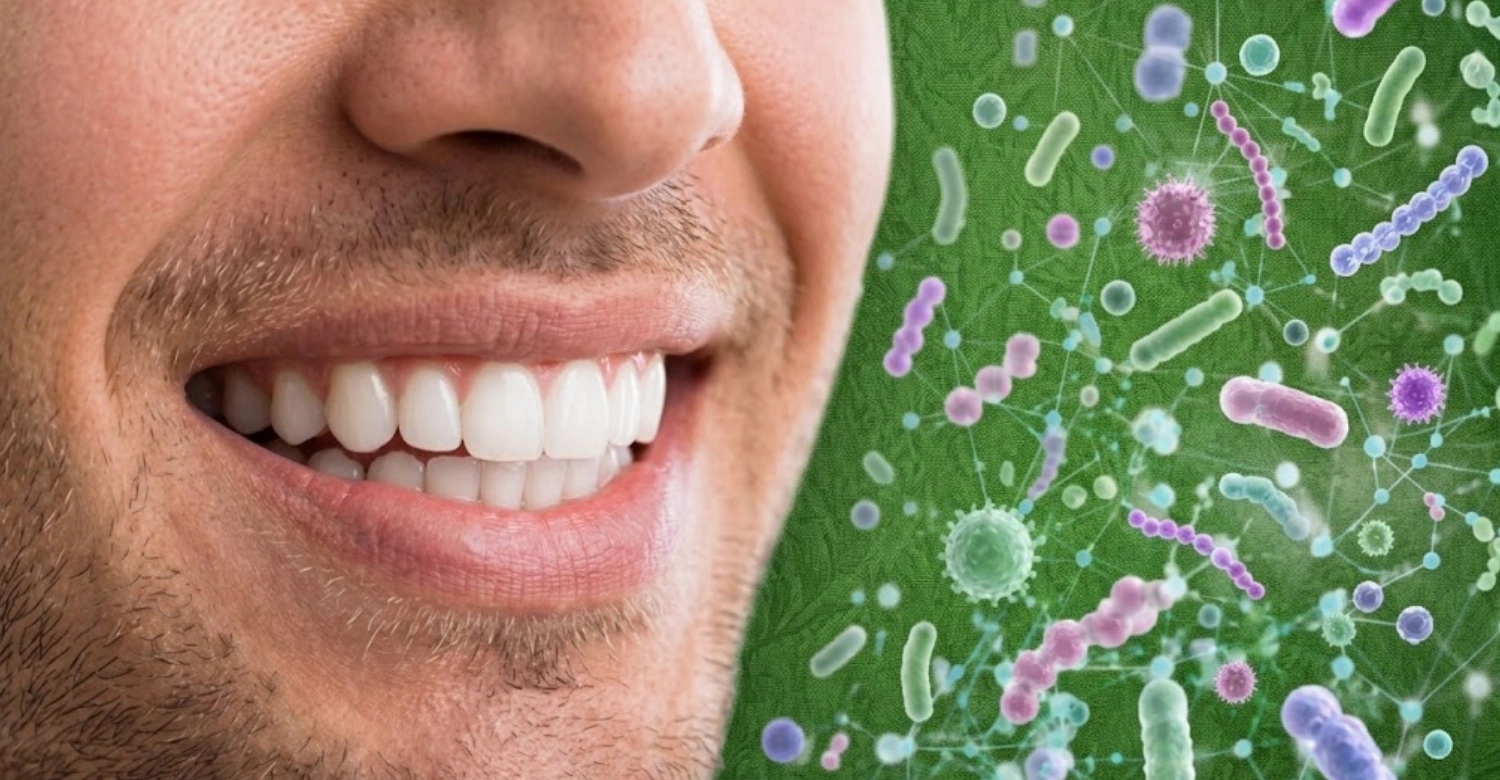
Oral microbiome is the term dentists use for the mix of bacteria, fungi, viruses, and other microorganisms living across your mouth. It covers the tongue, teeth, gums, cheeks, and saliva. A healthy version of it isn't about wiping out bacteria completely. It's about keeping a balanced microbial environment where helpful and harmful organisms stay in check. When that balance shifts, problems like plaque buildup, tooth decay, bad breath, and gum inflammation can follow. Diet, oral hygiene, saliva flow, medications, and lifestyle habits all shape it. Every mouth hosts its own mix of oral microbiomes, shaped by genetics, diet, and daily habits. This guide walks through what it is, what disrupts it, and practical ways to support it.
Oral Microbiome: What Is It and Why Does Its Balance Matter?
Understanding the oral microbiome starts with recognizing it as a living ecosystem, not a single germ to eliminate. Bacteria, fungi, and other microbes exist naturally in every mouth. Some support digestion and protect enamel. Others, when they multiply unchecked, drive decay and gum disease. Balance, not sterility, is the real goal of oral care. Saliva, tooth surfaces, and gum tissue all interact with this ecosystem daily. When the mix stays balanced, the mouth generally stays healthy. When it tips toward harmful species, problems tend to follow.
What Is the Oral Microbiome?
This term refers to the community of microorganisms that live throughout the mouth, including the tongue, teeth, gums, cheeks, and saliva. It contains hundreds of species living together. Many coexist harmlessly and even support oral function. Others become associated with oral disease once conditions favor their growth, such as poor hygiene or frequent sugar exposure. Knowing what is the oral microbiome helps patients understand why complete bacterial elimination isn't the goal. Balance among these species, not their absence, defines a healthy mouth.
How Does a Healthy Oral Microbiome Support Oral Health?
A stable microbial balance works with saliva, tooth surfaces, and gum tissue to keep the mouth healthy. Saliva buffers acids and delivers minerals that protect enamel. Beneficial bacteria can crowd out harmful species before they multiply. Gum tissue stays less inflamed when microbial activity stays balanced. This is why the goal of oral care should be microbial balance, not complete bacterial elimination. Removing all bacteria isn't realistic or healthy. Supporting the right balance protects teeth and gums more effectively over time.
What Can Disrupt the Oral Microbiome?
Several everyday factors can disrupt this balance:
Poor oral hygiene and persistent plaque
Frequent sugar and refined-carbohydrate consumption
Smoking and tobacco exposure
Dry mouth and reduced saliva flow
Certain medications and antimicrobial products
Untreated cavities and gum disease
Changes in diet or general health
Any one of these can shift the microbial balance toward harmful species. Combined, they raise the risk considerably. Recognizing these triggers early makes it easier to protect the mouth's natural balance before visible problems appear.
Note: All images used are for editorial and illustrative purposes only and may not originate from the original news provider or associated company.
What Is an Oral Microbiome Imbalance?
An oral microbiome imbalance happens when harmful bacteria outnumber beneficial ones. This shift, often called dysbiosis, doesn't happen overnight. It builds gradually from habits like inconsistent brushing, frequent sugar intake, or dry mouth. The result is an oral environment that favors decay and inflammation rather than protection. Spotting this shift early, before it causes lasting damage, makes treatment simpler and more effective.
Signs That Your Oral Microbiome May Be Out of Balance
Persistent bad breath
Increased plaque accumulation
Bleeding or swollen gums
Recurrent cavities
Changes in taste or oral comfort
Increased sensitivity or other symptoms that may indicate an underlying dental problem
These signs shouldn't be ignored. They often point to an underlying imbalance that needs attention. Persistent symptoms, especially bleeding gums or repeated cavities, deserve a proper dental evaluation rather than guesswork at home.
Oral Microbiome Imbalance and Gum Disease
Microbial changes play a direct role in periodontal inflammation. As plaque biofilm accumulates along the gumline, it shifts the microbial balance toward bacteria linked to gingivitis and periodontitis. Left untreated, this progression can damage the tissue and bone supporting teeth. Gum disease requires professional assessment. Attempting to correct this imbalance independently, without treating the underlying plaque and inflammation, rarely resolves the condition on its own.
Oral Microbiome Imbalance and Tooth Decay
Acid-producing bacteria thrive when sugar exposure is frequent. Every time sugar is consumed, these bacteria release acids that weaken enamel. Fluoride, saliva, diet, and consistent plaque control all help counter this process. This kind of imbalance is one factor in caries development, not the sole cause. Genetics, saliva flow, and hygiene habits all play a role too. Addressing multiple factors together works better than focusing on bacteria alone.
Tips for Patients
Brush twice daily with fluoride toothpaste
Clean between teeth every day
Keep sugary foods and drinks to mealtimes where possible
Drink water regularly
Avoid smoking and tobacco products
Address persistent dry mouth
Do not use strong antimicrobial mouthwashes unnecessarily
Schedule routine dental and periodontal examinations
Seek professional care for persistent bleeding, swelling, pain, or bad breath
Avoid searching for how to fix oral microbiome problems overnight with unproven home remedies
These habits support a stable oral environment without over-treating the mouth or masking symptoms that need professional care.
How to Improve Oral Microbiome Health
Improving this balance starts with consistent daily habits, not dramatic interventions. Brushing, interdental cleaning, hydration, and a balanced diet all support a stable microbial environment. Learning how to improve oral microbiome balance doesn't require special products or complicated routines. It requires consistency. The sections below cover plaque control, saliva support, diet, and mouthwash use, four areas that shape this balance daily.
Maintain Consistent Plaque Control
Brush twice daily with fluoride toothpaste and clean between teeth with floss or interdental brushes. Clean the tongue gently when appropriate, since it can harbor bacteria linked to bad breath. Effective plaque removal matters more than aggressive brushing. Scrubbing too hard can damage gum tissue without improving cleaning results. Gentle, thorough technique applied consistently removes more plaque than forceful brushing done occasionally.
Support Saliva and a Healthy Oral Environment
Saliva protects teeth by buffering acids, delivering minerals, and washing away food debris. Adequate hydration supports steady saliva flow throughout the day. Sugar-free chewing gum can help stimulate saliva production where appropriate, particularly after meals. Persistent dry mouth shouldn't be ignored, since it removes one of the mouth's natural defenses. Anyone experiencing ongoing dryness should seek professional advice rather than relying on home remedies alone.
Review Your Diet
Reducing frequent sugary snacks and drinks limits the fuel that acid-producing bacteria rely on. Constant grazing throughout the day keeps the mouth in an acidic state longer than occasional treats. A balanced diet supports both general and oral health. Frequency of sugar exposure matters more than total amount consumed. Three sugary snacks spread across the day cause more harm than the same amount eaten at one sitting.
Use Mouthwash Carefully
Mouthwash is an adjunct, not a replacement for brushing and interdental cleaning. Stronger antimicrobial products aren't automatically better. Overusing them can disrupt this balance further, reducing beneficial bacteria along with harmful ones. Anyone considering a therapeutic mouthwash for a specific condition should get professional advice first. Routine daily use of harsh antimicrobial rinses isn't necessary for most people.
How to Restore the Oral Microbiome After an Imbalance
Restoring balance after disruption starts with treating the underlying cause, not just the symptoms. Professional treatment for active disease, combined with consistent home care, creates conditions where a healthier state can return. Patients often ask how to restore oral microbiome balance quickly. There's no instant reset. It takes identifying the cause, treating existing disease, and maintaining daily habits over time.
Start by Identifying the Underlying Cause
Treating symptoms alone rarely restores a healthy oral environment. Plaque, cavities, periodontal disease, dry mouth, diet, and smoking can all contribute to an imbalance. A dental examination helps pinpoint which factors are driving the problem. Without addressing the actual cause, symptoms like bad breath or bleeding gums tend to return. Anyone with persistent symptoms should schedule an examination rather than guessing at the cause.
Professional Treatment for Existing Oral Disease
Professional cleaning and periodontal care, when indicated, remove accumulated plaque and calculus that home care can't reach. Managing gingivitis and periodontitis addresses active inflammation directly. Treating cavities and defective restorations removes spaces where harmful bacteria accumulate. Managing dry mouth, where appropriate, restores one of the mouth's natural defenses. Treating active disease helps create conditions that support a healthier oral environment going forward.
Can Probiotics Restore the Oral Microbiome?
Oral probiotics are an area of growing research interest. Some studies suggest certain strains may support a favorable microbial balance. Promising research isn't the same as established clinical treatment, though. Probiotics shouldn't replace brushing, professional periodontal care, or cavity treatment. Patients considering probiotic products for a specific oral condition should discuss them with their dentist first rather than treating them as a standalone fix.
How to Balance the Oral Microbiome Without Over-Treating the Mouth
Learning how to balance oral microbiome health means avoiding two extremes: neglect and over-treatment. Ignoring hygiene lets harmful bacteria dominate. Overusing antimicrobial products can strip away beneficial species too. The goal sits in the middle, consistent care that controls harmful plaque without attempting to sterilize the mouth entirely. The sections below explain why more antibacterial products aren't always the answer.
Why More Antibacterial Products Are Not Always Better
Reducing harmful plaque is different from attempting to sterilize the mouth. A diverse microbial community actually supports oral stability. Unnecessary or prolonged antimicrobial use can wipe out beneficial bacteria along with harmful ones, sometimes making the mouth more vulnerable afterward. Targeted, professionally guided care works better than reaching for the strongest available product by default.
The Role of Professional Dental Cleaning
Professional cleaning removes accumulated plaque and calculus that brushing alone can't reach. Scaling doesn't permanently reset this microbial balance, though. It clears the slate temporarily. Daily home care maintains those results afterward. Without consistent brushing and interdental cleaning between visits, plaque and harmful bacteria simply rebuild, undoing much of what professional cleaning accomplished.
Clinical Note
This kind of balance should be considered part of overall oral disease prevention, not a standalone diagnosis. The right approach depends on periodontal condition, caries risk, saliva flow, oral hygiene, diet, and medical history. Patients with persistent symptoms should receive an individualized dental examination rather than a generic routine. No single food, supplement, probiotic, or mouthwash can independently restore it on its own.
What We Notice Clinically
Dr. Rifat Alsaman, Head of the Medical Team at Vitrin Clinic and a cosmetic dentist, emphasizes viewing this balance alongside visible signs of oral health. He notes that patients sometimes focus on eliminating bacteria rather than controlling the conditions that allow harmful bacteria to dominate. Dr. Rifat Alsaman highlights identifying the underlying cause before recommending additional products. His approach favors appropriate diagnosis, professional treatment when needed, and consistent home care over promises of an instant reset.
Can Dental Treatments Affect the Oral Microbiome?
Dental treatments interact with this balance in different ways. Periodontal therapy, restorations, and cosmetic work can all influence plaque accumulation and microbial balance, depending on how they're planned and maintained. Understanding these interactions helps patients maintain results after treatment rather than watching problems return. The sections below cover periodontal treatment, restorations, and cosmetic dentistry specifically.
Periodontal Treatment
Periodontal treatment addresses plaque, calculus, and inflammation directly, targeting the bacteria most linked to gum disease. Maintaining periodontal health after treatment matters just as much as the treatment itself. Without consistent home care and follow-up visits, harmful bacteria can rebuild and inflammation can return. Ongoing maintenance protects the results periodontal therapy achieves.
Dental Restorations and Crowns
Well-fitting restorations and good margins matter for plaque control. Poorly fitted crowns or fillings create ledges and gaps where plaque accumulates and hides from brushing. Restorations should support oral hygiene, not create new areas of risk. Regular checkups help confirm that existing restorations still fit properly and aren't contributing to microbial imbalance around the gumline.
Cosmetic Dentistry and Oral Health
Cosmetic treatments should be planned around healthy teeth and gums, not instead of addressing them. Aesthetic treatment does not replace preventive or periodontal care. Dr. Rifat Alsaman's approach to cosmetic dentistry reflects this: aesthetics and oral health are planned together, not separately. A cosmetic result built on unresolved gum disease or untreated decay rarely holds up over time.
When Should You See a Dentist About Your Oral Microbiome?
Certain symptoms suggest it's time to see a dentist rather than waiting things out. Persistent bad breath, bleeding gums, and recurrent cavities are common signals worth addressing sooner rather than later. The sections below explain when each of these symptoms warrants a professional evaluation.
Persistent Bad Breath
Halitosis that doesn't improve with brushing may point to periodontal disease, tongue coating, dry mouth, or other underlying causes. Masking the odor with mints or mouthwash doesn't address what's driving it. An evaluation can identify the actual source and guide appropriate treatment, rather than leaving the underlying cause unaddressed indefinitely.
Bleeding or Swollen Gums
Persistent bleeding shouldn't simply be attributed to sensitive gums. It's frequently an early sign of gingivitis or periodontitis. Left unaddressed, inflammation can progress and eventually affect the structures supporting teeth. Gums that bleed regularly during brushing or flossing deserve a proper evaluation rather than being dismissed as normal or something to just get used to.
Recurrent Cavities or Plaque Buildup
Repeated dental problems often point beyond simple bad luck. They may require an assessment of hygiene technique, diet, saliva flow, and individual caries risk. Some patients are naturally more prone to plaque buildup regardless of effort. Identifying these individual risk factors allows for a more targeted prevention plan instead of repeating the same approach that hasn't worked.
Oral Microbiome Care at Vitrin Clinic
At Vitrin Clinic, treatment planning begins with assessing each patient's individual oral condition. Teeth, gums, existing restorations, oral hygiene, and overall treatment needs are all evaluated before recommending procedures. This approach reflects the clinic's broader periodontal and general dental philosophy. Patients receive individualized professional guidance based on their actual oral condition rather than a one-size-fits-all routine. Dr. Rifat Alsaman, Head of the Medical Team at Vitrin Clinic and cosmetic dentist, brings this clinical expertise to treatment planning. Realistic timelines and appropriate follow-up matter more than promises of an instant fix.
References:
FAQs
Dr. Rifat Alsaman has more than 5 years of clinical experience in dentistry and currently serves as the Head of the Medical Team at Vitrin Clinic. He is dedicated to providing exceptional patient care, overseeing treatment planning, and ensuring the highest clinical standards across the team. His expertise, attention to detail, and commitment to continuous professional development have helped countless patients achieve healthier, more confident smiles.


