Periodontics
September 15, 2026
What Is Plaque and Gum Disease Treatment and How Does It Work?
 Dr. Rifat Alsaman
Plaque and Gum Disease Treatment focuses on controlling bacterial plaque, reducing inflammation, and protecting long-term oral health. Treatment can range from improved home care to professional cleaning and specialized periodontal therapy. The correct approach depends on gum condition, plaque accumulation, tartar, pocket depth, and existing tissue damage. Dentists first assess the teeth and gums before recommending appropriate care. Early intervention can often control inflammation before more serious periodontal damage develops. At Vitrin Clinic, dental assessments can combine clinical examination with modern diagnostic technology when appropriate. Patients may receive individualized recommendations based on their oral health findings and treatment goals. Professional care also works best when combined with consistent daily plaque control. Regular brushing, interdental cleaning, and dental examinations support long-term gum health.
What Is Dental Plaque and Why Does It Matter for Gum Health?
Dental plaque is a sticky microbial layer that continuously forms on teeth and along the gumline. It contains bacteria, food particles, proteins, and other substances found naturally inside the mouth. Without effective removal, plaque can remain attached to tooth surfaces and irritate nearby gum tissues. This irritation can trigger inflammation, particularly when plaque accumulates around the gumline. This treatment therefore begins with controlling this bacterial buildup. Daily oral hygiene removes much of the plaque before it can mature or harden. Professional dental care can remove deposits that regular brushing cannot reach effectively. Understanding plaque formation helps patients recognize why consistent oral hygiene matters every day.
What Is a Dental Plaque?
Dental plaque is a soft, sticky biofilm that develops naturally on tooth surfaces. Bacteria attach to teeth and become surrounded by a protective matrix as the biofilm develops. Plaque can form within hours after cleaning, making daily oral hygiene essential. If plaque remains undisturbed, bacterial activity can increase and affect surrounding gum tissues. Some bacteria produce acids that contribute to tooth decay, while others contribute to periodontal inflammation. Such treatment aims to interrupt this process through mechanical and professional plaque control. Brushing cleans accessible tooth surfaces, while interdental cleaning reaches areas between teeth. Professional cleaning can remove hardened deposits that cannot be removed effectively with ordinary brushing. The appearance of plaque can vary, so visible cleanliness does not always indicate complete plaque control.
How Does Plaque Affect Gum Health?
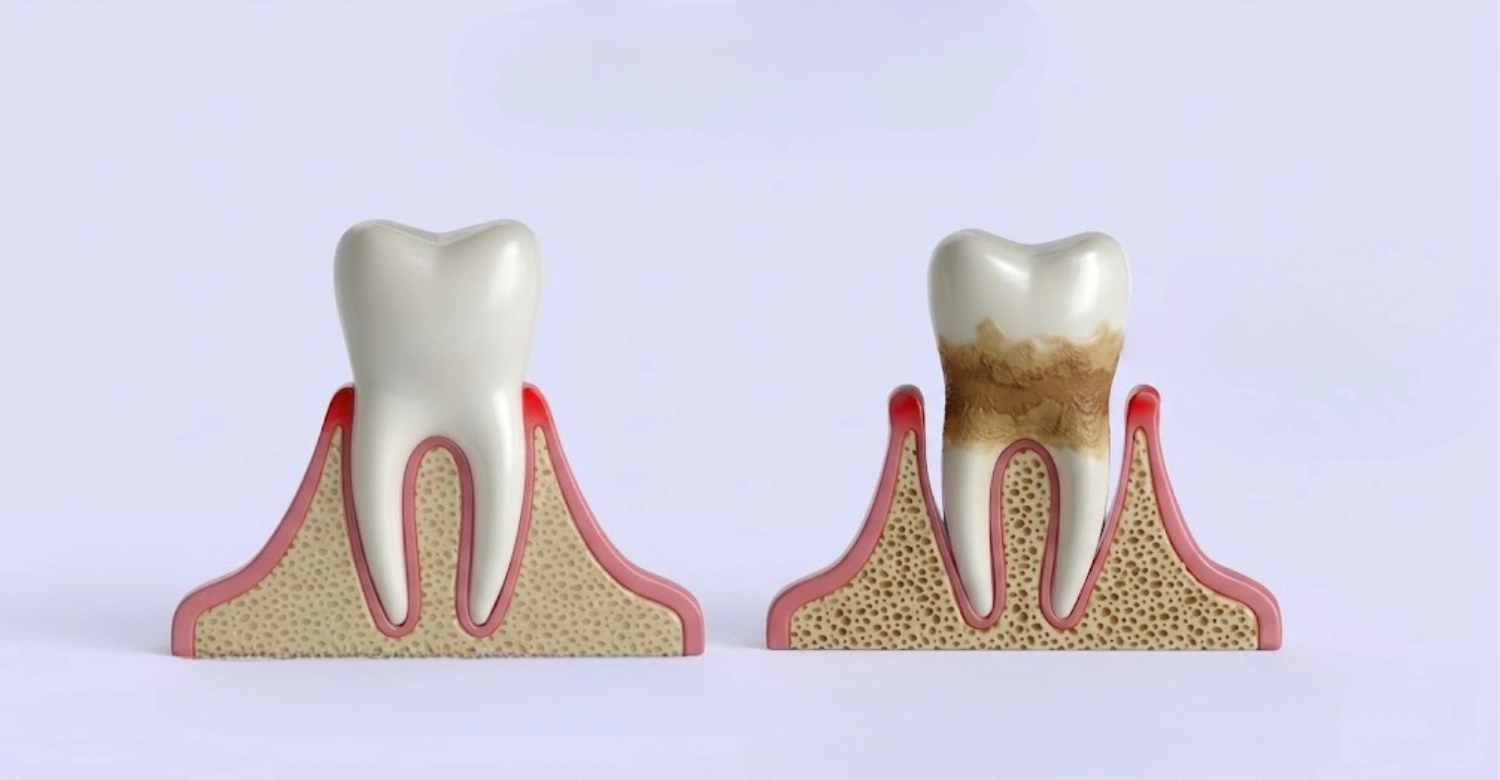
Plaque can affect gum health by exposing tissues to bacterial products and triggering an inflammatory response. Early inflammation may cause gums to become red, swollen, or more likely to bleed. Persistent plaque accumulation can maintain this inflammatory response around the teeth. Plaque and Gum Disease Treatment helps reduce the bacterial burden responsible for ongoing irritation. When inflammation continues, the tissues supporting teeth may become progressively affected. The gums can begin separating from tooth surfaces, creating spaces called periodontal pockets. These pockets can provide additional areas where bacteria and deposits accumulate. Research consistently identifies dental plaque as a major modifiable factor associated with periodontal disease. Effective plaque control therefore remains an important foundation for maintaining healthy gums.
Can Plaque Buildup Cause Gum Disease?
Yes, persistent plaque buildup can contribute to gum disease by maintaining bacterial irritation around the gumline. Gingivitis is commonly associated with plaque-induced inflammation and may cause bleeding during brushing or flossing. Without appropriate control, inflammation can become associated with deeper periodontal tissue destruction in susceptible individuals. This approach targets the bacterial deposits contributing to this inflammatory process. However, gum disease is influenced by more than plaque alone. Smoking, diabetes, genetics, medications, oral hygiene habits, and other factors can influence disease severity. According to periodontal research, controlling plaque is central to reducing inflammation and periodontal risk. Professional assessment helps determine whether inflammation remains superficial or involves deeper supporting tissues. Early care can help prevent progression toward more complex periodontal problems.
Clinical Note: Why Plaque Control Matters for Healthy Gums
Clinical plaque control matters because bacterial accumulation can repeatedly challenge the gum tissues. Healthy gums generally require consistent disruption of plaque through effective daily cleaning. Plaque and Gum Disease Treatment may therefore involve both professional intervention and improved home care. Dentists assess areas where plaque frequently accumulates, including gum margins and spaces between teeth. Bleeding can indicate inflammation, although bleeding alone cannot determine disease severity. Periodontal measurements provide more useful information when evaluating possible periodontal disease. Clinical studies support regular plaque disruption as an important component of periodontal health maintenance. Patients should also understand that aggressive brushing does not necessarily provide better plaque removal. Excessive pressure can traumatize gum tissues and contribute to recession. A controlled technique with appropriate tools is usually more beneficial for long-term oral health.
Discover what can cause a rough roof of the mouth
How Does Plaque Cause Gum Disease?
Plaque can contribute to gum disease when bacterial biofilm remains around the teeth and stimulates persistent inflammation. The treatment approach works by reducing this bacterial challenge and managing the resulting tissue response. Early inflammation may remain limited to the gumline and is commonly associated with gingivitis. If periodontal inflammation progresses, supporting tissues and bone may become affected. Hardened tartar can make plaque control more difficult because it creates irregular surfaces where additional deposits accumulate. Professional treatment becomes increasingly important when deposits extend below the gumline. The progression of periodontal disease varies between individuals because biological and lifestyle factors influence susceptibility. Regular dental examinations can identify changes before advanced tissue damage develops.
How Plaque Triggers Gum Inflammation
Plaque contains microorganisms that interact with the immune system and surrounding oral tissues. As bacterial biofilm accumulates, the body responds by producing inflammatory signals. This response can increase blood flow and immune activity within the gum tissues. This type of care aims to reduce the bacterial stimulus contributing to this inflammatory process. Inflamed gums may appear red or swollen and can bleed during routine cleaning. Gingivitis at this stage does not necessarily mean irreversible supporting tissue loss has occurred. Removing plaque and improving daily cleaning can often reduce gingival inflammation. Persistent inflammation requires professional evaluation because deeper periodontal involvement may develop in some patients. Clinical assessment helps distinguish simple gingivitis from more advanced periodontal disease.
What Happens When Plaque Hardens Into Tartar?
When plaque remains on teeth, minerals from saliva can contribute to its hardening into dental calculus. Calculus, commonly called tartar, cannot usually be removed completely with ordinary brushing. Its rough surface can encourage additional plaque retention around affected teeth. Plaque and Gum Disease Treatment may therefore require professional calculus removal when hardened deposits are present. Dentists or dental hygienists use appropriate instruments to remove deposits from accessible tooth surfaces. Deeper calculus may require periodontal instrumentation below the gumline. The presence of tartar does not automatically indicate severe periodontal disease. However, extensive deposits can make effective plaque control more difficult. Regular professional examinations can identify calculus before it contributes to persistent gum irritation.
How Gum Disease Caused by Plaque Can Progress
Gum disease can progress when inflammation remains uncontrolled and periodontal tissues become increasingly affected. The process does not develop identically in every patient. Treatment at this stage is therefore adapted according to clinical findings and disease severity. Gingivitis primarily affects the gums without established attachment or bone loss. Periodontitis involves deeper supporting tissues and may cause attachment loss and bone destruction. Risk factors can influence how quickly periodontal damage develops. Tobacco exposure, uncontrolled diabetes, genetic susceptibility, and poor plaque control can increase periodontal risk. Early professional assessment can help identify patients who require more intensive treatment. Maintaining plaque control after treatment is also essential for reducing future periodontal complications.
Plaque Buildup and Gingivitis
Gingivitis is an inflammatory condition affecting the gum tissues surrounding teeth. Plaque accumulation along the gumline is a common trigger for this inflammation. Plaque and Gum Disease Treatment at this stage often emphasizes effective plaque removal and professional cleaning. Common signs include redness, swelling, tenderness, and bleeding during brushing. Gingivitis does not necessarily involve permanent destruction of the tooth-supporting structures. With appropriate plaque control, healthy gum characteristics can often return. However, untreated gingivitis should not be ignored because periodontal disease can develop in susceptible patients. Professional evaluation can determine whether inflammation is limited to the gums. Patients should continue daily brushing and interdental cleaning after symptoms improve.
Early Periodontitis
Early periodontitis involves inflammation accompanied by periodontal attachment changes and supporting tissue involvement. Symptoms can sometimes remain mild, making professional examination particularly important. This form of treatment may involve professional cleaning, improved home care, and periodontal monitoring. Dental professionals assess periodontal pockets, bleeding, attachment levels, and other clinical findings. Dental radiographs may help evaluate supporting bones when clinically indicated. Early intervention can help control inflammation and reduce the risk of further periodontal destruction. Patients should understand that periodontal disease cannot be diagnosed reliably from symptoms alone. Some people experience significant periodontal changes without severe pain. Regular dental assessments therefore remain important even when the mouth feels comfortable.
Advanced Periodontal Disease
Advanced periodontal disease involves substantial damage to tissues supporting the teeth. Periodontal pockets can become deeper, while attachment and supporting bone may be significantly reduced. The recommended treatment may require comprehensive periodontal management at this stage. Teeth can become mobile when supporting structures are severely compromised. Gum recession, chewing discomfort, and changes in tooth position may also occur. Treatment depends on the extent of inflammation, attachment loss, bone destruction, and tooth prognosis. Periodontal specialists may become involved when complex disease requires advanced management. Treatment may include non-surgical periodontal therapy and additional procedures when clinically appropriate. Long-term maintenance remains essential because periodontal disease can recur without effective plaque control.
Find out why your jaw may hurt on one side when chewing
What Are the Early Signs of Gum Disease and Plaque Buildup?
Early gum problems can develop gradually, making subtle changes easy to overlook. Plaque and Gum Disease Treatment is more effective when inflammation is identified before significant supporting tissue damage occurs. Common warning signs include bleeding, redness, swelling, persistent bad breath, recession, and tooth sensitivity. Some patients may experience few symptoms despite having periodontal changes. Pain is not always present during the early stages of gum disease. Regular dental examinations can detect inflammation and periodontal changes that patients cannot see themselves. Vitrin Clinic recommends individualized assessment when patients notice persistent changes around their gums. Early evaluation can help determine whether symptoms result from plaque-related inflammation or another oral condition. Prompt professional care can also help establish an appropriate long-term maintenance routine.
Bleeding Gums
Bleeding gums are one of the most recognizable signs of gingival inflammation. They may bleed during brushing, flossing, interdental cleaning, or sometimes spontaneously. This care can help address bacterial accumulation associated with plaque-induced gingival inflammation. Occasional bleeding may occur from improper cleaning technique or irritation, but persistent bleeding deserves professional evaluation. Healthy gums generally should not bleed regularly during routine oral hygiene. Research in periodontology associates bleeding on probing with gingival inflammation, although bleeding alone cannot diagnose periodontal disease. Dentists evaluate bleeding alongside pocket measurements, recession, attachment levels, and other findings. Patients should not stop cleaning because their gums bleed. Gentle, consistent cleaning can help remove plaque and support improvement when inflammation is plaque-related.
Red, Swollen, or Tender Gums
Red, swollen, or tender gums can indicate inflammation around the teeth. Healthy gingival tissues are generally firm and closely adapted around tooth surfaces. Such care can reduce bacterial accumulation that contributes to plaque-associated gingival inflammation. Swelling may become more noticeable around crowded teeth, restorations, or areas that are difficult to clean. Tenderness can also occur with trauma, infection, hormonal changes, or other oral conditions. Therefore, symptoms should be interpreted alongside a professional clinical examination. Dentists may inspect gum color, contour, consistency, bleeding, and periodontal measurements. Persistent swelling should not be dismissed simply because discomfort is mild. Early assessment can help identify the cause and determine whether professional periodontal care is necessary.
Persistent Bad Breath
Persistent bad breath can sometimes accompany plaque accumulation and gum inflammation. Bacteria within plaque can produce compounds responsible for unpleasant oral odors. Plaque and Gum Disease Treatment may help when periodontal bacteria contribute to persistent halitosis. However, bad breath has many possible causes beyond gum disease. Tongue coating, dry mouth, certain foods, smoking, medications, and other oral conditions can contribute. Persistent halitosis should therefore be evaluated rather than treated only with breath-freshening products. A dental professional can examine the gums, teeth, tongue, restorations, and other potential sources. Improving oral hygiene can reduce bacterial accumulation and improve breath in many cases. Persistent symptoms despite good oral care may require additional investigation.
Gum Recession
Gum recession occurs when the gum margin moves toward the root surface. This can expose parts of the tooth that are normally covered by gum tissue. This treatment plan may be necessary when recession occurs alongside periodontal inflammation or supporting tissue loss. Recession can also result from aggressive brushing, thin gum tissues, tooth position, trauma, or other factors. Exposed root surfaces can become sensitive because they lack the same protective enamel covering found on crowns. Dentists evaluate recession by measuring the affected area and assessing surrounding periodontal tissues. Treatment depends on the underlying cause and the severity of tissue changes. Patients should avoid aggressive brushing and follow professional recommendations for plaque control.
Loose or Sensitive Teeth
Loose teeth can indicate advanced damage to the tissues supporting the teeth. Sensitivity may occur when gum recession exposes root surfaces or when supporting tissues become affected. Plaque and Gum Disease Treatment can help control periodontal inflammation and reduce ongoing bacterial challenges. Tooth mobility does not always mean the tooth must be removed. Dentists evaluate mobility alongside bone levels, periodontal attachment, inflammation, and overall tooth condition. Dental imaging may help determine the amount of supporting bone when clinically indicated. Sensitivity can also result from decay, cracks, worn enamel, or other conditions. Professional diagnosis is therefore important before selecting treatment. Prompt assessment may improve the chance of preserving teeth when periodontal disease is contributing to the problem.
Learn about melioidosis and oral health
What Are the Stages of Gum Disease Caused by Plaque?
Gum disease can range from reversible gingival inflammation to advanced periodontal destruction. The treatment plan varies according to the stage and clinical characteristics of the condition. Gingivitis primarily affects the gums and does not involve established periodontal attachment loss. Periodontitis involves supporting tissue destruction and may cause bone loss around affected teeth. The severity of periodontitis is assessed using clinical and radiographic findings. Dentists consider pocket depth, attachment loss, bleeding, bone loss, tooth mobility, and risk factors. Modern periodontal classification systems also consider disease progression risk and complexity. Patients should understand that symptoms alone cannot reliably determine the stage. Professional periodontal assessment provides a more accurate picture of disease severity.
Stage 1: Gingivitis
Gingivitis is an inflammatory response affecting the gums without established periodontal attachment loss. Plaque accumulation near the gumline is a common contributing factor. This treatment at this stage primarily focuses on controlling bacterial deposits and improving oral hygiene. Common findings include redness, swelling, and bleeding during cleaning. Gingivitis can often improve when plaque is consistently disrupted and professional deposits are removed. However, other conditions can also cause gum inflammation, so diagnosis should be clinical. Regular brushing and interdental cleaning remain essential after symptoms improve. Patients should avoid assuming that the absence of pain means their gums are healthy. Early professional evaluation can prevent minor inflammation from becoming a neglected oral health problem.
Stage 2: Early Periodontitis
Early periodontitis involves periodontal attachment loss and supporting tissue changes beyond simple gingivitis. Plaque and Gum Disease Treatment may require professional periodontal therapy at this stage. Dentists assess pocket depths, bleeding, attachment levels, recession, and radiographic bone changes when indicated. Patients may notice bleeding, bad breath, or mild sensitivity, although symptoms can remain limited. Early periodontitis is important because supporting tissue destruction is not equivalent to ordinary gingivitis. Treatment focuses on controlling bacterial deposits and reducing inflammatory activity. Patients may also receive personalized instructions for cleaning difficult areas. Periodontal maintenance helps monitor stability and identify recurrent inflammation. Consistent follow-up can be especially important for patients with additional periodontal risk factors.
Stage 3: Moderate Periodontitis
Moderate periodontitis involves greater periodontal attachment and supporting bone loss than early disease. Such treatment may require more extensive periodontal cleaning and closer professional monitoring. Periodontal pockets can become deeper and harder for patients to clean effectively. Gum recession and tooth sensitivity may also become more noticeable. Radiographs can help evaluate supporting bone levels when imaging is clinically appropriate. Treatment aims to reduce inflammation, remove deposits, and stabilize periodontal conditions. Some patients may require referral to a periodontist for advanced evaluation. Risk factors such as tobacco use and poorly controlled diabetes can influence disease progression. Long-term maintenance becomes increasingly important after active periodontal treatment.
Stage 4: Advanced Periodontitis
Advanced periodontitis can involve substantial periodontal attachment loss, bone destruction, and tooth mobility. Plaque and Gum Disease Treatment may require comprehensive periodontal management based on individual findings. Patients can experience chewing difficulty, severe recession, shifting teeth, or persistent inflammation. Some teeth may have a poor prognosis because their supporting structures are significantly compromised. Dentists evaluate each affected tooth rather than assuming every mobile tooth requires extraction. Periodontal imaging and detailed measurements can help determine available support. Advanced cases may require specialist periodontal treatment and carefully planned restorative care. Treatment decisions should consider function, prognosis, systemic factors, and the patient's long-term goals. Regular maintenance remains essential after active treatment.
Discover why chewing pens can be bad for your teeth
How Do You Remove Plaque From Teeth and Gums?
Plaque removal requires consistent mechanical cleaning every day. This approach becomes more effective when professional care is supported by appropriate home hygiene. Brushing removes plaque from accessible tooth surfaces, while interdental cleaning targets areas between teeth. Mouthwash can provide additional support but should not replace mechanical plaque removal. Professional cleaning becomes important when tartar or deposits cannot be removed at home. Patients with periodontal pockets may require specialized cleaning techniques recommended by dental professionals. The best routine depends on tooth alignment, restorations, gum condition, dexterity, and individual risk. Consistency is generally more important than using numerous oral hygiene products. A dental professional can demonstrate techniques and recommend suitable tools for difficult areas.
Brushing and Daily Plaque Control
Brushing twice daily is a fundamental component of daily plaque control. The treatment approach should include effective home cleaning because plaque begins reforming after professional treatment. A soft-bristled toothbrush can help clean teeth while reducing unnecessary mechanical trauma. Fluoride toothpaste is generally recommended for routine toothbrushing because fluoride helps prevent dental caries. Patients should brush systematically around tooth surfaces and the gumline. Excessive pressure does not necessarily improve plaque removal and may contribute to gum irritation. Electric toothbrushes can help some patients achieve more consistent cleaning. The most suitable brush depends on individual needs and professional recommendations. Patients should replace toothbrushes or brush heads when bristles become significantly worn.
Flossing and Interdental Cleaning
Cleaning between teeth is important because toothbrush bristles cannot fully reach many interdental surfaces. Plaque and Gum Disease Treatment should therefore include an appropriate interdental cleaning method. Dental floss can work well when tooth contacts are tight and spaces are narrow. Interdental brushes may be more effective for larger spaces or certain periodontal conditions. Water flossers can provide another option for some patients, especially those with specific cleaning challenges. The appropriate tool depends on gum anatomy, spacing, orthodontic appliances, and dental restorations. Dental professionals can demonstrate the correct technique for each patient. Daily interdental cleaning can reduce plaque accumulation in areas frequently missed by brushing. Patients should avoid forcing floss or interdental tools through resistant contacts.
Mouthwash and Plaque Management
Mouthwash can provide additional support for some patients but cannot replace brushing and interdental cleaning. This type of care may include a therapeutic rinse when clinically appropriate. Different mouthwashes have different purposes, including caries prevention, antimicrobial activity, or symptom management. Some products can cause staining or other effects when used improperly or for prolonged periods. Chlorhexidine, for example, is generally used under professional guidance rather than as an indefinite daily rinse. Fluoride mouthwash may benefit selected patients with increased caries risk. The choice should depend on individual oral health needs. Patients should follow product instructions and professional recommendations carefully. Using multiple oral hygiene products does not automatically provide better periodontal protection.
Professional Plaque Removal
Professional plaque removal can eliminate deposits that patients cannot effectively remove at home. Treatment at this stage may include professional cleaning when plaque, calculus, or staining has accumulated. Dental professionals use appropriate instruments to clean accessible tooth surfaces and areas around the gumline. Ultrasonic instruments may help remove calculus through vibration and irrigation. Hand instruments can provide additional precision during periodontal cleaning. The procedure selected depends on the amount and location of deposits. Routine cleaning is not identical to periodontal scaling and root planing. Deep deposits beneath the gumline may require more extensive periodontal instrumentation. Regular professional assessments help determine which level of cleaning is appropriate.
When Home Cleaning Is Not Enough
Home cleaning may not be sufficient when tartar, deep periodontal pockets, or persistent inflammation are present. Plaque and Gum Disease Treatment may require professional intervention when deposits extend below accessible gum margins. Patients may also struggle to clean effectively around crowded teeth, bridges, implants, or orthodontic appliances. Persistent bleeding despite improved hygiene can indicate inflammation requiring professional assessment. Dentists can identify areas where home techniques are ineffective and provide targeted recommendations. Periodontal pockets can make bacterial deposits especially difficult to reach with ordinary brushing. Professional treatment can address deposits while personalized home care helps prevent rapid reaccumulation. The goal is not to replace home hygiene but to make it more effective.
What Is the Best Treatment for Plaque and Gum Disease?
The most appropriate treatment depends on whether the patient has gingivitis, periodontitis, or another oral condition. This form of treatment may involve routine cleaning, periodontal debridement, scaling and root planing, or additional periodontal care. Dentists first evaluate inflammation, plaque deposits, tartar, pocket depths, attachment levels, and supporting bone. Treatment should address the cause rather than simply reduce visible symptoms. Professional cleaning can be sufficient for some patients with mild gingivitis. More advanced periodontal disease may require deeper instrumentation and structured maintenance. Treatment recommendations should be individualized rather than based solely on symptoms. At Vitrin Clinic, dental care can be planned according to clinical findings and the patient's broader oral health goals.
Professional Dental Cleaning
Professional dental cleaning removes plaque, calculus, and external deposits from accessible tooth surfaces. Plaque and Gum Disease Treatment may begin with routine professional cleaning when periodontal findings are limited. Dental professionals can reach areas that patients commonly miss during everyday brushing. Cleaning can also help improve the effectiveness of subsequent home plaque control. The procedure may involve ultrasonic instruments, hand instruments, polishing, or other appropriate techniques. The exact approach depends on the patient's deposits and oral health condition. Routine cleaning is not designed to treat every form of periodontal disease. Patients with deeper periodontal pockets may need a more comprehensive periodontal procedure. Professional evaluation determines whether routine cleaning is appropriate.
Scaling and Root Planing
Scaling and root planing is a periodontal procedure used to clean deposits from tooth surfaces, including areas below the gumline. The recommended treatment may include this procedure when periodontal inflammation and calculus require deeper cleaning. Scaling removes bacterial deposits and calculus from affected surfaces. Root planing helps create cleaner root surfaces where deposits and bacterial contaminants have accumulated. The procedure may be performed in sections of the mouth depending on clinical findings. Local anesthesia can be considered when deeper areas require comfortable instrumentation. Treatment effectiveness also depends on subsequent plaque control and periodontal maintenance. Not every patient with plaque or gingivitis requires scaling and root planing. Professional periodontal measurements help determine when the procedure is clinically justified.
Deep Cleaning for Gum Disease
Deep cleaning is commonly used to describe periodontal scaling and root planing. This care involving deep cleaning is generally considered when disease extends below the gumline. The procedure targets bacterial deposits within periodontal pockets that ordinary brushing cannot adequately reach. Dentists assess pocket depths and other periodontal findings before recommending this treatment. Deep cleaning is different from routine preventive dental cleaning because it addresses subgingival deposits. Some patients may require multiple appointments depending on disease distribution and treatment needs. Follow-up assessment helps determine whether periodontal inflammation and pocketing have improved. Patients should continue careful home plaque control after treatment. Periodontal maintenance may be recommended to help preserve treatment results.
Periodontal Treatment
Periodontal treatment encompasses therapies designed to control inflammation and manage diseases affecting tooth-supporting tissues. Plaque and Gum Disease Treatment may include non-surgical periodontal therapy and additional procedures when clinically indicated. Treatment begins with assessment of periodontal health and disease severity. Non-surgical care can include scaling and root planing, oral hygiene instruction, and risk-factor management. Advanced cases may require periodontal surgery or specialist treatment. The goal is to reduce inflammation, control bacterial deposits, and preserve functional tooth support. Treatment planning should account for bone loss, pocket depth, tooth mobility, systemic health, and patient preferences. Long-term periodontal maintenance remains important because periodontal disease can recur after active treatment.
Clinical Note: Why Treatment Depends on Gum Disease Severity
Treatment should match the severity and distribution of periodontal disease. Such care for gingivitis differs significantly from treatment for advanced periodontitis. A patient with mild gingival inflammation may need improved hygiene and routine professional cleaning. A patient with deep periodontal pockets may require scaling and root planing. Advanced periodontal destruction can require specialist assessment and additional procedures. Clinical measurements provide more useful information than symptoms alone. Dentists evaluate bleeding, pocket depth, attachment loss, recession, mobility, and bone levels when appropriate. Treatment should also consider factors that may affect healing or disease progression. Personalized planning helps avoid both undertreatment and unnecessary procedures.
Explore the relationship between tick-borne diseases and oral health
How Is Gum Disease Caused by Plaque Treated?
Treatment begins by determining whether inflammation is limited to the gums or involves deeper supporting tissues. Plaque and Gum Disease Treatment should address both existing bacterial deposits and factors contributing to their recurrence. Dentists examine the gums, teeth, periodontal pockets, and supporting structures during assessment. Professional cleaning can remove accessible plaque and calculus from affected surfaces. Deeper periodontal deposits may require scaling and root planing. Patients also receive individualized instructions for brushing and interdental cleaning. Additional periodontal treatment may be considered when inflammation persists despite non-surgical care. Risk factors should also be addressed because they can influence periodontal stability. At Vitrin Clinic, treatment planning can incorporate clinical examination and appropriate digital diagnostic tools. Follow-up appointments help evaluate healing and maintain periodontal health.
Dental and Periodontal Examination
A dental and periodontal examination provides the foundation for choosing appropriate treatment. This treatment plan should not be selected solely according to visible plaque or reported symptoms. Dentists examine gum color, swelling, bleeding, recession, plaque deposits, calculus, and tooth condition. Periodontal probing can identify pockets around individual teeth. Tooth mobility and changes in tooth position may also provide important clinical information. Radiographic imaging can evaluate supporting bone when clinically indicated. The examination may also identify cavities, defective restorations, infections, or other conditions affecting oral health. A complete assessment allows treatment to address the actual cause of symptoms. Patients should receive an explanation of findings before undergoing more extensive periodontal procedures.
Evaluating Gum Pockets
Periodontal pocket measurements help dentists determine whether inflammation has affected the supporting tissues. The treatment plan may require deeper intervention when periodontal pockets contain deposits below the gumline. A periodontal probe measures the space between the gum tissue and tooth surface. Dentists typically record measurements around multiple surfaces of affected teeth. Bleeding during probing can provide additional information about gingival inflammation. Pocket depth alone does not determine the entire severity of periodontal disease. Recession, attachment loss, bone levels, mobility, and other findings must also be considered. Deeper pockets can be more difficult for patients to clean effectively. Professional treatment and personalized home care can help manage areas that remain difficult to access.
Removing Plaque and Tartar
Removing plaque and tartar reduces the bacterial burden around teeth and gum tissues. Plaque and Gum Disease Treatment commonly includes professional removal when deposits cannot be eliminated through home cleaning. Soft plaque can usually be disrupted through brushing and interdental cleaning. Hardened calculus requires professional instruments for effective removal. Supragingival deposits are removed from visible tooth surfaces above the gumline. Subgingival deposits may require specialized periodontal instrumentation below the gumline. Ultrasonic and hand instruments can be used according to clinical needs. After deposits are removed, patients can maintain cleaner surfaces through appropriate home care. Regular maintenance helps reduce the opportunity for new deposits to accumulate.
Treating Gum Inflammation
Gum inflammation is managed by reducing the bacterial factors that continuously stimulate the tissues. This treatment can include professional cleaning, improved home hygiene, and periodontal therapy. Mild gingivitis may improve substantially after consistent plaque removal. Persistent inflammation requires evaluation because it can indicate deeper periodontal involvement. Dentists may also identify contributing factors such as smoking, dry mouth, medications, or poorly controlled systemic conditions. Patients should receive clear instructions for cleaning the areas affected by inflammation. Gentle but thorough brushing helps avoid further mechanical irritation. Interdental cleaning can also target plaque that remains between teeth. Follow-up evaluation determines whether inflammation has responded appropriately to treatment.
Managing Periodontal Damage
Periodontal damage requires treatment focused on controlling active inflammation and preserving remaining supporting tissues. Such treatment may include non-surgical periodontal therapy and specialist care for advanced cases. Dentists evaluate bone loss, attachment loss, pocket depth, mobility, and tooth prognosis. Some teeth can remain functional for many years with appropriate periodontal management. Other teeth may have severe structural or periodontal damage that affects their long-term prognosis. Treatment decisions should be based on individual clinical findings rather than assumptions about disease severity. Periodontal maintenance becomes particularly important after active treatment. Patients should maintain daily plaque control and attend recommended follow-up appointments.
Dr. Rifat Alsaman's Clinical Opinion
Dr. Rifat Alsaman, Head of the Medical Team at Vitrin Clinic and cosmetic dentist, emphasizes individualized periodontal assessment. Plaque and Gum Disease Treatment should begin with understanding the patient's actual gum condition. Visible plaque does not always reflect the full extent of periodontal inflammation. Periodontal pockets and supporting bone changes can exist without significant discomfort. For this reason, clinical measurements are important when evaluating gum health. Dr. Alsaman also stresses that professional care cannot replace daily oral hygiene. Patients need practical routines they can maintain consistently after treatment. Early attention to bleeding and swelling can help identify problems before they become more complex. Treatment should therefore combine diagnosis, professional care, prevention, and long-term maintenance.
Learn about H5N1 bird flu and oral health
Does Removing Plaque Reverse Gum Disease?
The effect of plaque removal depends on the type and severity of gum disease. This approach can often control plaque-induced gingivitis and reduce associated inflammation. Established periodontitis is different because supporting tissue and bone loss may have occurred. Removing plaque cannot automatically regenerate all tissues destroyed by advanced periodontal disease. However, effective plaque control can reduce ongoing inflammation and help stabilize periodontal conditions. Professional periodontal therapy may be necessary when deposits exist below the gumline. Patients should also understand that improvement requires continued maintenance after treatment. The response varies according to disease severity, risk factors, and individual healing. Regular periodontal assessments can determine whether treatment is producing the desired clinical response.
Can Plaque Removal Reverse Gingivitis?
Plaque removal can often reverse plaque-induced gingivitis because the inflammation does not necessarily involve permanent supporting tissue destruction. Plaque and Gum Disease Treatment at this stage focuses on disrupting bacterial biofilm and improving daily oral hygiene. Professional cleaning can remove calculus that prevents effective home plaque control. Patients should continue brushing twice daily and cleaning between their teeth. Bleeding may initially continue while inflamed tissues recover. With consistent cleaning, healthy gum characteristics can gradually return in many cases. However, persistent bleeding should still be professionally evaluated. Other conditions can cause gingival bleeding and may require different treatment. Early management of gingivitis can also reduce the risk of allowing periodontal problems to remain undetected.
Can Plaque Removal Reverse Periodontitis?
Plaque removal can control inflammation associated with periodontitis but cannot simply reverse established attachment or bone loss. The treatment approach can help stabilize periodontal conditions when combined with appropriate professional care. Scaling and root planing may remove deposits from affected periodontal pockets. Some patients may require additional periodontal procedures when disease remains active. The objective is often to control infection and preserve the supporting tissues that remain. Periodontal treatment does not guarantee complete restoration of tissues already destroyed by disease. Long-term maintenance is essential because bacteria can accumulate again after treatment. Patients should follow personalized cleaning instructions and attend periodontal reviews. Early diagnosis provides a greater opportunity to limit cumulative periodontal damage.
How Professional Plaque Removal Supports Gum Health
Professional plaque removal reduces deposits that may remain despite careful home cleaning. This type of care can benefit from periodic professional care because tartar cannot be reliably removed with ordinary brushing. Dental professionals can also identify areas where plaque repeatedly accumulates. Cleaning can improve access for subsequent brushing and interdental care. Patients with periodontal disease may need more frequent maintenance than patients with low periodontal risk. The appropriate interval should be based on clinical findings rather than a universal schedule. Professional visits also provide opportunities to monitor changes in pocket depth and inflammation. Combining professional care with daily plaque disruption provides a more comprehensive approach. Consistency is particularly important for maintaining periodontal stability.
Dive deeper into the oral-gut microbiome axis
When Do You Need Deep Cleaning for Plaque and Gum Disease?
Deep cleaning is generally considered when periodontal deposits extend beneath the gumline and cannot be effectively removed through routine cleaning. Plaque and Gum Disease Treatment may involve scaling and root planing when periodontal pockets contain calculus and inflammation. Dentists evaluate pocket depth, bleeding, attachment loss, and other findings before recommending treatment. Routine cleaning is generally appropriate for preventive care when deeper periodontal disease is absent. Deep cleaning addresses areas where bacteria and deposits remain beneath the gum tissues. Treatment may be completed across several appointments depending on the affected areas. Follow-up assessment helps determine whether periodontal tissues have responded appropriately. Patients should continue daily plaque control after the procedure to reduce new bacterial accumulation.
Professional Cleaning vs. Deep Cleaning
Routine professional cleaning and deep cleaning serve different clinical purposes. Treatment at this stage depends on choosing the procedure that matches the patient's periodontal condition. Routine cleaning generally removes plaque and calculus from accessible surfaces above the gumline. Deep cleaning involves periodontal instrumentation that extends beneath the gumline. Scaling and root planing is commonly used when periodontal pockets contain subgingival deposits. Patients with healthy gums do not automatically need deep cleaning. Performing unnecessary periodontal treatment can create discomfort without providing appropriate clinical benefit. Professional examination helps determine whether subgingival deposits and periodontal inflammation are present. Treatment should therefore be based on documented periodontal findings rather than marketing terminology.
When Scaling and Root Planing Is Recommended
Scaling and root planing may be recommended when periodontal examination identifies subgingival calculus and periodontal inflammation. Plaque and Gum Disease Treatment can involve this procedure when routine cleaning cannot adequately address affected areas. Dentists consider pocket depths, bleeding, attachment loss, calculus, and radiographic findings when appropriate. The procedure is often performed by dividing the mouth into treatment areas. Local anesthesia may be used when deeper instrumentation is required. After treatment, patients receive instructions for controlling plaque during healing. Follow-up examination can determine whether pockets and inflammation have improved. Some patients may require additional periodontal therapy when active disease persists. The procedure should always be clinically justified by periodontal findings.
Note : All images used are for editorial and illustrative purposes only and may not originate from the original news provider or associated company.
Signs You May Need Periodontal Treatment
Persistent bleeding, deep periodontal pockets, gum recession, bone loss, or tooth mobility can indicate the need for periodontal evaluation. This form of treatment may require more than routine cleaning when supporting tissues are affected. Persistent bad breath can also occur with periodontal inflammation but has multiple possible causes. Patients should not diagnose periodontal disease from symptoms alone. A dental professional can measure periodontal pockets and assess supporting structures. Radiographs may help evaluate bone levels when clinically indicated. The need for treatment depends on the combination of clinical findings. Early assessment can identify periodontal problems before symptoms become more noticeable. Prompt treatment can help control active inflammation and protect remaining periodontal support.
Clinical Note: Why Deep Cleaning Should Be Clinically Indicated
Deep cleaning should be recommended according to periodontal findings rather than simply the presence of visible tartar. The recommended treatment should remain evidence-based and individualized for each patient. Periodontal probing can identify pocketing that may require subgingival treatment. Radiographs can provide additional information about supporting bone when clinically necessary. The patient's medical history and periodontal risk factors may also influence treatment planning. Routine cleaning is sufficient for many patients without periodontal disease. Deep cleaning is more appropriate when subgingival deposits and periodontal inflammation require treatment. Clear diagnosis helps patients understand why a particular procedure has been recommended. Follow-up care then determines whether additional treatment or maintenance is necessary.
Find out more about Alexander disease and oral health
How Does Professional Plaque Removal Protect Gum Health?
Professional plaque removal helps reduce accumulated bacterial deposits that are difficult to control independently. Plaque and Gum Disease Treatment can benefit from professional care because calculus provides a rough surface for plaque retention. Dental professionals can access areas that may be difficult to clean effectively at home. Professional treatment also allows the clinician to identify recurring problem areas. Patients can then receive personalized recommendations for improving their daily technique. Periodontal maintenance can be particularly important for patients with previous periodontal disease. The frequency of professional care depends on individual risk and clinical findings. Professional cleaning should complement, rather than replace, daily brushing and interdental cleaning. Together, these approaches support long-term control of plaque-related inflammation.
What Happens During Professional Plaque Removal?
During professional cleaning, the dental professional first evaluates the teeth, gums, and visible deposits. This care may include removal of soft plaque, calculus, and external staining. Ultrasonic instruments may be used to loosen deposits through vibration and water irrigation. Hand instruments can provide additional precision around individual teeth. Polishing may remove certain external stains and smooth accessible tooth surfaces. If periodontal pockets contain deeper deposits, more extensive instrumentation may be necessary. The procedure selected depends on the patient's periodontal findings and treatment requirements. Patients may receive personalized oral hygiene instructions after cleaning. Follow-up appointments can help determine whether inflammation has improved.
How Dentists Remove Tartar
Tartar is hardened mineralized plaque that cannot usually be removed completely with household brushing. Plaque and Gum Disease Treatment may require professional instrumentation to remove calculus effectively. Ultrasonic scalers use controlled vibration to help disrupt calculus deposits. Hand instruments can remove remaining deposits and provide access to specific tooth surfaces. Subgingival calculus requires careful instrumentation beneath the gumline. Dentists select instruments according to deposit location, tooth anatomy, and periodontal condition. The objective is to remove deposits while minimizing unnecessary trauma to surrounding tissues. Patients can reduce future calculus accumulation through consistent plaque control. Saliva composition, oral hygiene, diet, and individual factors can influence how quickly calculus develops.
How Professional Cleaning Helps Control Gum Inflammation
Professional cleaning reduces bacterial deposits that contribute to plaque-associated gingival inflammation. Such care can therefore help create cleaner surfaces that are easier to maintain at home. Removing calculus can also improve access for brushing and interdental cleaning. Inflamed gums may gradually become firmer and less prone to bleeding after effective plaque control. Improvement depends on disease severity and the patient's ability to maintain daily hygiene. Persistent inflammation after cleaning may indicate deeper periodontal disease or another underlying condition. Dentists can reassess affected areas and modify the treatment plan when necessary. Patients should continue cleaning even after symptoms improve. Stopping oral hygiene after professional treatment allows plaque to accumulate again.
How Often Should You Have a Dental Cleaning?
The ideal cleaning interval depends on individual oral health and periodontal risk. This treatment plan may require different maintenance schedules for different patients. Some patients with healthy gums may follow routine preventive examination intervals. Patients with previous periodontal disease may require more frequent periodontal maintenance. Dentists consider plaque accumulation, calculus formation, periodontal measurements, medical factors, and treatment history. There is no single cleaning schedule that is appropriate for every patient. Regular examinations help determine whether the current interval is controlling inflammation effectively. Patients with persistent bleeding or other symptoms should seek evaluation rather than simply waiting for their next appointment. Personalized scheduling supports more effective long-term periodontal care.
How Can You Prevent Plaque Buildup and Gum Disease?
Prevention depends on consistently disrupting plaque before it accumulates and contributes to gingival inflammation. Plaque and Gum Disease Treatment is easier to manage when patients maintain effective daily prevention. Brushing twice daily removes plaque from accessible tooth surfaces. Interdental cleaning targets areas that toothbrush bristles cannot adequately reach. Regular dental examinations help identify tartar and early periodontal changes. Reducing frequent sugar exposure also supports overall oral health and lowers caries risk. Tobacco avoidance is particularly important because smoking is strongly associated with periodontal disease and poorer treatment outcomes. Patients should develop an oral hygiene routine that fits their daily habits. Consistency is more sustainable than relying on occasional intensive cleaning. Professional guidance can help patients select appropriate tools and techniques.
Brush Twice a Day
Brushing twice daily helps disrupt plaque before it becomes more established on tooth surfaces. The treatment plan should always be supported by consistent home brushing. A soft-bristled toothbrush can clean the teeth and gumline while limiting unnecessary mechanical trauma. Fluoride toothpaste provides additional protection against dental caries during routine brushing. Patients should use gentle movements and systematically clean all accessible tooth surfaces. Electric toothbrushes may help some patients achieve more consistent plaque removal. Brushing should not be limited to the front surfaces of visible teeth. The inner surfaces, chewing surfaces, and gum margins also require attention. Patients should replace worn toothbrushes or brush heads regularly.
Clean Between Your Teeth Daily
Interdental cleaning removes plaque from spaces that ordinary toothbrush bristles cannot fully access. This treatment becomes more effective when patients clean between teeth consistently. Dental floss can be useful when tooth contacts are tight and spaces are narrow. Interdental brushes may work better when larger spaces exist between teeth. Water flossers can provide another option for patients with specific cleaning challenges. The correct method depends on gum anatomy, tooth spacing, restorations, and individual dexterity. Dental professionals can demonstrate suitable techniques during routine examinations. Patients should clean between teeth gently without forcing instruments through tight contacts. Daily interdental cleaning can support healthier gums and reduce plaque retention.
Maintain Regular Dental Checkups
Regular dental checkups allow professionals to identify plaque, calculus, gingival inflammation, and periodontal changes. Plaque and Gum Disease Treatment can be more conservative when problems are detected early. During examinations, dentists can evaluate the teeth, gums, restorations, and supporting structures. Periodontal probing may be performed when gum disease is suspected or clinically indicated. Radiographs can provide additional information about bone levels when necessary. Professional cleaning may remove deposits that cannot be controlled through home care. Regular visits also allow patients to review brushing and interdental techniques. The appropriate appointment interval varies according to individual risk. Patients with previous periodontal disease may need closer monitoring than low-risk patients.
Control Frequent Sugar Exposure
Frequent sugar exposure can increase the risk of dental caries by supporting acid production from oral bacteria. Such treatment primarily addresses periodontal health, but comprehensive prevention should protect teeth as well. The frequency of sugar consumption can be important for caries risk. Sugary drinks consumed repeatedly throughout the day can provide frequent opportunities for acid production. Water can be a useful alternative between meals for many patients. A balanced diet also supports general oral and systemic health. Sugar reduction does not replace plaque removal or professional dental care. Patients should maintain regular brushing with fluoride toothpaste regardless of dietary habits. Dental professionals can provide individualized dietary guidance when caries risk is elevated.
Avoid Tobacco Products
Tobacco use is an important modifiable risk factor associated with periodontal disease. Plaque and Gum Disease Treatment can be less predictable when tobacco exposure continues. Smoking can affect gum blood flow and alter immune responses involved in periodontal health. Tobacco use is also associated with greater periodontal attachment and bone loss. Patients who smoke may experience reduced signs of inflammation despite significant periodontal disease. This can make clinical monitoring particularly important. Tobacco cessation can provide substantial benefits for oral and general health. Dental professionals can support patients by discussing cessation resources and treatment options. Avoiding tobacco also reduces the risk of oral cancer and other serious health problems.
Maintain a Consistent Plaque-Control Routine
A consistent routine is essential because plaque continuously reforms after cleaning. This approach cannot provide lasting results without effective daily maintenance. Patients should combine toothbrushing with appropriate interdental cleaning every day. Professional cleaning can remove deposits, but new plaque develops afterward. The routine should be practical enough to maintain during travel, work, and busy schedules. Patients with orthodontic appliances, implants, bridges, or periodontal pockets may require specialized tools. Dental professionals can identify areas where plaque repeatedly accumulates. Small improvements in technique can make daily cleaning more effective. Long-term consistency generally provides greater benefit than occasional intensive cleaning.
Tips for Patients: How to Control Plaque and Protect Your Gums
Patients can protect their gums by combining professional dental care with consistent home plaque control. The treatment approach works best when patients understand their individual risk factors. Bleeding, swelling, recession, or persistent bad breath should not be ignored. Patients should clean between teeth daily and brush carefully around the gumline. Hard-to-reach areas deserve particular attention because plaque often accumulates there. Professional cleanings can remove calculus that cannot be eliminated at home. Patients should also follow individualized recommendations for mouthwash and other oral hygiene products. Tobacco avoidance can significantly support periodontal health. Maintaining regular examinations allows early changes to be addressed before they become more complex. A personalized routine is usually easier to maintain than an unnecessarily complicated regimen.
Follow a Consistent Oral Hygiene Routine
An effective oral hygiene routine should be simple enough to maintain every day. Plaque and Gum Disease Treatment should be supported by brushing and interdental cleaning between professional appointments. Patients should brush twice daily using appropriate technique and fluoride toothpaste. Interdental cleaning should be performed daily using floss or another suitable device. Patients with periodontal pockets may need larger interdental brushes. Those with orthodontic appliances may require specialized cleaning tools. Dental professionals can demonstrate techniques based on individual anatomy and treatment history. Patients should avoid excessive pressure because aggressive cleaning can irritate gum tissues. Consistent routines help reduce plaque accumulation and support healthier gingival tissues.
Do Not Ignore Bleeding Gums
Bleeding gums can indicate inflammation and should not automatically be considered normal. This type of care may be necessary when bleeding persists despite improved home care. Patients should continue gentle cleaning rather than avoiding the bleeding area. Removing plaque can help reduce inflammation when plaque is the underlying cause. Persistent bleeding can also have other causes that require professional evaluation. Dentists can assess the gums and determine whether periodontal pockets or other conditions are present. Bleeding during professional probing can also provide information about gingival inflammation. Patients with recurring bleeding should arrange an appropriate dental assessment. Early evaluation can prevent potentially treatable problems from remaining unnoticed.
Pay Attention to Hard-to-Reach Areas
Plaque often accumulates around crowded teeth, back molars, bridges, and other difficult areas. Plaque and Gum Disease Treatment should include strategies for cleaning these sites effectively. Patients may need interdental brushes, floss threaders, water flossers, or specialized toothbrushes. The appropriate tool depends on the specific area and the patient's oral anatomy. Dentists and hygienists can demonstrate techniques that improve access without damaging tissues. Back teeth deserve particular attention because visibility and access can be limited. Areas around restorations may also retain plaque if cleaning is incomplete. Regular professional examinations can identify sites where plaque repeatedly accumulates. Targeted cleaning can then become part of the patient's daily routine.
Use the Right Oral Hygiene Tools
The best oral hygiene tools depend on individual dental and periodontal conditions. Treatment at this stage can be supported by selecting tools that effectively reach the patient's problem areas. A soft-bristled toothbrush is generally suitable for routine cleaning. Interdental brushes can be useful when spaces between teeth allow their use. Floss can help clean tight contacts between teeth. Water flossers may benefit selected patients who struggle with conventional interdental cleaning. Patients with braces, implants, or bridges may require additional specialized devices. Dental professionals can recommend products based on clinical findings rather than advertising claims. Using the correct tool consistently is more important than collecting numerous products. Patients should also learn the correct technique for every device they use.
Schedule Regular Professional Cleanings
Professional cleanings can remove calculus and deposits that remain despite careful home hygiene. This form of treatment may include periodic professional care according to individual periodontal risk. Patients with healthy gums may require less frequent periodontal maintenance than patients with previous disease. Professional appointments also allow early detection of bleeding, pocketing, recession, and other changes. Dental professionals can reinforce effective brushing and interdental techniques during these visits. Patients should not wait for severe pain before seeking dental care. Periodontal disease can progress with relatively few noticeable symptoms. Regular assessment therefore provides an opportunity for earlier intervention. The appropriate schedule should be determined according to clinical findings and personal risk factors.
What We Notice Clinically About Plaque and Gum Disease
Clinical assessment shows that plaque-related gum problems can vary considerably between patients. Plaque and Gum Disease Treatment should therefore be individualized rather than based on visible deposits alone. Some patients develop significant inflammation with relatively modest visible plaque. Others may have substantial deposits but limited symptoms. Periodontal pockets can hide bacterial deposits beneath the gumline. Bleeding patterns can also vary between different areas of the same mouth. Risk factors such as tobacco exposure and diabetes can influence periodontal progression. Tooth position and restoration design can affect plaque retention. Professional examination provides information that patients cannot reliably obtain through visual inspection alone. Early identification allows treatment to focus on controlling active disease and preventing additional damage.
Why Visible Plaque Does Not Tell the Whole Story
Visible plaque provides useful information but does not reveal the complete periodontal condition. The recommended treatment should be based on clinical findings rather than appearance alone. Plaque can accumulate beneath the gumline where patients cannot see it. Periodontal pockets may contain calculus and bacterial deposits despite apparently clean tooth surfaces. Some patients may also have tissue destruction with limited visible inflammation. Dentists use periodontal probing and other diagnostic methods to identify hidden changes. Radiographs can help evaluate supporting bone when imaging is clinically indicated. Clinical assessment therefore provides a more complete picture than visual inspection. Patients should avoid assuming that clean-looking teeth guarantee healthy supporting tissues.
Why Bleeding Gums Should Not Be Ignored
Bleeding gums commonly indicate inflammation and deserve attention when they occur repeatedly. This care can address plaque-related inflammation when bacterial accumulation is the underlying cause. However, bleeding can also have other local or systemic causes. Dentists evaluate bleeding alongside plaque levels, pocket measurements, recession, and other clinical findings. Persistent bleeding can indicate that home plaque control is not adequately managing inflammation. Patients should not stop brushing or interdental cleaning because their gums bleed. Gentle cleaning can help remove the deposits responsible for plaque-associated inflammation. Professional assessment is particularly important when bleeding continues despite improved hygiene. Early intervention can help prevent more advanced periodontal complications.
How Plaque Accumulation Varies Between Patients
Plaque accumulation differs between patients because oral anatomy, habits, saliva, restorations, and cleaning techniques vary. Plaque and Gum Disease Treatment should account for these individual differences during treatment planning. Crowded teeth can create areas that are difficult to clean with ordinary brushing. Bridges and other restorations can also create plaque-retentive surfaces. Reduced dexterity may make interdental cleaning challenging for some patients. Salivary characteristics can influence calculus formation and deposit accumulation. Dietary habits may also affect bacterial activity and carry risk. Dental professionals can identify individual problem areas during clinical examinations. Personalized cleaning recommendations can then target the areas most likely to develop deposits.
Why Early Treatment Can Protect Long-Term Gum Health
Early treatment can reduce persistent inflammation before periodontal damage becomes more extensive. Such care is generally easier when bacterial deposits and gingival inflammation are identified promptly. Gingivitis can often improve after effective plaque removal and professional cleaning. Periodontitis requires more comprehensive management because supporting tissue damage may already exist. Early diagnosis allows clinicians to establish appropriate treatment and maintenance plans. Patients can also learn techniques for preventing recurrent plaque accumulation. Long-term periodontal stability depends heavily on continued maintenance after active treatment. Regular examinations help identify recurrent inflammation before it progresses significantly. Protecting periodontal tissues early can support tooth retention and oral function over time.
Dr. Rifat Alsaman's Clinical Perspective
Dr. Rifat Alsaman, Head of the Medical Team at Vitrin Clinic and cosmetic dentist, emphasizes prevention alongside treatment. Plaque and Gum Disease Treatment should not end when visible deposits have been removed. Patients need a sustainable routine that prevents rapid plaque accumulation afterward. Dr. Alsaman considers clinical findings, periodontal health, and individual treatment goals when evaluating patients. Bleeding and swelling should be investigated rather than treated only with temporary cosmetic solutions. Digital diagnostic tools can support broader treatment planning when clinically appropriate. However, technology should complement clinical examination rather than replace professional judgment. Long-term gum health depends on diagnosis, treatment, home care, and regular maintenance. Patients should receive clear instructions they can realistically follow after leaving the clinic.
How Does Vitrin Clinic Approach Gum and Plaque Treatment?
Vitrin Clinic approaches gum care by combining clinical examination, diagnostic assessment, individualized planning, and professional dental treatment. This treatment plan should reflect the patient's periodontal condition rather than follow one standard procedure. The dental team evaluates gum inflammation, plaque accumulation, calculus, periodontal pockets, and supporting structures. Digital diagnostic technology can support treatment planning when clinically appropriate. Patients may receive recommendations for professional cleaning, periodontal therapy, or improved home plaque control. The treatment plan can also consider existing restorations, implants, missing teeth, and broader dental goals. International patients can discuss their concerns before treatment planning begins. Vitrin Clinic also provides coordinated dental services for patients seeking comprehensive oral care. The objective is to create a practical plan focused on oral health, function, and long-term maintenance.
Comprehensive Dental and Gum Assessment
A comprehensive assessment helps identify the condition of the teeth, gums, and supporting periodontal structures. The treatment plan begins with understanding where inflammation and bacterial deposits are present. Dentists evaluate plaque, calculus, gum appearance, bleeding, recession, and periodontal pocket measurements. Tooth mobility and changes in tooth position can provide additional information about supporting tissue health. Digital radiographs may be used when clinical findings indicate a need for imaging. CBCT can provide three-dimensional information in selected complex cases. At Vitrin Clinic, diagnostic findings can support a more complete treatment planning process. The assessment also considers previous dental treatments and the patient's current oral health objectives. This approach helps distinguish routine cleaning needs from more complex periodontal concerns.
Digital Diagnostics and Treatment Planning
Digital dentistry can support treatment planning by providing detailed information about dental structures and existing oral conditions. Plaque and Gum Disease Treatment can benefit from accurate records when periodontal or restorative treatment is being considered. Vitrin Clinic uses digital technologies such as digital X-rays and CBCT when clinically appropriate. Three-dimensional imaging can help clinicians evaluate selected anatomical structures and treatment considerations. Digital records can also support communication between different members of a dental team. However, diagnostic technology does not replace clinical examination or professional judgment. Each imaging method should be selected according to the patient's specific clinical needs. Combining examination findings with appropriate digital information can support more organized treatment planning. Patients can also receive clearer explanations when diagnostic findings are reviewed visually.
Personalized Treatment Based on Gum Health
Gum treatment should be personalized because periodontal conditions vary significantly between patients. This treatment may range from preventive cleaning to comprehensive periodontal therapy. Vitrin Clinic can develop treatment recommendations based on clinical findings and individual treatment goals. Patients with gingivitis may require professional cleaning and improved home plaque control. Patients with periodontal pockets may require deeper periodontal instrumentation. More advanced periodontal conditions may require specialist assessment and additional procedures. Existing implants, crowns, bridges, or orthodontic appliances can influence cleaning recommendations. Lifestyle factors can also affect periodontal stability and treatment outcomes. Personalized planning helps ensure that treatment addresses the patient's actual needs rather than simply visible plaque.
Professional Cleaning and Periodontal Care
Professional cleaning helps remove deposits that patients cannot effectively eliminate through daily home care. Plaque and Gum Disease Treatment may involve routine cleaning or deeper periodontal care depending on clinical findings. Vitrin Clinic can provide professional dental care according to the patient's oral health requirements. Routine cleaning generally addresses accessible plaque and calculus above the gumline. Periodontal therapy may be necessary when deposits extend into deeper periodontal pockets. Patients receive recommendations for maintaining cleaner tooth surfaces after professional treatment. Follow-up appointments can help monitor gum inflammation and periodontal stability. Professional care should always work together with daily brushing and interdental cleaning. Long-term maintenance helps reduce the risk of recurrent plaque accumulation and inflammation.
Why Choose Vitrin Clinic for Comprehensive Dental Care?
Vitrin Clinic combines modern dental technology, individualized planning, and coordinated dental services for international patients. Such treatment can be incorporated into a broader dental plan when patients have multiple oral health needs. The clinic supports patients through assessment, treatment planning, professional care, and follow-up guidance. Digital diagnostic systems can help clinicians evaluate selected dental conditions in greater detail. The dental team can also coordinate periodontal care with restorative or cosmetic treatment when appropriate. International patients can receive support throughout their dental treatment journey. Vitrin Clinic's approach emphasizes individualized care rather than applying identical procedures to every patient. Patients can discuss their concerns and treatment objectives before receiving recommendations. Comprehensive planning can help organize multiple dental needs into a structured treatment pathway.
Modern Digital Dental Technology
Modern dental technology can improve diagnostic information and treatment planning in selected cases. This approach can be planned alongside other procedures using appropriate digital records. Vitrin Clinic uses technologies including CBCT, digital X-rays, and three-dimensional intraoral scanning. These systems can provide detailed information about dental structures and treatment requirements. Digital workflows can also improve communication between clinicians and support more organized planning. A three-dimensional intraoral scanner can capture detailed digital information without traditional impression materials. CBCT can provide three-dimensional imaging when such imaging is clinically justified. Technology remains most valuable when combined with careful clinical assessment. Dentists determine which diagnostic tools are appropriate according to each patient's needs.
Individualized Treatment Planning
Individualized treatment planning considers the patient's oral condition, goals, medical background, and treatment requirements. Plaque and Gum Disease Treatment should be adapted to disease severity and periodontal findings. Vitrin Clinic develops treatment plans according to individual clinical assessments. Some patients may need preventive care, while others require periodontal therapy or restorative treatment. Treatment plans can also address missing teeth, damaged teeth, implants, crowns, or cosmetic concerns when appropriate. Digital records can support communication and visualization during treatment planning. Patients can discuss treatment priorities before procedures are scheduled. A personalized plan can help organize multiple treatments into a logical sequence. Follow-up recommendations are also important for maintaining results after treatment.
Experienced Dental Team
An experienced dental team brings together clinical knowledge, diagnostic assessment, treatment planning, and patient communication. The treatment approach requires appropriate evaluation before treatment is selected. Vitrin Clinic's dental team can coordinate different aspects of comprehensive dental care. Periodontal concerns may also need to be considered when patients are planning restorative or cosmetic procedures. Clinicians evaluate the condition of the gums before proceeding with treatments that depend on healthy supporting tissues. This approach can help identify problems that might otherwise interfere with long-term treatment outcomes. Patients can discuss symptoms, previous dental experiences, and treatment expectations during consultation. Clear communication supports better understanding of the proposed treatment pathway.
International Patient Experience
International dental patients often need treatment planning that accounts for travel schedules and multiple appointments. This type of care can be incorporated into a coordinated dental itinerary when clinically appropriate. Vitrin Clinic supports international patients through consultation, treatment coordination, and follow-up guidance. Patients can receive treatment recommendations after their dental condition has been assessed. Travel arrangements may be coordinated around the expected treatment sequence when appropriate. The clinic also provides support related to transportation and accommodation for international patients. A coordinated approach can reduce unnecessary delays during a patient's dental visit. However, treatment timing always depends on clinical requirements and healing considerations. Patients should receive realistic expectations before traveling for dental treatment.
Comprehensive Dental Care Under One Roof
Comprehensive dental care can help patients manage multiple oral health needs through coordinated treatment planning. Plaque and Gum Disease Treatment may form one part of a broader dental rehabilitation plan. Vitrin Clinic provides multiple dental services that can be coordinated according to individual requirements. These services can include implants, crowns, veneers, orthodontic care, whitening, and periodontal procedures. Gum health should be considered before major restorative or cosmetic treatment begins. Healthy supporting tissues provide an important foundation for many dental procedures. Digital diagnostics can support coordination between different treatment stages. Patients can discuss their overall dental goals during the planning process. A comprehensive approach can help organize treatment according to clinical priorities.
Final Thoughts on Plaque and Gum Disease Treatment
Healthy gums depend on consistent plaque control, professional assessment, and appropriate treatment when inflammation develops. Treatment at this stage should be individualized according to the severity and cause of periodontal problems. Gingivitis can often improve with effective plaque removal and professional cleaning. Periodontitis requires more comprehensive management because supporting tissues may already be damaged. Patients should not rely on pain as the primary indicator of periodontal health. Bleeding, swelling, recession, bad breath, and tooth mobility deserve professional evaluation. Regular dental examinations can identify changes before they become more difficult to manage. Vitrin Clinic can provide assessment and personalized dental planning for patients seeking comprehensive oral care. Long-term maintenance remains essential after professional treatment has been completed.
Why Early Plaque Control Matters
Early plaque control helps reduce the bacterial challenge that can contribute to gingival inflammation. Plaque and Gum Disease Treatment can be simpler when inflammation is identified before significant periodontal damage occurs. Gingivitis may respond well to improved home hygiene and professional cleaning. Persistent inflammation requires assessment because it can indicate deeper periodontal involvement. Patients should brush twice daily and clean between their teeth every day. Professional examinations can identify calculus and periodontal pockets that patients cannot detect themselves. Early treatment can help protect supporting tissues and maintain normal oral function. Patients should also address modifiable risk factors that can affect periodontal stability. Consistent prevention provides an important foundation for long-term gum health.
When to Seek Professional Dental Care
Patients should seek professional care when bleeding, swelling, recession, persistent bad breath, or tooth mobility continues. This form of treatment may be necessary when home care does not adequately control inflammation. Pain is not required for periodontal disease to be present. Dentists can evaluate periodontal pockets and supporting tissues during a comprehensive examination. Professional cleaning can remove calculus that remains after routine home hygiene. Deeper periodontal disease may require scaling and root planing or additional periodontal treatment. Early assessment can prevent minor symptoms from remaining untreated for extended periods. Patients with previous periodontal disease should maintain their recommended follow-up schedule. Prompt professional evaluation supports earlier diagnosis and more appropriate treatment.
How to Maintain Healthy Gums After Treatment
Maintaining healthy gums after treatment requires continued plaque control and regular professional monitoring. The recommended treatment provides limited long-term benefit without consistent maintenance afterward. Patients should continue brushing twice daily and cleaning between their teeth. They should follow any personalized recommendations for interdental brushes or other oral hygiene tools. Regular dental visits allow professionals to monitor inflammation and periodontal stability. Patients with previous periodontitis may require periodontal maintenance at individualized intervals. Tobacco avoidance can also support better periodontal health and treatment stability. Patients should report recurring bleeding, swelling, or tooth mobility promptly. Long-term maintenance protects the progress achieved during active periodontal treatment.
At Vitrin Clinic
periodontal care focuses on protecting the gums and supporting structures surrounding the teeth. Plaque and Gum Disease Treatment can be planned according to the patient's periodontal condition and clinical findings. The dental team evaluates gum inflammation, plaque, calculus, periodontal pockets, recession, and supporting bone when necessary. Professional cleaning can address plaque and calculus affecting accessible tooth surfaces. Scaling and root planing may be considered when deeper periodontal deposits are present. Patients can also receive personalized guidance for brushing and interdental cleaning. Digital diagnostic technologies can support periodontal assessment and treatment planning when clinically appropriate. Vitrin Clinic can coordinate periodontal care with restorative and implant treatments when required. The goal is to control inflammation, preserve supporting tissues, and support long-term oral health. Patients can request a FREE treatment to discuss their periodontal concerns and treatment options.
Reference
FAQs
Dr. Rifat Alsaman has more than 5 years of clinical experience in dentistry and currently serves as the Head of the Medical Team at Vitrin Clinic. He is dedicated to providing exceptional patient care, overseeing treatment planning, and ensuring the highest clinical standards across the team. His expertise, attention to detail, and commitment to continuous professional development have helped countless patients achieve healthier, more confident smiles.
.webp&w=3840&q=75)


