General Dentistry
September 10, 2026
The Oral Gut Microbiome Axis in Health and Disease
 Dr. Rifat Alsaman
The oral gut microbiome axis in health and disease is gaining attention from researchers worldwide. Scientists increasingly view the mouth and gastrointestinal tract as connected microbial environments, not separate systems. The oral microbiome is one of the body's major microbial communities. Saliva and oral microorganisms are constantly swallowed. They enter the gastrointestinal tract daily. This does not mean oral bacteria directly cause gastrointestinal disease. The relationship involves microbial balance, dysbiosis, inflammation, and broader systemic health. It remains an active area of dental and medical research.
The Oral Gut Microbiome Axis in Health and Disease: Understanding the Connection
The oral gut microbiome axis in health & disease is a growing area of dental and medical research. Researchers increasingly view the mouth and gastrointestinal tract as interconnected microbial environments, not separate systems. The oral microbiome is one of the body's major microbial communities. It is home to hundreds of bacterial species. Saliva and oral microorganisms are constantly swallowed and enter the gastrointestinal tract. This does not mean oral bacteria directly cause gastrointestinal disease. Instead, scientists are exploring how microbial balance, dysbiosis, and inflammation may relate to systemic health across the body.
Explore the connection between cardiometabolic disease and oral health
Why the Mouth Is More Than the Starting Point of Digestion
The mouth is a dynamic microbial ecosystem, not just an entry point for food. Saliva, dental plaque, gum tissue, diet, and oral hygiene habits all influence which bacteria thrive there. This ecosystem shifts daily based on diet, oral care, and overall health. Understanding the oral cavity as a living microbial environment helps explain the growing research focus on the oral gut microbiome axis in health & disease.
How Oral Microorganisms Reach the Gut
Swallowing saliva is constant and normal. Oral bacteria travel with it into the stomach and intestines throughout the day. When the oral microbiome changes, the types and amounts of microorganisms reaching the gastrointestinal tract may also change. The oral barrier and periodontal tissues act as a first line of defense. They help control which bacteria enter systemic circulation. Healthy gum tissue limits unwanted microbial passage. Inflamed or damaged tissue may allow more oral bacteria and their byproducts through.
Learn more about Lyme disease and oral health
Oral Microbiome and Gut Health: Why the Relationship Matters
The link between oral microbiome and gut health is drawing attention. Both systems interact with immunity, inflammation, and nutrient processing. Researchers want to understand whether shifts in one microbial community influence the other over time. This is not about proving direct disease causation. It is about mapping a relationship that could eventually inform prevention strategies. For now, the oral gut microbiome axis in health & disease remains an evolving field worth watching closely.
How the Oral Microbiome Gut Connection Works
Understanding the oral microbiome gut connection starts with recognizing that the digestive tract is one continuous system. What happens in the mouth doesn't stay isolated there. Microorganisms, inflammatory markers, and even dietary residues travel from the mouth through the esophagus into the stomach and intestines. This physical continuity is the foundation for a key research idea. Researchers study the oral gut microbiome axis in health and disease as one connected pathway, not two unrelated topics.
Discover what causes a swollen roof of mouth
The Oral Microbiome and the Gastrointestinal Tract
Oral microorganisms that travel through the digestive system face a harsh environment. Stomach acid, bile, and existing gut microbiota all influence which bacteria survive the journey. Many oral bacteria do not survive intestinal conditions. Others may persist temporarily or interact with resident gut microbes. This selective survival process is part of why the relationship is complex. Researchers avoid oversimplified claims about cause and effect.
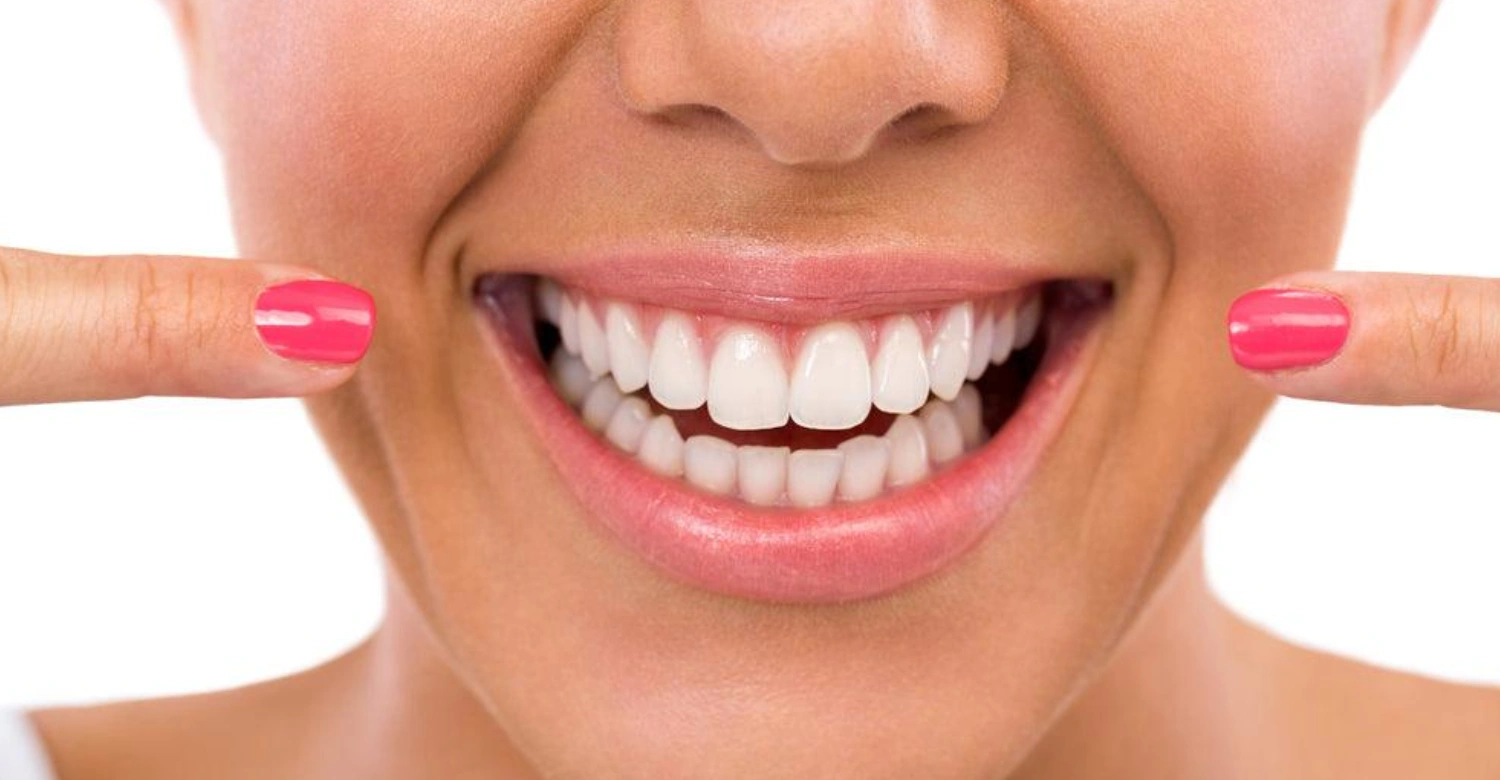
Note: All images used are for editorial and illustrative purposes only and may not originate from the original news provider or associated company.
Learn more about sleeping with mouth open and teeth
Oral Bacteria and Gut Microbiome Interactions
Oral bacteria and gut microbiome interactions may contribute to changes in microbial composition under certain conditions. Poor oral hygiene and periodontal disease are two examples. Some studies describe microbial transfer between the two environments. However, the clinical impact of this transfer is still being studied. It should not be overstated. Dentists emphasize that these interactions represent an area of ongoing investigation, not an established mechanism for gastrointestinal disease.
Explore the tooth decay stages
The Oral Gut Microbiota Relationship and Immune Regulation
The oral gut microbiota relationship also involves immune signaling. Microorganisms in both environments interact with immune cells that help regulate inflammation. When inflammation rises in one microbial environment, it may become relevant to the other. This happens through shared immune pathways. This is one reason researchers examining the oral gut microbiome axis in health & disease look closely at inflammatory markers, not bacteria alone.
Tips for Patients
Simple daily habits support both oral and systemic microbial balance.
Brush twice daily with fluoride toothpaste
Clean between teeth daily
Replace toothbrushes when appropriate
Avoid aggressive brushing that can damage gums
Do not ignore bleeding gums
Attend regular dental examinations
Seek professional periodontal care when recommended
Eat a varied, nutrient-dense diet
Include fiber-rich foods where appropriate
Limit frequent sugary snacks and drinks
Stay adequately hydrated
Avoid smoking and tobacco products
Use antibiotics only when medically indicated
Oral Microbiome Dysbiosis: When the Microbial Balance Changes
Oral microbiome dysbiosis describes an imbalance in the mouth's microbial community. This shift can affect more than just oral health. The mouth connects directly to the gastrointestinal tract. Because of this, dysbiosis is now examined as part of the broader oral gut microbiome axis in health and disease. Understanding what triggers this imbalance helps patients and dentists focus prevention efforts where they matter most.
What Is Oral Microbiome Dysbiosis?
In practical dental terms, dysbiosis means the balance of beneficial and harmful bacteria in the mouth has shifted unfavorably. Reduced microbial diversity is often associated with oral disease, including gum inflammation and decay. This is not simply about having "bad" bacteria present. Small numbers of harmful bacteria exist in most mouths without causing problems. Dysbiosis becomes relevant when the balance tips enough to disrupt tissue health.
Periodontal Disease and Changes in the Oral Microbiome
Periodontal disease is closely tied to microbial imbalance. Plaque accumulation creates an environment where harmful bacteria multiply, triggering gingival inflammation. As periodontal pockets deepen, they create low-oxygen spaces. These spaces favor different bacterial species than a healthy mouth. This changing environment is central to how dentists assess disease progression. It also shapes how they plan treatment for patients with signs of gum disease.
Factors That Can Influence the Oral Microbiome
Several everyday and health-related factors shape microbial balance in the mouth.
Poor oral hygiene
Smoking and tobacco exposure
Diet and frequent sugar intake
Antibiotic use
Dry mouth
Periodontal disease
Systemic health conditions
Oral Bacteria and Gut Inflammation: What Does the Evidence Suggest?
The question of oral bacteria and gut inflammation sits at the center of current research. Scientists are examining whether specific oral bacteria contribute to inflammatory activity in the intestines. This section separates proposed mechanisms from confirmed outcomes. Much of the oral gut microbiome axis in health and disease research remains observational rather than conclusive at this stage.
Learn more about pulpectomy
Can Oral Bacteria Influence Gut Inflammation?
Proposed mechanisms suggest oral bacteria may migrate to the gut and interact with local immune cells there. This could theoretically contribute to inflammatory signaling. However, associations observed in studies do not confirm direct causation. Microbial migration and inflammatory signaling remain areas of ongoing research, not settled dental or medical fact. Patients should be cautious about drawing firm conclusions from early findings.
Periodontal Inflammation and Gastrointestinal Health
Some research connects periodontal disease with certain gastrointestinal conditions. Shared risk factors may contribute to these observed associations, rather than a single direct mechanism. Smoking, diet, and chronic inflammation are common examples. This distinction matters. It shifts focus toward broader lifestyle factors, rather than isolated oral bacteria and gut inflammation as the sole explanation for gastrointestinal symptoms.
Discover more about congenital adrenal hyperplasia and oral health
What We Know and What We Still Do Not Know
Established dental knowledge confirms that periodontal disease involves harmful bacteria and inflammation. What remains uncertain is how strongly, and through what exact mechanisms, this connects to gastrointestinal disease. More longitudinal and mechanistic research is needed. Only then can the oral gut microbiome axis in health & disease guide specific gastrointestinal treatment decisions. Dentists rely on proven periodontal care in the meantime.
The Gut Microbiome and Oral Health: Can the Relationship Work Both Ways?
The gut microbiome and oral health connection may also run in reverse. Researchers are exploring whether gut microbial changes could influence conditions in the mouth. This bidirectional possibility adds further complexity to the oral gut microbiome axis in health & disease. Neither system should be studied entirely in isolation from the other.
How Gut Microbial Health May Relate to Oral Health
Possible links between gut and oral health run through immunity, inflammation, nutrition, and metabolic processes. A disrupted gut environment could theoretically affect nutrient absorption or systemic inflammation. This could, in turn, influence oral tissues. These pathways are still being mapped. Dentists caution against assuming gut supplements or probiotics can replace proven oral hygiene practices.
Find out why your mouth is producing so much saliva suddenly
Diet as a Shared Factor in Oral and Gut Microbial Health
Diet affects both microbial ecosystems simultaneously. Fiber-rich foods and dietary diversity generally support healthier microbial populations in the gut. They may indirectly benefit oral conditions too. Limiting excessive added sugars reduces fuel for harmful oral bacteria while also supporting better gut balance. Diet remains one of the few factors patients can directly control across both systems.
Why Oral Health Should Be Considered in Whole-Body Health
The mouth should be viewed as part of overall health, not an isolated system. That said, improving oral health alone should not be presented as a guaranteed way to prevent gastrointestinal or systemic disease. The relationship is associative and still developing. Maintaining good oral hygiene remains valuable on its own merits, regardless of unresolved systemic questions.
The Oral Gut Axis and Systemic Health: What Could It Mean for Patients?
The oral gut axis and systemic health relationship raises practical questions for patients. Many wonder how their dental habits fit into broader wellness. While research continues, dentists focus on what is already proven: treating oral disease reduces local and potentially systemic inflammation. This holds regardless of how the oral gut microbiome axis in health and disease research ultimately develops.
Learn more about pneumococcal disease and oral health
Inflammation as a Possible Link
Chronic inflammation is a plausible biological link between oral and systemic conditions. Inflammatory markers from periodontal disease can enter the bloodstream. Biological plausibility, however, is different from proven clinical causation. Researchers continue testing whether treating oral inflammation measurably changes systemic inflammatory markers. The goal is to see if this affects disease outcomes elsewhere in the body.
Oral Health, Immune Function, and General Well-Being
Chronic oral inflammation is relevant to overall health. It keeps the immune system in a persistent low-level activated state. This is one reason maintaining periodontal health remains important. This holds true even while systemic connections through the oral gut microbiome axis in health & disease are still being investigated. Reducing oral inflammation is a reasonable, evidence-supported goal regardless of unresolved systemic questions.
Why Regular Dental Care Still Matters
Regular dental visits address the factors dentists can directly control.
Periodontal screening
Professional plaque and calculus removal
Caries prevention
Management of gingivitis and periodontal disease
Individualized oral hygiene advice
Clinical Note
This clinical note addresses how dentists prioritize care while microbiome research continues to develop. Evidence-based treatment guides everyday decisions far more than emerging theories about the oral gut microbiome axis in health & disease. These theories remain useful context rather than treatment protocols at this stage.
Why Controlling Oral Disease Comes First
Evidence-based treatment of gingivitis, periodontitis, decay, and infection remains the practical priority in any dental visit. Microbiome testing or supplement regimens are not substitutes for professional dental treatment. Patients experiencing active oral disease need direct clinical intervention first. Addressing confirmed problems takes precedence over exploratory or unproven microbiome-focused approaches.
Discover more about fixed dentures cost in Turkey
When a Patient Should See a Dentist
Certain symptoms should prompt a dental visit without delay.
Persistent gum bleeding
Swollen or tender gums
Persistent bad breath
Loose teeth
Recurrent oral infections
Tooth pain or sensitivity
Changes in the mouth that do not resolve
A Dentist's Role in Whole-Health Prevention
A dentist's preventive role extends beyond treating visible problems.
Oral examination
Periodontal assessment
Risk-factor identification
Preventive planning
Referral when symptoms suggest a condition outside routine dental care
Can Dental Treatment Improve the Oral Gut Microbiome Connection?
Patients often ask whether dental treatment can directly improve the oral gut microbiome connection. The honest answer is nuanced. Treatment controls oral infection and inflammation effectively. But it is not marketed or intended as a way to reset gut microbial balance. The oral gut microbiome axis in health and disease remains a research topic, not a treatment target.
Explore how eating before bed affects oral health
Periodontal Treatment and Microbial Control
Scaling, root surface debridement, and periodontal maintenance are designed to control periodontal infection and inflammation. These treatments reduce harmful bacterial load in the mouth. They are not intended, and should not be marketed, as a way to "reset" the gut microbiome. Their proven benefit lies in oral tissue health, not systemic microbial rebalancing.
Restorative Dentistry for Damaged Teeth
Restorative dentistry addresses decay and structurally compromised teeth. Restoring damaged teeth supports better chewing function and easier oral hygiene. Intact tooth surfaces are simpler to clean effectively. This indirectly supports a healthier oral environment overall. Restorative work still targets structural problems rather than microbial composition directly.
Cosmetic Dentistry Comes After Oral Health
Healthy gums and stable teeth should come before veneers, crowns, or other cosmetic procedures. Cosmetic work placed over untreated periodontal disease can compromise both aesthetics and long-term results. Individualized assessment determines readiness for cosmetic treatment. Treatment should not proceed based solely on a patient's aesthetic goals without addressing underlying oral health first.
What We Notice Clinically: Dr. Rifat Alsaman's Perspective
Dr. Rifat Alsaman, Head of the Medical Team at Vitrin Clinic and a cosmetic dentist, offers clinical perspective on how oral health fits into the broader oral-gut microbiome axis in health and disease. His approach centers on treating confirmed oral disease first, while staying informed about developing research.
How Should Patients Interpret Research on the Oral Gut Microbiome Axis?
Patients reading about the oral gut microbiome axis in health and disease often encounter headlines that overstate findings. Learning to interpret this research critically helps set realistic expectations. Patients can then better judge what is proven versus what remains under investigation.
Learn more about leptomeningeal disease and oral health
Association Does Not Always Mean Causation
A condition being associated with oral microbiome changes is different from those changes being proven to cause the condition. Many studies identify correlations without establishing direct mechanisms. Patients should read claims about oral bacteria and gastrointestinal disease carefully. Association alone does not confirm a causal relationship.
Why Microbiome Research Is Still Developing
Laboratory, animal, observational, and clinical studies all provide different types of evidence with different limitations. Findings from lab or animal studies may not yet translate into routine dental treatment recommendations. This is why the oral gut microbiome axis in health & disease remains a research priority, not an established clinical protocol today.
What Patients Can Act on Today
Certain actions are supported by solid evidence right now.
Maintain periodontal health
Treat active dental disease
Follow evidence-based oral hygiene
Maintain healthy lifestyle and dietary habits
Discuss persistent gastrointestinal or systemic symptoms with the appropriate medical professional
How Vitrin Clinic Approaches Comprehensive Oral Health
Vitrin Clinic approaches oral health with attention to how the mouth fits into overall wellness. This view is informed by ongoing understanding of the oral gut microbiome axis in health & disease. Individualized assessment and modern diagnostic tools shape every treatment plan developed at the clinic.
Individualized Dental Assessment
Assessing teeth, gums, existing restorations, bite, and overall oral condition comes before recommending any treatment. Personalized treatment planning replaces one-size-fits-all procedures. Every patient's oral environment differs. Recommendations are based on individual examination findings, not generic protocols applied uniformly across different patients and conditions.
Digital Technology and Treatment Planning
Digital imaging, CBCT or 3D planning, and intraoral scanning are used where clinically indicated. These tools improve diagnosis, treatment planning, communication, and precision. Digital technology helps identify problems earlier and supports more accurate treatment outcomes. It gives both dentist and patient clearer information before any procedure begins.
Combining Oral Health With Aesthetic Treatment
Periodontal and restorative health are considered before any cosmetic procedure. Veneers, crowns, implants, and full-mouth rehabilitation are mentioned only where clinically appropriate for the individual patient. Treatment recommendations always depend on examination findings, not a patient's aesthetic preference alone. This approach ensures durable and health-conscious outcomes.
Protect the Mouth as Part of Whole-Body Health
The oral gut microbiome axis in health and disease is an important and developing field. Healthy gums, teeth, and consistent oral hygiene remain the most practical areas patients can control today. Evidence-based dental care should take priority over unproven microbiome treatments or supplements. Patients experiencing persistent oral or gastrointestinal symptoms should seek appropriate professional evaluation, rather than waiting for symptoms to resolve on their own.
Book Your FREE Treatment Plan at Vitrin Clinic
Arrange a personalized dental assessment focused on identifying existing oral health problems and building an individualized treatment plan tailored to your needs. Book Your FREE Treatment Plan.
References:
FAQs
Dr. Rifat Alsaman has more than 5 years of clinical experience in dentistry and currently serves as the Head of the Medical Team at Vitrin Clinic. He is dedicated to providing exceptional patient care, overseeing treatment planning, and ensuring the highest clinical standards across the team. His expertise, attention to detail, and commitment to continuous professional development have helped countless patients achieve healthier, more confident smiles.


