General Dentistry
September 7, 2026
What Should You Know About Primary Biliary Cholangitis and Tooth Decay ?
 Dr. Rifat Alsaman
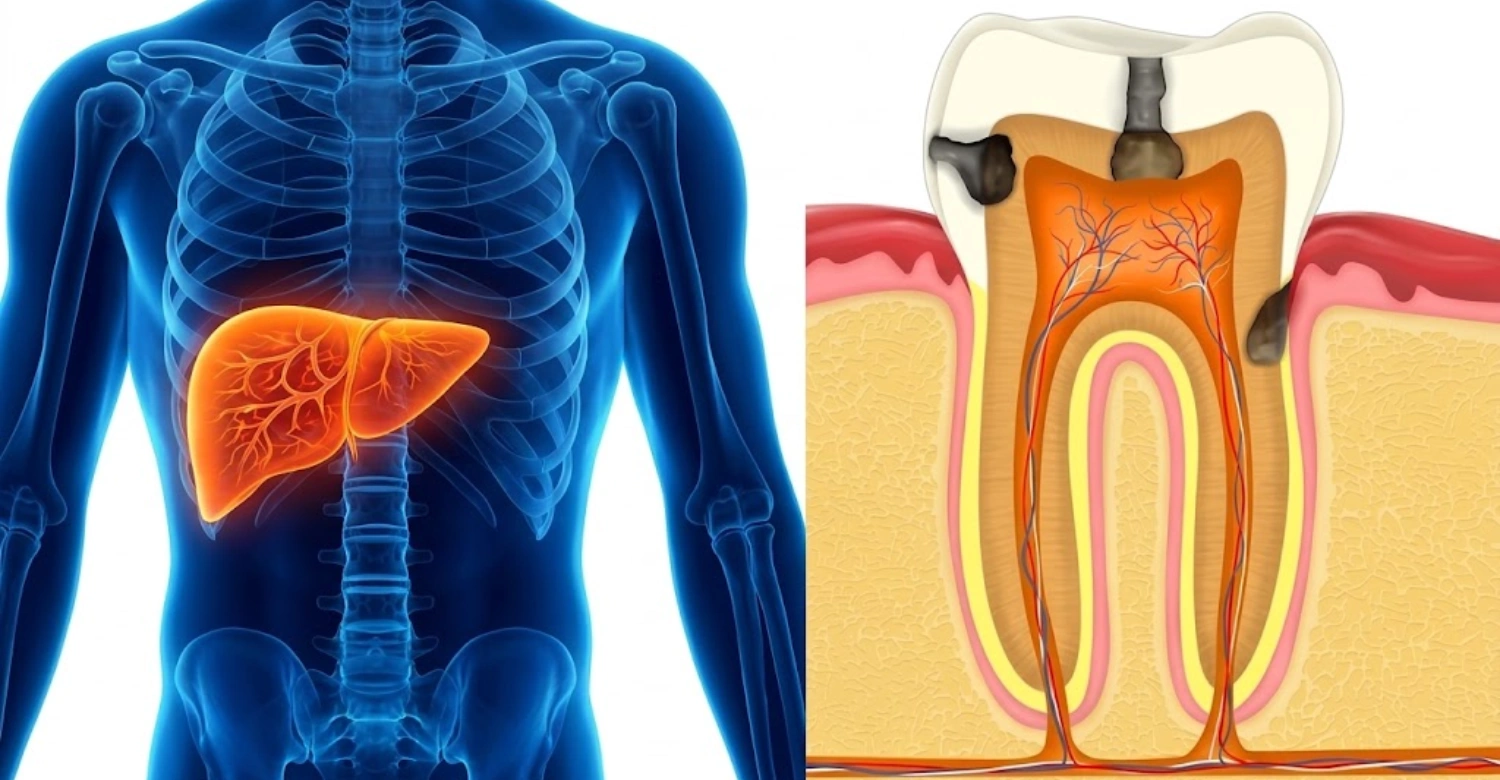
Primary Biliary Cholangitis and Tooth Decay are connected, but not in the way many people assume. PBC does not attack enamel or dentin directly. Instead, it often overlaps with Sjögren's syndrome, which causes severe dry mouth. Over time, this dryness raises the risk of cavities. Understanding this indirect pathway helps patients focus prevention where it matters most: protecting saliva flow and staying ahead of decay.
Primary Biliary Cholangitis and Tooth Decay: How Are They Connected?
The connection between PBC and tooth decay runs almost entirely through saliva, not through the liver disease itself. PBC is an autoimmune condition centered on the bile ducts. On its own, it has no mechanism for damaging teeth. The oral risk appears when PBC coexists with a salivary gland condition, which is common enough to matter for most patients.
Can PBC Cause Tooth Decay?
PBC itself does not directly cause tooth decay. However, factors associated with the condition can raise the risk considerably. Dry mouth linked to overlapping Sjögren's syndrome reduces the mouth's natural defenses against acid and bacteria. Once this dryness sets in and persists untreated, cavities become far more likely.
What Is the Connection Between PBC and Dental Cavities?
People with PBC may experience reduced saliva flow, which increases susceptibility to dental caries over time. This shared dryness, not any direct attack on tooth structure, drives the link. Saliva protection is therefore the real focus for prevention.
Clinical Note
PBC should not automatically be considered a direct cause of cavities. Oral hygiene, saliva production, diet, medications, and existing dental conditions all influence individual risk. Each case should be assessed on its own.
Can PBC Cause Dry Mouth and Cavities?
Dry mouth and cavities are closely tied together in PBC because reduced saliva removes one of the mouth's main defenses against decay. This section looks at why xerostomia develops alongside PBC and how it raises cavity risk.
What Is the Relationship Between PBC and Xerostomia?
Xerostomia, or dry mouth, frequently accompanies PBC because of overlapping autoimmune damage to salivary glands. Reduced saliva means less natural rinsing and buffering inside the mouth. Bacteria and acid then linger longer, deepening the risk of decay.
Can PBC Dry Mouth Increase the Risk of Dental Caries?
Saliva neutralizes acids and supplies minerals that repair early enamel damage. When dry mouth develops alongside PBC, that protection weakens significantly. Decay can then progress more quickly than it otherwise would.
Tips for Patients
Patients managing this overlap benefit from drinking water regularly throughout the day. Keeping oral hygiene consistent matters even when the mouth feels dry. It also helps to ask a dental professional about fluoride protection and avoid frequent sugary snacks and drinks. Any persistent dry mouth should be reported to the wider healthcare team, since staying ahead of dryness is the best defense against oral complications.
What Are the Oral Symptoms of Primary Biliary Cholangitis?
Recognizing oral symptoms early can make a real difference for anyone concerned about PBC and dental health. PBC itself is a liver condition, but the mouth often shows visible signs of the accompanying dryness. These signs are worth watching for well before serious decay develops.
What Are the Common Oral Symptoms of PBC?
Common oral symptoms include persistent dry mouth, general discomfort, and difficulty maintaining oral moisture throughout the day. Patients also often show a noticeably higher susceptibility to cavities. These symptoms develop gradually, which is part of why the link can go unnoticed until decay has already progressed.
Can PBC Affect Your Gums?
Oral dryness and the hygiene challenges it creates can contribute to gum inflammation in people with PBC. When saliva is reduced, plaque tends to build up more easily. This combination can leave gum tissue more vulnerable than in someone with normal saliva flow.
What Is the Connection Between PBC and Gum Disease?
Maintaining healthy gums matters especially for patients managing a chronic condition like PBC. Gum disease is not directly caused by the liver disease itself. However, the dryness associated with it can make gum tissue more prone to irritation and inflammation.
Clinical Note
Oral symptoms can have multiple causes. They should not automatically be attributed to PBC without proper dental and medical assessment. A dentist familiar with these patterns can help determine whether dryness, medication, or another factor is driving a symptom.
How Does Dry Mouth From PBC Affect Dental Health?
Saliva does far more work than most people realize. Understanding its role helps explain why dry mouth linked to PBC affects dental health so significantly. This section walks through the mechanics behind Primary Biliary Cholangitis and Tooth Decay.
Why Does Saliva Matter for Healthy Teeth?
Saliva lubricates the mouth and helps neutralize harmful acids. It also supports enamel protection and clears away food particles after eating. When any of these functions is compromised, the mouth becomes far more vulnerable to decay.
How Can Xerostomia Lead to Cavities?
Reduced saliva allows plaque to accumulate more easily. It also extends acid exposure on tooth surfaces and slows the natural remineralization that repairs early enamel damage. Over time, this combination accelerates demineralization, especially in areas that are harder to clean thoroughly.
Can Xerostomia From PBC Increase the Risk of Tooth Decay?
PBC and xerostomia together can meaningfully increase tooth decay risk. Individual outcomes vary widely from person to person. Existing oral hygiene habits, diet, and the severity of dryness all shape the overall impact.
What Dental Problems Can Be Associated With PBC?
Beyond cavities alone, several other dental issues can appear alongside PBC once dryness becomes a factor. Looking at the fuller picture helps patients and dental teams watch for problems before they become severe or difficult to manage.
Can PBC Increase the Risk of Cavities?
Xerostomia and related oral-health factors can meaningfully raise cavity risk in people living with PBC. This elevated risk is not universal, but it is common enough to discuss early. Catching signs sooner makes treatment far simpler.
Can PBC Cause Gum Disease?
Gum disease has multiple possible causes, and PBC should not be presented as a standalone direct cause. That said, the dryness and hygiene challenges linked to PBC can make gum disease more likely to develop or progress.
What Other Dental Complications Should You Know About?
Beyond cavities and gum irritation, patients may notice increased plaque accumulation and general oral discomfort. Dry mouth also makes it harder to maintain thorough oral hygiene, since it feels less comfortable to work with. Together, these complications reinforce why proactive dental care matters so much for this group.
Clinical Note
Individualized assessment matters because the presence and severity of oral problems can differ significantly between patients with PBC. Two people with the same diagnosis may experience very different degrees of dryness. The dental impact cannot be predicted from the liver diagnosis alone.
How Can People With PBC Prevent Tooth Decay?
Prevention is where patients have the most control. A few consistent habits can significantly reduce the practical impact of PBC-related tooth decay over time. The strategies below focus on protecting saliva function and limiting the conditions that allow decay to take hold.
How Can You Protect Your Teeth if You Have PBC?
Regular brushing, daily interdental cleaning, and fluoride toothpaste all help protect teeth. Routine dental exams, adequate hydration, and active management of dry mouth matter just as much. None of these steps is complicated on its own, but consistency across all of them makes the biggest difference over the long term.
How Can You Prevent Cavities With PBC-Related Dry Mouth?
Reducing the effects of xerostomia means limiting how long acid and plaque sit on tooth surfaces. Practical strategies include sipping water frequently and using fluoride-based products consistently. Scheduling more frequent dental visits also helps, since early decay can be caught and treated before it spreads further.
Tips for Patients
A simple daily routine goes a long way toward protecting teeth in this situation. Brush twice a day with fluoride toothpaste and clean between the teeth every day. Drink water throughout the day to help offset reduced saliva flow. It also helps to limit frequent sugar exposure, keep regular dental appointments, and discuss any persistent xerostomia openly with a healthcare professional.
When Should You See a Dentist for PBC and Oral Health Problems?
Knowing when to seek dental care can prevent minor dryness from turning into significant decay. This section covers the signs that suggest it is time to bring these concerns directly to a dental professional, rather than waiting to see if symptoms resolve on their own.
What Signs of Tooth Decay Should You Watch For?
Tooth sensitivity, pain, and visible cavities are all signs worth taking seriously. So are discoloration, food repeatedly getting trapped between teeth, and discomfort while eating. Any combination of these symptoms in someone with PBC deserves a prompt dental evaluation rather than a wait-and-see approach.
When Should Dry Mouth Be Evaluated?
Persistent xerostomia deserves evaluation, particularly when it comes with increasing cavities, gum problems, or difficulty swallowing. Ongoing oral discomfort is also worth mentioning to a dentist. Addressing dryness early gives the mouth a better chance of avoiding more advanced problems down the line.
What Should You Know About PBC and Long-Term Oral Health?
Looking at the bigger picture, most oral complications tied to PBC are manageable with the right combination of prevention and monitoring. This long-term view helps set realistic expectations, rather than assuming decay is an inevitable part of living with PBC.
Can PBC and Oral Health Problems Be Managed?
Regular dental care and consistent prevention can help manage the oral-health challenges associated with dry mouth and increased cavity risk. With the right routine in place, many patients maintain good oral health for years despite the underlying salivary changes linked to PBC.
Does Having PBC Mean You Will Develop Cavities?
Having PBC does not mean a person will inevitably develop tooth decay. Individual oral hygiene, saliva flow, diet, medications, and other risk factors all matter. Many people with PBC never experience significant dental problems if these factors are managed proactively from the start.
How Does Vitrin Clinic Approach Oral Health for Patients With PBC?
Vitrin Clinic treats Primary Biliary Cholangitis and Tooth Decay as a combined dental and medical concern, not as cavities in isolation. This means looking closely at both the current state of the mouth and any relevant medical history shaping oral health.
Comprehensive Dental Assessment at Vitrin Clinic
Vitrin Clinic evaluates the condition of the teeth, gums, and overall oral health while taking relevant medical information into account. This comprehensive approach helps identify whether dryness or another factor is contributing to a patient's specific dental concerns before any treatment plan is finalized.
Preventive Dental Care at Vitrin Clinic
Preventive strategies at Vitrin Clinic are designed to reduce cavity risk and maintain healthy teeth and gums over the long term. These strategies are adjusted based on each patient's individual needs, which matters especially for anyone managing a chronic condition alongside their dental care.
Managing Cosmetic and Functional Dental Concerns
Vitrin Clinic assesses cosmetic and functional dental needs while taking the patient's overall circumstances into consideration. This ensures that any restorative or cosmetic work fits appropriately with a patient's broader health picture, including conditions that may affect saliva flow or healing.
What We Notice Clinically
The clinical team at Vitrin Clinic emphasizes combining preventive oral care with individualized dental assessment whenever patients have chronic medical conditions. This perspective reflects how seriously the PBC–tooth decay connection is treated in day-to-day practice at the clinic.
Clinical Note
Patients should inform the Vitrin Clinic dental team about their medical history and current medications so dental care can be planned appropriately. Sharing this information upfront allows the team to anticipate dryness-related risks rather than reacting to decay after it has already developed.
Resource
Primary Biliary Cholangitis and Tooth Decay may be influenced by oral dryness, which can increase the risk of dental problems. Research published in PubMed found that dry mouth symptoms were common among patients with primary biliary cirrhosis, affecting 47.4% with subjective xerostomia. This highlights the importance of maintaining saliva flow, practicing good oral hygiene, and receiving regular dental care to help protect oral health.
https://pubmed.ncbi.nlm.nih.gov/9190103/
FAQs
Dr. Rifat Alsaman has more than 5 years of clinical experience in dentistry and currently serves as the Head of the Medical Team at Vitrin Clinic. He is dedicated to providing exceptional patient care, overseeing treatment planning, and ensuring the highest clinical standards across the team. His expertise, attention to detail, and commitment to continuous professional development have helped countless patients achieve healthier, more confident smiles.

.webp&w=3840&q=75)


