General Dentistry
September 7, 2026
Pulmonary Fibrosis and Dental Health: What Do Patients Need to Know?
 Dr. Rifat Alsaman
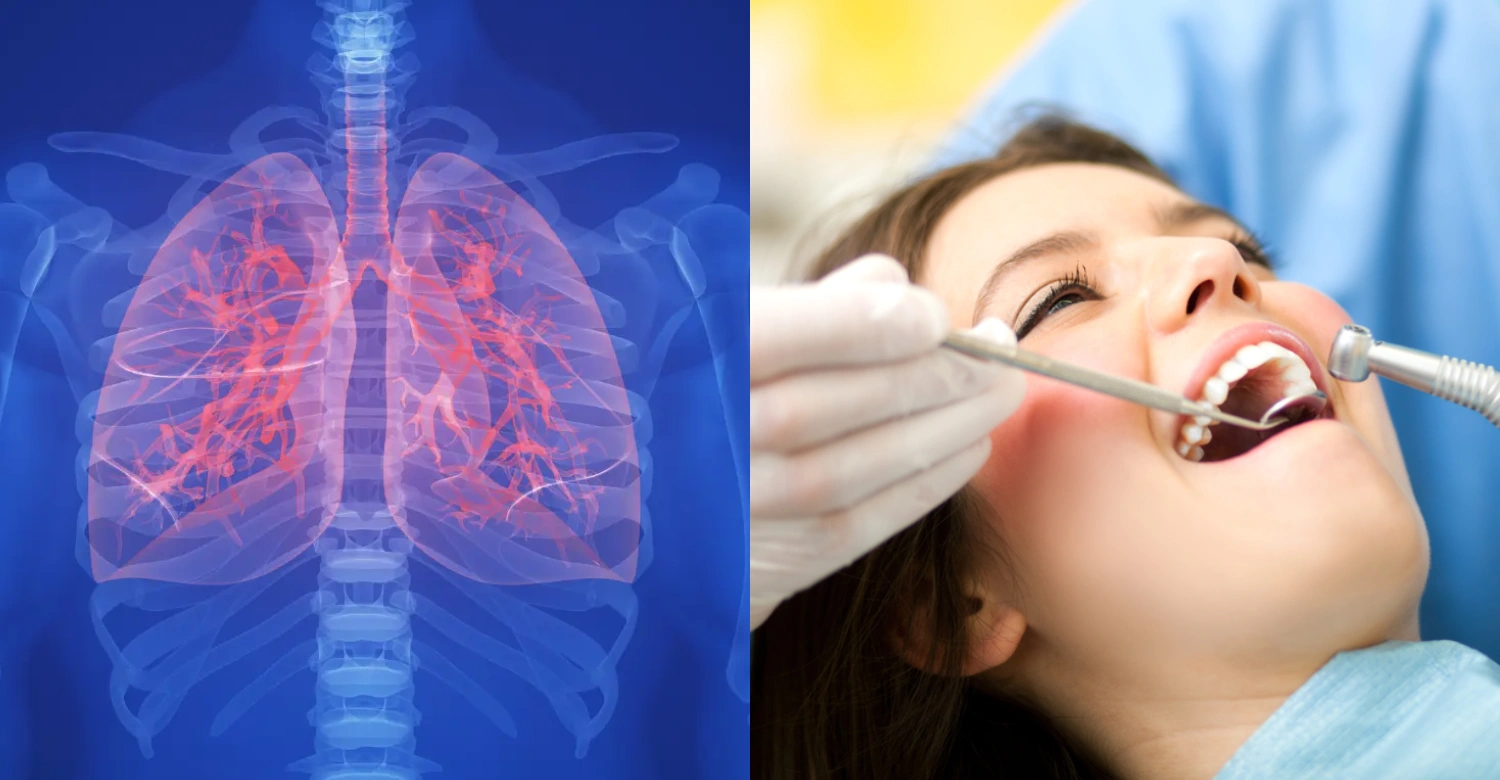
Pulmonary fibrosis and dental health are more connected than most patients realize. Pulmonary fibrosis is a chronic lung condition that causes scarring of lung tissue, making breathing progressively harder. Patients managing this condition often focus entirely on their lungs. Oral hygiene, gum health, dry mouth, medications, and oxygen therapy can all shape dental treatment outcomes too. Having pulmonary fibrosis does not automatically prevent someone from receiving dental care. Clear communication between the patient, the dentist, and the medical team remains essential. This guide covers pulmonary fibrosis and oral health, common dental problems, preventive care, and what to expect during treatment planning.
Pulmonary Fibrosis and Dental Health: Is There a Connection?
Pulmonary fibrosis and oral health are linked indirectly rather than through one single cause. Chronic respiratory disease does not automatically produce tooth decay or gum disease on its own. Instead, related factors can influence oral wellbeing. Reduced saliva, certain medications, oxygen therapy, mouth breathing, and difficulty maintaining a hygiene routine all play a role. General health and nutrition matter too. This is part of the wider picture of lung disease and oral health. Dentists should always review a patient's respiratory history before planning any treatment, since it helps shape safer, more personalized care.
How Pulmonary Fibrosis Affects Dental Health
How pulmonary fibrosis affects dental health is usually indirect, not direct. The condition itself rarely damages teeth or gums outright. Instead, secondary effects like dry mouth, medication side effects, or reduced energy for daily brushing can raise risk over time. Every patient is different. Some notice little change, while others develop noticeable oral symptoms. This is why a full medical history and medication review matters so much. Dentists use this information to anticipate problems early, rather than reacting once damage has already occurred.
Pulmonary Fibrosis and Teeth
Many patients ask whether pulmonary fibrosis and teeth are directly connected. The disease does not attack tooth structure itself. However, several related factors can raise risk. Dry mouth reduces natural protection against bacteria. Some medications affect saliva flow or taste. Reduced oral hygiene during flare-ups can also contribute. Together, these factors may increase the chance of tooth decay, enamel wear, bad breath, or general oral discomfort. Recognizing these risks early allows patients and dentists to put simple, effective preventive measures in place, which is central to managing pulmonary fibrosis and dental health together.
Pulmonary Fibrosis and Oral Health: Common Problems Patients May Experience
Pulmonary fibrosis and oral health concerns vary widely between patients. Not everyone experiences every issue described here. Some notice mild dryness, while others develop more persistent gum or decay-related problems. Understanding the most common concerns helps patients recognize early warning signs and seek care sooner. The sections below outline dry mouth, gum disease, general dental problems, and a practical checklist patients can use at home. None of these issues are guaranteed, but awareness supports better long-term oral health management alongside ongoing pulmonary fibrosis and oral health care.
Pulmonary Fibrosis and Dry Mouth
Pulmonary fibrosis and dry mouth, medically known as xerostomia, often go hand in hand. Reduced saliva removes a natural protective layer for teeth and soft tissue. Saliva helps neutralize acids, clear food particles, and limit bacterial growth. Without enough of it, patients may notice faster plaque build-up, gum irritation, bad breath, or difficulty eating and swallowing comfortably. Medications and supplemental oxygen use are common contributing factors. Identifying dry mouth early allows dentists to recommend targeted relief measures before more serious problems develop.
Pulmonary Fibrosis and Gum Disease
Pulmonary fibrosis and gum disease are not directly linked, but chronic illness can still raise risk indirectly. Gingivitis and periodontitis both develop from plaque and bacterial build-up along the gumline. Patients managing chronic medical conditions should maintain regular periodontal monitoring, since reduced energy or dry mouth can make daily hygiene harder. Pulmonary fibrosis itself does not directly cause gum disease. Prevention and professional check-ups remain the most effective way to catch early inflammation before it progresses, reinforcing why pulmonary fibrosis and dental health deserve equal attention.
Pulmonary Fibrosis and Dental Problems
Pulmonary fibrosis and dental problems patients commonly report include tooth decay, gum bleeding, dry mouth, oral infections, bad breath, and tooth sensitivity. Difficulty maintaining a consistent hygiene routine during difficult breathing days can also contribute. None of these problems are inevitable, but recognizing them early makes treatment simpler and less invasive. Patients experiencing several of these symptoms together should mention this to their dentist rather than waiting, since early assessment often prevents more complex procedures later on.
Tips for Patients
Tell your dentist that you have pulmonary fibrosis.
Bring an updated medication list.
Inform the dental team if you use supplemental oxygen.
Explain any breathing difficulties before treatment begins.
Do not stop prescribed medication for an appointment unless instructed by your doctor.
Maintain daily brushing and interdental cleaning.
Tell your dentist about persistent dry mouth.
Report gum bleeding, swelling, ulcers, or ongoing oral pain.
Ask whether current medications may contribute to dry mouth.
Keep regular preventive dental appointments on your calendar.
Pulmonary Fibrosis Medications and Oral Health
Pulmonary fibrosis medications and oral health are closely connected, which is why dentists need a full, current medication list. Certain medications can contribute to dry mouth, taste changes, oral irritation, or greater susceptibility to dental problems. Patients should never stop or adjust pulmonary fibrosis medication before a dental appointment without medical advice. Instead, the dentist can adapt preventive care around these effects, recommending targeted saliva support, fluoride protection, or more frequent check-ups where medication side effects are contributing to ongoing oral discomfort. This is a core part of managing pulmonary fibrosis and oral health responsibly.
Why Your Dentist Needs to Know About Your Medication
Your dentist needs a clear picture of your medication history, including dosage and frequency. Oxygen use, other medical conditions, and any previous reactions to dental treatment also matter. This information helps the dental team plan safely and avoid unexpected complications. It also allows them to anticipate medication-related oral effects like dry mouth or taste changes in advance. Sharing complete, updated details before every appointment supports safer, more comfortable treatment overall, keeping pulmonary fibrosis and dental health aligned at every visit.
What Are the Dental Treatment Considerations for Pulmonary Fibrosis Patients?
Dental treatment considerations for pulmonary fibrosis patients centre on careful planning rather than avoidance. Most routine care can be provided safely once the patient's general medical condition has been assessed. Dentists consider factors such as breathing difficulties, oxygen dependence, expected treatment duration, patient positioning, anxiety, and stress levels. In some cases, communication with the patient's physician is appropriate before proceeding. This collaborative approach supports both comfort and safety, ensuring pulmonary fibrosis and dental health considerations are addressed from the very first visit.
Routine Dental Procedures
Routine dental procedures, including examinations, professional cleaning, fillings, crowns, root canal treatment, extractions, and periodontal care, can generally proceed with appropriate planning. The dentist reviews medical history and current symptoms beforehand. Adjustments such as shorter sessions or careful positioning may be made where needed. Most patients tolerate these procedures well when the dental team understands their respiratory status in advance. Open communication throughout treatment helps identify discomfort early, keeping pulmonary fibrosis and oral health goals aligned throughout the appointment.
When Additional Medical Planning May Be Needed
Additional medical planning may be needed when patients experience significant breathing difficulties, oxygen dependence, or advanced disease. Complex or lengthy procedures, sedation considerations, and other significant medical conditions can also require closer coordination. In these situations, the dental team may consult with the patient's physician before proceeding. This extra step is about safety, not restriction. Most patients in this category can still receive appropriate dental care once planning around pulmonary fibrosis and dental health accounts for their individual medical circumstances.
Why Sedation Requires Special Consideration
Sedation requires special consideration because respiratory conditions can influence how a patient responds. Breathing patterns, oxygen levels, and overall lung function all factor into sedation planning. Decisions are made individually, based on the patient's current medical status rather than a general rule. This careful, personalized approach helps reduce risk while still allowing patients to receive necessary treatment comfortably. Coordination with the treating medical team is often part of this planning process.
Dental Care for Pulmonary Fibrosis Patients
Dental care for pulmonary fibrosis patients starts with consistent daily habits at home. Simple, practical routines reduce the risk of common oral health complications developing between appointments. The sections below cover hygiene basics, dry mouth management, and the importance of attending regular dental check-ups. None of these recommendations require major lifestyle changes. They are designed to fit around existing pulmonary fibrosis management, supporting oral health without adding unnecessary burden to a patient's daily routine.
Maintain a Consistent Oral Hygiene Routine
A consistent oral hygiene routine remains one of the most effective preventive tools available. Brush twice daily using fluoride toothpaste. Clean between the teeth daily using floss or interdental brushes. Gently clean the tongue to reduce bacteria and freshen breath. Replace toothbrushes regularly, roughly every three months or sooner if bristles wear down. These simple daily habits support pulmonary fibrosis and oral health together, reducing plaque build-up and lowering the risk of decay or gum irritation over time.
Manage Dry Mouth
Managing dry mouth starts with staying hydrated, if medically appropriate for the patient. Saliva-stimulating measures recommended by a dental professional can also help. Sugar-free chewing gum may support saliva flow where suitable. Avoiding excessive sugary drinks and snacks reduces additional risk to teeth already affected by reduced saliva. Patients should ask their dentist about fluoride protection options too. Together, these steps help manage pulmonary fibrosis and dry mouth symptoms more comfortably day to day.
Attend Regular Dental Check-Ups
Regular dental check-ups allow problems to be identified before they require invasive treatment. Professional cleaning removes plaque and calculus that daily brushing may miss. Periodontal assessment tracks gum health over time, catching early inflammation before it progresses. For patients managing pulmonary fibrosis, consistent check-ups are especially valuable, since they support early intervention rather than reactive treatment. Staying on a regular schedule remains one of the simplest ways to protect pulmonary fibrosis and dental health over the long term.
Clinical Note
Pulmonary fibrosis is a significant medical condition, so dental treatment should always be planned according to a patient's individual health status. Having pulmonary fibrosis does not automatically mean routine dental treatment is unsafe. However, patients with significant respiratory limitations, oxygen dependence, or other complex medical conditions may require additional assessment and coordination with their medical team. This individualized approach reflects how pulmonary fibrosis and oral health should be managed together, with safety and comfort guiding every stage of treatment planning.
When Should Patients Contact a Dentist?
Patients should seek professional dental assessment for persistent tooth pain, gum bleeding, or swelling. Facial swelling, ongoing dry mouth, or oral sores that do not heal are also worth reporting promptly. Difficulty eating comfortably or any signs of dental infection should not be ignored. Early contact allows the dental team to assess symptoms before they progress, which is a simple but important part of managing pulmonary fibrosis and dental health together.
What Dental Treatments Can Help Prevent Oral Health Complications?
Preventing oral health complications of pulmonary fibrosis often relies on a combination of professional treatments and consistent home care. Professional cleaning, fluoride treatments, restorative dentistry, periodontal care, and cosmetic options each play a specific role depending on individual needs. The sections below outline how each treatment supports long-term oral health. None replace daily hygiene at home, but together they form a comprehensive preventive strategy suited to patients managing chronic respiratory conditions alongside their dental care.
Professional Dental Cleaning
Professional dental cleaning removes plaque and calculus that regular brushing cannot fully clear. It supports healthier gums and helps patients maintain better daily oral hygiene going forward. For patients managing dry mouth or reduced saliva flow, professional cleaning becomes even more valuable, since natural protective mechanisms are already reduced. Regular sessions, spaced according to individual risk, help catch early signs of decay or gum inflammation, supporting pulmonary fibrosis and dental health with minimal extra effort.
Fluoride Treatments
Fluoride treatments are particularly relevant for patients at increased risk of tooth decay or dry mouth. The dentist assesses whether additional fluoride protection is appropriate based on saliva flow, medication history, and existing decay risk. This added protection strengthens enamel and helps offset some of the reduced natural defenses caused by dry mouth. It is a simple, low-intervention step that fits easily into most preventive dental care plans.
Fillings and Restorative Dentistry
Fillings and restorative dentistry treat early or established tooth decay before it becomes more extensive. Addressing small areas of decay promptly usually means simpler, less invasive treatment overall. Left untreated, decay can progress and eventually require more complex procedures. For patients managing pulmonary fibrosis, treating problems early also reduces the likelihood of needing longer or more demanding appointments later, supporting a more comfortable overall treatment experience.
Periodontal Treatment
Periodontal treatment is used when gum disease is already present. The goal is controlling inflammation and reducing bacterial deposits along the gumline and below it. This helps stabilize gum health and prevent further progression toward more advanced periodontal disease. Combined with improved home hygiene, periodontal treatment supports long-term stability for patients whose daily routine may be affected by fatigue or breathing-related limitations, a key part of pulmonary fibrosis and oral health care.
Restorative and Cosmetic Dentistry
Crowns, veneers, and other cosmetic procedures may be considered once medically appropriate for the patient. Underlying oral disease should always be addressed first, before any elective cosmetic treatment proceeds. This ensures the foundation is healthy and stable. Once active dental problems are resolved, patients can explore cosmetic options with a clearer, more predictable outcome, supported by a treatment plan built around their individual medical circumstances.
What Are the Benefits of Maintaining Good Oral Health With Pulmonary Fibrosis?
Maintaining good oral health alongside pulmonary fibrosis offers realistic, practical benefits rather than promising changes to the lung condition itself. Patients can expect improved comfort, better plaque control, and earlier identification of problems. These outcomes support daily wellbeing without overstating what dental care can achieve. The sections below outline specific oral health benefits and what patients can generally expect before and after treatment as part of ongoing pulmonary fibrosis and dental health management.
Benefits for Oral Health
Consistent oral care supports a lower risk of untreated tooth decay and better overall gum health. Patients often notice improved plaque control and greater day-to-day comfort. Dry mouth-related problems become easier to manage with the right preventive steps in place. Earlier identification of oral infections is another meaningful benefit, since catching issues sooner generally means simpler, less invasive treatment. These outcomes support quality of life without claiming any effect on the underlying lung condition, reflecting the realistic goals of pulmonary fibrosis and dental health care.
What Can Patients Expect Before and After Treatment?
Before treatment, patients can expect a dental examination, medical history review, medication review, and individual risk assessment. A tailored treatment plan follows from this information. After treatment, patients typically notice improved oral hygiene and resolution or management of the specific dental problem addressed. Follow-up appointments are scheduled where necessary, along with personalized preventive recommendations. Dental treatment does not cure or improve pulmonary fibrosis itself, but it supports healthier, more comfortable daily oral function.
How Can Dentists Make Dental Visits More Comfortable for Pulmonary Fibrosis Patients?
Dentists can make appointments more comfortable for pulmonary fibrosis patients through thoughtful planning and clear communication. Shorter or staged appointments, careful positioning, and agreed communication signals all contribute to a more manageable experience. These adjustments are not complicated, but they make a meaningful difference for patients managing breathing difficulties. The sections below cover these approaches in more detail, showing how small changes support pulmonary fibrosis and dental health throughout treatment.
Shorter or Staged Appointments
Lengthy appointments may not suit every patient managing pulmonary fibrosis. Treatment can often be divided into shorter, more manageable sessions instead. This approach reduces fatigue and breathing strain during longer procedures. Staging treatment also allows the dental team to monitor comfort and tolerance between visits, adjusting the plan as needed. For many patients, this simple change makes ongoing dental care significantly more comfortable and sustainable over time.
Patient Positioning
Patient positioning affects both comfort and breathing during dental treatment. The dental chair can be adjusted according to individual needs, rather than using a single default position. Some patients breathe more comfortably in a more upright position. Small adjustments throughout the appointment can make a meaningful difference. Discussing positioning preferences before treatment begins helps the dental team accommodate individual comfort from the very start of the appointment.
Clear Communication During Treatment
Clear communication during treatment often relies on agreed hand signals or planned pauses. This allows patients to communicate discomfort or breathing difficulty without needing to speak. The dental team monitors tolerance throughout the appointment, adjusting pace where necessary. This ongoing dialogue supports a calmer, safer experience overall. Patients are encouraged to raise any concerns immediately rather than waiting until the end of the appointment.
What We Notice Clinically
Dr. Rifat Alsaman, Head of the Medical Team at Vitrin Clinic and a cosmetic dentist, brings an experienced perspective to patients with complex medical histories. Obtaining a complete medical history is always the starting point. Respiratory status should be considered carefully before any dental procedure. Identifying dry mouth and periodontal problems early is a priority, since preventive dentistry can reduce the need for more complex procedures later. Ongoing communication between the patient, dentist, and treating medical team remains central to this approach.
What a Dentist May Assess
A dentist may assess medical history, current medications, and oxygen requirements before treatment. Oral hygiene, salivary flow, dry mouth symptoms, gum health, and existing decay are also reviewed. Planned dental procedures are considered alongside patient tolerance and comfort. Together, these factors shape a treatment plan suited to the individual, ensuring pulmonary fibrosis and dental health are addressed with the same care given to any other complex medical history.
Why Choose Vitrin Clinic for Your Dental Care?
Vitrin Clinic approaches pulmonary fibrosis and dental health with individualized planning and clear, ongoing communication. Every patient's medical and dental history is reviewed before treatment begins, supporting a personalized, considered approach to care.
Individualized Dental Treatment Planning
Individualized treatment planning starts with a thorough review of the patient's medical and dental history. Medications and respiratory considerations are discussed openly before any procedure begins. This personalized approach ensures treatment is suited to the patient's current health status rather than a generic template. Clear communication throughout the process helps patients feel informed and comfortable, supporting safer, more predictable outcomes at every stage of care.
Modern Dental Technology
Modern dental technology supports safer, more precise treatment planning where applicable. Digital imaging and 3D dental imaging allow detailed assessment before procedures begin. Digital treatment planning helps map out each stage clearly in advance. Modern restorative dentistry techniques support durable, comfortable outcomes. Digital Smile Design may also be considered for appropriate cosmetic cases once underlying oral health has been addressed, reflecting Vitrin Clinic's approach to pulmonary fibrosis and dental health.
Experienced Dental Team
An experienced dental team understands how to treat patients with different medical backgrounds safely and comfortably. Dr. Rifat Alsaman, Head of the Medical Team at Vitrin Clinic and a cosmetic dentist, brings this experience to complex cases requiring careful coordination. This background supports confident, well-planned treatment for patients managing chronic conditions such as pulmonary fibrosis, ensuring medical considerations are never an afterthought during dental care.
Patient-Centred Care
Patient-centred care means comfortable appointments, clear treatment explanations, and planning built around individual needs. Patients receive personalized guidance rather than a one-size-fits-all approach. Follow-up and preventive recommendations support long-term oral health beyond the initial appointment. This approach reflects how pulmonary fibrosis and dental health should be managed together, with the patient's overall wellbeing considered at every stage of treatment.
References:
FAQs
Dr. Rifat Alsaman has more than 5 years of clinical experience in dentistry and currently serves as the Head of the Medical Team at Vitrin Clinic. He is dedicated to providing exceptional patient care, overseeing treatment planning, and ensuring the highest clinical standards across the team. His expertise, attention to detail, and commitment to continuous professional development have helped countless patients achieve healthier, more confident smiles.

.webp&w=3840&q=75)


