General Dentistry
September 29, 2026
Purposely Avoiding Dental Checkups and Tooth Loss: What Are the Risks?
 Dr. Rifat Alsaman
Purposely avoiding dental checkups and tooth loss are more closely connected than many people realize. When examinations are postponed, decay and gum disease can progress without being noticed. This guide explains the risks, the warning signs, and how timely professional care can help protect your natural teeth for longer.
What Happens When You Skip Visits?
Understanding purposely avoiding dental checkups and tooth loss begins with what happens between missed visits. Plaque keeps building, tartar hardens, and early decay or gum inflammation may continue quietly. Without professional examination, these changes are often discovered only after symptoms appear, when treatment may be more involved.
Avoiding Dental Checkups and Oral Health
Avoiding dental checkups removes an important layer of protection for your mouth. Regular examinations allow early changes in the teeth and gums to be identified and managed. When these visits are skipped, small problems have more time to develop, affecting comfort, function, and the long-term health of the teeth.
Why Early Dental Problems Can Go Unnoticed
Many early dental problems cause no pain. Initial decay, early gum inflammation, and small cracks may not be visible or felt by the patient. This is why skipping regular examinations is risky: problems progress silently until they become noticeable and harder to treat.
How Small Dental Problems Can Become More Serious
A small cavity can grow deeper into the tooth, and mild gum inflammation can progress to more advanced periodontal disease. Over time, these conditions may affect the nerve, the gums, or the supporting bone. Early treatment is usually simpler, while delayed care may require more complex procedures.
Can Avoiding the Dentist Lead to Tooth Loss?
Yes, it can. Purposely avoiding dental checkups and tooth loss are connected because untreated decay, infection, and gum disease can gradually damage a tooth and its supporting structures. However, the outcome depends on the specific condition, its severity, and how quickly appropriate treatment is received.
Delayed Dental Treatment and Tooth Loss
Delayed dental treatment and tooth loss often go hand in hand. When a diagnosed problem is left untreated, it may continue to progress. A tooth that could have been restored with a simple filling may later need more extensive treatment, and in some advanced cases, extraction may become necessary.
How Untreated Dental Problems Can Progress
Untreated decay can move from the enamel into the dentin and eventually reach the pulp. Gum inflammation can progress into periodontitis, affecting the bone around the teeth. This progression is why regular examinations are central to preventive dentistry.
When a Tooth May No Longer Be Restorable
A tooth may no longer be restorable when too much structure has been lost to decay, when infection has caused extensive damage, or when supporting bone is severely reduced. Whether a tooth can be saved can only be determined through a professional clinical and radiographic assessment.
Clinical Note
Untreated decay, infection, or advanced periodontal problems can progressively damage the tooth and the structures supporting it, including the gums, ligament, and bone. The outcome depends on the condition, its severity, and the timing of treatment. Earlier intervention generally offers better opportunities to preserve natural teeth.
What Are the Consequences of Avoiding the Dentist?
The consequences of purposely avoiding dental checkups and tooth loss extend beyond a single tooth. Delayed care can allow decay, gum disease, and infection to progress, increasing discomfort, affecting chewing, and potentially leading to more extensive treatment needs than would have been required earlier.
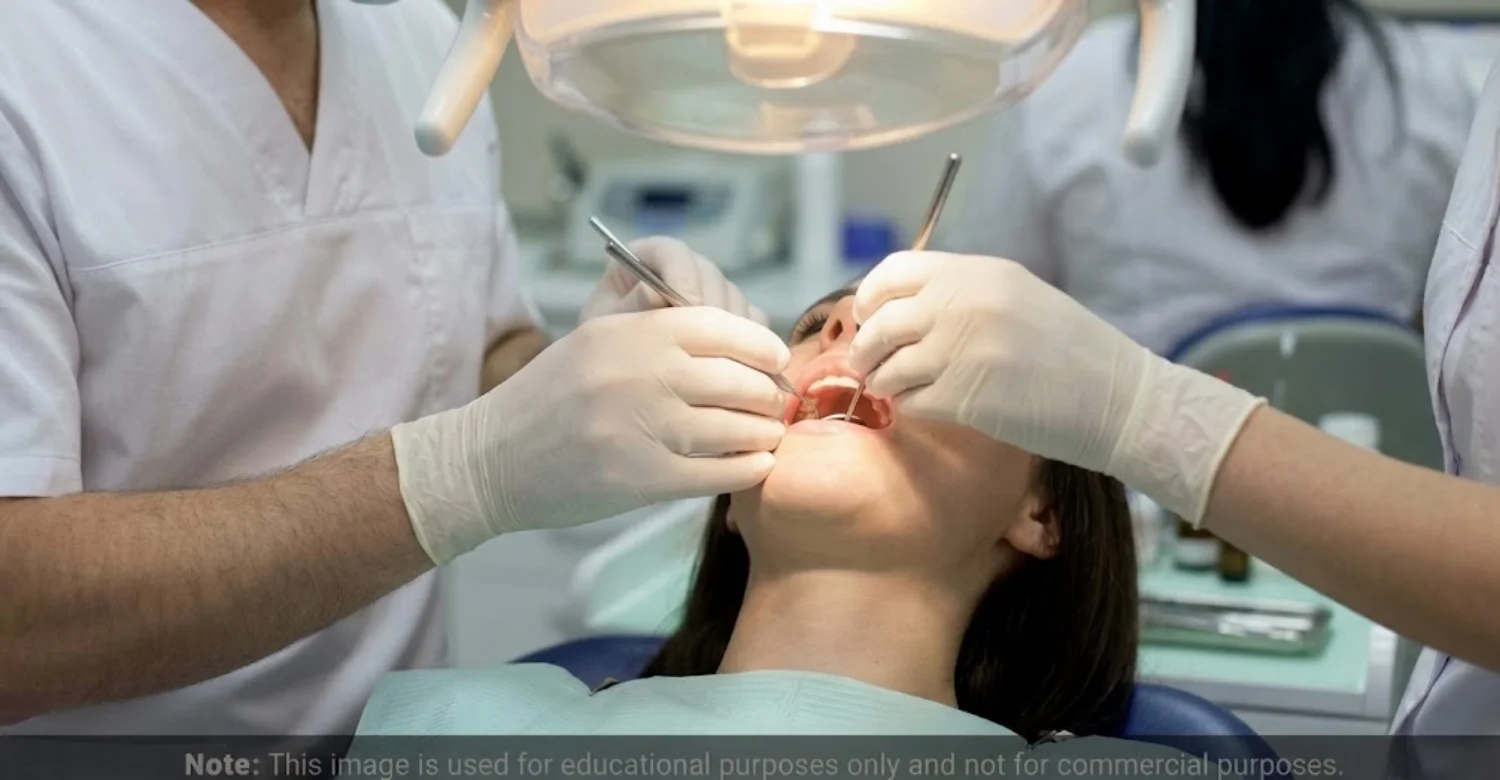
Note - All images are for editorial and illustrative purposes only. They may not originate from the original news provider or associated company.
Consequences of Avoiding the Dentist
The consequences of avoiding the dentist may include deeper cavities, gum disease, dental infections, and in some cases tooth loss. Problems that are found late may also require more time and more complex treatment. Regular professional assessment helps reduce these risks by allowing earlier management.
Periodontal Disease and Tooth Support
Gum disease and tooth loss are closely related. Advanced periodontal disease can damage the gums, ligament, and bone supporting the teeth. As support is lost, teeth may loosen. Early detection is one reason regular periodontal checks should be taken seriously.
Dental Infections and Complications
When decay or gum disease is left untreated, bacteria can cause infection in the pulp or surrounding tissues. This may lead to pain, swelling, or an abscess. Dental infections require professional evaluation and treatment, and should not be managed only with temporary home remedies.
Increasing Dental Treatment Needs Over Time
When dental problems progress, treatment needs often increase. A small filling may become a larger restoration, root canal treatment, or extraction followed by tooth replacement. This is a practical reason why delaying checkups can mean more complex care later.
What Are the Effects of Skipping Dental Checkups?
The effects of skipping dental checkups include missed early diagnosis, untreated plaque and tartar buildup, and progressive damage to teeth and gums. Skipping visits reduces opportunities for prevention and early treatment, which are key to protecting natural teeth over time.
Effects of Skipping Dental Visits
The effects of skipping dental visits may not appear immediately. Over time, however, tartar accumulates, decay may develop between teeth, and gum inflammation can progress. Because many of these changes are painless at first, patients may not realize a problem exists until it is advanced.
Missed Early Signs of Tooth Decay
Early decay may appear as small white or brown spots on the enamel, often without pain. At this stage, it may be managed with preventive measures or a small restoration. When routine examinations are skipped, these signs are easily missed.
Missed Signs of Gum Disease
Early gum disease may cause bleeding when brushing, redness, or mild swelling. Many people dismiss these signs. Without professional assessment, inflammation may progress and affect the deeper supporting tissues. Early evaluation allows gum problems to be managed before they threaten tooth stability.
How Prevention Breaks the Link Between Purposely Avoiding Dental Checkups and Tooth Loss
Preventive dental care focuses on stopping problems before they start or catching them early. Professional cleaning, examination, and personalized hygiene advice help protect the teeth and gums. Prevention remains the most reliable way to keep natural teeth healthy over the long term.
Tips for the Patients
Do not wait for pain before seeking dental care.
Maintain daily brushing and interdental cleaning.
Follow your dentist's recommended examination schedule.
Seek professional assessment if you notice bleeding gums, sensitivity, swelling, or tooth pain.
How Often Should You Visit the Dentist?
When considering purposely avoiding dental checkups and tooth loss, visit frequency matters. There is no single interval that suits everyone. Your dentist will recommend a schedule based on your oral-health risk, dental history, and current condition, which may mean more frequent visits for some patients.
Recommended Dental Visit Intervals
How often you should visit the dentist depends on your individual needs. Patients with healthy teeth and gums and low risk may need fewer visits, while those with active problems or higher risk may need closer monitoring. Your dentist will advise the most suitable interval.
Why Dental Visit Frequency Can Differ Between Patients
Each patient has a different level of risk for decay and gum disease. Factors such as oral hygiene, previous treatments, diet, and existing conditions influence how quickly problems may develop. This is why dental visit schedules require a personalized approach.
Factors That May Require More Frequent Dental Visits
Some patients benefit from more frequent examinations because their risk of dental problems is higher. The following factors are commonly considered when a dentist recommends a closer follow-up schedule.
History of Cavities
Patients who have had several cavities in the past may be at higher risk of developing new decay. More frequent checkups allow new cavities to be detected and treated early, while preventive measures can be adjusted to reduce future risk.
Gum Disease
Patients with current or previous gum disease often need closer monitoring. Regular periodontal assessment and professional cleaning help control inflammation and track changes in gum and bone support. This is especially relevant because advanced gum disease is one of the main causes of tooth loss in adults.
Dental Restorations
Fillings, crowns, and other restorations need periodic evaluation. Their edges can develop new decay, and restorations may wear or loosen over time. Regular checkups help confirm that restorations remain sealed and functional, and that surrounding tooth structure stays healthy.
Poor Oral Hygiene
When plaque is not removed effectively each day, the risk of decay and gum disease rises. More frequent visits allow professional cleaning and guidance on improving brushing and interdental cleaning techniques to better protect the teeth and gums.
Higher Risk of Tooth Decay
Some patients have a higher risk of tooth decay due to diet, reduced saliva, or other factors. For these patients, skipping checkups may carry a greater risk, so closer monitoring and preventive treatments may be recommended.
Clinical Note
Dental visit schedules should be individualized according to each patient's oral-health risk and previous dental history. One fixed interval is not appropriate for every patient. Your dentist will assess your condition and recommend a follow-up schedule that matches your specific needs.
Why Are Regular Dental Checkups Important?
The importance of regular dental checkups lies in early detection, prevention, and ongoing monitoring. Regular visits help reduce the risks associated with purposely avoiding dental checkups and tooth loss by identifying problems early, when they are generally easier to treat and manage.
Importance of Regular Dental Checkups
The importance of regular dental checkups goes beyond cleaning. Each visit allows assessment of the teeth, gums, existing restorations, and soft tissues. This ongoing monitoring helps detect changes early and supports treatment planning that preserves natural tooth structure whenever possible.
Early Detection of Tooth Decay
Detecting decay early allows it to be managed before it reaches deeper layers of the tooth. Small cavities can often be treated with conservative restorations. Early detection is one of the clearest ways to reduce the risk of losing a tooth.
Professional Teeth Cleaning
Professional cleaning removes hardened tartar that cannot be removed with a toothbrush. This helps reduce gum inflammation and lowers the bacterial load around the teeth. Combined with good home care, it supports healthier gums and reduces the risk of disease progression.
Preventing Small Problems From Becoming Major Dental Problems
Regular visits help keep small issues small. A minor cavity or early gum inflammation can be treated before it becomes painful or complex. This preventive approach helps protect natural teeth over time.
How Can Untreated Tooth Decay Cause Tooth Loss?
Untreated tooth decay and tooth loss are linked through gradual progression. Decay starts in the enamel, moves into the dentin, and may reach the pulp. This is why decay that goes unnoticed between missed visits can continue damaging the tooth.
From Early Tooth Decay to Advanced Damage
Decay begins when bacteria produce acids that weaken enamel. Without treatment, the damage spreads deeper into the tooth. As more structure is lost, the tooth becomes weaker and more vulnerable to fracture, infection, and pain, making restoration more complex.
Enamel and Dentin Damage
Enamel is the hard outer layer, and dentin lies beneath it. Once decay reaches the dentin, it can spread more quickly because dentin is softer. Patients may notice sensitivity at this stage, which is a sign that professional evaluation is needed.
Pulp Infection and Dental Abscess
If decay reaches the pulp, bacteria can cause inflammation and infection of the nerve and blood vessels. This may lead to severe pain or a dental abscess. Timely treatment, such as root canal therapy when appropriate, may help preserve the tooth.
When Severe Decay Can Result in Tooth Extraction
When decay destroys too much of the tooth, or infection causes extensive damage, the tooth may not be restorable. In such cases, extraction may be recommended. This outcome illustrates why delayed dental care should not be underestimated.
Clinical Note
Untreated decay typically progresses from enamel to dentin and then to the pulp. Early treatment helps preserve natural tooth structure and reduces the need for complex procedures. Not every cavity leads to tooth loss when it is diagnosed and treated appropriately.
How Can Gum Disease Contribute to Tooth Loss?
Gum disease and tooth loss are connected because advanced periodontal disease can destroy the tissues supporting the teeth. When checkups are skipped, untreated gum inflammation may progress silently until teeth become loose or unstable.
From Gingivitis to Periodontitis
Gum disease begins as inflammation of the gums and can progress to periodontitis, which affects the ligament and bone. As support decreases, teeth may shift or loosen. Early diagnosis and treatment can help control the disease and protect tooth stability.
How Plaque and Tartar Affect Gum Health
Plaque is a bacterial film that forms daily on teeth. If not removed, it can harden into tartar, which irritates the gums and makes cleaning harder. This buildup is a key reason professional cleaning at regular intervals matters.
Periodontal Inflammation and Bone Loss
Ongoing periodontal inflammation can gradually break down the bone supporting the teeth. This bone loss is often painless in its early stages. Professional assessment, including gum measurements and X-rays when needed, helps determine the extent of disease and guides treatment.
Loose Teeth in Advanced Gum Disease
In advanced gum disease, loss of bone and attachment can make teeth loose. Patients may notice changes in their bite or spaces between teeth. Loose teeth require prompt professional evaluation, as treatment options depend on the remaining support.
Tips for the Patients
Brush twice daily with fluoride toothpaste.
Clean between the teeth regularly.
Do not ignore persistent gum bleeding.
Seek dental evaluation if teeth become loose or gums swell.
Ready to transform your smile?
Talk to our team and get a personal FREE treatment plan.
What Are the Warning Signs That You Should Not Ignore?
Recognizing warning signs is essential when considering purposely avoiding dental checkups and tooth loss. Certain symptoms indicate that a problem may already be developing. These signs should prompt a professional dental evaluation rather than waiting for the next scheduled visit.
Persistent Toothache
A toothache that continues or returns may indicate deep decay, a cracked tooth, or infection. Pain relievers may reduce discomfort temporarily, but they do not treat the cause. Persistent pain should be evaluated by a dentist as soon as possible.
Bleeding or Swollen Gums
Gums that bleed when brushing or appear swollen are often a sign of inflammation. While this may seem minor, it can be an early sign of gum disease. Ignoring it allows the condition to progress unnoticed.
Tooth Sensitivity
Sensitivity to hot, cold, or sweet foods may be caused by enamel wear, gum recession, or decay. While sensitivity is common, persistent or worsening sensitivity should be assessed to identify its cause and determine appropriate management.
Loose Teeth
In adults, a loose tooth is not normal. It may indicate advanced gum disease, bone loss, or injury. Loose teeth should be evaluated promptly, as early management may improve the chances of stabilizing and preserving the tooth.
Bad Breath That Persists
Persistent bad breath may be linked to gum disease, decay, or infection. Mouthwash may mask the odor temporarily, but it does not treat the cause. A professional examination can help identify whether an underlying dental problem is responsible.
Visible Holes or Dark Spots on Teeth
Holes, pits, or dark spots on teeth may indicate decay. These changes should not be ignored, even if they are not painful. Delaying care allows decay to spread deeper into the tooth.
Facial or Gum Swelling
Swelling of the face or gums may indicate a dental infection or abscess. This requires prompt professional attention. Infections can spread if left untreated, so swelling should never be managed only with home remedies.
Clinical Note
Persistent symptoms such as pain, bleeding, swelling, or loose teeth should be professionally evaluated. Temporary home remedies may ease discomfort but do not address the underlying cause. Early assessment allows accurate diagnosis and more predictable treatment outcomes.
How Can Vitrin Clinic Help Patients Who Have Delayed Dental Care?
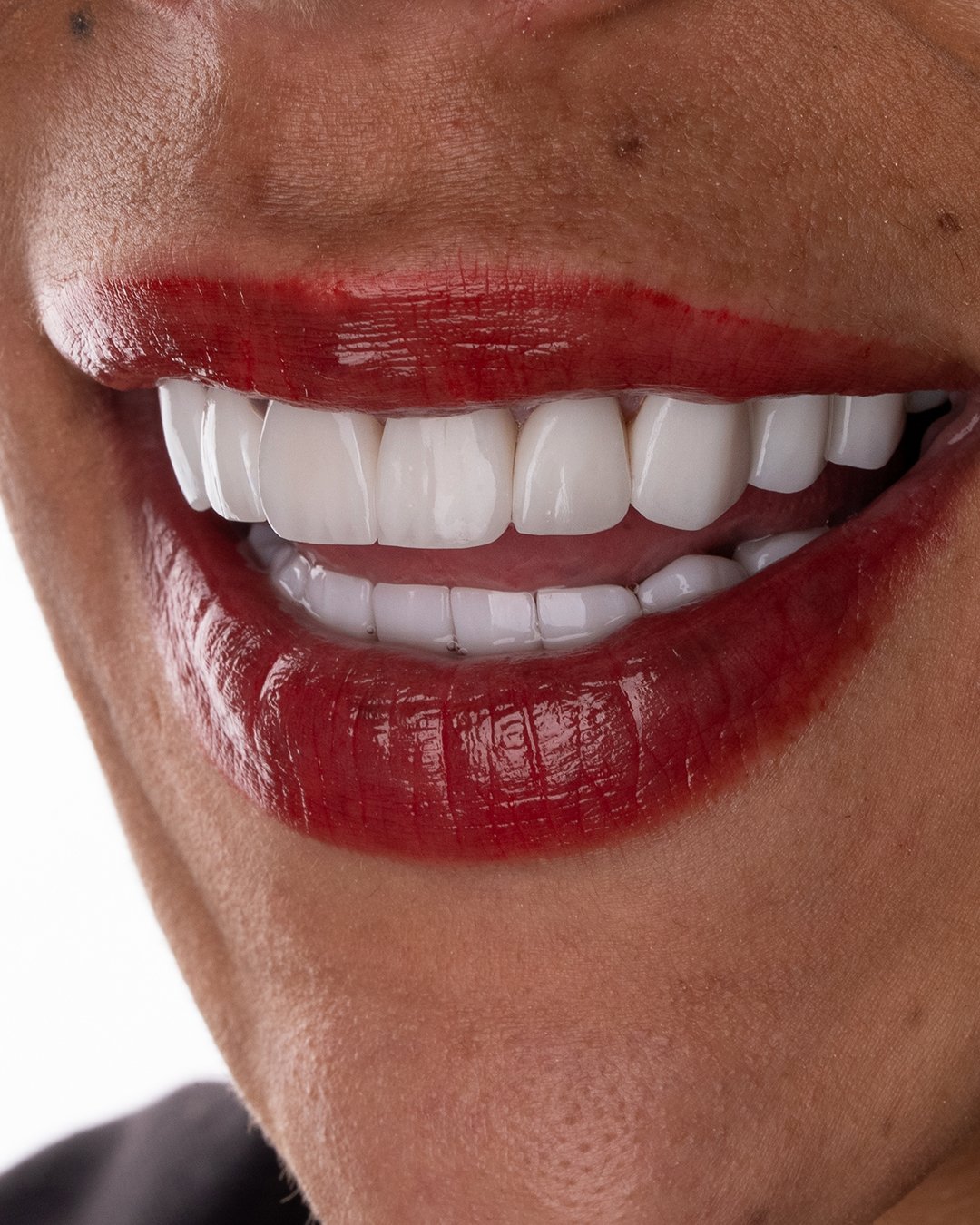
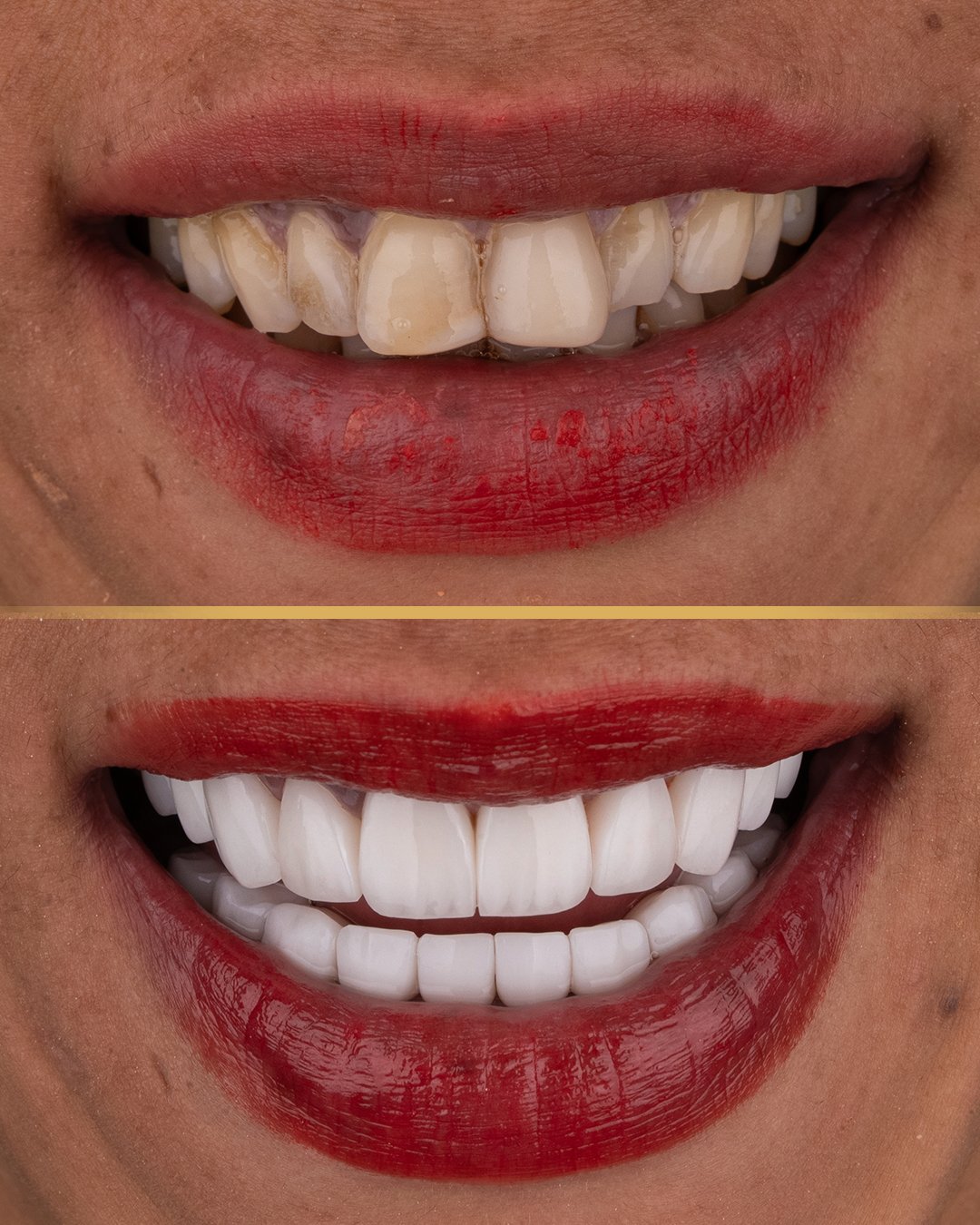
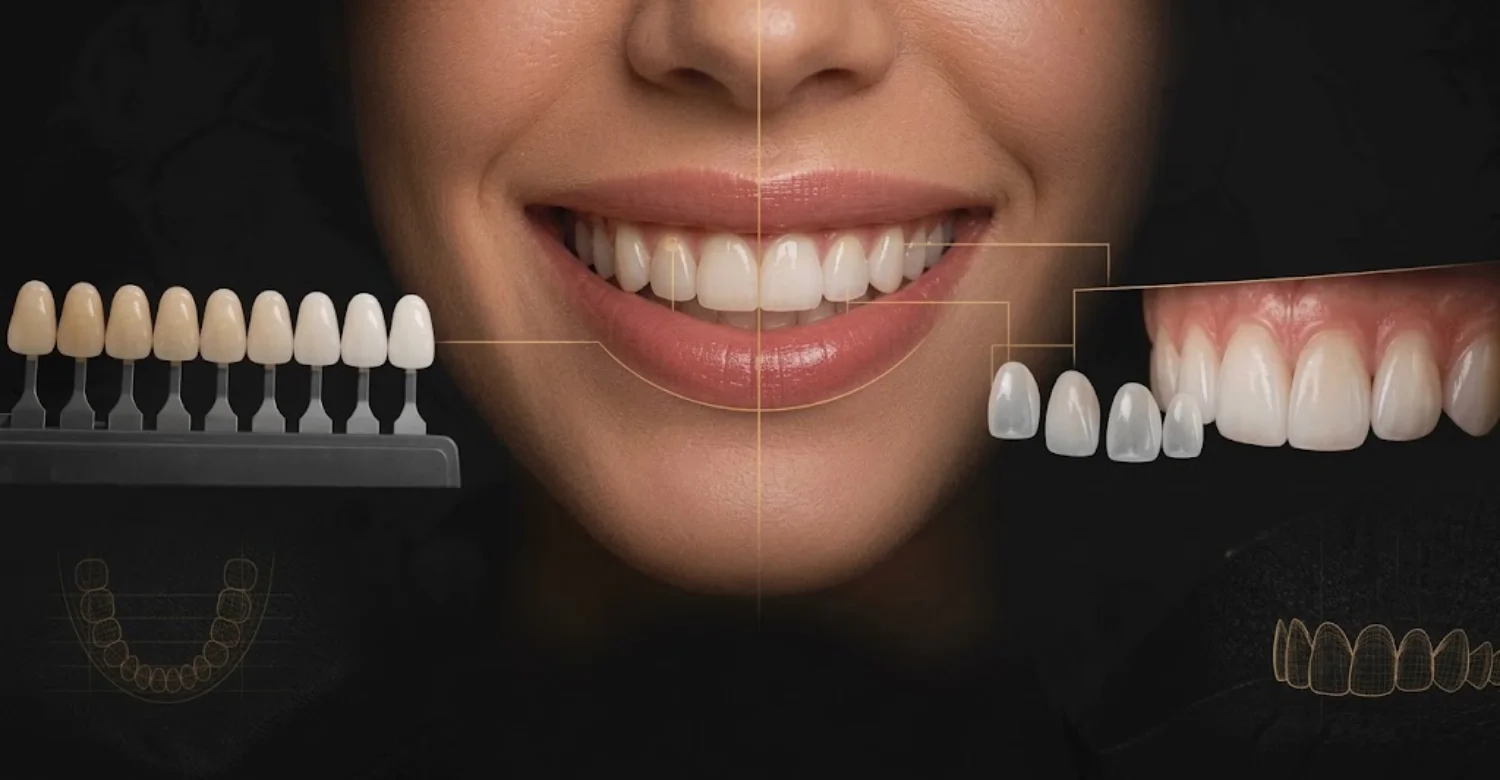
Vitrin Clinic supports patients who are concerned about purposely avoiding dental checkups and tooth loss. The clinic focuses on comprehensive examination, careful diagnosis, and personalized treatment planning to help patients return to regular care and protect their natural teeth whenever possible.

.jpg)
Comprehensive Dental Examination at Vitrin Clinic
At Vitrin Clinic, patients who have delayed dental care begin with a comprehensive examination. This includes assessment of the teeth, gums, existing restorations, and supporting tissues, helping build a clear picture of current oral health before any treatment is recommended.
Identifying Tooth Decay and Gum Problems
The examination at Vitrin Clinic focuses on identifying decay, gum inflammation, and other issues that may have developed during the delay. Early identification is essential for reducing the risk of further damage and tooth loss.
Personalized Dental Treatment Planning
Every patient's situation is different. Vitrin Clinic develops a personalized treatment plan based on the examination findings, the severity of each problem, and the patient's needs. Treatment is prioritized so the most urgent issues are addressed first.
Restorative and Preventive Dental Care
Vitrin Clinic provides restorative care to repair damaged teeth and preventive care to reduce future problems. This combination helps restore function and comfort while supporting long-term oral health through regular follow-up and personalized hygiene guidance.
Treatment Options for Teeth at Risk of Loss
For teeth at risk, Vitrin Clinic evaluates whether they can be preserved through appropriate treatment. Options depend on the tooth's condition and supporting structures. Timely assessment is key to saving teeth before the damage becomes irreversible.
What We Notice Clinically
At Vitrin Clinic, the medical team focuses on assessing the condition of the teeth and supporting tissues before determining the appropriate treatment approach. This careful assessment helps ensure that treatment recommendations are based on each patient's actual clinical findings.
Tips for the Patients
Do not postpone an examination because you currently have no pain.
Bring information about previous dental treatments when possible.
Ask about preventive measures after completing treatment.
Maintain regular follow-up according to your dental needs.
Resources
https://pubmed.ncbi.nlm.nih.gov/22316176/
FAQs
Dr. Rifat Alsaman has more than 5 years of clinical experience in dentistry and currently serves as the Head of the Medical Team at Vitrin Clinic. He is dedicated to providing exceptional patient care, overseeing treatment planning, and ensuring the highest clinical standards across the team. His expertise, attention to detail, and commitment to continuous professional development have helped countless patients achieve healthier, more confident smiles.


.webp&w=3840&q=75)