Orthodontics
April 20, 2026
Retainer Types: How do you choose the right retainer for your smile?
 Dr. Rifat Alsaman
.webp&w=3840&q=75)
Choosing the right retainer for your smile is an essential step in ensuring long-lasting orthodontic results. Retainer types vary in design, functionality, and durability. It is crucial to understand which option best suits your dental needs. Some retainers are removable. Others are fixed permanently to maintain teeth alignment. A well-chosen retainer preserves your newly corrected smile. It also prevents shifting that could undo months or years of orthodontic treatment. Consulting an orthodontic expert, like those at Vitrin Clinic, can help you select the ideal solution for comfort, maintenance, and long-term oral health. With the correct retainer, you can enjoy a confident, stable smile for years.
What Are Retainers and Why They Are Important
Retainers are specialized dental devices used after orthodontic treatments to maintain the alignment of teeth. Without them, teeth tend to shift back to their original positions. This negates the effects of braces or aligners. Retainers play a vital role in ensuring a stable, healthy smile. They come in multiple designs. Each caters to different orthodontic needs and patient preferences. Besides maintaining alignment, retainers also help preserve bite functionality. They reduce the risk of jaw discomfort and support overall oral health. Understanding categories of retainers is crucial. The right selection can influence both effectiveness and comfort. Choosing a retainer suited to your lifestyle enhances adherence and ensures long-term results.
Purpose of Retainers
The primary purpose of retainers is to stabilize teeth following orthodontic treatment. After braces or aligners are removed, teeth remain flexible and prone to movement. Retainers prevent unwanted shifts by holding teeth in their corrected positions. They also assist in proper jaw alignment. They can help minor adjustments in teeth placement. For patients with a history of severe crowding or spacing, retainers are especially critical. Furthermore, retainers can be customized to suit the unique shape of your dental arches. This provides both comfort and efficiency. Orthodontists emphasize that consistent use of retainers is essential. It protects the investment made in orthodontic care. It ensures a lifetime of confident smiles. Choosing the right device is the most important decision you will make regarding your retainers after braces phase.
Benefits of Wearing Retainers
Wearing a retainer offers numerous benefits beyond keeping teeth aligned. Retainers enhance oral health by preventing misalignment. Misalignment could cause chewing difficulties or uneven wear on teeth. They can also improve speech clarity by maintaining proper tooth positioning. For some, retainers reduce the likelihood of gum or jaw issues caused by shifting teeth. Psychological benefits include increased confidence and self-esteem. Patients maintain the straight, aesthetically pleasing smile achieved through braces or aligners. Additionally, certain specialized retainer types can address gaps caused by missing teeth. They can also assist in minor cosmetic corrections. Consistent use ensures both functional and cosmetic benefits over the long term.
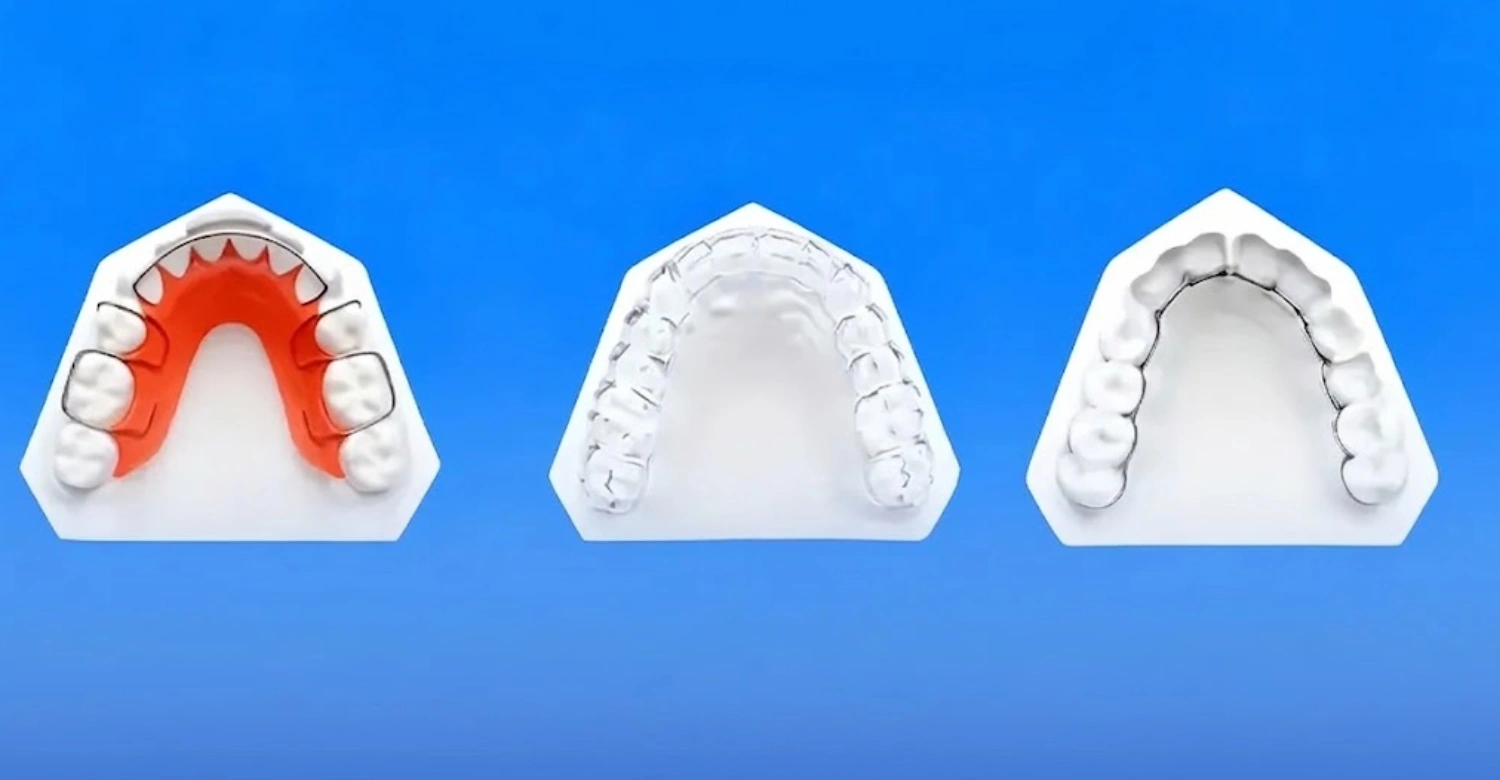
Different Types of Retainers Explained
Understanding different types of retainers is crucial for choosing the one that aligns with your dental needs. Broadly, retainers fall into three categories: fixed, removable, and specialized. Fixed retainers are bonded to teeth and provide permanent support. Removable options allow for easy cleaning and flexibility. Specialized retainers are designed for unique cases, such as missing teeth or customized orthodontic requirements. Each type offers distinct advantages in terms of durability, maintenance, and comfort. By reviewing the features of each retainer type and consulting with professionals, patients can make informed decisions. These decisions enhance both oral health and lifestyle convenience. They ensure long-lasting orthodontic results. Whether you choose a Hawley or a clear Essix, proper retainer care is mandatory to prevent bacterial buildup.
According to Dr. Rifaat Al-Samman, Director of the Medical Team at Vitrin Clinic, "Choosing the right retainer is a crucial step in maintaining your smile. Each type has its own benefits and considerations. It's important to discuss your lifestyle and oral health with your dentist to make an informed decision."
Fixed Retainers
Fixed retainers are small, custom-fitted wires bonded to the backside of teeth, usually the lower front teeth, to prevent shifting. Unlike removable retainers, these devices provide continuous support without requiring daily insertion or removal. Fixed retainers are particularly effective for patients with significant crowding or those prone to relapse after braces. The bond is durable, and with proper care, a fixed retainer can last for many years. However, oral hygiene is crucial, as food particles and plaque can accumulate around the wire. Regular dental check-ups ensure the retainer remains intact and effective, providing a reliable solution for maintaining the alignment of your smile.
Advantages of Fixed Retainers
Fixed retainers provide continuous alignment support without relying on patient compliance. Because they are bonded to the teeth, there is no risk of forgetting to wear them, which is common with removable options. They are discreet, as the wire is hidden behind the teeth, making them virtually invisible. Fixed retainers are durable and long-lasting, often remaining effective for several years if properly cared for. They are especially suitable for patients with severe crowding or a history of teeth relapse. By securing teeth in place, fixed retainers reduce the risk of post-treatment shifting and help maintain the aesthetic and functional results achieved through orthodontic care.
Who Should Use a Fixed Retainer
Fixed retainers are ideal for patients who have experienced significant crowding or misalignment that requires ongoing support. Individuals prone to relapse after braces, particularly in the lower front teeth, benefit from the continuous stabilization provided by bonded wires. Patients who struggle with adherence to removable retainers also find fixed options more convenient. Children and teenagers who might forget to wear removable devices are prime candidates. However, these retainers require meticulous oral hygiene to prevent plaque buildup and potential dental issues. Consulting with an orthodontist ensures that fixed retainers are suitable for your specific alignment needs, lifestyle, and long-term oral health goals.
Removable Retainers
Removable retainers are designed for patients who prefer flexibility and ease of cleaning. Unlike fixed retainers, they can be taken out during meals or while brushing, which makes oral hygiene simpler and more convenient. They are typically made from acrylic, plastic, or clear thermoplastic materials that conform precisely to the shape of your teeth. Removable categories of retainers allow for adjustments if minor alignment issues arise, making them a versatile choice for many orthodontic patients. However, success relies heavily on patient compliance; failing to wear them as instructed may result in teeth shifting. Understanding removable retainer types ensures you choose an option that balances comfort, durability, and effectiveness.
Hawley Retainers
Hawley retainers are a classic removable retainer type, featuring a thin metal wire that wraps around the front teeth and an acrylic plate molded to fit the roof of your mouth or along the lower teeth. They are highly durable and can last for several years with proper care. Hawley retainers allow for minor adjustments, enabling orthodontists to maintain precise alignment over time. The wire design also ensures that teeth remain stable while still permitting natural oral movement. Many patients appreciate the durability and reliability of Hawley retainers, making them a preferred choice among removable categories of retainers. Regular cleaning is essential to maintain hygiene and prevent plaque buildup.
Essix Retainers
Essix retainers are clear, removable retainer types made from transparent plastic, offering a discreet option for patients who prefer nearly invisible devices. They are custom-molded to fit snugly over teeth, providing effective stabilization while being virtually unnoticeable. Essix retainers are lightweight, comfortable, and convenient for everyday wear, including during social activities. Unlike Hawley retainers, they have no metal components, which enhances their aesthetic appeal. However, they may be less durable and more prone to cracking or warping over time. Proper maintenance, including gentle cleaning and avoiding heat exposure, ensures that Essix retainers remain effective in maintaining alignment for months or years after orthodontic treatment. A permanent bonded wire is often recommended for the lower teeth, as it is highly effective at preventing unwanted shifting without requiring compliance.
What Patients Say
"I was worried about the visibility of a retainer, but my clear plastic one is so discreet that my colleagues didn't even notice," says Anna, a patient from Sweden. David from Canada shares, "My Hawley retainer felt bulky at first, but after a week I got used to it. It's been three years and it's still going strong." These firsthand accounts show that the right retainer can fit seamlessly into your daily life.
Cases We've Handled
At Vitrin Clinic, we've managed a variety of retainer cases. For instance, a 25-year-old patient from the Netherlands needed a retainer after orthodontic treatment. We recommended a Vivera retainer because of its durability and precision, and she was thrilled with the fit. Another case involved a teenager who required a fixed retainer to maintain alignment after braces. Our team ensured proper placement and provided detailed hygiene instructions to prevent any issues.
Specialized Retainers
Specialized retainers are designed for unique dental circumstances, such as missing teeth, complex bite issues, or customized orthodontic requirements. These categories of retainers provide targeted solutions that standard removable or fixed devices may not address. For example, patients with missing teeth may require retainers that fill gaps while supporting adjacent teeth to prevent shifting. Customized orthodontic retainers can also include features to manage bite adjustments, jaw alignment, or other specialized needs. Consulting with a professional orthodontist ensures that these retainers are tailored precisely for individual dental structures, providing both comfort and long-term stability. Specialized retainer types expand the possibilities of post-orthodontic care beyond conventional options.
Retainers for Missing Teeth
Retainers for missing teeth are a unique type of device designed to maintain teeth alignment while compensating for gaps. They help prevent adjacent teeth from drifting into empty spaces, which can disrupt bite functionality and appearance. These retainers often include prosthetic teeth or spaces designed to accommodate dental implants or bridges, making them a transitional solution in restorative dentistry. They are customized for each patient to ensure proper fit, comfort, and effectiveness. Retainers for missing teeth can be removable or fixed depending on the treatment plan and oral conditions. Choosing the right type ensures both functional stability and aesthetic harmony in the smile.
Customized Orthodontic Retainers
Customized orthodontic retainers are tailor-made to fit the exact structure of a patient's teeth, ensuring maximum comfort and effectiveness. Unlike standard retainers, these devices address individual alignment concerns, bite patterns, and dental arch shapes. They are available in both fixed and removable options, allowing flexibility based on patient preferences and orthodontist recommendations. Customized retainers are particularly beneficial for complex cases, including severe crowding, gaps, or rotational corrections. By precisely matching the dental anatomy, these retainer types reduce the risk of relapse and enhance long-term oral health outcomes. Regular monitoring ensures they continue to provide optimal support and alignment.
Clinical Note
Early cavities frequently cause no pain or visible change, so they are missed during self-checks at home. A dental examination with X-rays detects decay between teeth and under the enamel before it reaches the stage where a patient would feel it. Retainer wearers should keep this in mind, since a snug-fitting device can hide small changes in enamel that only an exam would catch.
Switching Between Retainer Types
Patients sometimes want to move from one retainer type to another, usually for comfort, appearance, or convenience.
Can You Switch from a Permanent Bonded Retainer to a Removable One?
Switching from permanent to removable retainer is possible, but it isn't a simple swap. A fixed retainer is removed by a dentist. Once it's off, the teeth immediately rely on a new device to hold their position. Your orthodontist will usually take a fresh scan or impression. This makes sure a removable retainer fits your current alignment exactly. The bigger consideration is compliance. A removable retainer only works if it's worn on schedule, while a bonded wire worked without you thinking about it. Patients switching for comfort or convenience should be honest about how reliably they'll wear a removable device before making the change.
Dental Retainers: Preserving Your Perfect Smile
Once your braces or clear aligners come off, the most critical phase of your orthodontic journey begins: retention. Dental retainers are custom-made devices designed to hold your teeth in their new positions while the surrounding bone and gums stabilize. To learn more about the engineering behind these tools, browse our full list of Vitrin Clinic post-care devices.
Why Retainers Are Essential
Teeth have a natural tendency to drift back toward their original positions a process known as relapse. Retainers prevent this by:
Maintaining Alignment: Ensuring your teeth stay straight and functional.
Preventing Crowding: Keeping the dental arch wide and preventing teeth from overlapping over time.
Protecting Your Investment: Safeguarding the time and money spent on orthodontic treatment.
Common Types of Dental Retainers
When researching "retainer types," you will typically find two main categories used in modern dentistry:
Removable Retainers: Such as the traditional Hawley retainer (metal wire and acrylic) or clear Essix retainers (plastic trays that look like Invisalign).
Fixed (Permanent) Retainers: A thin wire bonded to the back of the front teeth, providing 24/7 stabilization without the need for patient compliance.
Long-Term Commitment
Understanding the role of a retainer is key to long-term oral health and aesthetics. Unlike structural supports used in other industries, dental retainers are precision tools meant to adapt to your unique anatomy. Consistent use as prescribed by your orthodontist is the only way to ensure your smile remains perfect for a lifetime.
What Happens If You Stop Wearing Your Retainer?
Understanding different retainer types also means understanding what happens when you stop wearing one. Orthodontic relapse teeth shifting is the medical term for teeth drifting back toward their original position. It starts quietly, and most patients notice nothing for the first few days. The ligament fibers around each tooth "remember" their earlier position, and they slowly pull the tooth back if nothing holds it in place. Relapse is rarely dramatic at first it's small, repeated movements that add up over weeks and months. This is why orthodontists treat retainer wear as part of the treatment itself, not an optional add-on.
The Timeline of Orthodontic Relapse and Teeth Shifting
Relapse follows a rough pattern, though it varies by patient. Within the first 24–48 hours off a retainer, teeth can already begin to move at a microscopic level. Within two to three weeks, most patients notice a visible change, often in the lower front teeth first. By three to six months without any retainer, shifting can become significant enough to require re-treatment. Patients with a history of crowding relapse faster than those with mild corrections. The safest approach is consistent wear as your orthodontist prescribed, especially in the first year after braces or aligners come off, when relapse risk is highest.
Wearing Schedule & Transition Timelines
Knowing how long to wear retainer daily is one of the most common questions patients ask after treatment. The general schedule follows two phases: full-time wear at first, then a gradual step-down to nights only.
Daily Wear Duration: Full-Time (22 Hours) vs. Nighttime Only
For the first three to six months, most orthodontists recommend wearing a removable retainer around 22 hours a day. It's removed only to eat and clean your teeth. After this initial phase, many patients transition to nighttime-only wear, roughly 8 to 10 hours while sleeping. Fixed retainers, by contrast, stay in place 24/7 with no daily removal needed. Your orthodontist will confirm the right schedule based on how stable your bite has become. Don't switch to nights-only wear without their sign-off.
Lifespan and Replacement Frequency for Each Retainer Type
Retainer replacement frequency depends on wear pattern as much as material. A retainer worn full-time in the early months experiences more flexing and friction than one worn only at night. Full-time wearers often see earlier signs of wear as a result. Clear plastic retainer replacement time tends to shorten if the device is exposed to hot water, chewing, or clenching. Comparing hawley vs essix lifespan, Hawley retainers tolerate daily handling better because of their rigid frame. Essix-style trays, by contrast, are more sensitive to heat and pressure. Sticking to your orthodontist's check-up schedule catches early cracking or looseness before it affects your bite.
Cost and Considerations of Different Retainer Types
Selecting the right retainer is not only about functionality but also cost considerations. The price of different retainer types varies depending on material, complexity, and whether they are fixed, removable, or specialized. While fixed retainers may require a higher initial investment due to bonding procedures, removable retainers like Hawley or Essix tend to be more cost-effective upfront but require replacements over time. Specialized or customized retainers often fall into the higher price range due to tailored manufacturing and design. By understanding these factors, patients can make informed decisions that balance long-term oral health, comfort, and affordability, ensuring both practical and aesthetic satisfaction.
Average Costs
The average cost of retainers varies widely based on type and complexity. Fixed retainers typically range from $150 to $500 per arch, while removable Hawley retainers can cost $150–$300. Essix retainers, popular for their clear appearance, range from $100–$250 per arch. Specialized or customized retainers for unique orthodontic needs may exceed $500, depending on the materials and dental technology involved. These costs reflect not only the retainer itself but also fabrication, fitting, and follow-up adjustments. Understanding the average costs of different categories of retainers helps patients plan financially and select an option that aligns with both their budget and their oral health requirements.
How Long Do Retainers Last?
The lifespan of a retainer varies by type and care. Hawley retainers can last 5-10 years or more with proper handling. Clear plastic retainers typically need replacement every 1-3 years due to wear and tear. Fixed retainers can last several years, but the bonding may break and require repair. Vivera retainers are designed to last 2-5 years. Regular check-ups with your dentist will help determine when it's time for a replacement.
Real Patient Experiences
At Vitrin Clinic, we've helped many patients find the right retainer for their needs. For example, Maria from Germany chose a clear plastic retainer after her braces were removed. She appreciated the discreet look and found it easy to wear during work meetings. John from the UK opted for a Hawley retainer because he wanted a durable option that could be adjusted if needed. He reported that after a few days of adjustment, he hardly noticed it. These cases highlight how different retainers suit different lifestyles and preferences.
Evidence-Based Retention
Research and professional guidelines support the use of retainers to prevent relapse after orthodontic treatment. A study published in the American Journal of Orthodontics and Dentofacial Orthopedics highlights the importance of long-term retention. The American Association of Orthodontists recommends wearing retainers as directed by your orthodontist to maintain results. Always follow evidence-based practices for optimal outcomes.
Choosing the Right Retainer
Choosing the right retainer involves considering factors like durability, aesthetics, comfort, and cost. Here's a quick guide:
If you want a durable, adjustable option: Hawley retainer.
If you prefer a nearly invisible look: Clear plastic or Vivera.
If you need long-term stability without compliance: Fixed retainer.
Consult your orthodontist to discuss which type aligns with your oral health goals and lifestyle.
Additional Resources
For more information on retainers, you can refer to reputable sources such as the American Dental Association (ADA) at ada.org and the American Association of Orthodontists at aaoinfo.org. These organizations provide patient education materials and guidelines on orthodontic retention.
About Vitrin Clinic
Vitrin Clinic is a leading dental clinic in Istanbul, Türkiye, known for its high standards of care and international patient services. The clinic is accredited and follows strict infection control and patient safety protocols. Dr. Rifaat Al-Samman, with his extensive experience in comprehensive dentistry and medical tourism, leads the team to ensure quality outcomes.
Transparency and Privacy
This article is provided for educational purposes and reflects the expertise of Vitrin Clinic. While we offer retainer services, our goal is to inform patients about the options available. We encourage you to consult with your own dental professional to determine the best retainer for your individual needs. We respect your privacy. Any personal information you share with us is protected and used solely to provide you with the best care. We comply with data protection regulations and never share your information without your consent. For more details, please see our privacy policy.
Factors Affecting Cost
Several factors influence the cost of different retainer types. These include material, design complexity, and customization level. Fixed retainers may cost more due to bonding techniques. Removable retainers vary by clarity, comfort, and durability. Geographic location and orthodontist expertise also affect pricing. Maintenance, replacement frequency, and hygiene requirements add to overall expenses. Understanding these variables helps patients choose an effective, affordable, and sustainable retainer.
What We Notice Clinically
At Vitrin Clinic, Dr. Rifat Alsaman, Head of the Medical Team at Vitrin Clinic and a cosmetic dentist, shares what the clinical team sees most often with retainer patients. "The patients who keep their smile stable long-term are the ones who treat the retainer phase as seriously as the braces phase itself," says Dr. Rifat Alsaman. He adds that lower front teeth are almost always the first to show early relapse. This is why fixed retainers are so often recommended there. Dr. Rifat Alsaman, Head of the Medical Team at Vitrin Clinic, also notes that most reported "pain" from a new retainer is pressure, not injury. It resolves within a week when the device fits correctly.
Vitrin Clinic: Expert Advice on Choosing the Right Retainer
At Vitrin Clinic, orthodontic professionals guide patients through selecting the best categories of retainers for their needs. Experts consider teeth alignment, bite structure, lifestyle, and long-term oral health. Whether a patient needs a fixed, removable, or specialized retainer, guidance ensures comfort, durability, and effectiveness. Personalized consultations include digital scans, mold impressions, and discussions on usage and maintenance. Choosing the right retainer at the outset reduces relapse risk and enhances satisfaction. With expert advice, patients gain confidence that their investment will yield lasting, stable results.
Retainer Selection by Experts
Orthodontic experts at Vitrin Clinic assess individual cases to determine suitable categories of retainers. They consider teeth stability, bite alignment, and patient compliance. They evaluate whether fixed, removable, or specialized retainers provide the most effective solution. Expert selection often involves digital imaging, trial fittings, and precise measurements. Guidance also includes recommendations for wear duration and care routines. By relying on professional advice, patients can avoid common mistakes. These include using incorrect retainer types or failing to comply with wear instructions. Such mistakes could compromise long-term orthodontic results.
Personalized Retainer Options
Vitrin Clinic specializes in personalized retainer solutions tailored to individual dental requirements. Customized categories of retainers can accommodate unique bite patterns, teeth spacing, or alignment corrections. Patients may choose from fixed, removable, or specialized retainers. Each is designed for optimal functionality and comfort. Personalization ensures minimal discomfort, maximized stability, and long-lasting results. Digital scans and mold impressions allow precise fabrication. Material selection ensures durability and aesthetic appeal. Personalized retainers also simplify maintenance routines and reduce relapse likelihood. With customized options, patients achieve functional benefits and confidence in their smile.
Vitrin Clinic: Retainer Maintenance and Care Tips
Proper maintenance is crucial for all retainer types to ensure hygiene, durability, and effectiveness. At Vitrin Clinic, patients receive guidance on cleaning, handling, and safe storage. Regular care prevents bacteria buildup, discoloration, and material damage. Maintenance routines vary depending on the retainer type. All emphasize gentle cleaning, avoiding high heat, and storing devices in protective cases. Educating patients on maintenance helps extend retainer lifespan and reduces replacement costs. Consistent care also preserves oral health and the stability of corrected alignment. This makes post-orthodontic treatment more successful and long-lasting.
Cleaning and Hygiene Tips
Maintaining hygiene for different categories of retainers is essential. It prevents plaque buildup, bad breath, and staining. Removable retainers, such as Hawley or Essix, should be cleaned daily. Use mild soap or specialized retainer cleaners. Fixed retainers require meticulous brushing and flossing around the bonded wire. Avoid hot water or harsh chemicals to preserve retainer integrity. Regular rinsing after meals minimizes debris buildup. Protective cases prevent damage when retainers are not worn. By following these hygiene tips, patients ensure their retainers remain functional, comfortable, and visually appealing.
Scheduling Regular Checkups
Regular orthodontic checkups are essential for monitoring all retainer types. At Vitrin Clinic, professionals assess retainer fit and evaluate teeth stability. They also identify potential wear or damage. Fixed retainers are inspected for bonding issues. Removable retainers are checked for cracks or warping. Scheduled visits allow adjustments to optimize comfort and effectiveness. Maintaining a routine ensures minor problems are addressed before they impact alignment. Patients who adhere to follow-up schedules experience fewer complications and longer-lasting retainers. Checkups are an integral part of long-term oral health management.
Quick Comparison of Retainer Options
Type | Best For | Pros | Cons | Typical Lifespan |
Hawley | Durability and adjustability | Sturdy, can be adjusted, allows minor tooth movement | Visible, may affect speech initially | 5-10 years with proper care |
Clear Plastic (Essix) | Aesthetics and comfort | Nearly invisible, comfortable, no speech issues | Can stain, may crack or warp, not for major movements | 1-3 years |
Fixed (Bonded) | Long-term stability | Always in place, no compliance needed | Harder to clean, can cause gum irritation | Several years, but may need repair |
Vivera | Precision and durability | Made from digital scans, more durable than standard clear retainers | More expensive, requires replacement every few years | 2-5 years |
This table provides a snapshot. Consult your orthodontist for personalized advice.
Potential Risks and Side Effects
While retainers are generally safe, each type has potential downsides. Hawley retainers may cause temporary speech difficulties. They can also irritate the tongue or cheeks. Clear plastic retainers can stain if not cleaned properly. They may cause gum irritation if they don't fit well. Fixed retainers can make brushing and flossing more challenging. This increases the risk of plaque buildup and gum disease. Vivera retainers are similar to clear plastic but may be more brittle. Always follow your dentist's instructions and attend regular check-ups to minimize these risks.
Managing Discomfort: Do Retainers Hurt When First Worn?
Do retainers hurt when first worn? A little pressure is normal. A new retainer, removable or fixed, is designed to hold teeth firmly. Some tightness in the first few days is expected.
Normal Pressure vs. Abnormal Soreness Adjustments
Normal adjustment feels like mild pressure or slight achiness that fades within a few days as your mouth adapts. It shouldn't stop you from speaking or eating comfortably after the first week. Abnormal soreness is different: sharp pain, cutting into the gums, a retainer that won't seat properly, or discomfort that gets worse instead of better are signs something needs adjusting. Fixed retainers can occasionally irritate the tongue at first, which usually settles as the tongue adapts to the wire. If soreness persists past one to two weeks, contact your orthodontist rather than waiting it out.
Tips for Patients
Use a toothpaste with 1,450 ppm fluoride, and after brushing spit rather than rinse with water, so the fluoride stays on the teeth longer. If you snack on something sugary, have it with a meal instead of spreading sweets across the day, since it is the frequency of acid attacks, not the total amount, that drives a tooth cavity. Good habits like these protect the teeth your retainer is holding in place.
When to Replace Your Retainer
It's time to consider a replacement if you notice:
Cracks, warping, or visible wear.
The retainer no longer fits snugly or feels loose.
Persistent discomfort or soreness.
Staining or odor that doesn't go away with cleaning.
If you've been wearing it for the recommended lifespan (see above).
Always consult your orthodontist if you have any concerns. They can assess the condition and advise on the best course of action.
Vitrin Clinic: Trusted Retainer Care in Istanbul
Vitrin Clinic is a cosmetic dental clinic in Istanbul, Turkey, serving patients from across the world. The clinic offers digital scanning, custom-fitted retainers, and follow-up care. This is designed for patients who travel for treatment and need a clear plan for maintenance once they're home. Every retainer case is reviewed by the clinical team, led by Dr. Rifat Alsaman, Head of the Medical Team at Vitrin Clinic. This ensures the retainer type matches the patient's bite, lifestyle, and travel schedule. For patients weighing different retainer types, Vitrin Clinic provides a free consultation to walk through the options before treatment begins.
References:
FAQs
Dr. Rifat Alsaman has more than 5 years of clinical experience in dentistry and currently serves as the Head of the Medical Team at Vitrin Clinic. He is dedicated to providing exceptional patient care, overseeing treatment planning, and ensuring the highest clinical standards across the team. His expertise, attention to detail, and commitment to continuous professional development have helped countless patients achieve healthier, more confident smiles.


.webp&w=3840&q=75)
