General Dentistry
September 7, 2026
Retinal Disease and Dental Health: Is There a Connection?
 Dr. Rifat Alsaman
Retinal disease and dental health may seem unrelated. But patients often ask if one affects the other. Someone managing a retinal condition may notice gum changes and wonder about a link. In most cases, the connection is not direct. Shared systemic conditions, especially diabetes, can influence both the eyes and the mouth at once. Preventive dental care still matters regardless of retinal status. Communication between medical and dental teams helps treatment decisions consider the whole patient.
Retinal Disease and Dental Health: What Is the Connection?
Retinal disease and dental health are not linked by simple cause and effect. The connection usually reflects shared risk factors or systemic disease affecting multiple organs at once. Retinal disease and oral health can both be shaped by the same underlying condition, without one causing the other. Diabetes is the clearest example. Diabetic retinopathy and periodontal disease may both worsen when blood sugar is poorly controlled. An association between two conditions does not prove causation. This distinction matters when patients try to make sense of retinal disease and dental health together.
Can Retinal Disease Affect Your Teeth?
Retinal disease and teeth are connected mainly through indirect pathways. Retinal disease itself does not usually damage teeth or gums directly. What often happens is that an underlying condition, such as diabetes, affects the retina and the oral tissues separately. Patients searching for information on retinal disease and teeth are usually trying to understand this indirect link. Recognizing that the eyes and mouth are affected by the same disease process, rather than by each other, sets realistic expectations for both eye care and dental care.
Retinal Disorders and Oral Health: What Should Patients Know?
Retinal disorders and oral health both deserve attention in patients with chronic conditions. Personalized dental assessment considers medical history, current medications, oral hygiene, periodontal status and healing capacity. Dentists benefit from knowing about significant systemic conditions before treatment begins. This shapes both diagnosis and planning. Patients with retinal disorders and oral health concerns should not assume these details are unrelated to dentistry. Sharing a complete medical picture supports safer, more appropriate care. It is one of the simplest ways patients can protect their own retinal disease and dental health together.
How Diabetes Connects Retinal Disease and Dental Health
Diabetes is central to understanding retinal disease and dental health together. Diabetic retinal disease and dental health outcomes often move in the same direction. Diabetes affects small blood vessels and tissue healing throughout the body, including the eyes and gums. Hyperglycaemia is linked to a higher risk of periodontal disease. Periodontal disease may, in turn, make blood sugar control harder. The American Dental Association describes periodontal disease and diabetes as bidirectional. Each condition can influence the other over time, which is why diabetes sits at the centre of retinal disease and dental health.
Diabetic Retinopathy and Periodontal Disease
Diabetic retinopathy is damage to the retina's blood vessels from prolonged high blood sugar. Periodontitis is advanced gum disease involving inflammation and bone loss around teeth. Research has reported an association between periodontal disease and diabetic retinopathy in people with diabetes. Current evidence does not establish periodontitis as a direct cause of diabetic retinopathy, though. Systematic-review evidence on this topic has real limitations. It has been rated as low certainty overall. Conclusions about retinal disease and dental health in this specific area should stay cautious rather than definitive.
Why Blood Sugar Control Matters for Oral Health
Uncontrolled diabetes can contribute to several oral problems. Gingivitis and periodontitis are more common when blood sugar stays high over time. Dry mouth, oral infections and delayed wound healing after dental work are also more likely. These issues make daily oral hygiene harder to maintain. They also raise the risk of complications after treatment. Good glycaemic control supports better outcomes across dental management generally. This is one reason the American Dental Association highlights blood sugar as a key factor in retinal disease and dental health discussions involving diabetes.
Retinal Disease Dental Complications: What Problems Can Occur?
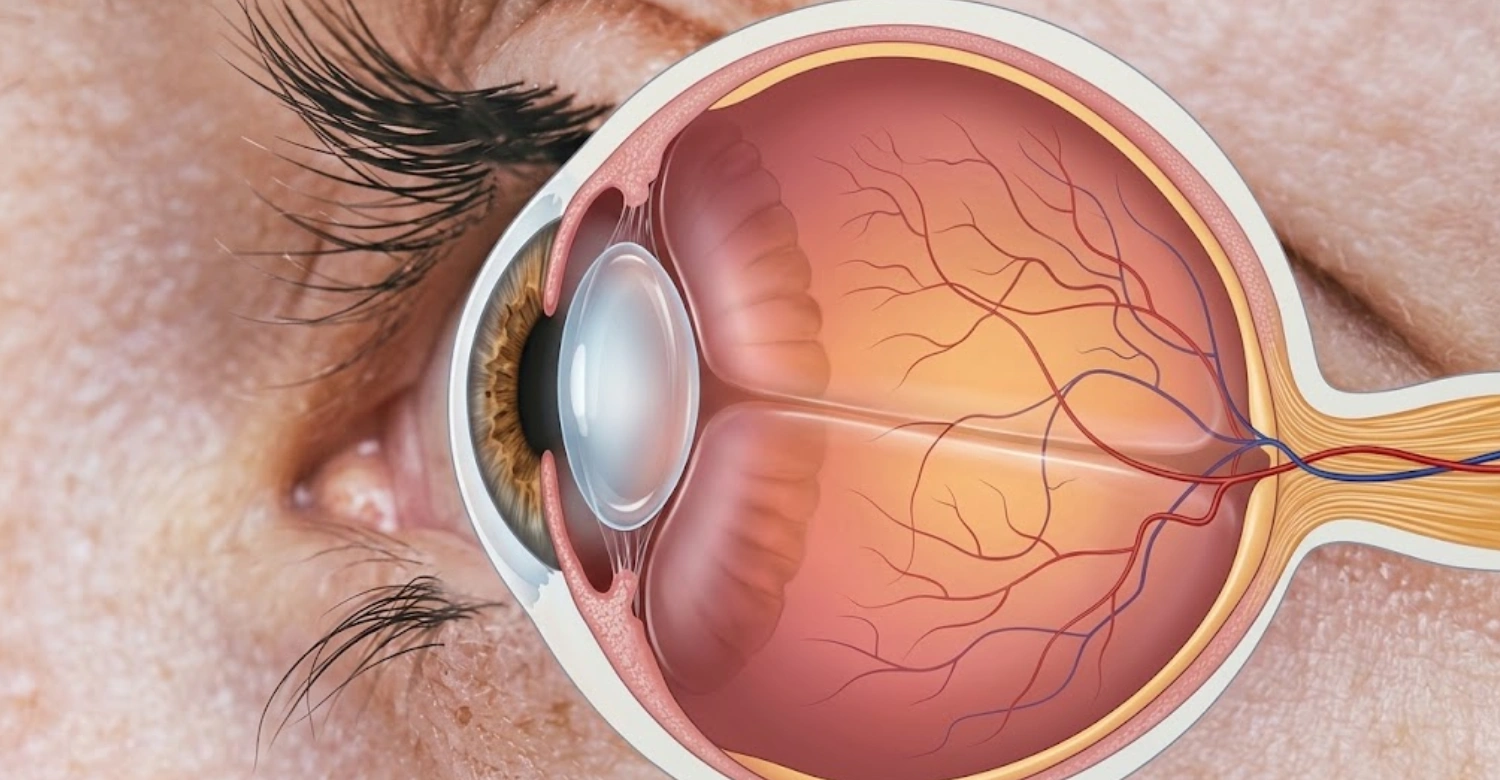
Retinal disease dental complications usually relate to the underlying systemic condition, not the retinal disease itself. Diabetes, medication side effects and reduced healing capacity are the more likely drivers of oral problems here. Understanding this distinction avoids unnecessary worry. It also helps patients focus on manageable factors, like blood sugar control and daily hygiene. Rather than assuming retinal disease and dental health are directly linked, it helps to look at what actually drives each complication. The sections below outline specific issues worth watching for.
Gum Disease and Periodontal Problems
Gum disease presents in several recognisable ways. Bleeding gums during brushing or flossing are often an early sign. Gum swelling and gum recession may follow as inflammation persists. Periodontal pockets can form between the tooth and gum, letting bacteria accumulate below the surface. In advanced disease, tooth mobility may develop as supporting bone is lost. These signs are not exclusive to patients thinking about retinal disease and dental health together, but they deserve prompt attention in anyone managing diabetes alongside eye care.
Dry Mouth and Increased Oral Discomfort
Dry mouth, known as xerostomia, can result from certain medications or systemic diseases. Reduced saliva removes an important defense against bacteria and acid. This raises the risk of dental caries, persistent bad breath and difficulty swallowing. Oral discomfort can also increase as the mouth loses natural moisture. Patients experiencing dry mouth should mention it during dental visits. Simple measures, like hydration or saliva substitutes, can meaningfully reduce these effects over time.
Delayed Healing After Dental Treatment
Poorly controlled diabetes can slow healing after dental procedures. Reduced blood flow and impaired immune response make tissue repair less efficient. This raises infection risk after extractions, gum surgery or implant placement. Reviewing medical history before any invasive procedure is essential for this reason. In some cases, communication with the patient's physician may be appropriate. This matters especially when recent blood sugar levels are uncertain, or when the procedure carries higher risk for a medically complex patient.
Tips for Patients
Maintain Excellent Daily Oral Hygiene
Do Not Ignore Gum Bleeding
Keep Your Dentist Updated
Keep Medical and Dental Appointments
Retinal Disease and Gum Disease: Why Periodontal Health Matters
Retinal disease and gum disease both deserve attention because periodontal inflammation is linked to broader systemic health. Healthy gums support easier eating, clearer speech and lower infection risk. Bleeding gums should not be dismissed as minor. Persistent bleeding often signals active disease that will progress if untreated. Treating gum disease does not replace medical management of retinal disease or diabetes. It remains an important part of a coordinated care approach that considers the whole patient.
Retinal Disease and Periodontal Health
Retinal disease and periodontal health are both supported by consistent preventive habits. A periodontal examination checks for inflammation, pocket depth and bone loss. Plaque and calculus control through regular cleaning reduces the bacterial load driving gum disease. Professional cleaning, along with scaling and root planing when indicated, treats existing inflammation directly. Long-term periodontal maintenance keeps results stable. Periodontal treatment will not cure retinal disease. Evidence on whether it improves diabetic outcomes generally remains mixed, which matters when discussing retinal disease and dental health honestly.
Eye Disease and Dental Health: When Should You Tell Your Dentist?
Eye disease and dental health intersect most usefully at the point of communication. Patients should tell their dentist about diagnosed retinal conditions, diabetes, current medications and previous eye procedures. Other significant medical conditions are equally worth mentioning. This information does not need exhaustive detail. A clear, honest summary helps the dental team make safer decisions. Withholding relevant history can lead to treatment plans that ignore real risks. Being upfront is one of the simplest ways to protect retinal disease and oral health outcomes together.
Why Your Dentist Needs Your Complete Medical History
A complete medical history supports safer treatment planning. Medication review identifies drugs that affect bleeding, healing or saliva production. Diabetes status, including recent HbA1c results where relevant, gives a clearer picture of current control. Healing considerations and infection risk both depend on this information. Treatment planning becomes more accurate when systemic factors are known upfront. The dental team can then decide when communication with the patient's medical team is needed for more complex procedures involving retinal disease and oral health together.
What Dental Treatments May Be Appropriate for Patients With Retinal Disease?
Retinal disease does not automatically prevent routine dental treatment. What matters most is the patient's overall medical status alongside the specific dental problem. Many patients with well-managed systemic conditions can safely receive the same range of treatments as anyone else. Others may need modified approaches or closer monitoring. The sections below outline common categories of care and how each is typically approached. Understanding these options helps patients feel confident that retinal disease and dental health can be managed together with the right planning.
Preventive Dental Care
Preventive dental care forms the foundation of good oral health for every patient. Professional examinations identify problems early, often before symptoms appear. Dental cleaning removes plaque and calculus that daily brushing cannot fully address. Fluoride advice helps strengthen enamel and reduce decay risk. Plaque control and oral hygiene education give patients practical tools between visits. For patients managing systemic conditions, consistent preventive care reduces the chance of complex problems developing later, supporting retinal disease and oral health goals side by side.
Periodontal Treatment
Periodontal treatment addresses gum disease at whatever stage it is diagnosed. Scaling removes plaque and tartar from tooth surfaces, above and below the gumline. Root planing smooths root surfaces when indicated, helping gums reattach more effectively. Periodontal maintenance continues this care on a regular schedule to prevent relapse. Monitoring gum inflammation over time helps catch early signs of recurrence. These steps matter particularly for patients whose systemic health already raises their periodontal risk.
Restorative Dental Treatment
Restorative dental treatment repairs teeth damaged by decay or injury. Dental fillings address cavities before they progress further. Crowns are used when clinically indicated to protect teeth with more extensive damage. Fractured or decayed teeth can often be repaired rather than removed. For patients with systemic conditions, restorative planning also considers healing time and infection risk. This ensures the chosen approach fits the patient's broader medical situation, not just the tooth in front of the dentist.
Dental Implants and Surgical Procedures
Dental implants and other surgical procedures require individual assessment before proceeding. Healing capacity, infection control and glycaemic control all influence candidacy at a given time. Medical history review is essential here, since surgery carries higher risk than routine restorative work. In some situations, communication with the patient's physician may be appropriate before scheduling implant placement. This is especially true when recent blood sugar control or other systemic factors are uncertain and could affect surgical outcomes.
Cosmetic Dentistry
Cosmetic dentistry should be considered only after underlying oral disease has been controlled. Treating active gum disease or decay always takes priority over aesthetic goals. Veneers, crowns or smile-design procedures can be appropriate once the mouth is healthy and stable. Aesthetic treatment should never replace necessary periodontal or restorative care. Patients interested in cosmetic options are usually advised to complete required foundational treatment first, ensuring cosmetic results are built on a genuinely healthy base.
Clinical Note
Retinal disease and dental disease should always be assessed by their own specialists, using their own diagnostic methods. Overlapping symptoms are uncommon. Each condition is best evaluated on its own terms. This clinical note is a reminder that eye symptoms and oral symptoms call for different professionals. This holds true even when a patient is managing both concerns as part of a broader systemic picture that includes diabetes or another chronic condition.
A Retinal Diagnosis Does Not Replace a Dental Examination
A retinal diagnosis should never be used to self-diagnose oral symptoms. Persistent gum bleeding, tooth pain, swelling or loose teeth always require proper dental evaluation. This holds true regardless of any existing eye condition. Visual symptoms, in turn, require assessment by an appropriate eye-care professional rather than a dentist. Patients managing diabetes should maintain both ophthalmic and dental follow-up on a regular schedule. Each specialist monitors a different part of the body that diabetes can affect independently.
When Dental and Medical Teams Should Communicate
Communication between dental and medical teams becomes especially important in certain situations. Poorly controlled diabetes, significant systemic complications or complex dental surgery all raise the stakes of treatment decisions. Delayed healing, recurrent oral infections or an unclear medical history are additional signals that closer coordination is needed. Patients taking multiple medications also benefit from this kind of communication. Drug interactions and healing considerations are easy to overlook without a shared, complete view of the patient's health.
What Are the Benefits of Maintaining Good Oral Health With Retinal Disease?
Maintaining good oral health alongside retinal disease offers realistic, meaningful benefits. This is true without promising any improvement in the retinal condition itself. Better oral health supports comfort, function and overall quality of life. It also reduces the burden of dental emergencies, which can be harder to manage alongside other systemic considerations. Understanding these benefits clearly, without overstating them, helps patients set fair expectations while still taking their dental care seriously as part of their broader health routine.
Benefits for Oral Health
Consistent oral care lowers the risk of untreated dental decay progressing further. Better gum health reduces inflammation and supports long-term tooth retention. Earlier detection of periodontal disease through regular checkups means smaller, simpler treatments rather than complex interventions later. Reduced risk of dental infections is especially valuable for patients whose healing may already be affected by systemic conditions. Improved ability to chew comfortably also supports better nutrition, which benefits overall health well beyond the mouth alone.
Benefits of Early Dental Assessment
Early dental assessment allows problems to be treated while they remain simple. Dental treatment can also be planned around the patient's current medical status. This means timing procedures to periods of better systemic control when possible. Potential healing or infection concerns can be identified early, before they complicate treatment. This proactive approach reduces the likelihood of urgent, higher-risk interventions later. It gives both patient and dental team more control over the timeline for care.
Before and After: What Should Patients Expect?
Results from dental treatment depend entirely on the specific condition being addressed. Before treatment, patients may present with bleeding gums, plaque accumulation, untreated cavities or an active infection. After appropriate treatment, common outcomes include cleaner teeth, healthier-looking gums and noticeably improved hygiene. Restored chewing function and better oral comfort often follow as well. It is worth repeating that dental treatment does not directly reverse retinal disease, even when oral health improves substantially through consistent, appropriate dental care.
Oral Health and Eye Health Connection: What Does the Evidence Really Say?
The oral health and eye health connection is best understood through shared systemic disease, not direct interaction. Diabetes remains the clearest example of a condition capable of affecting both areas at once. Research in this space continues to evolve. Current findings should be interpreted with appropriate caution. Patients benefit from understanding both what the evidence supports and where genuine uncertainty remains, rather than assuming a stronger link between retinal disease and oral health than the research actually shows.
What Research Suggests
Research has observed an association between periodontal disease and diabetic complications, including diabetic retinopathy. Several studies have specifically investigated the relationship between diabetic retinopathy and periodontitis in people with diabetes. Most of this research relies on observational study designs. These designs can identify associations but cannot confirm causation. Distinguishing association from causation matters here. An observed link does not mean treating one condition will necessarily change outcomes for the other, which is worth remembering in any retinal disease and oral health discussion.
What We Still Do Not Know
Several important questions remain unanswered. It is not yet clear whether treating periodontal disease directly changes retinal outcomes in people with diabetes. The biological mechanisms explaining the observed association are also not fully understood. It remains uncertain how much of the relationship is driven by diabetes severity versus other independent risk factors. Current systematic-review evidence supports an association between these conditions. It does not establish a direct causal pathway, and this distinction remains genuinely important for retinal disease and dental health.
Dental Care for Patients With Retinal Disease
Dental care for patients with retinal disease follows the same core principles as dental care for anyone else. Added attention goes to relevant medical history. Preparation before appointments, clear communication during treatment and careful follow-up afterward all contribute to safer care. None of these steps are unusual or burdensome. They simply ensure the dental team has the full picture needed for good decisions, from initial assessment through to long-term maintenance of retinal disease and dental health together.
Before Your Dental Appointment
Preparing for a dental appointment starts with a current medication list. This information directly affects treatment planning. Patients should tell the dentist about their retinal condition, even if it seems unrelated to the visit. Relevant information about diabetes or other systemic diseases should also be shared clearly. Mentioning previous complications with healing or infections gives the team useful context. This preparation takes only a few minutes but can meaningfully improve safety and outcomes for the appointment ahead.
During Dental Treatment
During treatment, following the dentist's plan closely supports the best possible outcome. Patients should inform the team promptly about any discomfort or unusual symptoms. Asking questions about medications and aftercare instructions before leaving the appointment helps avoid confusion later. This is also a good moment to clarify any uncertainty about recovery expectations. This matters particularly for patients managing diabetes or another systemic condition that could affect healing after the specific procedure performed that day.
After Dental Treatment
After treatment, following oral-hygiene instructions carefully supports proper healing and long-term results. Attending scheduled follow-up appointments allows the dental team to monitor progress and catch complications early. Persistent swelling, bleeding, pain or delayed healing should always be reported promptly. Waiting to see if symptoms resolve on their own is not advised. Continuing regular medical monitoring for diabetes or other systemic conditions remains important throughout recovery, since these factors influence how well dental treatment sites heal.
What We Notice Clinically
Clinical observation adds a practical dimension to understanding retinal disease and dental health beyond research alone. Day-to-day experience treating patients with diverse medical histories highlights useful patterns. This section shares that practical perspective. It focuses on how systemic health considerations shape real treatment decisions, rather than remaining abstract concepts confined to research papers and academic discussion alone.
Dr. Rifat Alsaman's Clinical Perspective
Dr. Rifat Alsaman, Head of the Medical Team at Vitrin Clinic and a cosmetic dentist, offers a clinical perspective on treating patients with systemic medical conditions. Dr. Rifat Alsaman emphasizes that systemic health should be considered before planning extensive dental treatment. He highlights the importance of reviewing medical history rather than treating teeth in isolation. He also explains why periodontal inflammation, diabetes and oral hygiene deserve particular attention in patients with diabetic complications, alongside individual assessment before invasive, restorative or cosmetic procedures.
Vitrin Clinic and Personalized Dental Care
Vitrin Clinic approaches dental care with an emphasis on individual assessment rather than one-size-fits-all treatment. This section focuses specifically on dental care. It clearly notes that retinal conditions require appropriate ophthalmic or medical management elsewhere. Personalized planning considers each patient's full medical picture before recommending a treatment path. This ensures decisions reflect real circumstances, not generic assumptions, and supports a more thoughtful approach to retinal disease and dental health for every patient who walks through the door.
Individualized Dental Assessment
Individualized dental assessment starts with thorough medical-history review before any treatment is planned. This step identifies relevant systemic conditions, medications and previous complications that could influence care. Digital dental imaging can support diagnosis and treatment planning when clinically appropriate. It offers a clearer picture than visual examination alone. Together, these steps help build a treatment plan suited to the individual patient rather than a standard approach applied regardless of their specific medical background.
Digital Dental Technology
Vitrin Clinic describes the use of digital imaging and treatment-planning technologies within its dental workflows. Digital dental imaging supports more accurate diagnosis. Digital treatment planning helps map out procedures before they begin. Intraoral scanning, where appropriate, offers detailed visualization without traditional impressions. Digital Smile Design can support suitable cosmetic cases by previewing likely results before treatment starts. These tools generally support more precise, predictable care across a range of dental treatments and planning scenarios.
Clinical Leadership
Dr. Rifat Alsaman, Head of the Medical Team at Vitrin Clinic and a cosmetic dentist, oversees clinical standards and treatment planning at the clinic. This leadership role focuses on maintaining consistent, medically informed dental care across treatment types. While this section centres on dental practice, it is worth restating that retinal conditions require appropriate ophthalmic or medical management separately. Clinical leadership within dentistry does not extend to diagnosing or treating conditions affecting the eyes themselves.
References:
FAQs
Dr. Rifat Alsaman has more than 5 years of clinical experience in dentistry and currently serves as the Head of the Medical Team at Vitrin Clinic. He is dedicated to providing exceptional patient care, overseeing treatment planning, and ensuring the highest clinical standards across the team. His expertise, attention to detail, and commitment to continuous professional development have helped countless patients achieve healthier, more confident smiles.

.webp&w=3840&q=75)


