.webp&w=3840&q=75)
Sialadenitis is inflammation of one or more salivary glands, and it can occur with or without infection. These glands produce saliva, so inflammation often causes swelling, tenderness, dry mouth, or pain while eating. Not every case involves infection, sometimes reduced saliva flow or a blockage is the trigger instead. Many patients wonder whether salivary gland pain and swelling need urgent dental or medical assessment. This article covers the causes, symptoms, diagnosis, treatment options, and when professional care becomes necessary.
Sialadenitis: What Is It and How Does It Affect the Salivary Glands?
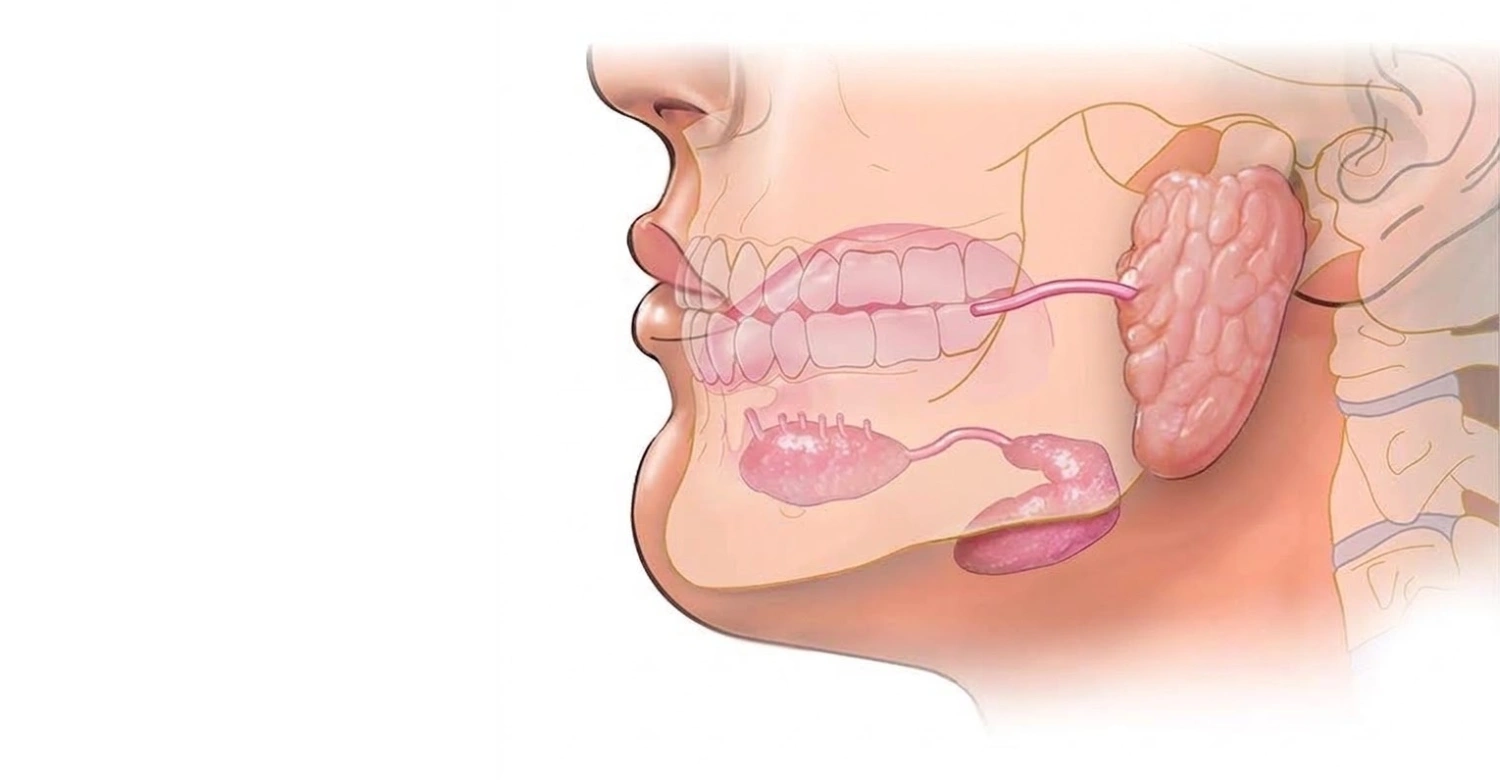
This condition describes inflammation that disrupts a salivary gland's normal function, often causing swelling and discomfort in the surrounding tissue. Three major paired glands can be affected: the parotid glands, the submandibular glands, and the sublingual glands. Where the swelling appears offers a clue. It often points to the cheek, the jaw, or beneath the tongue. Salivary gland inflammation can stem from infectious causes, like bacteria or viruses, or non-infectious ones, such as blockages or dehydration.
What Is a Salivary Gland Infection?
A salivary gland infection develops when bacteria or viruses take hold within the gland tissue. Reduced saliva flow makes this easier, since saliva normally helps flush out bacteria. When flow slows down, microorganisms can multiply more freely inside the duct. Infection can also develop secondary to an obstruction. Trapped saliva behind a blockage creates a favorable environment for bacterial growth.
Is Sialadenitis Always Caused by an Infection?
No, this inflammation isn't always infectious. It can result from a blocked duct, dehydration, or autoimmune conditions. Other underlying factors may not involve bacteria or viruses at all. This distinction matters because infectious and non-infectious salivary gland inflammation are treated differently. Antibiotics help with a bacterial salivary gland infection but do nothing for inflammation caused by blockage or autoimmune activity.
What Causes Sialadenitis?
This condition usually stems from something interfering with normal saliva flow through the gland or duct. When saliva can't move freely, glands become more vulnerable to swelling and infection. Contributing factors vary from patient to patient obstruction, dehydration, microorganisms, and certain medical conditions can all play a role. Not every case shares the same trigger, which is why a proper evaluation matters before assuming a single cause. Understanding these mechanisms helps explain why treatment differs depending on what's actually driving the inflammation.
Salivary Gland Blockages and Salivary Stones
Salivary stones can obstruct a duct, preventing saliva from draining normally. This often causes swelling or pain that becomes more noticeable around mealtimes, when saliva production increases but can't escape properly. Over time, persistent obstruction raises the risk of an infected salivary gland. Trapped saliva gives bacteria a place to accumulate.
Dehydration and Reduced Saliva Flow
Saliva production depends heavily on hydration. When fluid intake drops, saliva becomes thicker and flows more slowly. This reduces its natural ability to clear bacteria from the glands and ducts. Certain situations, illness, reduced fluid intake, or specific medications can contribute to this reduced flow. Over time, poor hydration can quietly set the stage for salivary gland inflammation. This can happen even without an obvious blockage or infection at first.
Bacterial and Viral Causes
Microorganisms can directly cause salivary gland inflammation, particularly when saliva flow has already slowed. A parotid infection is one common presentation. It's often linked to bacteria that normally live in the mouth but multiply when conditions allow. Viral causes are also possible. The specific organism involved, along with the patient's overall health, influences which treatment approach fits. Not every infection responds the same way.
Medical Conditions and Other Risk Factors
Chronic dry mouth, certain medications, and immune-system disorders can all increase the likelihood of gland inflammation. Conditions that reduce saliva production leave glands more vulnerable to inflammation and infection. A complete medical history helps identify these contributing factors, since some risks aren't obvious from symptoms alone. Patients on long-term medication should mention this during evaluation. The same goes for existing autoimmune conditions.
Note: All images used are for editorial and illustrative purposes only and may not originate from the original news provider or associated company.
What Are the Symptoms of Sialadenitis?
Symptoms of this condition vary depending on which gland is affected and what's causing the inflammation. Most patients notice some combination of swelling, tenderness, and discomfort, particularly around mealtimes when saliva production increases. Some cases stay mild, while others involve more pronounced pain or systemic symptoms like fever. Because presentations differ, recognizing the range of possible symptoms helps. It lets patients know when something needs a closer look rather than waiting it out.
Swollen Salivary Gland
A swollen salivary gland can appear near the cheek, along the jawline, under the jaw, or beneath the tongue. The location depends on which gland is involved. The area often feels tender to touch and may visibly increase in size, sometimes fluctuating throughout the day. Swelling that worsens around meals is a common pattern. Eating stimulates saliva production that can't drain properly when a gland is inflamed or obstructed.
Salivary Gland Pain
Salivary gland pain typically centers around the affected gland and can range from mild tenderness to sharper discomfort. Many patients notice the pain intensifies while eating. Chewing triggers increased saliva flow, which pushes against an already inflamed or blocked gland. This meal-related pattern is a useful clue. It helps clinicians distinguish salivary gland pain from other causes of facial or jaw discomfort.
Other Symptoms to Watch For
Beyond swelling and pain, this condition can bring dry mouth, difficulty swallowing, and redness or tenderness around the duct opening. Fever or feeling generally unwell often signals that infection is present. Some patients notice an unusual taste or drainage into the mouth, while more significant infections may involve visible pus. These accompanying symptoms help clinicians judge severity and decide how urgently the case needs to be assessed and treated.
When Does Salivary Gland Swelling Need Prompt Assessment?
Certain warning signs call for urgent evaluation. These include rapidly increasing swelling, significant fever, difficulty swallowing, breathing trouble, or swelling spreading across the face or neck. These symptoms suggest the infection may be more serious or progressing quickly. Waiting in these situations isn't advisable. Prompt medical evaluation helps prevent complications and ensures the right treatment starts before the condition worsens further.
Tips for Patients
Stay adequately hydrated unless a healthcare professional has advised fluid restriction.
Maintain consistent oral hygiene.
Pay attention to swelling or pain that repeatedly appears during meals.
Do not attempt to forcefully remove a suspected salivary stone.
Avoid delaying assessment when swelling becomes severe or is accompanied by fever.
Keep track of recurrent episodes, including where the swelling occurs and when symptoms appear.
Seek professional advice before using antibiotics or other prescription medication.
How Is Sialadenitis Diagnosed?
Diagnosing this condition starts with a review of symptoms, medical history, and a physical examination. A dentist, oral and maxillofacial specialist, or physician typically examines the gland and its duct directly. The clinician assesses the degree of swelling, tenderness, saliva flow, and whether an obstruction seems likely. This combination of history-taking and hands-on examination usually points toward the cause. It helps show whether the inflammation is infectious, mechanical, or something else entirely.
Clinical Examination of the Salivary Glands
During examination, the clinician checks for swelling, warmth, tenderness, and changes in gland texture. Palpating the gland helps detect firmness, lumps, or fluid buildup. The duct opening inside the mouth is also inspected. Redness, discharge, or reduced saliva flow at this site can indicate infection or obstruction. This hands-on assessment often gives the first strong clue about what's driving the inflammation.
Imaging and Additional Tests
Ultrasound or other imaging may be used when the cause isn't clear from examination alone. Imaging helps identify stones, abscesses, obstructions, or structural changes within the gland that aren't visible externally. In some cases, laboratory testing or a sample of drainage is needed. This is especially true when infection is suspected and the presentation is more pronounced. These tools help confirm the diagnosis before treatment begins.
Sialadenitis Treatment: What Are the Main Options?
Treatment depends on the underlying cause, severity, and whether infection or obstruction is present. Mild inflammation may respond to simple supportive measures, while infected or obstructed glands often need more targeted care. Treatment should never be chosen based on symptoms alone; proper assessment determines what's actually needed. This section outlines the main approaches clinicians consider once a cause has been identified.
Conservative Care for Mild Cases
For milder presentations, conservative care often includes staying well hydrated and encouraging natural saliva flow when appropriate. Gentle gland massage, if professionally advised, and warm compresses can help ease discomfort. Good oral hygiene remains important throughout recovery, and appropriate pain relief may be used when medically suitable. Many mild, non-infectious cases improve with these supportive steps alone, without needing more invasive intervention.
Antibiotics for a Bacterial Salivary Gland Infection
Antibiotics may be considered when a bacterial salivary gland infection is confirmed or strongly suspected. They aren't appropriate for every cause of salivary gland inflammation, particularly non-infectious ones like blockage or autoimmune activity. Completing the full prescribed course matters, even if symptoms improve early, since stopping too soon can allow infection to return.
Treating an Obstruction or Salivary Stone
When a stone or blockage is the cause, treatment focuses on restoring normal saliva drainage. Minimally invasive approaches may help dislodge smaller stones, while more persistent obstructions sometimes require specialist procedures. Conservative measures alone often aren't enough once a stone is firmly lodged. Specialist assessment becomes important when obstruction doesn't resolve, since untreated blockages raise the risk of recurring infection over time.
Treatment of an Abscess or Complication
An abscess forming within the gland may require drainage alongside additional treatment to control infection. This is a more serious complication that shouldn't be managed with home care alone. Prompt professional attention is important when infection appears severe or is spreading. Delayed treatment raises the risk of further complications affecting nearby tissue.
How Long Does Sialadenitis Take to Improve?
Recovery time varies depending on the cause, severity, treatment approach, and whether an obstruction is present. Uncomplicated, non-infectious inflammation often improves faster. Cases involving infection or a blocked duct may take longer and need more active management. Persistent or recurring symptoms shouldn't be repeatedly self-treated; they deserve reassessment. Patients can reasonably expect gradual improvement with appropriate care, though timelines differ from person to person.
What Can Patients Do to Reduce the Risk of Sialadenitis?
Staying hydrated and maintaining regular oral care both support healthy saliva flow. This lowers the risk of gland inflammation developing in the first place. Persistent dry mouth shouldn't be ignored, since it's a known contributing factor. Patients who experience recurrent gland swelling are encouraged to seek evaluation. An underlying obstruction or medical cause is often behind episodes that keep repeating.
Oral Hygiene and Salivary Gland Health
Bacterial load in the mouth directly affects infection risk in the salivary glands. Regular brushing, interdental cleaning, and routine dental visits all help keep that bacterial load in check. Consistent oral hygiene habits reduce the chances of bacteria reaching the ducts and glands in the first place. This makes it one of the simplest and most effective preventive steps available.
Managing Dry Mouth
Persistent dry mouth shouldn't be dismissed as a minor inconvenience. It often signals an underlying issue, whether medication-related or linked to a broader medical condition. Professional evaluation is worthwhile when dry mouth doesn't resolve on its own. Identifying the cause can help prevent recurring salivary gland inflammation. Addressing dry mouth early is often more effective than managing repeated flare-ups later.
Clinical Note
Salivary gland symptoms can sometimes resemble dental pain, lymph-node swelling, or other conditions affecting the jaw and face. Distinguishing the actual source of pain matters before any treatment begins. Recurrent swelling deserves proper investigation rather than repeated short-term symptom management. A detailed oral examination can help determine whether symptoms are dental, salivary, or related to a different underlying condition entirely.
Sialadenitis vs Other Causes of Salivary Gland Swelling
A swollen salivary gland doesn't automatically mean this specific condition is present. Several other conditions can cause similar swelling, and distinguishing between them is part of a thorough clinical evaluation. Stones, dental infections, and other salivary gland conditions can all produce overlapping symptoms. Understanding these distinctions helps prevent misdiagnosis. It also ensures patients receive the right treatment, rather than one aimed at an unrelated condition.
Sialadenitis vs Salivary Stones
This condition involves inflammation, often infectious, while salivary stones are a mechanical obstruction blocking the duct. The two frequently occur together, since a stone can trigger the very inflammation and infection risk associated with it. Distinguishing which came first matters for treatment planning. Addressing the stone may be necessary before inflammation fully resolves on its own.
Sialadenitis vs Dental Infection
This inflammation typically centers around the gland itself, while dental infections originate at the tooth or surrounding gum tissue. Symptoms can feel similar to patients, since both can cause facial swelling and pain near the jaw. This overlap is exactly why a careful examination is needed. It pinpoints whether the source is dental or salivary before treatment begins.
Sialadenitis vs Other Salivary Gland Conditions
Persistent, unexplained, or recurring swelling may point to conditions beyond typical gland inflammation. Further investigation is often needed rather than assuming a single diagnosis based on symptoms alone. Clinicians avoid diagnosing a specific condition without proper assessment. Several salivary gland issues can present in overlapping ways that require closer evaluation.
Can Sialadenitis Affect Dental Treatment?
Active swelling or infection can influence the timing of elective dental procedures. Managing acute oral or salivary issues is often important before proceeding with cosmetic treatment. Untreated inflammation can complicate healing or planning. The dental team may coordinate with other healthcare professionals when a case falls outside routine dental care. Ultimately, treatment timing depends on each patient's individual clinical situation.
Sialadenitis and Your Long-Term Oral Health
Recurrent episodes of gland inflammation shouldn't be treated as isolated inconveniences. Identifying persistent triggers matters more than treating each flare-up on its own. Obstruction, dry mouth, and other underlying medical factors are worth ruling out. Routine dental examinations play a role in monitoring overall oral health over time. Prevention ultimately focuses on addressing the root cause rather than repeatedly managing individual episodes of pain.
What We Notice Clinically
Dr. Rifat Alsaman is Head of the Medical Team at Vitrin Clinic and a cosmetic dentist. He has a clear starting point for unexplained jaw swelling or pain. The first priority is establishing whether symptoms originate from the teeth, surrounding tissue, or a salivary gland. Treating the wrong source can delay appropriate care. Dr. Rifat Alsaman emphasizes careful examination and appropriate referral whenever symptoms fall outside routine dental treatment. From his cosmetic-dentistry background comes a broader principle. Aesthetic procedures should only be considered after active oral or surrounding conditions are properly assessed.
About Vitrin Clinic
Vitrin Clinic approaches oral and dental symptoms with careful assessment before any treatment planning begins. Clinical examination and appropriate diagnostic evaluation are prioritized whenever symptoms overlap with dental conditions. The clinic uses diagnostic technology, including CBCT and 3D imaging, where clinically indicated. Individualized treatment planning helps distinguish routine dental concerns from issues that may need additional medical or specialist evaluation. Dr. Rifat Alsaman, Head of the Medical Team at Vitrin Clinic, is part of this clinical planning approach. Vitrin Clinic does not treat every underlying cause of gland inflammation. Patients with suspected infection or significant swelling may require medical or specialist evaluation.
References:
FAQs

Dr. Rifat Alsaman has more than 5 years of clinical experience in dentistry and currently serves as the Head of the Medical Team at Vitrin Clinic. He is dedicated to providing exceptional patient care, overseeing treatment planning, and ensuring the highest clinical standards across the team. His expertise, attention to detail, and commitment to continuous professional development have helped countless patients achieve healthier, more confident smiles.


.webp&w=3840&q=75)

