General Dentistry
September 3, 2026
Stroke and Oral Health: How Does a Stroke Affect Your Mouth?
 Dr. Rifat Alsaman
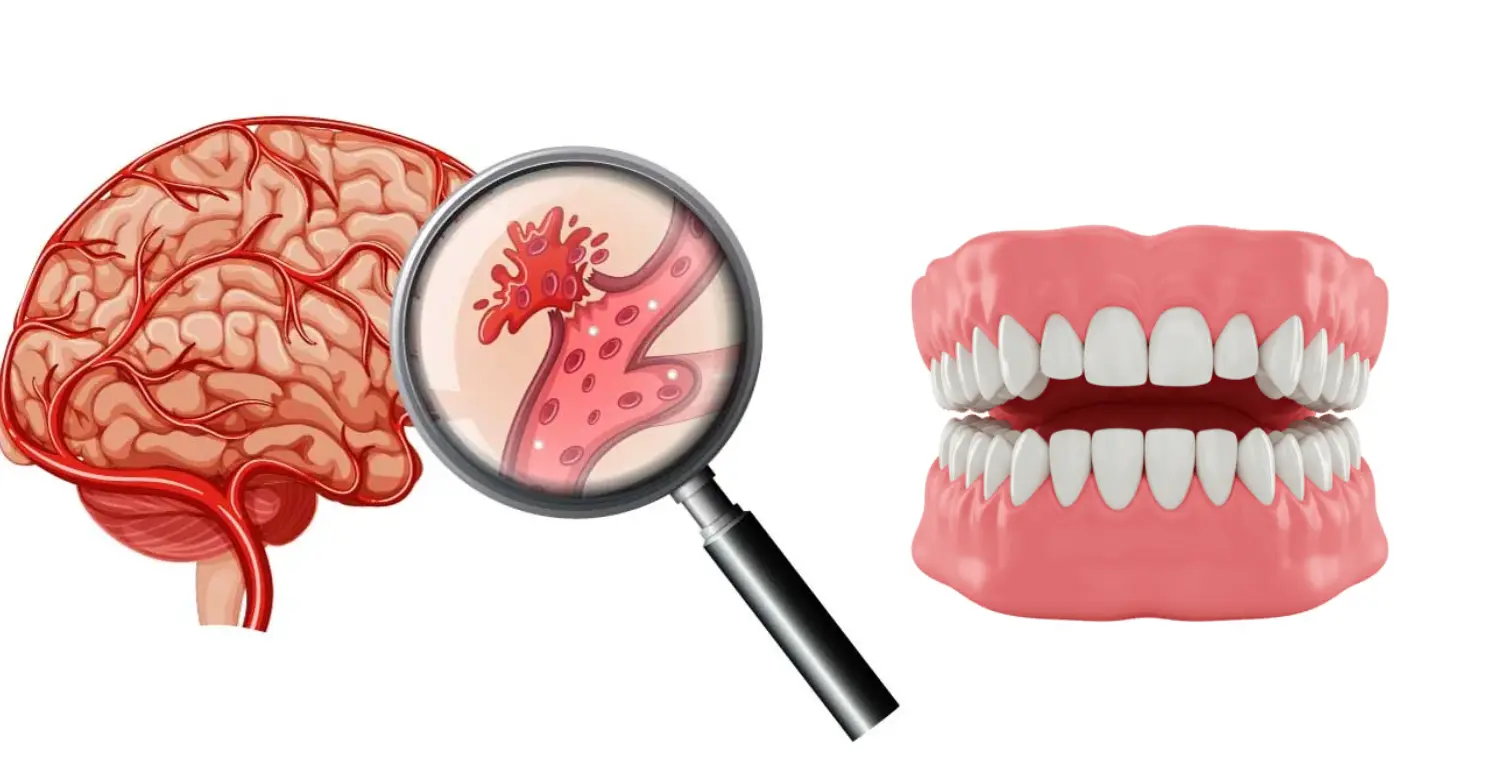
A stroke can affect movement, coordination, swallowing, sensation, and independence. These changes can make daily mouth care considerably harder. They are therefore closely connected through several physical and functional changes. Research shows that people after stroke can experience poorer oral health than control groups. One meta-analysis included 1,742 stroke patients and 1,193 controls. Stroke patients had more dental caries and fewer remaining teeth. They also had higher plaque and gingival index scores. Oral problems can develop because brushing becomes difficult or swallowing changes. Dry mouth, food accumulation, and dependence on caregivers can also contribute. Regular dental care can help identify problems before they become advanced. Vitrin Clinic can provide individualized dental assessments based on each patient's needs. This approach can support prevention, comfort, and long-term oral function.
What Is the Connection Between Stroke and Oral Health?
A stroke can change the physical abilities needed for effective oral hygiene. Weakness, paralysis, poor coordination, and cognitive changes may reduce brushing independence. Stroke and Oral Health are connected because these impairments can increase exposure to plaque and oral bacteria. Research has found poorer oral-health outcomes among stroke patients compared with controls. A meta-analysis found significantly higher plaque and gingival index scores after stroke. Swallowing difficulties can create additional challenges during eating and mouth care. Food particles may remain around the teeth, tongue, cheeks, or dentures. Some patients may also depend on caregivers for routine oral hygiene. This dependence can make consistency particularly important. Dental professionals can assess individual risks and recommend practical adaptations. Vitrin Clinic can incorporate these factors into personalized dental care planning.
How Stroke Affects Oral Health
Stroke can affect oral health through neurological, muscular, behavioral, and functional changes. It may become connected when physical limitations interfere with routine cleaning. One side of the body may become weaker after a stroke. This weakness can make holding and controlling a toothbrush difficult. Facial muscle changes can also affect chewing and mouth movement. Some patients experience difficulty moving food effectively around the mouth. Others develop swallowing difficulties that require additional professional assessment. Cognitive changes may further affect awareness of oral hygiene needs. Evidence suggests stroke patients generally have poorer oral-health indicators than unaffected controls. One meta-analysis found higher dental caries, plaque, and gingival scores. These findings highlight the importance of regular oral assessment. Vitrin Clinic can help patients establish practical preventive routines based on their abilities.
Common Oral Health Changes After a Stroke
Several oral changes can appear during stroke recovery. Stroke and Oral Health concerns may include plaque accumulation, gum inflammation, tooth decay, and denture difficulties. Reduced brushing ability can allow plaque to remain on teeth for longer periods. Some patients experience dry mouth because of medications, reduced fluid intake, or altered oral function. Lower saliva levels can reduce natural cleansing and increase discomfort. Swallowing problems can also affect eating patterns and oral cleanliness. Research has identified poorer oral hygiene and periodontal measures among people following stroke. Patients may also attend dental appointments less frequently after stroke. One systematic review reported lower dental attendance among stroke patients. Regular dental monitoring can therefore become an important part of rehabilitation. Vitrin Clinic can help identify changes early and coordinate appropriate preventive care.
Stroke Oral Health Complications
Oral complications can develop when daily hygiene becomes difficult after a stroke. These complications may include cavities, gingivitis, periodontitis, infections, and denture-related irritation. These conditions can cause pain and make eating more difficult. Dysphagia creates another important concern because swallowing problems can affect oral clearance. Oral bacteria may become relevant when secretions or contaminated material are aspirated. Current evidence emphasizes structured oral care for patients with post-stroke dysphagia. However, oral hygiene should not be considered a substitute for swallowing assessment. Patients with swallowing difficulties need individualized guidance from appropriate healthcare professionals. Dental professionals can address oral disease while rehabilitation teams manage swallowing function. Vitrin Clinic can support dental assessment and preventive treatment according to individual clinical needs.
How Does Stroke Affect Your Teeth and Gums?
Stroke can indirectly affect teeth and gums by making daily oral hygiene more difficult. Stroke and Oral Health problems may develop when patients cannot remove plaque effectively. Reduced hand coordination can interfere with brushing and interdental cleaning. A systematic review found poorer periodontal and tooth-related outcomes among stroke patients. Another meta-analysis reported higher caries, plaque, and gingival index scores. These findings do not mean every stroke survivor will develop dental disease. Individual risk depends on mobility, diet, saliva, medications, existing dental conditions, and caregiver support. Early prevention remains important because plaque-related conditions can progress without obvious symptoms. Professional examinations can identify inflammation, decay, and other problems. Vitrin Clinic can create a personalized preventive plan based on the patient's functional abilities.
Stroke and Dental Problems
Dental problems after stroke can arise from several interacting factors. These concerns may increase when brushing, flossing, eating, and dental attendance become challenging. Physical limitations can make normal hygiene techniques difficult. Some patients may struggle to hold toothbrushes or reach all tooth surfaces. Others may require assistance because of weakness or impaired coordination. Changes in diet can also affect exposure to fermentable carbohydrates. Research comparing stroke patients with controls found more dental caries among stroke patients. The same analysis found fewer remaining teeth among affected patients. Dental professionals can reduce these risks through preventive examinations and individualized hygiene instructions. Treatment may include professional cleaning, fluoride measures, fillings, periodontal care, or denture adjustments. Vitrin Clinic can tailor dental recommendations according to each patient's medical and functional circumstances.
Effects of Stroke on Teeth and Gums
The effects on teeth and gums often result from changes in daily routines. Stroke and Oral Health can become challenging when patients lose independence with brushing. Plaque can remain undisturbed when certain mouth areas become difficult to reach. Persistent plaque can contribute to gingival inflammation and eventually periodontal problems. Reduced saliva may further increase the risk of caries and oral discomfort. Dietary changes can create additional exposure to sugars or acidic foods. Research has reported worse plaque and gingival scores among stroke patients. Another systematic review found poorer periodontal parameters across several measurements. These findings support regular oral assessments during stroke recovery. Dental teams can identify early inflammation before symptoms become severe. Vitrin Clinic can provide individualized preventive and restorative dental care when appropriate.
Stroke and Gum Disease
Gum disease can become more difficult to control when brushing and interdental cleaning are impaired. This management should therefore include careful monitoring of gingival tissues. Plaque accumulation can trigger gingival inflammation in susceptible patients. If inflammation remains untreated, periodontal disease can progress and affect supporting tissues. Signs can include bleeding, swelling, redness, tenderness, or persistent bad breath. Some patients may have limited ability to recognize or communicate these symptoms. A meta-analysis found higher gingival index scores among stroke patients than controls. Recent research also continues investigating relationships between periodontal health and cerebrovascular disease. Importantly, association does not prove that gum disease directly caused an individual's stroke. Dental evaluation remains valuable for identifying and treating periodontal inflammation. Vitrin Clinic can develop an appropriate periodontal maintenance strategy.
Increased Risk of Tooth Decay
Tooth decay may become more likely when plaque remains on teeth for prolonged periods. Stroke and Oral Health can be affected by reduced brushing ability, dietary changes, and dry mouth. Saliva normally helps neutralize acids and supports natural tooth protection. When saliva decreases, teeth may become more vulnerable to acid attacks. Frequent sugary foods or drinks can further increase caries risk. Difficulty brushing can allow plaque to accumulate around vulnerable areas. A meta-analysis comparing stroke patients with controls found approximately three additional caries experience points on average. The reported mean difference was 2.89 across five studies. Preventive care can include fluoride toothpaste, professional examinations, dietary guidance, and plaque control. Patients should receive recommendations appropriate to their swallowing and functional abilities. Vitrin Clinic can help establish individualized strategies for reducing decay risk.
Plaque Buildup After a Stroke
Plaque buildup can increase when stroke-related limitations interfere with brushing. It can deteriorate when plaque remains around teeth, gums, and dental appliances. Weakness may prevent patients from reaching difficult areas effectively. One-sided weakness can also make brushing one side of the mouth particularly challenging. Reduced coordination may cause patients to miss the gumline or posterior teeth. Cognitive changes can further affect routine consistency. Research has demonstrated higher plaque scores among stroke patients compared with controls. A 2025 systematic review evaluated 15 randomized trials involving oral healthcare programs after stroke. Although evidence for specific interventions remains limited, regular oral care remains clinically important. A simple rehabilitation-based protocol improved oral-health assessment scores in one inpatient study. Vitrin Clinic can recommend practical plaque-control methods.
Reduced Saliva and Dry Mouth
Dry mouth can make oral hygiene and eating less comfortable after a stroke. It may be affected when saliva production or oral moisture decreases. Some medications commonly used during recovery can contribute to dry-mouth symptoms. Patients may notice sticky saliva, difficulty swallowing dry foods, altered taste, or increased thirst. Reduced saliva can also decrease natural cleansing around teeth. This may contribute to plaque retention and caries risk. Management depends on the underlying cause and the patient's medical situation. Patients should not independently change prescribed medications because of dry-mouth symptoms. A healthcare professional can review potential causes and treatment options. Dental teams can recommend appropriate hydration strategies and saliva-supportive measures when suitable. Vitrin Clinic can assess oral symptoms and recommend individualized preventive care. Persistent dryness should receive professional evaluation, particularly when eating becomes difficult.
What Are the Common Stroke-Related Dental Problems?
Stroke-related dental problems can involve teeth, gums, soft tissues, saliva, and dentures. Stroke and Oral Health risks often increase when patients need assistance with everyday oral care. Common concerns include cavities, gum inflammation, bad breath, sensitivity, infections, and denture difficulties. A systematic review found that stroke patients experienced poorer tooth and periodontal outcomes. Another meta-analysis confirmed higher caries, plaque, and gingival scores. These problems are not inevitable after a stroke. Consistent oral hygiene and professional monitoring can reduce preventable complications. Care plans should account for physical limitations and swallowing safety. Vitrin Clinic can evaluate existing dental conditions and develop an individualized treatment plan. Patients may also benefit from coordination between dental professionals, caregivers, and rehabilitation teams.
Tooth Decay and Cavities
Cavities can develop when bacteria metabolize sugars and produce acids that damage tooth structure. It can become more difficult to manage when plaque removal is inconsistent. Reduced brushing ability can leave plaque concentrated around vulnerable surfaces. Dry mouth may further increase susceptibility because saliva contributes to natural tooth protection. Dietary changes can also influence the frequency of acid exposure. Patients receiving nutritional support should follow individualized dietary recommendations from their healthcare team. Research comparing stroke patients and controls found significantly higher caries experience among stroke patients. Preventive strategies include twice-daily fluoride brushing and professional dental examinations. Additional fluoride measures may be appropriate for patients with elevated caries risk. Vitrin Clinic can assess individual risk factors and recommend suitable preventive or restorative treatment.
Gum Disease and Gum Inflammation
Gum inflammation develops when bacterial plaque accumulates around the gumline. Stroke and Oral Health may become increasingly challenging when patients cannot brush independently. Limited dexterity can cause plaque to remain around difficult-to-reach areas. Early gingivitis may cause redness, swelling, or bleeding during brushing. Without appropriate care, periodontal disease can affect deeper supporting tissues. Advanced disease may eventually contribute to tooth mobility and tooth loss. A meta-analysis found significantly higher gingival index scores among stroke patients. Another systematic review reported poorer periodontal parameters after stroke. Professional periodontal assessment can determine the severity of inflammation. Treatment may involve improved home care, professional cleaning, or periodontal therapy. Vitrin Clinic can provide appropriate dental evaluation based on individual findings.
Bad Breath and Oral Bacteria
Bad breath can develop when bacteria accumulate around teeth, gums, tongue, or dental appliances. It may be affected when patients have difficulty cleaning these areas. Dry mouth can also reduce natural cleansing and worsen oral odor. Dysphagia may contribute to food or secretion retention in some patients. Denture wearers can experience additional bacterial accumulation when appliances are not cleaned regularly. Persistent bad breath should not automatically be attributed to stroke. A dental examination can identify gum disease, cavities, infections, or appliance-related causes. Healthcare professionals can also investigate other medical causes when dental causes are excluded. Recent evidence emphasizes structured oral care for post-stroke patients with dysphagia. Vitrin Clinic can assess oral causes of persistent odor and recommend appropriate treatment.
Tooth Sensitivity and Dental Pain
Tooth sensitivity can occur when dentin becomes exposed or teeth develop decay. Stroke and Oral Health concerns may include sensitivity when oral hygiene becomes inconsistent. Gum recession can also expose sensitive root surfaces. Patients may experience discomfort with cold, hot, sweet, or acidic foods. Dental pain can interfere with eating and may reduce willingness to maintain normal routines. Stroke-related communication difficulties can sometimes make symptoms harder to report. A dental examination can distinguish sensitivity from cavities, cracks, gum disease, or other conditions. Treatment depends on the underlying diagnosis. Patients should report persistent pain rather than relying on temporary home remedies. Vitrin Clinic can evaluate dental discomfort and identify appropriate treatment options. Early diagnosis may prevent minor problems from becoming more complex.
Oral Infections
Oral infections can develop when bacteria or fungi multiply in vulnerable oral environments. These risks can increase when plaque, food debris, or poorly maintained dentures remain in place. Dry mouth may further contribute to microbial imbalance. Possible infections include dental abscesses, periodontal infections, and oral fungal infections. Symptoms may include swelling, pain, bleeding, discharge, fever, or difficulty eating. Patients with suspected infection should receive prompt professional assessment. Some infections require dental treatment rather than simple changes to brushing habits. Post-stroke dysphagia creates additional concerns involving oral secretions and aspiration. Current evidence supports multidisciplinary oral-care approaches for patients with post-stroke dysphagia. Vitrin Clinic can assess dental infections and recommend appropriate treatment or referral when necessary.
Denture Problems
Denture problems can occur when patients have difficulty removing, cleaning, or positioning their appliances. Stroke and Oral Health management should include regular assessment of denture fit and cleanliness. Muscle weakness may also make denture handling more challenging. Poorly fitting dentures can cause sore spots and interfere with chewing. Dentures can also collect plaque and microorganisms when cleaning becomes inconsistent. Leaving dentures continuously in place may contribute to tissue irritation. Evidence from oral-care research indicates that structured interventions can improve denture cleanliness. Patients should receive individualized instructions for cleaning and storing their dentures. A dentist should evaluate persistent soreness, looseness, or difficulty chewing. Vitrin Clinic can assess denture fit and recommend appropriate adjustments or treatment..
Why Does a Stroke Make Brushing Your Teeth Difficult?
A stroke can affect the movement and coordination needed for effective toothbrushing. It can become more challenging when patients lose control of their hands or arms. Weakness on one side may make holding a toothbrush difficult. Limited shoulder movement can also reduce access to the back teeth. Some patients may struggle to apply enough pressure while brushing. Others may forget parts of their oral hygiene routine because of cognitive changes. Research identifies impaired motor function as an important barrier to independent oral care after stroke. Adaptive toothbrushes can make brushing easier for patients with limited dexterity. Electric toothbrushes may also reduce the amount of manual movement required. Caregiver assistance can provide additional support when independent brushing remains unsafe or ineffective. Vitrin Clinic can recommend practical oral-hygiene adaptations based on individual abilities.
Stroke and Difficulty Brushing Teeth
Brushing can become difficult when a stroke affects hand strength, coordination, or movement. Stroke and Oral Health can suffer when patients cannot consistently clean every tooth surface. Some survivors may struggle to hold a toothbrush securely. Others may find it difficult to guide the brush around their mouth. Weakness can make brushing one side of the mouth particularly challenging. Fatigue may also reduce the quality of brushing during longer routines. A patient may understand the importance of brushing but still lack the physical ability to complete it effectively. Occupational therapists can help address functional limitations affecting daily activities. Dental professionals can recommend toothbrush modifications and simplified techniques. Vitrin Clinic can provide individualized guidance for maintaining oral hygiene despite physical limitations.
Loss of Hand Coordination and Dexterity
Reduced hand coordination can interfere with precise toothbrush movements after a stroke. It may become harder to maintain when fine motor control is impaired. Effective brushing requires repeated movements around the teeth and gumline. Patients with reduced dexterity may miss the inner surfaces of their teeth. They may also struggle to control the toothbrush angle or pressure. Adaptive handles can make toothbrushes easier to grasp and manipulate. Some patients may benefit from larger handles or customized grips. Electric toothbrushes can reduce the number of precise movements required during brushing. However, patients should still receive instructions for positioning the brush correctly. Vitrin Clinic can recommend practical dental tools according to individual mobility and comfort. Caregiver support may be useful when dexterity limitations significantly affect plaque removal.
Muscle Weakness and Limited Mobility
Muscle weakness can make normal toothbrushing movements tiring or difficult. Stroke and Oral Health may be affected when arm, shoulder, or facial muscles have reduced function. Patients may struggle to raise an arm toward their mouth. Limited mobility can also make standing at a bathroom sink uncomfortable. Fatigue may cause patients to shorten their brushing time or skip certain areas. Sitting during oral care can provide greater stability for some individuals. A stable position may also reduce the risk of accidental falls. Caregivers can prepare dental supplies before the routine begins. Occupational therapists may recommend positioning strategies that support independence. Dental professionals can simplify oral-hygiene routines when necessary. Vitrin Clinic can help patients develop practical approaches that fit their physical abilities.
Electric Toothbrushes and Adaptive Handles
Electric toothbrushes can reduce the manual effort required during daily brushing. These routines may become easier when patients have limited hand dexterity. Many electric toothbrushes have larger handles that can be easier to grip. Adaptive handles can provide additional stability for patients with weak hands. Some handles can be modified using commercially available grips or custom adaptations. The brush should still be positioned carefully along the teeth and gumline. Patients should follow the manufacturer's instructions for safe operation. Individuals with swallowing difficulties may need additional precautions during brushing. A caregiver or therapist can help determine whether an electric brush is appropriate. Vitrin Clinic can recommend suitable oral-hygiene strategies based on individual functional needs.
When Caregiver Assistance Is Needed
Some stroke survivors need help with brushing because of severe weakness or impaired coordination. Stroke and Oral Health can deteriorate when necessary assistance is unavailable. Caregivers can help position the toothbrush and reach difficult areas. They can also monitor whether brushing occurs consistently each morning and evening. Assistance may be especially important for patients with cognitive or communication difficulties. Caregivers should use gentle movements and avoid causing gum trauma. The patient should remain comfortable and positioned safely throughout the routine. Professional guidance can help caregivers learn appropriate brushing techniques. Regular dental examinations can identify areas that remain difficult to clean. Vitrin Clinic can provide practical instructions for caregivers supporting daily oral hygiene.
Clinical Note
Stroke recovery can involve significant differences in movement, swallowing, communication, and independence. This care should therefore be adapted rather than standardized for every patient. Clinically, the most important consideration is whether the patient can clean effectively and safely. A patient who brushes independently may still need periodic assessment. Another patient may require complete caregiver assistance for daily oral hygiene. Dysphagia can introduce additional safety considerations during brushing and rinsing. Oral-care plans should therefore consider both dental needs and swallowing ability. Evidence supports structured oral-care approaches for patients with post-stroke dysphagia. Dental professionals should communicate relevant findings with the wider healthcare team when appropriate. Vitrin Clinic can individualize dental recommendations according to the patient's functional and clinical circumstances.
How Does Difficulty Swallowing Affect Oral Health After a Stroke?
Difficulty swallowing, known as dysphagia, is common after certain strokes. Stroke and Oral Health can become closely connected when swallowing problems interfere with eating and oral clearance. Dysphagia can cause food or secretions to remain in the mouth. Reduced tongue movement may make clearing these materials more difficult. Oral bacteria can therefore remain within accumulated food debris and secretions. Aspiration becomes an important clinical concern when contaminated material enters the airway. A meta-analysis found substantially higher pneumonia risk among stroke patients with dysphagia. The reported odds ratio for pneumonia was 9.60. Oral hygiene does not replace swallowing rehabilitation or medical management. Patients should receive individualized recommendations from qualified healthcare professionals. Vitrin Clinic can address dental and oral-health needs while coordinating appropriately with the patient's broader care team.
Stroke and Difficulty Swallowing Oral Health
Swallowing difficulties can change how patients eat, drink, and manage oral secretions. It can be affected when food remains around the teeth, gums, tongue, or cheeks. Dysphagia may involve difficulties with chewing, tongue movement, swallowing, or airway protection. Some patients may need modified food textures or supervised meals. These changes can alter normal oral-cleansing patterns. Reduced oral clearance may increase the amount of bacteria and debris remaining in the mouth. Research has established an association between post-stroke dysphagia and increased pneumonia risk. Oral care can help reduce bacterial burden but must be performed safely. Swallowing specialists should provide guidance when aspiration risk is present. Vitrin Clinic can support oral-health management alongside appropriate rehabilitation professionals.
How Dysphagia Affects Oral Hygiene
Dysphagia can make conventional rinsing and spitting difficult for some stroke survivors. Stroke and Oral Health routines may require modification when swallowing control is impaired. Patients may accidentally swallow toothpaste, water, or oral debris during brushing. Some individuals may also have difficulty controlling saliva or clearing their mouth. These problems can make unsupervised oral hygiene inappropriate for certain patients. Caregivers should follow instructions provided by the patient's healthcare team. A dental professional can recommend suitable brushing techniques based on individual circumstances. The safest approach depends on the patient's swallowing assessment and functional abilities. Evidence supports systematic oral-care interventions among patients with post-stroke dysphagia. Vitrin Clinic can help adapt dental-care recommendations while considering swallowing-related limitations.
Food and Bacteria Accumulation in the Mouth
Food accumulation can occur when tongue and cheek movements become less effective. It may be compromised when food remains around teeth or soft tissues. Weak facial muscles can reduce the ability to move food toward the swallowing area. Reduced tongue coordination may also make oral clearance less efficient. Food debris can provide nutrients for oral bacteria. Persistent debris may contribute to plaque formation, unpleasant breath, and gum inflammation. Dentures can create additional surfaces where food and microorganisms accumulate. Regular oral assessment can identify areas requiring additional cleaning support. Caregivers may need to inspect the mouth when patients cannot report problems reliably. Vitrin Clinic can provide personalized hygiene instructions based on oral findings and functional limitations.
Oral Bacteria and Aspiration Risk
Oral bacteria become clinically important when swallowing difficulties increase aspiration risk. Stroke and Oral Health management can therefore form part of broader infection-prevention strategies. Bacteria normally live throughout the mouth without causing disease. However, poor oral hygiene can increase bacterial accumulation and alter the oral environment. If contaminated secretions enter the airway, respiratory complications may occur. Stroke patients with dysphagia have a substantially increased risk of pneumonia. A meta-analysis reported an odds ratio of 9.60 for pneumonia among patients with dysphagia. This does not mean aspiration will occur in every patient. Swallowing assessments are essential for determining individual risk. Vitrin Clinic can address oral bacterial burden through appropriate preventive dental care.
Why Oral Hygiene Is Important for Stroke Survivors
Good oral hygiene helps control plaque, bacteria, gum inflammation, and dental disease. It should remain part of ongoing recovery and supportive care. Stroke survivors may face greater difficulty completing daily hygiene independently. Dysphagia can also increase the clinical importance of maintaining a clean oral environment. Research suggests structured oral-care programs can improve oral-health outcomes after stroke. One study involving 1,656 stroke admissions found systematic oral care was associated with reduced hospital-acquired pneumonia. The adjusted odds ratio was 0.71. Oral hygiene should complement swallowing rehabilitation rather than replace it. Consistent dental monitoring can also identify problems before they become painful. Vitrin Clinic can support long-term preventive dental care for stroke survivors.
Safe Oral Hygiene Practices
Safe oral hygiene should account for the patient's swallowing ability and physical limitations. Stroke and Oral Health routines may need modification when aspiration risk is present. Patients should follow specific instructions from their healthcare and rehabilitation teams. Some individuals may need assistance while brushing. Sitting upright can provide better positioning for many patients. Caregivers should avoid forcing water into the mouth during rinsing. Toothpaste and rinsing methods may need adjustment according to individual swallowing ability. Patients should never change prescribed swallowing precautions without professional guidance. Regular brushing remains important for controlling plaque and oral bacteria. Dental professionals can recommend tools that make cleaning easier and safer. Vitrin Clinic can provide individualized dental guidance based on the patient's clinical circumstances.
When Professional Support Is Needed
Professional support is important when oral hygiene becomes ineffective or unsafe. These concerns require dental assessment when pain, swelling, bleeding, or infection develops. Patients with severe dysphagia may also require coordinated support from rehabilitation professionals. Caregivers should seek advice when brushing repeatedly causes coughing or distress. Persistent difficulty cleaning dentures should also prompt professional evaluation. Regular dental visits can identify problems before they become advanced. Dental teams can assess cavities, periodontal health, oral tissues, dentures, and plaque levels. Swallowing specialists can address functional swallowing problems separately. A multidisciplinary approach can be especially useful for patients with complex recovery needs. Vitrin Clinic can provide dental evaluation and personalized preventive treatment when appropriate.
How Can Stroke Survivors Maintain Good Oral Hygiene?
Maintaining a consistent oral-care routine can reduce plaque and support healthier teeth and gums. This management should reflect each survivor's physical and swallowing abilities. Brushing twice daily remains a fundamental preventive measure. Interdental cleaning can remove plaque that brushing cannot reach. Fluoride toothpaste helps strengthen enamel and reduce cavity risk. Dentures should receive separate cleaning because they can collect plaque and microorganisms. Dry mouth may require additional attention when saliva levels are reduced. Regular dental examinations can identify problems before they become advanced. Caregivers can provide assistance when weakness or coordination problems prevent effective cleaning. Research supports structured oral-care programs for people recovering from stroke. Vitrin Clinic can create individualized oral-hygiene recommendations based on each patient's needs.
Brush Your Teeth Twice a Day
Brushing twice daily helps remove plaque before it accumulates around teeth and gums. Stroke and Oral Health care should prioritize consistent brushing whenever the patient can perform it safely. Fluoride toothpaste should generally be used during routine brushing. Patients with limited dexterity may need an adapted toothbrush or electric toothbrush. Caregivers can assist when the patient cannot reach all tooth surfaces effectively. Brushing should include the outer, inner, and chewing surfaces of the teeth. The gumline should also receive gentle attention during brushing. Patients should avoid aggressive brushing because excessive force can irritate the gums. Swallowing difficulties may require modified brushing and rinsing techniques. Professional guidance is important when aspiration concerns exist. Vitrin Clinic can provide practical brushing recommendations based on individual functional limitations.
Clean Between Your Teeth
Brushing cannot completely remove plaque from the spaces between teeth. It can benefit from daily interdental cleaning when the patient can perform it safely. Dental floss, interdental brushes, or other cleaning aids may be appropriate. The best option depends on tooth spacing, dexterity, and periodontal health. Interdental brushes can sometimes be easier to control than traditional floss. Patients with limited hand coordination may require caregiver assistance. Caregivers should receive appropriate instructions before performing interdental cleaning. Gum bleeding should not automatically lead patients to stop cleaning between teeth. Persistent bleeding should instead be assessed by a dental professional. Professional cleaning can remove hardened deposits that home care cannot eliminate. Vitrin Clinic can recommend suitable interdental tools based on individual dental findings.
Use Fluoride Toothpaste
Fluoride toothpaste helps strengthen enamel and protect teeth against acid-related mineral loss. Stroke and Oral Health prevention strategies should include fluoride when appropriate. Most adults benefit from brushing with standard fluoride toothpaste twice daily. Patients with elevated cavity risk may require additional fluoride measures. These measures should be recommended according to individual dental and medical circumstances. Patients with swallowing difficulties may need specific instructions about toothpaste and rinsing. Caregivers should follow recommendations from the patient's healthcare professionals. Excessive toothpaste ingestion should be avoided, particularly when swallowing control is impaired. Fluoride toothpaste works best when brushing is performed consistently. Regular dental examinations can identify early enamel changes or developing cavities. Vitrin Clinic can assess caries risk and recommend appropriate preventive fluoride strategies.
Keep Dentures Clean
Dentures should be cleaned regularly to remove plaque, food particles, and microorganisms. This care should include denture hygiene when patients use removable appliances. Dentures should generally be removed for cleaning according to professional instructions. The gums and tongue should also receive appropriate cleaning. Poorly cleaned dentures can contribute to unpleasant odor and tissue irritation. Patients with limited dexterity may struggle to remove dentures independently. Caregivers can provide assistance when necessary and appropriate. Dentures should be handled carefully to prevent accidental damage or dropping. Persistent soreness, looseness, or difficulty chewing requires professional assessment. Denture fit can change over time because oral tissues and underlying structures change. Vitrin Clinic can assess denture condition, fit, comfort, and oral-tissue health.
Manage Dry Mouth
Dry mouth can make eating, speaking, swallowing, and oral hygiene less comfortable. Stroke and Oral Health prevention should consider saliva reduction when symptoms are present. Dry mouth can increase discomfort and may contribute to greater caries risk. Some medications can contribute to reduced saliva production. Patients should discuss persistent symptoms with their healthcare or dental professionals. They should not stop prescribed medication without medical advice. Drinking fluids may be recommended when medically appropriate. Patients with swallowing restrictions should follow their prescribed fluid recommendations. Sugar-free products may sometimes stimulate saliva in suitable patients. Alcohol-containing mouthwashes may worsen dryness for some individuals. Vitrin Clinic can evaluate oral symptoms and recommend appropriate supportive measures.
Schedule Regular Dental Checkups
Regular dental examinations help identify cavities, gum inflammation, infections, and denture problems early. It requires ongoing monitoring rather than one-time treatment. Dental visits can also evaluate whether current hygiene techniques remain effective. Patients with higher dental risk may require more frequent professional appointments. The appropriate interval depends on oral-health status and individual risk factors. Caregivers can help patients organize transportation and appointment schedules. Dental professionals should also understand relevant functional limitations before treatment begins. Communication difficulties should not prevent patients from receiving appropriate dental care. A personalized approach can make appointments more comfortable and manageable. Vitrin Clinic can provide comprehensive dental assessments and individualized preventive planning.
Tips for Patients
Simple adaptations can make daily oral hygiene easier after a stroke. Stroke and Oral Health routines should focus on consistency, safety, and individual independence. Keep toothbrushes and dental supplies in an easily accessible location. Use tools with comfortable handles when hand strength is limited. Consider sitting during brushing if standing creates fatigue or instability. Establish the same brushing times each day to create a predictable routine. Caregivers can provide reminders when memory or attention is affected. Ask dental professionals about alternatives when traditional flossing becomes difficult. Patients should report pain, swelling, bleeding, or persistent bad breath promptly. Regular dental visits can complement daily home care. Vitrin Clinic can help patients and caregivers develop practical oral-hygiene strategies.
Use Easy-to-Grip Dental Tools
Easy-to-grip dental tools can improve independence for patients with reduced hand strength. These routines may become easier with larger or adapted toothbrush handles. Foam grips can increase handle diameter and make grasping more comfortable. Electric toothbrushes can also reduce the manual movement required during brushing. Interdental brushes may provide an easier alternative to conventional floss for some patients. The ideal tool depends on dexterity, oral anatomy, and dental needs. Occupational therapists can recommend adaptations for broader daily-function challenges. Dental professionals can explain how each tool should be used safely. Caregivers can assist when the patient cannot achieve adequate plaque removal. Vitrin Clinic can recommend practical dental aids based on individual functional limitations.
Create a Consistent Oral Hygiene Routine
A predictable routine can make daily oral care easier to remember and complete. Stroke and Oral Health outcomes can benefit from consistent plaque-control habits. Patients should establish regular brushing times that fit their daily schedule. Dental supplies should remain in the same convenient location whenever possible. Written reminders can help patients who experience memory or attention difficulties. Caregivers can use simple prompts rather than taking over unnecessarily. Patients should maintain independence whenever they can safely perform oral care. Regular dental examinations can confirm whether the routine is achieving adequate plaque control. Adjustments can be introduced when physical abilities change during recovery. Vitrin Clinic can help develop practical routines that match individual circumstances.
Ask for Help When Needed
Asking for assistance can prevent inadequate oral hygiene when physical limitations interfere with brushing. It should never depend on independence when assistance is genuinely required. Caregivers can help with brushing, denture cleaning, or organizing dental appointments. Assistance may be temporary during early recovery or longer-term for some survivors. Patients should communicate discomfort whenever possible during assisted oral care. Caregivers should use gentle techniques and follow professional recommendations. Swallowing difficulties may require additional precautions during brushing and rinsing. Dental professionals can demonstrate suitable techniques for caregivers when necessary. Support should encourage independence rather than unnecessarily replacing the patient's abilities. Vitrin Clinic can provide guidance that helps caregivers support effective daily oral hygiene.
What Does Dental Care for Stroke Patients Involve?
Dental care after a stroke should account for physical limitations, swallowing difficulties, communication needs, and existing dental conditions. Stroke and Oral Health treatment should be individualized rather than based solely on the stroke diagnosis. A comprehensive examination can identify cavities, gum disease, infections, and denture problems. Preventive care can reduce the likelihood of future dental complications. Restorative treatment may address damaged or decayed teeth when clinically necessary. Dental visits may also require additional time or communication adaptations. Patients with dysphagia may need specific positioning or oral-care precautions. Collaboration with caregivers can improve continuity between appointments and home care. Vitrin Clinic can develop patient-centered dental plans based on clinical findings. The goal is to protect oral function, comfort, and overall quality of life.
Comprehensive Dental Examination
A comprehensive examination provides a baseline for assessing oral health after stroke. This evaluation should consider teeth, gums, oral tissues, saliva, and dental appliances. Dentists can examine for cavities, plaque, calculus, gingival inflammation, and periodontal disease. They can also assess loose teeth, broken restorations, or damaged dentures. The examination should consider the patient's ability to maintain daily oral hygiene. Swallowing difficulties should also be communicated when they affect dental procedures. Patients with communication difficulties may require alternative ways to describe symptoms. Dental imaging may be recommended when clinically necessary. Findings can help determine preventive treatment and appropriate follow-up intervals. Vitrin Clinic can provide comprehensive dental assessments tailored to individual patient needs.
Preventive Dental Care
Preventive care aims to reduce dental disease before treatment becomes necessary. Stroke and Oral Health prevention may include professional cleaning, fluoride strategies, and personalized hygiene instruction. Dental professionals can assess plaque levels and identify areas that require additional attention. Patients with high caries risk may benefit from enhanced fluoride protection. Periodontal patients may require professional periodontal maintenance. Denture wearers need appropriate appliance cleaning and tissue monitoring. Dietary counseling may also be useful when eating patterns have changed after a stroke. Preventive care should account for swallowing and mobility limitations. Caregivers can receive practical instructions when patients require assistance. Vitrin Clinic can create individualized preventive programs based on clinical risk factors.
Treating Cavities and Gum Disease
Cavities and gum disease require treatment based on their severity and clinical findings. This management should address active dental disease rather than relying only on home care. Cavities may require fluoride treatment, restorations, or other appropriate interventions. Gum disease may require professional cleaning and periodontal treatment. Advanced periodontal disease can require more comprehensive management. Treatment plans should consider the patient's mobility and ability to attend appointments. Communication needs should also be addressed before procedures begin. Pain control and comfortable positioning can make treatment easier for patients. Caregivers may assist with transportation and post-treatment instructions. Vitrin Clinic can develop restorative and periodontal treatment plans around individual patient requirements.
Denture Assessment and Care
Denture assessment can identify problems affecting comfort, chewing, speech, and oral tissues. Stroke and Oral Health management should consider whether dentures remain functional and comfortable. Dentures can become difficult to insert or remove when hand coordination changes. Poor fit may cause movement, irritation, or difficulty chewing. Dentists can evaluate the appliance and surrounding oral tissues. Adjustments may improve comfort when the existing denture remains suitable. Replacement may be considered when dentures are significantly worn or unsuitable. Patients should receive clear cleaning and storage instructions. Caregivers can assist with denture routines when independent handling becomes difficult. Vitrin Clinic can evaluate denture fit and recommend appropriate corrective options.
Adapting Dental Visits to Individual Needs
Dental appointments may need practical adaptations after a stroke. This care becomes more effective when appointments accommodate individual limitations. Patients may need additional time for communication or movement between treatment areas. Comfortable positioning can reduce fatigue during longer procedures. Caregivers may provide useful information about daily routines and functional abilities. Patients with dysphagia may require specific precautions during treatment. Dental teams should understand relevant medical information before providing procedures. Shorter appointments can sometimes be more manageable for patients with significant fatigue. Clear explanations can also reduce confusion and improve cooperation. Vitrin Clinic can adapt treatment planning according to individual functional and communication needs.
Clinical Note
Post-stroke dental care should focus on risk assessment rather than assumptions. Stroke and Oral Health presentations can vary significantly between individual patients. Some survivors maintain excellent oral hygiene without assistance. Others may develop significant plaque accumulation because of motor or cognitive limitations. Dysphagia introduces additional considerations that may require multidisciplinary coordination. Denture users may face separate challenges involving appliance handling and tissue irritation. Dental professionals should assess the patient's actual abilities during each evaluation. Care plans can then be adjusted according to changing recovery needs. Evidence supports structured oral-care approaches for improving oral-health outcomes after stroke. Vitrin Clinic can use individualized assessment to guide preventive and restorative dental decisions.
How Can You Prevent Dental Problems After a Stroke?
Preventing dental problems requires consistent daily care and regular professional monitoring. This prevention should begin as soon as the patient's condition allows safe oral care. Brushing twice daily helps control plaque around teeth and gums. Interdental cleaning can remove debris from areas a toothbrush cannot reach. Fluoride toothpaste helps protect enamel against tooth decay. Dentures should be cleaned separately when removable appliances are used. Patients with dry mouth may need additional preventive measures. Caregivers can support routines when physical limitations prevent independent care. Regular dental visits can identify early cavities, gum inflammation, infections, or denture problems. Research has linked structured oral-care programs with improved oral-health outcomes after stroke. Vitrin Clinic can provide personalized preventive guidance based on individual dental and functional needs.
Preventing Tooth Decay
Tooth decay prevention depends on controlling plaque, reducing frequent sugar exposure, and maintaining fluoride protection. Stroke and Oral Health prevention should consider factors that make brushing more difficult after stroke. Patients should brush twice daily with fluoride toothpaste unless advised otherwise. Interdental cleaning can help remove plaque between teeth. Frequent sugary snacks and drinks can increase acid exposure and caries risk. Patients with dry mouth may have additional vulnerability to tooth decay. Dental professionals can assess individual caries risk during routine examinations. High-risk patients may receive additional fluoride recommendations when clinically appropriate. Caregivers can help maintain consistent brushing schedules when necessary. Early dental treatment can prevent small cavities from becoming larger problems. Vitrin Clinic can assess cavity risk and develop individualized preventive strategies.
Preventing Gum Disease
Preventing gum disease requires effective plaque removal around teeth and the gumline. This care should include periodontal prevention because mobility limitations can interfere with brushing. Patients should gently brush along the gumline twice daily. Interdental cleaning can reduce plaque between teeth and around periodontal spaces. Professional dental cleaning may be necessary when hardened calculus cannot be removed at home. Bleeding gums should receive professional assessment, especially when bleeding persists. Patients should not use aggressive brushing to control gum bleeding. Caregivers can assist with areas the patient cannot reach effectively. Research has reported poorer gingival health among stroke patients compared with controls. Vitrin Clinic can monitor periodontal health and recommend suitable preventive treatment.
Controlling Plaque and Tartar
Plaque control becomes particularly important when physical limitations affect brushing effectiveness. This prevention depends heavily on removing plaque before it hardens into calculus. A toothbrush removes soft plaque from accessible tooth surfaces. Interdental tools can address areas between teeth. Calculus cannot be effectively removed through ordinary home brushing. Professional cleaning may therefore become necessary for patients with significant buildup. Electric toothbrushes can reduce manual effort for some patients with limited dexterity. Adaptive handles may also improve grip and brushing control. Caregivers can assist when patients cannot adequately clean their teeth independently. Research has identified higher plaque scores among stroke patients in comparative studies. Vitrin Clinic can evaluate plaque levels and provide personalized hygiene recommendations.
Maintaining Regular Dental Visits
Regular dental appointments help identify oral problems before symptoms become severe. Stroke and Oral Health prevention requires ongoing professional monitoring alongside daily home care. Dental examinations can detect cavities, periodontal inflammation, infections, and denture problems. Professional cleaning can remove calculus that remains despite home brushing. Appointment frequency should reflect the patient's oral-health risks and treatment needs. Patients with active periodontal disease may need closer monitoring. Those with high cavity risk may also require additional preventive appointments. Caregivers can help arrange transportation and maintain appointment schedules. Communication difficulties should be accommodated during dental consultations. Dental teams should also understand relevant functional and swallowing limitations. Vitrin Clinic can establish individualized follow-up plans based on clinical findings.
Working With Caregivers and Dental Professionals
Caregiver involvement can improve consistency when stroke-related limitations affect independent oral hygiene. This prevention often works best through coordinated support. Caregivers can help with brushing, denture cleaning, reminders, and dental appointments. Dental professionals can demonstrate techniques that make assisted care more effective. Rehabilitation professionals may provide additional guidance for positioning and functional limitations. Swallowing specialists can address dysphagia-related safety concerns when necessary. Communication between professionals can help identify changing patient needs. Care plans should preserve independence whenever the patient can safely perform oral care. Caregivers should also report new symptoms such as swelling, bleeding, pain, or swallowing changes. Vitrin Clinic can provide dental guidance that caregivers can incorporate into daily routines.
What We Notice Clinically About Stroke and Oral Health
Clinical observations often reveal practical challenges that may not appear during a routine conversation. Its concerns can vary according to stroke severity and functional recovery. Some patients maintain good hygiene independently. Others experience substantial plaque accumulation because brushing becomes physically difficult. Denture management can also become challenging when hand coordination is reduced. Dysphagia may introduce additional concerns involving oral clearance and aspiration. These issues require individualized assessment rather than assumptions about every stroke survivor. Research supports the importance of structured oral-care approaches after stroke. Dental professionals can identify practical barriers during examination and hygiene discussions. Vitrin Clinic can use these observations to develop personalized preventive and restorative plans.
Difficulty Maintaining Daily Oral Hygiene
Some stroke survivors struggle to maintain consistent brushing because of weakness or coordination problems. Stroke and Oral Health can deteriorate when daily hygiene becomes incomplete or inconsistent. Patients may have difficulty holding toothbrushes or reaching posterior teeth. One-sided weakness can make certain areas particularly challenging to clean. Fatigue may also reduce the quality or duration of brushing. Cognitive changes can affect memory and routine consistency. Caregiver assistance can help maintain regular oral-care schedules when necessary. Adaptive tools may also increase independence for patients with suitable motor function. Dental examinations can reveal whether current hygiene techniques are actually effective. Vitrin Clinic can recommend practical modifications based on the patient's abilities.
Increased Plaque Accumulation
Plaque accumulation is frequently observed when patients cannot brush all surfaces effectively. It can become more challenging when plaque remains along the gumline. Reduced dexterity can make precise brushing movements difficult. Patients may unintentionally avoid painful or difficult areas. Limited tongue movement can also affect natural oral clearance. Research has found significantly higher plaque scores among stroke patients compared with controls. Persistent plaque can contribute to gingivitis and periodontal disease. Professional cleaning can remove calculus that home brushing cannot eliminate. Caregivers can support daily plaque removal when independent care is inadequate. Vitrin Clinic can assess plaque levels and recommend individualized cleaning strategies.
Gum Health Concerns
Gum inflammation can become more noticeable when plaque remains around the teeth. This management should therefore include regular periodontal assessment. Clinical signs may include redness, swelling, bleeding, tenderness, or changes around the gumline. Some patients may not recognize these symptoms because of communication difficulties. Others may avoid reporting discomfort because they cannot communicate easily. Research has reported poorer gingival measurements among stroke patients. Early intervention can help control inflammation before periodontal damage progresses. Dental professionals can provide professional cleaning and personalized home-care instructions. Caregivers can help monitor visible changes between appointments. Vitrin Clinic can assess gum health and recommend appropriate periodontal care.
Challenges With Dentures
Denture handling can become difficult when hand strength or coordination decreases after stroke. Stroke and Oral Health care should address both denture hygiene and appliance function. Patients may struggle to remove dentures without assistance. Cleaning can also become difficult when finger movement is restricted. Poor denture hygiene may contribute to odor, plaque accumulation, and tissue irritation. Dentures that no longer fit properly can move during chewing or speaking. Sore areas should receive professional assessment rather than being ignored. Caregivers can help with cleaning and storage when necessary. Dental professionals can evaluate fit, stability, comfort, and oral tissues. Vitrin Clinic can assess existing dentures and recommend suitable adjustments or replacement when indicated.
Dysphagia-Related Oral Health Concerns
Dysphagia can create additional oral-care challenges following a stroke. These concerns may increase when food and secretions remain in the mouth. Reduced tongue or cheek movement can impair oral clearance. Swallowing difficulties may also increase the risk of aspiration. Research has shown a strong association between post-stroke dysphagia and pneumonia. One meta-analysis reported an odds ratio of 9.60 for pneumonia among stroke patients with dysphagia. Oral hygiene is important but does not replace swallowing rehabilitation. Patients should follow recommendations from qualified swallowing professionals. Dental teams can address plaque, gum disease, cavities, and oral infections. Vitrin Clinic can support oral management within a broader multidisciplinary care approach.
Dr. Rifat Alsaman's Clinical Perspective
Dr. Rifat Alsaman emphasizes the importance of individualized dental assessment after neurological changes. Stroke and Oral Health should be evaluated according to the patient's actual functional abilities. A patient may understand oral hygiene but struggle physically to complete it. Another patient may require caregiver support because of swallowing or coordination difficulties. Clinical assessment should identify the areas most affected by these limitations. Preventive care should then focus on practical solutions rather than unrealistic routines. Regular monitoring can help detect plaque, gum inflammation, decay, and denture problems early. The patient's comfort and safety should remain central during dental treatment. Vitrin Clinic can adapt dental recommendations according to each patient's needs and recovery stage.
When Should a Stroke Survivor See a Dentist?
A stroke survivor should see a dentist when new or persistent oral symptoms develop. These concerns should not be ignored because some dental conditions progress without severe pain. Tooth pain may indicate decay, infection, cracks, or other dental problems. Bleeding or swollen gums can indicate gingival or periodontal inflammation. Loose teeth may indicate periodontal disease, trauma, or another underlying problem. Facial swelling can signal an infection requiring prompt professional attention. Persistent bad breath may result from plaque, gum disease, infection, or denture problems. Difficulty eating can also indicate dental pain or poorly fitting dentures. Regular examinations remain important even when no symptoms are present. Vitrin Clinic can provide comprehensive dental assessment and personalized treatment planning.
Persistent Tooth Pain
Persistent tooth pain should receive professional evaluation rather than prolonged home treatment. Stroke and Oral Health can be affected when untreated dental pain interferes with eating and hygiene. Pain may result from tooth decay, infection, cracks, gum disease, or exposed dentin. Stroke-related communication difficulties can sometimes make describing pain challenging. Caregivers should observe behavioral changes that could indicate discomfort. Patients may avoid certain foods or stop brushing painful areas. Dental professionals can identify the underlying cause through clinical examination and appropriate diagnostic tests. Early treatment can prevent dental problems from becoming more complicated. Patients should seek urgent care when pain occurs with significant swelling or fever. Vitrin Clinic can assess persistent dental pain and recommend appropriate treatment.
Bleeding or Swollen Gums
Bleeding or swollen gums can indicate plaque-related inflammation or periodontal disease. It requires attention when gum symptoms persist despite improved cleaning. Occasional bleeding may occur when inflamed gums are first cleaned more effectively. Persistent or heavy bleeding requires professional assessment. Swelling can also indicate infection or more advanced periodontal problems. Patients with communication difficulties may rely on caregivers to identify visible changes. Regular dental examinations can assess gum tissues and periodontal measurements. Professional cleaning may be recommended when calculus contributes to inflammation. Patients should avoid aggressive brushing because excessive pressure can damage irritated tissues. Vitrin Clinic can evaluate gum symptoms and provide appropriate periodontal recommendations.
Loose or Damaged Teeth
Loose or damaged teeth should be examined promptly after a stroke. Stroke and Oral Health concerns may involve periodontal disease, trauma, decay, or weakened dental restorations. A loose tooth can sometimes indicate significant periodontal support loss. Trauma may occur if a patient falls or experiences facial injury. Broken fillings, crowns, or dentures can also create sharp or uncomfortable areas. Patients may change their chewing patterns because of dental discomfort. Dental professionals can determine whether the tooth can be preserved or requires another treatment. Sudden tooth mobility should not be ignored. Prompt assessment can reduce the risk of further damage. Vitrin Clinic can evaluate damaged teeth and develop an appropriate treatment plan.
Signs of Oral Infection
Signs of oral infection can include swelling, severe pain, pus, fever, or a bad taste. This management requires prompt attention when infection is suspected. Dental infections can originate from teeth, gums, or surrounding tissues. Some infections may progress rapidly without appropriate treatment. Facial swelling can become particularly concerning when it affects swallowing or breathing. Patients with dysphagia require additional attention because swallowing difficulties already affect airway safety. Urgent medical care may be necessary when breathing or swallowing becomes significantly impaired. Dental professionals can identify the source of infection and recommend appropriate treatment. Antibiotics may sometimes be necessary, but dental treatment is often also required. Vitrin Clinic can evaluate suspected oral infections and determine appropriate next steps.
Persistent Bad Breath
Persistent bad breath can indicate plaque accumulation, gum disease, dry mouth, infection, or denture problems. Stroke and Oral Health should be assessed when unpleasant breath continues despite regular cleaning. The tongue can harbor significant bacterial deposits and may require appropriate cleaning. Poorly maintained dentures can also contribute to persistent oral odor. Dry mouth can reduce natural cleansing and worsen bacterial accumulation. Dental professionals can examine the mouth for common oral causes. Persistent symptoms may require further medical evaluation when dental causes are excluded. Caregivers should mention changes in breath when patients cannot communicate symptoms clearly. Improving oral hygiene may help when plaque or denture hygiene is responsible. Vitrin Clinic can assess persistent bad breath and identify appropriate treatment options.
Difficulty Eating or Wearing Dentures
Difficulty eating can indicate dental pain, loose teeth, gum problems, or poorly fitting dentures. It should be considered when oral discomfort affects nutrition or daily function. Dentures may become difficult to control when muscle coordination changes after a stroke. Patients may also develop sore areas because of pressure or movement. A dental examination can identify whether the appliance requires adjustment or replacement. Swallowing difficulties should also be evaluated separately by appropriate rehabilitation professionals. Patients should not assume that every eating difficulty originates from their teeth. A multidisciplinary assessment can identify both dental and swallowing-related factors. Vitrin Clinic can evaluate dental causes and recommend appropriate treatment or referral when necessary.
Why Choose Vitrin Clinic for Dental Care After a Stroke?
Vitrin Clinic can provide individualized dental care for patients who require additional support after stroke. Stroke and Oral Health needs can differ substantially between patients. Some individuals require only preventive monitoring and minor adaptations. Others may need periodontal treatment, restorative dentistry, or denture care. A personalized approach allows dental professionals to consider mobility, communication, swallowing, and hygiene challenges. Comprehensive assessment can help prioritize urgent problems before elective treatments. Preventive planning can also reduce the likelihood of future dental complications. Treatment appointments can be adapted to individual comfort and functional requirements. Vitrin Clinic focuses on patient-centered planning rather than using identical treatment approaches. Patients can discuss their dental concerns and receive recommendations based on their clinical findings.
Personalized Dental Care
Personalized dental care considers the patient's oral condition and functional limitations. This treatment should reflect individual recovery rather than the stroke diagnosis alone. Dental professionals can assess mobility, dexterity, oral hygiene, dentures, and periodontal health. Communication needs can also be considered during consultations. Patients may require additional time or caregiver involvement during appointments. Treatment recommendations should prioritize necessary care and realistic home-hygiene practices. Preventive strategies can be modified as the patient's abilities change. Vitrin Clinic can create individualized treatment plans based on examination findings. This approach can help make dental care more manageable and consistent. Ongoing monitoring allows recommendations to change as recovery progresses.
Comprehensive Oral Health Assessment
A comprehensive assessment examines the major structures and conditions affecting oral function. Stroke and Oral Health evaluation can include teeth, gums, oral tissues, saliva, and dental appliances. Dentists can identify cavities, periodontal disease, infections, damaged restorations, and denture problems. Plaque levels can also reveal whether current home care is effective. Dry-mouth symptoms should be discussed when they affect comfort or dental risk. Functional limitations can influence recommendations for toothbrushes and interdental tools. Swallowing difficulties should be communicated when they affect dental procedures. Vitrin Clinic can use comprehensive assessment findings to prioritize preventive and restorative treatment. Regular reassessment can identify changes during the recovery process. This supports a more responsive long-term dental-care strategy.
Preventive and Restorative Dental Treatments
Preventive treatment focuses on reducing future dental disease and maintaining oral function. This care may include professional cleaning, fluoride measures, and personalized hygiene instruction. Restorative treatment can address cavities, damaged teeth, or defective restorations. Periodontal treatment can manage active gum disease when present. Denture care can improve appliance comfort and function. Treatment choices depend on examination findings and the patient's individual circumstances. Functional limitations should be considered when selecting treatment approaches. Caregivers may receive additional instructions for maintaining results at home. Vitrin Clinic can combine preventive and restorative strategies within an individualized treatment plan. Regular follow-up can help determine whether the treatment remains effective.
Patient-Centered Treatment Planning
Patient-centered planning considers the patient's comfort, abilities, priorities, and dental needs. Stroke and Oral Health treatment should be realistic and achievable within the patient's daily circumstances. Some patients may prioritize pain relief or restoring chewing function. Others may benefit most from preventive treatment and improved home care. Communication preferences should be respected during dental consultations. Caregivers can provide useful information when patients have communication difficulties. Treatment schedules can also be adapted when fatigue or mobility affects appointment tolerance. Vitrin Clinic can organize dental recommendations around individual goals and clinical findings. The treatment plan can be adjusted as recovery progresses. This flexible approach supports practical and sustainable oral care.
How Vitrin Clinic Supports Long-Term Oral Health
Long-term dental care requires monitoring rather than focusing only on immediate symptoms. This management can benefit from ongoing preventive support. Regular examinations help identify cavities, gum disease, infections, and denture problems early. Personalized hygiene guidance can address changes in dexterity and mobility. Preventive monitoring can also identify whether existing routines remain effective. Treatment plans can be adjusted when the patient's functional abilities change. Caregivers can receive updated instructions when additional assistance becomes necessary. Vitrin Clinic can support patients through individualized dental assessments and treatment planning. The objective is to maintain comfort, oral function, and manageable hygiene routines. Long-term support can help reduce preventable dental complications.
Individualized Oral Hygiene Guidance
Oral-hygiene instructions should match the patient's physical abilities and dental condition. Stroke and Oral Health routines can become more effective when techniques are adapted. Patients with limited dexterity may benefit from electric toothbrushes or enlarged handles. Interdental cleaning methods can also be selected according to hand control and tooth spacing. Caregivers may need demonstrations when they provide daily assistance. Swallowing limitations can require additional precautions during brushing. Vitrin Clinic can provide individualized recommendations based on clinical assessment. Instructions can be reviewed during follow-up appointments to identify ongoing difficulties. Adjustments can then be introduced as recovery progresses. Personalized guidance can make oral care more practical and sustainable.
Preventive Dental Monitoring
Preventive monitoring helps identify oral disease before it becomes advanced. It can be supported through regular assessment of teeth and periodontal tissues. Dental professionals can monitor plaque, calculus, cavities, gum inflammation, and denture condition. Follow-up frequency should depend on individual dental risk. Patients with active disease may require closer professional monitoring. Those with stable oral health may require less frequent visits. Caregivers can report changes between appointments when patients cannot communicate effectively. Vitrin Clinic can track oral-health changes and adjust preventive recommendations. Regular monitoring also provides opportunities to reinforce effective hygiene techniques. Early intervention can reduce the complexity of future dental treatment.
Customized Treatment Plans
A customized treatment plan organizes dental care around the patient's specific needs. This planning should consider existing dental disease and functional limitations. Some patients may require periodontal treatment before restorative procedures. Others may primarily need preventive care and denture maintenance. Treatment priorities can change as the patient progresses through recovery. Dental professionals can explain available options and expected maintenance requirements. Caregivers can receive practical instructions when ongoing assistance is necessary. Vitrin Clinic can coordinate preventive and restorative recommendations within one individualized plan. Follow-up appointments can evaluate treatment results and identify new concerns. Customized planning supports safer and more realistic long-term dental care.
Long-Term Oral Health Support
Long-term support helps patients maintain oral health after initial dental problems are addressed. Stroke and Oral Health care should continue throughout recovery and beyond. Daily brushing remains essential even after professional treatment. Regular dental examinations can identify new problems at an early stage. Patients may require different tools as their physical abilities change. Caregivers can also need updated instructions as responsibilities evolve. Denture users should continue monitoring appliance fit and tissue comfort. Dry-mouth symptoms should be reassessed when they persist or change. Vitrin Clinic can provide ongoing dental monitoring and individualized preventive guidance. Consistent support can help protect oral function and improve daily comfort.
Additional Section: How Can Families Support a Stroke Survivor's Oral Health?
Family members can play an important role when stroke-related limitations affect independent oral care. This management becomes easier when families understand the patient's specific challenges. They can help organize toothbrushes, toothpaste, interdental tools, and denture supplies. Families can also establish consistent brushing times and provide reminders. Assistance should be offered when physical limitations prevent effective cleaning. However, patients should retain independence whenever they can safely manage oral care. Family members should watch for swelling, bleeding, pain, damaged teeth, or denture problems. They should also communicate important changes to dental professionals. Patients with dysphagia may require additional guidance from swallowing specialists. Vitrin Clinic can provide practical dental-care recommendations that families can incorporate into everyday routines.
Why Family Education Matters
Family education can improve consistency when a stroke survivor needs assistance with oral hygiene. Stroke and Oral Health care often depends on how effectively daily routines are supported at home. Caregivers should understand the patient's brushing technique and recommended dental tools. They should know when professional assistance is necessary. Families can also help monitor symptoms that the patient cannot easily communicate. Regular dental appointments provide opportunities to update caregiver instructions. Research supports structured oral-care education as part of post-stroke management. Caregiver involvement should remain respectful and focused on patient independence. Vitrin Clinic can explain practical oral-care strategies during dental consultations. This can help families provide consistent support between professional appointments.
Conclusion: Protecting Oral Health During Stroke Recovery
Oral care should remain an important part of recovery after a stroke. They are closely connected through movement, swallowing, dexterity, saliva, and daily hygiene challenges. Stroke survivors may experience increased plaque, gum inflammation, cavities, oral infections, or denture difficulties. These complications are often manageable with appropriate preventive strategies. Brushing twice daily remains an important foundation for plaque control. Adapted toothbrushes can help patients with limited hand coordination. Caregivers can provide assistance when independent brushing becomes difficult. Patients with dysphagia may require specialized oral-care precautions. Regular dental examinations can identify problems before they become advanced. Evidence supports structured oral-care approaches for improving oral-health outcomes after stroke. Vitrin Clinic can support personalized dental assessment, prevention, and treatment planning throughout recovery.
Reference
FAQs
Dr. Rifat Alsaman has more than 5 years of clinical experience in dentistry and currently serves as the Head of the Medical Team at Vitrin Clinic. He is dedicated to providing exceptional patient care, overseeing treatment planning, and ensuring the highest clinical standards across the team. His expertise, attention to detail, and commitment to continuous professional development have helped countless patients achieve healthier, more confident smiles.

.webp&w=3840&q=75)


