Dental Implant
August 4, 2026
What Is Subperiosteal Implant Candidacy and Who Qualifies for This Treatment?
 Dr. Rifat Alsaman
Subperiosteal implant candidacy refers to the process of determining whether a patient is suitable for receiving subperiosteal dental implants. This evaluation considers several factors, including jawbone condition, oral health, medical history, and treatment expectations.
Patients who often qualify are those with severe jawbone loss who may not have enough bone support for traditional dental implants. These implants can be an option for individuals who want fixed teeth but may not be suitable candidates for extensive bone grafting procedures.
A specialist evaluates each case using clinical examination and advanced imaging, such as 3D scans, to understand the patient’s anatomy. At Vitrin Clinic, specialists create personalized treatment plans based on each patient’s needs, helping determine whether subperiosteal implants are an appropriate solution for restoring function and confidence.
Studies in implant dentistry indicate that insufficient bone volume is one of the main reasons patients cannot receive conventional dental implants.
Research estimates that around 30%–50% of patients seeking implants may experience some degree of alveolar bone loss after tooth extraction, which can affect implant planning.
What Is Subperiosteal Implant Candidacy and Why Does It Matter?
Choosing the right patient is essential for achieving predictable dental implant outcomes. A proper evaluation helps identify suitable treatment options and long-term expectations.
Subperiosteal implant candidacy focuses on whether a patient has the right oral and medical conditions. It considers bone structure, gum health, and overall treatment goals. Patients with severe jawbone loss may require alternative solutions. Traditional implants often need enough bone volume for stable placement.
Modern implant dentistry uses advanced imaging and digital planning. These technologies improve diagnosis accuracy and treatment customization.
According to clinical implant research, bone availability remains one of the most important factors. It directly influences implant stability and treatment success.
At Vitrin Clinic, specialists evaluate each patient individually. The team combines clinical experience with digital technology for personalized implant planning.
Understanding Subperiosteal Dental Implants
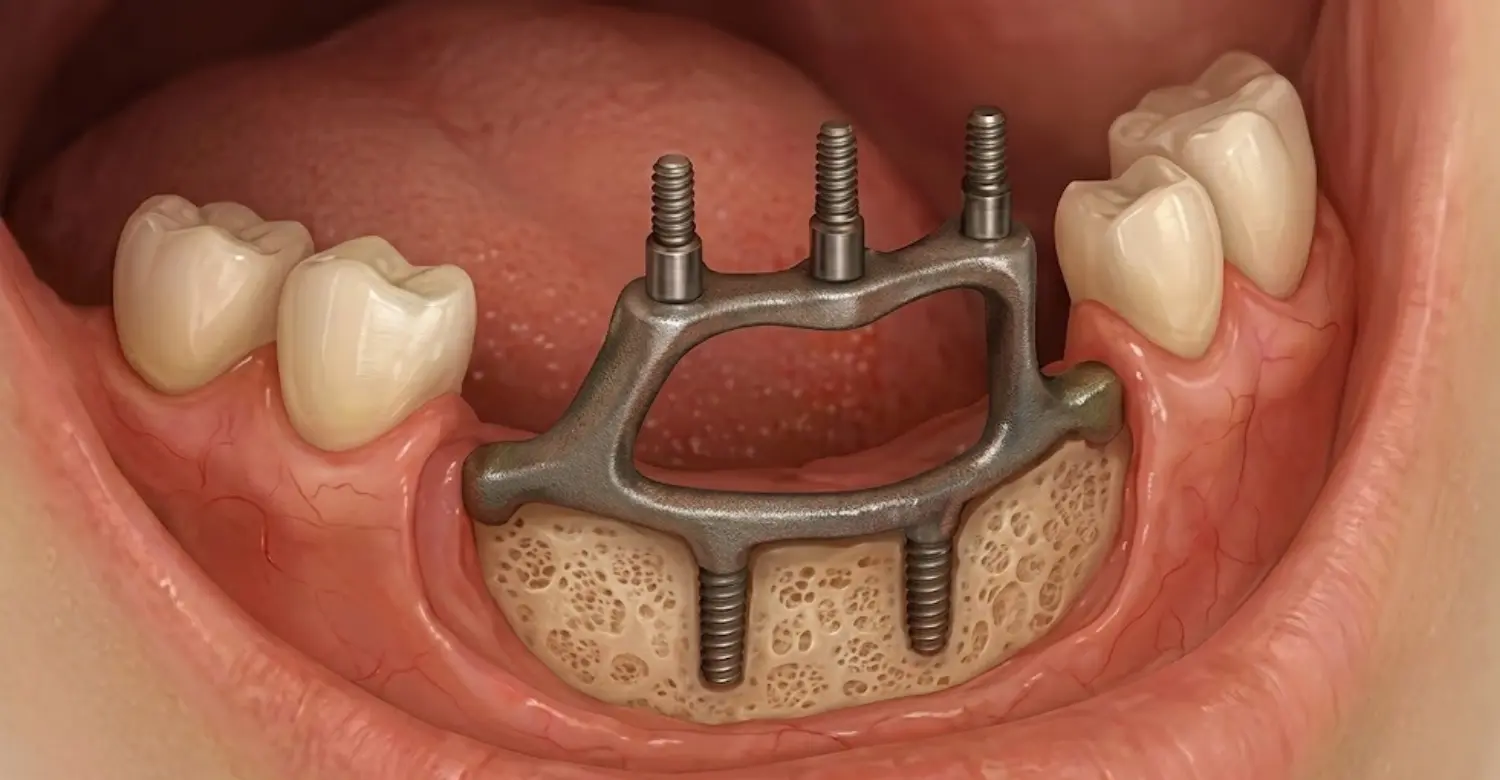
Subperiosteal dental implants are designed for patients with limited jawbone support. They use a customized metal framework placed beneath the gum tissue.
Unlike conventional implants, they do not depend on deep bone insertion. The framework rests over the jawbone surface. This approach can help patients with advanced bone loss. It may reduce the need for extensive bone augmentation procedures.
The framework is created according to each patient’s anatomy. Digital scans help produce a more accurate design.
Research in implant dentistry highlights the importance of personalized treatment planning. Patient anatomy strongly affects long-term results.
Vitrin Clinic uses advanced diagnostic methods to assess available options. Each treatment plan is created around individual patient needs.
How Subperiosteal Implants Differ From Traditional Dental Implants
Traditional implants require sufficient bone volume for placement. They are inserted directly into the jawbone. Subperiosteal solutions use a different support method. The framework sits above the bone and underneath soft tissues.
The main difference involves the available bone structure. Patients with severe bone loss may not qualify for conventional implants. Treatment selection depends on clinical findings. Dentists evaluate bone condition, oral health, and patient expectations.
Studies show implant success depends on multiple factors. These include stability, hygiene, and professional maintenance. At Vitrin Clinic, specialists compare available options carefully. Patients receive recommendations based on their specific dental condition.
Why Patient Selection Is Critical for Treatment Success
Careful patient selection improves treatment predictability. Not every missing tooth case requires the same implant approach.
Dentists evaluate medical history before recommending treatment. They also examine gum conditions and bone characteristics.
Patients with uncontrolled infections may need preparation first. Healthy tissues support better healing and stability.
Lifestyle factors can also influence outcomes. Smoking habits and poor maintenance may increase complications.
Clinical evidence shows proper planning reduces implant-related risks. A detailed assessment creates a safer treatment pathway.
Vitrin Clinic follows a comprehensive evaluation process. Specialists focus on patient safety and long-term functional results.
Clinical Note: The Importance of Individualized Implant Assessment
Every patient presents a different oral situation. Therefore, implant planning should never follow a one-size-fits-all approach.
A complete assessment includes clinical examination and digital imaging. These steps help identify the most suitable solution.
Advanced technology allows dentists to study jaw anatomy precisely. It supports accurate treatment decisions.
Dr. Rifat Alsaman emphasizes the importance of personalized evaluation. Each patient requires careful analysis before choosing an implant method.
At Vitrin Clinic, clinical decisions are based on evidence and patient needs. The goal is predictable results with comfortable treatment planning.
Who Is a Candidate for Subperiosteal Implants?
Patients may be considered suitable when traditional implant placement is challenging. The evaluation depends on several clinical factors.
Candidates usually have significant bone deficiency. They may not have enough support for standard implant placement.
A complete examination determines whether this option matches their condition. Medical health and oral hygiene are also important.
Digital scans provide detailed information about jaw structure. They help specialists create accurate treatment plans.
Recent implant technology has improved options for patients with complex cases. Customized frameworks allow more personalized approaches.
At Vitrin Clinic, implant specialists review every case carefully. Patients receive guidance based on their individual diagnosis.
Patients Suitable for Subperiosteal Dental Implants
Suitable patients often have advanced jawbone resorption. This condition may occur after long-term tooth loss.
Some patients cannot undergo extensive bone grafting procedures. Alternative implant approaches may become necessary.
Candidates should have healthy soft tissues. Good gum condition supports healing after treatment.
Patients must also maintain proper oral hygiene. Daily care influences the durability of implant-supported restorations.
Clinical studies indicate that patient cooperation affects implant longevity. Regular follow-up visits remain essential.
Research shows that bone resorption can begin rapidly after tooth loss, with studies reporting that vertical bone loss may reach approximately 11%–22% within the first year after extraction. This explains why some patients require alternative implant approaches.
Ideal Candidates for Subperiosteal Dental Implant Surgery
Ideal candidates usually need a fixed solution. They often have missing teeth combined with reduced bone support.
They should have realistic expectations about treatment outcomes. Understanding the procedure improves patient satisfaction.
A detailed examination identifies anatomical limitations. It also helps determine whether other solutions are available.
Good general health supports successful healing. Medical conditions should be controlled before treatment.
Modern implant planning improves accuracy and communication. Patients can better understand their personalized approach.
At Vitrin Clinic, specialists explain every treatment stage clearly. This helps patients make informed decisions about their dental health.
Common Oral Health Conditions That May Require Subperiosteal Implants
Several oral conditions can influence implant selection. Severe bone loss is one of the most common reasons for considering alternative approaches.
Long-term tooth loss may cause gradual jawbone resorption. This reduces the support available for conventional implant placement.
Advanced periodontal problems can also affect bone structure. Patients may need specialized evaluation before treatment.
A detailed diagnosis helps determine the most appropriate solution. This process is a key part of subperiosteal implant candidacy assessment.
Clinical studies show that bone quality and volume influence implant planning decisions. Each patient requires an individualized approach.
At Vitrin Clinic, specialists evaluate oral conditions carefully. The goal is selecting a safe and predictable implant solution.
What We Notice Clinically
Clinically, specialists often see patients who delayed tooth replacement for many years. This delay can contribute to significant bone changes.
Many patients believe traditional implants are their only option. However, advanced techniques provide additional possibilities.
During evaluation, dentists analyze bone structure, gum health, and medical history. These factors determine treatment suitability.
A complete subperiosteal implant candidacy review helps identify realistic expectations. It also improves communication between patients and specialists.
At Vitrin Clinic, clinical assessments combine experience with digital technology. This approach supports accurate diagnosis and personalized care.
Subperiosteal Implant Eligibility Criteria Before Treatment
Before treatment begins, patients require a comprehensive evaluation. This ensures the procedure matches their health and dental needs.
Eligibility depends on several factors. These include bone condition, oral hygiene, medical history, and treatment expectations.
Advanced imaging helps specialists understand jaw anatomy. It supports precise planning and better outcomes.
Research shows that proper patient selection improves implant predictability. Careful preparation remains essential for successful treatment.
A complete subperiosteal implant candidacy evaluation allows dentists to create a customized plan.
Vitrin Clinic focuses on detailed assessments before recommending any implant procedure.
Medical Requirements for Subperiosteal Implant Candidates
General health plays an important role in implant treatment planning. Certain medical conditions may require additional preparation.
Patients should discuss medications and health history with their dentist. This information helps create a safer treatment strategy.
Controlled health conditions usually allow better healing outcomes. Unmanaged conditions may increase possible complications.
The medical evaluation supports accurate subperiosteal implant candidacy decisions. It ensures the treatment approach fits the patient’s situation.
Clinical guidelines emphasize the importance of medical screening before implant procedures. Proper assessment improves patient safety.
At Vitrin Clinic, specialists review health information carefully. Every patient receives personalized recommendations.
Oral Health Conditions Needed Before Surgery
Healthy oral tissues are important before implant placement. Active infections may require treatment before surgery.
Patients should maintain good brushing and cleaning habits. Proper hygiene supports healing and long-term success.
Gum inflammation can affect treatment planning. Dentists may recommend periodontal care before implant procedures.
Subperiosteal implant candidacy depends partly on achieving a stable oral environment. Healthy tissues create better conditions for recovery.
Research highlights the connection between oral hygiene and implant maintenance. Long-term care remains essential.
Vitrin Clinic provides guidance to help patients prepare properly. The team supports every stage of treatment.
Imaging and Diagnostic Evaluation for Candidacy
Modern imaging technology improves implant diagnosis. Three-dimensional scans provide detailed information about jaw anatomy.
Dentists use these images to evaluate bone limitations. They also assess surrounding structures before treatment.
Digital evaluation supports accurate subperiosteal implant candidacy decisions. It allows specialists to understand each patient’s unique condition.
Cone beam CT imaging is commonly used in advanced implant planning. It provides detailed anatomical information.
Studies show digital planning improves treatment accuracy. It also helps reduce unexpected challenges during procedures.
According to implant dentistry research, three-dimensional imaging such as CBCT improves diagnostic accuracy by providing detailed information about bone anatomy. Studies report that CBCT can significantly improve treatment planning compared with traditional two-dimensional imaging methods.
3D-Designed Subperiosteal Implants Candidacy Assessment
Three-dimensional design has improved modern implant solutions. Customized frameworks can match each patient’s jaw anatomy.
Digital technology allows specialists to plan implant positioning carefully. This creates a more predictable treatment approach.
A complete subperiosteal implant candidacy assessment includes digital analysis. It helps determine whether the patient is suitable.
Research indicates customized implant designs improve adaptation. They also support better surgical preparation.
Patients can understand their treatment through digital explanations. This improves confidence before procedures.
At Vitrin Clinic, digital planning supports customized implant solutions. Specialists combine technology with clinical expertise.
Tips for Patients
Patients should prepare questions before their implant consultation. Understanding the procedure helps reduce uncertainty.
Maintain excellent oral hygiene before and after treatment. Healthy habits support better outcomes.
Share complete medical information with your dentist. This helps create an appropriate treatment plan.
Understanding subperiosteal implant candidacy allows patients to make informed decisions. Education is an important part of successful treatment.
Follow professional instructions after the procedure. Regular appointments help monitor healing progress.
Vitrin Clinic encourages patients to stay involved. Communication supports a comfortable treatment experience.
Are Subperiosteal Implants Suitable for Patients With Severe Jaw Bone Loss?
Severe jawbone loss can make traditional implants difficult. Alternative implant approaches may provide solutions for selected patients.
Bone resorption often occurs after years of missing teeth. It can reduce the foundation needed for standard implants.
Subperiosteal options may support patients with limited bone availability. However, careful evaluation remains necessary.
A detailed subperiosteal implant candidacy review identifies suitable cases. It considers anatomy, health, and patient expectations.
Modern implant dentistry continues developing solutions for complex cases. Technology has expanded available treatment options.
Vitrin Clinic evaluates each patient individually. Specialists recommend treatments based on clinical findings.
Subperiosteal Implants for Severe Jaw Bone Loss
Patients with severe bone loss may experience limited implant choices. Traditional methods often require additional procedures.
Subperiosteal designs provide support without deep bone insertion. They can be considered in selected bone-deficient cases.
The success of treatment depends on proper planning. Patient evaluation remains a critical step.
Subperiosteal implant candidacy helps determine whether this approach fits the patient. Specialists assess every important factor.
Clinical research emphasizes accurate diagnosis before treatment. Proper selection improves predictability.
Research indicates that after tooth extraction, the alveolar ridge may lose approximately 30% of its width during the first 6 months, which can reduce available bone for implant placement.
Dental Implant Solutions After Severe Bone Resorption
Severe bone resorption can create challenges for traditional implant placement. Patients may require alternative approaches after significant jaw changes.
Modern dentistry provides several solutions depending on bone condition. Treatment selection depends on individual anatomy and health factors.
Advanced implant techniques help restore function for complex cases. Digital planning improves accuracy before treatment begins.
A complete subperiosteal implant candidacy evaluation identifies suitable solutions. It considers bone availability, oral health, and patient expectations.
Clinical studies show that personalized treatment planning improves outcomes. Every patient requires a customized approach.
At Vitrin Clinic, specialists analyze complex cases carefully. The team recommends solutions designed around each patient’s needs.
Why Bone Deficiency Can Limit Traditional Implant Options
Traditional dental implants require adequate bone support. Insufficient bone volume can reduce implant stability.
After tooth loss, the jawbone may gradually shrink. This process can affect available treatment options.
Bone grafting may help some patients. However, certain cases require different approaches due to limitations.
Understanding subperiosteal implant candidacy helps determine suitable alternatives. Specialists evaluate whether the patient can benefit from this option.
Research shows bone quality affects implant success rates. Proper assessment remains essential before surgery.
Vitrin Clinic provides detailed evaluations. Patients receive recommendations based on their specific dental condition.
How Metal Framework Implants Provide Alternative Support
Metal framework implants use a customized structure. The framework is positioned over the jawbone surface.
This design provides support when traditional bone placement is challenging. It offers another option for selected patients.
The framework is created using advanced digital technology. Precise measurements improve adaptation and treatment planning.
Subperiosteal implant candidacy depends on multiple clinical factors. These include anatomy, health, and treatment expectations.
Studies highlight the importance of customized implant design. Patient-specific solutions improve treatment accuracy.
Vitrin Clinic combines digital planning with specialist experience. This approach supports complex implant rehabilitation.
Clinical Note: Evaluating Bone Volume and Implant Stability
Bone evaluation remains one of the most important steps before implant treatment. Specialists analyze available structures carefully.
Digital scans provide detailed information about jaw anatomy. They help identify limitations and possible solutions.
A professional subperiosteal implant candidacy assessment considers stability requirements. It ensures treatment recommendations match clinical conditions.
Dr. Rifat Alsaman emphasizes accurate diagnosis before choosing implant methods. Each case requires careful evaluation.
At Vitrin Clinic, clinical decisions are based on patient needs. The focus remains safety, comfort, and predictable results.
Can I Get Subperiosteal Implants Without Bone Grafting?
Many patients ask whether implants are possible without additional bone procedures. The answer depends on individual anatomy.
Subperiosteal solutions may help some patients avoid extensive bone augmentation. However, proper evaluation is always required.
Bone condition, oral health, and medical factors influence treatment decisions. Every patient receives a different recommendation.
Subperiosteal implant candidacy determines whether this approach is appropriate. Specialists review all clinical information before proceeding.
Modern implant technology continues improving options for bone-deficient patients. Personalized planning remains essential.
Vitrin Clinic evaluates patients using advanced diagnostic methods. The goal is finding the most suitable solution.
Understanding Bone Grafting Limitations in Implant Dentistry
Bone grafting can rebuild lost bone volume. However, it may not be suitable for every patient.
Some patients prefer avoiding additional surgical procedures. Others may have conditions affecting healing.
The evaluation process helps determine available alternatives. Subperiosteal implant candidacy considers whether grafting is necessary.
Clinical studies show that treatment choice depends on patient-specific factors. There is no universal implant solution.
Dentists evaluate bone structure, expectations, and health history. These factors guide treatment recommendations.
Vitrin Clinic provides comprehensive consultations. Specialists explain possible options clearly before treatment.
Subperiosteal Implants as an Alternative for Bone-Deficient Patients
Patients with limited bone support may need alternative implant designs. Subperiosteal frameworks can provide another treatment pathway.
These implants are customized according to jaw anatomy. Digital planning improves accuracy and comfort.
A detailed subperiosteal implant candidacy assessment identifies suitable patients. It helps determine whether this option matches their needs.
Research indicates that customized implant solutions can benefit complex cases. Proper planning remains essential.
Patients should discuss all available options with specialists. Understanding advantages and limitations supports better decisions.
Vitrin Clinic creates personalized treatment plans for patients with challenging dental conditions.
Fixed Teeth Options Without Bone Augmentation
Many patients seek fixed teeth solutions without additional bone procedures. Treatment possibilities depend on individual conditions.
Subperiosteal implants may be considered for some patients. They provide support without relying on traditional bone insertion.
Subperiosteal implant candidacy evaluation helps identify suitable cases. Specialists analyze anatomy before recommending treatment.
Modern dentistry offers multiple approaches for missing teeth. Each method has specific requirements and benefits.
Clinical experience shows that patient selection affects treatment success. Proper diagnosis remains the foundation.
Vitrin Clinic focuses on customized solutions. Specialists guide patients through every treatment stage.
Advanced Dental Implant Options for Patients With Low Bone Density
Low bone density can complicate conventional implant placement. Patients may require specialized treatment planning.
Advanced implant solutions focus on improving support and stability. Technology allows more personalized approaches.
Subperiosteal implant candidacy helps specialists determine appropriate options. The assessment includes imaging and clinical evaluation.
Research continues developing better solutions for bone-deficient patients. Digital workflows have improved implant planning.
Patients benefit from understanding their available choices. Clear communication supports realistic expectations.
Vitrin Clinic uses modern implant techniques. The team provides solutions based on each patient’s condition.
Dr. Rifat Alsaman’s Opinion
Dr. Rifat Alsaman explains that every implant case requires individual assessment. Bone condition alone does not determine treatment decisions.
A complete examination evaluates health, anatomy, and patient goals. This approach improves treatment predictability.
Subperiosteal implant candidacy should always be determined professionally. Accurate diagnosis prevents unsuitable treatment recommendations.
He highlights the importance of advanced imaging and planning. These tools support safer implant procedures.
At Vitrin Clinic, patients receive evidence-based recommendations. The focus remains achieving functional and aesthetic results.
When Are Subperiosteal Implants Recommended?
Subperiosteal implants may be recommended when traditional implant placement becomes difficult. They are mainly considered for patients with significant bone limitations.
A professional evaluation determines whether this treatment matches the patient’s condition. Bone structure, oral health, and expectations are reviewed carefully.
The process of subperiosteal implant candidacy helps specialists identify suitable cases. It ensures patients receive the most appropriate solution.
Patients with advanced jawbone loss may benefit from customized approaches. However, every case requires detailed diagnosis.
Clinical studies emphasize that proper patient selection improves implant outcomes. Individual planning remains essential for complex treatments.
At Vitrin Clinic, specialists use modern technology and clinical expertise. Patients receive personalized implant recommendations based on their needs.
Situations Where Subperiosteal Implants May Be Considered
Several situations may lead dentists to consider subperiosteal implants. Severe bone loss is one common reason.
Patients who cannot achieve sufficient bone volume may need alternative support methods. The implant framework provides support above the jawbone.
A detailed subperiosteal implant candidacy assessment identifies whether the patient qualifies. It evaluates anatomy, health, and treatment goals.
Other situations include previous implant challenges or limited bone availability. Each case requires professional evaluation.
Research shows that customized implant planning improves treatment predictability. Technology helps specialists manage complex cases.
Vitrin Clinic provides complete consultations. The team evaluates each situation before recommending advanced implant options.
Patients Who Cannot Receive Conventional Dental Implants
Some patients cannot receive traditional implants due to insufficient bone structure. Conventional implants require adequate support inside the jaw.
Patients with advanced bone loss may face limitations. Additional procedures may not always be suitable.
Subperiosteal implant candidacy helps determine alternative solutions. Specialists examine whether a customized framework can provide support.
Medical conditions, healing ability, and oral health also influence decisions. A complete evaluation is always necessary.
Clinical insights show that patient selection directly affects treatment success. Careful diagnosis reduces possible complications.
Vitrin Clinic focuses on finding suitable options for patients with complex dental needs.
Severe Jaw Atrophy and Reduced Bone Support
Severe jaw atrophy occurs when the jawbone loses volume over time. This often happens after prolonged tooth loss.
Reduced bone support can make traditional implants challenging. Patients may require alternative implant strategies.
Subperiosteal implant candidacy evaluates whether patients with severe atrophy may benefit. Specialists analyze available structures through advanced imaging.
Bone changes vary between individuals. Therefore, treatment plans must be personalized.
Dental research highlights the importance of restoring function while considering anatomy. Balanced planning improves patient satisfaction.
At Vitrin Clinic, specialists assess severe bone loss cases carefully. The goal is selecting safe and effective solutions.
Alternative Dental Implants for Patients With Low Bone Density
Low bone density may affect implant stability. Patients with limited support require specialized treatment planning.
Alternative implant options can provide solutions for selected cases. The appropriate method depends on individual evaluation.
A complete subperiosteal implant candidacy review considers bone condition and overall health. This helps identify suitable candidates.
Modern technology allows dentists to design customized frameworks. Digital planning improves precision and preparation.
Clinical evidence shows personalized approaches are valuable in complex implant cases. Patient-specific solutions remain a growing focus.
Vitrin Clinic offers advanced implant assessments. Specialists create treatment plans based on patient requirements.
Subperiosteal Implants vs Traditional Dental Implants for Bone Loss
Choosing between implant options depends on several factors. Bone availability is one of the most important considerations.
Traditional implants require sufficient jawbone volume. Subperiosteal designs may help patients with significant bone loss.
The decision process involves detailed subperiosteal implant candidacy evaluation. Specialists compare available options carefully.
Each treatment has advantages and limitations. The best choice depends on patient anatomy and goals.
Modern dentistry provides multiple solutions for missing teeth. Professional guidance helps patients understand their options.
Vitrin Clinic evaluates each case individually. Specialists recommend treatments based on clinical findings.
Differences in Implant Placement Technique
Traditional implants are inserted directly into the jawbone. They depend on bone integration for stability.
Subperiosteal implants use a customized framework. The structure sits above the bone beneath the gum tissue.
Placement techniques differ significantly between these approaches. Each method has specific indications.
Subperiosteal implant candidacy determines whether the alternative method is appropriate. Evaluation includes imaging and clinical examination.
Research shows accurate planning improves implant treatment outcomes. Digital technology supports better preparation.
Vitrin Clinic uses advanced planning techniques. Patients receive clear explanations about their treatment options.
Bone Requirements and Treatment Approach
Bone requirements represent a major difference between implant types. Traditional implants need adequate bone support.
Subperiosteal solutions are designed for patients with reduced bone availability. They provide another approach for selected cases.
Subperiosteal implant candidacy depends on evaluating remaining structures. Specialists analyze anatomy before recommending treatment.
The treatment approach changes according to patient needs. Personalized planning improves comfort and predictability.
Clinical studies highlight the importance of matching treatment to patient conditions. Proper selection remains essential.
Vitrin Clinic provides detailed assessments before any procedure. The team focuses on individualized care.
Advantages and Limitations of Each Option
Every implant solution has benefits and limitations. Understanding these differences helps patients make informed decisions.
Traditional implants may provide excellent results for patients with sufficient bone. However, they may require augmentation for some cases.
Subperiosteal options can support patients with severe bone loss. Yet, careful evaluation remains necessary.
Subperiosteal implant candidacy helps determine whether benefits outweigh limitations. Specialists review each individual case.
Clinical evidence supports personalized treatment selection. No single implant method suits every patient.
Vitrin Clinic explains all available options. Patients receive transparent information before choosing treatment.
Choosing the Best Implant Solution for Your Condition
Selecting an implant solution requires professional assessment. Dentists consider anatomy, health, and patient expectations.
The ideal option depends on each patient’s unique situation. Treatment should match clinical requirements.
Subperiosteal implant candidacy guides specialists during decision-making. It helps identify appropriate candidates.
Digital imaging and consultation improve treatment accuracy. Patients can understand their options more clearly.
Modern implant dentistry focuses on personalized care. Individual planning supports better long-term outcomes.
Vitrin Clinic provides comprehensive implant consultations. Specialists help patients choose suitable solutions for their dental needs.
Comparison Table
Feature | Subperiosteal Implants | Traditional Dental Implants |
Bone Requirement | Designed for patients with insufficient bone | Requires adequate jawbone volume |
Placement | Positioned above the jawbone under the gum | Inserted inside the jawbone |
Ideal For | Severe bone loss cases | Patients with sufficient bone support |
Treatment Planning | Requires customized digital design | Requires bone evaluation and implant placement planning |
This comparison helps patients understand different implant approaches. The final decision depends on professional evaluation.
A complete subperiosteal implant candidacy assessment helps determine the most suitable option for each patient.
Vitrin Clinic provides detailed consultations to guide patients toward appropriate implant solutions.
How Custom Subperiosteal Implant Treatment Planning Works
Custom treatment planning improves accuracy for complex implant cases. Each patient requires a design based on their unique jaw anatomy.
The planning process combines clinical examination and digital technology. Specialists analyze structures before creating the implant framework.
A detailed subperiosteal implant candidacy assessment guides the entire process. It helps determine whether the patient is suitable.
Modern workflows improve communication between dentists and patients. Digital models allow better understanding of the expected treatment.
Research shows customized implant planning improves predictability. Advanced technology continues changing complex implant rehabilitation.
Digital implant planning has improved modern implant workflows. Studies show that computer-guided implant planning can increase surgical accuracy and reduce positioning errors compared with freehand approaches.
Digital Scanning and 3D Jawbone Analysis
Digital scanning provides detailed information about jaw structure. It allows specialists to evaluate complex anatomical conditions.
Three-dimensional imaging helps identify bone limitations. It also supports accurate framework design.
A complete subperiosteal implant candidacy evaluation uses digital analysis. This ensures treatment recommendations match patient needs.
Cone beam CT technology provides high-quality diagnostic information. It helps dentists study bone shape and surrounding structures.
Clinical research highlights the value of digital planning. Accurate diagnosis supports safer procedures.
Vitrin Clinic uses advanced imaging techniques. Specialists create detailed treatment plans before implant procedures.
Designing a Patient-Specific Metal Framework
Each subperiosteal framework is designed for the individual patient. Customized construction improves adaptation to jaw anatomy.
Digital models allow specialists to create accurate framework dimensions. This supports better treatment preparation.
Subperiosteal implant candidacy determines whether a customized framework is suitable. The assessment considers several clinical factors.
Patient-specific designs help manage challenging bone conditions. They provide solutions when traditional approaches are limited.
Studies show customized medical devices can improve treatment precision. Personalized designs are becoming increasingly important.
At Vitrin Clinic, specialists focus on accurate customization. The goal is achieving comfortable and functional results.
Computer-Guided Implant Planning Process
Computer-guided planning improves implant treatment organization. Specialists can evaluate the procedure before clinical steps begin.
Digital technology helps identify possible challenges. It allows better communication between the treatment team.
A subperiosteal implant candidacy evaluation supports computer-based planning. It provides essential information about patient suitability.
Virtual planning creates a clearer treatment pathway. Patients can better understand their procedure.
Clinical studies show digital workflows improve surgical preparation. Technology supports more predictable outcomes.
Vitrin Clinic integrates modern planning methods. Patients receive carefully designed treatment strategies.
Improving Predictability Through Advanced Technology
Advanced technology continues improving implant dentistry. Digital tools help specialists make accurate decisions.
Three-dimensional planning reduces uncertainty during complex treatments. It provides detailed anatomical information.
Subperiosteal implant candidacy becomes more precise through advanced diagnostics. Technology supports better patient selection.
Modern implant solutions rely on accurate measurements. This improves communication and treatment confidence.
Research indicates digital approaches can enhance workflow efficiency. They support customized implant procedures.
Vitrin Clinic combines technology with clinical experience. The team focuses on predictable and patient-centered care.
What We Notice Clinically
Clinically, specialists notice that every bone-deficient case is different. Patients require individual evaluation before treatment decisions.
Many patients arrive after years of missing teeth. This often results in advanced changes to jaw structure.
A proper subperiosteal implant candidacy assessment reveals important clinical details. It helps determine realistic treatment possibilities.
Specialists also notice that patient education improves satisfaction. Understanding the process creates better expectations.
Digital planning has changed how complex cases are managed. It allows more detailed preparation.
At Vitrin Clinic, clinical evaluation remains the foundation. Specialists combine experience, technology, and patient communication.
Who May Not Be a Suitable Candidate for Subperiosteal Implants?
Not every patient qualifies for subperiosteal implant treatment. Some conditions require additional preparation or alternative solutions.
Medical health, oral hygiene, and lifestyle factors influence eligibility. Specialists evaluate all factors before recommending treatment.
Subperiosteal implant candidacy depends on a complete assessment. The goal is identifying patients who can achieve predictable results.
Patients with uncontrolled conditions may need treatment first. Stabilizing health improves the chances of success.
Professional evaluation remains essential before implant procedures. Each case requires careful consideration.
Vitrin Clinic follows a detailed assessment process. Specialists prioritize safety and long-term treatment outcomes.
Medical Conditions That Require Additional Evaluation
Certain medical conditions require careful evaluation before implant treatment. Health history helps specialists understand possible risks.
Conditions affecting healing may influence treatment decisions. Patients should provide complete medical information.
A subperiosteal implant candidacy assessment includes reviewing medical factors. This supports safer treatment planning.
Controlled health conditions may allow treatment after proper preparation. Each situation requires professional judgment.
Research shows medical evaluation is important before implant surgery. Proper screening supports patient safety.
Vitrin Clinic reviews each patient’s health information. Specialists create plans based on individual circumstances.
Uncontrolled Gum Disease and Oral Infections
Healthy gums are essential for implant treatment. Active infections may affect healing and treatment success.
Patients with untreated gum disease may require periodontal care first. Stabilizing oral health creates better conditions.
Subperiosteal implant candidacy depends partly on maintaining healthy tissues. Gum condition is carefully evaluated.
Research links oral hygiene with implant maintenance. Good habits support long-term results.
Dentists may recommend cleaning procedures before implant placement. Preparation improves the treatment environment.
Vitrin Clinic helps patients improve oral health before procedures. Specialists provide guidance throughout preparation.
Poor Oral Hygiene and Lack of Long-Term Maintenance
Long-term implant success requires proper maintenance. Poor hygiene can increase risks after treatment.
Patients must commit to regular cleaning and professional visits. Daily care supports implant longevity.
A subperiosteal implant candidacy evaluation includes assessing patient responsibility. Maintenance habits influence treatment recommendations.
Clinical studies show follow-up care affects implant performance. Regular monitoring remains important.
Dentists educate patients about proper implant care. Understanding responsibilities improves outcomes.
Vitrin Clinic supports patients with aftercare guidance. The team helps maintain healthy long-term results.
Lifestyle Factors That May Affect Treatment Success
Lifestyle habits can influence implant outcomes. Smoking and poor oral care may increase complications.
Patients should discuss lifestyle factors openly. This allows specialists to create realistic treatment plans.
Subperiosteal implant candidacy includes evaluating habits affecting healing. Specialists consider these factors carefully.
Positive lifestyle changes can improve treatment conditions. Patient cooperation plays an important role.
Clinical evidence highlights the importance of maintenance behaviors. Long-term success depends on many factors.
Vitrin Clinic provides education and support. Patients receive guidance before and after treatment.
Vitrin Clinic Approach to Subperiosteal Implant Candidacy Evaluation
Vitrin Clinic follows a detailed approach when evaluating complex implant cases. Every patient receives an individualized assessment before treatment recommendations.
The evaluation process combines clinical examination, digital imaging, and patient goals. This creates a complete understanding of each dental condition.
A professional subperiosteal implant candidacy review helps identify suitable patients. It considers bone structure, oral health, and medical factors.
Modern implant dentistry requires precise planning for complex cases. Advanced technology supports more predictable treatment decisions.
At Vitrin Clinic, specialists focus on safety and personalized care. Each treatment plan is developed according to individual requirements.
Comprehensive Consultation and Digital Diagnosis
A successful implant journey begins with a detailed consultation. Specialists collect medical information and evaluate oral conditions.
Digital diagnosis provides accurate information about jaw anatomy. Three-dimensional imaging helps identify available treatment possibilities.
Subperiosteal implant candidacy depends on precise diagnostic information. Specialists use these findings to create appropriate recommendations.
Modern digital tools improve communication with patients. They help explain treatment steps clearly before procedures.
Clinical studies support the role of advanced imaging in implant planning. Accurate diagnosis improves treatment preparation.
Vitrin Clinic uses advanced diagnostic technology. Patients receive complete evaluations before beginning their implant journey.
Personalized Treatment Planning for Bone-Deficient Patients
Patients with bone deficiency require customized treatment strategies. Standard solutions may not always provide the best option.
Specialists evaluate bone conditions and available alternatives. Treatment decisions depend on individual clinical findings.
It helps determine whether customized frameworks are appropriate. It guides the treatment selection process.
Personalized planning improves patient understanding and confidence. It allows specialists to explain expected outcomes clearly.
Research shows customized approaches are valuable in complex implant cases. Individual planning supports better results.
Vitrin Clinic creates personalized strategies for patients with challenging dental conditions.
Advanced Implant Solutions Based on Each Patient’s Needs
Modern implant dentistry provides multiple solutions for different conditions. Treatment selection depends on patient anatomy and goals.
Some patients require advanced options due to severe bone loss. Alternative approaches may provide suitable rehabilitation.
Subperiosteal implant candidacy helps identify appropriate treatment pathways. Specialists evaluate each case carefully.
Technology allows more accurate implant designs today. Digital workflows improve customization and planning.
Clinical insights show that patient-centered treatment improves satisfaction. Every patient requires a different approach.
Vitrin Clinic offers advanced implant solutions. Specialists combine technology and experience for personalized care.
Clinical Note
Clinical evaluation remains the foundation of successful implant planning. Specialists must understand every patient’s unique condition.
Bone structure alone does not determine treatment eligibility. Health, hygiene, and expectations are also important.
A complete subperiosteal implant candidacy assessment provides essential information. It supports safer and more predictable recommendations.
Dr. Rifat Alsaman highlights the importance of careful diagnosis. Proper evaluation helps avoid unsuitable treatment choices.
At Vitrin Clinic, specialists prioritize evidence-based decisions. The goal is achieving functional and aesthetic improvements.
Why Choose Vitrin Clinic for Advanced Dental Implant Solutions?
Choosing the right clinic is important for complex implant procedures. Experience, technology, and personalized care influence treatment quality.
Vitrin Clinic provides advanced implant solutions for different patient needs. The approach focuses on accurate diagnosis and customized planning.
A detailed subperiosteal implant candidacy evaluation helps create suitable treatment strategies. Each patient receives individual attention.
Modern facilities support precise implant workflows. Advanced equipment improves planning and communication.
Patients benefit from professional guidance throughout treatment. Clear explanations help create realistic expectations.
International dental studies show that patient satisfaction is strongly influenced by communication, treatment planning, and follow-up care. Clear explanations before treatment can improve confidence and overall experience.
Vitrin Clinic combines clinical expertise with modern dentistry. The team focuses on comfortable and predictable experiences.
Experienced Implant Specialists and Modern Dental Technology
Experienced specialists play an important role in complex implant cases. Knowledge and planning improve treatment decisions.
Modern technology supports accurate diagnosis and customized procedures. Digital tools enhance treatment preparation.
Subperiosteal implant candidacy requires professional evaluation by skilled specialists. Proper assessment improves patient selection.
Advanced equipment helps analyze difficult cases. It provides detailed information before treatment begins.
Clinical research emphasizes the importance of expertise in implant procedures. Specialist knowledge supports better outcomes.
Vitrin Clinic uses modern technology alongside clinical experience. Patients receive comprehensive implant care.
Digital Smile and Implant Planning Approach
Digital planning has transformed modern implant dentistry. Specialists can evaluate and design treatments more accurately.
Three-dimensional models help visualize implant solutions. Patients can better understand their personalized treatment plans.
Subperiosteal implant candidacy benefits from digital assessment methods. Technology improves evaluation accuracy.
Digital workflows support communication between specialists and patients. They create a clearer treatment pathway.
Studies show digital planning can improve clinical efficiency. It helps organize complex implant procedures.
Vitrin Clinic integrates digital planning into treatment preparation. The team focuses on precise and personalized solutions.
Patient-Focused Care From Consultation to Follow-Up
Successful treatment involves more than the procedure itself. Continuous support helps patients achieve better experiences.
Patients need guidance before, during, and after implant treatment. Follow-up care supports healing and maintenance.
Subperiosteal implant candidacy evaluation is only the beginning. Long-term success requires ongoing professional support.
Patient education improves understanding and cooperation. Clear instructions help maintain oral health.
Clinical experience shows communication affects satisfaction. Patients feel more confident when properly informed.
Vitrin Clinic provides support throughout the entire treatment journey. The team remains focused on patient comfort.
Supporting International Patients Through Their Treatment Journey
Many international patients seek advanced dental solutions abroad. They require organized communication and personalized support.
A complete subperiosteal implant candidacy evaluation helps international patients understand their options. It creates a clear treatment pathway.
Professional coordination improves the overall experience. Patients benefit from guidance before traveling.
Modern clinics provide digital consultations and treatment planning. This helps patients prepare effectively.
Vitrin Clinic supports international patients with organized care. The team helps throughout consultation and follow-up stages.
The goal is providing a smooth and comfortable dental experience.
Dr. Rifat Alsaman’s Opinion
Dr. Rifat Alsaman explains that complex implant cases require careful evaluation. Each patient has different anatomical and medical considerations.
A personalized approach improves treatment decisions. Specialists should analyze every detail before recommending solutions.
It should always be based on professional assessment. Accurate diagnosis creates better expectations.
He emphasizes the importance of combining technology with clinical experience. Digital tools support but do not replace expert judgment.
At Vitrin Clinic, treatment planning focuses on patient needs. The priority remains safety, function, and aesthetics.
Preparing for Your Subperiosteal Implant Consultation
Preparing for an implant consultation helps patients understand their treatment options. A complete discussion allows specialists to evaluate individual needs.
Patients should prepare medical information, dental history, and personal expectations. This helps create an accurate treatment plan.
A detailed subperiosteal implant candidacy evaluation begins during the consultation. Specialists review all factors affecting treatment suitability.
Digital scans and clinical examinations provide important information. They help determine the most appropriate implant approach.
Good preparation improves communication between patients and dentists. It also helps patients feel more confident.
At Vitrin Clinic, consultations focus on education and personalized planning. Specialists explain every step clearly before treatment.
Questions to Ask Your Implant Specialist
Patients should ask detailed questions during their consultation. Understanding the procedure helps create realistic expectations.
Important questions include treatment steps, healing time, and maintenance requirements. Patients should understand possible benefits and limitations.
Subperiosteal implant candidacy discussions should include eligibility factors. Specialists can explain why a specific option may be recommended.
Patients should also ask about alternative treatments. Comparing options helps them make informed decisions.
Clinical communication improves patient satisfaction. Clear discussions create stronger trust between patients and specialists.
Vitrin Clinic encourages patients to ask questions. The team provides detailed answers throughout the consultation process.
Documents and Medical Information to Prepare
Patients should bring relevant medical information before their appointment. Complete records help specialists evaluate treatment safety.
Important details include medications, previous procedures, and health conditions. This information supports accurate planning.
The requires reviewing medical factors carefully. Specialists consider overall health before recommending treatment.
Dental records and previous imaging may also be useful. They provide additional information about oral conditions.
Proper preparation makes consultations more efficient. Patients can receive clearer recommendations.
Vitrin Clinic reviews patient information carefully. Specialists use available details to create personalized treatment plans.
Understanding Your Personalized Treatment Plan
Every implant treatment plan is created according to individual needs. Patients should understand each stage before starting.
The plan may include diagnosis, design, surgery, and follow-up care. Each step has a specific purpose.
Subperiosteal implant candidacy determines whether this approach matches patient requirements. Specialists explain the reasons behind recommendations.
Understanding the plan improves patient confidence. It also helps patients follow instructions properly.
Clinical evidence shows informed patients often have better treatment experiences. Education plays an important role.
Vitrin Clinic explains treatment plans clearly. Patients receive guidance throughout their implant journey.
Tips for Patients
Patients should maintain excellent oral hygiene before implant procedures. Healthy tissues support better treatment conditions.
Follow professional instructions carefully. Preparation and aftercare both influence long-term results.
Understanding subperiosteal implant candidacy helps patients know what affects eligibility. Education supports better decisions.
Patients should avoid delaying necessary dental evaluations. Early assessment may provide more treatment possibilities.
Regular communication with specialists is important. Patients should discuss concerns before treatment begins.
Vitrin Clinic supports patients with professional guidance. The team helps create a comfortable experience.
About Subperiosteal Implant Candidacy Evaluation
Understanding patient suitability requires more than checking bone availability. Specialists review multiple clinical factors before recommending treatment.
The process involves analyzing oral health, medical conditions, and treatment expectations. These factors create a complete patient profile.
It depends on accurate diagnosis and professional judgment. Each patient receives an individualized evaluation.
Recent advances in digital dentistry have improved assessment methods. Three-dimensional imaging provides detailed information about jaw anatomy.
Clinical insights show that personalized planning increases treatment confidence. Patients benefit from understanding their available options.
At Vitrin Clinic, specialists combine technology with experience. The evaluation process focuses on safety and predictable outcomes.
The Role of Patient Expectations in Implant Selection
Patient expectations influence treatment planning decisions. Dentists need to understand functional and aesthetic goals before recommending solutions.
A realistic discussion helps patients understand possible outcomes. It also improves satisfaction after treatment.
Subperiosteal implant candidacy includes evaluating whether expectations match clinical possibilities. This creates a balanced treatment approach.
Communication between patients and specialists is essential. Clear explanations help patients make informed choices.
Research highlights patient satisfaction as an important treatment outcome. Successful procedures involve both clinical and personal factors.
Vitrin Clinic prioritizes patient education. Specialists explain treatment options according to individual needs.
Importance of Long-Term Maintenance After Implant Treatment
Implant success does not end after placement. Long-term maintenance plays a major role in preserving results.
Patients should follow professional cleaning recommendations. Regular dental visits help monitor implant health.
Subperiosteal implant candidacy includes considering the patient’s ability to maintain oral hygiene. Long-term commitment affects outcomes.
Clinical studies show maintenance programs support implant longevity. Professional monitoring helps detect possible concerns early.
Patients should understand their responsibilities before treatment. Proper care protects their investment.
Long-term implant maintenance is strongly linked with success rates. Research in implant dentistry reports that well-maintained implant restorations can achieve survival rates of 90%–95% over 10 years in properly selected patients.
How Technology Improves Complex Implant Cases
Technology has changed how specialists manage challenging implant situations. Digital tools provide more detailed treatment information.
Computer-assisted planning improves accuracy during implant design. It allows specialists to analyze anatomy before procedures.
The benefits from these advanced evaluation methods. Technology supports more precise patient selection.
Modern workflows improve communication between treatment teams and patients. They create clearer expectations.
Clinical research continues exploring digital solutions in implant dentistry. Innovation improves options for complex cases.
Vitrin Clinic uses modern technology to support personalized implant planning. Patients receive advanced dental care.
The Importance of Choosing an Experienced Implant Team
Complex implant cases require experience and careful planning. Specialist knowledge influences treatment decisions.
An experienced team understands challenging anatomical situations. This helps create appropriate treatment strategies.
Subperiosteal implant candidacy requires professional interpretation of diagnostic information. Experience supports better evaluation.
Patients should choose providers who use modern technology. Advanced equipment improves treatment preparation.
Clinical expertise remains essential despite technological progress. Human judgment guides successful treatment planning.
Vitrin Clinic combines experienced specialists with advanced techniques. The focus remains patient safety and quality care.
Future Developments in Subperiosteal Implant Treatment
Implant dentistry continues developing new technologies. Digital design and manufacturing methods are improving treatment options.
Future approaches may provide more customized solutions. Research continues exploring better materials and techniques.
Subperiosteal implant candidacy assessments may become more precise with improved technology. Advanced tools can enhance diagnosis.
Artificial intelligence and digital workflows may support future planning. These systems can help analyze complex cases.
Clinical innovation continues expanding options for patients with bone limitations. Personalized dentistry remains a growing focus.
Vitrin Clinic follows modern dental developments. The clinic focuses on providing updated treatment approaches.
How Digital Dentistry Supports Better Patient Outcomes
Digital dentistry improves communication and treatment accuracy. Specialists can visualize patient anatomy more effectively.
Three-dimensional planning supports customized implant solutions. It reduces uncertainty during complex procedures.
Subperiosteal implant candidacy evaluation becomes more detailed through digital analysis. Specialists can make informed decisions.
Patients also benefit from better explanations. Digital models help them understand proposed treatments.
Research shows digital workflows improve clinical organization. They support efficient treatment planning.
Vitrin Clinic integrates digital methods into implant consultations. The approach supports personalized patient care.
Understanding the Importance of Personalized Treatment
Every patient has different dental conditions and expectations. Personalized treatment ensures recommendations match individual needs.
A general approach may not address complex situations. Detailed assessment provides better treatment direction.
Subperiosteal implant candidacy depends on understanding each patient completely. Specialists evaluate multiple factors together.
Personalized dentistry focuses on function, comfort, and aesthetics. It considers both clinical and personal goals.
Clinical evidence supports individualized planning. Customized approaches improve patient confidence.
Vitrin Clinic develops treatment plans based on patient-specific information. Specialists focus on achieving appropriate results.
Conclusion
Choosing the right implant solution requires a detailed evaluation of each patient’s oral health, bone condition, and treatment goals. Patients with severe jawbone loss may need alternative approaches when traditional implants are not suitable.
A professional subperiosteal implant candidacy assessment helps specialists identify suitable patients and create personalized treatment plans. Advanced imaging, digital planning, and clinical expertise allow dentists to evaluate complex cases more accurately.
At Vitrin Clinic, specialists focus on individualized implant solutions designed around each patient’s needs. Through modern technology and comprehensive consultations, patients can better understand their options and choose the most appropriate path for restoring function, confidence, and a healthy smile.
A successful implant journey begins with accurate diagnosis, realistic expectations, and expert guidance from an experienced dental team.
Reference
FAQs
Dr. Rifat Alsaman has more than 5 years of clinical experience in dentistry and currently serves as the Head of the Medical Team at Vitrin Clinic. He is dedicated to providing exceptional patient care, overseeing treatment planning, and ensuring the highest clinical standards across the team. His expertise, attention to detail, and commitment to continuous professional development have helped countless patients achieve healthier, more confident smiles.


