Endodontics
June 5, 2026
How Can I Effectively Treat Teeth Discoloration and Restore My Smile?
 Dr. Rifat Alsaman
A brilliant, white smile is more than just an aesthetic goal; it's a powerful expression of confidence, health, and self-care. For millions of people, the most direct path to reclaiming that radiance is to treat teeth discoloration effectively. Whether you've noticed gradual yellowing over the years, developed stubborn stains from certain foods and beverages. Or experienced sudden color changes from a medical condition or medication, modern cosmetic dentistry has a solution. This guide walks you through the causes of tooth discoloration, the most effective professional and preventive treatments available, what realistic. Results look like, and why choosing expert care matters. By the end, you'll have everything you need to make an informed, confident decision about restoring your smile.
About Teeth Discoloration: Causes and Concerns
Understanding the nature of your discoloration is the critical first step before pursuing any treatment plan. Discoloration affects people of all ages and backgrounds, and the causes are far more varied than most people realize. Some forms develop slowly over many years due to dietary habits and lifestyle choices. While others appear more suddenly as a result of trauma, systemic illness, or medications. Without identifying the root cause, even the most advanced approach may only address symptoms temporarily rather than delivering lasting results. Your dental professional will use a combination of clinical examination and diagnostic tools to determine the exact origin of your. Staining, ensuring that every recommendation is grounded in accurate analysis and personalized to your specific oral health profile.
How to Treat Teeth Discoloration and Stains
If you're actively wondering how to fix stained front teeth, identifying the triggering factors is your essential starting point. The most prevalent culprits are dietary: coffee, tea, red wine, dark berries. And tomato-based sauces all contain chromogens and tannins that cling to enamel and cause progressive yellowing over time. Tobacco use, whether smoked or chewed, introduces nicotine and tar that penetrate enamel deeply, creating stubborn brown and yellow stains. That are notoriously difficult to remove without professional intervention. Poor brushing habits allow plaque to harden into tartar, amplifying discoloration significantly. Certain prescription medications, fluoride overexposure during childhood, and trauma to the tooth can also produce uneven color patterns. Aging is another factor: as enamel thins naturally over time, the yellow dentin beneath becomes increasingly visible, contributing to a. Duller, darker appearance across the entire smile.
How to Treat Extrinsic and Intrinsic Tooth Discoloration
Understanding the difference between extrinsic discoloration and intrinsic discoloration is fundamental to choosing the correct treatment path. Extrinsic discoloration occurs on the outer surface of the enamel and is typically caused by external staining agents such as. Food, beverages, and tobacco. Because it's superficial, extrinsic discoloration responds very well to professional cleaning, polishing, and in-office whitening. Intrinsic discoloration, by contrast, is embedded within the inner structure of the tooth—the dentin—and is caused by factors such as. Tetracycline use during development, excessive fluoride exposure, pulp necrosis following trauma, or certain genetic conditions. This type is far more resistant to standard whitening and often requires cosmetic interventions such as veneers or bonding to. Achieve an acceptable aesthetic result. Accurately diagnosing which type—or combination—you have is what allows your dentist to design a plan with a high probability of. Success.
Signs That Indicate Professional Tooth Discoloration Treatment Is Needed for treat teeth
Not all discoloration calls for immediate clinical intervention, but certain signs make professional treatment the clear next step. If your teeth have turned gray, brown, or developed visible dark patches—particularly on the front teeth—this warrants a professional evaluation. Whitening toothpastes and over-the-counter strips that have failed to produce results after weeks of consistent use indicate that the staining. Is too deep or complex for at-home products to resolve. White chalky spots or fluorosis-related banding across the enamel are additional indicators that professional expertise is needed. Discoloration that appeared suddenly following dental trauma, a new medication. Or an illness should always be evaluated promptly, as it may signal an underlying issue beyond cosmetic concern. Sensitivity or pain accompanying discoloration is particularly important to address without delay, as it may indicate enamel erosion or nerve. Involvement requiring immediate care.
How Teeth Discoloration Affects Your Smile and Health
Many individuals delay seeking teeth discoloration treatment because of concerns that are entirely understandable. Questions about safety, cost, longevity, and whether results will look natural are common. Others worry that whitening agents might damage their enamel. Some fear their particular type of stain won't respond to standard procedures. Discoloration also carries a significant emotional burden. Patients frequently report feeling self-conscious when smiling in photographs. They may hesitate to speak openly in professional settings. They often feel less confident in their daily lives. Research in psychology repeatedly shows that smile aesthetics directly influence perceived attractiveness, trustworthiness, and even professional competence. These concerns deserve honest, thorough answers. The good news is that today's cosmetic dentistry landscape offers solutions that are not only highly effective but also customizable, safe, and designed to produce results that harmonize naturally with your overall facial aesthetics. No patient needs to simply live with discoloration.
Professional Teeth Discoloration Treatment Options
When at-home products fall short, professional teeth discoloration treatment delivers the targeted, lasting results that patients truly need. Modern cosmetic dentistry offers a broad and well-developed spectrum of clinical options. Each is designed to address a specific type, depth, or severity of discoloration. From rapid in-office whitening to minimally invasive microabrasion and transformative porcelain veneers, the right approach depends entirely on the individual. Patient's diagnosis. Understanding what each treatment involves, who it's best suited for. And what outcomes it produces is essential for making an informed and empowered decision. The following sections explore the most effective professional options available today.
How In-Office Whitening Treats Discoloration
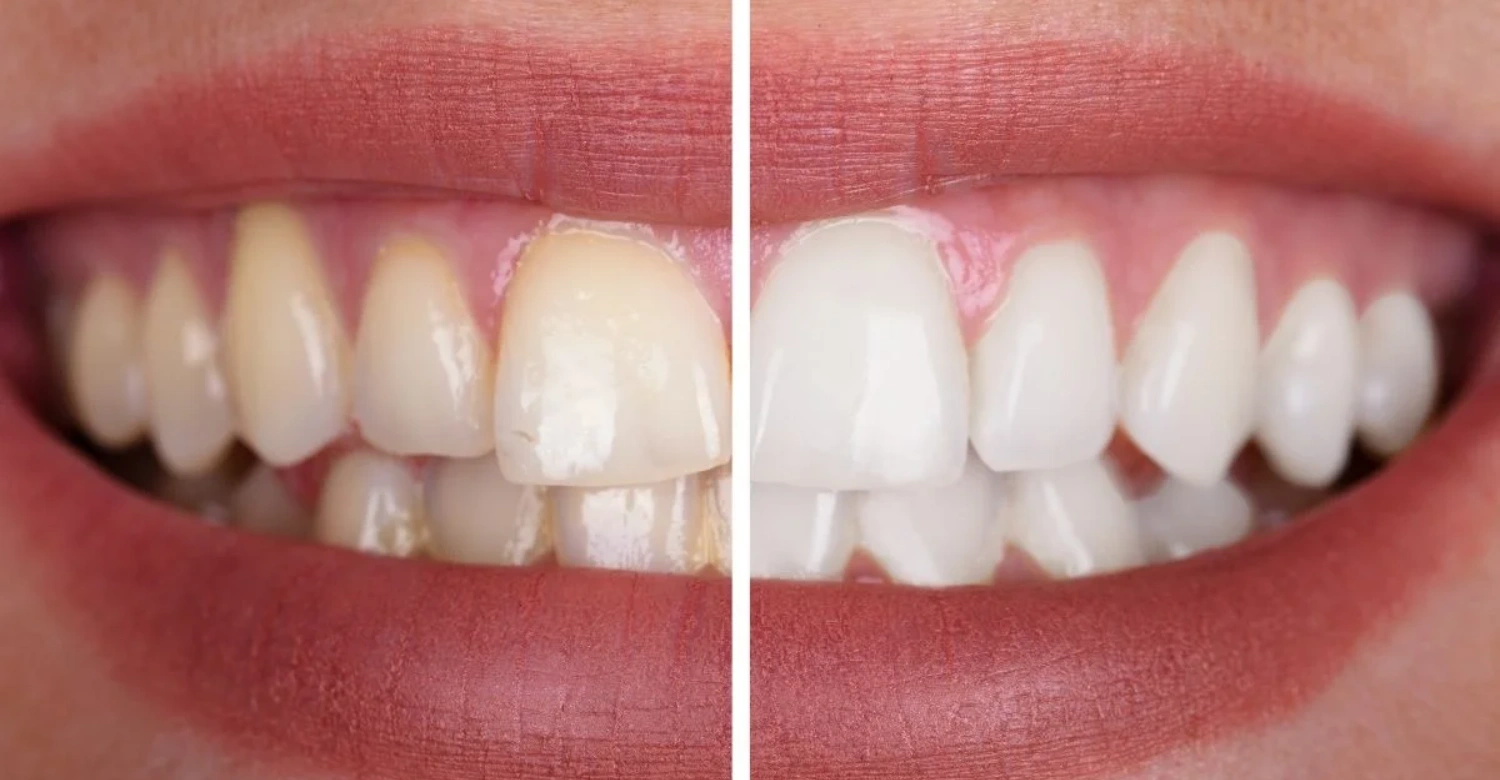
For patients seeking visible improvements quickly, in-office whitening is widely regarded as the gold standard of teeth discoloration treatment. This procedure uses professional-grade hydrogen peroxide or carbamide peroxide gels. These are significantly stronger than any product available without a prescription. Specialized LED, plasma, or laser light technology activates the gel to accelerate the bleaching process. A single session lasting approximately 60 to 90 minutes can lift enamel shade by three to eight levels. The exact change depends on the baseline color and nature of the staining. The process is closely monitored by your dental professional, ensuring safety and maximizing effectiveness. Gum and soft tissue protection is applied before treatment begins, minimizing the risk of irritation. This form of teeth discoloration treatment is particularly popular among patients preparing for a major event. Results are immediate and visually striking, requiring no waiting period or daily home-application routine.
Veneers and Cosmetic Solutions for Severe Discoloration
When staining is too deep or too extensive for whitening to correct, veneers represent one of the most transformative forms of teeth discoloration treatment available. Porcelain veneers are ultra-thin, custom-fabricated ceramic shells permanently bonded to the front surface of each tooth. They completely conceal discoloration, chips, cracks, or irregular shape. The result is a flawless, natural-looking smile that is resistant to future staining. Composite resin bonding offers a more accessible alternative. It can also effectively mask surface and mid-level stains, particularly on isolated teeth. These solutions are especially significant for patients wondering how to fix stained front teeth when conventional whitening has proven insufficient. They deliver complete cosmetic correction in as few as one to two appointments. The choice between porcelain and composite depends on the severity of discoloration, budget, and the patient's desired longevity of results.
What Do Different Whitening Treatments Cost?
Understanding the financial investment is key to choosing the right whitening method. Here is a breakdown of typical price ranges:
- Over-the-counter products (whitening toothpaste, strips, and trays): $20–$100 per kit. These are the most affordable but often yield subtle results.
- Professional in-office whitening: $300–$1,000 per session. This offers the most dramatic, immediate results and is performed under dental supervision.
- Take-home professional kits (custom-fitted trays and professional-grade gel): $100–$400. These provide gradual, controlled whitening with the convenience of home use.
- Laser or light-activated whitening: $500–$1,500, depending on the technology and number of sessions.
- Internal bleaching (for a single discolored tooth after root canal): $150–$300 per tooth.
Keep in mind that dental insurance typically does not cover cosmetic whitening. Many clinics offer payment plans. At Vitrin Clinic, we provide transparent pricing and a detailed treatment plan before you commit. You will know exactly what to expect.
At-Home vs. Professional Whitening: Which Delivers Better Results?
When deciding between at-home and professional whitening, consider the effectiveness and your goals. At-home products (strips, gels, trays) contain lower concentrations of hydrogen peroxide, typically 3–10%. They can lighten teeth by a few shades over several weeks. Results vary and may be less uniform. They are convenient and budget-friendly. You must follow instructions carefully to avoid gum irritation. Professional in-office whitening uses higher concentrations (25–40%) and often includes light or laser activation. This can lighten teeth by 5–8 shades in a single 60–90 minute session. The dentist protects your gums and ensures even application. This leads to more predictable and dramatic results. Professional take-home kits offer a middle ground. They include custom-fitted trays and professional-grade gel (10–20%) that you wear for a few hours daily. They are more effective than over-the-counter options and allow you to control the process at home.
In short, professional whitening is more effective and safer for significant discoloration. For minor stains, at-home products may suffice. Dr. Rifaat Al-Samman recommends a professional evaluation to determine the best approach for your specific case.
What Are the Alternatives to Traditional Whitening?
If conventional whitening isn’t suitable or effective, there are other options. Laser whitening is a type of in-office treatment where a laser or LED light activates a high-concentration peroxide gel. It accelerates the whitening process, often producing results in a single visit. It’s particularly effective for stubborn stains. Internal bleaching is used if a tooth has darkened due to trauma or a root canal. The dentist places a whitening agent inside the tooth and seals it temporarily. This is repeated over a few days until the desired shade is achieved. It’s a minimally invasive way to restore a single tooth without a crown. Veneers or bonding can mask severe discoloration that doesn’t respond to whitening. They improve the tooth’s shape and color. At Vitrin Clinic, we offer a range of cosmetic solutions. Dr. Rifaat Al-Samman will assess your teeth and recommend the most appropriate treatment to achieve your desired smile.
Expert Advice on Treating Teeth Discoloration
According to Dr. Rifaat Al-Samman, Director of the Medical Team at Vitrin Clinic, “Teeth whitening is one of the most popular cosmetic procedures. But it’s essential to approach it with a professional mindset. A dentist can determine the cause of discoloration and recommend the most effective and safe treatment.” Dr. Al-Samman, who has extensive experience in cosmetic dentistry and smile design, emphasizes that a thorough dental check-up is crucial before. Any whitening. “We need to ensure there are no cavities, gum disease, or exposed roots that could cause sensitivity. Once we have a clean bill of health, we can proceed with confidence.” He also advises patients to be realistic. About results: “Whitening can dramatically improve your smile, but it’s not permanent. Touch-ups and good oral hygiene are necessary to maintain the brightness.”
Evidence-Based Insights on Whitening
Dental research supports the safety and efficacy of professionally supervised whitening. A study published in the Journal of the American Dental Association found that carbamide peroxide and hydrogen peroxide are effective. For tooth whitening when used appropriately. The American Dental Association (ADA) also recognizes whitening as a safe procedure when performed under a dentist’s care. Research indicates that professional whitening can lighten teeth by an average of 5–8 shades, depending on the concentration and duration. Of treatment. Additionally, studies show that custom-fitted trays are more effective and cause less gum irritation than over-the-counter trays. At Vitrin Clinic, we adhere to these evidence-based guidelines to ensure your safety and satisfaction. We use ADA-approved products and follow strict protocols to minimize risks.
Microabrasion and Polishing for Extrinsic Discoloration
Microabrasion is a targeted, minimally invasive way to treat teeth discoloration. It focuses on extrinsic stains on the outer enamel. The dentist applies a fine abrasive compound, usually hydrochloric acid and pumice. Careful buffing removes the stained top layer without harming the tooth. Professional polishing follows to smooth the enamel and boost shine. This method works well for brown or white spots, mild fluorosis, and dullness from food and drinks. Patients who want a conservative, non-bleaching option may find microabrasion appealing. It suits localized, superficial stains that have not been present long.
Combining Treatments for Maximum Results
For complex cases, a phased combination often works best. Microabrasion can remove heavy surface stains first. Then whitening agents penetrate more evenly. After whitening, bonding or veneers can cover any resistant intrinsic stains. Your dentist will plan a sequence based on your staining type, severity, and goals. Combining treatments maximizes aesthetic outcomes. Each step complements the next, delivering a durable smile transformation.
Expected Benefits and Results of Treatment
Professional treatment to treat teeth discoloration offers more than a cosmetic upgrade. It improves how patients feel and interact with others. From in-office whitening to veneers, professional options deliver visible results that at-home products cannot match. Knowing what to expect helps patients enter treatment with the right mindset. The following sections outline key outcomes.
How Treatment Improves Smile Appearance and Confidence
Successful treatment to address tooth staining goes beyond the surface. Studies show that a whiter, more even smile boosts self-esteem and social confidence. People with brighter smiles smile more openly. This behavior links to positive emotions and better social interactions. In professional settings, a confident smile can affect how others see your credibility. For many, this treatment is a personal milestone. They stop hiding their smile and start sharing it freely. The psychological benefits are as significant as the clinical ones.
Before-and-After Expectations: Realistic Outcomes
Setting accurate expectations is essential for a satisfying experience. Dramatic transformations are possible, but results vary. They depend on baseline tooth color, stain type, and treatment chosen. Professional whitening can shift tooth shade by three to eight levels in one session. Veneers and bonding can correct even severe cases. Deep intrinsic stains may need multiple phases. Your dentist will assess your case at the initial consultation. Shade mapping and baseline photos help set realistic targets. Honest communication between patient and dentist is key.
Important Disclaimer
The information in this article is for educational purposes only. It is not a substitute for professional medical advice. Always consult a qualified dentist for a proper diagnosis and treatment plan. Your individual situation may vary. We respect your privacy. Any personal information you share is kept confidential and used solely to provide you with the best care. For more details, please read our Privacy Policy.
Long-Term Maintenance to Keep Your Teeth Bright
Preserving the results of your teeth discoloration treatment requires a committed, consistent maintenance routine that begins immediately after your procedure. And continues indefinitely. In the 48 hours following any whitening treatment, it's especially important to avoid chromogenic foods and beverages, as the enamel's. Pores are temporarily more open and vulnerable to restaining during this period. After this window closes, maintaining a whitening toothpaste as part of your daily brushing routine helps manage surface accumulation effectively. Take-home whitening trays prescribed by your dentist can be used periodically—typically every six to twelve months—to touch up your results. Between professional appointments. Avoiding tobacco in all forms is among the most impactful long-term strategies. Regular professional cleanings remove tartar and residual surface pigmentation that daily brushing cannot address, making them an indispensable component of. Any teeth discoloration treatment maintenance protocol.
Practical Dental Care Tips to Prevent Discoloration
Prevention is the most cost-effective dimension of any long-term teeth discoloration treatment strategy. While professional procedures can reverse existing damage, consistently applying the right daily habits and making smart dietary choices can significantly. Slow or even prevent new discoloration from developing. Understanding which foods, behaviors, and hygiene patterns protect your enamel—and which ones accelerate staining—gives you real, actionable control over the. Color and condition of your smile. The following tips are practical, evidence-based, and designed to be integrated seamlessly into everyday life, supporting both your ongoing maintenance. Goals and the health of your enamel over the long term.
Daily Oral Hygiene Habits That Protect Tooth Color
A rigorous daily oral hygiene routine is the simplest and most cost-effective element of any long-term teeth discoloration treatment strategy. Brushing at least twice daily with a fluoride-based whitening toothpaste removes plaque and prevents surface pigments from bonding to enamel. Before they have a chance to accumulate. Flossing once daily is equally critical—plaque trapped between teeth contributes to yellowing and discoloration in the interdental spaces that a. Toothbrush cannot effectively reach. Using an alcohol-free antibacterial mouthwash adds an additional layer of protection by reducing bacterial load and helping to preserve enamel. Clarity. An electric toothbrush with a pressure sensor is particularly recommended for consistent, thorough cleaning without risk of enamel abrasion. These habits, performed faithfully each day, not only support your teeth discoloration treatment outcomes but also protect your overall oral. Health in meaningful and lasting ways.
Foods, Drinks, and Habits to Limit for a Brighter Smile
Understanding how to fix stained front teeth over the long term means confronting the dietary and lifestyle choices that cause. Them to stain repeatedly. Coffee and tea are among the most frequent culprits—both contain high concentrations of tannins that attach to enamel and cause. Progressive yellowing over time. Red wine, dark berries, beetroot, soy sauce, and tomato paste all have similarly strong staining potential. Acidic beverages, including carbonated soft drinks and citrus juices, erode enamel and leave it more porous and susceptible to discoloration. Tobacco—in any form—deposits nicotine and tar into the deep layers of enamel, producing brown and yellow staining that resists most. Home whitening attempts. As part of a complete tooth discoloration treatment approach, patients are advised to use straws when consuming staining beverages, rinse. With water immediately after eating pigmented foods, and actively reduce their consumption of the highest-risk dietary items.
Professional Cleaning and Regular Checkups
No home-care routine, however thorough, can fully replicate what professional dental cleaning achieves in the context of ongoing tooth discoloration. Treatment. During a professional scale-and-polish appointment, your dental hygienist removes calculus and hardened tartar from above and below the gumline—deposits that. Are entirely inaccessible to brushing and flossing alone. Air polishing systems using fine sodium bicarbonate powder effectively eliminate extrinsic discoloration and surface staining that has accumulated since your. Last visit. Regular six-monthly checkups also allow your dentist to monitor changes in tooth color over time, identify early signs of enamel. Erosion, and recommend timely teeth discoloration treatment adjustments as needed. These appointments are not merely a maintenance ritual; they are a clinical checkpoint that keeps your overall oral health and. Aesthetic goals firmly on track under professional oversight, ensuring small issues are caught before they become significant problems.
Potential Risks and Side Effects of Whitening
While teeth whitening is generally safe when performed or supervised by a dentist, it’s important to be aware of potential side effects. Tooth sensitivity is the most common side effect, often temporary. It occurs because peroxide penetrates the enamel to break down stains. Your dentist can recommend desensitizing toothpaste or fluoride treatments to manage it. Gum irritation can also occur if whitening agents come into contact with soft tissues. Professional application uses protective barriers to minimize this risk. Overuse or misuse of whitening products can erode enamel over time. That’s why it’s crucial to follow your dentist’s instructions and avoid over-whitening. Uneven results may happen because existing restorations like crowns or veneers do not whiten. You may need to replace them to match your new shade. A thorough dental exam before whitening is essential to rule out cavities or gum disease, which could increase risks.
Frequently Asked Questions
Can I whiten my teeth at home effectively? Yes, but results are limited. Over-the-counter products contain lower concentrations of whitening agents and may take weeks to show subtle changes. Professional take-home kits are more effective because they use higher-strength gel and custom trays.
How long do whitening results last? Results can last from several months to a few years, depending on your habits. Avoiding coffee, tea, red wine, and smoking can prolong the effect. Touch-up treatments can help maintain your smile.
Is whitening safe for sensitive teeth? It can be, if done under professional supervision. Your dentist can use desensitizing agents and adjust the treatment to minimize discomfort.
What is the best treatment for a single discolored tooth? Internal bleaching is often the best option for a tooth that has darkened due to trauma or root canal. Your dentist can also consider veneers or bonding if bleaching isn’t suitable.
Vitrin Clinic: Expertise in Teeth Discoloration Treatment
When it comes to professional teeth discoloration treatment, the quality of care you receive is just as important as the. Treatment itself. Vitrin Clinic has positioned itself as a premier destination for patients seeking cosmetic dental excellence, combining the latest in clinical. Technology with a warm, patient-first philosophy that places your comfort and goals at the center of every decision. Whether you are a local patient or traveling internationally for dental care, Vitrin Clinic offers a seamlessly organized experience from. The moment of first contact through long-term follow-up. The clinic's reputation for delivering consistent, outstanding results in teeth discoloration treatment is built on a foundation of honest communication. Personalized planning, and technical mastery that distinguishes it in a highly competitive field.
Advanced Technology and Personalized Treatment Plans
At Vitrin Clinic, every teeth discoloration treatment journey begins with a comprehensive clinical evaluation supported by the most advanced diagnostic. Tools available. Digital shade-matching systems provide an objective, precise baseline measurement of current tooth color, allowing progress to be tracked and outcomes. To be predicted with remarkable accuracy. High-resolution digital imaging enables the dental team to identify the exact nature and depth of discoloration, distinguishing clearly between extrinsic. Discoloration and intrinsic causes. This diagnostic precision is the foundation of the highly individualized treatment plans Vitrin Clinic creates for each patient. No two smiles are identical, and no two treatment plans should be either. From professional whitening and microabrasion to porcelain veneers and combination protocols, every recommendation is calibrated to the patient's unique anatomy. Lifestyle, aesthetic goals, and oral health status, ensuring optimal outcomes with minimal unnecessary intervention.
Experienced Dentists and Patient-Centric Approach
The results of any teeth discoloration treatment are ultimately a reflection of the clinical team's expertise, attention to detail. And dedication to the patient's well-being. Vitrin Clinic's cosmetic dentists bring extensive specialized training and a deep understanding of both the science and artistry of smile. Restoration. Every case is approached with meticulous care, from shade selection and treatment sequencing to final polishing and detailed post-care instructions. The clinic's patient-centric philosophy means that you are never just a case file. You are an individual with unique goals, concerns, and expectations that deserve to be heard and fully honored. Transparency is a core value: patients receive clear, honest assessments, detailed explanations of all available options. And realistic expectations before any procedure begins. This culture of openness and respect is what earns and sustains the trust of every patient who chooses Vitrin Clinic. For their teeth discoloration treatment needs.
Real Patient Transformations and Success Stories
The most powerful validation of Vitrin Clinic's expertise in teeth discoloration treatment comes from the real-life experiences of patients who. Have undergone transformation at the clinic. Documented before-and-after cases span a wide spectrum of discoloration types, from mild yellowing corrected through in-office whitening to severe intrinsic. Staining addressed through full porcelain veneer treatments. Patients routinely describe the experience as life-changing, citing not only the dramatic visual improvements but also the profound shift in. Their self-confidence and willingness to smile freely in everyday situations. Many arrive at Vitrin Clinic after years of dissatisfaction with at-home products or inadequate results elsewhere. And leave with the radiant, natural-looking smiles they had stopped hoping for. These stories underscore a powerful truth: expert-level teeth discoloration treatment, delivered with precision and genuine care, genuinely transforms lives.
Our Commitment to Your Safety
At Vitrin Clinic, patient safety is paramount. We follow strict infection control protocols in accordance with international standards. This includes sterilization of all instruments using autoclaves, use of disposable materials where applicable, and regular training for our staff on hygiene and safety. We adhere to guidelines from the World Health Organization (WHO) and the Centers for Disease Control and Prevention (CDC). When you visit us for teeth whitening, you can rest assured that every precaution is taken to protect your health.
Take the Next Step Toward a Brighter Smile, Schedule Your FREE Consultation Today
If discolored, yellowed, or uneven teeth have been diminishing your confidence or affecting your daily life, the time to act. Is now. Professional teeth discoloration treatment at Vitrin Clinic is within reach. And it begins with a completely free, no-obligation consultation where you'll sit down with an expert, discuss your concerns. And receive a clear, personalized assessment of all your available options. There's no pressure, no commitment, and no reason to keep living with a smile you're not proud of. Whether you're considering whitening, veneers, microabrasion, or a combination approach, Vitrin Clinic has the expertise and the technology to deliver. Results that exceed your expectations. Take that first, important step today and discover what a truly transformed smile can feel like.
FAQs
Dr. Rifat Alsaman has more than 5 years of clinical experience in dentistry and currently serves as the Head of the Medical Team at Vitrin Clinic. He is dedicated to providing exceptional patient care, overseeing treatment planning, and ensuring the highest clinical standards across the team. His expertise, attention to detail, and commitment to continuous professional development have helped countless patients achieve healthier, more confident smiles.


