Hollywood Smile
August 25, 2026
Teeth Whitening Before and After Results: What Can You Expect?
 Dr. Rifat Alsaman
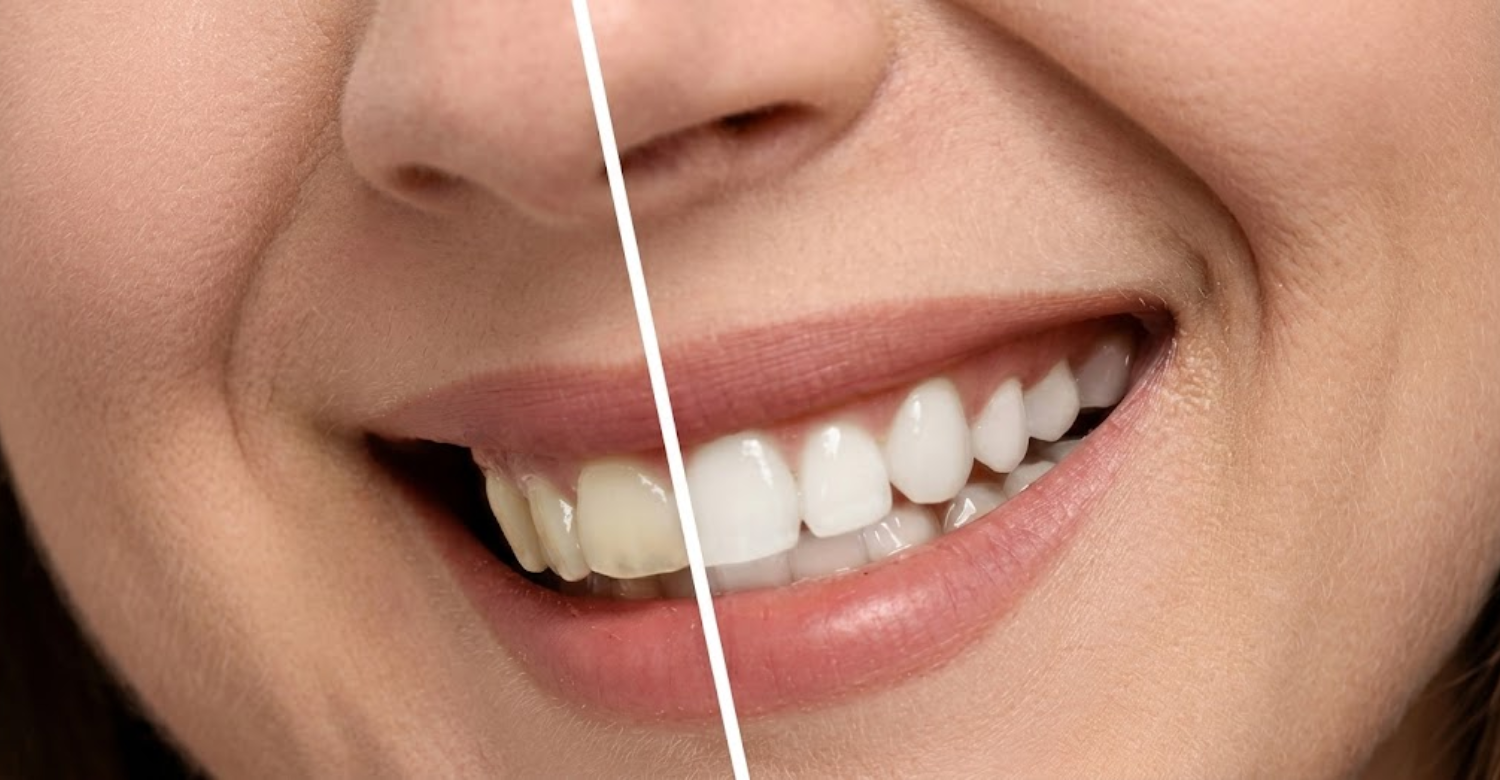
Teeth whitening before and after results vary from patient to patient. Clinical research still gives a fairly clear picture of what to expect. Studies using spectrophotometers show that whitening treatments typically produce a noticeable shift of several shade-guide units within weeks. Results can last from months to a few years, depending on the method used and how well they are maintained. Some regression is normal over time. Staining type, tooth structure, and lifestyle habits all influence the outcome. This guide walks through what drives visible change, how long it lasts, and how to set realistic expectations before starting treatment.
What Are Teeth Whitening Before and After Results?
These results describe the measurable difference in tooth shade before treatment begins and after it is completed. They are typically assessed using a shade guide or colorimeter. The outcome depends on the whitening method, the starting shade, and the type of staining being treated. For patients comparing different approaches, this guide to teeth whitening treatments can help explain how treatment options differ.
How Much Whiter Can Teeth Become After Treatment?
Clinical trials measuring color change with spectrophotometers found that at-home tray bleaching with carbamide peroxide produced a total color shift of roughly 5 units. That translates to about a 7-unit improvement on a standard shade guide. This gives a realistic benchmark for how much whiter teeth can become after treatment. Patients interested in professional options can also compare these findings with the information in this article about Zoom teeth whitening.
What Affects the Outcome?
Several factors shape the final result. These include natural tooth color, the type of staining present, the whitening method chosen, and daily oral hygiene and lifestyle habits. Each factor can meaningfully change how dramatic or subtle the outcome appears.
Natural Tooth Color
Naturally darker or more yellow-toned teeth often show a more visible initial change during whitening. Already lighter teeth may show smaller shade shifts, simply because there is less contrast to correct. For patients with persistent discoloration, understanding the causes of yellow teeth can also help determine whether whitening is appropriate.
Type of Tooth Staining
Surface-level extrinsic stains from food, drinks, or tobacco typically respond faster to whitening. Intrinsic stains sit deeper in the tooth, such as those caused by medications or trauma, and respond more slowly. In some cases, patients may consider alternatives such as crowns for stained teeth when bleaching cannot provide the desired result.
Whitening Method Used
Professional in-office treatments, take-home trays, and over-the-counter products all use different peroxide concentrations. This directly affects how much, and how quickly, visible whitening occurs. The article on laser dental whitening costs provides additional context for patients comparing professionally performed whitening options.
Oral Hygiene and Lifestyle
Consistent brushing helps preserve results. Limiting staining foods and drinks, and avoiding tobacco, also help. Poor habits can cause new stains to develop and shorten how long whitening lasts. Patients who want a broader understanding of maintaining a brighter smile can also review information about teeth whitening and maintenance.
How Does a Teeth Whitening Treatment Work?
Understanding the process helps explain why results differ so much between patients. Whitening agents use peroxide compounds. These compounds break down stain molecules within the enamel and dentin layers of the tooth.
What Happens During a Teeth Whitening Procedure?
A peroxide-based gel is applied to the teeth. This happens either in-office under professional supervision, or at home using custom or pre-formed trays. The peroxide penetrates the tooth structure and breaks down the pigmented compounds responsible for discoloration. This is the mechanism behind visible whitening results.
How Does Professional Teeth Whitening Improve Results?
Professional whitening uses higher peroxide concentrations and precise application. Some methods add light activation. This allows faster, more controlled color change than most over-the-counter products. Supervision also helps manage sensitivity and protect soft tissue during treatment. Patients considering light-based approaches can read more about laser teeth whitening and how it differs from conventional whitening.
Professional vs. Home Whitening Effectiveness
Professional treatments are generally more effective, thanks to stronger active ingredients. Still, at-home tray bleaching with lower-concentration carbamide peroxide has shown measurable, statistically significant color change in clinical trials. This requires consistent use over one to two weeks.
What Is the Best Whitening Method for Visible Results?
The right method depends on how quickly you want to see change, and how predictable you need the outcome to be. Professional, laser, and at-home approaches can produce noticeably different results.
Professional Teeth Whitening
Professional whitening uses dentist-applied, higher-concentration peroxide gel. It often produces faster and more consistent results than home products. It also allows closer monitoring of sensitivity and gum protection throughout the procedure.
Laser Teeth Whitening
Laser or light-activated whitening can produce greater immediate color change than gel alone. Clinical trials, however, have found this effect is often followed by noticeable shade rebound within about a week. Rates of moderate to severe sensitivity are also higher. Patients comparing professional options may also find the article on laser dental whitening useful when evaluating treatment choices.
At-Home Teeth Whitening
At-home whitening typically uses lower-concentration carbamide peroxide trays over one to two weeks. Clinical studies show it can produce meaningful, lasting color change. The process is usually more gradual than in-office treatment.
Which Method Provides Faster Results?
In-office professional and laser-activated whitening generally provide the fastest visible change. Many patients notice a difference within a single visit. At-home tray systems, by comparison, improve gradually.
Which Method Provides More Predictable Results?
Professional whitening tends to be more predictable than laser-activated methods. Laser treatments have shown a higher tendency toward shade rebound shortly after the initial color change.
How Long Does Teeth Whitening Last After Treatment?
How long whitening lasts varies by method and maintenance. Understanding typical timelines helps set realistic expectations for the months and years following treatment. Patients comparing whitening with other cosmetic approaches can also explore composite veneers as an alternative for improving the appearance of discolored teeth.
What Can Make Results Fade Faster?
Frequent staining foods and drinks, tobacco use, and inconsistent oral hygiene can all speed up fading. Higher-concentration in-office and laser protocols have also shown a greater tendency toward early color regression, compared to more gradual at-home methods.
How Can You Maintain Your Results?
Limit staining substances, brush consistently, and use touch-up treatments periodically. Research shows results can remain stable for up to two years with good maintenance. Gradual regression is still common over time, even with care. If discoloration remains despite whitening, an article about the cost of veneers in Turkey explains another cosmetic option for improving tooth appearance.
How to Whiten Teeth Safely After Professional Treatment
Follow your dentist's aftercare instructions closely. Avoid highly pigmented foods and drinks for the first 48 hours. Use touch-up products only as recommended, to avoid overuse and increased sensitivity.
What Causes Different Results Between Patients?
Results are rarely identical between patients. Staining type, tooth structure, and existing dental work all interact differently with whitening agents, producing a wide range of final outcomes.
Extrinsic vs. Intrinsic Tooth Stains
Extrinsic stains sit on the tooth surface and typically respond well to standard whitening. Intrinsic stains lie within the tooth structure. They often require stronger or more prolonged treatment, or may not fully respond to bleaching at all. When stains are resistant to bleaching, options such as veneers in Turkey may be discussed as part of a cosmetic treatment plan.
Why Do Some Teeth Respond Better Than Others?
Differences in enamel thickness, dentin color, and stain origin all play a role. Teeth with denser, more translucent enamel tend to show more dramatic shade change than those with thinner or more opaque structure. Enamel condition is also important, particularly when considering repeated cosmetic procedures.
Can Dental Restorations Change the Final Appearance?
Yes. Materials like crowns, veneers, and fillings do not respond to peroxide the way natural enamel does. This can create a visible shade mismatch between natural and restored teeth. Patients considering restorations can learn more from the comparison of veneers versus crowns.
Crowns and Whitening
Crowns do not lighten with bleaching agents. If a crown is visible in the smile line, whitening the natural teeth around it may create a noticeable color difference over time. The article about dental crown shades explains why shade selection matters when restoring visible teeth.
Veneers and Whitening
Veneers also do not change color with whitening treatments. Shade planning before placement is important, to keep a consistent look as natural teeth are whitened in the future. Patients comparing materials can also read about composite versus porcelain veneers.
Fillings and Whitening
Tooth-colored fillings can become visibly mismatched after whitening. The surrounding natural tooth lightens, but the filling material stays the same shade. Replacement is sometimes needed for a uniform appearance. In situations where several cosmetic concerns exist, composite bonding may be another restorative option to discuss with a dentist.
Teeth Whitening at the Dentist: What Should You Expect?
In-office visits typically involve a more controlled, monitored process than at-home options. This often produces more predictable results, and allows early management of any sensitivity or discomfort.
How Is In-Office Whitening Different From Home Treatment?
Dentists use higher-concentration peroxide gel under professional supervision. They also apply protective measures for gums and soft tissue. These are not typically available with over-the-counter home kits.
Is Professional Teeth Whitening Safe for Sensitive Teeth?
It can be safe when properly assessed beforehand. Clinical trials on higher-concentration in-office bleaching consistently report sensitivity as a common side effect. This is why dentists often adjust concentration or timing for sensitive patients. Patients with sensitivity can also review information about laser treatment for tooth sensitivity when discussing their options with a dentist.
When Will You See Teeth Whitening Before and After Results?
Many patients notice initial results within the first in-office session. At-home tray methods typically show visible improvement gradually, over one to two weeks of consistent use.
What Should You Avoid Immediately After Whitening?
Avoid deeply pigmented foods and drinks, such as coffee, red wine, and berries. Avoid tobacco products as well. Enamel is temporarily more porous after treatment, and prone to absorbing new stains during this period. Patients who want a brighter smile without relying solely on bleaching can also compare whitening with zirconia veneers where appropriate.
Clinical Note
Professional assessment matters before whitening. The cause of discoloration, enamel condition, existing restorations, and sensitivity levels can all affect the expected outcome. These should be reviewed beforehand.
How Much Does Teeth Whitening Cost?
Cost varies significantly depending on the method chosen. Understanding this range helps set expectations alongside the results you can realistically expect from each option.
Clinic Whitening Method |
Turkey (USD) |
United States (USD) |
United Kingdom (USD) |
In-office professional whitening |
$150 – $450 |
$500 – $1,000 |
$450 – $900 |
Laser-activated whitening |
$200 – $550 |
$600 – $1,500 |
$500 – $1,500 |
Beyond whitening system |
$150 – $350 |
$450 – $900 |
$400 – $850 |
Zoom whitening system |
$250 – $450 |
$500 – $1,200 |
$450 – $1,000 |
These figures are general estimates, not fixed quotes. Actual pricing depends on the clinic, the whitening system used (laser, LED, or tray-based), the city, and how many sessions are included in a package. Turkey is frequently cited as the more budget-friendly option among the three, partly due to lower operating costs. The US and UK tend to sit at the higher end, especially for laser or light-activated systems. Whatever the country, staining type, enamel condition, and consistency of aftercare matter more than location alone.
What Factors Affect Cost?
Cost depends on the method used, the number of sessions needed, and whether custom trays are involved. The severity or type of staining, and the country or clinic where treatment is performed, also matter. All of these shape the final results too. Patients comparing cosmetic alternatives can also review Turkey teeth veneers prices to understand how restorative options differ from whitening.
Does Professional Whitening Cost More Than Home Whitening?
Yes, typically. This is due to higher-grade materials, dentist supervision, and often faster, more predictable results. Still, at-home tray systems can achieve meaningful shade improvement at a lower price point.
Is Laser Teeth Whitening Worth the Cost?
It may be worth it for patients wanting the fastest possible initial change. But studies showing shade rebound within days, and higher sensitivity rates, mean it is worth weighing against more stable, lower-cost alternatives. A comparison with different teeth whitening treatments can help patients understand the available approaches.
How to Maintain Teeth Whitening Before and After Results
Maintaining your results requires ongoing habits. Even well-executed treatments show some natural color regression over time without consistent care and periodic touch-ups.
Which Foods and Drinks Should You Avoid After Whitening?
Avoid coffee, tea, red wine, dark sauces, and heavily pigmented berries. These are among the most common contributors to new surface staining. They can undo early results, especially in the days immediately following treatment.
Does Smoking Affect Whitening Results?
Yes, significantly. Tobacco stains build up quickly on enamel and can noticeably shorten how long a brighter shade lasts. Smokers often need more frequent touch-up treatments than non-smokers.
Can Regular Dental Cleaning Help Maintain Whitening?
Yes. Regular cleaning removes surface plaque and early stain buildup before it becomes visible. This supports longer-lasting results between whitening treatments and touch-up sessions.
How Often Can You Repeat Teeth Whitening?
This depends on the method and your dentist's guidance. Many patients use touch-up treatments every six to twelve months, to help sustain results as natural regression occurs.
Teeth Whitening Before and After Results: What Should You Realistically Expect?
Setting realistic expectations starts with understanding that outcomes vary by patient. A brighter smile does not always mean reaching the absolute whitest shade possible.
Why Results Differ From One Patient to Another
Results differ because of variations in natural tooth color, stain type, enamel density, and consistency of treatment use. All of these influence how dramatic or subtle the final shade change appears.
Why a Brighter Smile Does Not Always Mean the Whitest Possible Shade
Reaching the whitest possible shade is not always the goal. Natural-looking results that suit facial features and existing restorations are often a more realistic and aesthetically balanced target. For patients considering restorative changes, veneers and crowns may provide different approaches to improving smile aesthetics.
How Professional Assessment Helps Set Realistic Expectations
Professional assessment identifies stain type, checks for restorations that will not respond to whitening, and evaluates sensitivity risk. This allows a treatment plan tailored to what is actually achievable for that patient.
Teeth Whitening at Vitrin Clinic
Vitrin Clinic approaches whitening results with an emphasis on individualized assessment. This ensures the chosen method matches each patient's staining type, enamel condition, and expectations for a natural-looking outcome.
How Does Vitrin Clinic Approach Professional Teeth Whitening?
The clinic first evaluates the cause and type of discoloration. It then selects a method and concentration suited to the patient's sensitivity level and desired outcome, rather than applying a one-size-fits-all protocol.
What Can Patients Expect From Whitening at Vitrin Clinic?
Patients can expect a thorough initial evaluation and a treatment plan based on their specific staining pattern. They also receive guidance on maintaining their results through appropriate aftercare and periodic follow-up.
How Does Vitrin Clinic Help Patients Achieve a Natural-Looking Smile?
Vitrin Clinic considers existing restorations, facial aesthetics, and realistic shade goals. The aim is a natural fit, not the maximum possible whiteness regardless of individual suitability.
What We Notice Clinically
Dr. Rifat Alsaman, Head of the Medical Team at Vitrin Clinic and a cosmetic dentist, notes that patients who understand realistic outcomes beforehand tend to feel more satisfied. Their expectations are grounded in what their specific dental condition can actually achieve.
Clinical Note
Evaluating existing restorations, tooth sensitivity, staining type, and overall oral condition helps avoid mismatched results. It also supports a safer, more predictable treatment experience.
Tips for Patients
Limit staining foods and drinks in the days after treatment.
Maintain consistent brushing and flossing to protect results.
Follow all post-whitening care instructions provided by your dentist.
Attend follow-up visits if touch-ups or monitoring are recommended.
Reference
Teeth whitening before and after results can show a noticeable improvement in tooth shade, but results may gradually fade over time. A randomized clinical trial found that whitening significantly improved tooth color, with lighter shades still evident after 18 months, although some relapse occurred. This highlights the importance of proper treatment and maintenance for longer-lasting results.
https://pubmed.ncbi.nlm.nih.gov/23034421/
FAQs
Dr. Rifat Alsaman has more than 5 years of clinical experience in dentistry and currently serves as the Head of the Medical Team at Vitrin Clinic. He is dedicated to providing exceptional patient care, overseeing treatment planning, and ensuring the highest clinical standards across the team. His expertise, attention to detail, and commitment to continuous professional development have helped countless patients achieve healthier, more confident smiles.


